
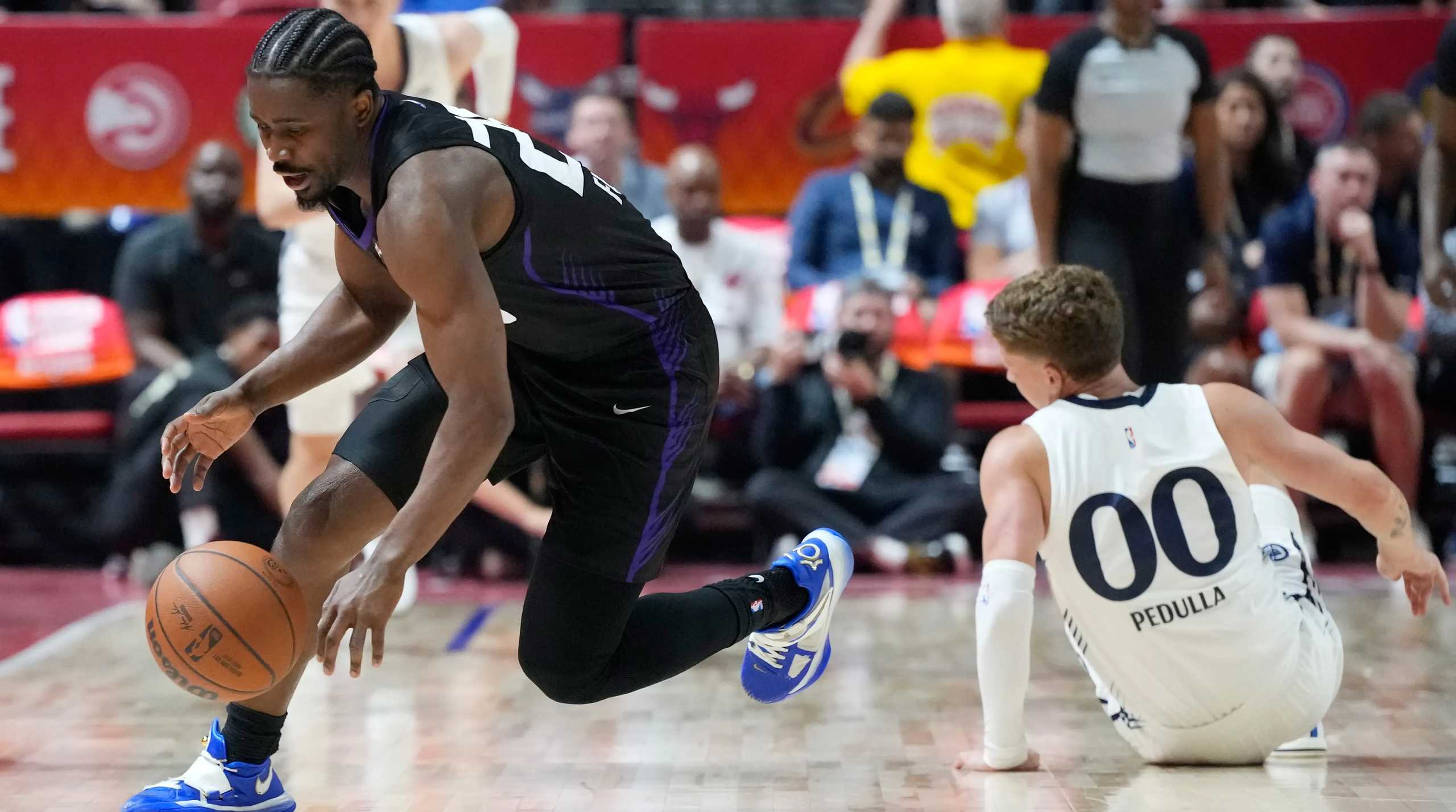
Where the Clippers Rank Among Sports’ Harshest Punishments
The Clippers lost $30 million and five first-round picks. That’s brutal, but sports history has handed down punishments that make it look almost tame.

On September 2, the NBA came down hard on the Clippers after an independent investigation into salary-cap circumvention involving Kawhi Leonard. The bill was $30 million, five first-round picks from 2029 through 2033, and a one-year suspension for owner Steve Ballmer.
As expected, the backlash lit up online. Plenty of fans vented that they were the ones being made to pay for ownership’s actions, with the consequences potentially hamstringing the team for years.
Inside the NBA’s case against the Clippers
So how did the NBA get to a punishment this big? Start with Leonard’s much-discussed Aspiration deal, then keep going. According to the league, that arrangement was only one piece of a broader setup involving outside income routed through four companies doing business with the team, plus commercial opportunities used to help grease the wheels on those agreements. Reportedly, the organization even covered Leonard’s personal expenses.
Senior executives Gillian Zucker and Lawrence Frank were hit with unpaid suspensions of one year and six months, respectively. For its part, the franchise will operate under a five-year compliance and monitoring program, while Leonard must pay the league $700,000.
The NBA and players’ union have called the penalties final and binding, but the Clippers are not going quietly, saying they “vehemently reject the NBA’s findings” and plan to take the case to arbitration. For Silver, it was the kind of call that tests any top sports commissioner, imposing historic penalties on one of the owners who collectively govern the league. “The severity of the penalties reflects the seriousness of the violations,” he noted.
7 of the harshest team punishments in sports history
No matter how you look at it, the Clippers got seriously hit, and the damage will follow them for years. Bill Plaschke of the Los Angeles Times went so far as to call it “arguably the harshest punishment in sports since SMU was given college football’s death penalty in 1987.”
To help put that in some perspective, I went back through professional sports as far as the 1870s and ranked seven cases by the damage they caused. Below, I get into each one and why it landed where it did.
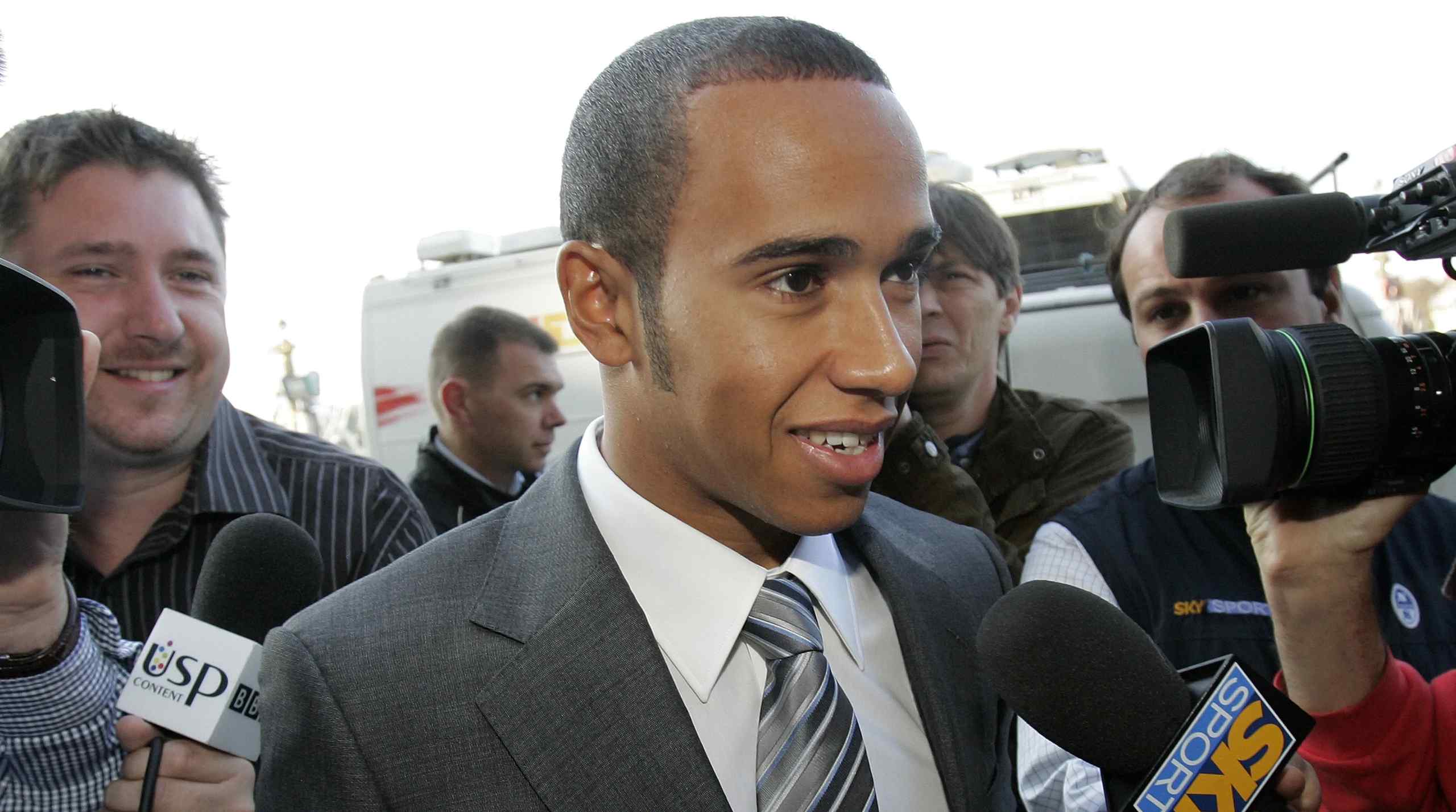
7. McLaren’s $100 Million penalty cost a championship campaign
McLaren’s part in Formula 1’s 2007 Ferrari spying scandal brought a US$100 million penalty and removal from the constructors’ championship. One reason I rank it only seventh is that the FIA credited $35.6 million in commercial income lost due to that sanction toward the total, which helped blunt the impact of the penalty.
Drivers caught a break, too, as Lewis Hamilton and Fernando Alonso retained their points under immunity arrangements and could still chase the title, even with their employer’s constructors’ bid finished.
6. Melbourne Storm lost two titles and a season’s purpose
Back in 2010, the NRL determined that rugby squad Melbourne Storm had concealed player payments through side agreements and other arrangements. That gave the club room to spend beyond what showed up in the contracts lodged with the league. As a consequence, neither the 2007 nor 2009 premiership remains in the club’s record books, and the same goes for three minor premierships from 2006, 2007 and 2008. Melbourne also paid an A$500,000 fine and had to refund another A$1.1 million in prize money.
The punishment then reached into a season already underway. Melbourne had played six games and banked eight competition points by then. The NRL wiped out every one. Perhaps worse, no future win would add another, yet the Storm still had to finish the full schedule. Credit where it’s due, because they did not just mail it in. Players helped launch ‘Points with a Purpose,’ where wins, tries, conversions and other scoring plays generated money for charity.
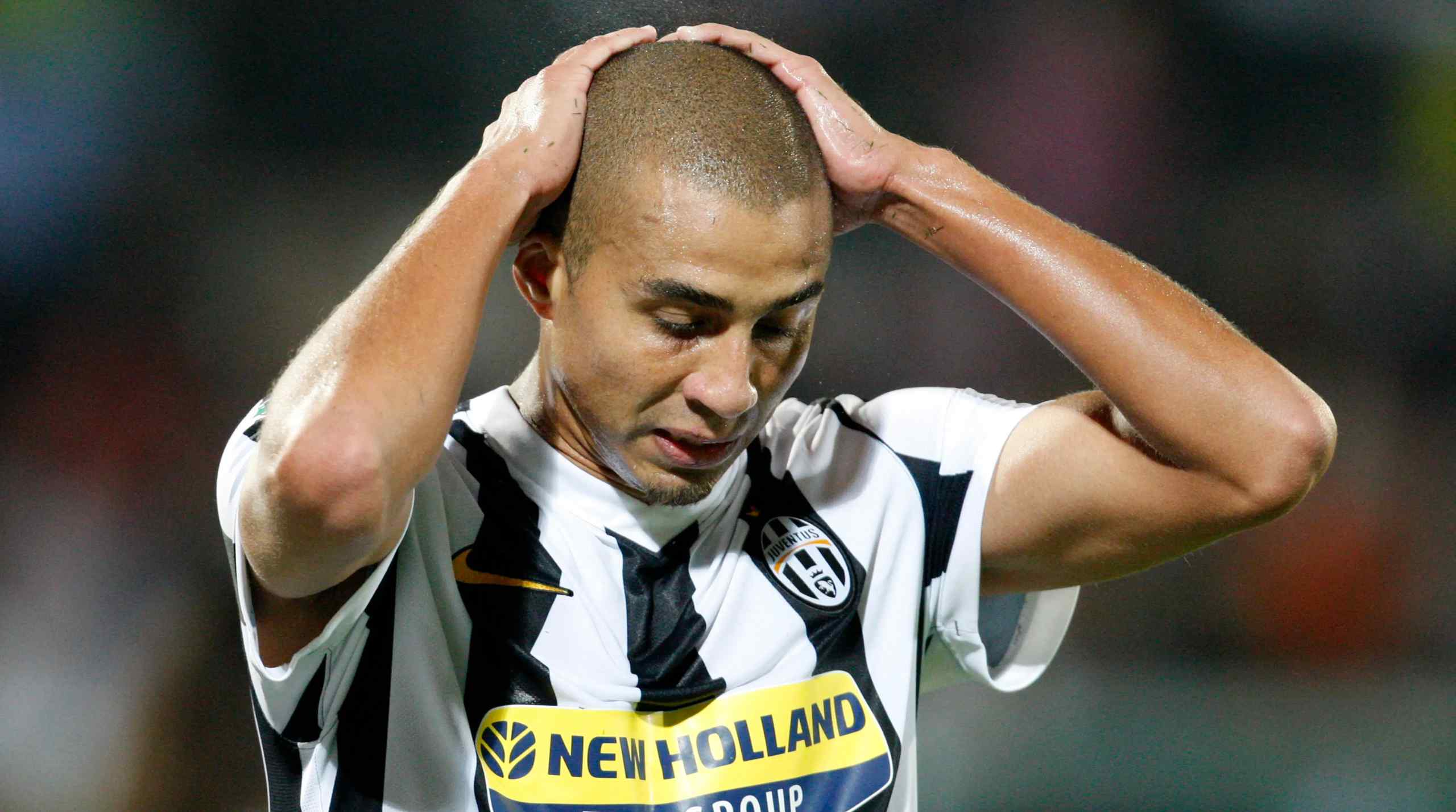
5. Juventus had to earn their way back into Serie A
This one could easily sit higher among pro sports’ worst punishments. Juventus initially got hit with a 30-point deduction after Italy’s 2006 Calciopoli case, although appeals eventually knocked that down to nine. And, a little like what happened to Melbourne, the club lost its 2004-2005 and 2005-2006 league titles and, worse still, was relegated for the very first time in history.
I Bianconeri still walked into Serie B with Del Piero, Buffon, Nedvěd, Trezeguet, Camoranesi and Chiellini, then went 28-10-4 and won promotion on the first try. You could make a case that this was one of soccer’s greatest teams ever to play in Italy’s second tier. Fans of clubs like Treviso and AlbinoLeffe suddenly had World Cup winners and European superstars showing up on their schedule. The latter even held Juventus to two draws.
4. Skënderbeu lost ten years of European opportunities
At number four on my list of the biggest punishments in sports history, I’m heading to Albania. KF Skënderbeu had won six straight league titles and became the first local side to reach a major European group stage. UEFA later ruled against them over match manipulation and handed down a 10-year ban from its competitions.
This ended up costing KF Skënderbeu a lot. They went from Albania’s most dominant soccer team to losing millions in potential prize money, European exposure and a major recruiting edge, with later sporting and financial mistakes only adding to the slide that eventually took them into the second tier before their recent return. There was also a €1 million fine imposed, equal to roughly 6.4 annual salaries for top earner Sabien Lilaj.
3. Chennai and Rajasthan missed two entire IPL seasons
With gambling coming up this often, you start to wonder if sports betting is getting bigger than the games can handle. In India, Chennai Super Kings and Rajasthan Royals were suspended for two years in 2015 following betting misconduct involving team officials.
Now, sure, two seasons sound much less severe than ten, but KF Skënderbeu could at least keep playing domestically. Here, millions of fans lost their teams for two years straight, and then there was the money left on the table. Business Standard put annual sponsorship revenue at roughly $15 million and $10 million for Chennai and Rajasthan, respectively, before even getting into ticket sales and other income. Then-BCCI president Shashank Manohar also estimated each franchise would miss out on roughly $22 million in central IPL distributions across those two seasons.
➡️ When the trouble starts in the owner’s office: The Most Criminal Owners in Sports History.
2. Baseball expelled clubs from New York and Philadelphia
During the National League’s first season in 1876, the original Philadelphia Athletics and New York Mutuals, both strapped for cash, refused to complete required western road trips because they could not justify the added travel expense. New York even rejected an $800 guarantee to play its scheduled games, roughly $25,000 in today’s money.
That December, the league expelled both organizations without any path back in. They effectively disappeared from major-league baseball. New York and Philadelphia returned to the National League six seasons later, but with entirely different franchises, not reinstated versions of the Mutuals or Athletics.
1. Qingdao Hailifeng lost its place in professional soccer
Even die-hard soccer fans probably won’t have Qingdao Hailifeng on instant recall. They were a second-division Chinese side, gone just a few years before the country’s big-money boom brought in the likes of Nicolas Anelka, Didier Drogba, Oscar, Hulk, Carlos Tevez, and, had it kept going, maybe Cristiano Ronaldo chasing 1,000 goals there instead of in Saudi Arabia.
A nationwide police probe led China’s governing body to expel Qingdao Hailifeng from professional soccer after finding that the club had accepted a bribe to lose a 2007 China League One match to Chengdu Sheffield United. Then came 2009’s infamous “Chip Shot Gate.” Leading Sichuan 3–0 late, Qingdao players repeatedly attacked their own goal after the chairman reportedly bet on at least four total goals. As a result, Qingdao Hailifeng was essentially wiped from the face of the earth, and the debacle represents a worst-case scenario for any team facing a stiff penalty.
The 7 Harshest Penalties in Sports, Ranked
| Rank | Team | Year | Primary Penalty | Competitive Cost |
|---|---|---|---|---|
| 1 | Qingdao Hailifeng | 2010 | Expelled from professional soccer | Competitive future effectively erased |
| 2 | New York, Philadelphia | 1876 | Expelled from National League | League membership permanently lost |
| 3 | Chennai, Rajasthan | 2015 | Two-season IPL suspensions | Missed 2016 and 2017 entirely |
| 4 | Skënderbeu | 2018 | Ten-year UEFA competition ban | European pathway closed for a decade |
| 5 | Juventus | 2006 | Relegation, titles stripped, points docked | Had to win promotion back |
| 6 | Melbourne Storm | 2010 | Titles stripped, season points erased | 2010 championship became impossible |
| 7 | McLaren | 2007 | $100M fine, constructors exclusion | Lost 2007 team-title campaign |
Charlon Muscat is an established iGaming expert who entered the space in 2019 and went on to build a name across both casino and sportsbook content.
More Articles like this
Why Does Everybody Hate Us? 10 Most Hated Sports Teams Ever
Some teams always win; others get caught breaking the rules. Either extreme is a surefire way to become universally hated, as these 10 sports teams can attest to.
By Stuart Hughes
5 Outrageous Sports Rules That Need to Die
From a missed signature disqualification to a two-minute penalty for a tucked-in jersey, find out about the top five dumbest rules in sport that leave common sense in the locker room.
By Stuart Hughes
The 10 Most Unforgettable Quotes in Sports History
From Jordan's hard truths to Healy's cheeseburger dig, these legendary greats uttered 10 iconic quotes that turned out to be as memorable as their sporting achievements.

By Stuart Hughes
Eight Years, Eight NBA Champions. Is Parity Here to Stay?
Eight different teams have won the NBA championship in eight years, the longest such streak in league history. Can the Knicks finally break the cycle, or will another contender claim the crown?
By Bill Gelman
Is This the Biggest Acquisition Era in Sports Betting History?
Sportsbooks, prediction markets, and sweepstakes apps are fighting for the same customers. We compared 11 welcome offers to see who's offering the biggest incentives.

By Cole Rush
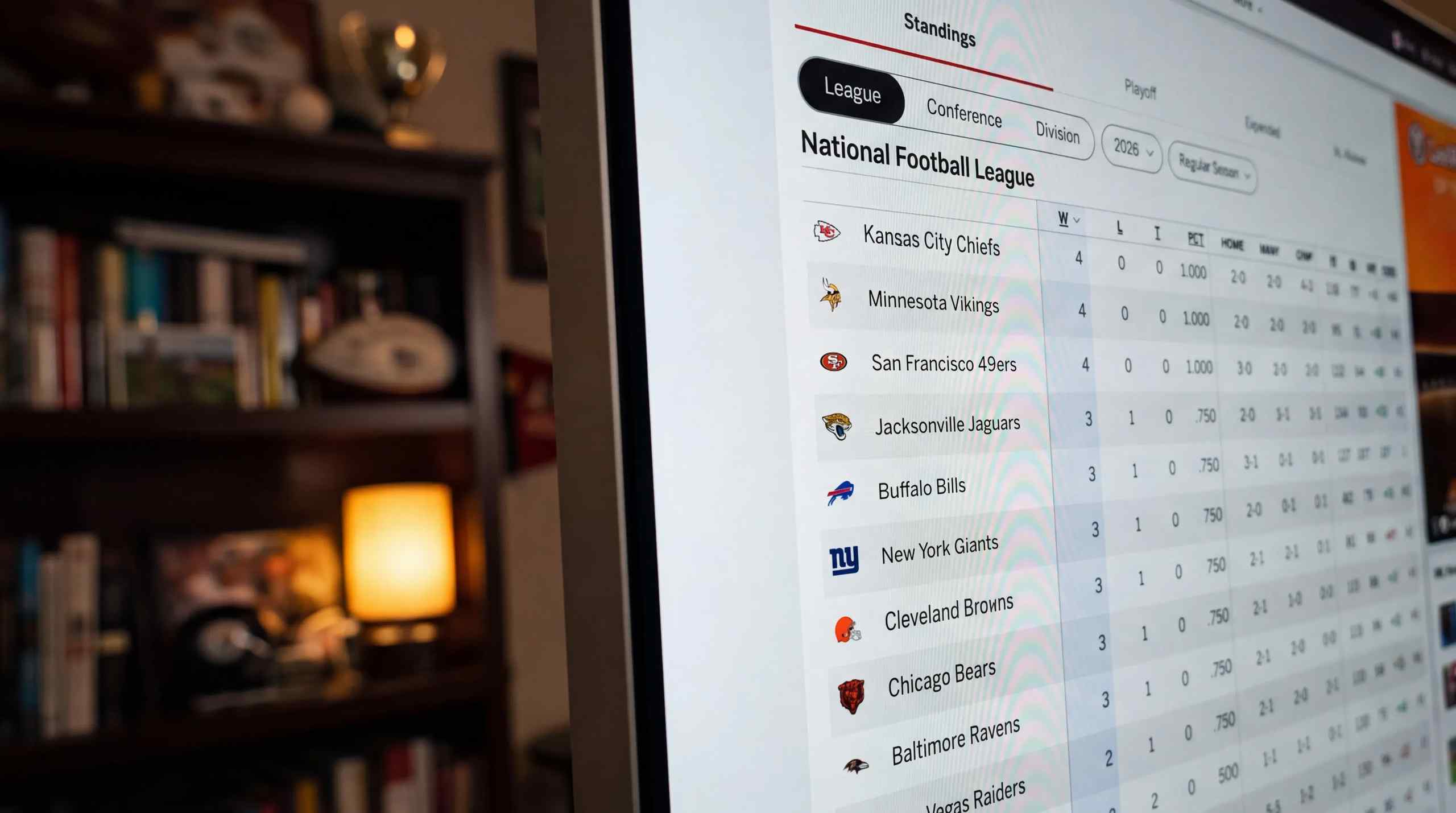
Does a 4-0 NFL Start Mean You're Playoff Bound?
A 4-0 start can put your team on the fast track to the playoffs, but history shows that even Super Bowl champions don't always start strong.
By Marcus Mosher