
The Most Criminal Owners in Sports History
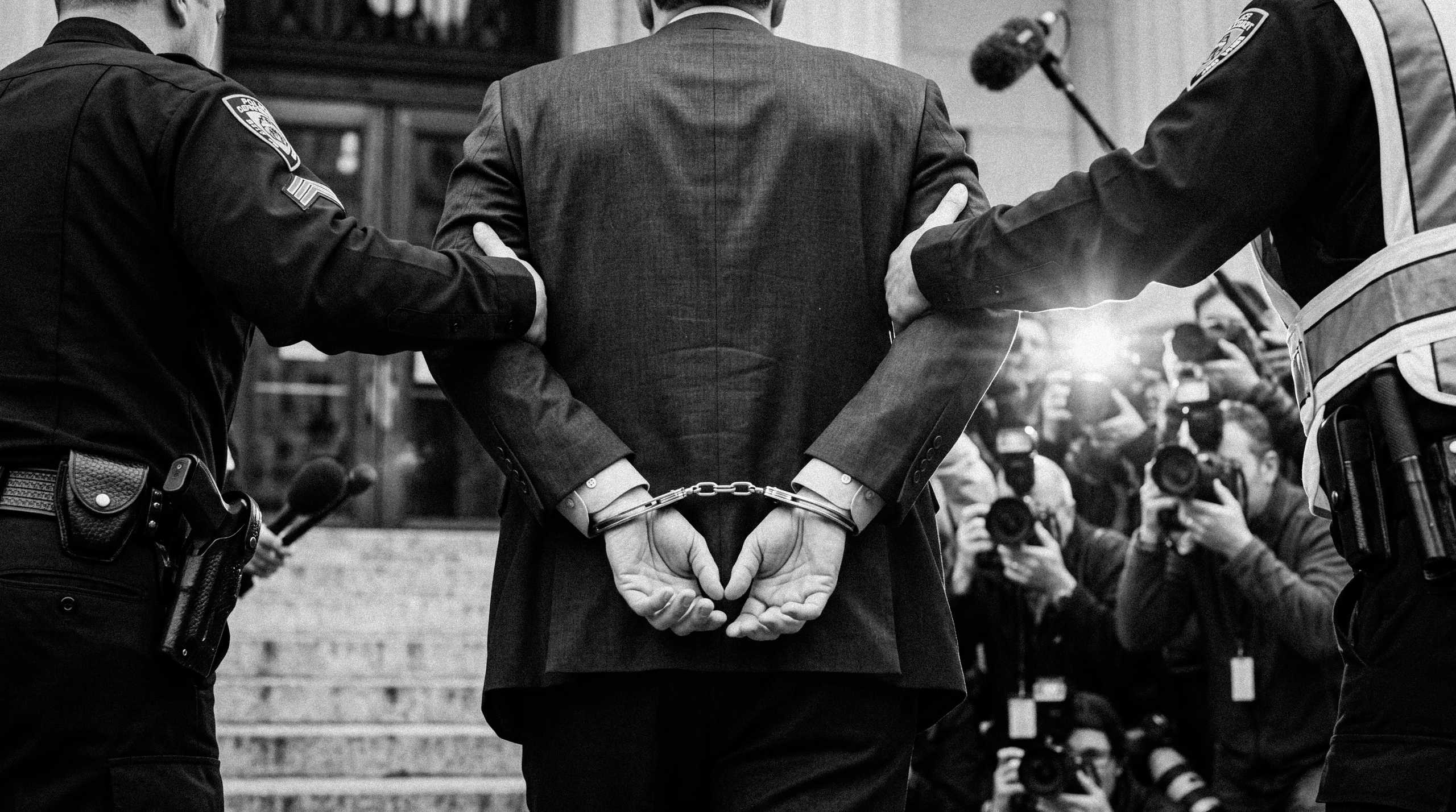
Federal prosecutors are scrutinizing Dodgers owner Mark Walter's business empire, though he hasn't been charged. Sports history has real examples of owners who crossed that line, guilty pleas, prison sentences, and convictions that actually stuck.
%20(1).webp)
Federal prosecutors and the SEC are examining whether Dodgers owner Mark Walter or companies tied to his TWG Global empire concealed billions in loans between businesses he controls. Walter has not been charged with a crime, and his company denies wrongdoing. The teams themselves, the Dodgers included, aren't targets, and scrutiny does not automatically beget guilt.
Still, the story is a reminder that sports ownership attracts extraordinary wealth, and every so often, that wealth gets tangled up in something far more serious than a bad trade. Sports history has its own list of owners whose legal problems went well past investigation, all the way to a guilty plea, a conviction, or a prison sentence. Who actually ended up on the wrong side of criminal law?
What Counts as a "Criminal Owner"?
I’ve set the bar high on purpose. This list sticks only to owners who were convicted, pleaded guilty or no contest, or admitted wrongdoing in court. It skips owners who were merely sued, investigated, or accused in the press, distinctions Walter's situation makes especially relevant right now. A civil settlement isn't a crime. We’re looking for a guilty plea or an actual conviction.
Eddie DeBartolo Jr., San Francisco 49ers
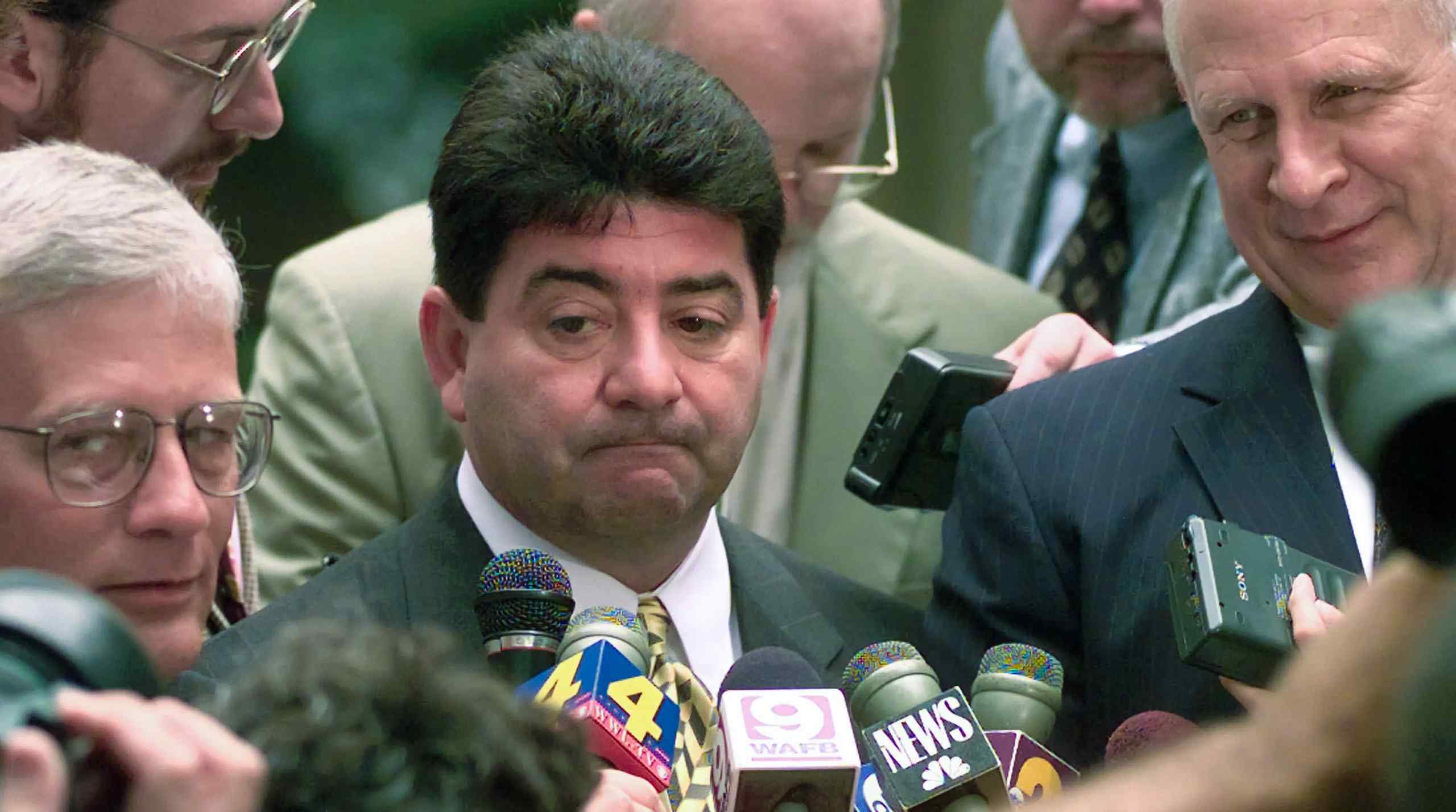
DeBartolo owned the 49ers through five Super Bowl titles, which makes his 1998 guilty plea sting more than most. He admitted to failing to report a felony after paying $400,000 to then-Louisiana Gov. Edwin Edwards for a riverboat gambling license, testimony that later helped convict Edwards on racketeering charges. DeBartolo paid a $1 million fine, served two years' probation, and the NFL forced him to cede control of the team for a year before he sold his stake to his sister. In 2020, President Trump pardoned him.
Bruce McNall, Los Angeles Kings
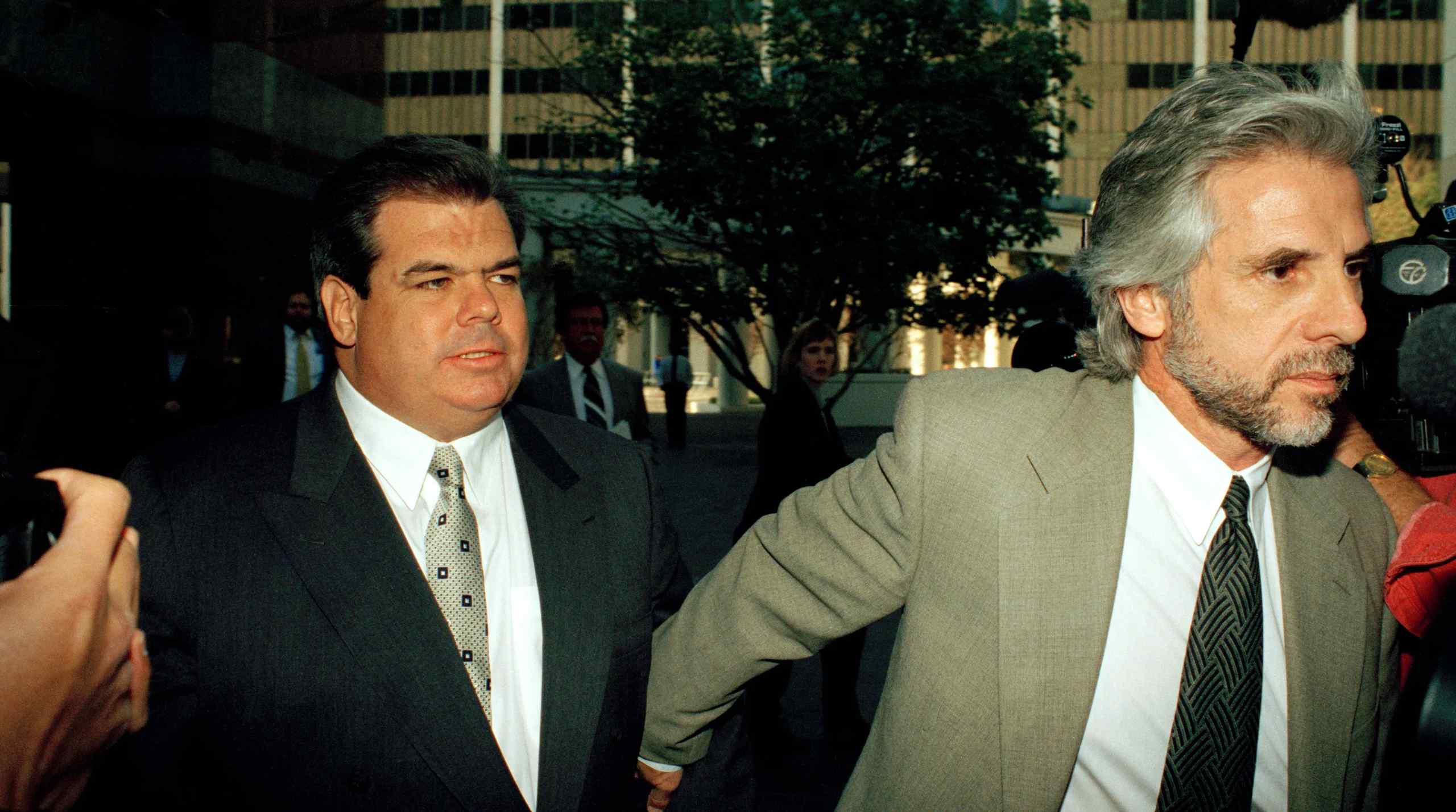
McNall brought Wayne Gretzky to Los Angeles and briefly made the Kings a limelight franchise, all while running a fraud scheme that outpaced the team's fame. In 1994, he pleaded guilty to two counts of bank fraud and one count of conspiracy for bilking six banks, a securities firm, and the Kings organization itself out of more than $236 million. He served nearly six years in federal prison and was ordered to pay $5 million in restitution.
Deepal Wannakuwatte, Sacramento Capitals
Owning a World TeamTennis franchise didn't stop Wannakuwatte from running a decade-long Ponzi scheme through his medical supply companies. He convinced more than 100 investors, including banks, to fund a business he claimed did tens of millions in federal contracts a year. His real VA contract was worth up to $25,000 annually. He pleaded guilty to wire fraud in a scheme prosecutors valued near $50 million and was sentenced to 20 years in prison.
Ron Devine, BK Racing
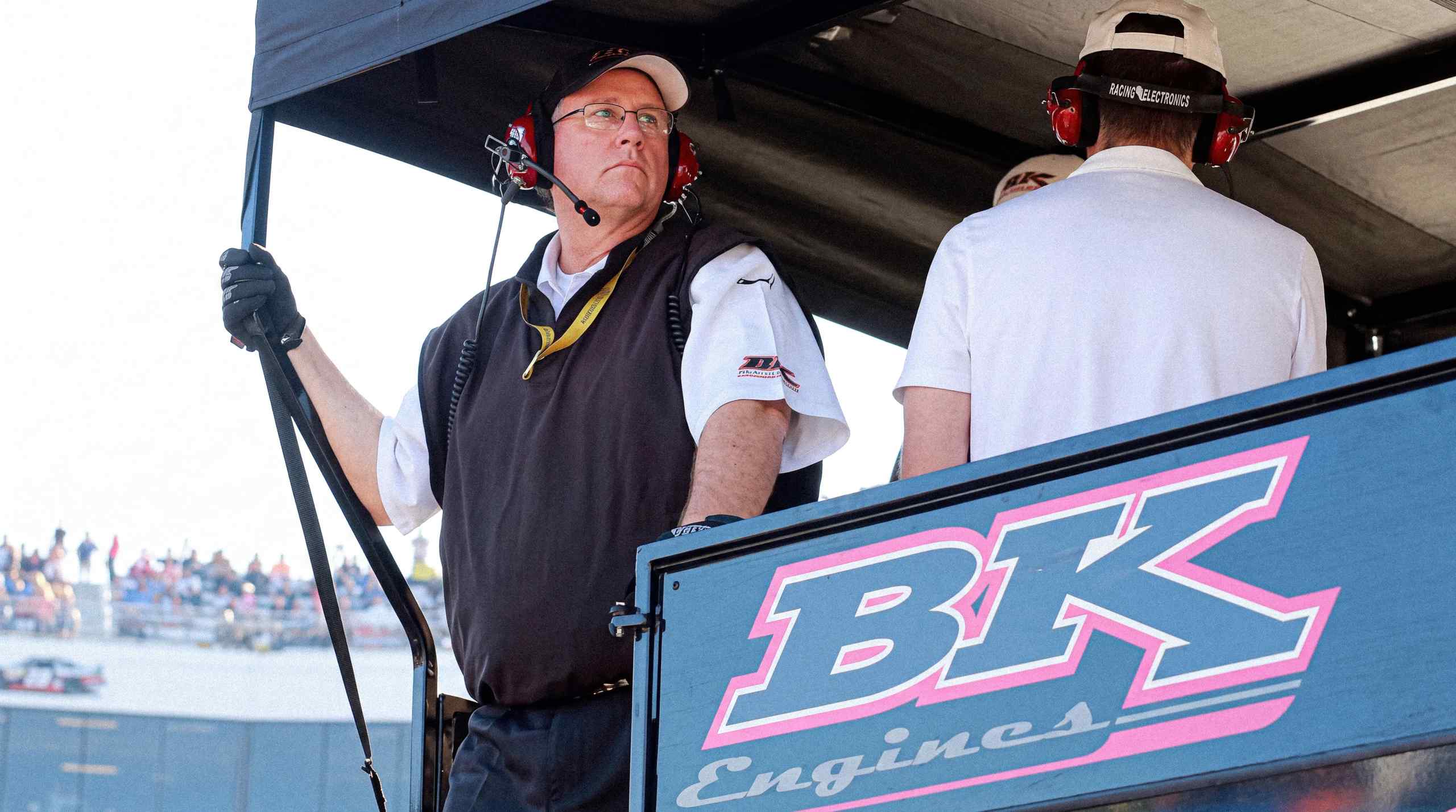
Devine's case hits differently because the money came directly out of his own team. As owner of the NASCAR Cup Series outfit, he diverted more than $2 million meant for BK Racing's payroll tax obligations into other businesses he controlled between 2012 and 2017. He pleaded guilty in 2025 to failing to pay payroll taxes, a charge carrying up to five years in prison.
Dion Earl, Seattle Impact FC
The darkest entry on this list. Earl, a former indoor soccer standout who later owned the Impact, was already serving a combined sentence of roughly 15 years for sexual assault convictions in Washington and Arizona when he pleaded guilty in 2021 to federal tax fraud. He'd used falsified documents, partly tied to his soccer camps and team ownership, to claim more than $1.6 million in bogus refunds. A judge added a year to his sentence and ordered $695,000 in restitution.
Criminal Breakdown
| Owner | Team/Organization | Sport | Offense | Plea/Conviction | Sentence/Penalty | Involved the Team? |
|---|---|---|---|---|---|---|
| Eddie DeBartolo Jr. | San Francisco 49ers | NFL | Bribery of a public official | Guilty plea, 1998 | $1M fine, 2 years probation; pardoned 2020 | No |
| Bruce McNall | Los Angeles Kings | NHL | Bank fraud, conspiracy | Guilty plea, 1994 | 70 months in prison, $5M restitution | No |
| Deepal Wannakuwatte | Sacramento Capitals | World Team Tennis | Wire fraud (Ponzi scheme) | Guilty plea | 20 years in prison | No |
| Ron Devine | BK Racing | NASCAR | Failure to pay payroll taxes | Guilty plea, 2025 | Up to 5 years; sentencing pending | Yes |
| Dion Earl | Seattle Impact FC | Indoor soccer | Federal tax fraud | Guilty plea, 2021 | +1 year added to existing sentence, $695K restitution | Partially |
When the Crime Has Nothing to Do With Sports
Only one name on this list, Ron Devine, committed a crime that ran directly through the team's own books. DeBartolo's bribe, McNall's bank fraud, and Wannakuwatte's Ponzi scheme all came from business empires that existed alongside their franchises. Earl's tax fraud affected his soccer camps but was dwarfed by convictions unrelated to sports. That raises a real question for leagues: should conduct that never touches the team matter as much as conduct that does? Most leagues have decided it does, since a felony conviction reflects on the person holding the franchise, not just the balance sheet.
How Do Leagues Punish Owners?
League discipline is inconsistent at best, and it often comes down to which of the league's best sports commissioners happens to be running things when the scandal breaks. The NFL suspended DeBartolo from team operations for a year but allowed him to retain ownership until he chose to sell. NASCAR left Devine's team-level punishment mostly to the justice system rather than its own rulebook. Compare that to how leagues treat players for far less: game suspensions, fines, banishment, sometimes for conduct that never produced a criminal charge at all. Sports has no shortage of athletes who keep making the same money mistakes, and owners tend to get judged by a far more forgiving standard when they do something similar at a much larger scale.
Mark Walter Shows Why the Distinction Matters
That's what makes the Walter story worth watching rather than prejudging. The Journal's reporting describes a federal and SEC review of roughly $20 billion in previously undisclosed loans among companies controlled by Walter. No charges have been filed, and TWG Global disputes any wrongdoing. Every owner on this list has crossed a legal threshold that Walter has not crossed as of this writing. Scrutiny is the start of a process, not the end of one, and sports history offers plenty of examples of exactly how far that process can eventually go.
Cole Rush is a freelance writer, crossword constructor, and creative tinkerer with more than 10 years of experience writing about anything and everything. Cole’s primary area of expertise is the gambling industry, covering the expansion of sportsbooks and online casinos alongside emerging spaces like sweepstakes casinos and prediction markets.
More Articles like this
The NHL Needs a Cold Shower After Failed Romance Audiobooks
The NHL's "Hot for Hockey" audiobooks vanished from Spotify within a week, joining Stan Lee superheroes and a glowing puck on the league's long list of strange swings for new fans.

By Cole Rush
The Human Highlight Reel: Ovechkin’s Top 5 Moments
From “The Goal” to passing Gretzky and finally lifting the Stanley Cup, we rank five unforgettable moments from Alex Ovechkin's legendary career.
By Bill Gelman
Do NHL Stars Lose Their Edge After Signing Huge Contracts?
Do NHL stars really take their foot off the gas after a big payday? We analyzed 29 major contracts to find out.
By Charlon Muscat
Five Iconic World Series Moments Since the Brewers' Appearance
The Brewers are back in the World Series after 44 years. From Bill Buckner's error to the Cubs ending their curse, plenty has happened since 1982.
By Bill Gelman
LeBron to Giannis: Ranking 5 NBA Offseason Stunners
LeBron to Philly, Giannis to Miami, and Wemby staying put. Which NBA offseason move will pay off the most?
By Bill Gelman
NFL Fans Spend $900 to Watch Games. WWE Fans Pay Even More
Think watching every NFL game is expensive? WWE fans would argue otherwise.

By James Guill