
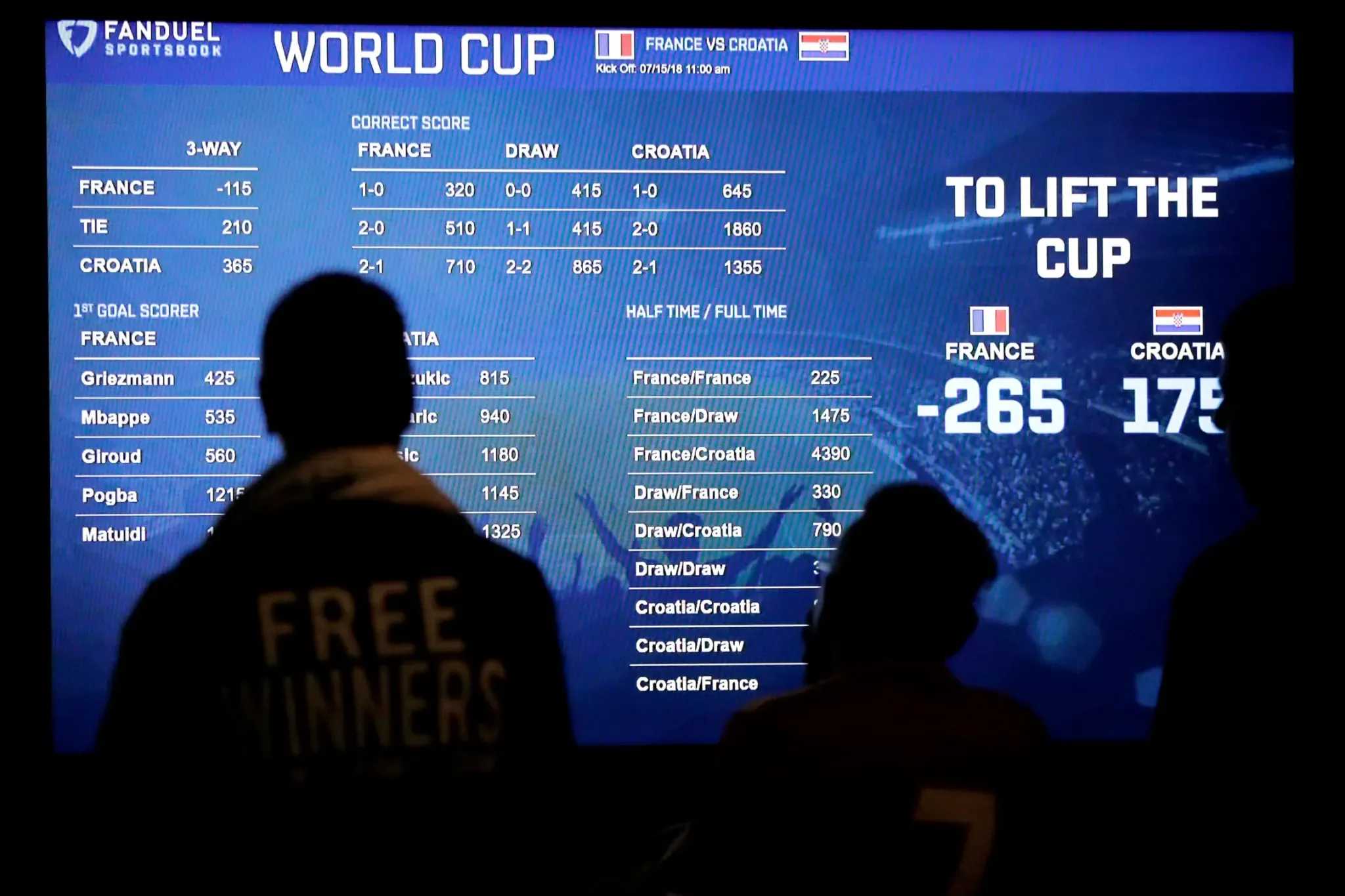
What Are American Odds?
A plain-language breakdown of how American odds work, including how to read plus and minus numbers, calculate payouts, and spot implied probability.

In sports betting, American odds are the plus and minus number format U.S. sportsbooks use to price bets against a $100 baseline. A negative number tells you how much you need to risk to win $100, while a positive number tells you how much profit a $100 bet returns.
What Are the Key Takeaways About American Odds?
American odds use a plus/minus system built around a $100 reference point, and knowing the basic rules removes the guesswork from any bet slip.
- Negative numbers mark favorites and show the stake needed to profit $100.
- Positive numbers mark underdogs and show the profit on a $100 bet.
- Every American odds figure converts directly into an implied probability.
- Standard spread and total bets are usually priced at -110 on each side.
- The gap between a favorite's implied probability and an underdog's reveals the sportsbook's built-in edge.
Quick Facts
| Category | Detail |
|---|---|
| Difficulty Level | Beginner-Friendly |
| Estimated Time to Learn | 10 to 15 minutes |
| Best Suited For | New sports bettors using U.S. sportsbooks |
| Related Topic | Decimal odds and implied probability conversion |
Why Does Understanding American Odds Matter to Bettors?
Understanding American odds matters because it directly affects how much you risk and how much you can win on every wager. A bettor who cannot read a minus or plus sign correctly risks misjudging payouts, mismanaging bankroll, or missing better-priced lines entirely.
Odds literacy also exposes value. Once you can convert a number into implied probability, you can compare it against your own read on a game and decide whether a bet is worth making.
How Do American Odds Payouts Compare Across Common Numbers?
American odds payouts scale directly from the number displayed, and a quick reference table makes the pattern easy to spot. The table below shows profit and implied probability on a $100 wager at several common prices.
Payouts Based on American Odds
| American Odds | $100 Bet Profit | Total Payout | Implied Probability |
|---|---|---|---|
| -300 | $33.33 | $133.33 | 75.0% |
| -150 | $66.67 | $166.67 | 60.0% |
| -110 | $90.91 | $190.91 | 52.4% |
| +100 | $100.00 | $200.00 | 50.0% |
| +150 | $150.00 | $250.00 | 40.0% |
| +300 | $300.00 | $400.00 | 25.0% |
What Do Positive and Negative Numbers Mean in American Odds?
Positive and negative numbers in American odds mark whether a team is the underdog or the favorite in a given matchup. A negative sign always attaches to the favorite, and a positive sign always attaches to the underdog, no matter how close the matchup looks on paper.
Getting comfortable with this signal is the first skill covered in most breakdowns of how to read betting odds before moving into payout math. Once the favorite/underdog split clicks, the rest of American odds becomes a matter of arithmetic rather than guesswork.
How Do You Calculate Payouts With American Odds?
Calculating payouts with American odds means applying one formula for negative numbers and a different one for positive numbers. For negative odds, divide 100 by the absolute value of the number, then multiply by your stake to find profit. For positive odds, divide the number by 100, then multiply by your stake.
This math is the backbone of every line on a bet slip, and it connects directly to the broader mechanics behind how betting odds work across every sport a sportsbook offers. A $50 bet at -150, for example, profits $33.33, while the same $50 at +150 profits $75.
How Do American Odds Show Implied Probability?
American odds show implied probability by converting the plus or minus number into a percentage chance of that outcome happening. For negative odds, the formula is the absolute value divided by the absolute value plus 100. For positive odds, it is 100 divided by the odds plus 100.
Comparing that percentage against your own projection is exactly the kind of legwork covered when learning how to find the best odds across different sportsbooks. A line of -200 implies a 66.7% win chance, so any bettor who believes the true number is higher has found a potential value bet.
How Are American Odds Used for Spreads and Totals?
American odds apply to spreads and totals the same way they apply to moneylines, just attached to a point margin instead of a straight win. Most spread and total markets carry -110 on each side, which builds in the sportsbook's vig.
A tighter number, such as -105, signals a more evenly priced market, while a wider gap between two sides signals more perceived risk on one outcome.
What Are Some Real Examples of American Odds in Action?
Real examples of American odds show how the same math plays out across different sports and bet types. These scenarios walk through the numbers step by step.
- NFL Moneyline: The Chiefs are -180 and the Raiders are +155. A $100 bet on Kansas City profits $55.56, while a $100 bet on Las Vegas profits $155.
- NBA Point Spread: Both teams are priced at -110 on a 6.5-point spread. A $110 bet on either side profits $100 if the spread is covered.
- MLB Underdog Play: A road team priced at +240 turns a $50 bet into a $120 profit if it wins outright, reflecting a 29.4% implied win chance.
What Common Mistakes Do Bettors Make With American Odds?
Common mistakes with American odds usually come from misreading the sign or skipping the implied probability step entirely. These errors are easy to avoid once you know what to watch for.
- Assuming a bigger positive number always means a better bet, without weighing how unlikely that outcome actually is.
- Forgetting that implied probabilities on both sides of a market add up to more than 100%, with the extra percentage representing the vig.
- Mixing up the negative odds formula with the positive odds formula when calculating payouts by hand.
- Ignoring line shopping and accepting the first number offered instead of comparing prices across sportsbooks.
How Do American Odds Compare to Decimal and Fractional Odds?
American odds compare to decimal and fractional odds as three different display formats for the exact same underlying price. All three convert into one another with simple formulas, and no format changes what you actually win.
American vs. Decimal. vs. Fractional
| Format | Example | Region Most Common | Reads As |
|---|---|---|---|
| American | -150 / +130 | United States | Stake to win $100 / profit on $100 |
| Decimal | 1.67 / 2.30 | Europe, Canada, Australia | Total return per $1 staked |
| Fractional | 2/3 / 13/10 | United Kingdom, Ireland | Profit ratio to stake |
Bettors who split time between formats often study decimal odds alongside American numbers so they can compare lines instantly, regardless of which format a sportsbook displays by default.
What Is the Bottom Line on American Odds?
The bottom line on American odds is that the plus/minus system rewards bettors who understand both signs and can translate a number into a real probability. Favorites carry negative numbers and lower payouts, underdogs carry positive numbers and bigger payouts, and every price hides an implied win percentage worth checking against your own read on the game.
Bodog lists American odds clearly on every market, and pairing that display with a habit of checking implied probability turns a casual bet into an informed one.
American Odds FAQs
What does a minus sign mean in American odds?
A minus sign marks the favorite and shows how much money you must wager to profit $100.
What does a plus sign mean in American odds?
A plus sign marks the underdog and shows how much profit a $100 bet returns if it wins.
Why is -110 so common in American odds?
Sportsbooks price most spreads and totals at -110 on both sides to build in a standard profit margin, known as the vig.
How do you turn American odds into a percentage?
Divide the absolute value of negative odds by itself plus 100, or divide 100 by positive odds plus 100, then multiply by 100 for a percentage.
Can American odds be equal to even money?
Yes, even money is shown as +100, meaning a $100 bet profits exactly $100 on a win.
Do American odds and moneyline odds mean the same thing?
Yes, moneyline odds and American odds describe the identical plus/minus pricing format used by U.S. sportsbooks.
Is a bigger positive number always a smarter bet?
No, a bigger positive number reflects a lower implied win probability, so it only pays off if the underdog actually wins.
Continue Learning
- Poker odds: a resource on how probability calculations work at the poker table, useful for bettors who want to sharpen number skills across different games.
- Implied odds in poker: an article explaining a related but distinct probability concept used in poker decision-making.
- Betting strategy lessons from Jeopardy champions: a guide connecting sharp decision-making habits to smarter wagering across formats.
Sources & Review
Covers.com: Free Betting Odds Calculator & Moneyline Converter
Legal Sports Report: How American Odds Work in Sports Betting
The Bodog editorial team is comprised of experts in the iGaming, Sportsbetting, Lifestyle, Travel Wellness and Casino space.
More Articles like this
Why Does Everybody Hate Us? 10 Most Hated Sports Teams Ever
Some teams always win; others get caught breaking the rules. Either extreme is a surefire way to become universally hated, as these 10 sports teams can attest to.
By Stuart Hughes
5 Outrageous Sports Rules That Need to Die
From a missed signature disqualification to a two-minute penalty for a tucked-in jersey, find out about the top five dumbest rules in sport that leave common sense in the locker room.

By Stuart Hughes
The 10 Most Unforgettable Quotes in Sports History
From Jordan's hard truths to Healy's cheeseburger dig, these legendary greats uttered 10 iconic quotes that turned out to be as memorable as their sporting achievements.

By Stuart Hughes
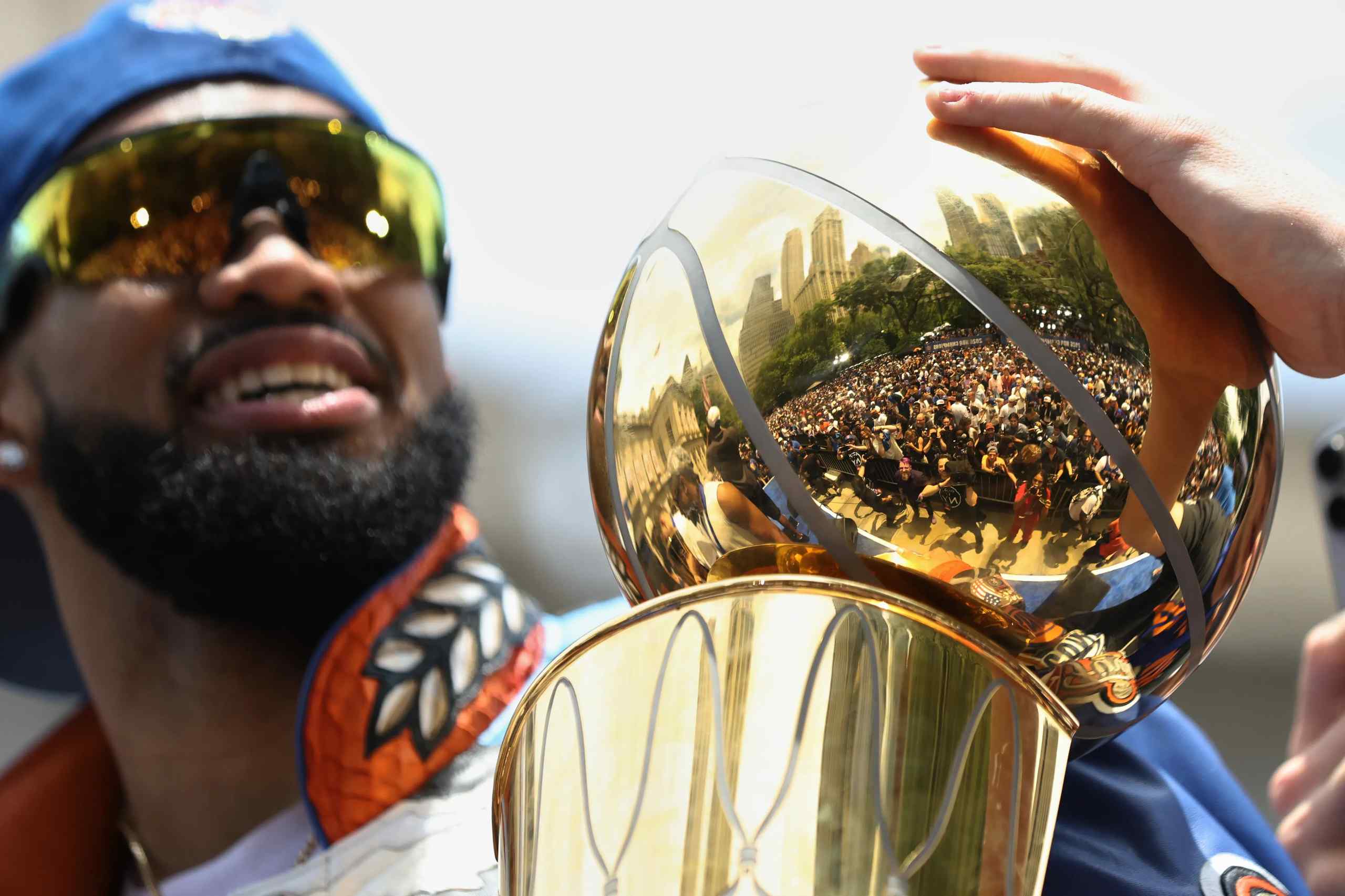
Eight Years, Eight NBA Champions. Is Parity Here to Stay?
Eight different teams have won the NBA championship in eight years, the longest such streak in league history. Can the Knicks finally break the cycle, or will another contender claim the crown?
By Bill Gelman
Is This the Biggest Acquisition Era in Sports Betting History?
Sportsbooks, prediction markets, and sweepstakes apps are fighting for the same customers. We compared 11 welcome offers to see who's offering the biggest incentives.

By Cole Rush
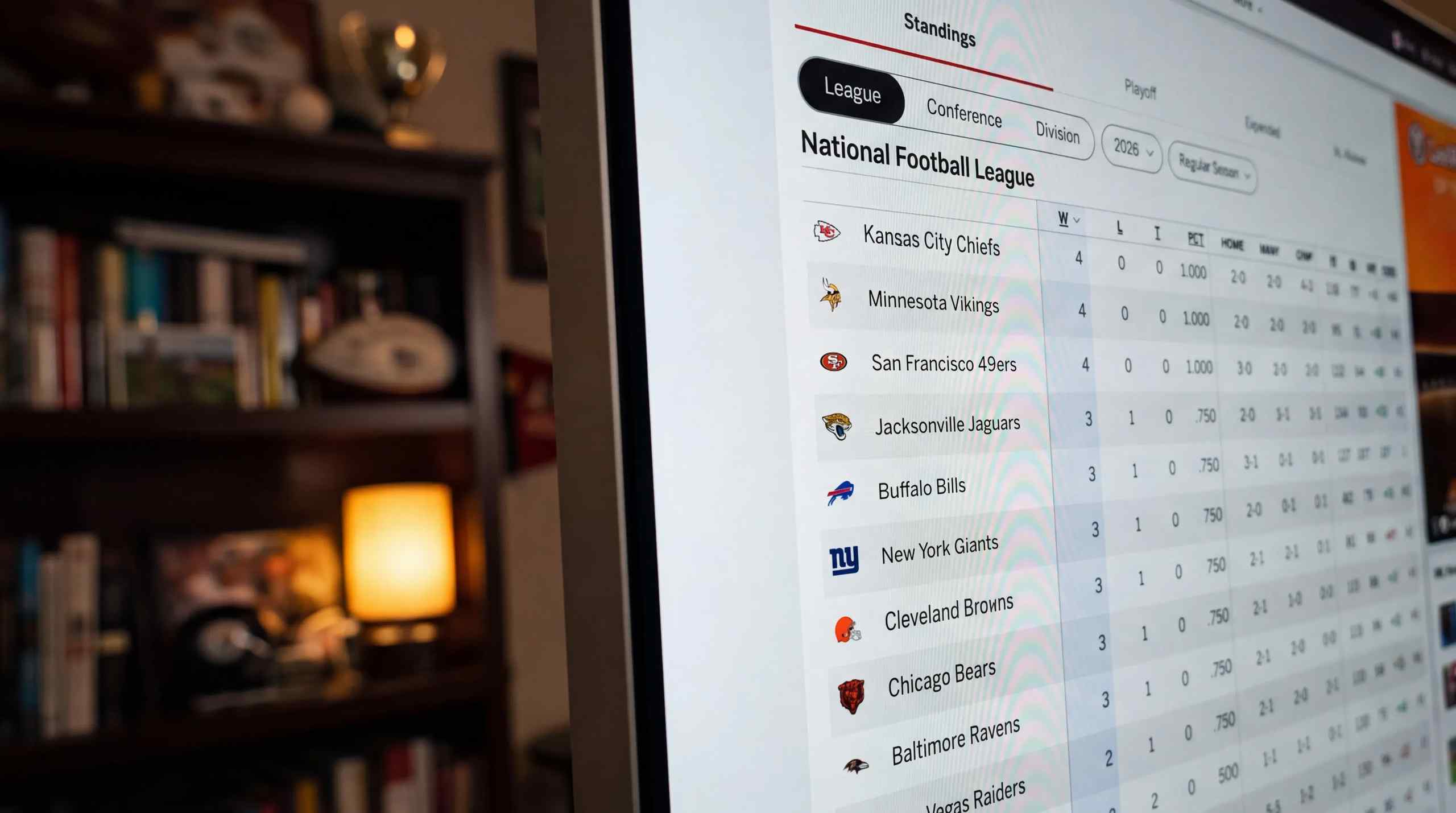
Does a 4-0 NFL Start Mean You're Playoff Bound?
A 4-0 start can put your team on the fast track to the playoffs, but history shows that even Super Bowl champions don't always start strong.
By Marcus Mosher