
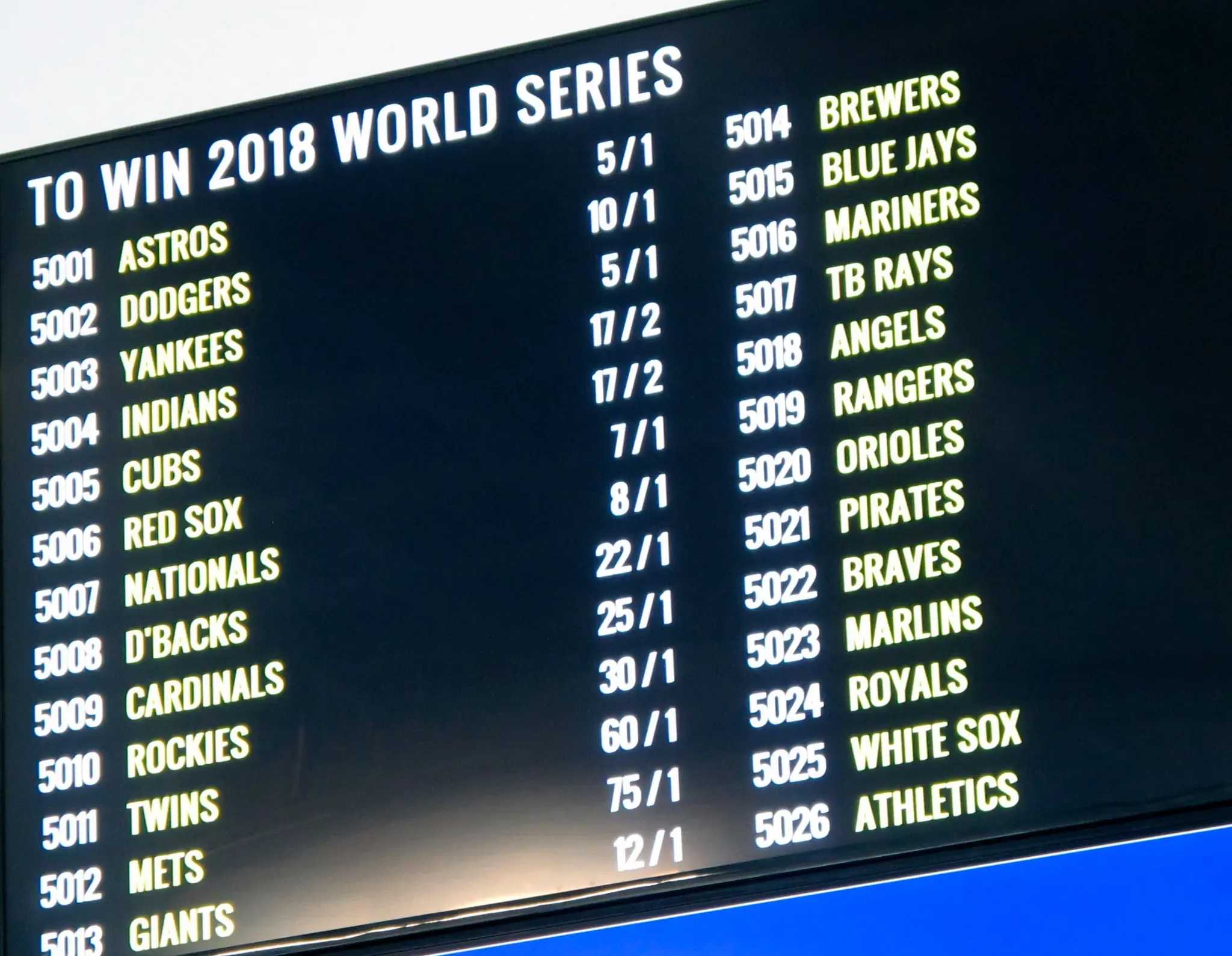
How to Find the Best Odds
A practical breakdown of how bettors compare sportsbook prices, read odds formats, and use line shopping to secure the highest possible payout on every wager.
Finding the best odds while sports betting means comparing the same bet across multiple sportsbooks and choosing the price that pays the most for an identical outcome. This process, known as line shopping, is the single fastest way to raise your long-term betting return without changing a single pick.
Key Takeaways
- Finding the best odds requires comparing the same bet across several sportsbooks before placing a wager.
- Small price differences, like -110 versus -105, add up significantly over hundreds of bets.
- Understanding the vig (the sportsbook's built-in margin) helps you spot when a price is actually worth taking.
- Odds format (American, decimal, or fractional) doesn't change value, only how it's displayed.
- Tracking closing line value tells you whether your shopping habits are actually working.
Quick Facts
| Category | Detail |
|---|---|
| Difficulty Level | Beginner-Friendly |
| Estimated Time to Learn | 15 to 20 minutes |
| Best Suited For | New and intermediate sports bettors who want to raise their ROI |
| Related Topic | Understanding no-vig fair odds and implied probability |
Why Does Finding the Best Odds Matter for Your Bankroll?
Finding the best odds matters because it directly changes how much you win or lose over time, independent of your pick accuracy. A bettor who consistently shops for the better number can outperform a bettor with sharper picks who only uses one sportsbook.
Professional bettors treat price the way investors treat fees. Small, repeated savings compound into a real edge across a full season of wagers.
How Much Can Better Odds Change Your Payout?
Better odds change your payout by turning a small percentage gap into real dollars over the course of a betting career. The table below shows how a $50 bet performs at two common price points on a standard spread bet.
Payout based on odds and outcomes
| Sportsbook Price | Implied Win Probability Needed | Return on a $50 Bet | Loss vs. a Push at 50% |
|---|---|---|---|
| -110 | 52.4% | $47.72 profit | -$2.28 |
| -105 | 51.2% | $48.81 profit | -$1.19 |
| +100 (fair, no vig) | 50% | $50.00 profit | $0.00 |
At -110 odds, a $50 bettor can expect a return of $47.72, while at -105 odds the expected return increases to $48.81, with break-even win percentages of 52.38% and 51.22% respectively. That gap looks small until you multiply it across a full season of action.
How Does Comparing Sportsbooks Help You Find the Best Odds?
Comparing sportsbooks helps you find the best odds because every book prices the same game slightly differently, based on its own customer base and risk exposure. Checking several books before you bet, sometimes called line shopping, is how sharp bettors consistently capture more value on identical wagers.
Line shopping means comparing the same wager across multiple sportsbooks before placing your bet, and it is one of the simplest ways to improve the price you receive over time, since a baseball underdog might be +120 at one book and +132 at another. Learning how betting odds work makes these gaps easier to spot at a glance.
Professional bettors maintain accounts at five to ten sportsbooks specifically because line shopping adds measurable value to expected ROI, which for a bettor targeting a modest return can represent a significant share of total profit.
How Do You Read Odds Formats to Spot the Best Odds?
Reading odds formats correctly lets you compare prices accurately, since American, decimal, and fractional odds all describe the same payout in different notation. A -110 American price, a 1.91 decimal price, and a 10/11 fractional price all pay out identically once converted.
Mixing up formats is a common reason bettors misjudge which sportsbook actually offers the better number. Knowing how to read betting odds across formats removes that confusion before you ever place a wager.
How Does the Vig Affect Your Search for the Best Odds?
The vig affects your search for the best odds by building a hidden margin into every price a sportsbook offers. Vig, also called juice or margin, is the amount a sportsbook adds to every market to guarantee itself a profit, and in a vig-free market the two sides' implied probabilities would sum to exactly 100 percent, though in reality they sum to 102 to 108 percent or more.
Once you know the fair, no-vig odds for a market, you can compare them to the prices available at other sportsbooks, and if you find a better price than the fair odds, you've identified a positive expected value bet. This is the math behind why shopping actually works instead of just feeling productive.
What Tools Help You Track the Best Odds in Real Time?
Odds comparison tools help you track the best odds in real time by pulling live lines from dozens of sportsbooks into a single dashboard. Before you bet, comparing the opener, current price, best available line, and the sportsbook behind that number gives you a fuller picture than checking a single app.
These platforms also flag reduced-juice lines and short-term promotions that briefly beat the market average. Bookmarking two or three of these trackers turns a manual chore into a five-minute daily habit.
What Do Real Examples of Finding the Best Odds Look Like?
Real examples of finding the best odds show how small price gaps translate into different outcomes for the same pick. Consider a bettor who likes an NFL underdog moneyline, checks three sportsbooks, and finds prices of +120, +125, and +132 for the identical team.
Taking the +132 price instead of +120 adds real profit on every winning ticket without changing the pick itself. Bettors who lean on data-driven tools sometimes pair this habit with automated models, though a recent look at why AI best bets aren't a guaranteed win shows why price still matters more than the source of the pick.
A second example: a bettor shopping a game total finds 46.5 at one book and 47.5 at another. The same game might be 46.5 at one sportsbook and 47.5 at another, and that one-point difference is significant for value, since a true total of 47 makes 46.5 the favorable side and 47.5 the unfavorable one.
What Mistakes Stop Bettors From Getting the Best Odds?
The biggest mistake that stops bettors from getting the best odds is convenience betting, sticking with a single app instead of checking alternatives. Convenience often leads to worse long-term pricing, and odds change constantly, so the best line may not last long.
- Assuming one sportsbook is always cheapest across every sport and market.
- Chasing a promotional boost while ignoring a better standard price elsewhere.
- Confusing odds format for value, when -110 and 1.91 decimal are identical.
- Skipping the vig calculation and assuming listed odds already reflect fair probability.
A key misconception is that betting success comes from selecting winners, when in reality long-term success is often determined more by pricing than by prediction accuracy.
How Does Manual Odds Shopping Compare to AI-Assisted Best Bet Tools?
Manual odds shopping compares favorably to AI-assisted best bet tools when it comes to control, but each approach solves a different part of the problem. Manual shopping finds the best price on a pick you've already made, while AI tools attempt to generate the pick itself.
Comparing Approaches
| Approach | What It Solves | Main Limitation |
|---|---|---|
| Manual line shopping | Finds the highest price for a chosen bet | Takes time across multiple accounts |
| Single-sportsbook betting | Fast and convenient | Almost never yields the best available price |
| AI-assisted best bets | Generates picks using data models | Doesn't guarantee the best price on that pick |
Bodog's own testing found that model-driven picks still need a human check on price before they count as genuinely profitable, a pattern explored further in how our AI betting experiment stays red hot. Combining a sound pick with the best available price is what actually moves the needle.
What's the Bottom Line on Finding the Best Odds?
The bottom line on finding the best odds is that price discipline beats prediction skill over a long enough sample. Checking two or three sportsbooks before every wager, understanding the vig, and tracking closing line value together build a real, repeatable edge.
Bodog built its odds boards with this exact discipline in mind, so bettors can check pricing quickly without juggling five separate apps. The habit is simple: never place a bet at the first number you see.
Best Odds FAQs
What is the fastest way to find the best odds?
The fastest way to find the best odds is to use a live odds comparison board that pulls prices from multiple sportsbooks at once. This turns a multi-app search into a single glance.
Do odds formats affect which price is actually better?
Odds formats do not affect which price is actually better, since American, decimal, and fractional odds are just different ways of displaying the same payout. Converting between formats reveals identical value.
How big of a difference does line shopping really make?
A bettor who wagers thousands over their career, with a cumulative sum around $5,000, can save roughly $109 simply by shopping for slightly better prices.
What is the vig and why does it matter for finding the best odds?
The vig is the built-in margin a sportsbook adds to every price to guarantee itself profit. Understanding it lets you tell a genuinely good price from one that just looks good.
Should beginners worry about closing line value?
Beginners should start tracking closing line value once they're comfortable comparing prices, since it shows whether their shopping habits are actually beating the market over time.
Can promotions replace the need to shop for better odds?
Promotions cannot fully replace the need to shop for better odds, since a one-time boost doesn't fix consistently worse standard pricing at the same sportsbook.
Is finding the best odds only useful for point spreads?
Finding the best odds is useful across spreads, totals, moneylines, and props, since price differences show up in every market type, not just one.
Continue Learning
- Betting Odds: a foundational look at how sportsbooks set prices across major markets.
Sources & Review
The Bodog editorial team is comprised of experts in the iGaming, Sportsbetting, Lifestyle, Travel Wellness and Casino space.
More Articles like this
Why Does Everybody Hate Us? 10 Most Hated Sports Teams Ever
Some teams always win; others get caught breaking the rules. Either extreme is a surefire way to become universally hated, as these 10 sports teams can attest to.
By Stuart Hughes
5 Outrageous Sports Rules That Need to Die
From a missed signature disqualification to a two-minute penalty for a tucked-in jersey, find out about the top five dumbest rules in sport that leave common sense in the locker room.
By Stuart Hughes
The 10 Most Unforgettable Quotes in Sports History
From Jordan's hard truths to Healy's cheeseburger dig, these legendary greats uttered 10 iconic quotes that turned out to be as memorable as their sporting achievements.
By Stuart Hughes
Eight Years, Eight NBA Champions. Is Parity Here to Stay?
Eight different teams have won the NBA championship in eight years, the longest such streak in league history. Can the Knicks finally break the cycle, or will another contender claim the crown?
By Bill Gelman
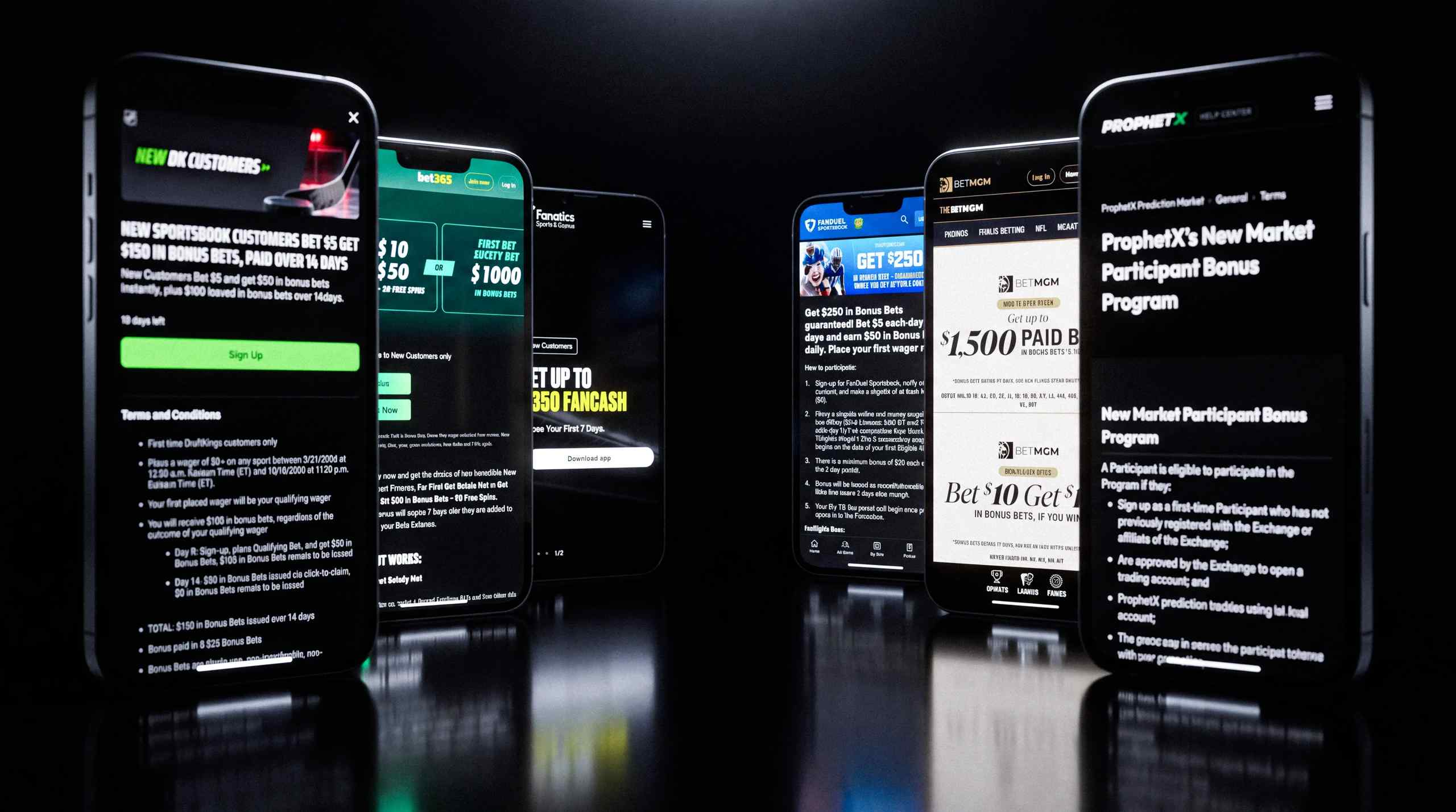
Is This the Biggest Acquisition Era in Sports Betting History?
Sportsbooks, prediction markets, and sweepstakes apps are fighting for the same customers. We compared 11 welcome offers to see who's offering the biggest incentives.
By Cole Rush
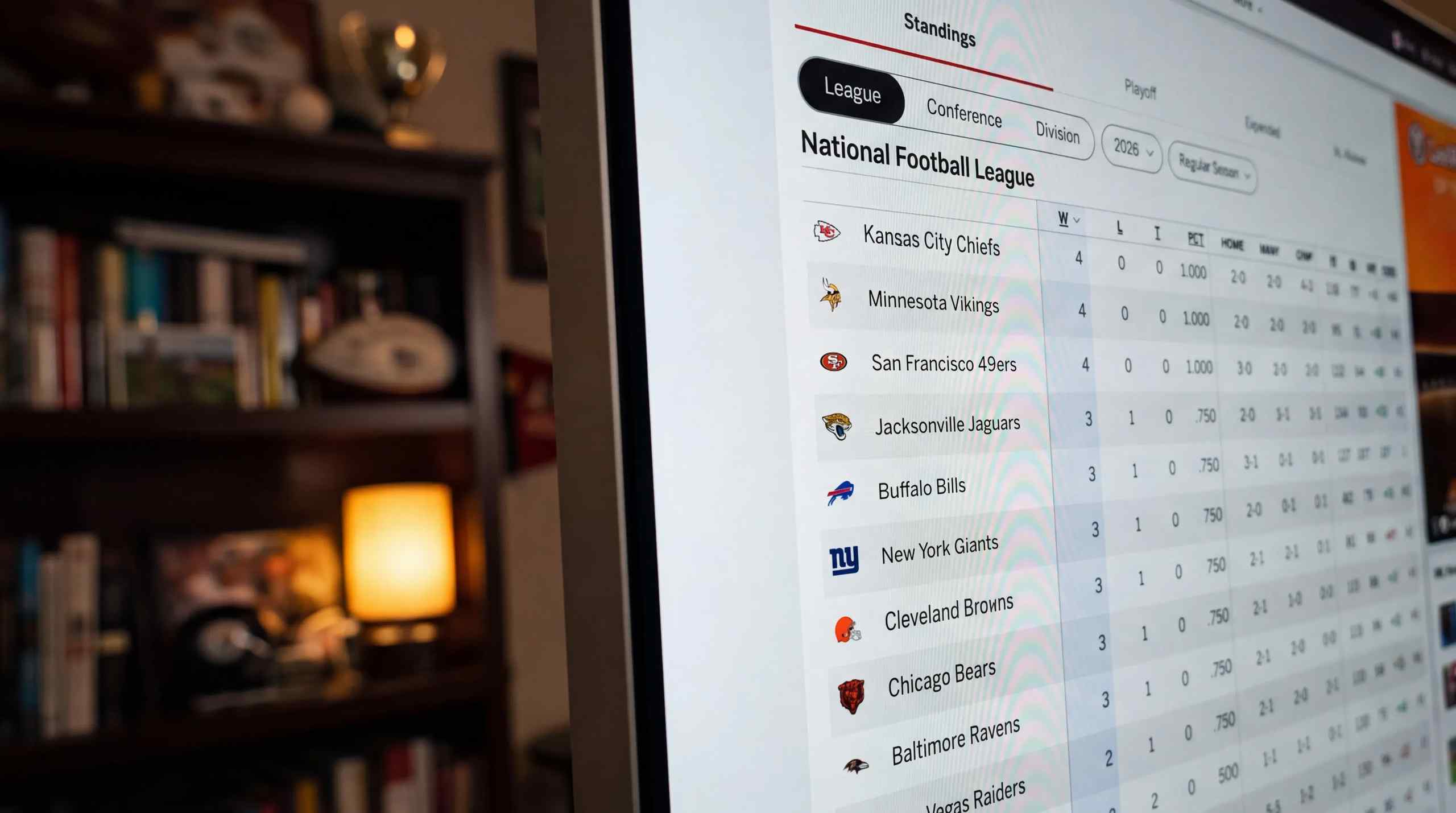
Does a 4-0 NFL Start Mean You're Playoff Bound?
A 4-0 start can put your team on the fast track to the playoffs, but history shows that even Super Bowl champions don't always start strong.
By Marcus Mosher