
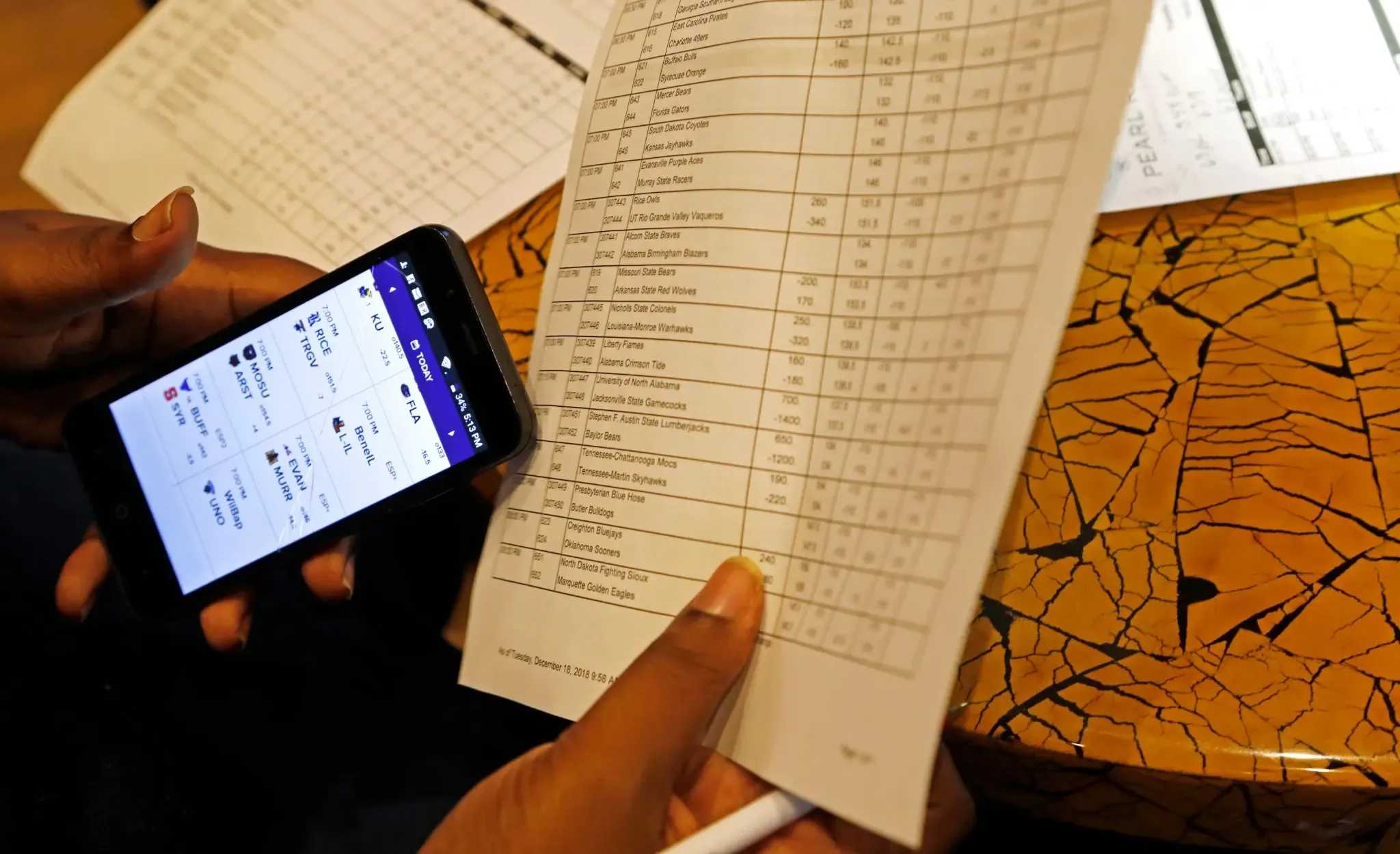
Odds Conversion Calculator Guide
A practical breakdown of how an odds conversion calculator translates American, decimal, and fractional odds into implied probability so bettors can compare lines accurately.

An odds conversion calculator converts different odds formats, such as American, decimal, and fractional sports betting odds. Getting comfortable with how betting odds work across formats is the real skill; the calculator just speeds up the comparison.
Key Takeaways
- An odds conversion calculator converts between American, decimal, and fractional formats plus implied probability in seconds.
- Implied probability exposes the bookmaker's built-in margin, often called the vig.
- Manual formulas work but leave more room for error, especially with negative American odds.
- Converting odds to a single format makes it easier to compare lines across different sportsbooks.
- The same conversion logic applies to sports betting, poker odds, and prediction market pricing.
Quick Facts
| Category | Detail |
|---|---|
| Difficulty Level | Beginner-friendly |
| Estimated Time to Learn | 10 to 15 minutes |
| Best Suited For | Bettors comparing odds across multiple sportsbooks or formats |
| Related Topic | Implied probability and how it reflects a sportsbook's edge |
Why Does Understanding Odds Conversion Calculators Matter?
Understanding odds conversion calculators matters because sportsbooks display prices in different formats depending on region and platform, and misreading one costs real money. A bettor who cannot translate -150 into 1.67 decimal or 40/60 fractional risks misjudging payout size or implied win chance. That gap in understanding turns a mediocre line into an accepted bad bet.
Converting odds also reveals the hidden margin baked into every line. Two books offering what looks like similar prices can carry different implied probabilities once converted to the same scale. Spotting that difference is how sharper bettors find better numbers on the same game.
How Do Odds Formats Compare Side by Side?
Odds formats compare side by side once they're converted to a common scale, showing that identical prices simply look different depending on the format used. The table below lines up common American odds with their decimal, fractional, and implied probability equivalents.
Fractional, Decimal, and American Odds as Implied Probability
| American Odds | Decimal Odds | Fractional Odds | Implied Probability |
|---|---|---|---|
| +300 | 4.00 | 3/1 | 25.0% |
| +200 | 3.00 | 2/1 | 33.3% |
| +100 | 2.00 | 1/1 | 50.0% |
| -110 | 1.91 | 10/11 | 52.4% |
| -150 | 1.67 | 2/3 | 60.0% |
| -300 | 1.33 | 1/3 | 75.0% |
How Does an Odds Conversion Calculator Convert American Odds to Decimal Odds?
An odds conversion calculator converts American odds to decimal odds using two separate formulas depending on whether the number is positive or negative. For positive American odds, the calculator divides the number by 100 and adds 1. For negative American odds, it divides 100 by the absolute value of the odds and adds 1, which is the same math laid out in American odds explained for bettors working through moneyline pricing by hand.
A line of +150 becomes 2.50 in decimal form, while -150 becomes roughly 1.67. Both represent the same underlying price, just expressed on different scales.
How Does an Odds Conversion Calculator Convert Decimal Odds to Fractional Odds?
An odds conversion calculator converts decimal odds to fractional odds by subtracting 1 from the decimal figure and expressing the remainder as a ratio. Decimal odds of 2.50 become 3/2 once simplified, and decimal odds of 1.91 become close to 10/11. This step matters most for bettors moving between UK-style fractional boards and the decimal pricing common on international sportsbooks, a distinction covered in more depth in decimal odds explained.
Fractional odds are read as profit relative to stake, so 3/2 means a $2 bet returns $3 profit. The calculator handles the simplification automatically instead of leaving a bettor to reduce awkward fractions by hand.
How Does an Odds Conversion Calculator Calculate Implied Probability?
An odds conversion calculator calculates implied probability by turning any odds format into a percentage chance of winning, using a formula built around the odds themselves rather than betting outcomes. For positive American odds, the formula is 100 divided by the odds plus 100. For negative American odds, it's the absolute value of the odds divided by that absolute value plus 100.
Decimal odds convert even faster: divide 1 by the decimal number and multiply by 100. Bettors who want the full breakdown of how sportsbooks display this pricing information can review how to read betting odds for context on why formats vary by market and region.
What Are Practical Examples of Using an Odds Conversion Calculator?
Practical examples of using an odds conversion calculator show how the math plays out with real betting lines. Two scenarios below walk through the conversion step by step.
- NFL spread at -110: Converting -110 gives a decimal figure of 1.91, a fractional figure of 10/11, and an implied probability of 52.4%. That extra 2.4% above an even coin flip is the sportsbook's margin on a standard spread bet.
- Underdog moneyline at +250: Converting +250 gives 3.50 decimal, 5/2 fractional, and a 28.6% implied probability. A $100 bet at this price profits $250 if the underdog wins.
The same conversion principles extend beyond point spreads and moneylines. Poker players sizing up all-in equity situations use nearly identical percentage math, which is why poker odds calculations follow the same probability logic as sports betting lines.
What Common Mistakes Do Bettors Make With an Odds Conversion Calculator?
Common mistakes bettors make with an odds conversion calculator usually come down to misreading the sign or the scale rather than the tool itself. These errors are avoidable once you know what to check before hitting convert.
- Ignoring the negative sign: Treating -150 like +150 flips the implied probability completely, turning a favorite into a phantom underdog.
- Confusing decimal odds with a straight multiplier on profit: Decimal odds represent total return, not just profit, so 2.00 doubles the stake rather than doubling the win amount alone.
- Assuming implied probability equals true probability: Implied probability includes the sportsbook's margin, so it's always a bit higher than the bookmaker's actual estimate of an outcome.
- Rounding fractional odds incorrectly: Simplifying 10/11 down to 1/1 loses precision that matters when comparing close lines across books.
How Does an Odds Conversion Calculator Compare to Manual Odds Calculations?
An odds conversion calculator compares favorably to manual odds calculations mainly on speed and error reduction, not on the underlying math, which stays identical either way. A calculator applies the correct formula instantly based on the odds format entered, while manual conversion requires knowing which formula applies to positive versus negative American odds.
Odds Calculator vs. Manual Conversion
| Factor | Odds Conversion Calculator | Manual Calculation |
|---|---|---|
| Speed | Instant results | Requires working through formulas by hand |
| Error Risk | Low, formulas applied automatically | Higher, especially with negative American odds |
| Learning Value | Shows the output only | Builds deeper understanding of the math |
| Best Use Case | Comparing multiple lines quickly | Learning the underlying formulas |
What's the Bodog Takeaway on Odds Conversion Calculators?
The Bodog takeaway on odds conversion calculators is simple: they remove friction from comparing prices, but they don't replace understanding what the numbers mean. Every format, American, decimal, or fractional, describes the same underlying probability and payout structure.
Bettors who convert odds before placing a wager catch inflated margins and mispriced lines more often than those who trust a single number at face value. That habit, more than any single tool, separates disciplined bettors from those guessing at value.
Odds Conversion Calculator FAQs
What is an odds conversion calculator?
An odds conversion calculator is a tool that translates American, decimal, and fractional odds into each other and into implied probability percentages.
Why do American and decimal odds show different numbers for the same bet?
American and decimal odds show different numbers because they measure different things: American odds show profit relative to a $100 stake, while decimal odds show total return per $1 staked.
How do I convert -110 to decimal odds?
Divide 100 by 110 and add 1, which gives a decimal value of approximately 1.91.
What does implied probability actually tell a bettor?
Implied probability tells a bettor the break-even win rate baked into a given price, including the sportsbook's margin.
Is implied probability the same as a team's true chance of winning?
No, implied probability is always slightly inflated above the sportsbook's true estimate because it includes their built-in edge.
Which odds format is easiest for beginners to understand?
Decimal odds are generally considered the easiest, since the number shown is the total payout multiplier on a winning bet.
Do odds conversion formulas change between sports betting and poker?
No, the probability math stays the same across sports betting, poker, and prediction markets, only the context of the wager changes.
Continue Learning
- How to Read Betting Odds: a breakdown of how sportsbooks display lines across different markets and formats.
- Betting Odds: a foundational look at how odds are set and what they represent for bettors.
- How to Read Prediction Market Odds: a guide to interpreting probability-based pricing outside traditional sportsbooks.
Sources & Review
The Bodog editorial team is comprised of experts in the iGaming, Sportsbetting, Lifestyle, Travel Wellness and Casino space.
More Articles like this
Why Does Everybody Hate Us? 10 Most Hated Sports Teams Ever
Some teams always win; others get caught breaking the rules. Either extreme is a surefire way to become universally hated, as these 10 sports teams can attest to.
By Stuart Hughes
5 Outrageous Sports Rules That Need to Die
From a missed signature disqualification to a two-minute penalty for a tucked-in jersey, find out about the top five dumbest rules in sport that leave common sense in the locker room.

By Stuart Hughes
The 10 Most Unforgettable Quotes in Sports History
From Jordan's hard truths to Healy's cheeseburger dig, these legendary greats uttered 10 iconic quotes that turned out to be as memorable as their sporting achievements.

By Stuart Hughes
Eight Years, Eight NBA Champions. Is Parity Here to Stay?
Eight different teams have won the NBA championship in eight years, the longest such streak in league history. Can the Knicks finally break the cycle, or will another contender claim the crown?
By Bill Gelman
Is This the Biggest Acquisition Era in Sports Betting History?
Sportsbooks, prediction markets, and sweepstakes apps are fighting for the same customers. We compared 11 welcome offers to see who's offering the biggest incentives.

By Cole Rush
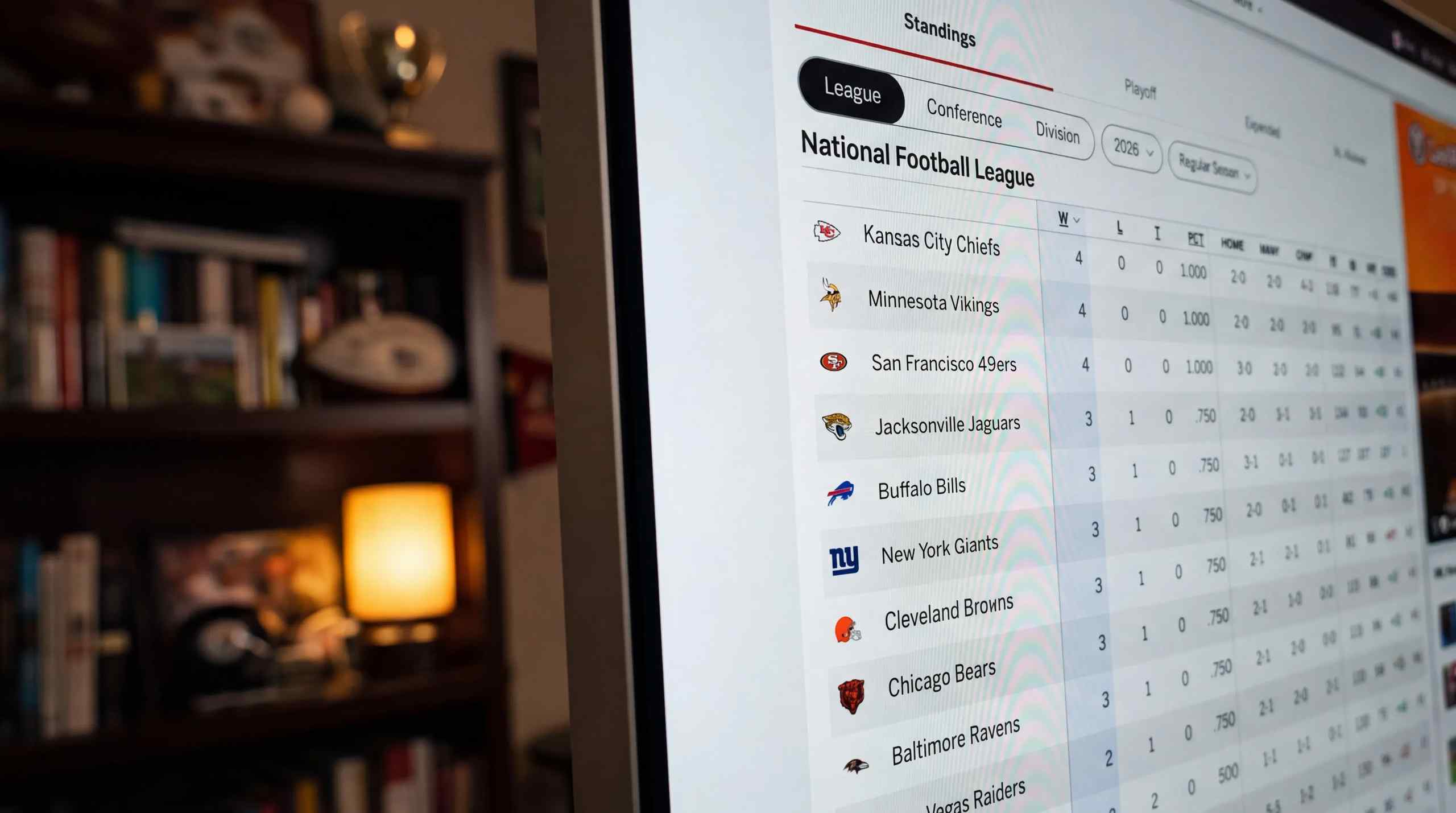
Does a 4-0 NFL Start Mean You're Playoff Bound?
A 4-0 start can put your team on the fast track to the playoffs, but history shows that even Super Bowl champions don't always start strong.
By Marcus Mosher