
"No Chance" Isn’t 0%: A Sports Fan’s Guide to Probability
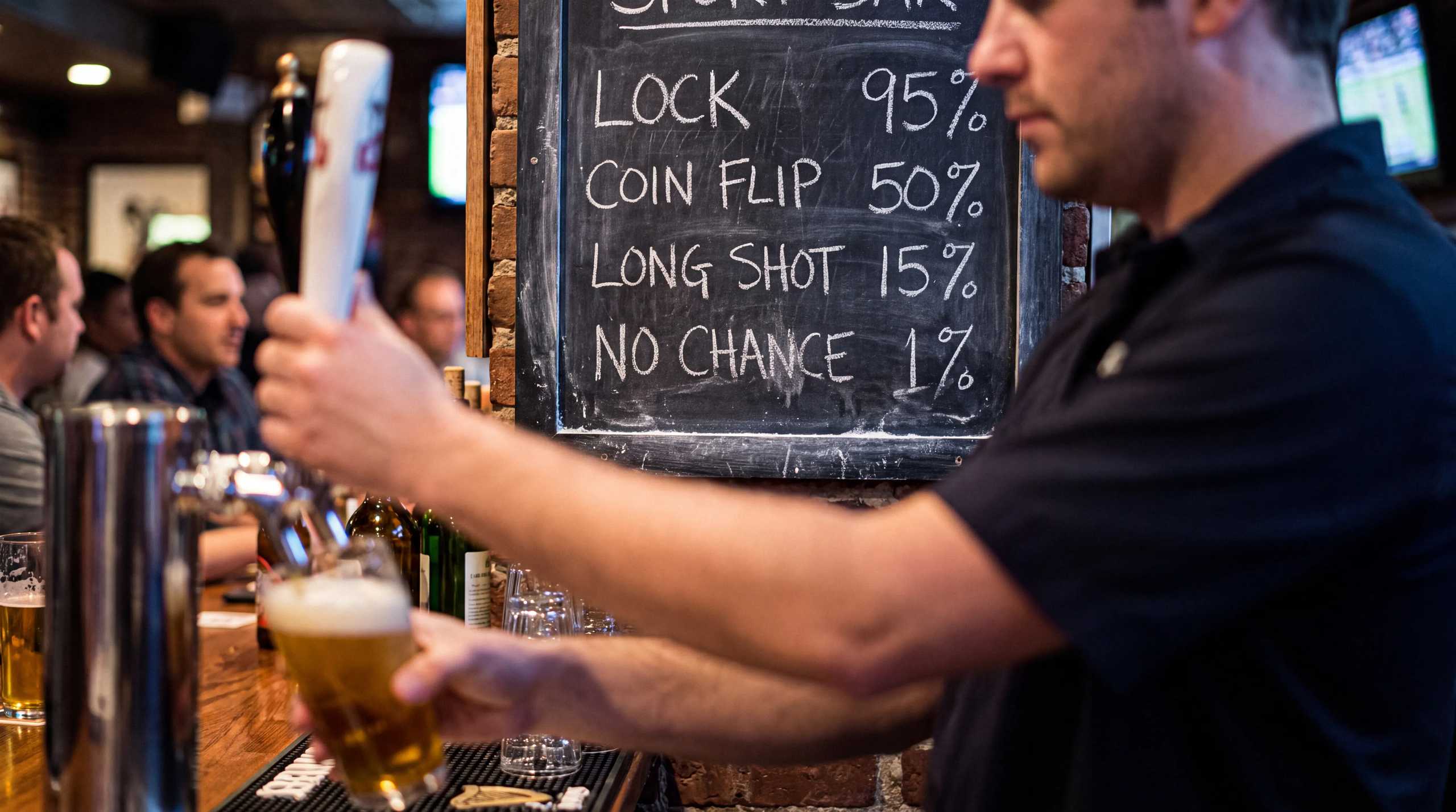
Sports fans rarely speak in percentages; they speak in "locks" and "coin flips" and "no chance." Here's how to translate the everyday language of sports confidence into real probabilities.
%20(1).webp)
Show me a sports fan who speaks in percentages, and I’ll show you a Chicago Bears Super Bowl win in this century. We say our backed teams will "probably" win, an underdog has "no chance," or a heavily favored team is a "lock." But what do those words actually mean? Tell 100 fans something is "likely," and you'll get 100 different numbers floating around their heads.
Sports might be the best classroom there is for learning to think in terms of probabilities rather than certainties.
What Does "Probably" Actually Mean?
Start by translating fan language into rough ranges. "No chance" typically means less than 5%. A "long shot" usually lands between 10% and 25%. "Could happen" covers a wide 25% to 40%. A "coin flip" sits around 50%. "Probably" runs 60% to 75%, "very likely" climbs to 75% to 90%, and a "lock" means 95% or better.
None of that is official, nor is it guaranteed. That's the point: a peer-reviewed review published in PLOS ONE found that people's numeric interpretation of terms like "likely" varies wildly from person to person, often to the tune of 20 percentage points or more.
A 90% Favorite Can (And Does) Still Lose
Sports fans routinely treat a 90% probability as a sure thing. It isn't. Run 100 genuinely independent games with a 90% favorite, and you'd expect roughly 10 upsets over the long run. The same math applies further down the scale: 80% isn't a guarantee, 70% isn't overwhelming, and 60% isn't particularly safe either. Flip it around, and a 10% underdog isn't something that never happens. It's something you'd expect roughly once every 10 tries, closer to "a given Sunday" than most fans want to admit.
"Coin Flip" Doesn't Mean Random
A true coin flip means neither side has an edge. Sportsbooks set the Bears' 2026 win total at 9.5, with the under juiced to -120 and the over at plus money, a near-even split that still reflects a real, if tiny, lean. A slight edge looks like a coin flip on paper, but stretched across a full season, or a career, that small edge compounds into something meaningful. It's the same reason a few percentage points of return-to-player separate one slot machine from another. Tiny probability gaps add up fast once volume enters the picture.
Why "No Chance" Is Usually Wrong
Humans tend to round small probabilities down to zero, and sportsbooks make a business of punishing that habit. The Bears walked into Philadelphia on Black Friday 2025 as 7-point underdogs against the defending Super Bowl champion Eagles, a spread that implied roughly a 27% chance of a Chicago win. Da Bears won outright, 24-15. Go back further, and the 1980 U.S. Olympic hockey team beat a Soviet squad that had lost exactly once in Olympic play over two decades. Neither the Bears nor Team USA had "no chance." A 27% shot is the kind of number that hits more than once every four tries. Unlikely and impossible are not the same word, despite radio announcers and analysts using them interchangeably.
We're Bad at Probability in Both Directions
A few habits get in the way. Overconfidence makes fans certain about outcomes they merely believe in. Recency bias makes a team that just won five straight feel unbeatable (useful context after Caleb Williams and the Bears rattled off an 11-6 season and a playoff win over Green Bay). The gambler's fallacy convinces bettors that a coin is "due" for tails after five heads, even though the coin has no memory. And narrative bias makes "they want it more" feel like real information, even when it can't be measured on any empirical scale.
Betting Odds Are Just Another Language for Probability
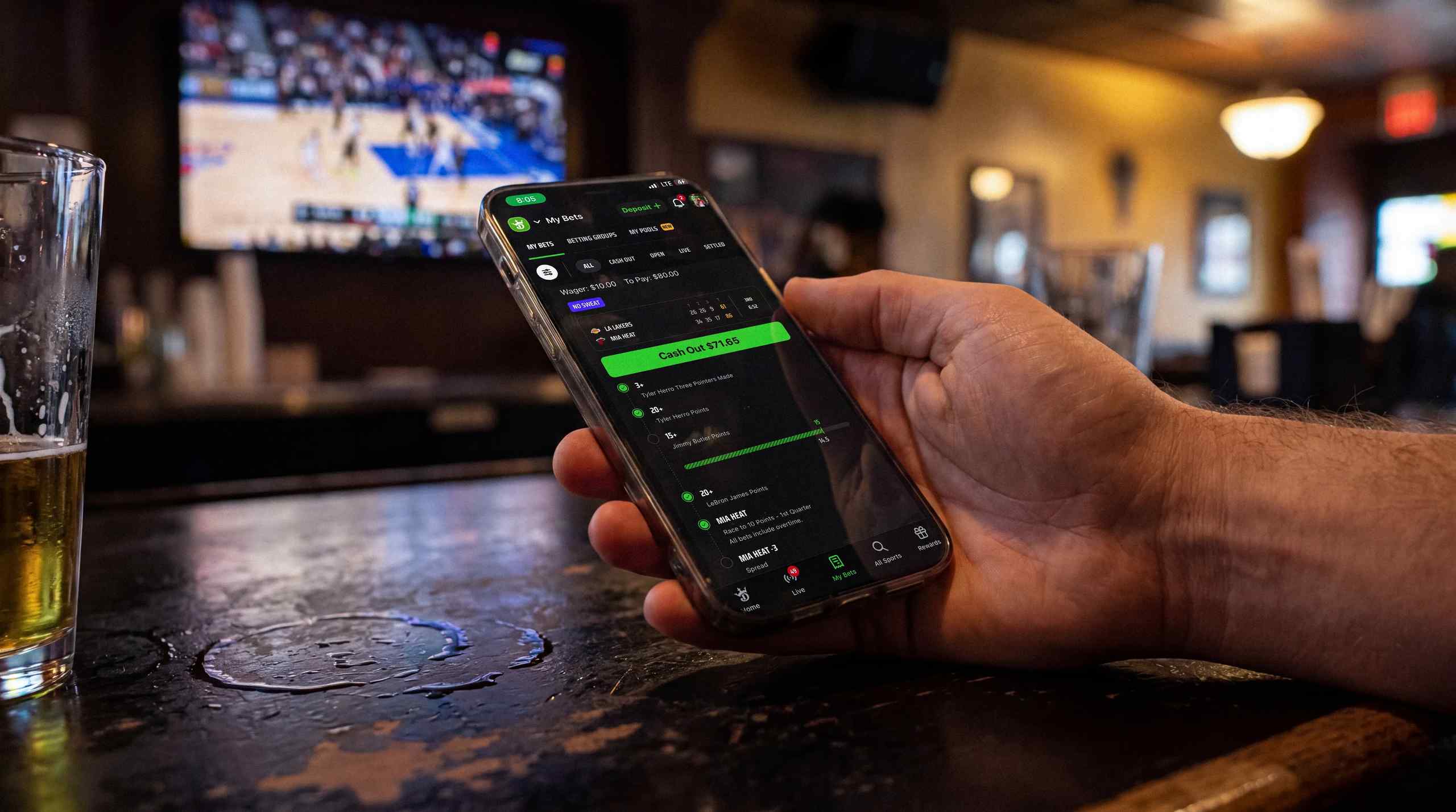
Sportsbook odds and prediction-market prices are just probabilities dressed up in a fancy outfit. Odds of +100 indicate roughly a 50% chance. Odds of -200 are roughly 67%. +300 is roughly a 25% chance. A prediction-market contract trading at 72 cents is pricing in a 72% chance. The Bears' 9.5 win total, priced at -120 to go under, works the same way. Convert the odds, and the market is saying a touch better than 54% on the under. That's a coin flip with a thumb ever so lightly pressing on the scale.
Suggested Odds for Common Gambling Phrases
| Phrase | Suggested Probability | How Often It Still Fails |
|---|---|---|
| "Lock" | 95% | 1 in 20 |
| "Very likely" | 80% | 1 in 5 |
| "Probably" | 70% | 3 in 10 |
| "Coin flip" | 50% | 1 in 2 |
| "Long shot" | 20% | 1 in 5 |
| "No chance" | 5% | 1 in 20 |
Try Speaking in Percentages
Instead of "there's no way they lose," try "I'd give them an 85% chance." Instead of "that could happen," ask yourself: 20%? 40%? 5%? Forcing a number out of a gut feeling exposes how uncertain most “confident” predictions really are. Thinking in probabilities doesn't mean predicting sports perfectly. It means getting comfortable with the fact that being right about the odds sometimes still means being wrong about the result.
Cole Rush is a freelance writer, crossword constructor, and creative tinkerer with more than 10 years of experience writing about anything and everything. Cole’s primary area of expertise is the gambling industry, covering the expansion of sportsbooks and online casinos alongside emerging spaces like sweepstakes casinos and prediction markets.
More Articles like this
Do NHL Stars Lose Their Edge After Signing Huge Contracts?
Do NHL stars really take their foot off the gas after a big payday? We analyzed 29 major contracts to find out.
By Charlon Muscat
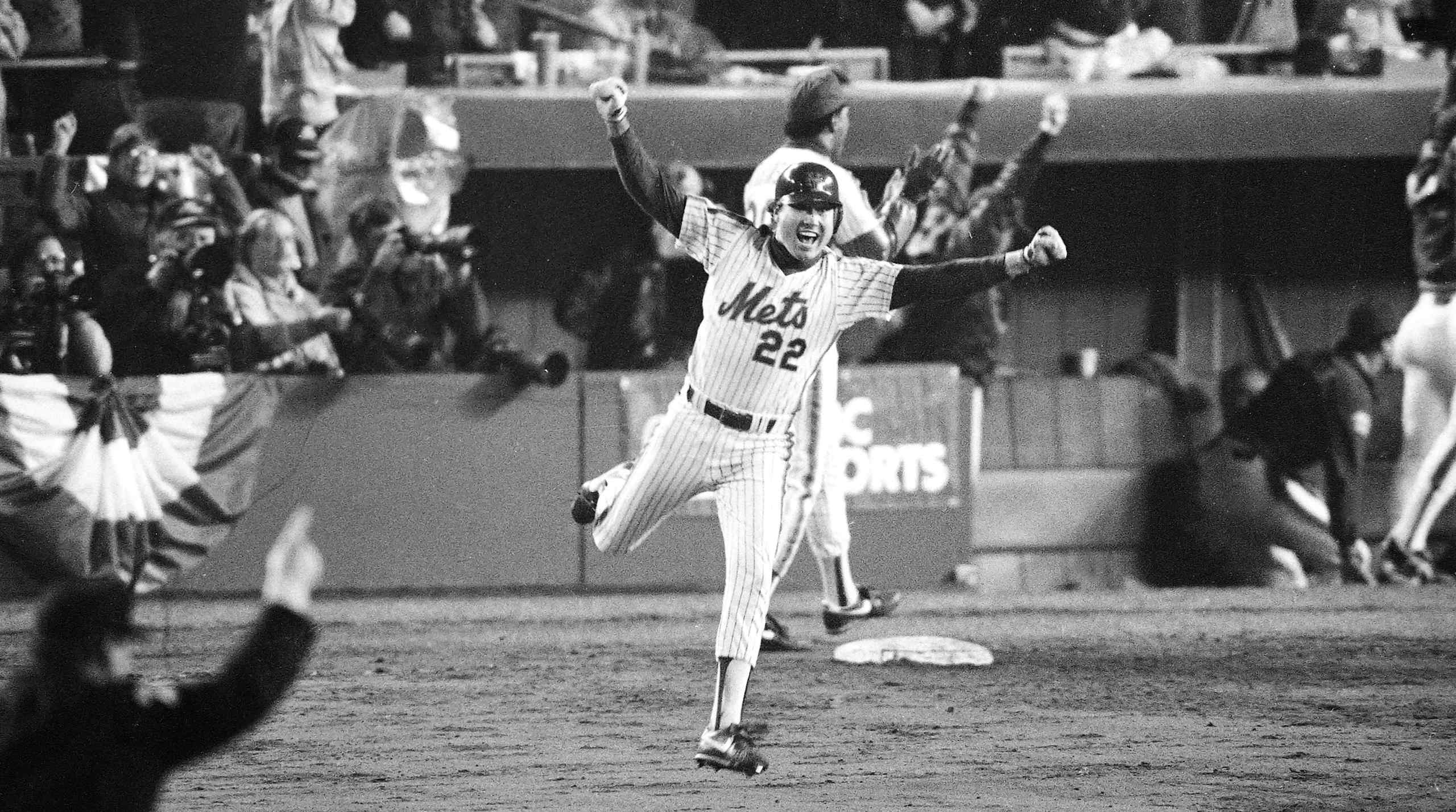
Five Iconic World Series Moments Since the Brewers' Appearance
The Brewers are back in the World Series after 44 years. From Bill Buckner's error to the Cubs ending their curse, plenty has happened since 1982.
By Bill Gelman
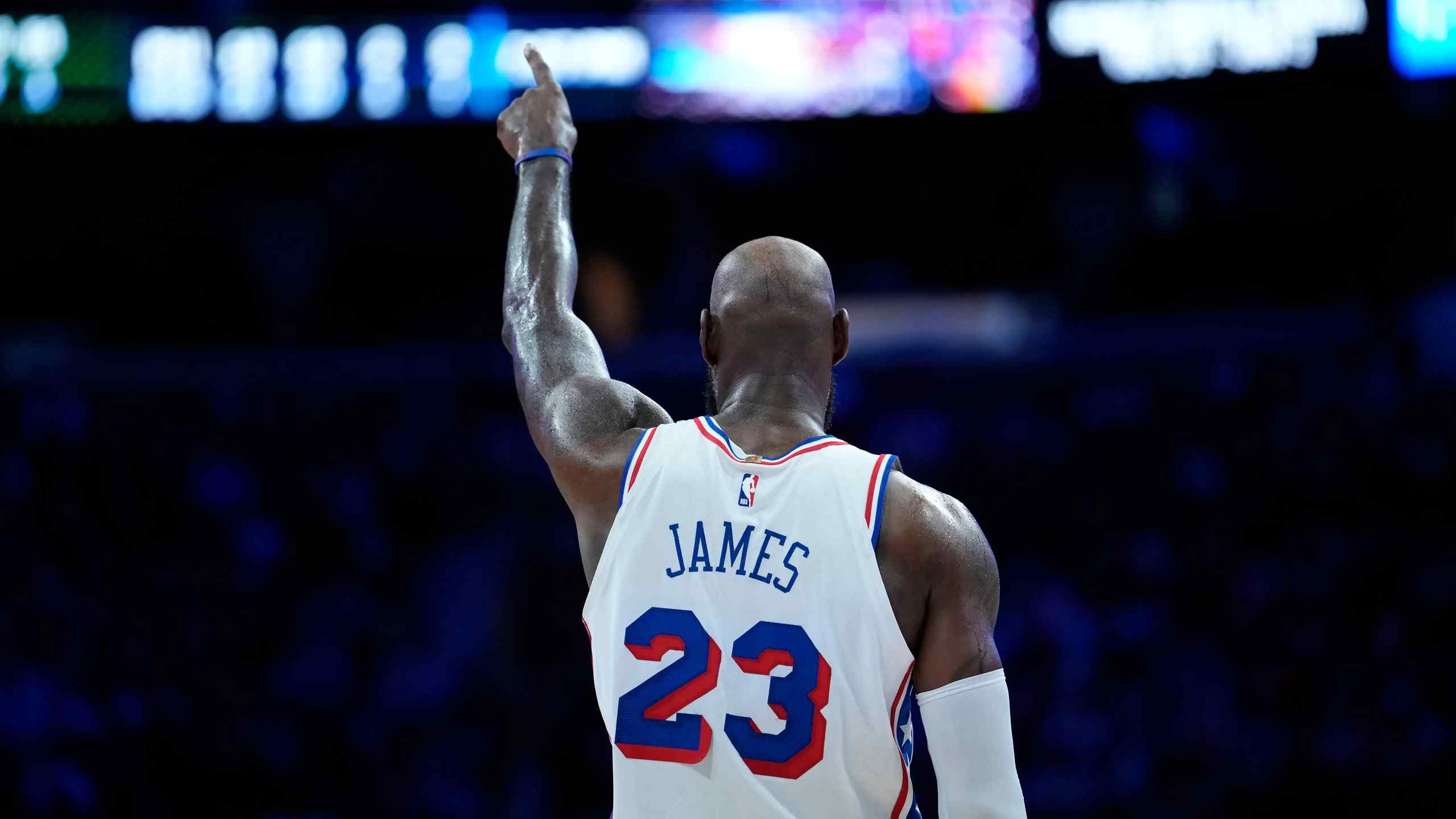
LeBron to Giannis: Ranking 5 NBA Offseason Stunners
LeBron to Philly, Giannis to Miami, and Wemby staying put. Which NBA offseason move will pay off the most?
By Bill Gelman
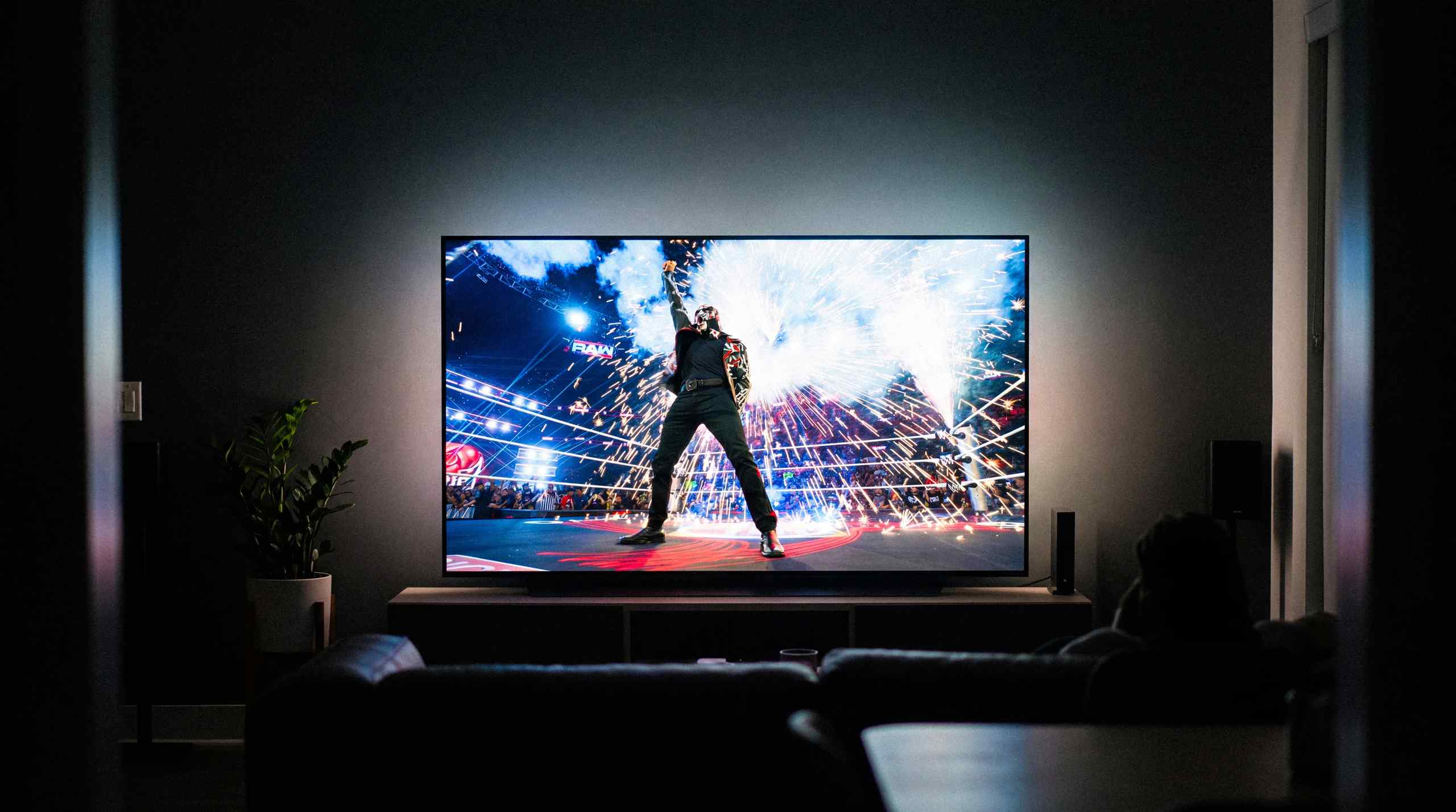
NFL Fans Spend $900 to Watch Games. WWE Fans Pay Even More
Think watching every NFL game is expensive? WWE fans would argue otherwise.
By James Guill
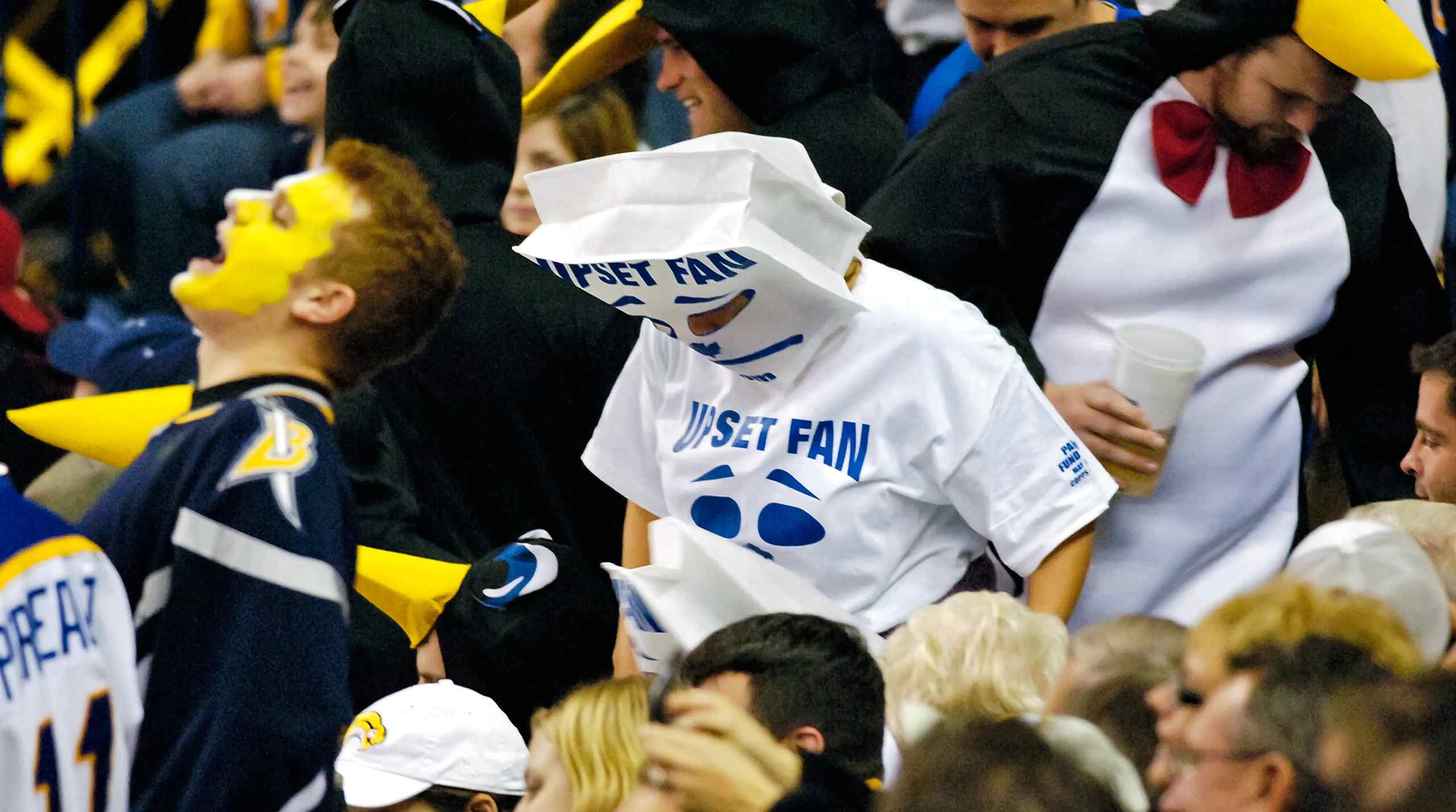
How Bad Is It? Ranking the NHL's Original Six by Fan Misery
Nearly 60 years without a Stanley Cup is just the beginning. We rank the NHL's Original Six teams by how much misery their fans have endured.
By Bill Gelman
Why Does Everybody Hate Us? 10 Most Hated Sports Teams Ever
Some teams always win; others get caught breaking the rules. Either extreme is a surefire way to become universally hated, as these 10 sports teams can attest to.
By Stuart Hughes