
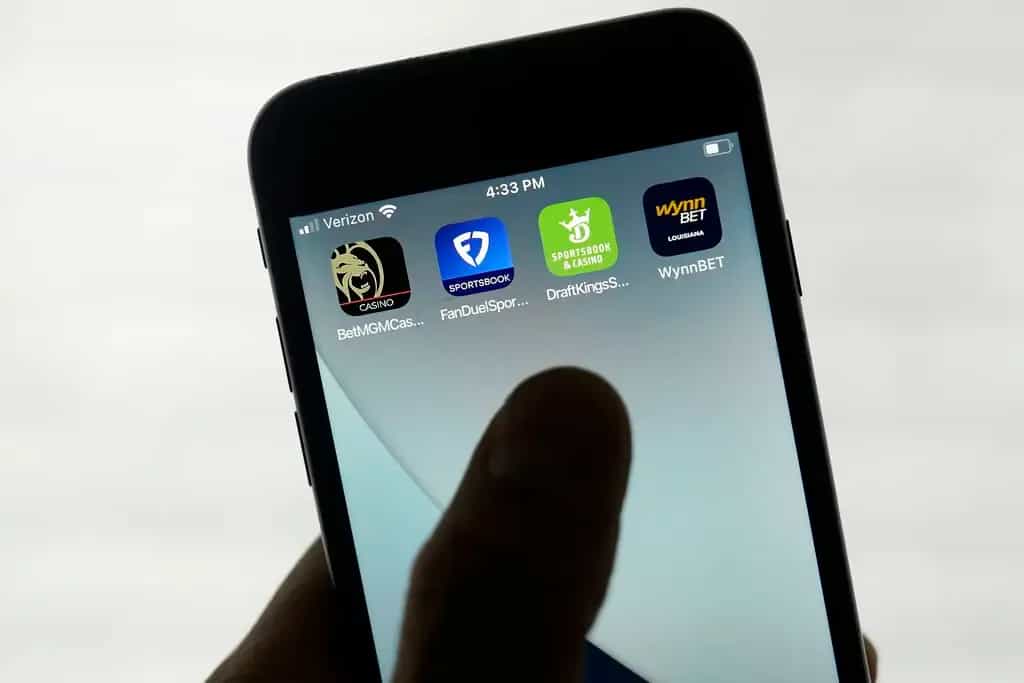
How to Bet on Sports
A clear, step-by-step breakdown of how to bet on sports, covering bet types, odds, bankroll rules, and common mistakes new bettors make.

Betting on sports means picking an outcome, such as a moneyline winner, a point spread cover, or a total, then placing money on that outcome through a licensed sportsbook. Learn the bet types, understand the odds, and set a budget before you place a single wager.
Key Takeaways
- Sports betting comes down to three core bet types: moneyline, point spread, and totals.
- Odds tell you both the implied probability of an outcome and your potential payout.
- Bankroll management matters more than picking winners. Set a budget before you bet on sports.
- Live betting and micro-betting have changed how fast odds move during a game.
- Comparing bet types to hedging and prop markets helps you avoid the most common rookie mistakes.
Quick Facts Box
| Category | Detail |
|---|---|
| Difficulty Level | Beginner-friendly |
| Estimated Time to Learn | 30 to 45 minutes |
| Best Suited For | New bettors, casual sports fans, anyone opening a first sportsbook account |
| Related Topic | Bet types and odds formats |
Why Does Learning How to Bet on Sports Matter?
Learning how to bet on sports matters because the difference between a profitable hobby and a frustrating one usually comes down to fundamentals, not luck. Bettors who understand odds and bet types make sharper decisions under pressure.
A bettor who knows the difference between a moneyline and a spread avoids paying for value that isn't there. That single distinction changes how much you win, how often you win, and how long your bankroll lasts.
What Are the Main Bet Types When You Bet on Sports?
The main bet types when you bet on sports are moneyline, point spread, totals, parlays, and props, and each one carries a different risk and payout structure. The table below breaks down how each works.
Bet Types Table
| Bet Type | What You're Betting On | Best For |
|---|---|---|
| Moneyline | Picking the outright winner, no margin required | Simplicity and underdog value |
| Point Spread | Whether a team covers a set margin of victory | Evenly matched paying odds on both sides |
| Total (Over/Under) | Combined score against a set number | Bettors who don't want to pick a side |
| Parlay | Combining multiple bets for a bigger payout | Higher risk, higher reward |
| Prop Bet | A specific in-game event or player stat | Fans who follow individual performances |
How Do You Place Your First Bet When You Bet on Sports?
Placing your first bet when you bet on sports starts with picking a licensed sportsbook, funding an account, and choosing a game and market. From there, you select an outcome, enter a stake, and confirm the wager before kickoff or during live play.
Most sportsbooks display odds in American, decimal, or fractional format. American odds use a plus or minus sign, where a minus number shows how much you must risk to win $100, and a plus number shows how much a $100 bet returns.
What Bet Types Should You Learn First When You Bet on Sports?
The bet types worth learning first when you bet on sports are moneyline, spread, and total, since nearly every sportsbook market builds on these three formats. Exploring the full range of betting types available on a modern sportsbook helps new bettors recognize which markets fit their risk tolerance.
How Does Live Betting Change the Game When You Bet on Sports?
Live betting changes the game when you bet on sports because odds shift in real time based on what's happening on the field, not just the pregame line. Understanding how live betting works gives bettors a way to react to momentum swings instead of locking in a decision before the opening whistle.
Why Is Micro-Betting Growing Fast Among People Who Bet on Sports?
Micro-betting is growing fast among people who bet on sports because it lets bettors wager on single plays, like the next pitch or the next corner kick, instead of full-game outcomes. The rise of micro-betting on individual plays reflects a shift toward shorter, faster betting decisions during live games.
How Should You Manage Your Bankroll When You Bet on Sports?
Managing your bankroll when you bet on sports means setting a fixed amount you're willing to risk and never betting more than a small percentage of it on a single game. The National Council on Problem Gambling recommends treating gambling funds as non-essential money and never using funds set aside for bills or savings.
A common rule among disciplined bettors is risking 1 to 3 percent of a bankroll per bet. That approach protects against a bad week wiping out months of careful betting.
Examples of How to Bet on Sports
A bettor backing a heavy favorite at -250 on the moneyline must risk $250 to win $100, since the payout shrinks as the perceived win probability rises. Switching that same favorite to a spread bet, such as -6.5, often brings the odds closer to -110 on both sides.
A bettor holding a futures ticket on a team to win a championship might use hedging to lock in profit before the final game. Learning how to hedge a bet shows bettors a way to reduce risk once a wager is already showing value.
A bettor using data models to compare injury reports and pace stats before placing a wager is applying an analytical approach rather than a gut call. Reviewing how AI-driven betting tools support smarter decisions shows how data now plays into pregame research for a growing share of bettors.
Common Mistakes People Make When They Bet on Sports
The most common mistake people make when they bet on sports is chasing losses by increasing bet size after a loss to win it back faster. This turns one bad bet into a much bigger financial problem.
- Betting on favorite teams out of loyalty instead of value.
- Ignoring the vig (the sportsbook's built-in cut) when comparing odds.
- Placing parlays as a primary strategy instead of an occasional flyer.
- Skipping bankroll limits entirely during a hot streak.
- Betting on unfamiliar sports without checking basic team or player context.
How Does Sports Betting Compare to Casino Games and AI-Assisted Tools?
Sports betting compares to casino games in that both involve fixed house edges, but sports betting outcomes depend on real-world performance rather than a random number generator. That distinction is why research and timing matter more in sports betting than in slots or roulette.
Comparing standard sportsbook platforms also matters, since features and market depth vary by operator. A review of a platform like Sports Interaction's sportsbook features shows how betting menus and live markets differ across operators.
Artificial intelligence has also reshaped how odds get set and how bettors research picks. Coverage of how AI is changing sports betting explains why lines move faster and data-driven models increasingly influence public betting patterns.
Sports Betting vs. Casino Gambling
| Factor | Sports Betting | Casino Games |
|---|---|---|
| Outcome Driver | Real-world athletic performance | Random number generation |
| Skill Impact | Research and timing can improve results | Minimal skill impact on most games |
| Odds Movement | Shifts with news, injuries, and betting volume | Fixed house edge, rarely changes |
The Bodog Insight on How to Bet on Sports
Betting on sports rewards preparation over instinct. Bettors who understand bet types, respect their bankroll, and read odds correctly put themselves ahead of the crowd betting on gut feeling alone.
Bodog's take: treat every wager like a business decision, not a hunch. The bettors who last are the ones who track results, adjust bet size with discipline, and never bet more than they can afford to lose.
How To Bet On Sports FAQs
What is the easiest bet type for a beginner?
The easiest bet type for a beginner is the moneyline, since it only requires picking a winner with no point margin to track.
How much money do I need to start betting on sports?
You can start betting on sports with as little as $10 to $20, though setting a dedicated monthly budget matters more than the starting amount.
What does a negative number mean in sports betting odds?
A negative number in sports betting odds shows how much you must risk to win $100, and it always marks the favorite in that matchup.
Is live betting different from pregame betting?
Live betting is different from pregame betting because odds update continuously during the game based on real-time performance, not just pregame projections.
What is a parlay bet?
A parlay bet combines two or more individual wagers into one ticket, and every leg must win for the parlay to pay out.
How do I know if a sportsbook is legal?
You know a sportsbook is legal if it holds a state gaming license, since sports betting regulation in the United States happens at the state level rather than federally.
What is bankroll management in sports betting?
Bankroll management in sports betting means setting a fixed betting budget and risking only a small, consistent percentage of it on each wager.
Continue Learning
- Why People Love Betting on Sports They Barely Understand: a look at the psychology behind casual sports betting habits.
- A Week of Sports Betting With AI: The Ultimate Edge: a real-world diary of using AI tools across a full betting week.
- Best Sports Trips for Bettors: a Bodog resource on planning travel around major sporting events.
Sources & Review
Arthur Crowson got his start in traditional newspapers before making the jump to digital media, where he's spent the last ten years writing about poker, finance, crypto, gambling, and emerging tech. Over that time, he's developed a knack for spotting the moments when markets, technology, and gambling pull in the same direction. His work has appeared in publications like PokerListings, CryptoVantage, ValueWalk, and PokerScout.
More Articles like this
Do NHL Stars Lose Their Edge After Signing Huge Contracts?
Do NHL stars really take their foot off the gas after a big payday? We analyzed 29 major contracts to find out.
By Charlon Muscat
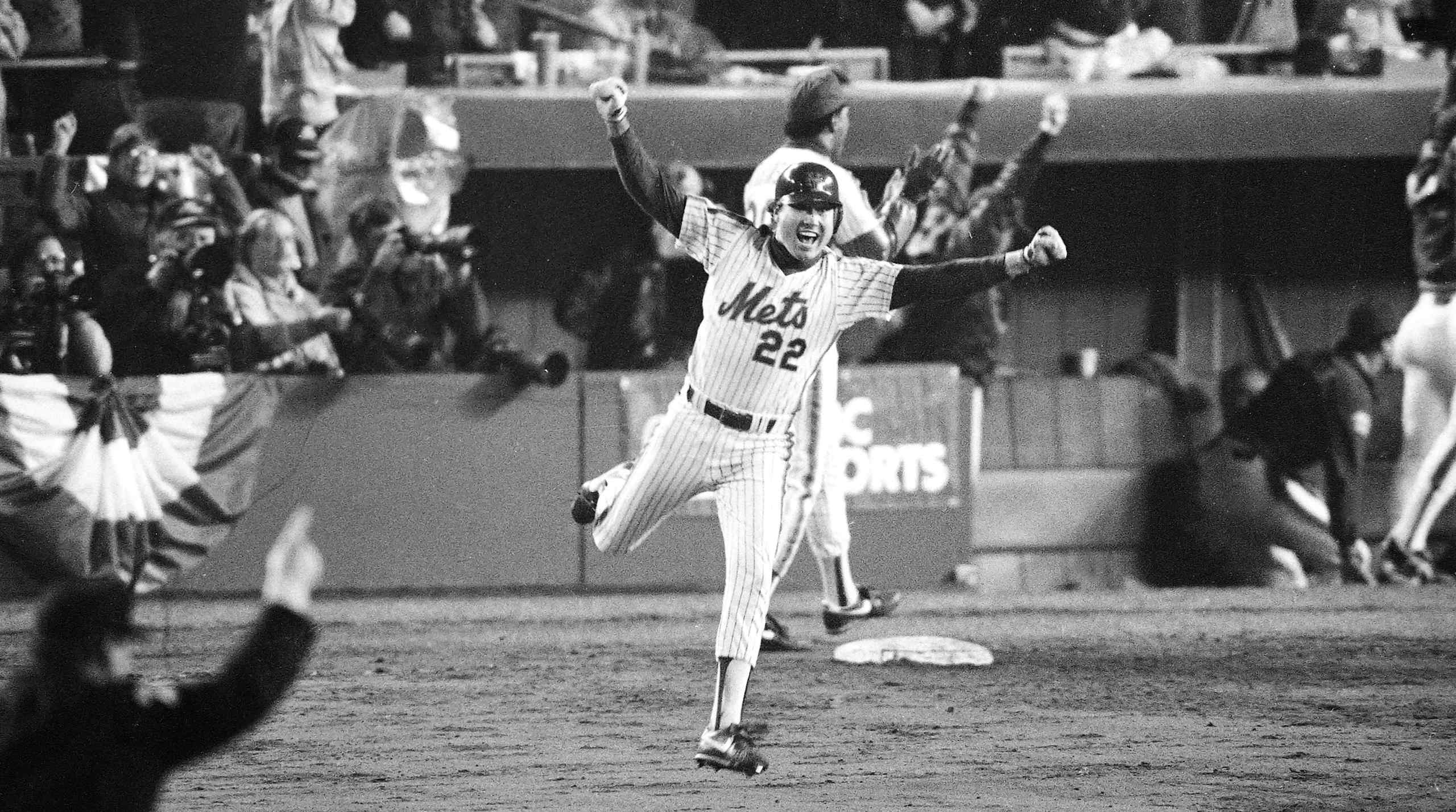
Five Iconic World Series Moments Since the Brewers' Appearance
The Brewers are back in the World Series after 44 years. From Bill Buckner's error to the Cubs ending their curse, plenty has happened since 1982.
By Bill Gelman
LeBron to Giannis: Ranking 5 NBA Offseason Stunners
LeBron to Philly, Giannis to Miami, and Wemby staying put. Which NBA offseason move will pay off the most?
By Bill Gelman
NFL Fans Spend $900 to Watch Games. WWE Fans Pay Even More
Think watching every NFL game is expensive? WWE fans would argue otherwise.

By James Guill
How Bad Is It? Ranking the NHL's Original Six by Fan Misery
Nearly 60 years without a Stanley Cup is just the beginning. We rank the NHL's Original Six teams by how much misery their fans have endured.
By Bill Gelman
Why Does Everybody Hate Us? 10 Most Hated Sports Teams Ever
Some teams always win; others get caught breaking the rules. Either extreme is a surefire way to become universally hated, as these 10 sports teams can attest to.
By Stuart Hughes