
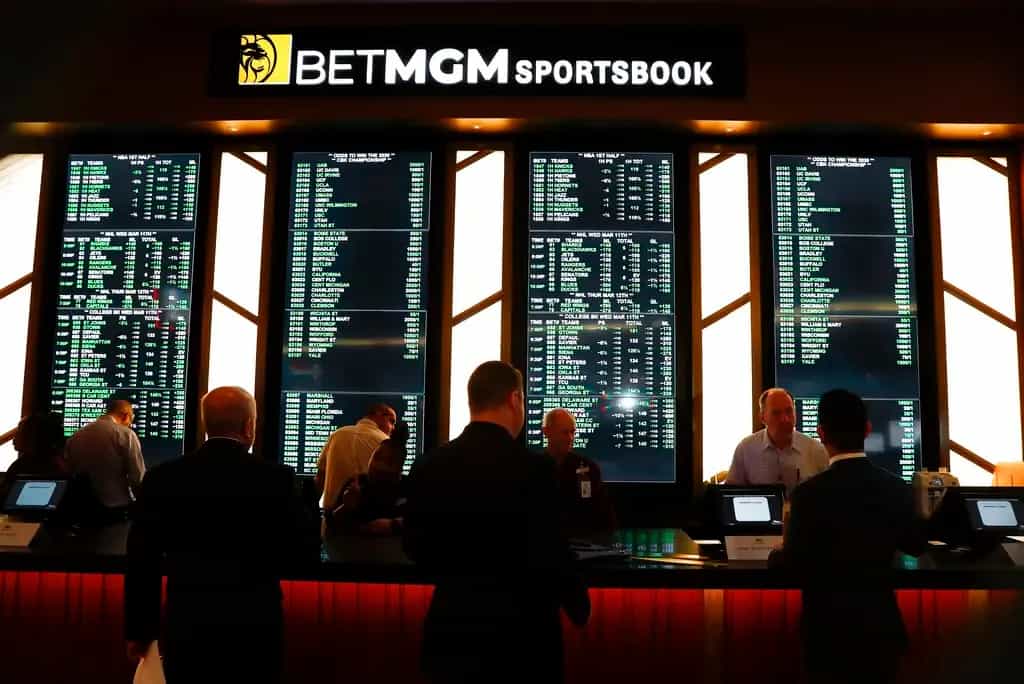
How Sportsbooks Make Money
A breakdown of the vig, hold percentage, parlays, live betting, and line management that let sportsbooks profit regardless of who wins.

Sportsbooks make money by building a commission called the vig into every betting line, so they collect more from losing sports bets than they pay out on winning ones. This built-in margin, known as the hold, guarantees profit over time regardless of which team or player wins.
Key Takeaways
- Sportsbooks make money mainly through the vig, a margin baked into odds like -110 on both sides of a bet.
- Hold percentage measures how much of total wagers a sportsbook keeps after paying winners.
- Parlays, player props, and same-game parlays carry far higher margins than straight spread or moneyline bets.
- Live betting and same-game parlays have pushed national hold rates higher in recent years.
- Sportsbooks aim to balance action on both sides of a bet rather than betting against their customers.
Quick Facts Box
| Category | Detail |
|---|---|
| Difficulty Level | Beginner-friendly |
| Estimated Time to Learn | 10 to 15 minutes |
| Best Suited For | New bettors, casual fans, and anyone comparing sportsbook odds |
| Related Topic | Understanding different betting types and how their margins vary |
Why Understanding How Sportsbooks Make Money Matters
Understanding how sportsbooks make money helps bettors see exactly why the house wins over the long run, even when individual bets go their way. Every line a sportsbook posts already includes a profit margin, which means the odds are never a true 50/50 reflection of the game. Knowing this changes how a bettor reads a line, shops for better prices, and picks which bet types to avoid. It turns betting from a guessing game into a math problem worth studying before placing money down.
Sportsbook Margins by Bet Type
| Bet Type | Typical Hold Percentage | Why the Margin Differs |
|---|---|---|
| Standard point spread (-110/-110) | Around 4.5% | Balanced two-way market with efficient pricing |
| Moneyline on heavy favorites | 5% to 8% | Uneven odds widen the implied probability gap |
| Player props | 6% to 10% | Thinner markets with less competitive pricing |
| Parlays and same-game parlays | 15% to 30%+ | Combined legs compound the vig on each selection |
| Season-long futures | Often above 20% | Long time horizon and limited liquidity |
How Do Sportsbooks Make Money Through the Vig?
Sportsbooks make money through the vig, a built-in commission attached to every price they post, regardless of which side wins. When a game is priced at -110 on both sides, each side implies a 52.4% chance of winning, and the two numbers add up to 104.8% instead of 100%. That extra 4.8% is the vig, and it's why a bettor needs to win more than half their bets just to break even. Straight bets on spreads and totals carry relatively thin vig compared with the wider markets found in same-game parlays and other bet types.
How Does Sportsbook Hold Percentage Reveal Real Profit Margins?
Sportsbook hold percentage reveals real profit margins by measuring the share of total money wagered that a book keeps after paying every winning ticket. Nationally, legal U.S. sportsbooks won at a 9.3% rate in 2024, a rate that has since climbed further as same-game parlays gained popularity. Hold differs from vig in scope. Vig describes the margin on one side of a single bet, while hold describes the sportsbook's actual take across an entire market once real money and real outcomes are factored in.
How Does Live Betting Change the Way Sportsbooks Make Money?
Live betting changes the way sportsbooks make money by letting operators reprice odds constantly as a game unfolds, often widening margins compared with pre-game lines. Because in-game markets update in seconds, sportsbooks lean on faster data feeds and automated pricing models to protect their edge against sharp, quick-reacting bettors. Anyone curious about the mechanics behind those constantly shifting numbers can dig into how does live betting work to see why in-play markets often carry a steeper price than the same bet offered before kickoff. Live wagering now makes up roughly half of all handle in mature betting markets, which has pushed overall hold rates higher industry-wide.
Why Do Sportsbooks Balance Betting Lines Instead of Picking Winners?
Sportsbooks balance betting lines instead of picking winners because their business model depends on managing risk, not predicting outcomes. A sportsbook that takes roughly equal money on both sides of a game locks in its vig no matter who wins, which is a far more reliable path to profit than trying to outguess bettors. This approach mirrors the risk-management thinking that reshaped modern sports business more broadly, a shift covered in detail in how big finance changed sports through data and hedging strategies. When action leans heavily to one side, sportsbooks adjust the line to attract more bets on the other side rather than simply accepting the imbalance.
How Does Bettor Psychology Help Sportsbooks Make Money?
Bettor psychology helps sportsbooks make money because most casual bettors chase entertainment and big payouts rather than the best mathematical value. Parlays and player props feel exciting and offer long-shot upside, which is exactly why sportsbooks price them with much higher margins than straight bets. This tendency connects directly to why people love betting on sports they barely understand, since emotional attachment to a favorite team or a hot streak often overrides careful line shopping. The result is a steady stream of bets placed on the sportsbook's most profitable products.
What Are Real Examples of How Sportsbooks Make Money?
Real examples of how sportsbooks make money show the math behind the vig in action. Consider a $110,000 bet on each side of a game priced at -110. The sportsbook pays out $210,000 to the winning side but collects $220,000 total, keeping a guaranteed $10,000 regardless of the final score.
A second example involves parlays. A three-leg parlay with roughly 5% vig on each leg compounds into an effective margin near 15%, meaning a $100 parlay bettor is mathematically expected to lose about $15 over time. Bettors who chase these payouts without tracking their spending can quickly slide past sensible limits, a concern addressed directly in how much betting is too much for sports.
What Common Mistakes Do Bettors Make About How Sportsbooks Make Money?
Common mistakes bettors make about how sportsbooks make money start with assuming the odds represent a fair 50/50 split. In reality, every posted line already includes the sportsbook's margin, so a coin-flip game is never actually priced at even money. Another frequent error is ignoring how much vig varies by bet type, since parlays and props carry far steeper margins than straight spreads. Bettors also underestimate how quickly compounded vig erodes returns on multi-leg parlays, treating each leg's odds as independent rather than stacked against them.
How Does the Vig Compare to a Casino's House Edge?
The vig compares to a casino's house edge in purpose but differs in mechanics and consistency. A casino game like roulette has a fixed, unchanging house edge built into the wheel itself, while a sportsbook's margin shifts based on bet type, market liquidity, and how money is distributed across each side. Regulatory frameworks also differ by region, and the gap between American and international sportsbook practices has been narrowing in recent years, a trend explored in how U.S. and European betting are blurring together. Casino games generally offer more predictable, published odds, while sportsbook margins require more digging for a bettor to calculate on their own.
Sportsbook Vig vs. Casino House Edge
| Factor | Sportsbook Vig | Casino House Edge |
|---|---|---|
| Consistency | Varies by bet type and market | Fixed by game rules |
| Transparency | Requires calculation from odds | Often published outright |
| Typical Range | 4.5% to 30%+ | 1% to 15%, game dependent |
Bodog Insight on How Sportsbooks Make Money
Sportsbooks make money by pricing risk, not by rooting against their customers. The vig sits inside every line, the hold percentage tracks the real-world result of that pricing, and parlays and live markets have pushed industry margins higher than ever. None of that is secret, and none of it should scare a smart bettor away from the game. Understanding the math simply means shopping smarter, treating parlays as entertainment rather than strategy, and reading every line with the sportsbook's built-in edge already factored in.
Sportsbook FAQs
What is the vig in sports betting?
The vig is the built-in commission a sportsbook charges on a bet, typically priced at around -110 on standard spreads and totals.
Why do sportsbooks set odds at -110 instead of even money?
Sportsbooks set odds at -110 because it embeds roughly 4.8% margin into a two-way market while still looking affordable to bettors.
Do sportsbooks lose money when favorites win?
Sportsbooks can occasionally lose money on individual games when action is lopsided, but balanced betting across a full season keeps their overall hold positive.
Why do parlays have higher vig than straight bets?
Parlays have higher vig because each leg's individual margin compounds together, often pushing total hold above 15% on multi-leg tickets.
What is hold percentage in sports betting?
Hold percentage is the share of total money wagered on a market that a sportsbook keeps as profit after paying every winning bet.
How has sportsbook hold changed in recent years?
Sportsbook hold has climbed as same-game parlays gained popularity, with national hold rising from roughly 9.1% in 2023 to over 10% more recently.
Can bettors reduce the impact of the vig?
Bettors can reduce the impact of the vig by shopping lines across sportsbooks, avoiding high-margin parlays, and focusing on straight bets with thinner margins.
Continue Learning
- Why people love betting on sports they barely understand: a deeper look at the psychology driving betting decisions on games fans don't fully know.
- Sports betting: a broader overview of markets, terminology, and strategy across every major sport.
- Sports Interaction review: a closer look at one sportsbook's odds, features, and overall betting experience.
Sources & Review
Arthur Crowson got his start in traditional newspapers before making the jump to digital media, where he's spent the last ten years writing about poker, finance, crypto, gambling, and emerging tech. Over that time, he's developed a knack for spotting the moments when markets, technology, and gambling pull in the same direction. His work has appeared in publications like PokerListings, CryptoVantage, ValueWalk, and PokerScout.
More Articles like this
Do NHL Stars Lose Their Edge After Signing Huge Contracts?
Do NHL stars really take their foot off the gas after a big payday? We analyzed 29 major contracts to find out.
By Charlon Muscat
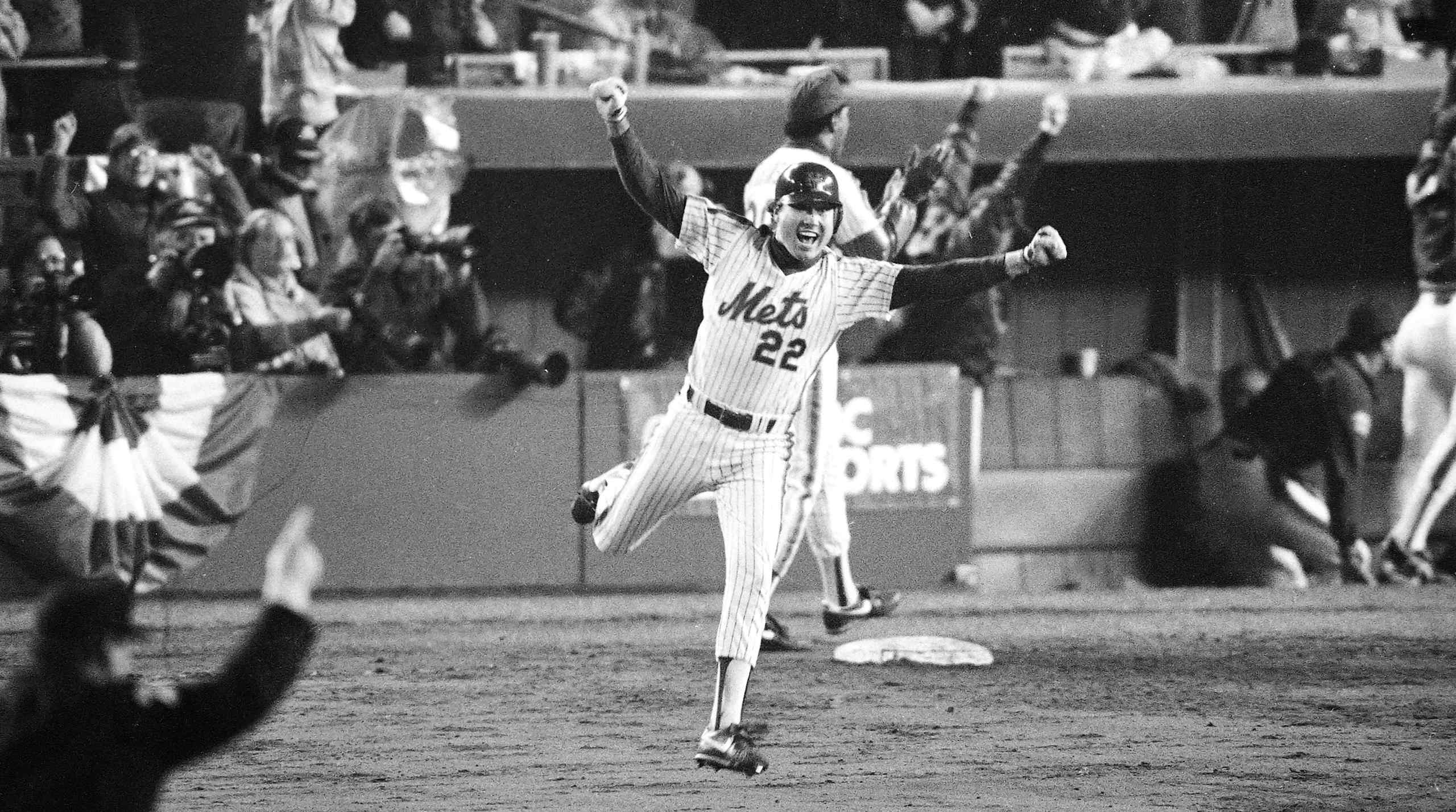
Five Iconic World Series Moments Since the Brewers' Appearance
The Brewers are back in the World Series after 44 years. From Bill Buckner's error to the Cubs ending their curse, plenty has happened since 1982.
By Bill Gelman
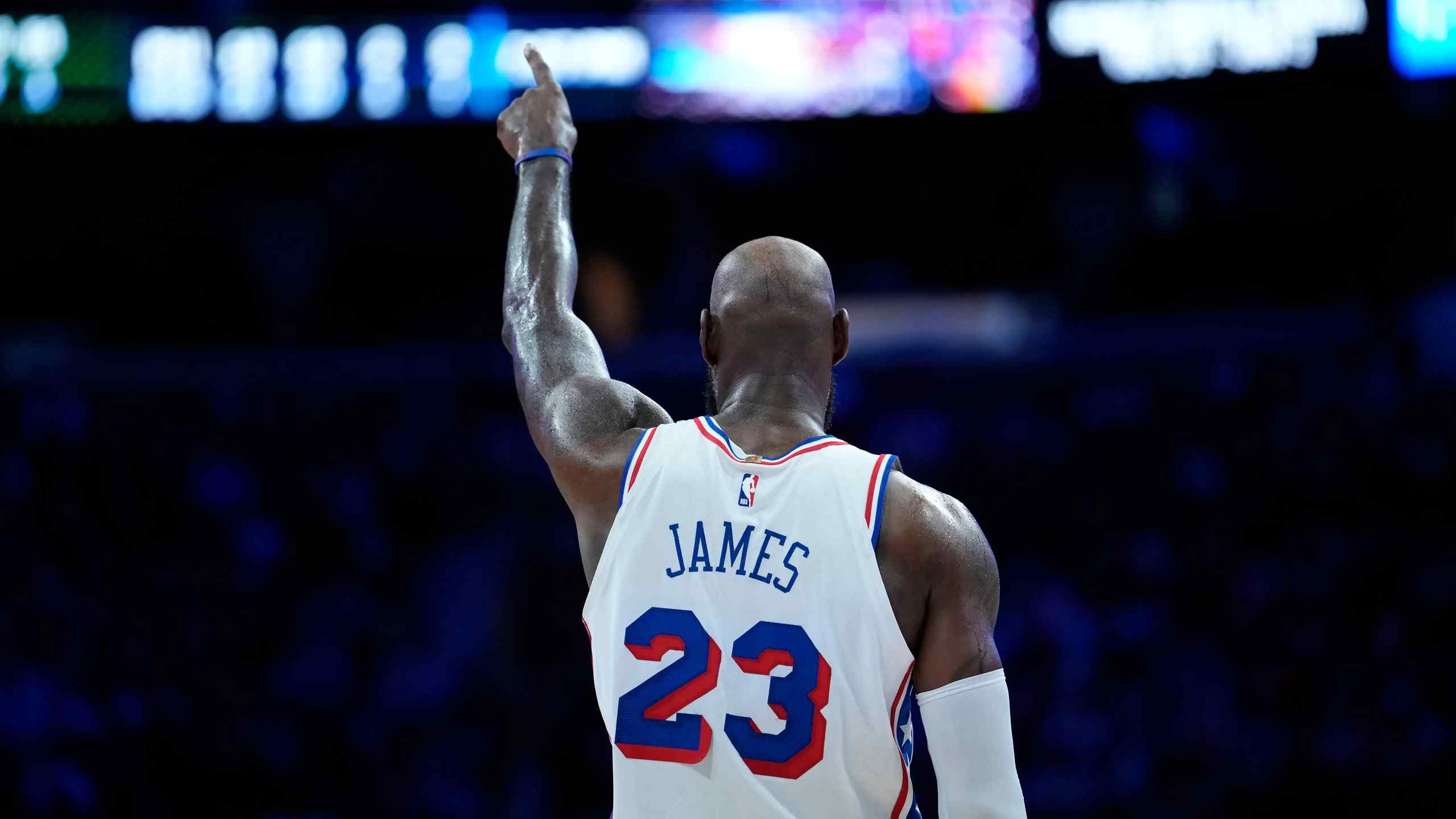
LeBron to Giannis: Ranking 5 NBA Offseason Stunners
LeBron to Philly, Giannis to Miami, and Wemby staying put. Which NBA offseason move will pay off the most?
By Bill Gelman
NFL Fans Spend $900 to Watch Games. WWE Fans Pay Even More
Think watching every NFL game is expensive? WWE fans would argue otherwise.
By James Guill
How Bad Is It? Ranking the NHL's Original Six by Fan Misery
Nearly 60 years without a Stanley Cup is just the beginning. We rank the NHL's Original Six teams by how much misery their fans have endured.
By Bill Gelman
Why Does Everybody Hate Us? 10 Most Hated Sports Teams Ever
Some teams always win; others get caught breaking the rules. Either extreme is a surefire way to become universally hated, as these 10 sports teams can attest to.
By Stuart Hughes