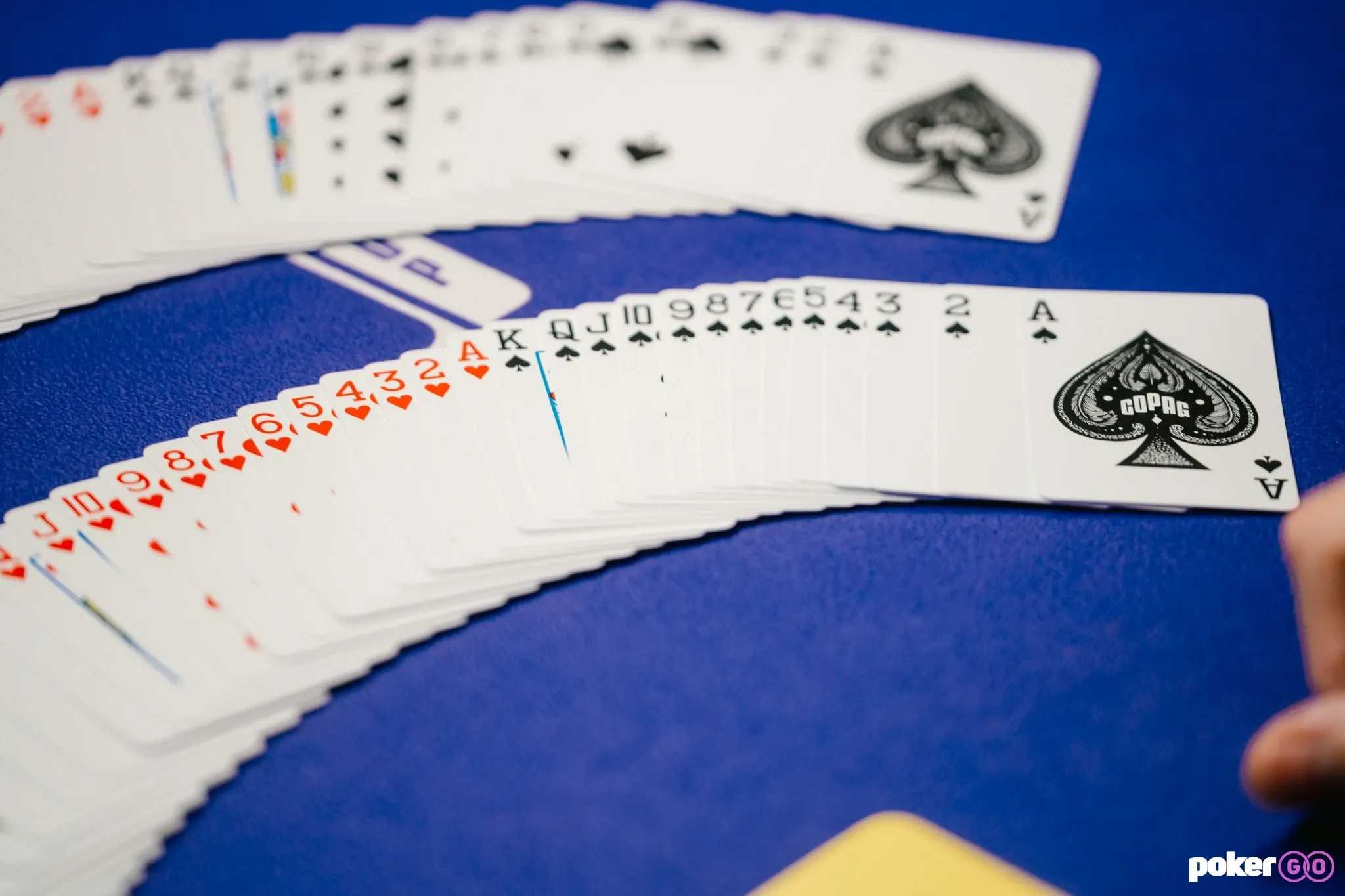
Online Poker vs Live Poker
A direct, evidence-based breakdown of how online poker and live poker differ in speed, cost, skill development, and player experience, built to help players choose the format that fits their goals.

Online poker and live poker differ mainly in speed, cost, and skill exposure: online play deals far more hands per hour and costs less to access, while live poker offers physical reads, deeper social interaction, and generally softer competition. Neither format is objectively "better," but each rewards a different kind of player and bankroll.
Key Takeaways
- Online poker deals significantly more hands per hour than live poker, which speeds up bankroll growth and skill development.
- Live poker relies heavily on physical tells and table presence, while online poker rewards data tracking and pattern recognition.
- Rake structures differ: live cardrooms typically charge a higher percentage per pot compared to most online cash games.
- Bankroll management requirements shift between formats due to differences in variance and hourly hand volume.
- Multi-tabling is only possible online, giving digital players a volume advantage that live players cannot replicate.
Quick Facts
| Details | Key Feature |
|---|---|
| Difficulty Level | Beginner to intermediate for online play; intermediate for live play due to physical read requirements |
| Estimated Time to Learn | 2 to 4 weeks to understand core mechanics of either format; several months to adapt fully between the two |
| Best Suited For | Players who value volume and flexibility (online) versus players who value atmosphere and in-person reads (live) |
| Related Topic | Cash games vs tournaments |
Why Does the Online Poker vs Live Poker Debate Matter?
The online poker vs live poker debate matters because the format a player chooses directly affects how quickly they improve, how much they spend on rake, and how much bankroll they need to survive normal variance. A player who commits to the wrong format for their lifestyle or goals often quits before they ever see meaningful results. Understanding the practical differences upfront helps new and experienced players alike set realistic expectations for their time and money. This is also why poker itself has remained resilient across decades of regulatory and technological change, a resilience explored in detail in why poker keeps surviving shifts in the gambling industry.
What are the Main Differences Between Online Poker and Live Poker?
| Factor | Online Poker | Live Poker |
|---|---|---|
| Hands Per Hour | 60 to 100+ on a single table, 200 to 250 in fast-fold formats | 20 to 30 hands per hour on average |
| Multi-Tabling | Possible, often 4 to 20+ tables at once | Not possible, one table at a time |
| Rake Structure | Generally lower percentage per pot | Typically higher percentage and higher cap |
| Physical Tells | Not available | A major skill component |
| Access | Instant, 24/7 from any device | Instant, 24/7 from any device Requires travel to a casino or cardroom |
| Access Skill Development Speed | Faster due to volume | Slower but reinforced by deeper focus per hand |
What Makes Online Poker Faster Than Live Poker?
Online poker is faster than live poker because digital tables automate dealing, betting, and pot distribution, removing nearly all the manual steps that slow down a physical game. A typical full-ring online poker game will yield 60-80 hands per hour, and for a six-max game some sites can deal upwards of 90 hands per hour ([Five Reasons Why Online Poker Beats Live Poker | PokerNews](https://www.pokernews.com/strategy/five-reasons-why-online-poker-beats-live-poker-36940.htm)), and fast-fold formats push volume even higher. A typical live, full ring poker game will deal around 25-30 hands per hour ([Five Reasons Why Online Poker Beats Live Poker | PokerNews](https://www.pokernews.com/strategy/five-reasons-why-online-poker-beats-live-poker-36940.htm)), largely because of manual shuffling, chip counting, and dealer pacing. This speed gap is central to how players approach bankroll planning, which is also why understanding the difference between cash games and tournaments matters just as much as the format itself when structuring a poker schedule.
Why Does Hand Volume Matter for Online Poker vs Live Poker Skill Growth?
Hand volume matters for online poker vs live poker skill growth because more repetitions mean more chances to encounter varied situations, test strategies, and correct mistakes. Online poker tables average around 100 hands per hour, compared to around 30 hands per hour at live tables, and getting in over three times as many hands as live players gives online players a huge leg up when it comes to growth. This volume advantage compounds over months of play, which is one reason online poker's history, including its interruptions like the events explored in the lasting impact of Black Friday on the online poker industry, still shapes how players view the format's long-term reliability.
How Does Rake Differ Between Online Poker and Live Poker?
Rake differs between online poker and live poker in both structure and impact, with live cardrooms generally taking a larger cut from every pot. Live poker has a much heavier rake than online poker, and while this is a generalization since rake varies from venue to venue and site to site, live rake tends to have both a higher percentage and a higher cap. Over thousands of hands, this difference in rake percentage can materially affect a player's long-term win rate, especially at lower stakes where margins are already thin.
What Skills Transfer Between Online Poker and Live Poker?
The skills that transfer between online poker and live poker include hand-reading logic, position awareness, and bet-sizing theory, but the tools used to apply those skills change significantly. Online players lean on tracking software, statistical databases, and pattern recognition built from large sample sizes. Live players lean on physical tells, verbal patterns, and timing habits that no database can capture. A player fluent in both approaches has a distinct edge, since they can blend statistical discipline with real-time behavioral reads.
Examples of Online Poker vs Live Poker in Practice
A practical example of online poker vs live poker in practice is a player grinding four tables of six-max cash games online, generating several hundred hands per hour. That same player, seated in a single live cash game, would need multiple sessions spread across days just to see the same number of hands they'd play in a single online session. Another example involves tournament structures: an online multi-table tournament can run through several blind levels in the time it takes a live tournament to complete a single level, because live dealers must physically shuffle, deal, and count chips between hands. A third example is bankroll testing. A new strategy tested online can be validated or disproven within a few thousand hands in days, while testing the same strategy live could take weeks or months to reach a similar sample size.
What Are the Most Common Mistakes Players Make Comparing Online Poker and Live Poker?
The most common mistake players make comparing online poker and live poker is assuming that skill in one format automatically transfers to the other without adjustment. Online specialists often underestimate how much slower live pacing feels and end up bored, which leads to loose, undisciplined play. Live specialists frequently overestimate how much time they'll have to think online and get caught off guard by decision clocks. Another frequent error is ignoring rake differences when calculating expected win rate, which can make an online strategy look more profitable on paper than it actually is at a live table. Players also commonly forget that live games run looser and more passive preflop on average, which changes optimal starting hand ranges compared to tighter, more disciplined online lineups.
How Does Online Poker vs Live Poker Compare to Other Poker Format Choices?
Online poker vs live poker is only one of several format decisions players face, and it often overlaps with choices like game variant or stakes structure. Just as players weigh speed and rake between online and live play, they also weigh strategic differences when choosing between hold'em variants, a comparison covered in depth in the strategic contrasts between Texas Hold'em and Omaha. The format decision and the game-variant decision are separate but related, since a player's comfort with volume, variance, and hand complexity influences both choices simultaneously.
Comparing Online Poker and Live Poker
| Decision Point | Online Poker | Live Poker |
|---|---|---|
| Time Commitment | Flexible, short sessions possible | Fixed sessions, often several hours |
| Startup Cost | Low, no travel required | Higher, includes travel and tipping |
| Variance Management | Easier due to volume | Easier due to volume Harder due to fewer hands and deeper stacks |
How to Choose Between Online Poker vs Live Poker?
The takeaway from the online poker vs live poker comparison is that neither format wins outright. Online poker offers speed, lower rake, and faster skill development through volume, while live poker offers richer reads, deeper social engagement, and often softer competition at recreational stakes. Bodog's position is straightforward: match the format to your bankroll, your schedule, and your appetite for variance rather than chasing whichever format is trending. Players serious about long-term profitability typically benefit from experience in both, using online volume to sharpen fundamentals and live sessions to sharpen observation skills that no dataset can replicate.
Online Poker vs Live Poker FAQs
Is online poker easier than live poker?
Online poker is not inherently easier than live poker, but it is faster and more accessible. Live poker often features softer, more recreational opposition, while online games tend to attract more disciplined, data-driven players.
Why do live poker games play so much slower than online poker?
Live poker games play slower because dealers must manually shuffle cards, distribute chips, and manage disputes, none of which are needed online where actions are automated. A live poker game might get 30 hands an hour if the dealer is experienced and on the ball.
Does rake affect win rate differently in online poker vs live poker?
Yes, rake affects win rate differently because live cardrooms typically charge a higher percentage per pot with a higher cap than most online cash games, which can meaningfully reduce a player's long-term profit if not factored into strategy.
Can skills learned online transfer to live poker tables?
Skills learned online, such as hand-reading logic and position play, do transfer to live tables, but players must adapt to slower pacing, physical tells, and looser preflop tendencies common in live games.
Which format is better for building a bankroll quickly?
Online poker is generally better for building a bankroll quickly because higher hand volume and multi-tabling let players accumulate results and refine strategy far faster than live play allows.
Do professional players prefer online poker or live poker?
Professional players often use both formats strategically, relying on online volume for consistent grinding and live tournaments or cash games for higher-value opportunities and softer fields.
Can I switch between cash games and tournaments without hurting my results?
Live poker is generally more social because players interact face-to-face at the table, while online poker is more solitary and structured around individual screens and statistical tools.
Continue Learning
- Why Poker Keeps Surviving: an look at how poker has adapted through decades of regulatory and technological upheaval.
- Cash Games vs Tournaments: a breakdown of how format choice affects strategy, bankroll, and variance beyond online versus live play.
- 15 Years Later: Black Friday Still Haunts Online Poker: a look back at the event that reshaped online poker access and trust.
- Texas Hold'em vs Omaha: a strategic comparison of the two most popular poker variants players encounter both online and live.
Sources & Review
- PokerNews: Five Reasons Why Online Poker Beats Live Poker
- PokerNews: Differences Between Online and Live Poker
- Upswing Poker: How Many Poker Hands Are Played Per Hour? (Live vs Online)
- SplitSuit Poker: Live Poker Cash Game Truths
Last Reviewed: July 3, 2026
Reviewed By: Arthur Crowson
Arthur Crowson got his start in traditional newspapers before making the jump to digital media, where he's spent the last ten years writing about poker, finance, crypto, gambling, and emerging tech. Over that time, he's developed a knack for spotting the moments when markets, technology, and gambling pull in the same direction. His work has appeared in publications like PokerListings, CryptoVantage, ValueWalk, and PokerScout.
More Articles like this
Why Poker Keeps Surviving Every New Gambling Trend
New gambling trends come and go, but poker keeps finding a way to stay in the game.
By Lucie Turner
Lucas Jumalon Wins: The Highs and Lows of the 2026 WSOP Final Table
Lucas Jumalon led throughout the final table to capture the 2026 WSOP Main Event bracelet and $10 million. Here’s how the final table unfolded, plus the biggest broadcast highs and lows.
By James Guill
Who Will Win the 2026 WSOP Main Event?
Lucas Jumalon heads into the 2026 WSOP Main Event final table as the overwhelming chip leader. Is his chip lead truly overwhelming or will someone else rise to win?
By James Guill
Ranking Daniel Negreanu's Eight WSOP Bracelet Wins
Daniel Negreanu's eighth WSOP bracelet adds another chapter to one of poker's greatest careers. We rank every bracelet win by prestige, competition, historical significance, and legacy.

By Lucie Turner
2026 WSOP Main Event Final Table Set. Who Wins $10 Million?
A $10 million first prize is on the line as nine players return in August to battle for poker's biggest championship. Meet the 2026 WSOP Main Event finalists.

By Arthur Crowson
What Is a Bad Beat in Poker?
Bodog explains what a bad beat is in poker, why it happens, how bad beat jackpots work, and how players can manage the emotional and strategic fallout of a tough loss.
By Arthur Crowson