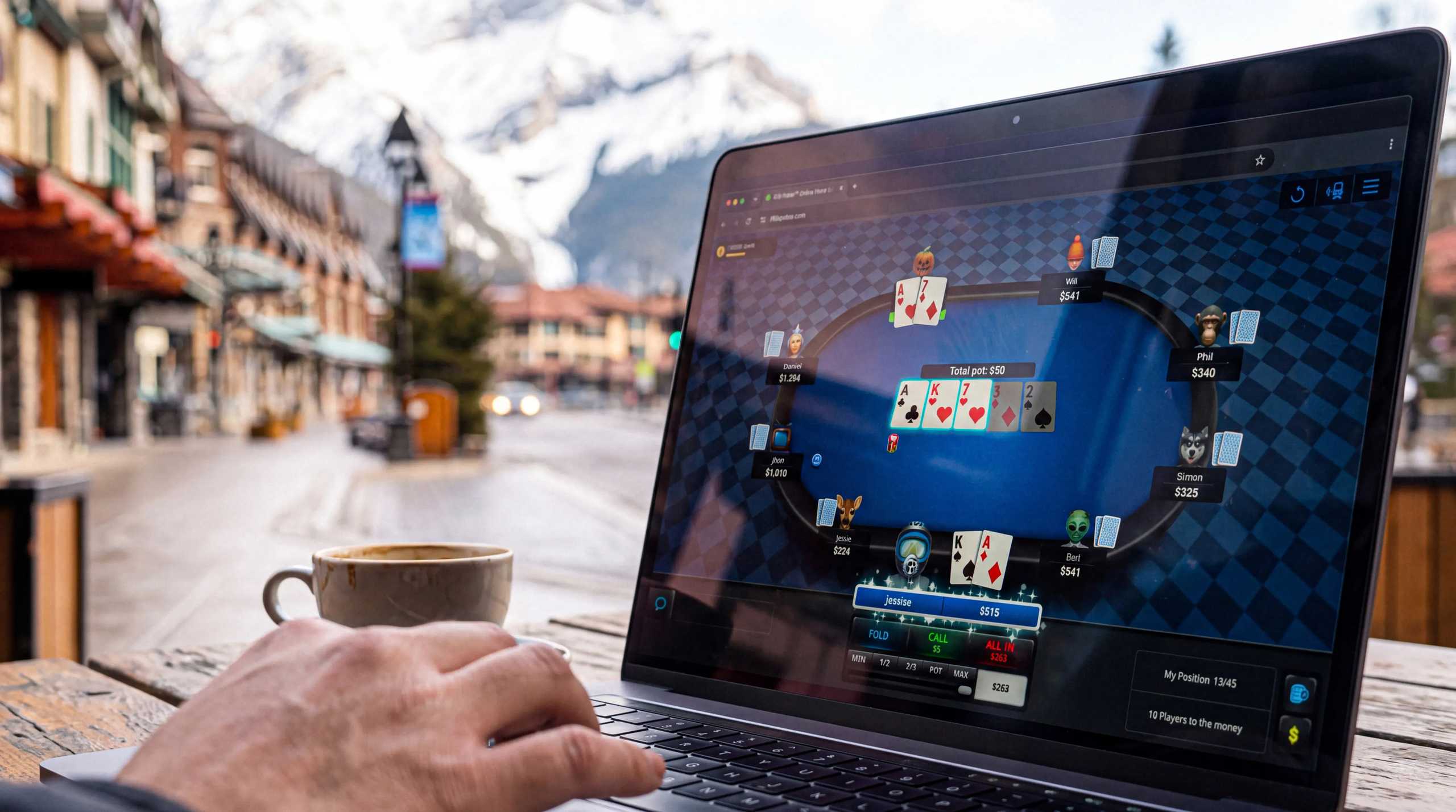
Alberta's Online Poker Launch Has a Big Problem
Alberta now has regulated online poker, but players are restricted to a provincial pool. Could shared liquidity offer a solution?

Alberta officially launched regulated online poker on October 13, 2026, becoming the latest Canadian province to open its doors to licensed online poker operators. However, while regulation is generally seen as a positive step for the industry, Alberta's launch could create problems for players used to competing against opponents worldwide.
The biggest concern is shared liquidity. Without it, Alberta players could find themselves competing in smaller tournaments and struggling to find games at their preferred stakes.
Meanwhile, the United States continues expanding its regulated online poker networks, although efforts to legalize the game in additional states remain slow.
Alberta Finally Gets Regulated Online Poker
On October 13, 888poker became the first (and currently only) licensed online poker operator to launch in Alberta. The province's broader regulated iGaming market opened in July, but online poker took another three months to arrive.
However, there's a catch. Alberta's regulated poker market currently restricts play to players physically located within the province.
The transition also meant losing access to popular sites. PokerStars exited Alberta on October 13 as part of the province's transition period.
For players accustomed to larger tournaments and cash-game networks, the move to a regulated market likely feels like a downgrade.
Alberta now has a locally regulated poker room, but whether it can attract enough players to sustain a healthy poker ecosystem remains to be seen.
The Big Problem: Shared Liquidity
Online poker depends on having enough players to keep games running. The more players available, the easier it becomes to fill cash-game tables, offer different stakes, and run tournaments with substantial prize pools.
Alberta has approximately five million residents, while Ontario has around 16 million. Combining their poker networks would give operators access to a much larger potential player base.
Unfortunately, the provinces currently operate separate regulated poker markets.
Alberta officials have discussed establishing a shared-liquidity agreement with Ontario, but no arrangement was in place when 888poker launched.
Combining the two provinces' player pools would help, but liquidity would still fall far short of international sites. However, an upcoming ruling could change that.
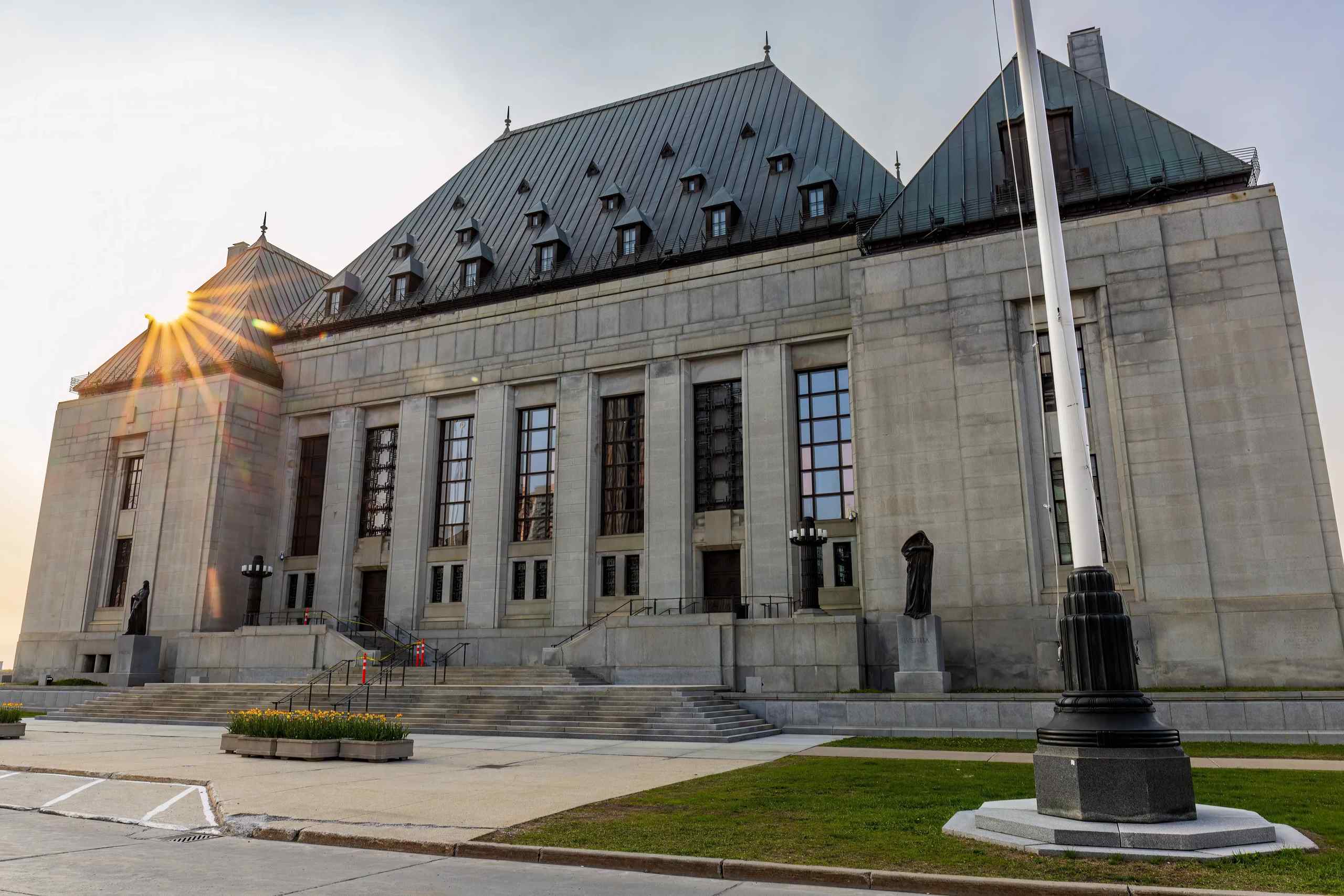
Could Canada's Supreme Court Change Everything?
The future of Canadian online poker could depend on a case currently before the Supreme Court of Canada.
On October 7, the Court heard arguments on whether Ontario's regulated online gambling operators can legally offer games to players outside Canada. Both GGPoker and PokerStars operate in Ontario, and allowing international players to access games would dramatically increase player liquidity.
In November 2025, the Ontario Court of Appeal ruled 4–1 that Canada's Criminal Code permits the proposed international liquidity model.
That decision was appealed, bringing the matter before the country's highest court.
Alberta has supported Ontario's position, making the eventual ruling particularly relevant to both provinces.
If the Supreme Court upholds the proposed model, regulated Canadian poker operators could pursue arrangements that allow players to compete against international opponents.
However, a favorable ruling wouldn't automatically connect Canadian players to international networks. Regulators and operators would still need to establish the necessary agreements.
A ruling against international liquidity could leave Canadian poker players restricted to smaller provincial or interprovincial networks.

Is Online Poker Finally Growing in the United States?
While Canada debates international liquidity, the United States has gradually expanded interstate poker networks. Nine states have authorized regulated online poker, but only six states have active sites.
The Multi-State Internet Gaming Agreement (MSIGA) has played a key role in developing online poker in the United States. It allows participating states to combine their online poker player pools.
All six states with regulated poker sites are members, with Pennsylvania joining in April 2025. State regulators estimated that Pennsylvania's participation increased the potential shared player pool by more than 50%.
Benefits include larger tournament prize pools, more cash games, and greater competition among operators.
However, expanding interstate networks is only part of the equation. Several states continue debating whether to legalize online poker.
Which US States Could Legalize Online Poker Next?
Online poker legalization remains slow. Several states have introduced legislation in recent years, but few have made substantial progress.
Maine legalized online poker in January 2026, although regulated games have yet to launch. Meanwhile, Virginia, New York, and Illinois are among the states worth watching as lawmakers consider further gambling expansion.
Four States to Watch for Online Poker Legalization
Legalized in January 2026; launch pending | Final regulations, licensing, and operator launches | |
Online casino legislation passed both chambers in different forms in 2026 but failed to become law | Agreement on a regulatory framework and passage of new legislation | |
Online poker legislation introduced but remains in committee | Legislative approval | |
Online poker and broader iGaming legislation introduced in 2026 | Advancing legislation through the legislature |
Maine: Legalized but Waiting to Launch
Maine legalized online poker in January 2026. The legislation gives the state's four Wabanaki Nations opportunities to offer regulated internet gaming through licensed partnerships.
However, regulated poker rooms haven't launched yet. Maine must finalize regulations, establish licensing procedures, and approve operators before games can launch.
The state hasn't joined MSIGA, meaning the market would be ringfenced. Any future interstate poker arrangements would require additional regulatory steps.
Virginia: Online Poker Nearly Became Legal in 2026
Virginia may be the strongest candidate for online poker legalization in 2027.
During the 2026 legislative session, lawmakers considered Senate Bill 118 and House Bill 161, which would have authorized online casino gaming, including poker. Both bills passed, but lawmakers couldn't agree on the final legislation, and the bill failed.
Despite that setback, Virginia came closer to legalizing online poker than most states considering similar legislation.
The biggest obstacle is agreeing on a broader online casino framework, including licensing, taxation, and regulatory oversight.
If lawmakers can resolve those differences during the 2027 session, Virginia could become the next state to legalize online poker.
New York: A Potentially Massive Market
New York has considered online poker legislation for years, but lawmakers have struggled to advance proposals. Assembly Bill A6030 would authorize regulated online poker, including Texas Hold'em and Omaha. However, the proposal remains in committee.
With nearly 20 million residents, New York could become one of the country's most important online poker markets. Adding it to MSIGA could significantly increase available liquidity, but lawmakers must first agree to legalize it.
Illinois: Interest Without Much Progress
Illinois lawmakers introduced several gambling-related proposals during 2026. HB4802 specifically addresses online poker, while HB4797 proposes a broader Internet Gaming Act.
Neither has advanced far enough to suggest legalization is imminent. Illinois has a substantial potential customer base, but legislative disagreements over expanding gambling continue to create obstacles.
What's Next for North American Online Poker?
Alberta's launch is another step toward expanding regulated online poker across North America. However, licensing more operators doesn't guarantee a better player experience.
The United States has shown the benefits of shared liquidity through interstate agreements, while Canada continues to debate whether its regulated poker markets should be allowed to connect with international networks.
For Alberta, a similar agreement with Ontario could improve liquidity without requiring access to international poker networks.
Ultimately, the future of regulated online poker depends less on how many jurisdictions legalize the game and more on how many players can compete against each other.
James Guill is an experienced iGaming journalist with a diverse background spanning IT, poker, and online gambling media. With over 20 years in the industry, he’s covered a wide range of gaming topics and has been featured in outlets like USA Today and G4 TV.
More Articles like this
Why Poker Keeps Surviving Every New Gambling Trend
New gambling trends come and go, but poker keeps finding a way to stay in the game.

By Lucie Turner
Lucas Jumalon Wins: The Highs and Lows of the 2026 WSOP Final Table
Lucas Jumalon led throughout the final table to capture the 2026 WSOP Main Event bracelet and $10 million. Here’s how the final table unfolded, plus the biggest broadcast highs and lows.
By James Guill
Who Will Win the 2026 WSOP Main Event?
Lucas Jumalon heads into the 2026 WSOP Main Event final table as the overwhelming chip leader. Is his chip lead truly overwhelming or will someone else rise to win?

By James Guill
Ranking Daniel Negreanu's Eight WSOP Bracelet Wins
Daniel Negreanu's eighth WSOP bracelet adds another chapter to one of poker's greatest careers. We rank every bracelet win by prestige, competition, historical significance, and legacy.

By Lucie Turner
2026 WSOP Main Event Final Table Set. Who Wins $10 Million?
A $10 million first prize is on the line as nine players return in August to battle for poker's biggest championship. Meet the 2026 WSOP Main Event finalists.

By Arthur Crowson
What Is a Bad Beat in Poker?
Bodog explains what a bad beat is in poker, why it happens, how bad beat jackpots work, and how players can manage the emotional and strategic fallout of a tough loss.
By Arthur Crowson