15 Years Later, Black Friday Still Haunts Online Poker
Black Friday marked the end of online poker’s boom and reshaped the industry into a slower, more fragmented market that still hasn’t fully recovered.

Open with April 15, 2011, as the day the U.S. online poker boom effectively stopped. Frame the piece as a retrospective: online poker was mainstream, then suddenly became legally and financially chaotic.
Poker players woke up to a stark new reality on April 15, 2011. The United States Department of Justice had seized domains from PokerStars, Full Tilt Poker, and Absolute Poker and announced a federal indictment against 11 key defendants.
The US poker market went into an immediate tailspin after the indictments were announced. Little did they know how much money was really at stake or the overall impact of those indictments.
What Was Black Friday?
On April 11, 2011, the United States Department of Justice (DOJ) announced indictments against the world’s three largest online poker sites, their owners, and various third-party payment processors.
When the indictments were unsealed, the DOJ seized the domains of the major poker sites and issued arrest warrants for 11 individuals, including PokerStars founder Isai Scheinberg and Full Tilt founder Ray Bitar.
The indictment claimed violations of the Unlawful Internet Gambling Enforcement Act (UIGEA), as well as charges of bank fraud and money laundering. The UIGEA made it illegal for U.S. banks to process online gambling payments. To get around these laws, online poker rooms used third-party payment processors that disguised payments as legitimate purchases.
The DOJ sought fines totalling $3 billion from the online poker companies, and individuals named in the indictment faced prison time, with some charges carrying a maximum sentence of 30 years.
Why Online Poker Was So Big Before the Crackdown
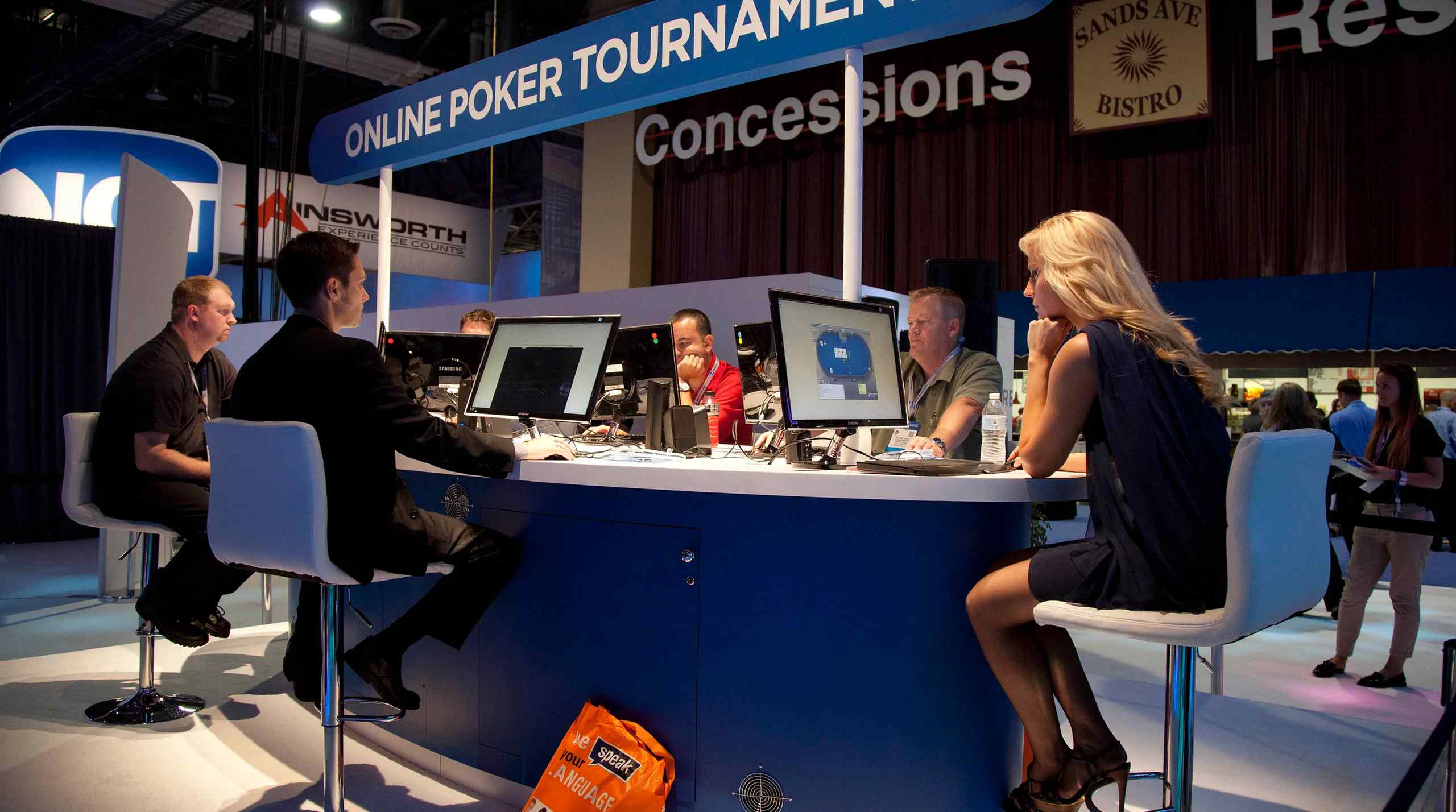
Before Black Friday, the poker world was in the middle of the “Poker Boom”, largely driven by online poker and televised poker. Televised poker programs like the World Poker Tour, ESPN’s World Series of Poker, and Late Night Poker helped to make poker pros into household names and superstars.
Then there was Chris Moneymaker, the TN accountant who won entry into the 2003 World Series of Poker Main Event via an $86 satellite and went on to win it all. Moneymaker’s win launched the “Moneymaker Effect” that drove countless new players to poker.
This new influx of players largely played online at Full Tilt Poker, PokerStars, Absolute Poker, and Ultimate Bet, driving tournament prize pools to new records.
I remember going to my first WSOP in 2006, and the amount of promotion from online poker sites was insane. Every major poker room has a suite, and I filled a suitcase with the SWAG I got from my two weeks there.
The future seemed limitless for online poker through April 10th, 2011. Then overnight, it collapsed.
What Happened to Players and Sites
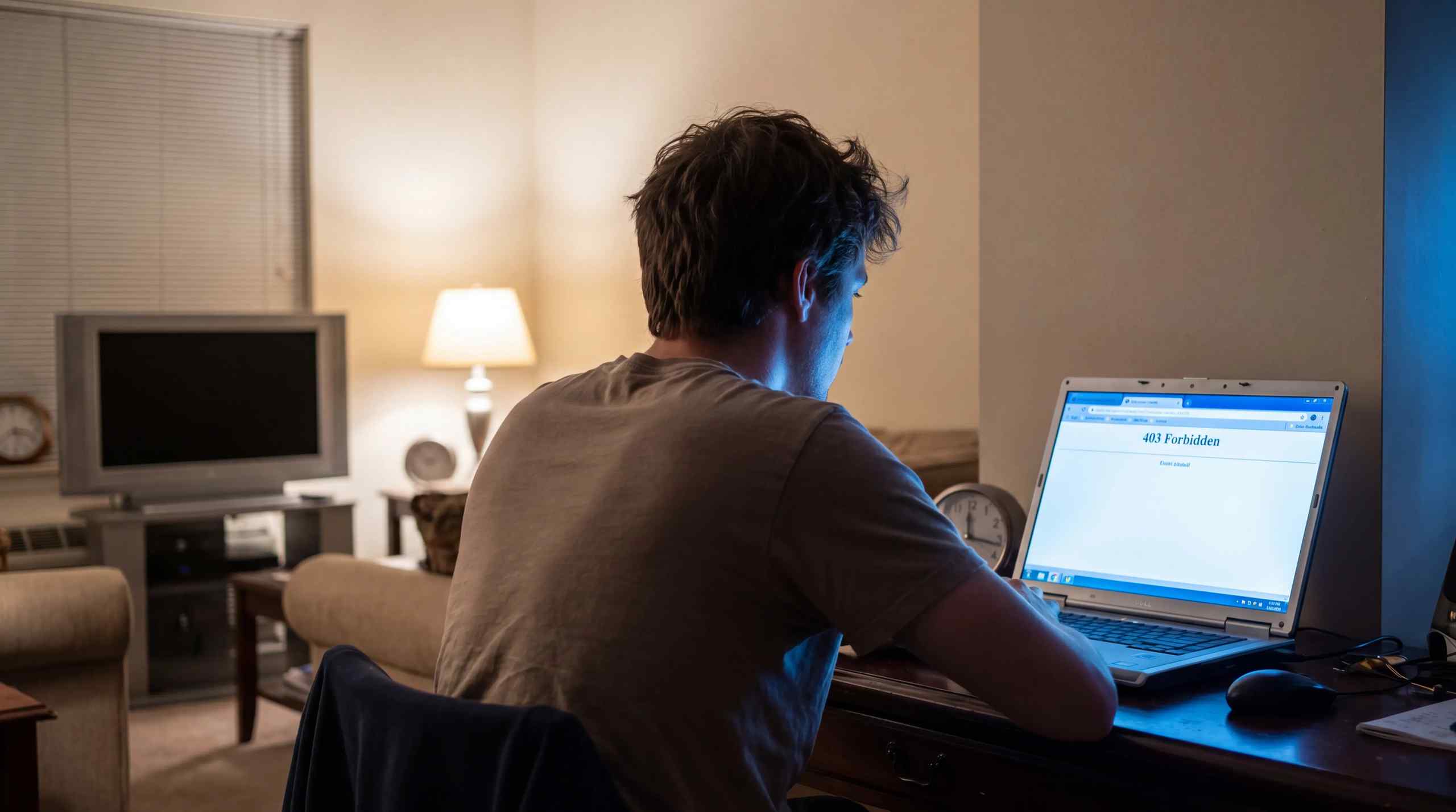
The poker world went into immediate panic on Black Friday as players discovered that the DOJ had seized the sites. Players could not log in to sites, or if they could, they could not access their balances. In some cases, players had their entire net worth in online poker rooms.
Full Tilt and PokerStars immediately suspended real-money play from US players. Absolute Poker continued to allow play for a while, but players could not withdraw funds. At first, players hoped for a quick resolution and to get their money back.
Soon after, the poker world discovered that things were more dire than the DOJ prosecuting sites over UIGEA violations. Reports surfaced that Full Tilt Poker used players' funds to fund operations and line the owners' pockets. Absolute Poker has also used player funds to fund operations. Approximately $330 million in players' funds were gone.
By June 2011, Full Tilt had ceased operations. Absolute Poker and Ultimate Bet pulled out of the US in May 2011, and by May 2012, they had ceased global operation, owing over $50 million to players, mostly in the United States.
PokerStars proved to be the only solvent site of the three and quickly repaid players. In July 2012, PokerStars and the DOJ reached an agreement under which PokerStars purchased Full Tilt. As part of the agreement, PokerStars repaid former Full Tilt players. The DOJ used a portion of the $700 million in fines collected from PokerStars to repay Absolute Poker and UltimateBet players in 2017.
Why Online Poker Never Fully Bounced Back
Following Black Friday, many naively assumed that nationwide online poker regulation would happen. The reality is starkly different. Online gambling regulation is progressing slowly, with only nine states legalizing online poker. However, only six of those states have active sites.
Online poker’s profitability is much lower than that of other forms of gambling. Sports betting is the most profitable form of iGaming, evidenced by the fact that 30 states have legal online sports betting. By contrast, only eight states have legal online casinos.
Online poker does not make enough money for states to pursue it without other forms of gambling regulation. Most states are not large enough to support a standalone online poker market, meaning the only path to reasonable sustainability is to join the Multi-State Internet Gambling Agreement (MSIGA). MSIGA helps bring liquidity to online poker by linking regulated states into a single player pool.
Even then, there are challenges. Pennsylvania has not joined MSIGA, meaning that one of the largest online poker player pools is inaccessible. Also, Maine, Rhode Island, and Connecticut have yet to launch online poker, and it is unlikely that RI or CT will join anytime soon.
Online poker never fully bounced back for one simple reason – there’s not enough money in it.
What Black Friday Changed About Online Gambling
The landscape of online gambling changed dramatically after Black Friday. It helped to usher in a new era of regulated online poker and online casino gambling in the United States. Lawmakers who have pursued regulation have taken note of the failings of online poker sites and applied those lessons to their own efforts.
Online poker rooms that operate in regulated states must be partnered with a brick-and-mortar casino or a state lottery authority. They must then obtain a license and remain compliant with all state gambling regulations, or face penalties and fines.
Regulated operators provide legitimate payment systems to players, and regulations require all operators to segregate player funds from operator funds. This prevents a poker site from becoming the next Full Tilt Poker.
Customers now enjoy a safer gaming market thanks to strict consumer protections. Operators must follow strict responsible gambling policies, and players can escalate unresolved problems with operators.
Lastly, online poker operators, both regulated and unregulated, operate more cautiously in the US market. Regulated sites work to comply with the legal frameworks of the states they serve.
Unregulated sites operate in legal gray areas but also have adopted many of the practices of regulated sites, such as segregating funds and banning collusion and player bots. However, this does not make those sites “safe,” and playing at unregulated sites still carries risk.
Black Friday: Before vs. After
| Before Black Friday | After Black Friday |
|---|---|
| Large national player pools | Fragmented state-by-state markets |
| Major offshore sites served U.S. players | Licensed operators required in legal states |
| High trust in big poker brands | Overall trust eroded due to issues with frozen funds and fraud. Regulated sites have begun to re-earn trust. |
| Poker boom driven by TV + online access | Sports betting dominates attention. Online poker market struggles to remain relevant. |
Black Friday Left Scars That Will Never Heal
Black Friday left scars on the poker world that will never fully heal. The regulatory climate in the United States is such that we will likely never see online poker regulated at the national level.
When Black Friday hit, many analysts were saying that online poker would be legal nationwide within 6 months to a year. I was among the people who realistically said it could take decades to happen, if it ever happened.
In the 15 years that followed, only six states have launched regulated online poker. The fact is that there’s not enough money in regulated online poker to push a national expansion. Over time, we will see a few more states regulate online poker, but only as part of general iGaming legislation.
In 20 years, we may see half the country regulated, but it is unlikely to ever enjoy the reach of other forms of iGaming. That may not be what poker players want to hear, but after 15 years, poker players may have to accept that some wounds never fully heal.
James Guill is an experienced iGaming journalist with a diverse background spanning IT, poker, and online gambling media. With over 20 years in the industry, he’s covered a wide range of gaming topics and has been featured in outlets like USA Today and G4 TV.
More Articles like this
Why Poker Keeps Surviving Every New Gambling Trend
New gambling trends come and go, but poker keeps finding a way to stay in the game.
By Lucie Turner
Lucas Jumalon Wins: The Highs and Lows of the 2026 WSOP Final Table
Lucas Jumalon led throughout the final table to capture the 2026 WSOP Main Event bracelet and $10 million. Here’s how the final table unfolded, plus the biggest broadcast highs and lows.
By James Guill
Who Will Win the 2026 WSOP Main Event?
Lucas Jumalon heads into the 2026 WSOP Main Event final table as the overwhelming chip leader. Is his chip lead truly overwhelming or will someone else rise to win?
By James Guill
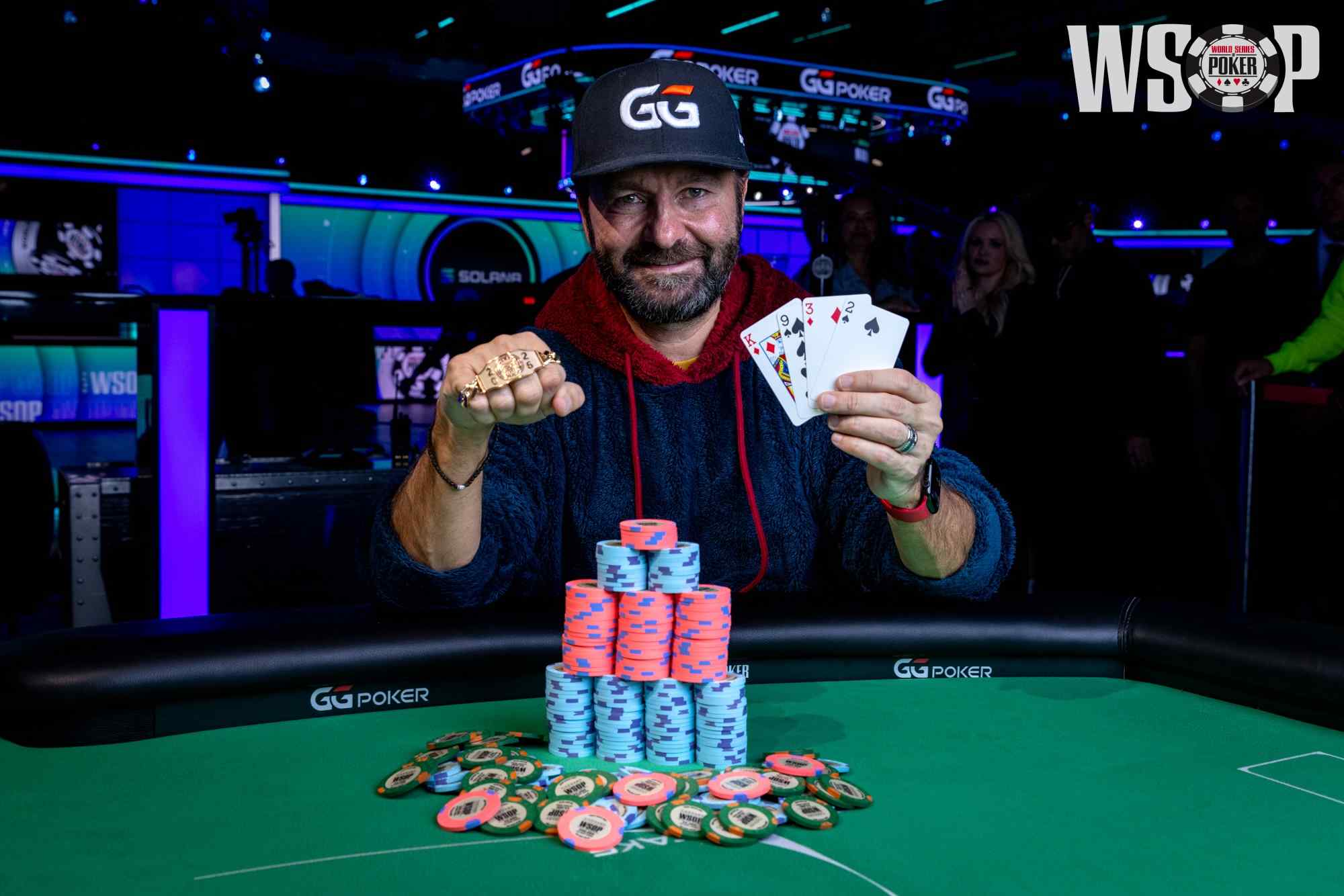
Ranking Daniel Negreanu's Eight WSOP Bracelet Wins
Daniel Negreanu's eighth WSOP bracelet adds another chapter to one of poker's greatest careers. We rank every bracelet win by prestige, competition, historical significance, and legacy.
By Lucie Turner
2026 WSOP Main Event Final Table Set. Who Wins $10 Million?
A $10 million first prize is on the line as nine players return in August to battle for poker's biggest championship. Meet the 2026 WSOP Main Event finalists.

By Arthur Crowson
What Is a Bad Beat in Poker?
Bodog explains what a bad beat is in poker, why it happens, how bad beat jackpots work, and how players can manage the emotional and strategic fallout of a tough loss.
By Arthur Crowson