
The Rise of the Screenshot Bettor: How Gambling Became Content
From viral bet slips to fake casino wins, the modern gambling ecosystem is increasingly built around visibility and engagement.
.webp)
Since the 2018 Supreme Court decision ushered in mobile sports betting across the US, a quieter cultural shift has unfolded alongside the industry's explosive growth - one that's received far less attention.
Gambling is no longer a private agreement or a simple transaction. It's now a public, performative act embedded in social media. The wager and odds often matter less than the content they generate: the screenshot, the share, the viral post.
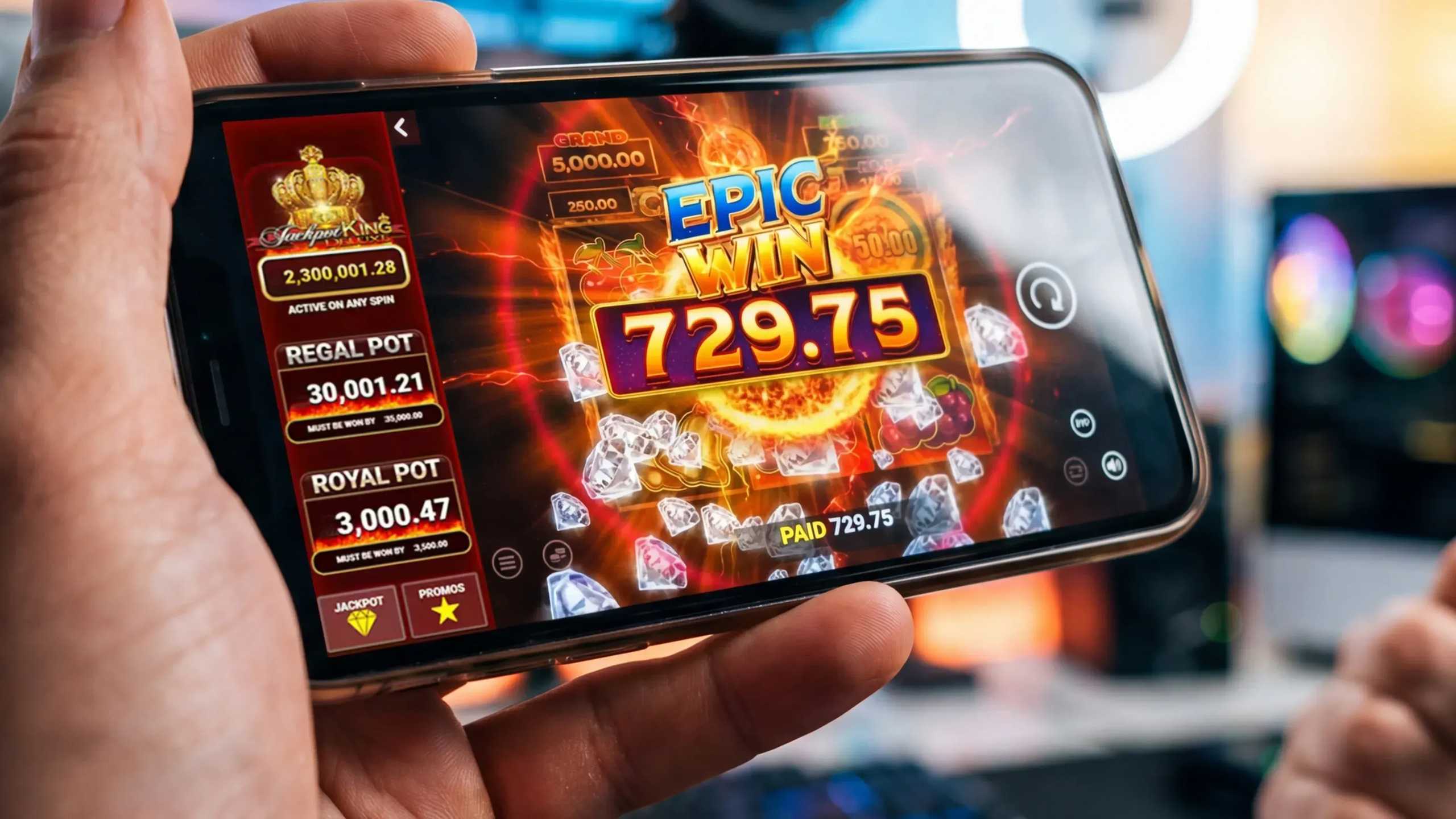
Meet the "screenshot bettor." Online gamblers flood X, Instagram, TikTok, and Discord with bet slips and casino wins. Winning tickets become bragging rights; losing tickets build social capital through shared misery. A slot spin that turns a few dollars into thousands? Instant frenzy. Gambling receipts have become social tokens, designed for rapid consumption.
Sportsbooks and online casinos have adapted. DraftKings and FanDuel offer one-tap bet sharing. Online casinos auto-share big wins. The Action Network now uses AI to scan betting screenshots and place identical wagers instantly. The line between watching betting content and actually gambling has all but disappeared.
The fake win advertisement - a scripted performance
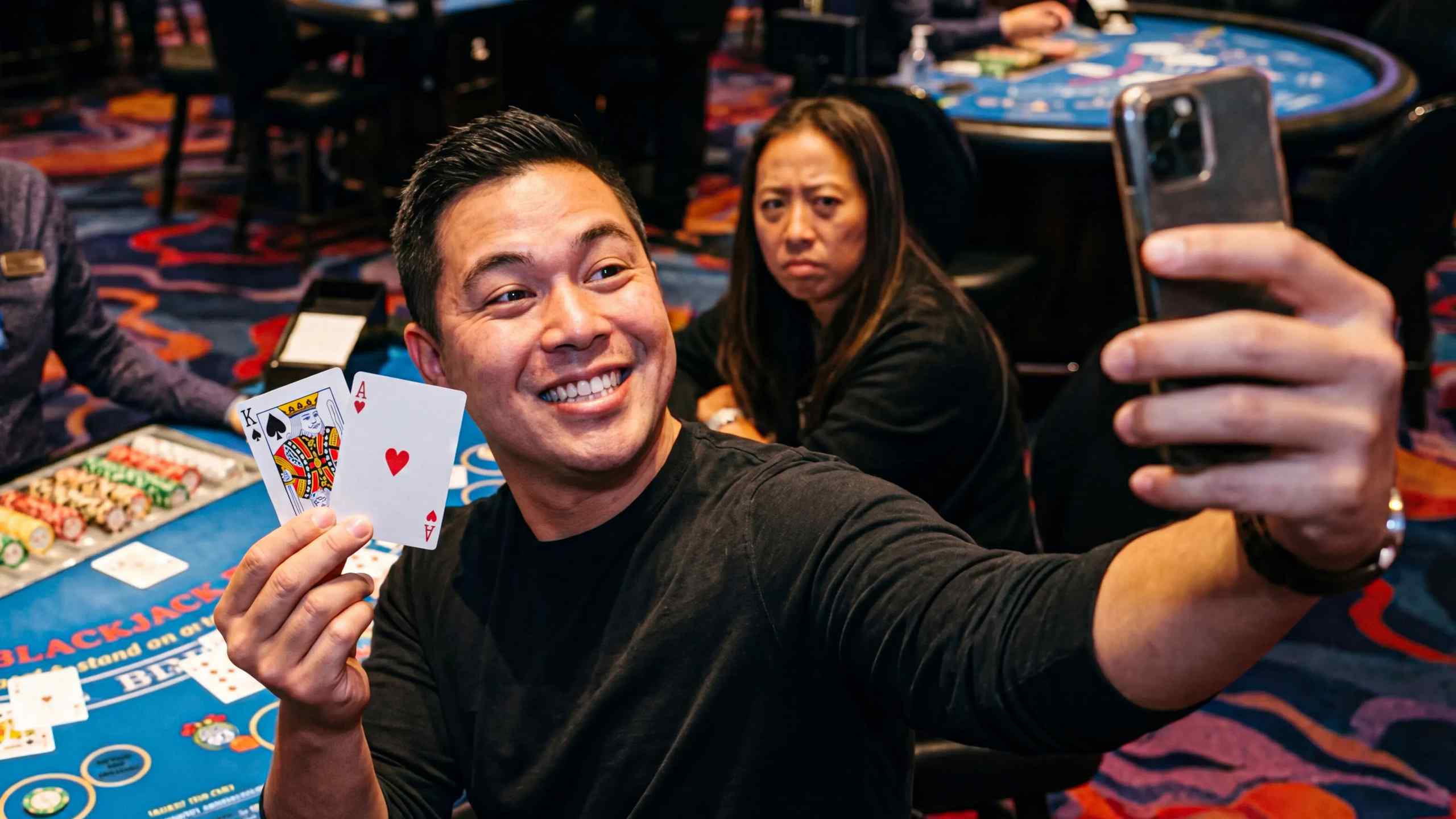
There’s one gambling ad in particular I’ve seen recently popping up across TikTok and YouTube Shorts. In the ad, a more relatable young creator logs into a casino app, and a split second later, thousands of dollars flash across the screen as the slot machine "explodes".
It's simple: this app pays out, and this app could pay you.
But none of this is real. The wins are almost always fabricated, likely using casino demo games or casino-generated content. These emotional responses are all fake; the creators are paid a large commission by a gambling site, often through affiliate sites that profit from users' losses.
It’s a straightforward business model. Content creators, large and small, get paid by the betting operators to insert misleading ads into their content, masquerading as actual entertainment. Users watch their favorite influencer have fun winning, unaware that they have been paid and that real people are about to lose money.
According to the UK Gambling Commission, one in three young people who follow gambling accounts online have encountered direct advertisements from influencers they trust.
Content creators and the validation economy
In the attention economy, the more absurd the gambling content is, the higher it climbs to the top of anyone's feed. An influencer’s career and income are dependent on their like counts, shares, followers, and affiliate link commissions.
The more the performance and the more outrageous the content, the higher the engagement, and the more revenue the creator earns.
Consequently, a negative feedback loop develops whereby responsible messages surrounding gambling are rewarded at the lowest level possible.
To continue creating, the content creator will require some form of external validation, and content that focuses on the harmfulness of gambling will not gain as many followers as content that posts videos of winning improbable bets on a daily basis.
The broader incentive structure
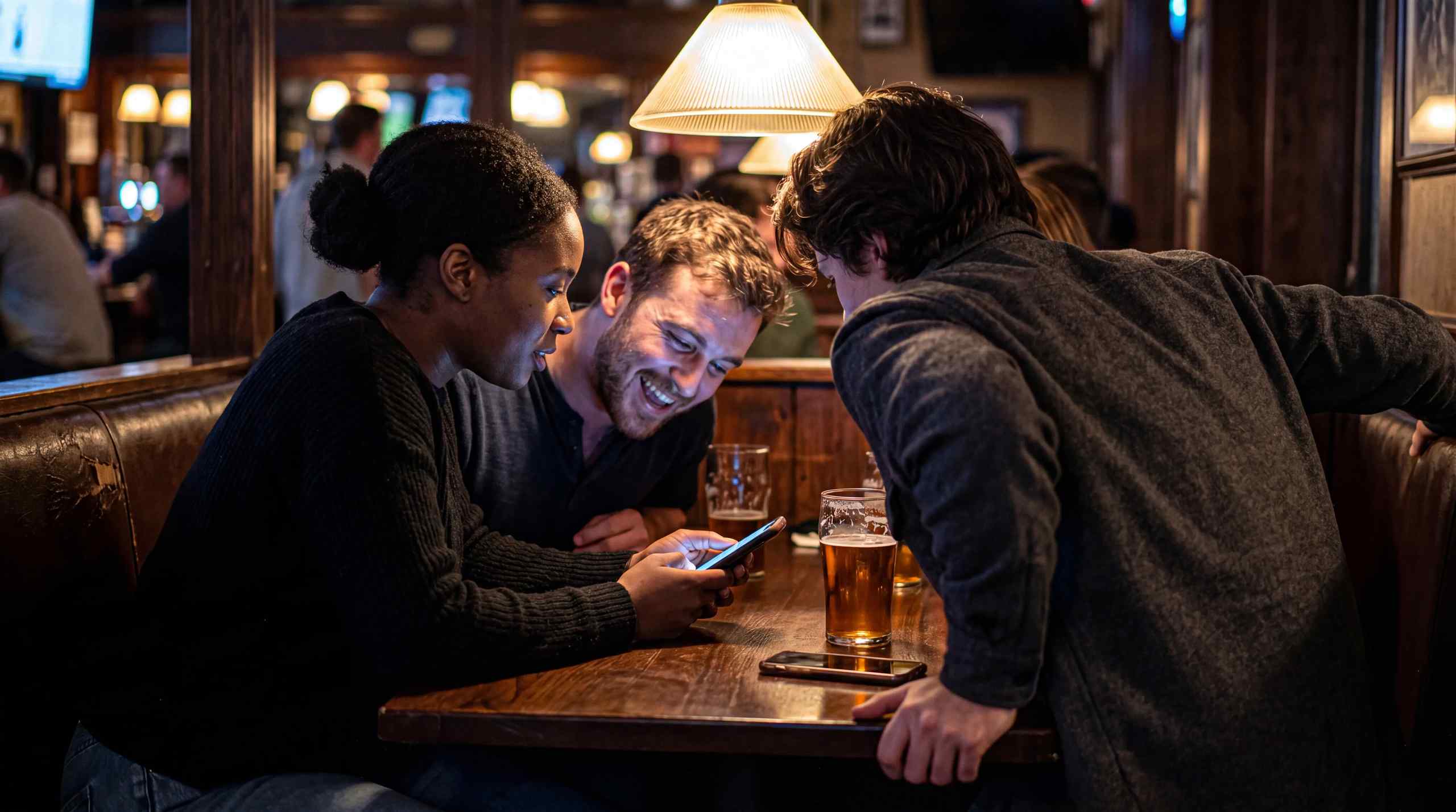
Social media draws attention, focus, reward, and energy toward extremely risky, unstable, and engaging outcomes. Social media cares absolutely nothing about the mathematics of gambling or whether anything is true.
With the increased spread of online gambling, a greater number of bettors may now be considered pathological gamblers, a trend likely to continue as online social sites bombard users with gambling advertising.
If 'Content is King' then it reigns supreme, at an incredibly high price. The algorithm is far from neutral; rather, it actively promotes the most corrupt and dishonest content, reducing human frailty to mere entertainment.
Sportsbooks & online casinos do not want to stop the flow of betting content; every bet slip you screenshot and post, every fake-looking winning clip you share, is, in fact, a free advertisement.
Conclusion
Gambling was once a private activity, where bets and spins were made behind closed doors. Today, the outcome is shared, shared again, 'liked', and commented on - a permanent digital record of win or loss (real or fictional).
Now, in an attention-focused economy that values dramatic effect over the actual game, the "performance" of gambling has become more interesting than the act of gambling itself.
That's the real threat, and the screenshot is only the symptom.
Lucie brings almost 20 years of iGaming experience, combining sports writing expertise with deep casino knowledge. Her work spans live sports coverage, slot mechanics, player-focused reviews, and strategic casino content. Known for her no-nonsense, first-hand approach, Lucie cuts through jargon to deliver clear, practical insights for both operators and players.
More Articles like this
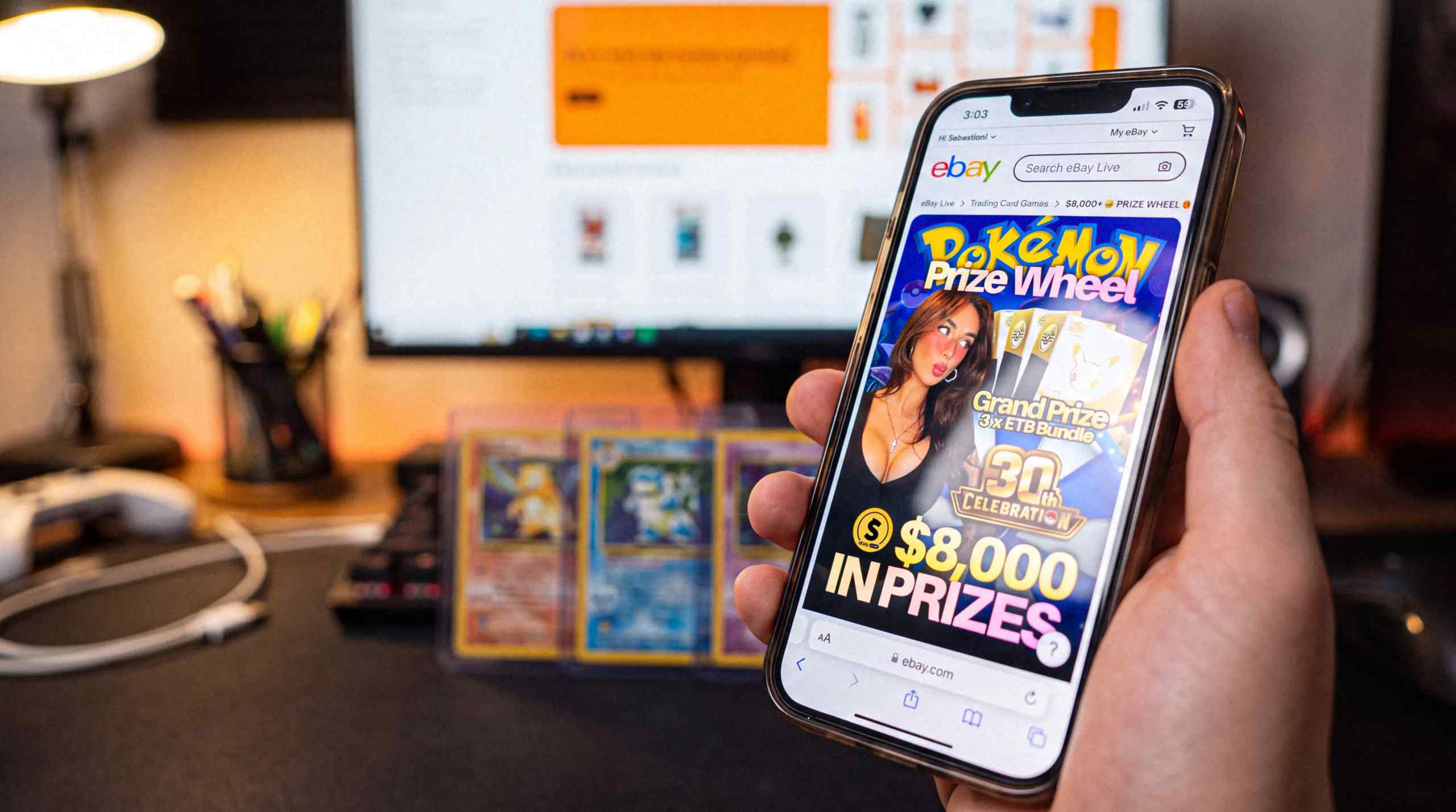
Are eBay's "Spin the Wheel" Listings Just Gambling?
A corner of eBay Live auctions off wheel spins instead of actual items. Bid starts at $1, the price climbs, and the winner finds out what they bought only after the wheel stops. Here's why that's not really shopping.
By Cole Rush
Casino Carpets Are Ugly. But Not for the Reason You Think
Casino carpets have long been accused of keeping gamblers disoriented and glued to the games. The truth is considerably more practical, though just as strange.

By Cole Rush
The Strange Gambling Laws Behind Cruise Ship Casinos
Cruise ship casinos only open once a ship clears territorial waters, and the odds, oversight, and rules that follow are nothing like a Vegas floor. Here's what actually changes at sea.

By Cole Rush
Six Reasons Bettors Are Starting to Ditch Credit Cards
States are increasingly questioning whether borrowed money has any place in gambling. From instant interest to damaged credit, the risks can extend far beyond the bet itself.

By Charlon Muscat
How Subscriptions Use Gambling Psychology to Hook You
Streaming services, apps, and subscription boxes may look nothing like a casino, but many tap into the same psychological forces that make gambling so hard to walk away from.

By Cole Rush
The Best Gambling Songs Ever Written, Ranked
From Kenny Rogers to Sting, these seven songs go beyond casino clichés to capture the risk, psychology and obsession behind gambling.

By Cole Rush