
When to Split in Blackjack
Splitting pairs at the right moment can turn a losing hand into a winning one. Here's everything you need to know about when to split in blackjack and when to stand pat.

Any table game player will tell you, the best part of going to the casino is getting to play blackjack. This game has been popular for centuries and continues to evolve and expand. No other casino game can offer the same strategic opportunities as blackjack. There are layers upon layers of blackjack strategy for those who enjoy that kind of thing, but you can also play for fun and simply aim to outscore the dealer without going over 21.
In this guide, we’re going over everything you need to know about splitting in blackjack. There’s a right way and a wrong way to split pairs, and it depends on many variables. After reading this, you’ll be able to dive into a wide selection of blackjack games and make the most out of every pair you’re dealt.
What Does Split Mean in Blackjack?
Before we get into the meat of the splitting strategy, we need to take a step back and understand what "split" means. In blackjack, splitting is only allowed when your first two cards are identical, meaning they are of the same number or same rank. Every time you’re dealt a pair (two cards of the same number), you get a choice: you can break up the pair by putting down a second, equal bet that’s the same size as your original bet. This creates two separate hands. Each split card receives an additional card, and you must place an equal bet (equal to your original bet) on the new hand. The split cards are now played independently as two hands, allowing you to make decisions for each hand separately.
Splitting is critical in blackjack because it can flip the probability of winning. For example, no one likes having a score of 16 because it’s not quite high enough to be competitive, but there’s also a good chance you’ll bust if you hit. However, if the hand is made with a pair of Eights, you can split those Eights (identical cards with the same number) and potentially upgrade to scores of 18 instead, should you be dealt 10-value cards. The main advantage of splitting in blackjack is that it can turn a weak or losing hand into two better hands, significantly improving your chances of winning. By using basic strategy and knowing when to split, you can maximize your potential returns and minimize the house edge.
However, it’s important to remember that not every pair should be split. The key is to understand the rules of the game you’re playing and to follow a solid splitting strategy. Avoiding common mistakes, such as splitting the wrong pairs or ignoring the dealer’s upcard, can make all the difference. Mastering blackjack splitting is a game-changer that can help you double your chances and get the most out of every hand.
When Can You Split in Blackjack?
When you can split in blackjack and when you should split in blackjack are two different things. According to blackjack rules, the ability to split pairs can vary between casinos and blackjack tables, but most casinos allow you to split when the first two cards are of the same rank or value.
But what about if you’re dealt a Jack and a King? In most casinos, all face cards (Jacks, Queens, and Kings) and 10s are worth 10 points in blackjack; they’re interchangeable. If you land a 10 and a Queen, they’re considered a pair in blackjack and can be split at most blackjack tables. This is different from poker, where a pair is always two cards of the same rank.
Split-based decisions in blackjack often depend on the dealer’s upcard. Understanding basic splitting strategy means knowing which pairs should always be split, which pairs should never be split, and which pairs can go either way depending on the dealer’s upcard.
How Many Times Can You Split in Blackjack?
There are many variations of blackjack games, and they each have their own set of rules. These blackjack variants often have different rules regarding splitting, re-splitting, and specific split strategies. One rule that varies from game to game is how many times you can split a pair. In blackjack, if you’re dealt a pair of 7s and you want to split, what if you get another seven? And another after that?
In six-deck blackjack, along with classic, the answer is simple: you can split up to three hands. These player splits allow you to split, split again, and then split one final time. At this point, you’re going to have four hands born of the original pair. The same goes with European Blackjack. Some casinos also allow re-splitting if a player receives another identical card on a split hand.
But this is a rule that varies. In Single Deck Blackjack and Double Deck Blackjack, the rules around player splits are a bit more restrictive. You can split up to two times per round for both games.
Some blackjack games, like Pontoon 21, let you split pairs just once; this is balanced with bonus payouts for landing a five-card trick.
Always check the game rules before playing, so you know what to expect with the number of splits. One last restriction with splitting in blackjack is with Aces, which we’ll focus on next.
Can You Split Aces?
Basic blackjack strategy says to always split Aces and 8s. Always split aces, regardless of the specific game conditions, as this move maximizes your potential hand values and improves your winning odds. Splitting aces is widely considered the best move in blackjack because it allows you to start two hands with a strong card value of 11, increasing your chances of forming strong totals like 19 or 20. You should check our guide about playing Aces in Blackjack.
8s and Aces are the two pairs that benefit most from being split, and that’s why everyone wants to know: can you split Aces and Eights? We already talked a bit about the advantage of splitting 8s above, and will now cover Aces.
Landing a pair of Aces gives you a score of 12, which is not ideal. The chance of getting a 10-value card and busting is about 31%. Unless the dealer is also at risk of busting (showing a Four, Five, or Six), you’ll need something better than that to win. If you split those Aces, there’s a good 31% chance you’ll be dealt a 10-value card for a perfect score of 21, for both hands! This is the perfect opportunity for flipping the odds.
Because split Aces offer such an advantage, most blackjack games have rules about how you can do it. The three most common rules are as follows.
- You get only one additional card after splitting Aces in most casinos
- You can’t re-split Aces
- If you get a 10-value card after splitting Aces, it doesn’t count as Blackjack
These are the rules in the classic six-deck game and other varieties too; always check the rules beforehand to see if there’s a variation.
Do You Split 2s, 6s, and 10s?
A big question on many new blackjack players’ minds is: do you split 2s, 6s, and 10s? Each of these pairs has a different answer that we’ll cover separately.
Splitting Twos
For twos, the dealer's upcard is the key factor in your decision. If the dealer has an 8 or higher, you should hit. However, if the dealer’s upcard is a weak card (4, 5, 6, or 7), you should split, as splitting against a weak dealer card (2 through 6) enhances profit potential because the dealer is more likely to bust. If the dealer has a 2 or 3, split and then double down if allowed.
Splitting Sixes
A pair of 6s is similar to 2s. The dealer's upcard again determines your move. If the dealer has an upcard that is 7 or higher, you want to hit instead of split. Split anything lower. If the dealer has a 2, double down after splitting if you can. In summary, you should split 2s, 3s, 6s, and 7s when the dealer shows a 2-7, and split 9s against dealer 2-6, 8, or 9.
Splitting Tens
Players should avoid splitting 10s, as this ruins a strong hand totaling 20, which is one of the best starting hands in blackjack. Unless you’re a professional card counter at a brick-and-mortar casino and you know the shoe is full of 10s and Aces, don’t split 10s. Yes, you could potentially get another 10-value card for a second 20-score hand, but you’re risking losing that original score of 20. It’s not worth it.
When to Split in Blackjack: Quick Reference Guide
Use this chart to make the right call every time you're dealt a pair.
| Pair | Action | Condition |
|---|---|---|
| Aces | Always split | No exceptions |
| 8s | Always split | No exceptions |
| 9s | Split | Dealer shows 2-6, 8, or 9 |
| 7s | Split | Dealer shows 2-7 |
| 6s | Split | Dealer shows 2-6 |
| 3s | Split | Dealer shows 2-7 |
| 2s | Split | Dealer shows 2-7 |
| 4s | Split only | Dealer shows 5 or 6 |
| 5s | Never split | Double down instead |
| 10s | Never split | Stand on 20 |
Worst Cards to Split in Blackjack
Splitting the wrong pairs in blackjack can lead to costly mistakes that significantly impact your chances of winning. We just talked about why you should never split tens, but other pairs are poor splitting candidates, too. For both of them, you’ll need to consider the dealer’s up-card.
Fives
When you’re dealt a pair of 5s, splitting puts you at risk of landing scores of 15, which falls in the camp of not strong enough to win and a good chance of busting. More importantly, a pair of 5s gives you a total of 10, which is a very strong hand to double down on. You should never split 5s, as keeping them together gives you a much better chance to reach a winning total like 20. Never splitting a pair of 5s is a core part of basic blackjack strategy.
Fours
A pair of 4s isn’t going to get you far, but neither is splitting them and potentially landing a score of 14. Unless the dealer busts. For that reason, you should split and double a pair of 4s only when the dealer has the highest potential to bust: with 5 and 6 up-cards. Both of these mean the dealer has a 42% chance of busting. For anything else, just hit.
Tens
We know we just talked about it, but we have to stress: splitting a pair of 10s is a costly mistake. In fact, they are the worst cards to split in blackjack. A pair of 10s gives you a very strong hand totaling 20, which is one of the best starting hands in blackjack. Never split 10s, take your respectable score of 20 and stand.
Can You Split a Jack and a Queen in Blackjack?
Jacks, Queens, and Kings are all individually-ranked cards in basically every game except blackjack. In blackjack, they’re all 10-value cards with no distinction. One benefit to this broad categorization is that you can split a pair even if it’s a Queen and Jack, or King and Queen, or King and Jack. You can even split a ten with any of these face cards.
But just because you can split a Jack and a Queen doesn’t mean you should. Please refer back to our section on Worst Cards to Split in Blackjack because 10-value cards are in the list.
Card Counting Considerations
For players looking to take their blackjack game to the next level, card counting can be a valuable tool, especially when it comes to splitting pairs. Card counting involves keeping track of the high and low cards that have already been played, allowing you to make more informed decisions and adjust your splitting strategy on the fly.
In professional blackjack, card counters use systems like the Hi-Lo method to determine when the deck is rich in high cards (like 10s and Aces) or low cards. This information can influence whether you should split pairs. For instance, if the count suggests there are more high cards left in the deck, splitting aces or eights becomes even more advantageous, as you’re more likely to draw a strong card to each split hand. Conversely, if the deck is full of low cards, it might be wise to avoid splitting certain pairs, as your chances of improving those hands decrease.
By combining card counting with basic strategy, you can further reduce the house edge and make smarter splitting decisions. This approach is a hallmark of professional blackjack and can give you a real edge over the casino, provided you stick to the correct splitting strategy and pay close attention to the cards in play.
Common Mistakes to Avoid
Even experienced players can fall into common traps when it comes to splitting in blackjack. One of the biggest mistakes is ignoring basic strategy and making decisions based on gut feeling rather than proven rules. Using a basic strategy chart is essential, as it tells you exactly when to split pairs based on your cards and the dealer’s upcard.
Another frequent error is failing to consider the dealer’s upcard when deciding whether to split. The strength of the dealer’s hand can greatly influence your best move. For example, splitting pairs like 2s or 3s is often a good idea when the dealer shows a weak card, but not when the dealer has a strong upcard.
Players also sometimes split pairs of 10s, hoping to double their winnings, but this is almost always a costly mistake. A hand of 20 is very strong, and splitting 10s usually reduces your chances of winning both hands. Finally, not paying attention to specific table rules, such as whether re-splitting is allowed or how many times you can split, can lead to unnecessary losses.
By following a basic strategy, using a basic strategy chart, and always considering the dealer’s upcard and the specific rules of the blackjack table, you can avoid these pitfalls and significantly improve your results at the blackjack table.
What Blackjack Games Allow Splitting?
Now that you know how and when to split in blackjack, it’s time to launch a session and put this newfound knowledge to action. Keep in mind that different blackjack tables and casinos may have unique rules for splitting pairs, and these can vary significantly across blackjack variants. Understanding these differences is crucial for optimal play. First, you’ll need to know what blackjack games allow splitting. Here’s a list of the most popular games with a description of their splitting rules.
Blackjack (New and Classic)
Standard six-deck variants are the ones most people play. Meanwhile, the Classic version has a more traditional feel. In both, you can split up to three hands; you can split Aces just once (no re-splitting), and they get just one card added, then you stand. Split Aces that are dealt a 10-value card don’t count as Blackjack.
Single Deck (New and Classic)
With Single Deck Blackjack, either the Classic or newer version, there’s just one deck in the shoe that’s shuffled after each round. You can split up to two hands in these games; split Aces get just one card, and if they’re dealt a 10-value card, it doesn’t count as Blackjack.
Double Deck Blackjack (New and Classic)
Double Deck Blackjack has two decks in the shoe that are shuffled after every round. The rules are the same as with Single Deck Blackjack; you can split up to two hands; split Aces get just one card, and if they’re dealt a 10-value card, it doesn’t count as Blackjack.
European Blackjack
European Blackjack is slightly different than most blackjack games here because the dealer doesn’t get a hole card. As for splitting rules, you can split up to three hands per round. Split Aces get one card, and if it’s a 10-value card, it’s not considered Blackjack.
21 Burn Blackjack
This exciting twist on the traditional game includes a Burn card option, where you can get rid of the second card in your hand and be dealt a new one. Rules for splitting are a bit limiting here; you can split once per round; Aces can be split but get just one card each, and should they be dealt a 10-value card, it’s not Blackjack.
Pontoon 21
In Pontoon 21, there’s a special payout for landing a five-card trick without busting. This game has slightly different rules from regular blackjack games. You can split once per round and can double after splitting. Another bonus: landing a Blackjack after splitting counts.
Zappit Blackjack
In Zappit Blackjack, you can eliminate scores of 15, 16, and 17 with the tap of a button. Split up to three hands per round, and split Aces get one card each. Always check the rules at each blackjack table and for each blackjack variant, as casinos may have specific rules that affect your splitting strategy. Have fun experimenting with this noble blackjack move.
Final Thoughts
Mastering when to split in blackjack is a key part of improving your game and increasing your chances of walking away with a winning hand. By understanding the value of pair splitting, considering the dealer hits, and following proven strategies like always splitting Aces and two eights, you can make smarter decisions at the table. Remember, splitting gives you two chances to build a winning hand, but it also requires careful judgment based on the dealer’s upcard and specific game rules. With practice and attention to these key parts of strategy, you’ll be well on your way to playing blackjack like a pro.
FAQ - When to Split in Blackjack
Can I split any pair in blackjack?
You can only split pairs when your first two cards are of the same rank or value, such as two 8s or two Kings. Some casinos also allow splitting 10-value cards like a Jack and a Queen.
Should I always split Aces and 8s?
Yes, basic strategy advises always splitting Aces and 8s because it improves your chances of forming strong hands or escaping weak totals.
Can I split a pair of 10s?
Generally, no. Splitting 10s is not recommended because a total of 20 is a strong hand, and splitting it usually reduces your winning chances.
How many times can I split in blackjack?
This depends on the game rules. Most games allow splitting up to three times, resulting in four hands, but some variants restrict splits to fewer times.
What happens after splitting Aces?
Typically, you receive only one additional card per split Ace, cannot hit again, and if you get a 10-value card, it counts as 21, but not Blackjack.
James Guill is an experienced iGaming journalist with a diverse background spanning IT, poker, and online gambling media. With over 20 years in the industry, he’s covered a wide range of gaming topics and has been featured in outlets like USA Today and G4 TV.
More Articles like this
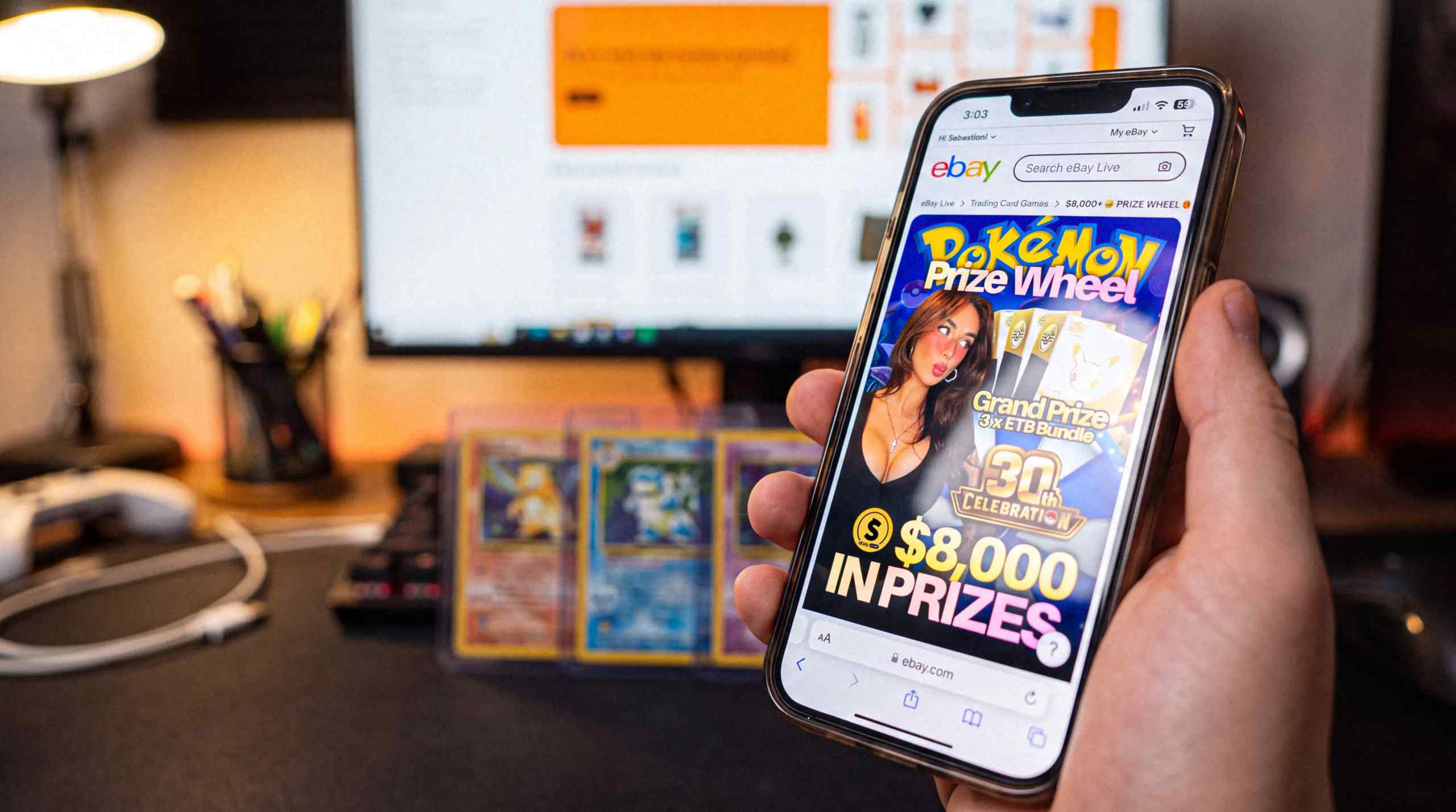
Are eBay's "Spin the Wheel" Listings Just Gambling?
A corner of eBay Live auctions off wheel spins instead of actual items. Bid starts at $1, the price climbs, and the winner finds out what they bought only after the wheel stops. Here's why that's not really shopping.
By Cole Rush
Casino Carpets Are Ugly. But Not for the Reason You Think
Casino carpets have long been accused of keeping gamblers disoriented and glued to the games. The truth is considerably more practical, though just as strange.

By Cole Rush
The Strange Gambling Laws Behind Cruise Ship Casinos
Cruise ship casinos only open once a ship clears territorial waters, and the odds, oversight, and rules that follow are nothing like a Vegas floor. Here's what actually changes at sea.

By Cole Rush
Six Reasons Bettors Are Starting to Ditch Credit Cards
States are increasingly questioning whether borrowed money has any place in gambling. From instant interest to damaged credit, the risks can extend far beyond the bet itself.

By Charlon Muscat
How Subscriptions Use Gambling Psychology to Hook You
Streaming services, apps, and subscription boxes may look nothing like a casino, but many tap into the same psychological forces that make gambling so hard to walk away from.

By Cole Rush
The Best Gambling Songs Ever Written, Ranked
From Kenny Rogers to Sting, these seven songs go beyond casino clichés to capture the risk, psychology and obsession behind gambling.

By Cole Rush