
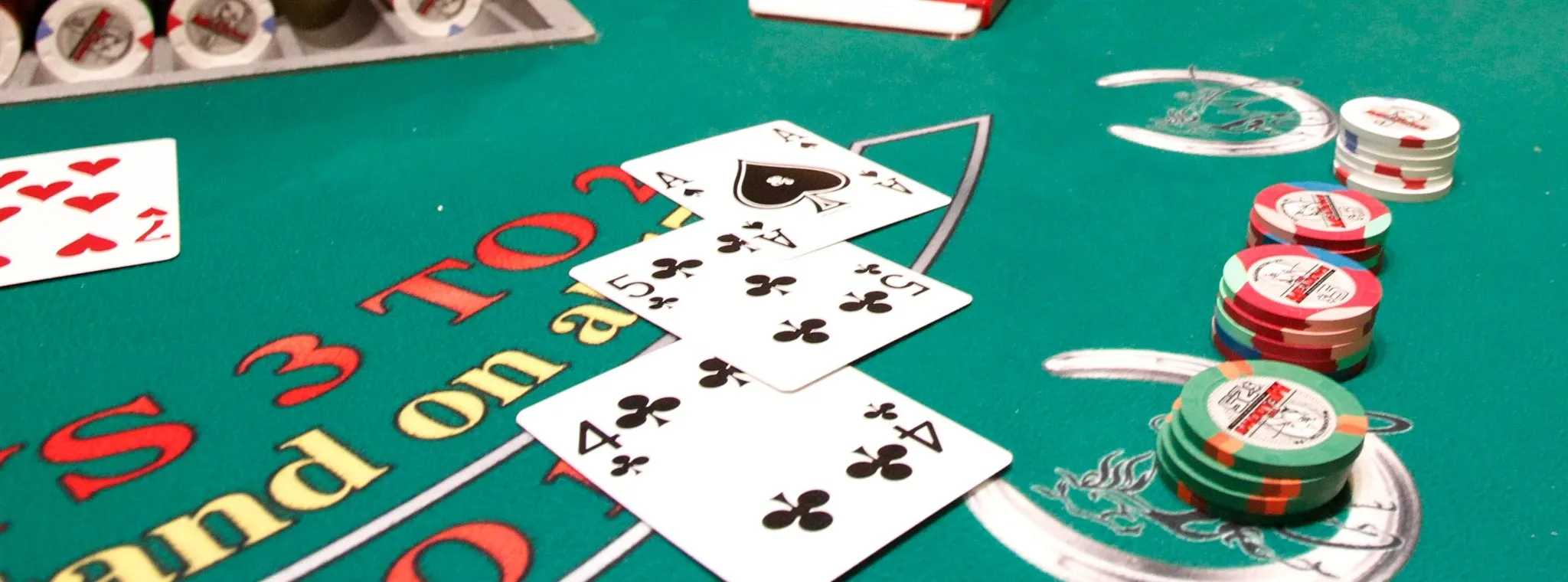
When to Double Down in Blackjack
Doubling down is one of blackjack's most powerful moves. Here's exactly when to use it, when to avoid it, and how it fits into a winning strategy.

Doubling down is one of blackjack's most powerful moves. Here's exactly when to use it, when to avoid it, and how it fits into a winning strategy.
What Doubling Down Actually Means
When you double down, you double your original bet and receive exactly one more card. That's it. No more decisions after that card lands, no hitting again, no standing on your terms. You commit to the one card you receive.
The textbook example is a hard 11, say a Nine and a Two. Roughly 30% of the remaining deck is made up of 10-value cards, which would give you 21. The odds are strong enough to justify putting twice the money on the line. Even when it doesn't land a 21, a hard 11 plus any card between Seven and Nine still gives you a competitive total. That's why it's the strongest doubling hand in the game.
When to Double Down
Every blackjack strategy chart maps out the mathematically optimal move for every possible hand combination. Doubling down appears in three main scenarios, each with its own conditions.
Hard 9 against dealer bust cards. A hard 9 only warrants a double when the dealer is showing a Three, Four, Five, or Six. These are the cards most likely to put the dealer in bust territory because the dealer must keep hitting until reaching 17, and a hidden 10-value card combined with these up-cards creates a high probability of going over 21. Against anything stronger, hit instead.
Hard 10 or 11. A hard 11 is the strongest double down hand in the game. Double it regardless of what the dealer is showing. A hard 10 is nearly as strong: double against everything except a dealer Ten or Ace, where the dealer's likelihood of a strong hand tips the odds against you.
Soft hands. Soft totals require more precision because the Ace gives you flexibility that a hard hand doesn't. With a soft 13 or 14, only double when the dealer shows a Five or Six. A soft 15 or 16 opens up to a dealer Four as well. A soft 17 adds a dealer Three to that range, and a soft 18 adds a dealer Two. The logic throughout is the same: you're doubling when the dealer is most vulnerable and your hand has room to improve.
When to Double Down
| Your hand | Dealer up-card | Action | Otherwise |
|---|---|---|---|
| Hard 11 | Any card | Double | -- |
| Hard 10 | 2 through 9 | Double | Hit |
| Hard 9 | 3, 4, 5 or 6 | Double | Hit |
| Soft 18: Ace + 7 | 2, 3, 4, 5 or 6 | Double | Stand/Hit |
| Soft 17: Ace + 6 | 3, 4, 5 or 6 | Double | Hit |
| Soft 15–16: Ace + 4 or 5 | 4, 5 or 6 | Double | Hit |
| Soft 13–14: Ace + 2 or 3 | 5 or 6 | Double | Hit |
When Not to Double Down
Rule variations matter here, and ignoring them is one of the more costly mistakes a blackjack player can make. The guidance above applies to four-to-eight deck games where the dealer hits on soft 17. In games where the dealer stands on soft 17, skip the double on a hard 11 against a dealer Ace and hit instead. The dealer standing on soft 17 makes their hand slightly stronger on average, which shifts the math just enough to change the correct play.
Never double on a hard 12 or higher. Taking one card on a 12 risks busting, and doubling doubles the cost of that risk without improving your position mathematically. Always check the specific rules of the variant before sitting down, because even small rule changes can alter the correct strategy.
When not to double down
| Your hand | Situation | Reason |
|---|---|---|
| Hard 11 | Dealer Ace (stands on soft 17) | Hit instead: Dealer standing on soft 17 strengthens their hand |
| Hard 12+ | Any | Never double: Too high a bust risk on the next card |
| Hard 10 or 11 | Dealer 10 or Ace | Hit instead: Dealer too strong to risk doubling |
The Key Differences Between Online and Live Blackjack
Online blackjack is best suited for people who are learning to play or simply enjoy going at their own pace. There’s no pressure to keep up with other players or a dealer, making online blackjack a more relaxing option.
That pace may feel too slow for some. With Live Dealer blackjack, you move with the action of a table, keeping pace with those around you and the dealer.
Doubling Down in Online vs. Live Blackjack
Whether you’re playing online blackjack or Live Dealer blackjack, the strategy is the same. Double down when you have an 11, and also a 10, unless the dealer has a 10 or Ace up-card. When you play Live Dealer Early Payout Blackjack, visual prompts guide you to the optimal decision based on basic blackjack strategy, the perfect training wheels for beginners.
Advanced Blackjack Tips for Winning More Often
After mastering the basics, you can start to fine-tune your blackjack betting strategies by memorizing the subtle differences between the dealer hitting vs standing on soft 17. As far as doubling goes, you should only double down on an 11 vs a dealer Ace when the dealer hits on soft 17. Memorize the differences, and you’ll really know how to win at blackjack, regardless of the version you’re playing.
Managing Your Bankroll Like a Pro
You can’t learn how to win at blackjack without properly managing your bankroll. Even more significant than all of the above-mentioned blackjack betting strategies, bankroll management will keep you in the game longer and ensure you’re having a good time. Always divide your bankroll into equal betting units, bet one per round, and leave the session when you’ve reached the end of your units regardless of if you’re ahead or behind.
Playing Responsibly
Blackjack is entertainment first. Set a session budget before you sit down, stick to it regardless of how the cards are running, and treat losses as the cost of the experience rather than a deficit to chase. If you find yourself increasing bets to recover losses or playing beyond your limits, that is a sign to step away. Most online casinos offer responsible gambling tools such as deposit limits, session timers, and self-exclusion lists. Use them. If gambling stops being fun, resources are available 24/7.
Final Thoughts
Doubling down is the move that separates players who understand blackjack from those who are just along for the ride. Used correctly, it puts more money on the table at exactly the moments when the odds are in your favor. Used incorrectly, it accelerates losses on hands that were already unfavorable. The difference comes down to knowing the scenarios, checking the rules of the variant you're playing, and sticking to the strategy chart rather than your gut. Whether you play online, in person, or with sweepstakes casinos, mastering the double down alongside the other core moves, will help you play a sharper, more profitable game of blackjack.
FAQ
Can you double down after splitting?
In most blackjack variants, yes. If you split a pair and one of your new hands is in a strong doubling position, such as a 10 or 11, you can double down on it. Check the specific rules of the variant you're playing, as some restrict this option.
Can you double down on any two cards?
In most versions of blackjack, yes. European Blackjack is the main exception, limiting doubles to hard totals of 9, 10, or 11 only.
What is the best hand to double down on?
A hard 11. It gives you the highest probability of landing a 10-value card for a total of 21, and even a card between Seven and Nine leaves you with a competitive hand. Basic strategy calls for doubling a hard 11 against every dealer up-card.
Does doubling down change the house edge?
Yes. Being able to double on any two cards reduces the house edge by 0.23%. It is one of the most player-friendly rules in blackjack, and using it correctly is essential to playing optimal strategy.
Is doubling down available in online blackjack?
Yes. In online blackjack, the double down option appears as a button once your first two cards are dealt. It is available in most standard online variants, though rule restrictions vary by game.
Should you ever double down on a soft hand?
Yes, in the right situations. A soft 18 against a dealer Two through Six, for example, is a double in basic strategy. The Ace gives your hand flexibility that makes soft doubling viable in a range of scenarios that hard hands do not have.
James Guill is an experienced iGaming journalist with a diverse background spanning IT, poker, and online gambling media. With over 20 years in the industry, he’s covered a wide range of gaming topics and has been featured in outlets like USA Today and G4 TV.
More Articles like this
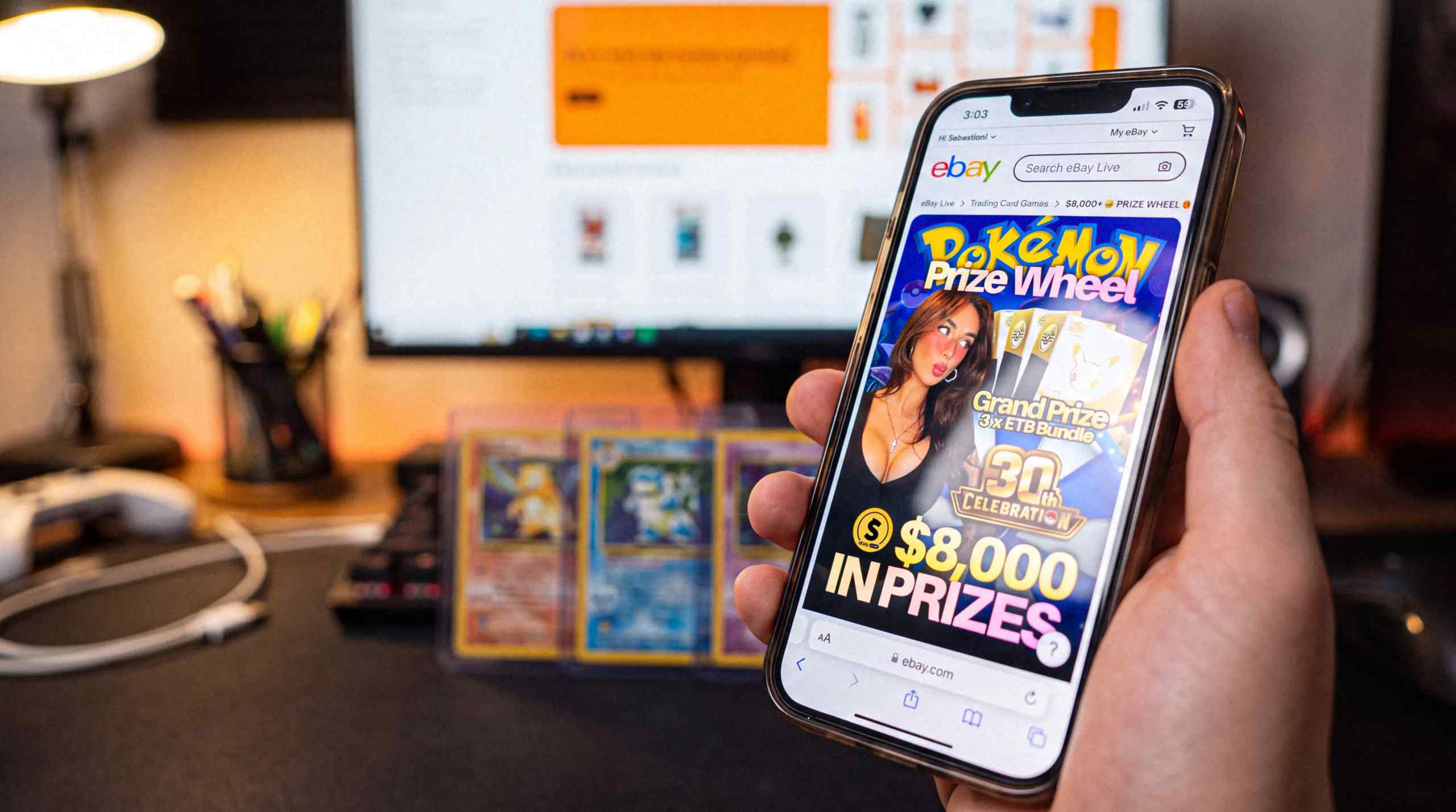
Are eBay's "Spin the Wheel" Listings Just Gambling?
A corner of eBay Live auctions off wheel spins instead of actual items. Bid starts at $1, the price climbs, and the winner finds out what they bought only after the wheel stops. Here's why that's not really shopping.
By Cole Rush
Casino Carpets Are Ugly. But Not for the Reason You Think
Casino carpets have long been accused of keeping gamblers disoriented and glued to the games. The truth is considerably more practical, though just as strange.

By Cole Rush
The Strange Gambling Laws Behind Cruise Ship Casinos
Cruise ship casinos only open once a ship clears territorial waters, and the odds, oversight, and rules that follow are nothing like a Vegas floor. Here's what actually changes at sea.

By Cole Rush
Six Reasons Bettors Are Starting to Ditch Credit Cards
States are increasingly questioning whether borrowed money has any place in gambling. From instant interest to damaged credit, the risks can extend far beyond the bet itself.
By Charlon Muscat
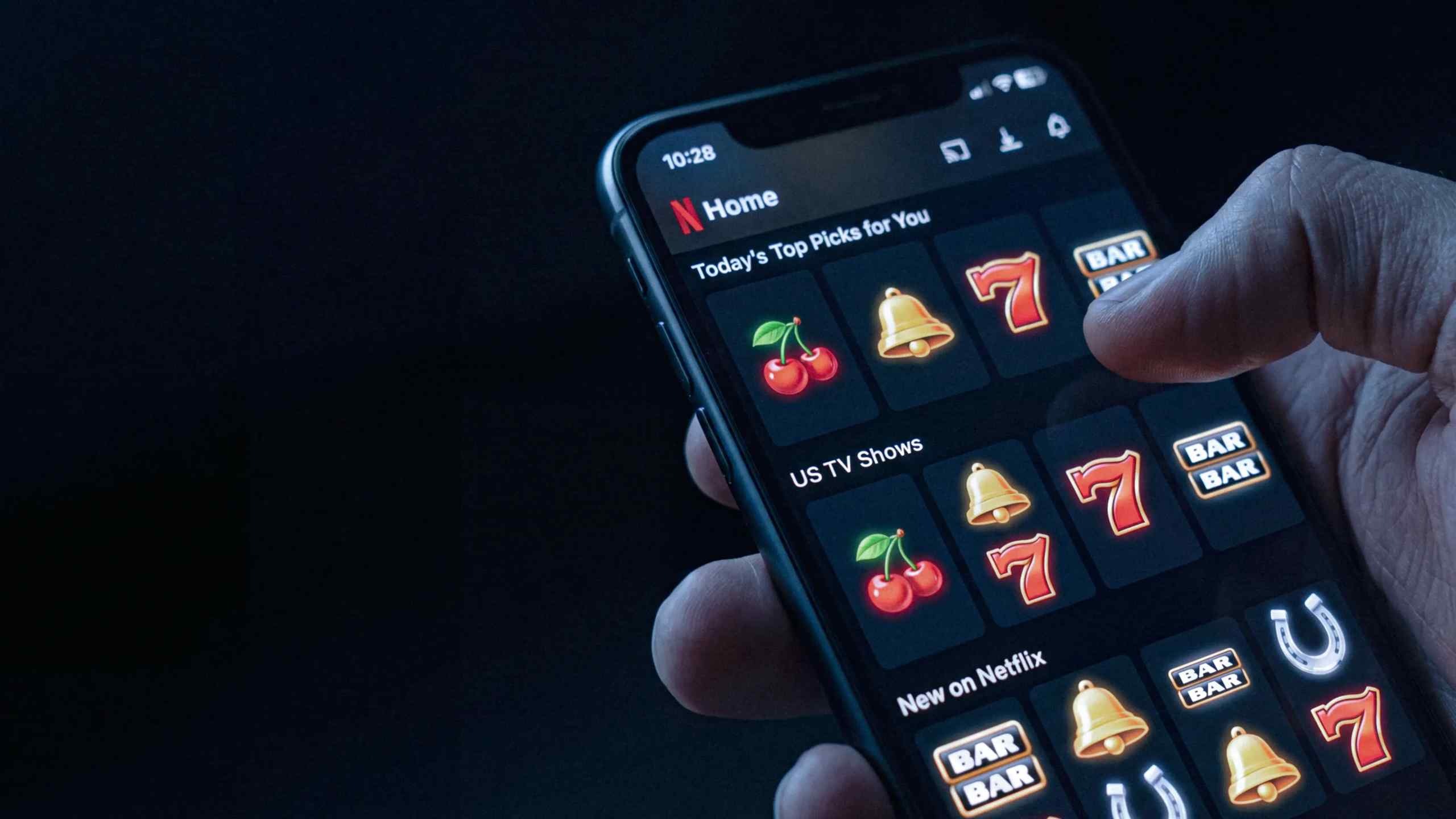
How Subscriptions Use Gambling Psychology to Hook You
Streaming services, apps, and subscription boxes may look nothing like a casino, but many tap into the same psychological forces that make gambling so hard to walk away from.
By Cole Rush
The Best Gambling Songs Ever Written, Ranked
From Kenny Rogers to Sting, these seven songs go beyond casino clichés to capture the risk, psychology and obsession behind gambling.

By Cole Rush