
Are Casino Floors Shrinking Because of Gen Z?
Casinos are ripping out slots to make room for spas, restaurants, and concerts, and Gen Z makes an easy explanation. The truth, however, is more nuanced.

Casinos have a convenient explanation for why the gaming floor is getting smaller: Gen Z. They’d sooner meet friends at a show or pull out a phone to place a bet than spend the night parked at a slot machine. And there’s something to that. The problem is, the timing doesn’t quite work.
The industry started giving less of the business over to gambling before the oldest Gen Zers reached adulthood. So the generational shift may be speeding things up. It didn’t start it. For that, you have to go back much further.
New Casinos Are Giving Gaming Less Room
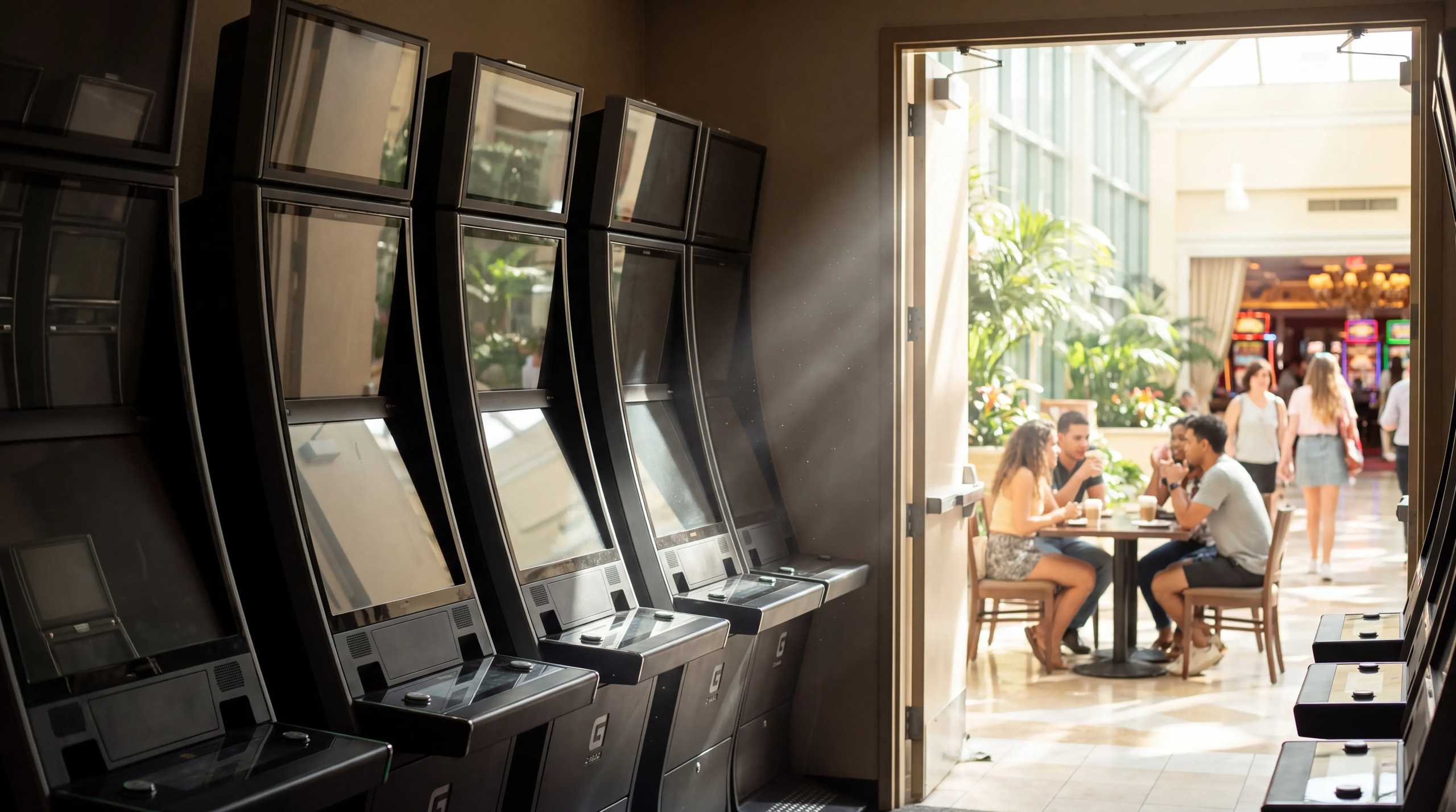
The new mission for casino operators, as Bloomberg put it this weekend, is to make the place feel less like one. That means moving away from the old windowless model in favor of natural light, outdoor spaces and attractions that give people a reason to walk through the door even if gambling isn’t on the agenda. HBG Design, which has worked on at least 15 major casino renovations since 2020, says the gaming floor used to take up around 60% of a typical regional property. Now, it can be 40% or less.
You can see where this is going from the newer properties. PENN Entertainment opened its $360 million Hollywood Casino and Hotel Aurora in Illinois two months ago, replacing a riverboat venue that had been there since 1993. This time around, on top of the gaming facilities, the complex has 226 hotel rooms, a spa, an event center, a sportsbook, and several restaurants.
Over in Queens, the gaming floor at Hard Rock Metropolitan Park is expected to occupy only 10% of the property, Bloomberg reported. Around it, you’ve got a music venue, a food hall and 25 public acres, including athletic fields and playgrounds. New York regulators licensed the project in December 2025. So what’s being built here is a whole entertainment district, with a casino as one piece of it.

Las Vegas didn’t wait for Gen Z to change
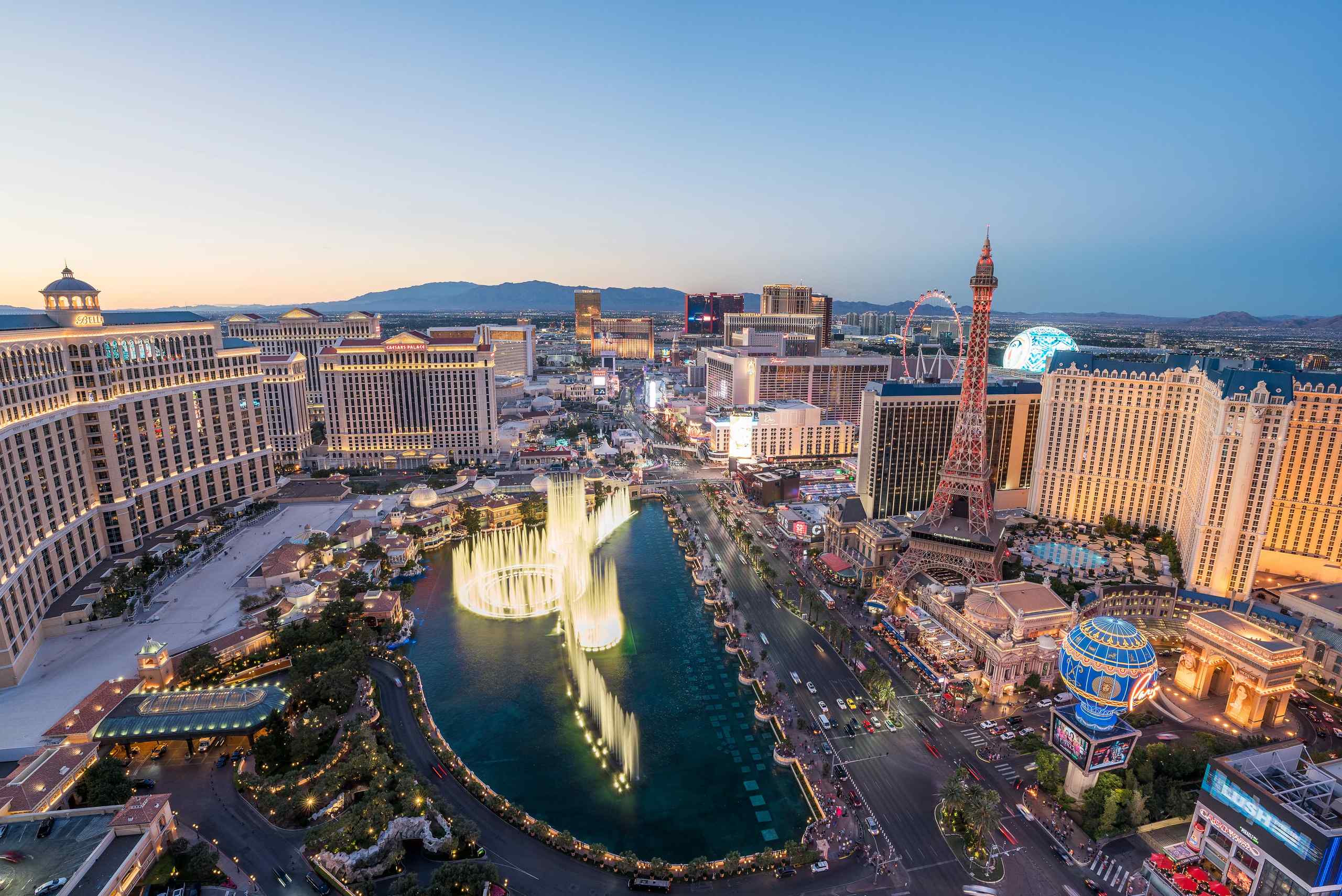
But the timeline doesn’t add up if Gen Z is supposed to be behind this. The Mirage opened in 1989 and helped push Las Vegas toward the megaresort model, where casinos were built to offer an entire vacation experience, not just gambling. And by 1999, gaming brought in less than half of the total Las Vegas Strip resort revenue for the first time, as per UNLV’s historical data. Gen Z was still years away from being old enough to place a bet.
You can see the Strip’s business model changing pretty clearly in the numbers. Back in fiscal 1984, gaming brought in 58.6% of resort revenue. By 2024, that was down to 34.8%. Rooms were almost neck and neck at 30.1%, and then you had food, drinks, shopping, and entertainment making up the rest. The casino money was still there. Everything around it just got a whole lot bigger.
Las Vegas Revenue Since 1984
| Year | Gaming share of Strip resort revenue | Strip slot units | Annual slot revenue | Approx. revenue per slot |
|---|---|---|---|---|
| 2024 | 34.8% | 35,661 | $4.91 billion | $137,781 |
| 2014 | 36.8% | 44,584 | $2.91 billion | $65,300 |
| 2001 | 43.7% | 61,867 | $2.39 billion | $38,693 |
| 1999 | 48.1% | 60,169 | $2.21 billion | $36,665 |
| 1984 | 58.6% | 24,778 | $581.8 million | $23,481 |
Gaming share is based on UNLV fiscal-year (July–June) departmental revenue data. Slot counts and slot win are calendar-year Nevada Gaming Control Board data. Win per slot is calculated by dividing annual slot win by reported slot units and is not adjusted for inflation.
A Smaller Floor Can Still Produce More
As the numbers above show, the Strip had 42% fewer slot machines in 2024 than at the 2001 peak, yet that smaller fleet brought in 105% more money in nominal dollars. My rough win-per-slot calculation rose from about $38,700 to $137,800. That doesn’t mean each one suddenly became three-and-a-half times more productive. The calculation is only a proxy, and it can’t capture differences in property mix, denominations or when counts were taken. Still, fewer slots doesn’t automatically mean casinos are backing away from gaming.
And this is where the wording can trip you up. “Gaming’s share fell” sounds a lot like “gaming fell.” It didn’t. Strip gaming revenue hit $8.8 billion in fiscal 2024, nearly seven times the 1984 total in nominal dollars. What changed was the size of everything around it. The full resort business had grown to $25.3 billion, with the other departments bringing in $16.5 billion. As an operator running one of these properties, you’d be asking whether another row of low-yield slots is really worth the floor space that could be making more money some other way.
Read more: The 11 most popular slot machines you see at physical casinos.

Gen Z is gambling. Just differently
A 2025 Las Vegas study found that out of all Gen Z visitors, about 70% gambled during their trip, compared with 82% of millennials. The younger crowd leaned more toward shows, paid attractions, and nightclubs, which says a lot about how Gen Z and Millennials are spending their money in Vegas. And once they did sit down to play, the budget was lighter too, about $503 on average compared with $841 for millennials. Entertainment flipped it. Gen Z spent $107 there, versus $62.
Something I really wanna get out of the way, though, is this idea that younger adults just aren’t interested in gambling. In Q2 2025, 34% of Gen Z respondents reported taking part in betting activity, according to TransUnion’s Q3 Gaming Report. A year earlier, it was 26%. Declan Raines, who heads the company’s gaming business, described Gen Zs and millennials as having “returned to being the most active consumer segment.”
One thing I thought was pretty interesting: among Gen Z bettors spending at least $50 a month, online sportsbooks were the only venue category that actually grew year over year. And when you think about how this generation gambles, that makes sense. Casino apps put slots and table games right in your pocket. Sports betting sites mean you can get a bet down without going anywhere at all.
How Gen Z changes the casino equation
For decades, people went to a casino for the casino. Now, more and more, the gambling is just one reason to show up.
But Gen Z can’t really take credit for starting that. By the time they came along, Vegas operators had already figured out the gaming floor didn’t have to carry the whole business. You could make the casino a smaller piece of a much bigger trip and still come out ahead.
What’s different now is who they’re trying to pull in. Younger customers already have plenty of ways to gamble without leaving home. So if casinos want them through the door, the property has to offer something the phone can’t. Friends, dinner, a show, a night out worth making the trip for. The wager only gets them so far.
Charlon Muscat is an established iGaming expert who entered the space in 2019 and went on to build a name across both casino and sportsbook content.
More Articles like this
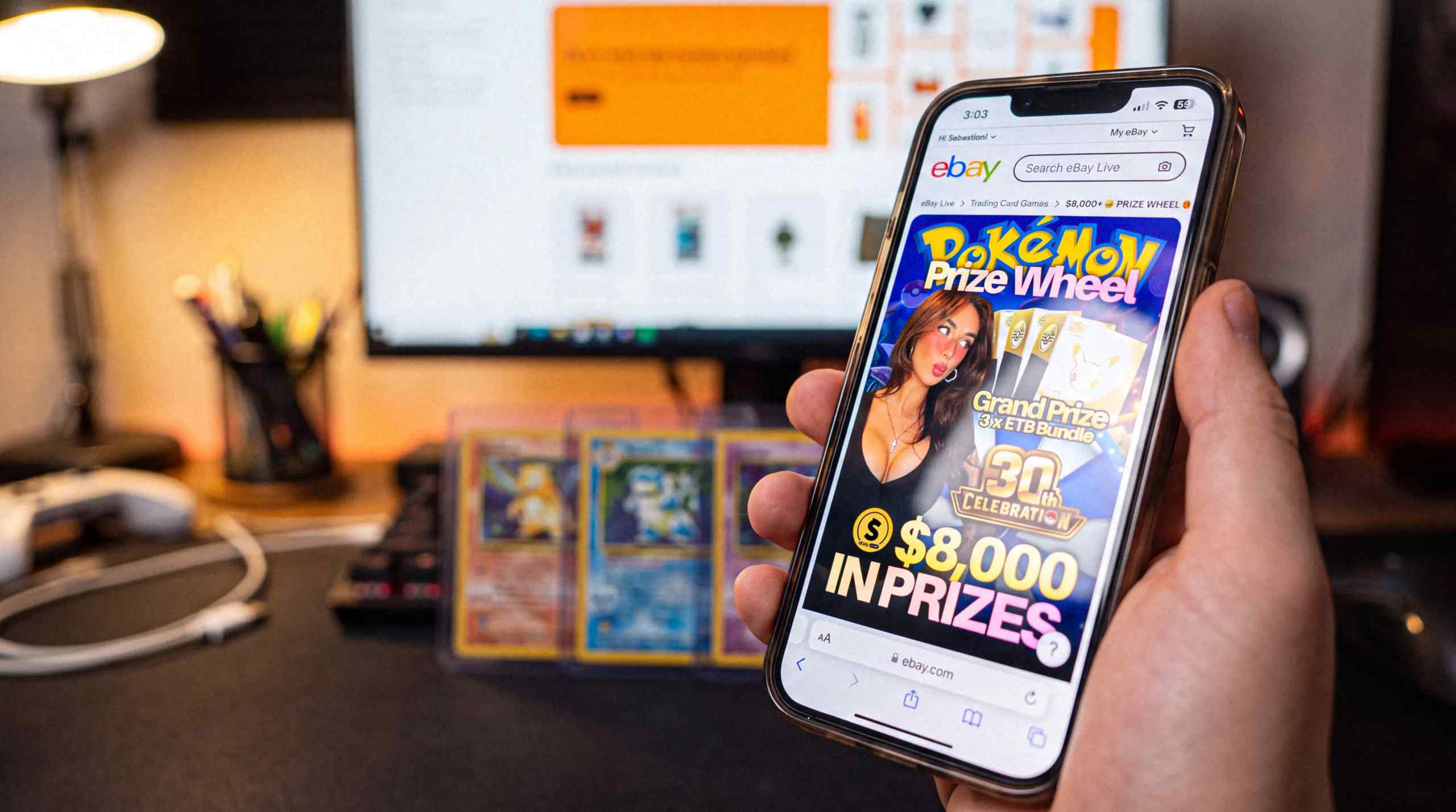
Are eBay's "Spin the Wheel" Listings Just Gambling?
A corner of eBay Live auctions off wheel spins instead of actual items. Bid starts at $1, the price climbs, and the winner finds out what they bought only after the wheel stops. Here's why that's not really shopping.
By Cole Rush
Casino Carpets Are Ugly. But Not for the Reason You Think
Casino carpets have long been accused of keeping gamblers disoriented and glued to the games. The truth is considerably more practical, though just as strange.

By Cole Rush
The Strange Gambling Laws Behind Cruise Ship Casinos
Cruise ship casinos only open once a ship clears territorial waters, and the odds, oversight, and rules that follow are nothing like a Vegas floor. Here's what actually changes at sea.

By Cole Rush
Six Reasons Bettors Are Starting to Ditch Credit Cards
States are increasingly questioning whether borrowed money has any place in gambling. From instant interest to damaged credit, the risks can extend far beyond the bet itself.

By Charlon Muscat
How Subscriptions Use Gambling Psychology to Hook You
Streaming services, apps, and subscription boxes may look nothing like a casino, but many tap into the same psychological forces that make gambling so hard to walk away from.

By Cole Rush
The Best Gambling Songs Ever Written, Ranked
From Kenny Rogers to Sting, these seven songs go beyond casino clichés to capture the risk, psychology and obsession behind gambling.

By Cole Rush