
Why Mobile Games Sell You Gems
Gems, gold bars, and orbs keep the price of in-game spending abstract. Research and a federal settlement suggest that is the point, and casinos have used the same trick with chips for decades.

Open a popular mobile game and try to buy something. You won't see a price in dollars. You'll see gems, gold bars, or orbs, often sold in bundles that don't quite match what the next item costs. It feels like a minor design quirk. Researchers and regulators say it's closer to a strategy.
The Currency Comes First
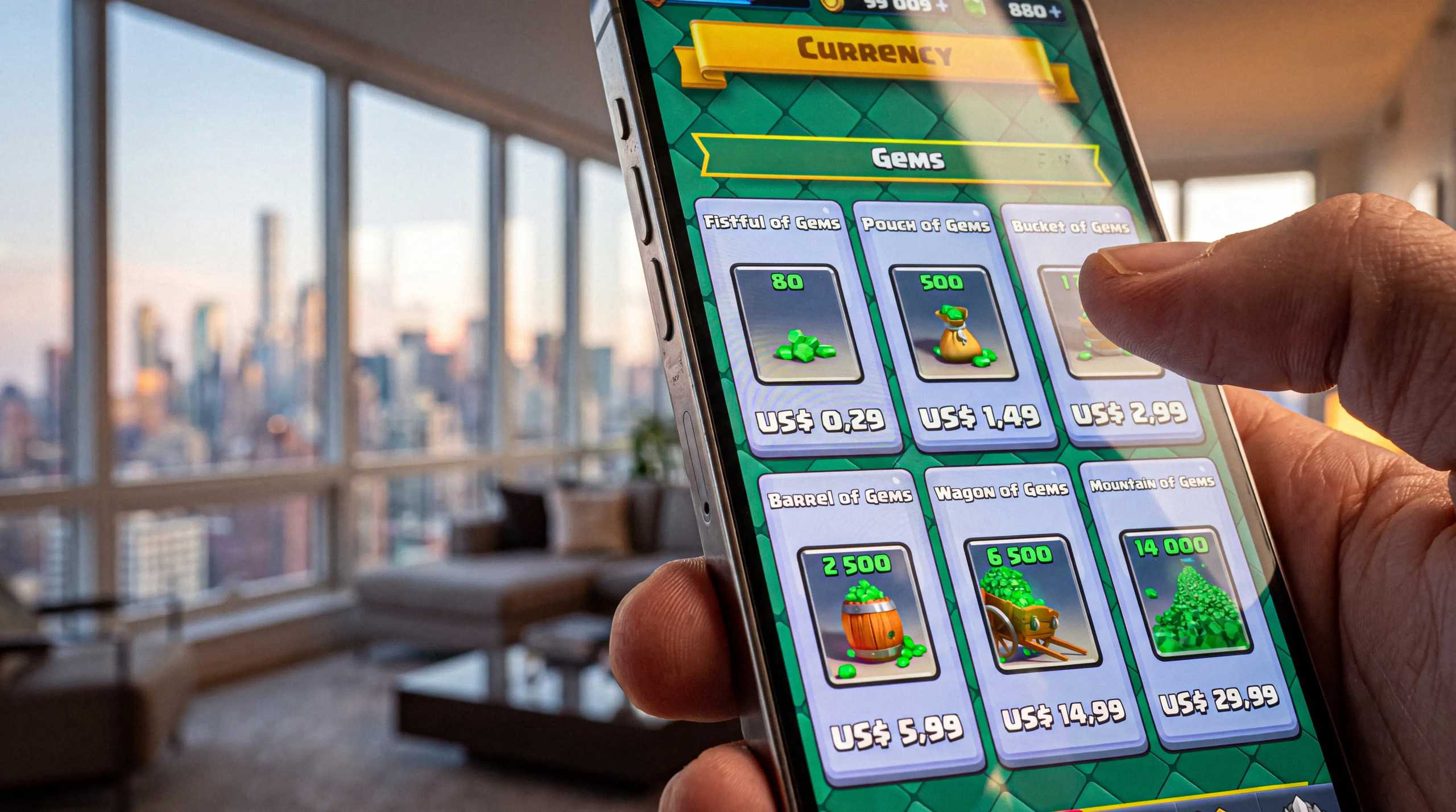
Candy Crush, Clash of Clans, and countless other mobile games are free to download. The money comes from in-app purchases, and nearly every purchase runs through a made-up currency. You pay real dollars for gems. Then you spend gems on lives, boosts, speed-ups, or characters.
After your money becomes gems, each decision feels smaller. A 50-gem upgrade doesn't register in your brain as a few dollars. When bundles don't line up with item prices, a leftover balance can nudge you to buy another pack to finish the purchase. Exact bundle prices vary by game, platform, and region, so check any figure against the store listing before you rely on it.
Why Abstract Money Works
Behavioral economists call it the money illusion: people focus on the face value of a number and not what it buys. Spending also hurts less when payment is separated from the purchase, which is why credit cards and gift cards tend to loosen wallets. A gem balance does both. You pay once, up front, then make a string of small purchases that feel like game moves and not transactions. By the fifth or sixth, the dollar amount has faded from view.
Casinos Did It First
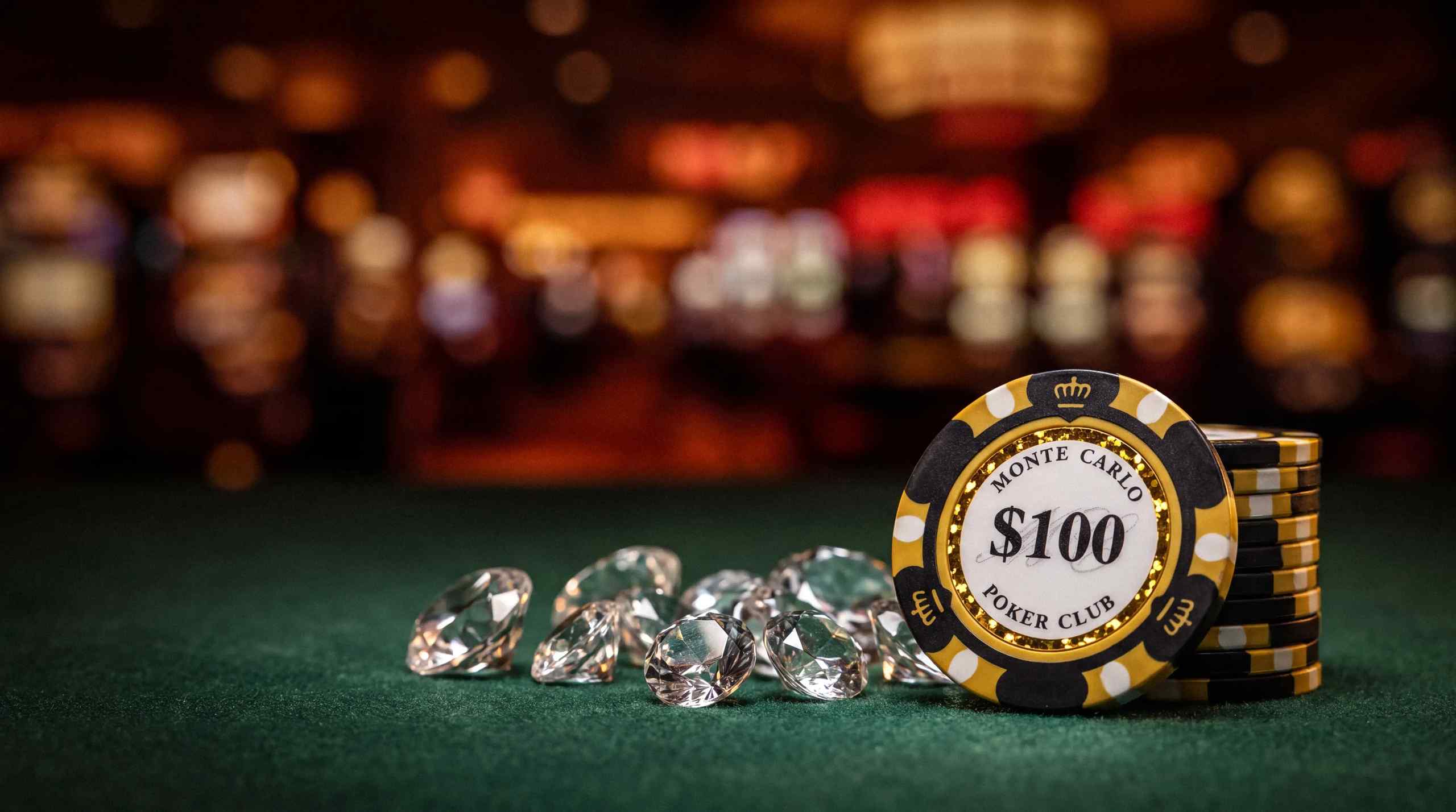
None of this is new. A casino chip is a stand-in for cash, and chips let a player bet without handing over a bill each time. The effect is a gap between the act of spending and the feeling of spending. It's a key reason a night at the tables can cost more than the player planned.
Sweepstakes casinos use a version of it too. Their gold coins sit between your dollars and your play, and the layered currency design will look familiar to any mobile gamer. The difference is oversight. Casino chips sit inside a heavily regulated industry. Gems (mostly) don't.
What the Research Says
A 2026 study in Experimental Economics puts the phenomenon under a spotlight. Researchers ran a randomized, incentivized trial with 753 UK participants and measured how much they'd pay for loot boxes. The finding? Virtual currencies increased the willingness to pay. People bid higher when prices were set in virtual currency at a 1:1 rate than when they were set in British pounds. The authors saw signs of the money illusion, where people react to the nominal number and not the real value.
The research isn't unanimous. A 2018 lab study of free-to-play games by Salminen, Järvelä, and Ravaja found that currency conversions didn't lead to increased spending. Different designs can produce different results, so the effect is probably strongest when the currency is layered on top of other pressures, such as limited-time offers and chance-based rewards.
The Regulators Noticed
In January 2025, the Federal Trade Commission announced a settlement with Genshin Impact developer HoYoverse. The FTC said the game's process of trading real money for virtual money involved various steps and exchange rates that were hard for anyone to follow, and particularly confusing to children and teens.
HoYoverse agreed to pay a $20 million penalty and to stop selling loot boxes to kids under 16 without parental consent. The order also bars it from selling loot boxes with virtual currency unless people can buy them directly with U.S. dollars.
That last term is the telling one. The remedy for a confusing currency layer was to require a plain price.
Current Layer vs. Loot Box Layer
The currency layer works earlier. It softens the price before the player ever reaches the random part.
| Layer | What It Does | Casino Parallel |
|---|---|---|
| Currency layer | Replaces dollars with gems, bars or orbs, so the price feels abstract | Chips |
| Bundle mismatch | Sells packs that can leave leftover balances | Leftover chips that invite one more bet |
| Reward layer | Sells chance-based outcomes such as loot boxes | Slot spins |
| Oversight | Limited; regulators have started to act on a case-by-case basis | Heavily regulated |
How to Spend Smarter
The simplest fix is to translate gems back into dollars before you buy. Check the store price of the bundle, divide it by the gems you get, and price the item that way. If you have kids who play, turn on purchase approvals and watch for gifted or earned currency, which can make later spending feel free.
If the line between playing and wagering starts to blur, responsible gambling tools such as spending limits are a useful model for games too. The principle is the same: know what you're actually spending.
Cole Rush is a freelance writer, crossword constructor, and creative tinkerer with more than 10 years of experience writing about anything and everything. Cole’s primary area of expertise is the gambling industry, covering the expansion of sportsbooks and online casinos alongside emerging spaces like sweepstakes casinos and prediction markets.
More Articles like this
Is the Bitcoin Mining Apocalypse Coming?
With mining profits under pressure and major companies shifting toward AI, could the 2028 Bitcoin halving trigger a mass exodus from the industry?

By James Guill
GTA VI By the Numbers: The Biggest Entertainment Gamble Ever?
A budget Rockstar won't confirm, a trailer that beat MrBeast, and a price tag of $79.99. These are the numbers behind GTA VI.

By Cole Rush
Do AI Detectors Like Pangram, ZeroGPT, Grammarly Actually Work?
There are plenty of AI detectors out there – including Pangram, ZeroGPT, Grammarly – but do any of them actually work? The answer might surprise you.

By Cole Rush
Could the NBA's Smart Ball Change Basketball Forever?
The NBA is testing a sensor-equipped ball in preseason games. It won't change a single call this fall, but it points toward faster reviews and fewer officiating arguments.

By Cole Rush
Apple's $3,199 iPhone Duo Is Even Pricier Than You Think
Apple's new $3,199 iPhone Duo is the priciest iPhone ever. But even after adjusting nearly two decades of Apple pricing for inflation, the size of the gap is surprising.
By Cole Rush
Gambling Technology Trends: 5 Technologies That Changed the Industry
From RNGs and live dealer streaming to geolocation and AI, these gambling technology trends transformed the industry—and could help shape what comes next.
By Charlon Muscat