
What Is Juice?
A Bodog breakdown of what juice means in sports betting, how sportsbooks calculate it, and why it quietly shapes every bet you place.

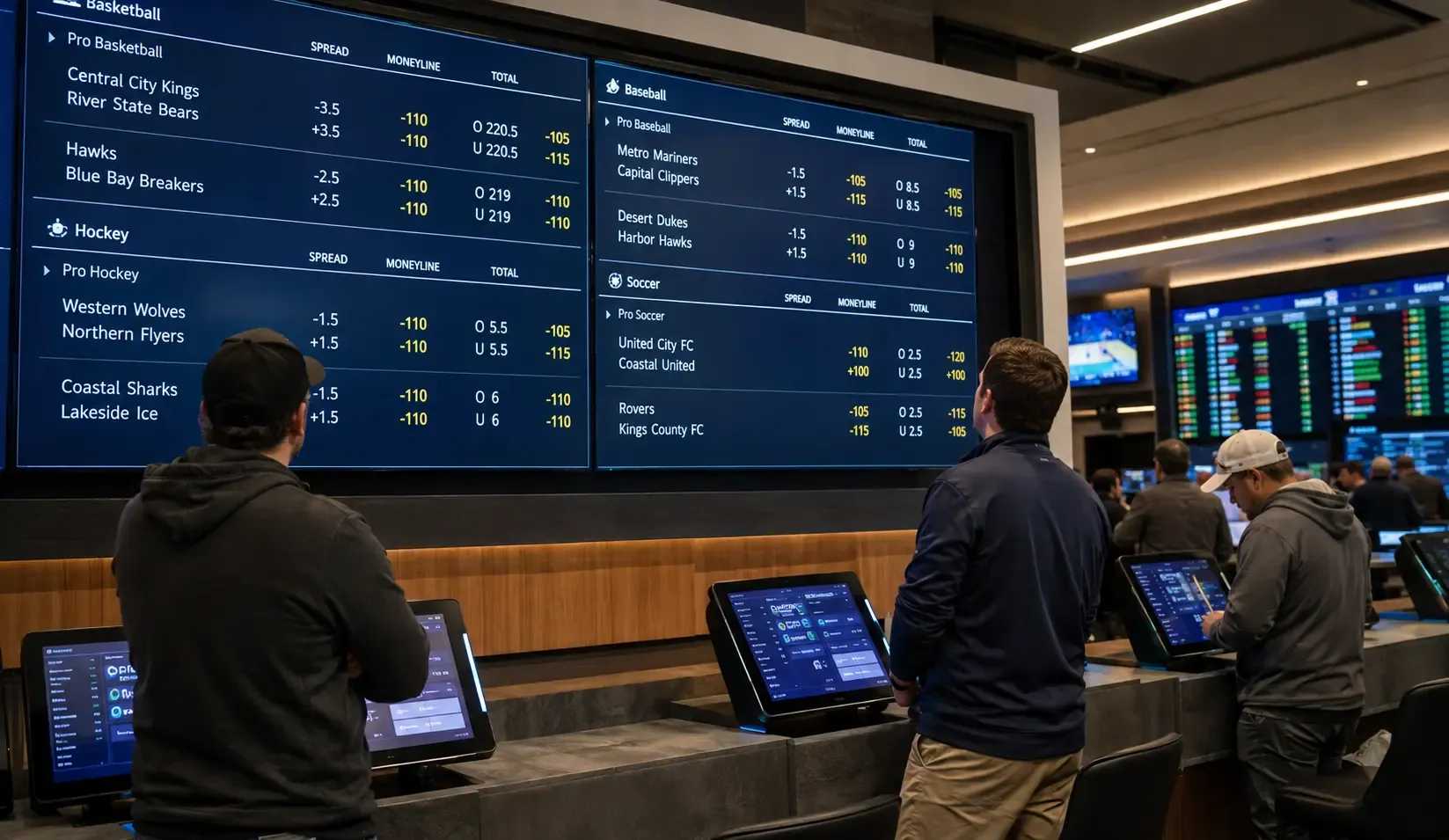
Juice in sports betting is the commission a sportsbook builds into its odds so it profits regardless of which side wins. It's also called the vig, short for vigorish, and it's why you rarely double your money on a winning bet.
Key Takeaways
- Juice (or vig) is the built-in cut a sportsbook keeps on every bet, win or lose for you.
- Standard -110 odds mean you risk $110 to win $100, a 4.76% margin for the book.
- Bettors need to win roughly 52.4% of their -110 wagers just to break even.
- Juice appears in spreads, totals, moneylines, parlays, props, and futures alike.
- Reduced-juice lines, like -105 or -101, shrink the house's cut and improve your odds long term.
| Category | Detail |
|---|---|
| Difficulty Level | Beginner |
| Estimated Time to Learn | 10 to 15 minutes |
| Best Suited For | New sports bettors learning how odds and payouts actually work |
| Related Topic | Point spread betting and implied probability |
Why Does Understanding Juice Matter for Sports Bettors?
Understanding juice matters because it directly determines how much you need to win just to stay even. A bettor who ignores the vig might assume a coin-flip game only requires 50% accuracy to profit. In reality, standard -110 pricing pushes that number closer to 52.4%. Knowing the math behind juice turns a guessing game into a calculated decision.
How Does Standard Juice Compare Across Bet Types?
| Bet Type | Typical Odds | Approximate Vig | Break-Even Win Rate |
|---|---|---|---|
| Point Spread | -110 / -110 | 4.76% | 52.38% |
| Reduced Juice Spread | -105 / -105 | 2.44% | 51.22% |
| Totals (Over/Under) | -110 / -110 | 4.76% | 52.38% |
| Moneyline (Favorite/Underdog) | Varies by game | 3% to 5%+ | Varies by price |
| Parlays (per leg) | Compounds per leg | Higher overall | Increases with each leg |
What Does Juice Mean in Sports Betting?
Juice in sports betting is the fee a sportsbook charges for accepting your wager, built directly into the odds rather than billed separately. If two friends bet $100 against each other, the winner collects the full $100. At a sportsbook, that same bet typically costs $110 to win $100, and the extra $10 is the juice. Juice belongs to the same family of betting terms as vig, hold, and the house edge, all of which appear together in most glossaries of wagering language.
Is Juice the Same Thing as Vig or Vigorish?
Yes, juice, vig, and vigorish all describe the exact same concept in sports betting. Bettors and bookmakers use the terms interchangeably, and you'll hear all three in broadcasts, forums, and sportsbook menus. There's no meaningful difference between them, just regional and generational preference in slang.
How Do Sportsbooks Calculate Juice on a Bet?
Sportsbooks calculate juice by converting odds into implied probability and comparing that total to 100%. At standard -110 odds, each side of a bet carries an implied probability of about 52.38%. Add both sides together and you get 104.76%, meaning the extra 4.76% above true odds is the juice the book keeps. A perfectly fair, no-vig line would have both sides add up to exactly 100%.
Where Does Juice Show Up Across Different Bet Types?
Juice shows up in nearly every bet a sportsbook offers, not just point spreads. It's baked into totals, moneylines, player props, parlays, and futures, though the exact amount shifts based on the market. Moneyline juice is often described as a "dime line" or "twenty-cent line," referring to the gap between the favorite's and underdog's prices. Matchups with lighter betting volume tend to carry higher juice because the book has less cushion against a surprise result.
Why Does the Amount of Juice Vary Between Sportsbooks?
The amount of juice varies between sportsbooks because each operator sets its own margins based on competition, market volume, and risk tolerance. Betting markets with heavy competition, such as major NFL and NBA games, tend to carry tighter, more standard pricing. Books with less competitive pressure or lower-volume markets often charge more to protect themselves against unbalanced action.
Examples of Juice in Real Betting Scenarios
Seeing juice in action makes the concept easier to spot before you place a wager.
- Standard spread bet: You bet $110 on a -110 point spread and win. You collect $210 total, your original $110 plus $100 profit, not a clean double.
- Reduced juice promotion: A sportsbook offers -105 instead of -110 on the same spread. Your break-even win rate drops from 52.38% to roughly 51.22%, a meaningful edge over a full season of betting.
- Moneyline example: A heavy favorite priced at -140 carries a different implied probability than a true 58% chance would suggest, with the gap between that price and the underdog's payout representing the book's built-in juice.
What Common Mistakes Do Bettors Make About Juice?
The most common mistake bettors make about juice is assuming a 50-50 bet only requires 50% accuracy to profit. Because of the vig, that number climbs to roughly 52.4% at standard pricing. Another frequent error is ignoring juice entirely on parlays, where the compounded margin across multiple legs eats into potential winnings far more than bettors expect. Bettors also often skip line shopping, missing out on reduced-juice pricing that could lower their break-even threshold over time.
How Does Juice Compare to the House Edge in Casino Games?
Juice in sports betting works on the same underlying principle as the house edge in casino games, guaranteeing the operator a mathematical advantage regardless of outcome. The house edge on casino games such as inside bets on a roulette wheel functions almost identically, giving the operator a built-in cut before the game even starts. The difference is presentation: casino house edge is usually a fixed percentage tied to game rules, while sports betting juice shifts with market demand and line movement.
Sports Betting Juice vs. Casino House Edge
| Feature | Sports Betting Juice | Casino House Edge |
|---|---|---|
| How It's Set | Built into odds, varies by market and book | Fixed by game rules and payout structure |
| Typical Range | 2% to 10%+ depending on bet type | Often 1% to 5% depending on game |
| Can It Be Reduced? | Yes, through line shopping and reduced-juice offers | Rarely, though bet selection can lower exposure |
Bodog's Take: What Should Bettors Remember About Juice?
Juice is the quiet toll every sportsbook collects, whether you notice it or not. Understanding how it's calculated, where it hides, and how it shifts between books turns a casual bettor into a sharper one. At Bodog, we treat the vig as a number worth tracking, not ignoring, because shaving a few points off your break-even rate compounds into real money over a season. Line shopping and knowing your break-even percentage remain the simplest ways to keep more of your own winnings.
Juice FAQs
What does -110 mean in terms of juice?
A -110 line means you must risk $110 to win $100, with the extra $10 representing the sportsbook's juice on that wager.
How much do I need to win to break even with standard juice?
At standard -110 pricing, you need to win approximately 52.4% of your bets to break even over time.
Does juice apply to moneyline bets?
Yes, moneyline bets carry juice too, though it's harder to spot since odds differ for the favorite and underdog rather than matching on both sides.
Can I avoid paying juice entirely?
No sportsbook operates without some form of juice, though shopping for reduced-juice lines can lower how much you pay per bet.
Is higher juice always bad for bettors?
Higher juice increases your break-even win rate, making it harder to profit long term, so lower juice is generally more favorable for bettors.
Why do some games have higher juice than others?
Games with lighter betting volume or less predictable outcomes often carry higher juice because the book has less data to balance its risk.
Do parlays have more juice than single bets?
Parlays compound the juice from each individual leg, which is why their overall margin tends to be higher than a single straight bet.
Continue Learning
- Toronto Blue Jays betting hub: explore moneyline and spread pricing on real MLB matchups where juice comes into play.
Sources & Review
Legal Sports Report, "What Is Vig / Juice And How Is Vigorish Calculated?" (legalsportsreport.com/how-to-bet/vigorish/)
Fox Sports, "What Is Vig in Sports Betting and How Does It Work" (foxsports.com/stories/betting/what-is-the-vig)
Action Network, "What Is Juice in Sports Betting? Definition, Examples" (actionnetwork.com/education/juice)
RotoWire, "What is the vig in sports betting?" (rotowire.com/betting/faq/what-is-the-vig-in-sports-betting-d03b8bbe)
James Guill is an experienced iGaming journalist with a diverse background spanning IT, poker, and online gambling media. With over 20 years in the industry, he’s covered a wide range of gaming topics and has been featured in outlets like USA Today and G4 TV.
More Articles like this
Worst Punishments For Fantasy Football Leagues
Fantasy football league punishments have become increasingly creative, with some ranging from harmless embarrassment to extreme and permanent consequences. This article looks at some of the most notorious examples and the stories behind them.

By Marcus Mosher
The 6 Greatest Comebacks in Sports History
From Istanbul to the end of the Curse of the Bambino, these six comebacks overcame impossible odds, championship pressure and moments that looked finished.
By Pat Evans
Fantasy Football Fatigue? Here are 5 Ways to Juice Up the Action
Snake drafts and standard scoring getting stale? Superflex, guillotine leagues, auction drafts and a few other twists can make fantasy football fun again.

By Marcus Mosher
From Buffalo to Chicago: Are Dormant Sports Markets Waking Up?
The Buffalo Sabres and Chicago White Sox have hit rock bottom in different ways. However, with big changes happening, the cities they call home might just be waking up from sports dormancy.

By Bill Gelman
World Cup Hangover? Try Four Premier League Games in Four Days
The World Cup may be done and dusted, but with champions Arsenal kickstarting proceedings at the Emirates, the new EPL season opening weekend is tailor-made for an epic soccer-themed road trip that includes Liverpool, Chelsea, and Tottenham.
By Stuart Hughes
Who Are the 5 Cheapest Owners in Sports?
Some of the world's richest sports owners have built reputations for spending like they're broke. We ranked the five worst offenders, and tested whether the reputation actually holds up against the numbers.

By Cole Rush


