

What Are Fractional Odds?
A plain-language breakdown of what fractional odds are, how to read them, and how to calculate payouts, built for bettors comparing UK-style odds against decimal and American formats.

Fractional odds are a sports betting probability format written as a fraction, like 5/1, that shows the profit you win relative to your stake if the bet lands. The first number is the profit, the second is the amount you need to risk to earn it.
Key Takeaways
- Fractional odds display profit relative to stake, not total return, which separates them from decimal odds.
- The format is written as numerator over denominator (like 5/1 or 9/4), read aloud as "five to one" or "nine to four."
- Fractional odds originated in British horse racing and remain the default at many UK and Irish bookmakers.
- Converting fractional odds to implied probability uses the formula: denominator divided by (numerator plus denominator).
- Odds where the first number is smaller than the second (like 4/5) are called "odds-on" and signal a favorite.
Quick Facts
| Category | Detail |
|---|---|
| Difficulty Level | Beginner to intermediate |
| Estimated Time to Learn | 10 to 15 minutes |
| Best Suited For | Bettors using UK or Irish sportsbooks, horse racing fans, anyone comparing odds formats |
| Related Topic | Decimal odds and implied probability conversion |
Why Does Understanding Fractional Odds Matter?
Understanding fractional odds matters because misreading them leads to miscalculated payouts and poor betting decisions. A bettor who assumes 5/1 means a five-dollar total return, instead of five dollars profit per dollar staked, will misjudge the value of a wager before it's placed.
Fractional odds also carry an implied probability. Recognizing that gap between what a bookmaker prices in and what you believe the true chance is forms the foundation of finding value bets rather than guessing.
How Do Fractional Odds Compare To Decimal Odds At A Glance?
Fractional odds and decimal odds represent the same underlying price using different math, and comparing them side by side makes the difference clear immediately. The table below converts common fractional prices into their decimal and implied probability equivalents.
Fractional Odds and the Decimal Equivalents
| Fractional Odds | Decimal Odds | Implied Probability | $10 Bet Profit |
|---|---|---|---|
| 1/4 | 1.25 | 80.0% | $2.50 |
| 4/5 | 1.80 | 55.6% | $8.00 |
| 1/1 (Evens) | 2.00 | 50.0% | $10.00 |
| 5/2 | 3.50 | 28.6% | $25.00 |
| 9/1 | 10.00 | 10.0% | $90.00 |
What Do The Two Numbers In Fractional Odds Actually Mean?
The two numbers in fractional odds represent profit over stake, with the first number showing what you win and the second showing what you must risk to win it. Odds of 5/1 mean a five dollar profit for every one dollar wagered, plus your original stake returned on top. This structure is central to how betting odds work across every format, since all odds ultimately encode a price and an implied chance of winning.
When the first number is larger than the second, bettors call it "odds against," signaling an underdog with a bigger potential payout. When the second number is larger, like 4/6, it is "odds-on," reserved for favorites paying out less than the stake in pure profit.
Odds-On Versus Odds-Against Fractional Odds
Odds-on fractional odds describe a favorite priced below even money, where the denominator outweighs the numerator, such as 2/5. Odds-against describes an underdog priced above even money, where the numerator outweighs the denominator, such as 7/2, and always pays more profit per dollar staked.
How Do You Read Fractional Odds On A Betting Slip?
Reading fractional odds on a betting slip requires treating the slash as the word "to," so 9/4 becomes "nine to four." That phrase tells you the ratio of profit to stake before you ever touch a calculator. Getting comfortable with this habit speeds up how to read betting odds across horse racing cards, football coupons, and tennis markets alike.
Horse racing books often display non-reduced fractions, like 100/30 instead of 10/3. Both produce identical payouts, since bookmakers keep certain traditional forms out of convention rather than mathematical necessity.
How Do You Calculate Fractional Odds Payouts By Hand?
Calculating fractional odds payouts by hand means multiplying your stake by the fraction to find profit, then adding your original stake back to get the total return. The formula is stake multiplied by fractional odds equals profit, and profit plus stake equals total payout.
For bettors who prefer not to do the math manually, an odds conversion calculator converts fractional prices into decimal or implied probability figures instantly, which is useful when comparing lines across different sportsbook formats.
Fractional Odds Worked Examples
A $100 bet at fractional odds of 4/1 produces a profit of $100 multiplied by 4, which equals $400. Add back the original $100 stake, and the total payout comes to $500 if the bet wins.
A trickier example uses odds that aren't round numbers. A $18 bet at fractional odds of 9/5 produces a profit of 18 multiplied by 9, divided by 5, which equals $32.40. Adding the $18 stake brings the total return to $50.40.
An odds-on example shows the other side of the scale. A $90 bet at fractional odds of 1/3 produces a profit of just $30, since the favorite is heavily backed and the payout ratio favors the bookmaker's low-risk price. Every calculation follows the same logic laid out across general betting odds formats, regardless of the sport or market.
What Common Mistakes Do Bettors Make With Fractional Odds?
- Confusing profit with total return. Fractional odds show profit only, unlike decimal odds, which bundle the stake into the number displayed.
- Misreading odds-on prices. A price like 2/9 still returns real profit, it's just smaller than the stake, not a losing proposition.
- Ignoring non-reduced fractions. Seeing 100/30 instead of 10/3 can confuse bettors who assume the numbers must already be in simplest form.
- Skipping the implied probability check. Failing to convert odds into a percentage makes it harder to spot when a bookmaker's price undervalues a real chance of winning.
How Do Fractional Odds Compare To American Odds?
Fractional odds and American odds both express price, but they use opposite reference points and different math to get there. American odds use a plus or minus sign tied to a $100 baseline, while fractional odds use a direct ratio of profit to stake with no fixed baseline number.
American vs. Fractional Odds
| Feature | Fractional Odds | American Odds |
|---|---|---|
| Format | 5/1 | +500 |
| Shows | Profit relative to stake | Profit relative to $100 stake |
| Favorite Example | 1/4 | -400 |
| Primary Region | UK and Ireland | United States |
Fractional Odds Bodog Insight
Fractional odds boil down to one relationship: profit over stake, expressed as a ratio instead of a total. Once you can read the slash as "to" and separate profit from total return, the rest of the format becomes second nature.
Bodog's take is simple. Learn the math once, and every format, fractional, decimal, or American, becomes just another dialect of the same underlying price. Betting smarter starts with reading the number correctly before the stake ever hits the slip.
Fractional Odds FAQs
What are fractional odds in simple terms?
Fractional odds in simple terms are a ratio showing profit against stake, written as a fraction like 5/1, telling you how much you win for every dollar or pound risked.
Do fractional odds include my original stake?
Fractional odds do not include your original stake in the number displayed. The fraction shows profit only, and your stake is returned separately on top of that profit when a bet wins.
How do you convert fractional odds to a percentage?
Converting fractional odds to a percentage uses the formula denominator divided by the sum of numerator plus denominator, then multiplied by 100. For 4/1, that's 1 divided by 5, giving a 20 percent implied probability.
Why do bookmakers in the UK use fractional odds?
Bookmakers in the UK use fractional odds because the format dates back over two centuries to early horse racing bookmaking, when currency itself was split into fractions, making the display familiar and easy to update at racecourses.
Are fractional odds better than decimal odds?
Neither fractional odds nor decimal odds are objectively better, they simply present the same price differently. Fractional odds show profit only, while decimal odds show total return including the stake, so the choice comes down to personal preference.
What does odds-on mean in fractional odds?
Odds-on in fractional odds means the denominator is larger than the numerator, such as 4/6, which signals a favorite that pays less profit than the amount staked.
Can fractional odds be converted to American odds?
Fractional odds can be converted to American odds by multiplying the fractional value by 100 for underdogs, or dividing negative 100 by the fractional value for favorites, producing the plus or minus figure used at US sportsbooks.
Continue Learning
- American odds explained: a breakdown of the plus and minus format used at most US sportsbooks.
- How to read betting odds: a practical resource for interpreting odds across formats and sports.
- Odds conversion calculator guide: a tool-focused article for converting between fractional, decimal, and American prices.
Sources & Review
The Bodog editorial team is comprised of experts in the iGaming, Sportsbetting, Lifestyle, Travel Wellness and Casino space.
More Articles like this
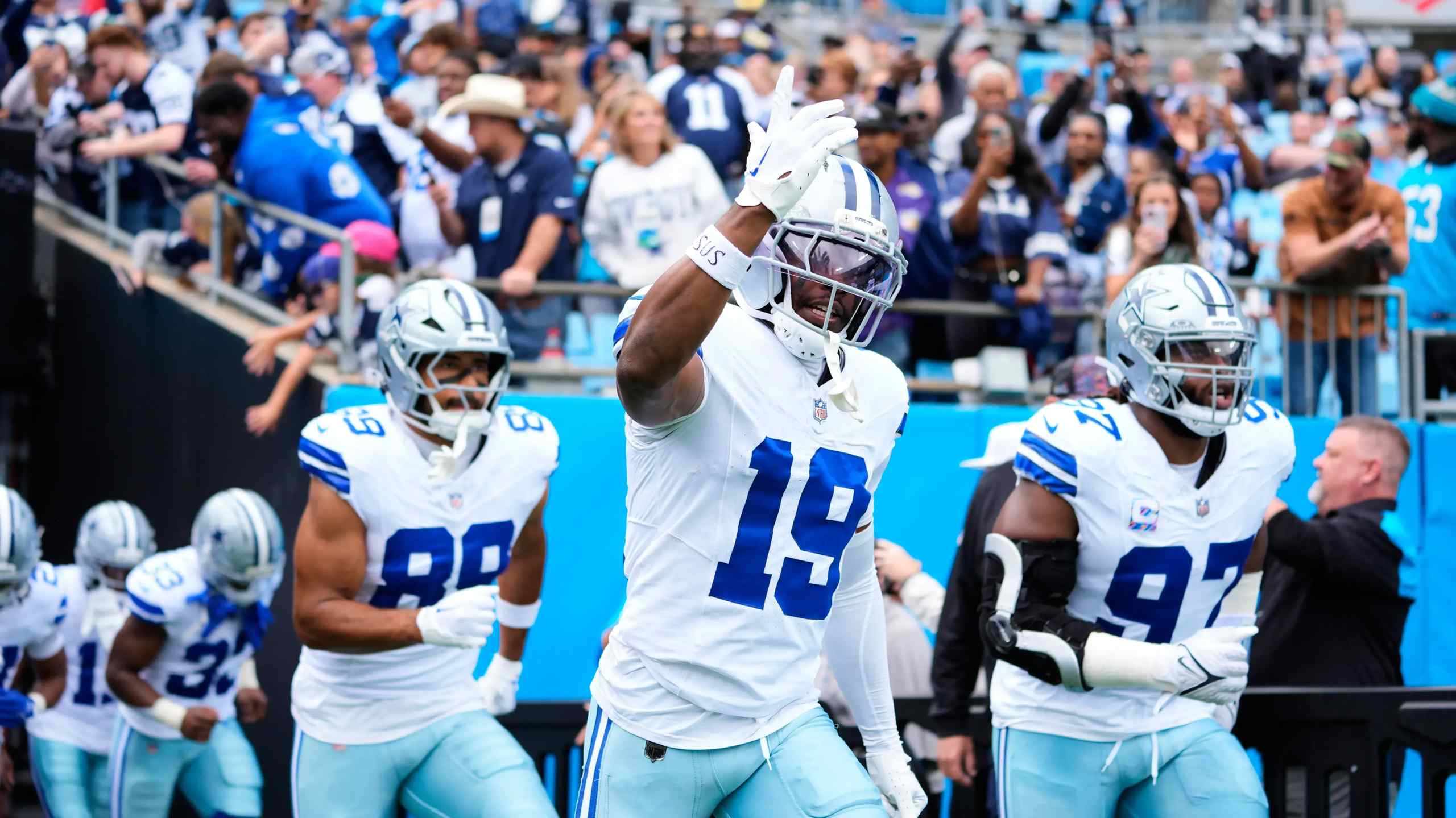
Why Does Everybody Hate Us? 10 Most Hated Sports Teams Ever
Some teams always win; others get caught breaking the rules. Either extreme is a surefire way to become universally hated, as these 10 sports teams can attest to.
By Stuart Hughes
5 Outrageous Sports Rules That Need to Die
From a missed signature disqualification to a two-minute penalty for a tucked-in jersey, find out about the top five dumbest rules in sport that leave common sense in the locker room.

By Stuart Hughes
The 10 Most Unforgettable Quotes in Sports History
From Jordan's hard truths to Healy's cheeseburger dig, these legendary greats uttered 10 iconic quotes that turned out to be as memorable as their sporting achievements.

By Stuart Hughes
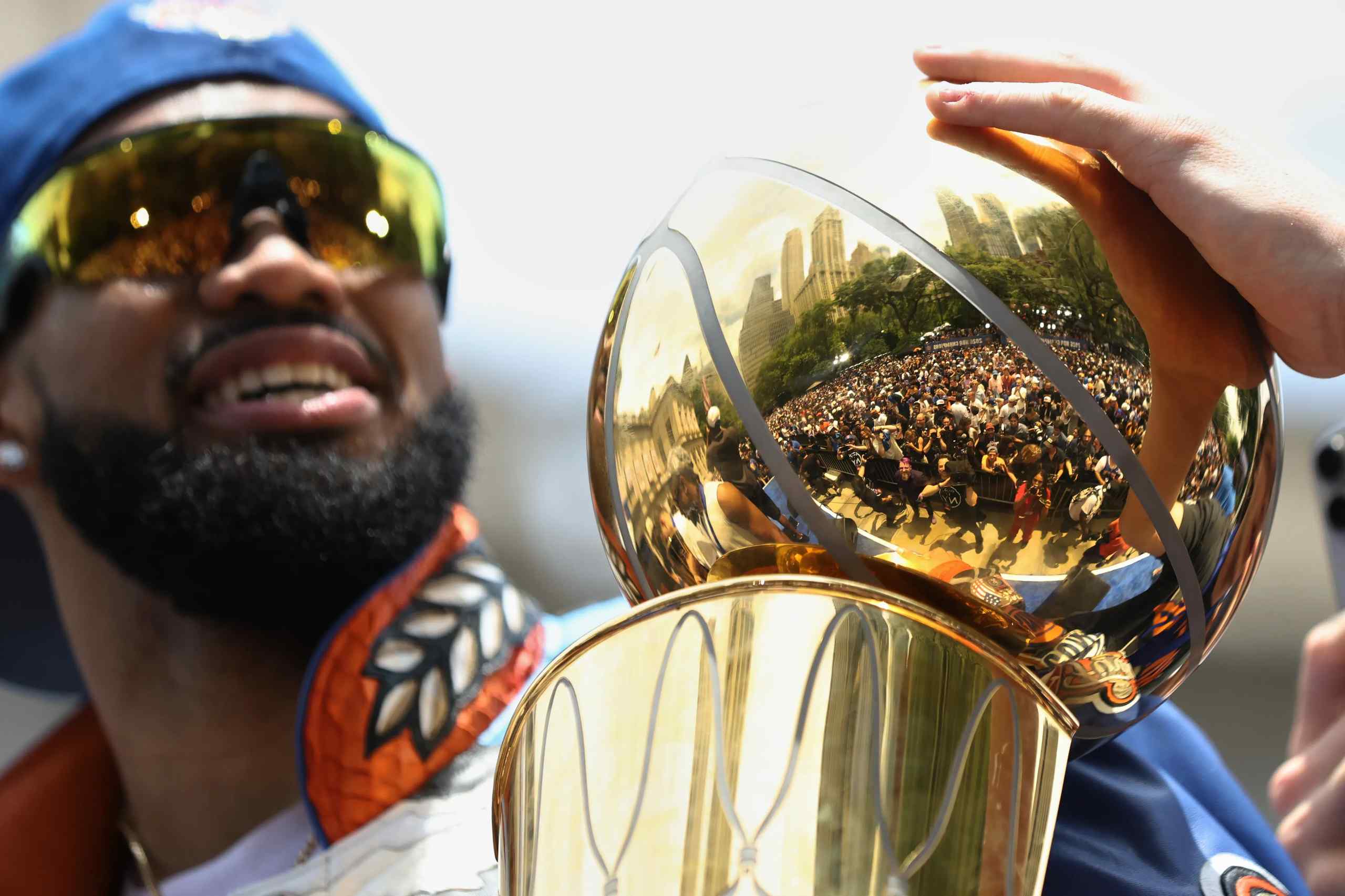
Eight Years, Eight NBA Champions. Is Parity Here to Stay?
Eight different teams have won the NBA championship in eight years, the longest such streak in league history. Can the Knicks finally break the cycle, or will another contender claim the crown?
By Bill Gelman
Is This the Biggest Acquisition Era in Sports Betting History?
Sportsbooks, prediction markets, and sweepstakes apps are fighting for the same customers. We compared 11 welcome offers to see who's offering the biggest incentives.

By Cole Rush
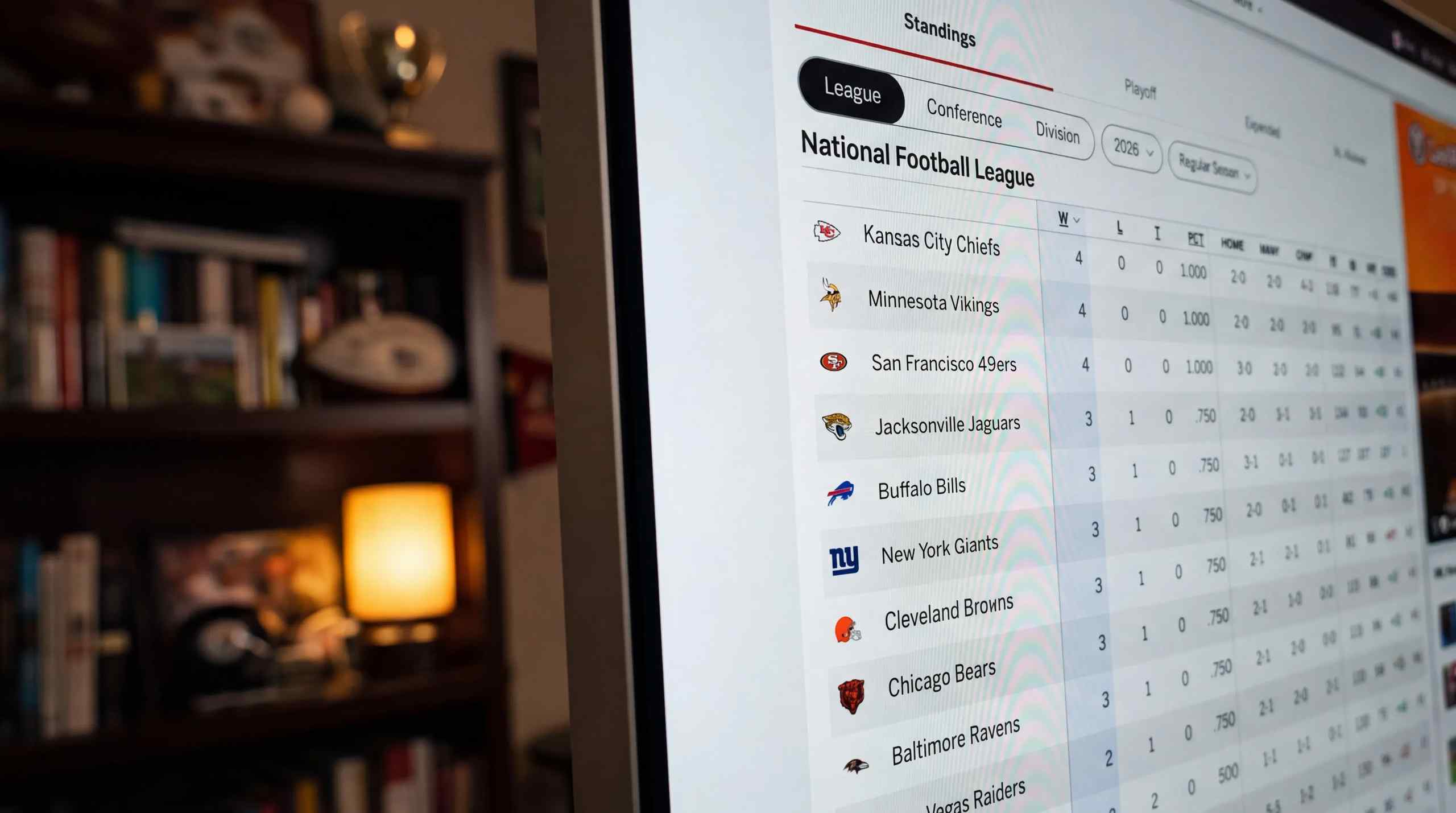
Does a 4-0 NFL Start Mean You're Playoff Bound?
A 4-0 start can put your team on the fast track to the playoffs, but history shows that even Super Bowl champions don't always start strong.
By Marcus Mosher