
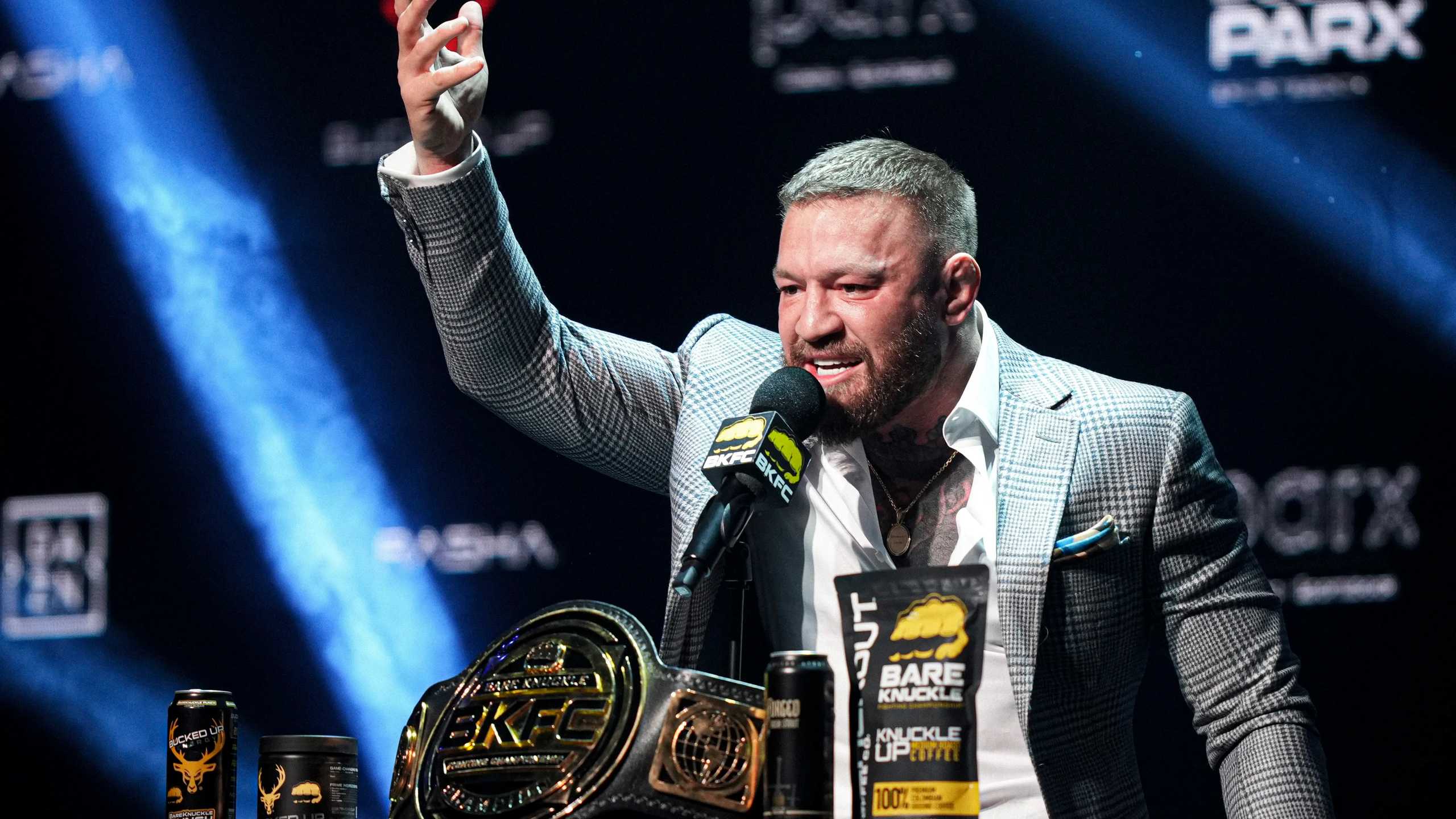
Is Conor McGregor Still Legit? A Timeline of the Troubled Fighter
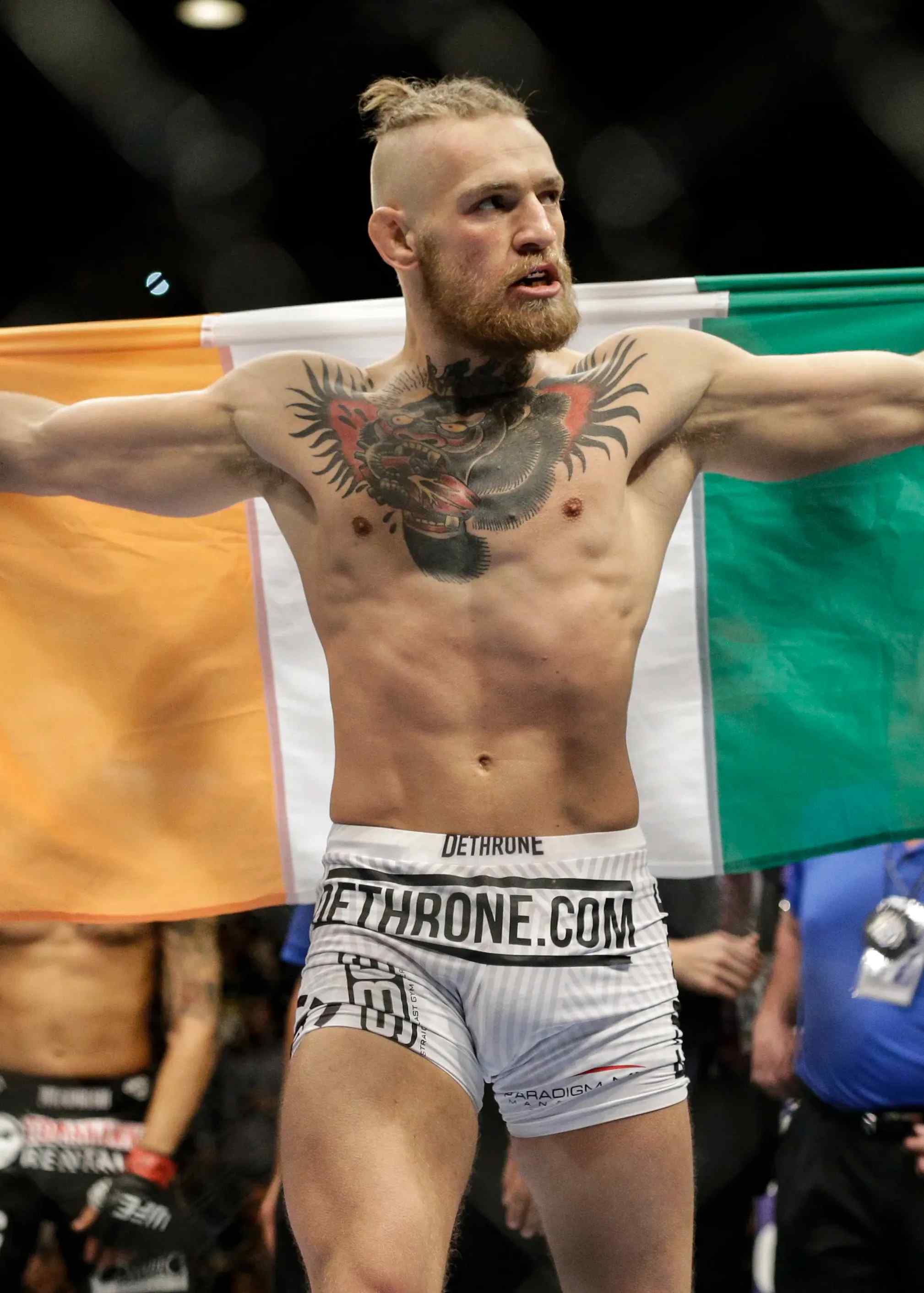
Once, Conor McGregor dominated the world of combat sports. From knocking out José Aldo in 13 seconds to being the first two-division champion in UFC. Is Conor McGregor still really a fighter or a celebrity who used to be one?
.webp)
Look, I'll be straight with you. Ten years ago, McGregor was untouchable.
Fastest knockout of a title fight ever, became the first double champion, made $100 million from boxing Floyd Mayweather. That was all before. Now McGregor is 38 years old, has not won since 2020, his leg has been rebuilt, there are ongoing legal challenges that continue to add pressure to him, and he's getting ready for the fight with Max Holloway.
So the question is, does he have any gas left in the tank?
The rise (2013–2016)
An athlete's raw ability to perform does not typically give them immediate success. However, Conor McGregor was able to achieve exactly this.
He has quickly become one of the best-known professional fighters by rising through the ranks of the UFC faster than anyone ever has before. After making his first official appearance in the UFC in 2013, he has constantly proved himself capable of meeting every expectation he placed on himself and has lived up to those expectations every time.
McGregor's ability to use his verbal skills to earn attention from fans, both before and during his fights, is not a skill set most aspiring athletes possess.
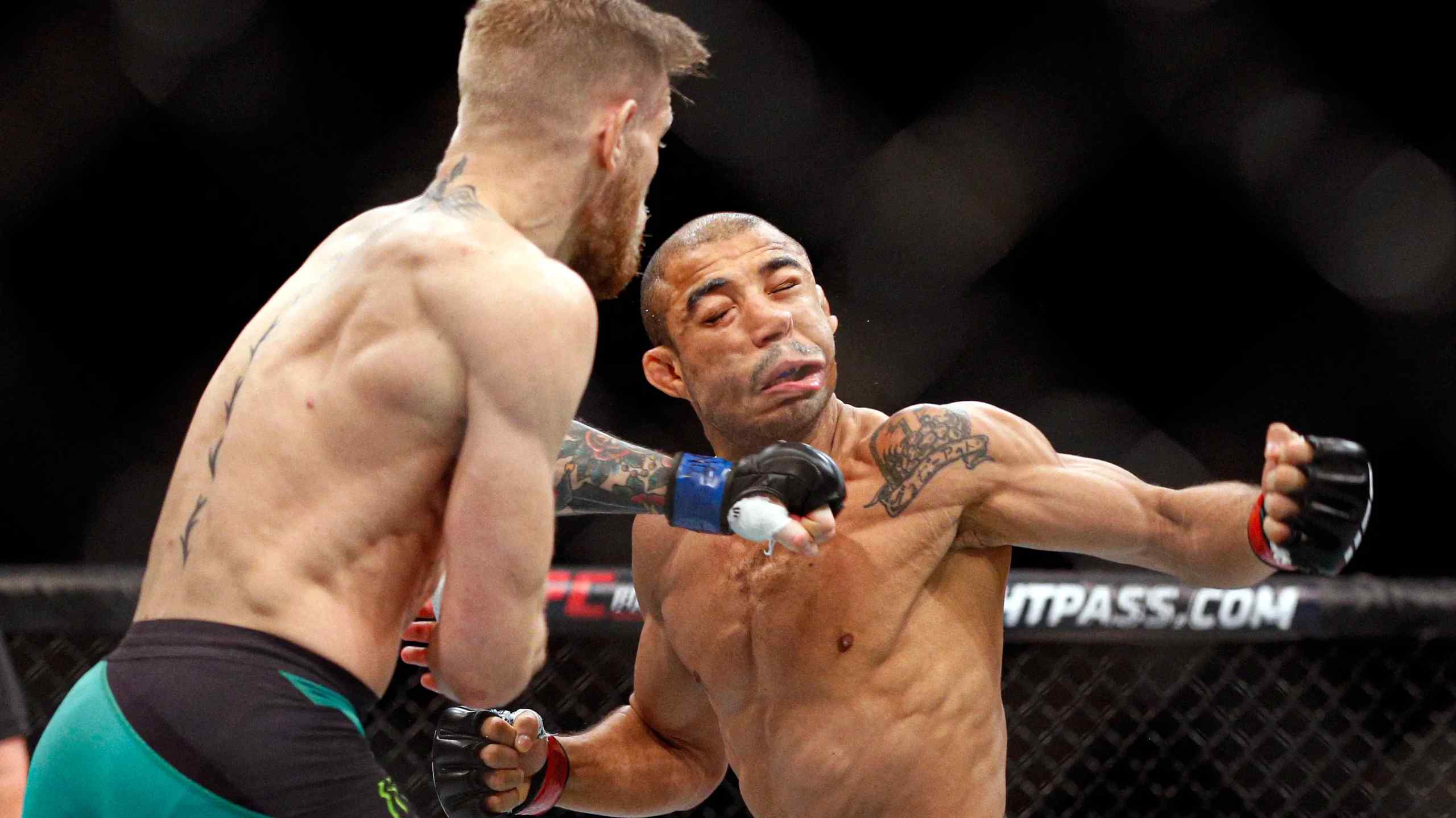
His career hit its highest peak in December of 2015 when he knocked out José Aldo, who had gone more than nine years without losing, with a 13-second knockout at UFC 194, which continues to be the UFC's record for fastest finish in a title bout.
He was the first fighter in UFC history to be a champion in two different weight classes after defeating Eddie Alvarez at UFC 205 in November of 2016.
At that moment, McGregor was no longer just a fighter. He had reached superstar status.
The peak of McGregor mania (2016–2018)
McGregor was considered to be at the top of MMA following his match with Floyd Mayweather Jr. in August 2017.
The fight generated over 4.3 million pay-per-view buys and a live gate of $55.5 million, which is the second largest in boxing history. McGregor is reported to have made an excess of $100 million for approximately 30 minutes' work.
After that night ended, no longer was McGregor a fighter who happened to be wealthy; he was now a fighter who happened to be famous. In the words of Dana White, "Money changes everything."
At this time, McGregor had reached a financial level of income where it did not make sense for him to continue getting punched in the face.
The Khabib turning point
On the one hand, the Mayweather fight represented the pinnacle of McGregor's financial accomplishments, and UFC 229 was also the fight that represented a major competitive/narrative turning point in his career.
A few months before UFC 229, McGregor famously entered the loading dock of the Barclays Center and threw a dolly at the bus containing Khabib, the incident being labeled by Dana White as the single most disgusting act to ever occur in the company's history.
But when they finally stood toe-to-toe in October 2018, Khabib dominated, submitting McGregor in the fourth round before leaping out of the octagon to trade blows with his team. A fight that generated a UFC record of 2.4 million PPV buys became perhaps the ugliest of them all, and cemented a new, non-invincible image for McGregor.
The long list of controversies
Over time, these controversies were no longer isolated or one-off events. McGregor had faced arrest while in Miami, was charged with assault in Dublin, was sued by Michael Chiesa, and had multiple allegations made against him involving sexual assault since 2018.
A civil jury in Ireland decided that McGregor was liable for sexual assault in November 2024 and ordered him to pay €248,000 in damages. The appeal he filed was denied in July 2025.
He missed three drug tests in 2024 and was suspended from the UFC's anti-doping program for 18 months. For every potential fight, there were two headlines regarding incidents outside the Octagon.
The injury, inactivity, and aging question
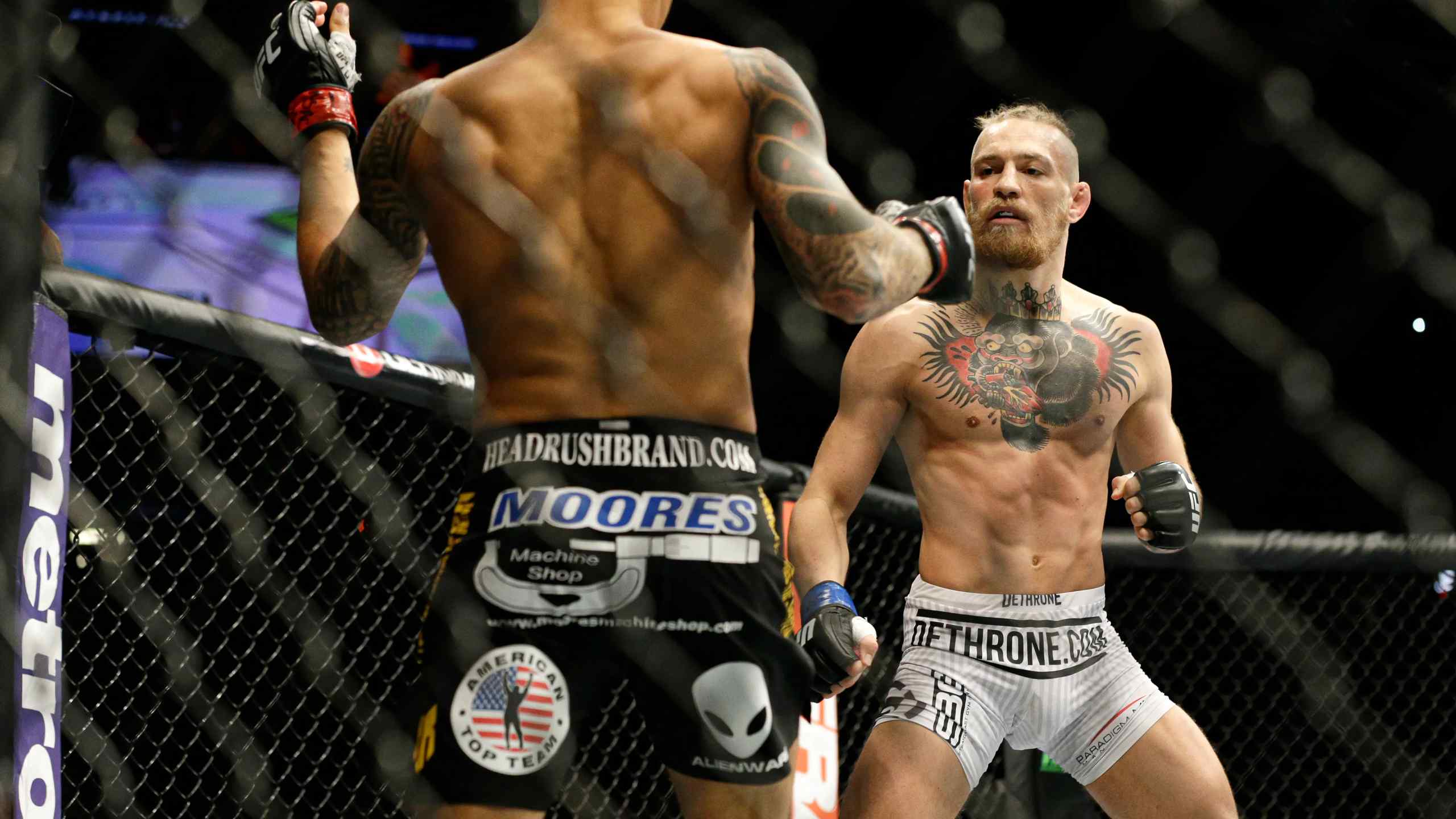
The leg fracture during the bout with Dustin Poirier at UFC 264 in July 2021 was an injury that would typically end careers. McGregor's tibia broke under his own body weight while taking a step back.
McGregor has had multiple delays in returning to competition, with his original return being delayed due to the severity of his injury, then being pushed back because of a broken toe (his bout with Michael Chandler was scheduled for June 2024), and finally being delayed until March 2026 due to an anti-doping violation.
There are very few cases in the history of sport where an athlete has returned to peak performance after suffering a major leg injury, combined with getting older and not being active for long periods of time. Conor McGregor will be 38 years old in July, and he hasn’t won a fight since January 2020.
Is he still legit?
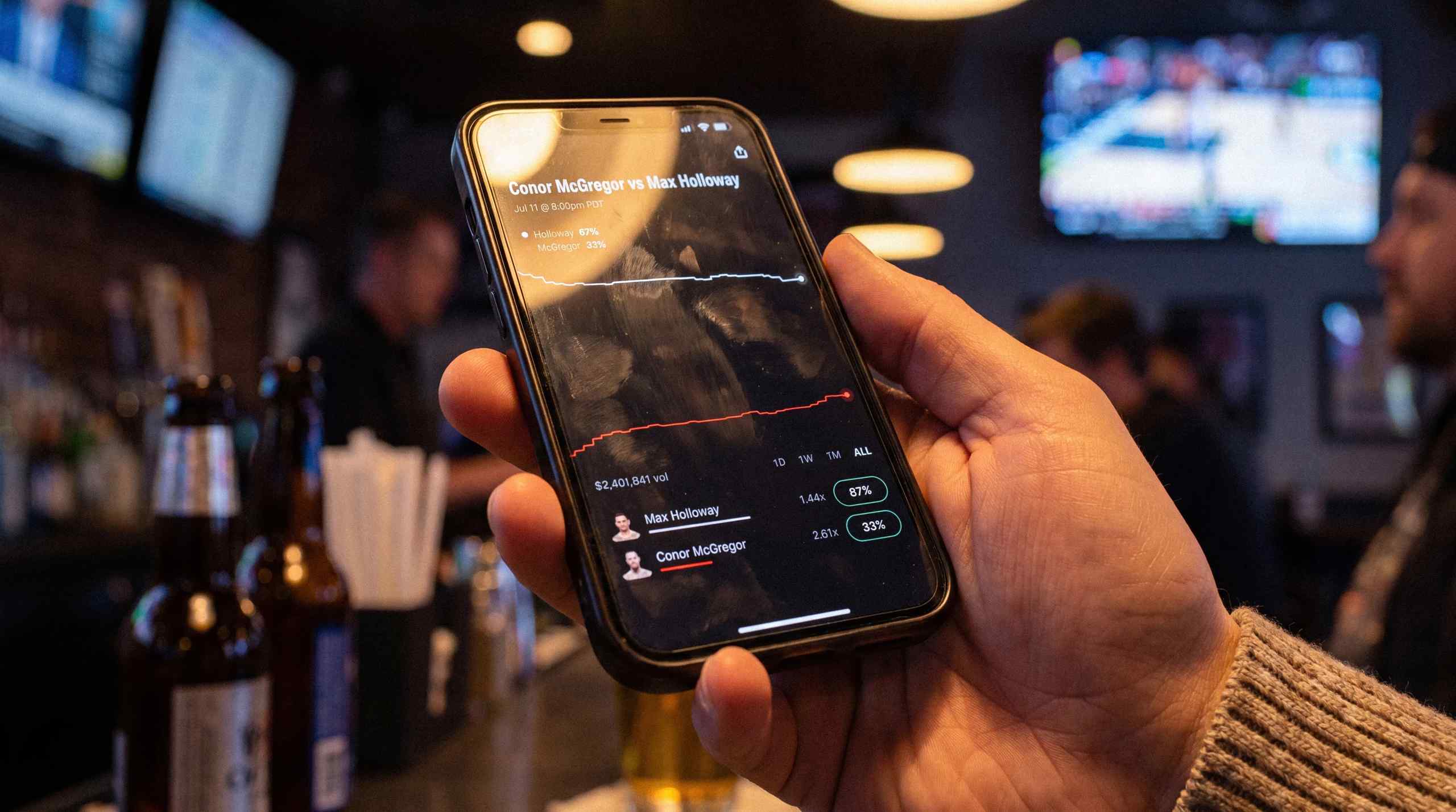
He is still the biggest attraction in MMA. He will headline UFC 329 (Max Holloway) on July 11th, 2026, which will be a sellout event. There is no denying that he can draw crowds.
When it comes to being an elite fighter, however, the odds are not in his favor. Initially opened as an underdog, Holloway opened as a big favorite because of McGregor's advanced age, inactivity from injuries, and the fact that he has fought only once in the last 18 months, while Holloway has fought on numerous occasions against top-tier competition during this period. That gap makes a difference.
Among the current elite at lightweight or welterweight, McGregor is no longer seen as a real contender. Even Makhachev's coach, while acknowledging a bout with Conor would be a career boost, made it conditional on victory - a telltale qualifier that says more about timing and reward than genuine fear or admiration.
The debate over legitimacy lies entirely in what we define as legitimacy. Rankings? Title shots? Drawing power? McGregor may have lost his title as the best fighter in the world, but his influence on combat sports will continue for many years to come.
McGregor's career timeline
| Year | Event | Significance |
|---|---|---|
| 2013 | UFC Debut vs. Marcus Brimage | Announced arrival with a KO |
| 2015 | UFC 194: Featherweight Title vs. José Aldo | KO in 13 seconds was a highlight |
| 2016 | UFC 205: Lightweight Title vs. Eddie Alvarez | The first champion in two divisions at once |
| 2017 | Boxing: Floyd Mayweather Jr. | Mainstream peak - pocketing $100 million |
| 2018 | UFC 229: Khabib Nurmagomedov | First submission loss and chaos after the fight |
| 2020 | UFC 246: Donald Cerrone | Last win was by KO in 40 seconds |
| 2021 | UFC 264: Dustin Poirier III | Leg broken; no fights in 5+ years |
| 2024 | UFC 303: Michael Chandler (canceled) | First time missing a fight due to a broken toe |
| 2024 | Anti-Doping Violation | 18-month suspension for missing tests |
| 2025 | Civil Court Ruling (Appeal Denied) | Found liable by civil court for sexually assault |
| 2026 | UFC 329: Max Holloway II | Scheduled to return after almost 5 years off the fight scene |
The Anatomy of a Comeback
It is difficult to find a more sobering history of catastrophic leg injury in combat sports than that of Anderson Silva (2013) and Chris Weidman (2021). Silva snapped his leg and has since been 1-4-1 in the UFC; Weidman has yet to win a fight post-injury. Both are not mere anecdotes; rather, they serve as cautionary tales.
Severe Injuries and Career Trajectories
| Athlete | Sport | Injury | Return Outcome |
|---|---|---|---|
| Anderson Silva | MMA | Tibia/Fibula Break (2013) | 1-4-1 after injury |
| Chris Weidman | MMA | Leg Break (2021) | 0-3 since return |
| Paul George | NBA | Compound Leg Fracture (2014) | Returned to All-Star level |
| Alex Smith | NFL | Compound Leg Fracture (2018) | Never returned to Pro Bowl form |
| Conor McGregor | MMA | Tibia Fracture (2021) | TBD - returning July 2026 |
What Will McGregor's Legacy Be?
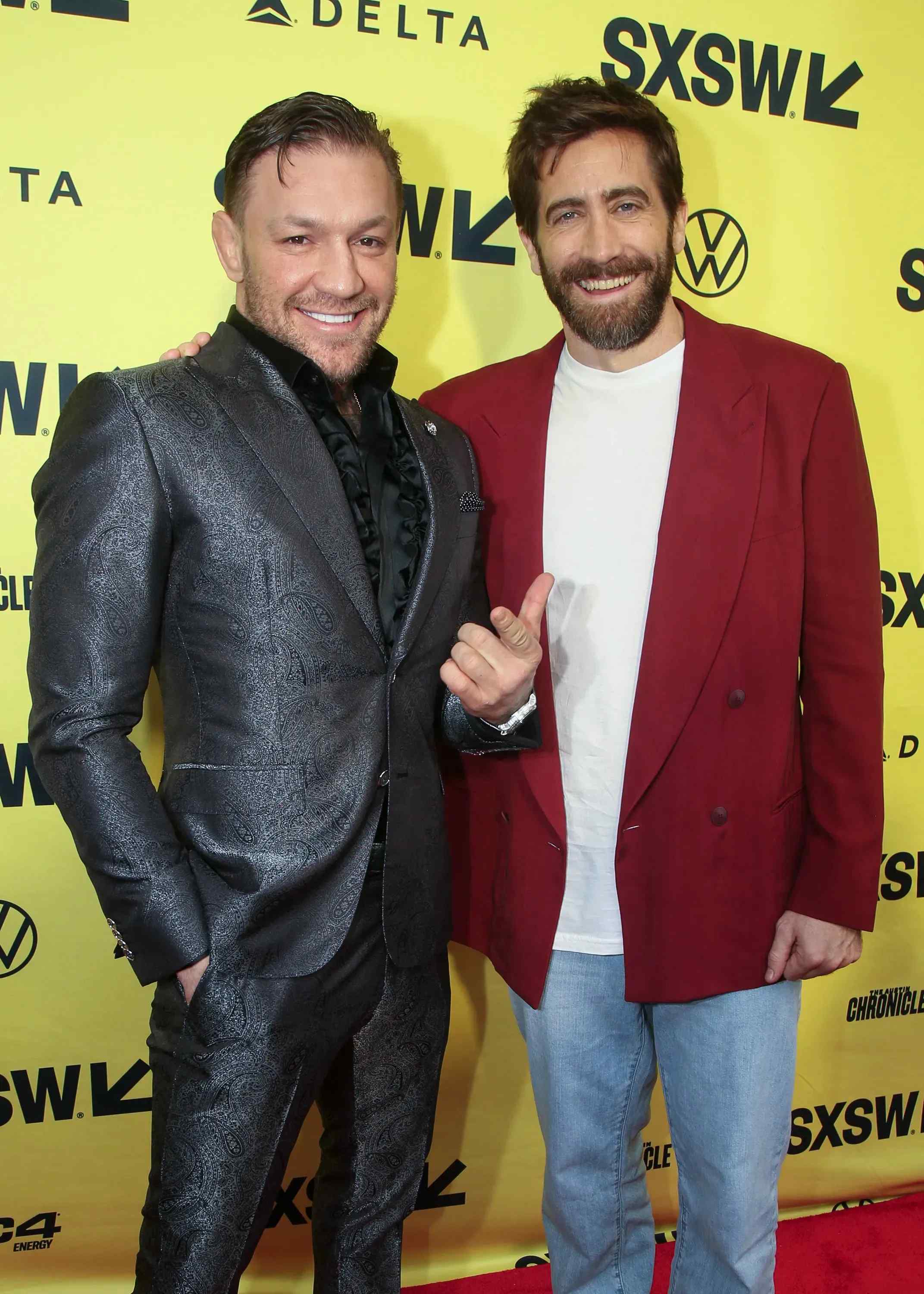
There have been a limited number of fighters who have had such a huge impact on MMA. McGregor changed the way fighters present their brand, how the events are presented to audiences and changed the overall view people who do not follow MMA have about the sport.
He has also headlined the top five highest-grossing pay-per-view events in UFC history, forcing fighters to think differently about the value of their work.
The second portion of McGregor’s life has been marked by turmoil. He has dealt with numerous controversies, lawsuits, injuries, and a lack of activity. This brings into question whether McGregor will be viewed by his achievements or what followed them.

The Final Verdict
Despite still being a significant force within MMA, there has been a notable change in how we define legitimacy since 2009. What defines legitimacy for Conor McGregor was once primarily based on drawing power and cultural influence - now it also factors into his ability to compete at an elite or championship level.
The fight on July 11 between Holloway and McGregor will be an indication of McGregor’s future. If McGregor wins this fight, it may be the beginning of his comeback to the top of MMA. If he loses, it could be a sign that he is no longer capable of competing at a high level.
Either way, the sport will be watching - because even in decline, Conor McGregor remains impossible to ignore.
Lucie brings almost 20 years of iGaming experience, combining sports writing expertise with deep casino knowledge. Her work spans live sports coverage, slot mechanics, player-focused reviews, and strategic casino content. Known for her no-nonsense, first-hand approach, Lucie cuts through jargon to deliver clear, practical insights for both operators and players.
More Articles like this
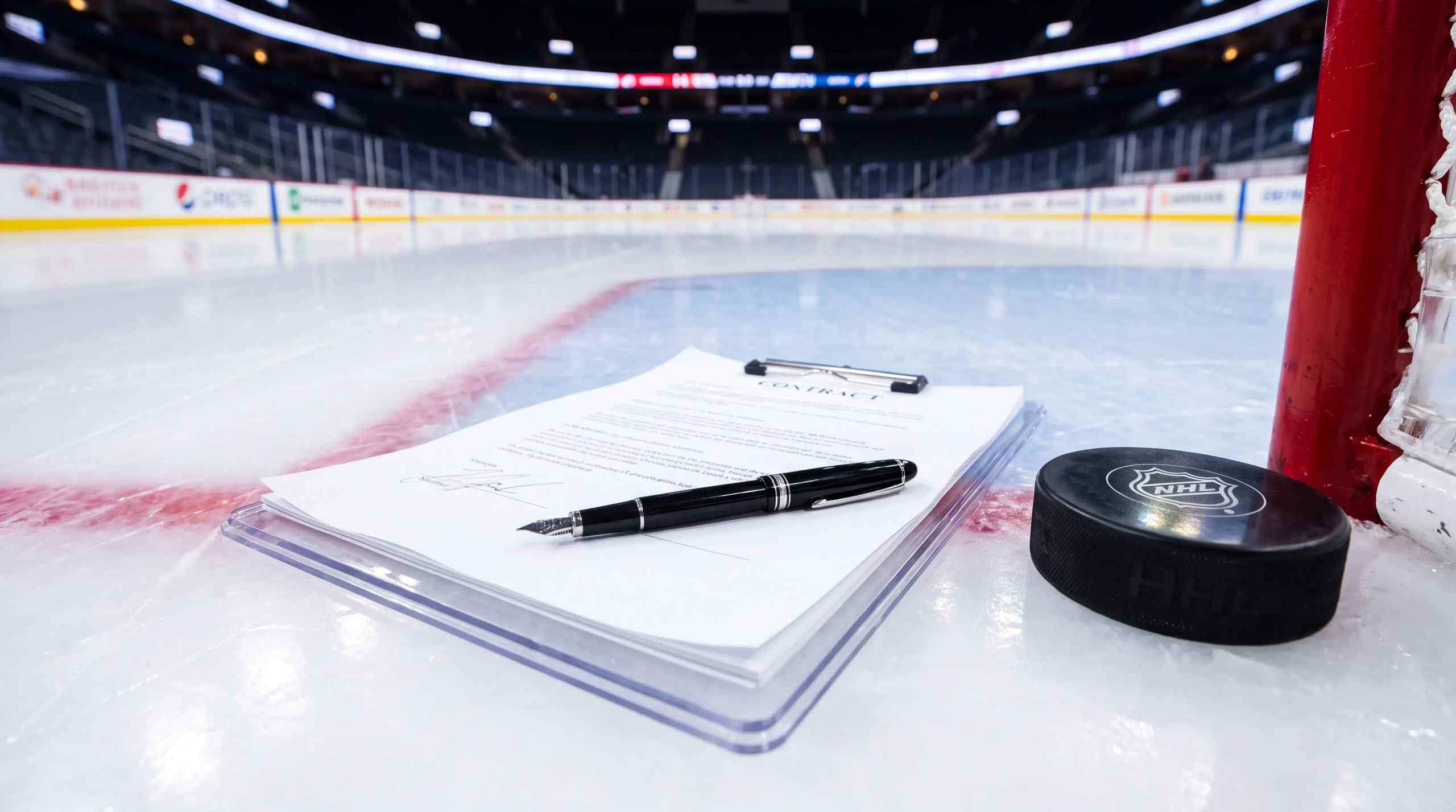
Do NHL Stars Lose Their Edge After Signing Huge Contracts?
Do NHL stars really take their foot off the gas after a big payday? We analyzed 29 major contracts to find out.
By Charlon Muscat
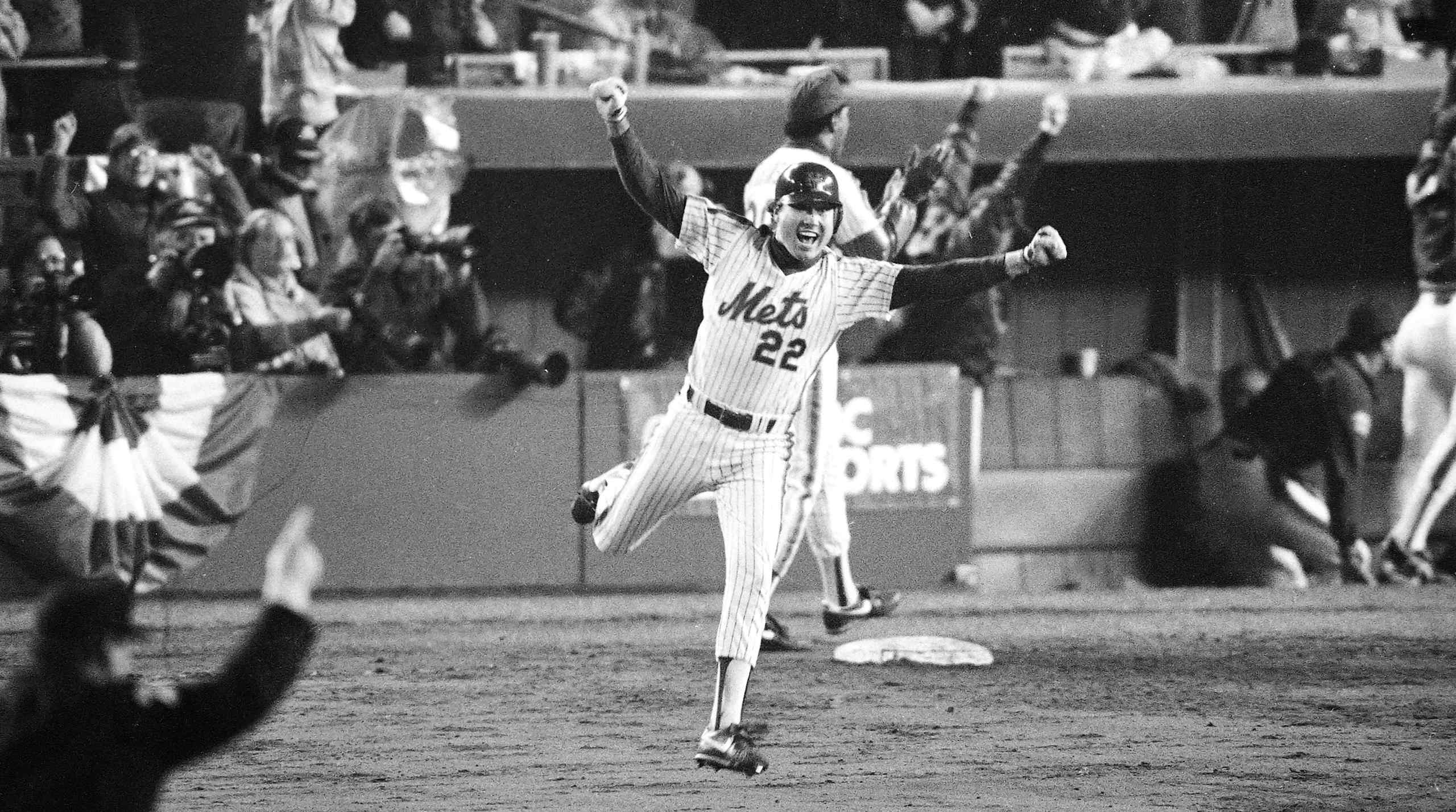
Five Iconic World Series Moments Since the Brewers' Appearance
The Brewers are back in the World Series after 44 years. From Bill Buckner's error to the Cubs ending their curse, plenty has happened since 1982.
By Bill Gelman
LeBron to Giannis: Ranking 5 NBA Offseason Stunners
LeBron to Philly, Giannis to Miami, and Wemby staying put. Which NBA offseason move will pay off the most?
By Bill Gelman
NFL Fans Spend $900 to Watch Games. WWE Fans Pay Even More
Think watching every NFL game is expensive? WWE fans would argue otherwise.
By James Guill
How Bad Is It? Ranking the NHL's Original Six by Fan Misery
Nearly 60 years without a Stanley Cup is just the beginning. We rank the NHL's Original Six teams by how much misery their fans have endured.
By Bill Gelman
Why Does Everybody Hate Us? 10 Most Hated Sports Teams Ever
Some teams always win; others get caught breaking the rules. Either extreme is a surefire way to become universally hated, as these 10 sports teams can attest to.
By Stuart Hughes