
Kane, Yamal or Rodri: Who Will Win the Ballon d’Or?
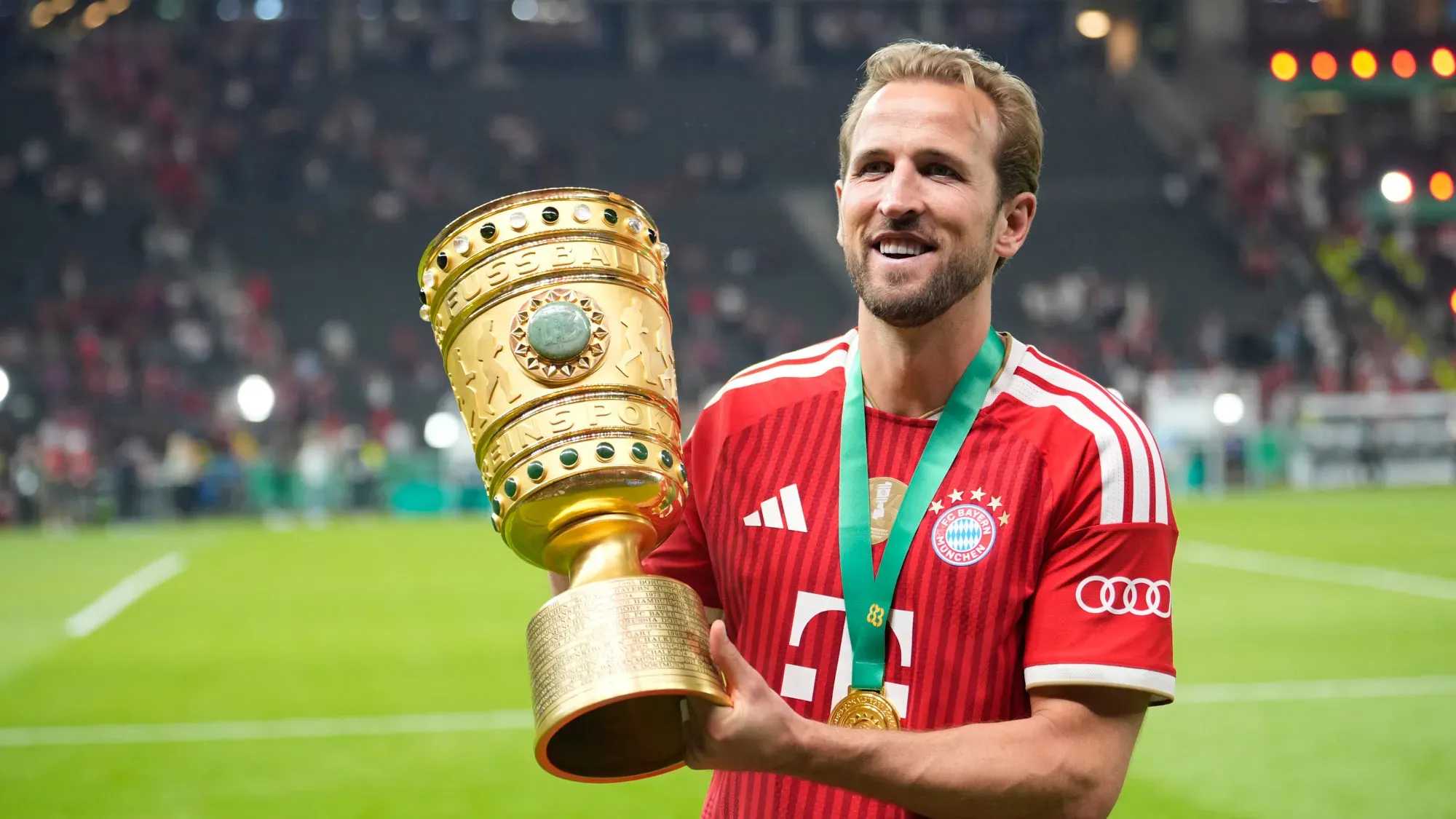
Harry Kane's numbers scream Ballon d'Or: 73 goals in 65 matches, and the bookmakers have him in pole position. Yet plenty of pundits seem convinced he's already out of the running. So I went back and analyzed the last 20 winners. The numbers revealed an overwhelming trend, and it's the one ingredient Kane may not have.

This year, the Ballon d’Or breaks with tradition as its 70th ceremony heads to London, the first staged outside Paris. Although the official 30-man shortlist will not be announced until August, betting markets have already installed Harry Kane as the clear favorite.
Several prominent figures, however, including Gabby Agbonlahor, William Gallas and Emmanuel Petit, have argued that his chances are not as strong as the odds suggest. At one point, even Kane himself appeared to make the same case. For what it’s worth, I reached the same conclusion after analyzing the last 20 Ballon d’Or winners.
What is the Ballon d'Or and how is it won?
The Ballon d'Or is soccer's biggest individual award, created by French publication France Football in 1956. Originally limited to Europeans, eligibility expanded to all players at European clubs in 1995 before becoming fully global 12 years later. Every year, the honor goes to the world's most outstanding male and female performers.
The winner is chosen through a two-step voting process:
- First, France Football and fellow French publication L'Équipe compile a 30-player shortlist based on performances over the previous season, with a small group of former Ballon d'Or winners occasionally contributing to the selection.
- Once the nominees are finalized, one journalist from each of the top 100 nations in the FIFA Men's World Ranking (top 50 for the women) casts a ballot, ranking their top 10 players. Points are awarded on a 15-12-10-8-7-5-4-3-2-1 scale, and the player with the highest total wins the Ballon d'Or.
If two players finish level on points, the tie is broken by first-place votes, then second-place votes, and so on. Voters are instructed to judge players primarily on individual performances and decisive moments, followed by team achievements, and finally class and fair play.
Even though the Ballon d'Or isn't handed out until September or October, the debate lasts all year. At the start of every season, early power rankings begin to pop up, even though they're mostly speculation with so much soccer still left to be played. These and the odds posted by sports betting sites tend to feed off each other, often appearing almost immediately after the previous winner is announced. Then, once the Champions League reaches the quarterfinals and semifinals, and especially if there's a major summer tournament like the World Cup, every standout performance suddenly gets labeled as "Ballon d'Or-worthy."
The last 20 Ballon d'Or winners
I compiled the table below detailing the last 20 Ballon d’Or winners and the major silverware they won at club and international level.
Award | Winner | Relevant-season club | League | Position | Domestic league | Champions League | National Team title |
2025 | Ousmane Dembélé | PSG | Ligue 1 | Attacker | Yes | Yes | No |
2024 | Rodri | Man City | Premier League | Midfielder | Yes | No | Yes — EURO 2024 |
2023 | Lionel Messi | PSG | Ligue 1 | Attacker | Yes | No | Yes — World Cup 2022 |
2022 | Karim Benzema | Real Madrid | La Liga | Attacker | Yes | Yes | Yes — Nations League 2021 |
2021 | Lionel Messi | Barcelona | La Liga | Attacker | No | No | Yes — Copa América 2021 |
2019 | Lionel Messi | Barcelona | La Liga | Attacker | Yes | No | No |
2018 | Luka Modrić | Real Madrid | La Liga | Midfielder | No | Yes | No |
2017 | Cristiano Ronaldo | Real Madrid | La Liga | Attacker | Yes | Yes | No |
2016 | Cristiano Ronaldo | Real Madrid | La Liga | Attacker | No | Yes | Yes — EURO 2016 |
2015 | Lionel Messi | Barcelona | La Liga | Attacker | Yes | Yes | No |
2014 | Cristiano Ronaldo | Real Madrid | La Liga | Attacker | No | Yes | No |
2013 | Cristiano Ronaldo | Real Madrid | La Liga | Attacker | No | No | No |
2012 | Lionel Messi | Barcelona | La Liga | Attacker | No | No | No |
2011 | Lionel Messi | Barcelona | La Liga | Attacker | Yes | Yes | No |
2010 | Lionel Messi | Barcelona | La Liga | Attacker | Yes | No | No |
2009 | Lionel Messi | Barcelona | La Liga | Attacker | Yes | Yes | No |
2008 | Cristiano Ronaldo | Man United | Premier League | Attacker | Yes | Yes | No |
2007 | Kaká | AC Milan | Serie A | Midfielder | No | Yes | No* |
2006 | Fabio Cannavaro | Juventus | Serie A | Defender | Yes** | No | Yes — World Cup 2006 |
2005 | Ronaldinho | Barcelona | La Liga | Attacker | Yes | No | Yes — Confederations Cup 2005 |
* Brazil won the 2007 Copa América, but Kaká requested not to participate, so it is not counted as a title won by the player.
** Juventus originally finished first in 2005/06. However, the title was stripped following Calciopoli and officially assigned to Inter.
It all starts with silverware
There’s definitely no arguing that the main route to the Ballon d’Or is through trophies. 18 of the last 20 winners won at least one of the following:
- Domestic league
- Champions League
- Major senior international tournament
The only exceptions came back-to-back: Lionel Messi in 2012, then Cristiano Ronaldo one year later. Messi smashed Gerd Müller’s calendar-year record of 85 goals scored after netting 91 times in 69 matches. Ronaldo followed with 69 in 59, six hat tricks for Madrid and a ruthless playoff treble against Sweden that carried Portugal to the World Cup.
The attackers' advantage
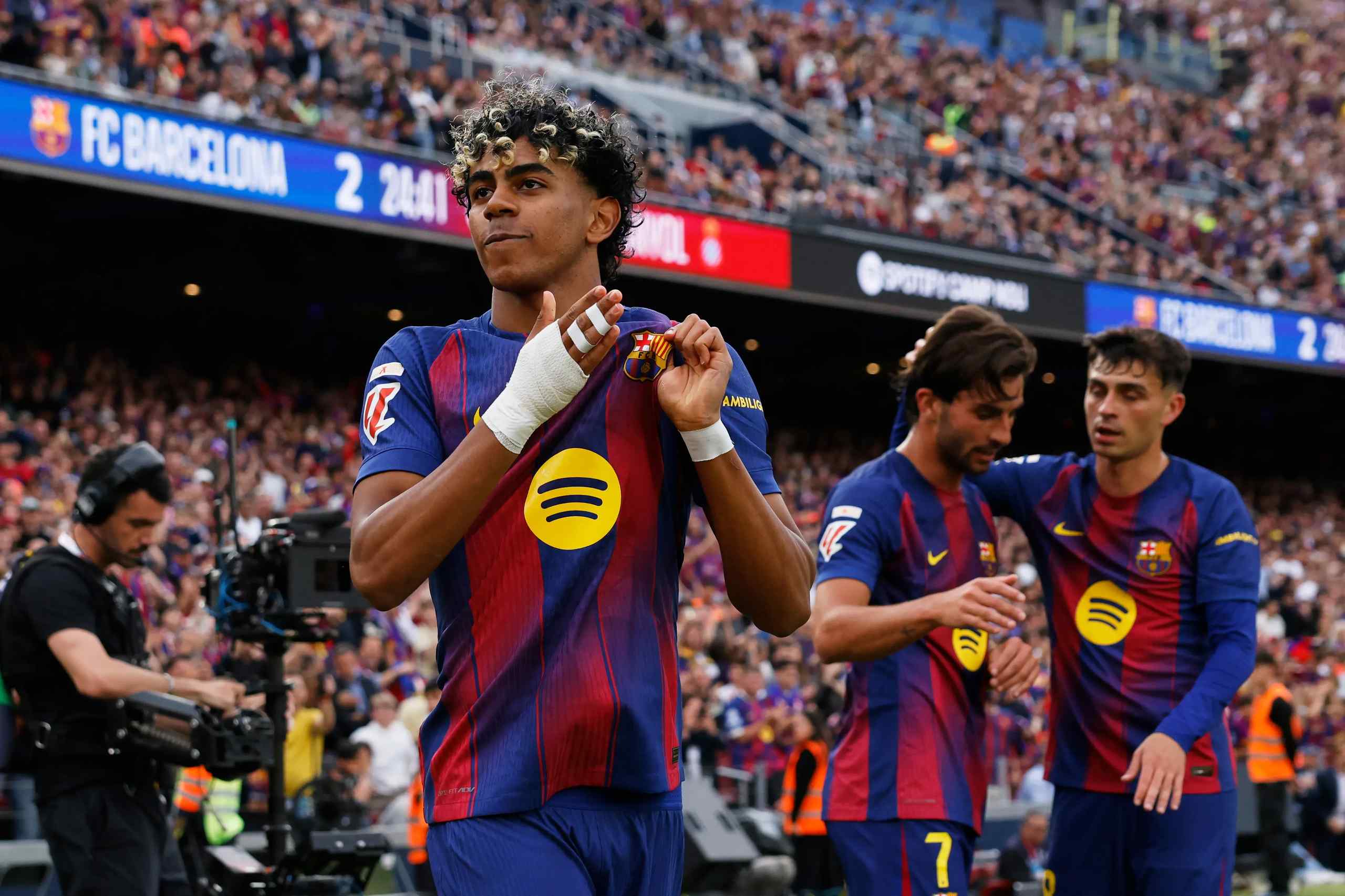
Beyond the Messi-Ronaldo dominance, there's another trend among the last 20 winners. 16 were primarily forwards or wingers. If you count Kaká as an attack-minded midfielder, that's 17 offensive players. Looking at every Ballon d'Or since 1956, French publication Le Monde put the figure at 63%. Which, honestly, I understand. The emphasis on individual excellence naturally rewards the players who produce the game's most visible moments, goals, assists and match-winning performances.
The Champions League factor
Champions League might be the biggest trophy in club soccer, but on its own it has only been enough 55% of the time. Winning the double, though, goes a long way toward putting a player at the front of the Ballon d'Or race. Seven players did exactly that, including Ousmane Dembélé and Karim Benzema.
An even bigger game changer is the World Cup
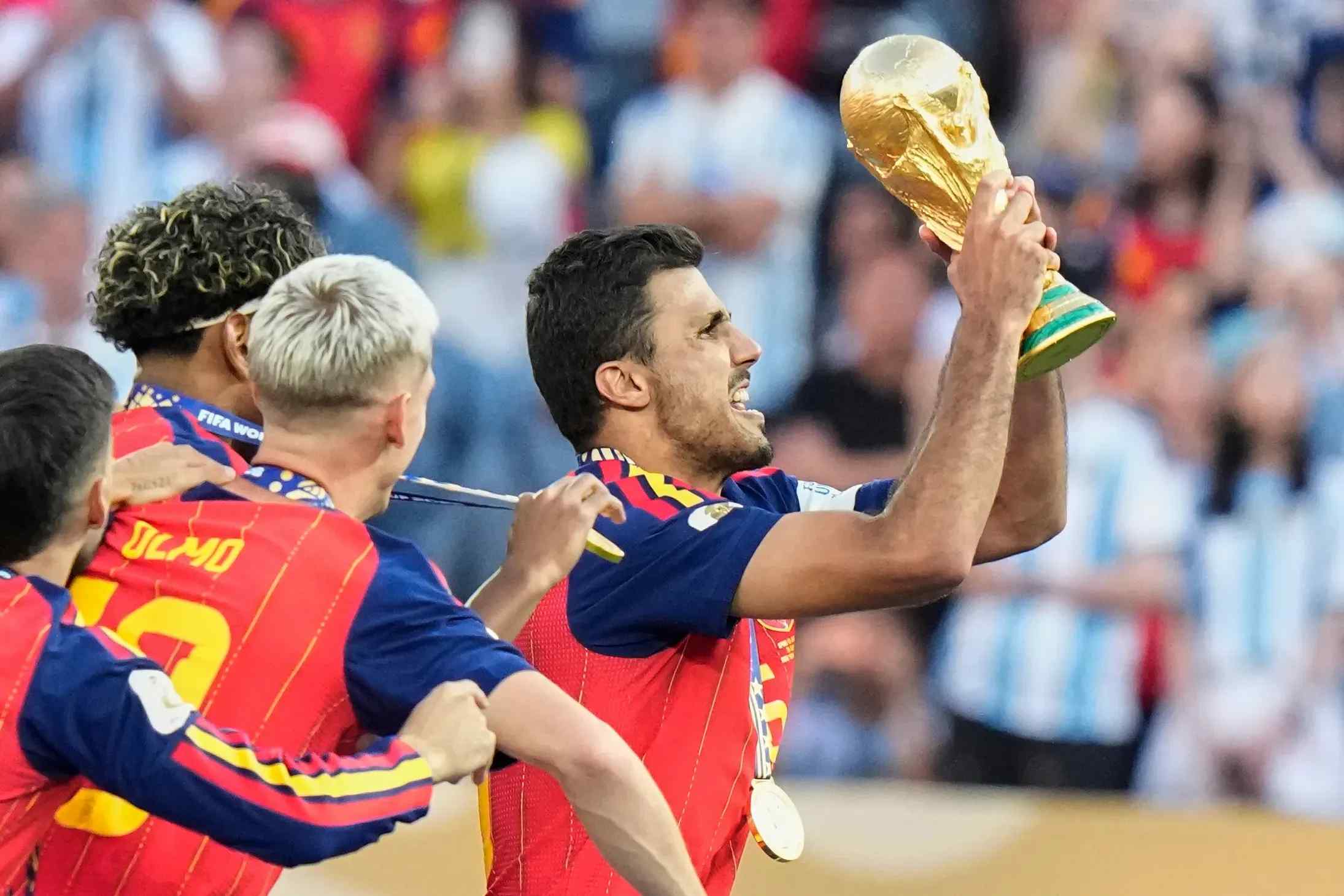
Every one of the five editions I looked at left its fingerprints all over the Ballon d'Or, and 2006 might be the clearest example. Fabio Cannavaro became just the third defender ever to win the award after captaining Italy to the title in Germany. He anchored a back line that posted five clean sheets in seven games and went the entire tournament without picking up a single card.
The two editions that followed both had a huge say, even if neither one ultimately decided the winner. 2010 champions Andrés Iniesta and Xavi finished second and third, while Wesley Sneijder (who played in the final) came fourth, but Messi’s ridiculous return of 60 goals in 64 games was enough to get him over the line. In 2014, Manuel Neuer finished third, riding the momentum of Germany's World Cup triumph and his Golden Glove-winning tournament. Messi, fresh off claiming the Golden Ball, came in second, just behind another vintage Ronaldo season with 62 goals and a record 17-goal Champions League campaign.
Then came Luka Modrić, who inspired Croatia's fairytale run to the 2018 World Cup final while taking home the Golden Ball, before Messi's seven goals, three assists and Golden Ball-winning display in Qatar all but sealed the 2023 Ballon d'Or.
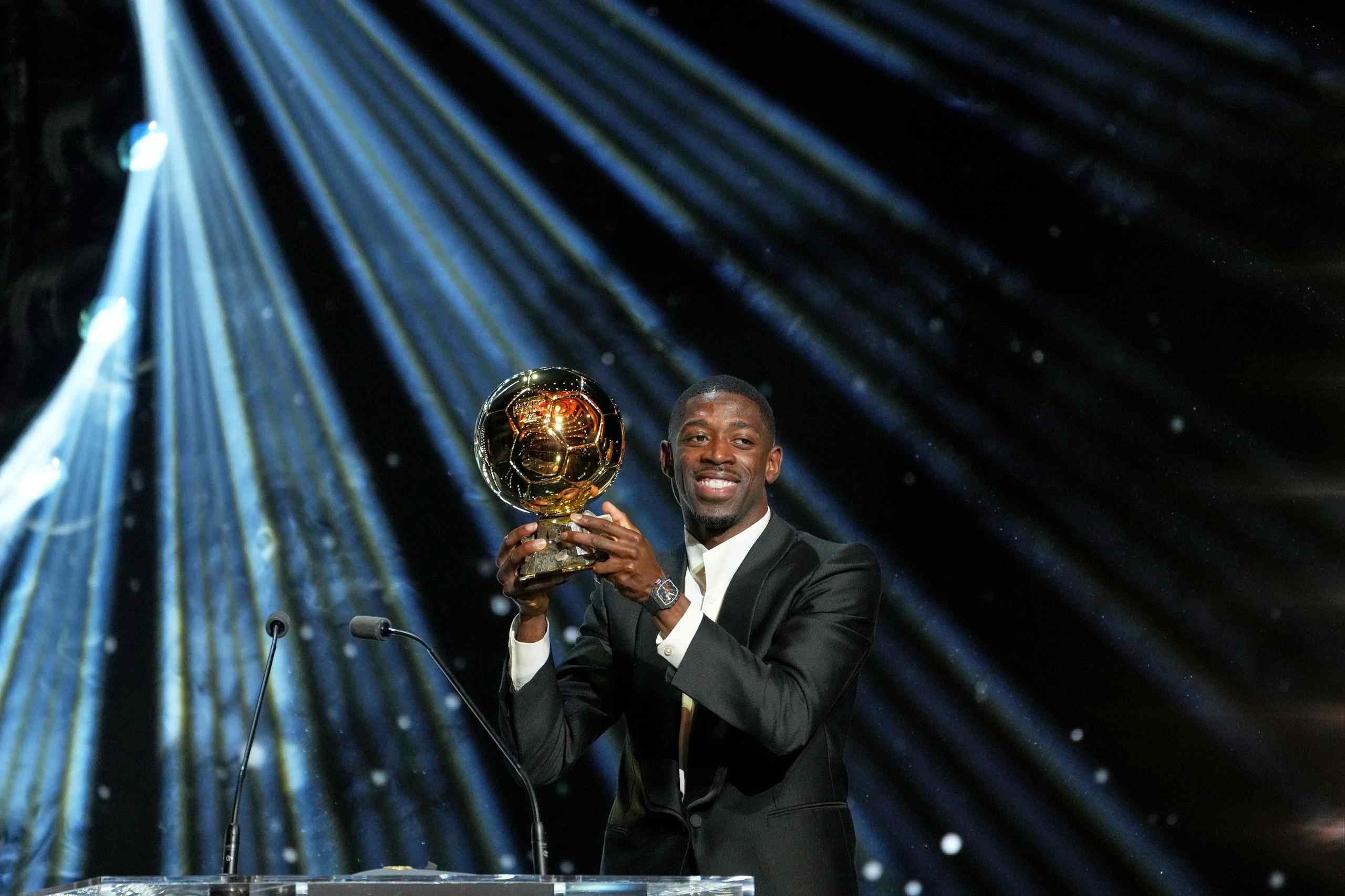
2026 Ballon d'Or favourites
I've been tracking Ballon d'Or odds across multiple soccer betting sites, and there's no question the market tightened after the World Cup.
Harry Kane currently tops the board at even money (+100), fueled by a staggering 73 goals in 65 appearances and a domestic double with Bayern Munich. Lamine Yamal is the second choice at +225. He became the first player to win both a European Championship and a World Cup before turning 20 while adding another La Liga title with Barcelona. His fellow La Roja teammate, Rodri, made the biggest climb on the odds board (from +14000 to +350) following Spain's 2-0 semifinal win over France.
Here are the latest Ballon d'Or odds, courtesy of DraftKings:
Top 10 2026 Ballon d'Or Favourites
| Player | DraftKings Odds |
|---|---|
| Harry Kane | +100 |
| Lamine Yamal | +225 |
| Rodri | +350 |
| Kylian Mbappe | +400 |
| Lionel Messi | +1100 |
| Ousmane Dembele | +2000 |
| Pau Cubarsi | +2500 |
| Fabian Ruiz | +2500 |
| Khvicha Kvaratskhelia | +3500 |
| Erling Braut Haaland | +3500 |
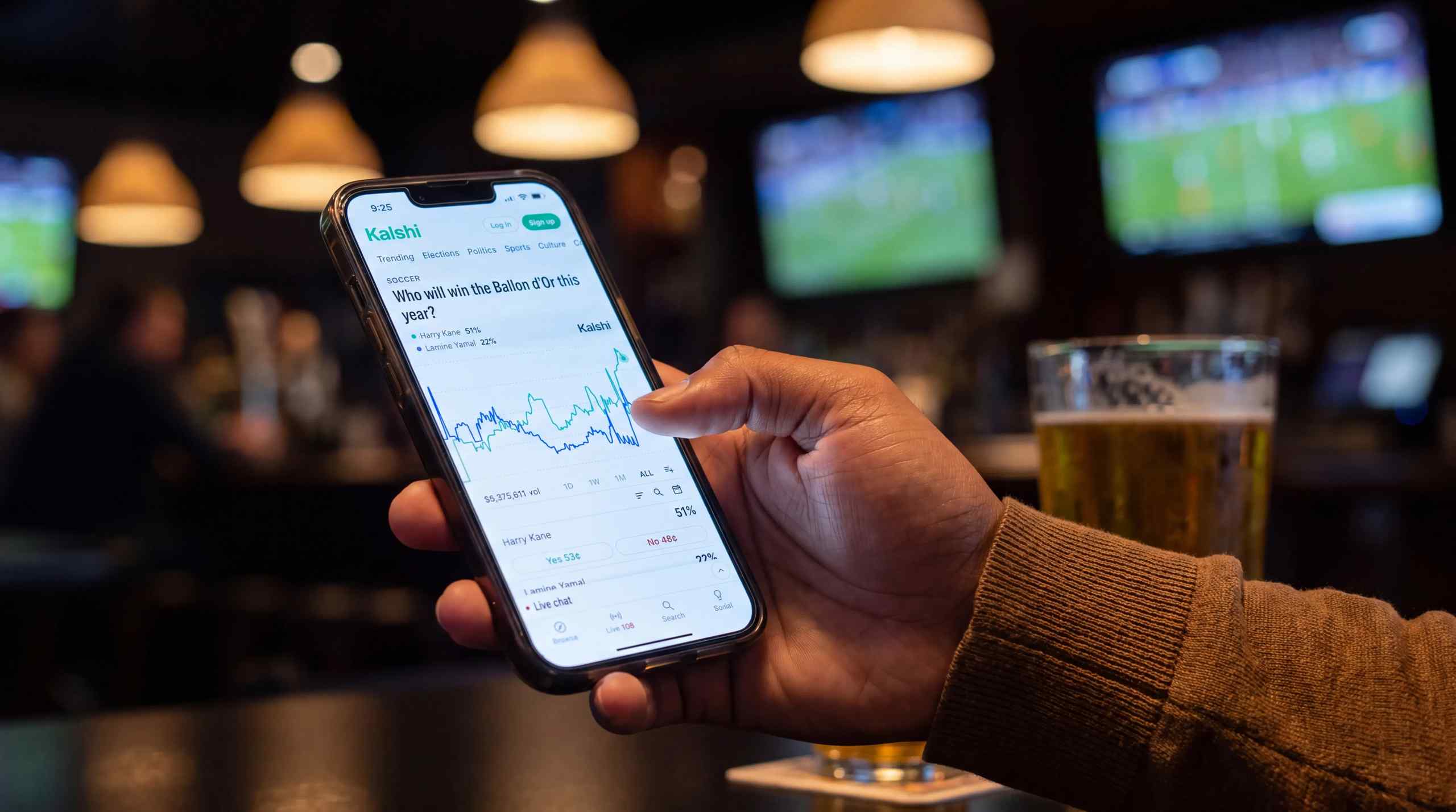
➡️ Is Ballon d’Or betting unavailable in your state? Look to prediction markets as an alternative. Unlike traditional gambling, you trade Yes/No contracts tied to each player’s chances of winning. Prices rise and fall with the market-implied probability of each outcome.
My 2026 Ballon d'Or prediction
My top Ballon d’Or pick is Lamine Yamal. He won both La Liga and the World Cup—the silverware combination closest to Messi’s 2023 profile—produced 16 goals and 11 assists in the league, and won La Liga Player of the Season. I also thought the winger was Spain’s spark this Summer, despite scoring only once. Kane’s 73 goals in 65 matches and Bayern’s domestic double give him the strongest statistical case. England finishing third, however, removes the defining international triumph.
Another player who fits the above analysis really well is Mbappé: 58 goals, 14 assists and a 10-goal World Cup Golden Boot. Him claiming the award would resemble Ronaldo 2013, given that Real Madrid won no major trophy and France finished fourth. Fellow national team winger Ousmane Dembele got a Champions League–Ligue 1 double, 26 goals, 14 assists, and six World Cup goals, though many would argue that several PSG teammates, including Kvaratskhelia and Vitinha, were more influential across portions of the campaign.
Charlon Muscat is an established iGaming expert who entered the space in 2019 and went on to build a name across both casino and sportsbook content.
More Articles like this
Do NHL Stars Lose Their Edge After Signing Huge Contracts?
Do NHL stars really take their foot off the gas after a big payday? We analyzed 29 major contracts to find out.
By Charlon Muscat
Five Iconic World Series Moments Since the Brewers' Appearance
The Brewers are back in the World Series after 44 years. From Bill Buckner's error to the Cubs ending their curse, plenty has happened since 1982.
By Bill Gelman
LeBron to Giannis: Ranking 5 NBA Offseason Stunners
LeBron to Philly, Giannis to Miami, and Wemby staying put. Which NBA offseason move will pay off the most?
By Bill Gelman
NFL Fans Spend $900 to Watch Games. WWE Fans Pay Even More
Think watching every NFL game is expensive? WWE fans would argue otherwise.
By James Guill
How Bad Is It? Ranking the NHL's Original Six by Fan Misery
Nearly 60 years without a Stanley Cup is just the beginning. We rank the NHL's Original Six teams by how much misery their fans have endured.
By Bill Gelman
Why Does Everybody Hate Us? 10 Most Hated Sports Teams Ever
Some teams always win; others get caught breaking the rules. Either extreme is a surefire way to become universally hated, as these 10 sports teams can attest to.
By Stuart Hughes