

The Top 5 Most Dominant Athletes Ever. Who Makes the Cut?
From Don Bradman’s untouchable cricket average to Tiger Woods’s terrifying peak, these five athletes created a gap between themselves and the competition that still defies comparison.

Greatness and dominance in sports are related, but they are not the same thing.
Greatness can be built over decades by piling up titles, milestones and longevity records until the résumé becomes impossible to dispute. Dominance is sharper. It is the stretch when an athlete is so far ahead of elite competition that the result starts to feel predetermined.
That is the question here: Who made world-class opposition look ordinary?
How to measure dominance
There is no cross-sport formula that perfectly compares a golfer, swimmer, cricketer, tennis player, and hockey player. The useful questions are simpler:
- How often did the athlete win on the biggest stages?
- How long did the peak last?
- How far ahead were they of the next-best competitor?
- Did their numbers change what was considered possible in the sport?
- Did they sustain that edge against elite competition?
While titles, win rates, records, and longevity matter, the competition gap is the most important factor.
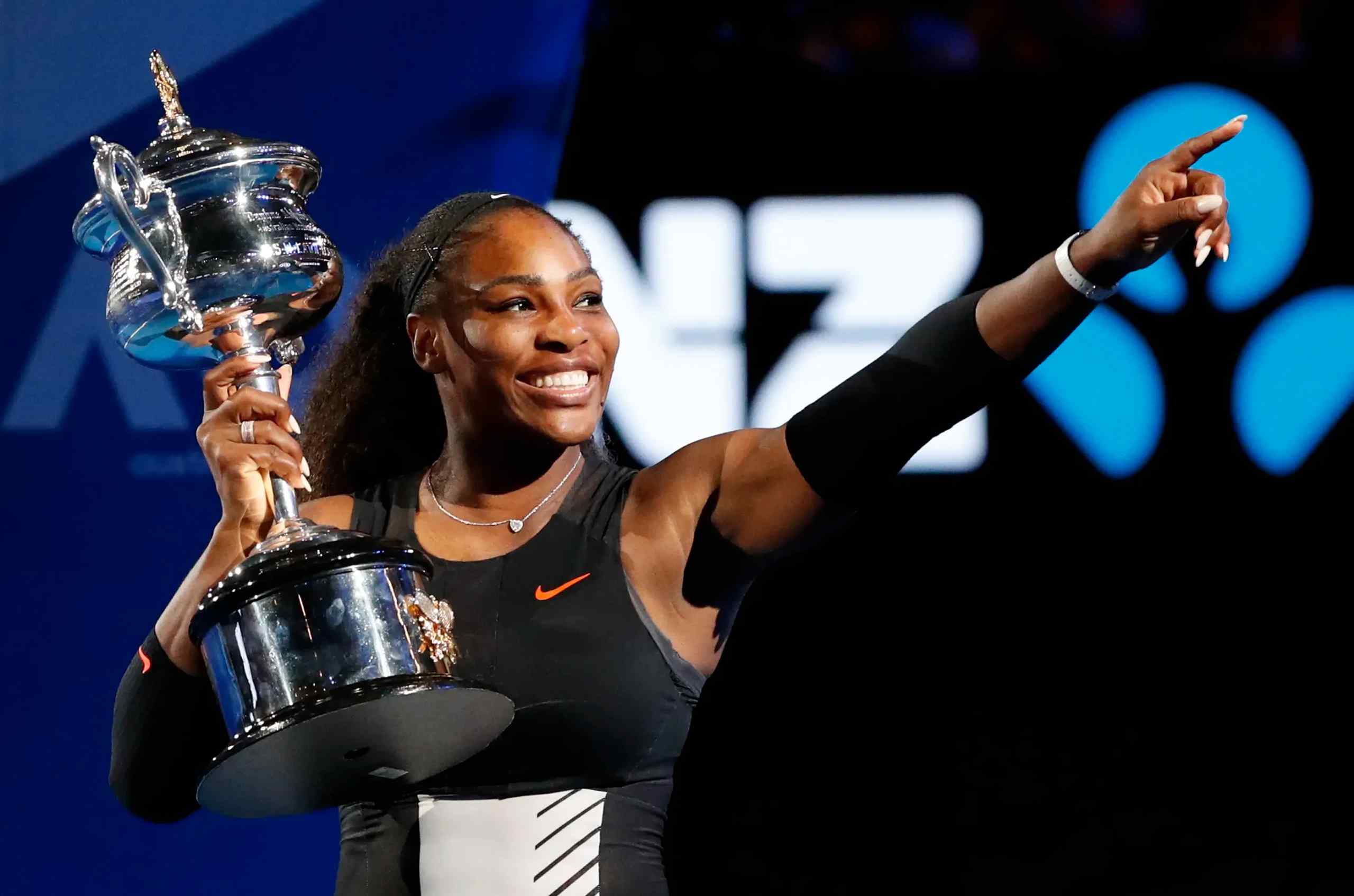
5. Serena Williams
Serena Williams did not dominate within a single neat window but across multiple generations of tennis.
Williams won 23 Grand Slam singles titles, the most by any woman in the Open Era, while spending 319 weeks at world No. 1. Her 186 consecutive weeks atop the rankings tied Steffi Graf’s record for the longest uninterrupted No. 1 reign in women’s tennis.
Serena won her first major at the 1999 U.S. Open and her 23rd at the 2017 Australian Open. In between, she completed two “Serena Slams,” holding all four major titles at once across consecutive tournaments, won on every surface, and added four Olympic gold medals.
Her 23 majors are not the overall women’s record. That belongs to Margaret Court with 24; however, 13 came before the Open Era. But dominance is more than a final total.
Serena’s power, serve, and ability to become nearly unbeatable at majors gave her an aura few opponents could solve.

4. Wayne Gretzky
Wayne Gretzky’s case is the easiest one in a team sport because his separation from the rest of hockey is visible in the record book.
He finished with 2,857 points: 894 goals and 1,963 assists.
Jaromír Jágr is the next-closest player in career points at 1,921. Gretzky’s assists alone would make him the NHL’s all-time points leader.
He won four Stanley Cups with Edmonton, nine Hart Trophies as league MVP, and four scoring titles. Gretzky produced four 200-point seasons. No other NHL player has ever had one.
Hockey’s 1980s scoring was higher than today’s, but every other star played in that environment, too. Gretzky was not just the best player in a high-scoring era. He was a statistical outlier within it.
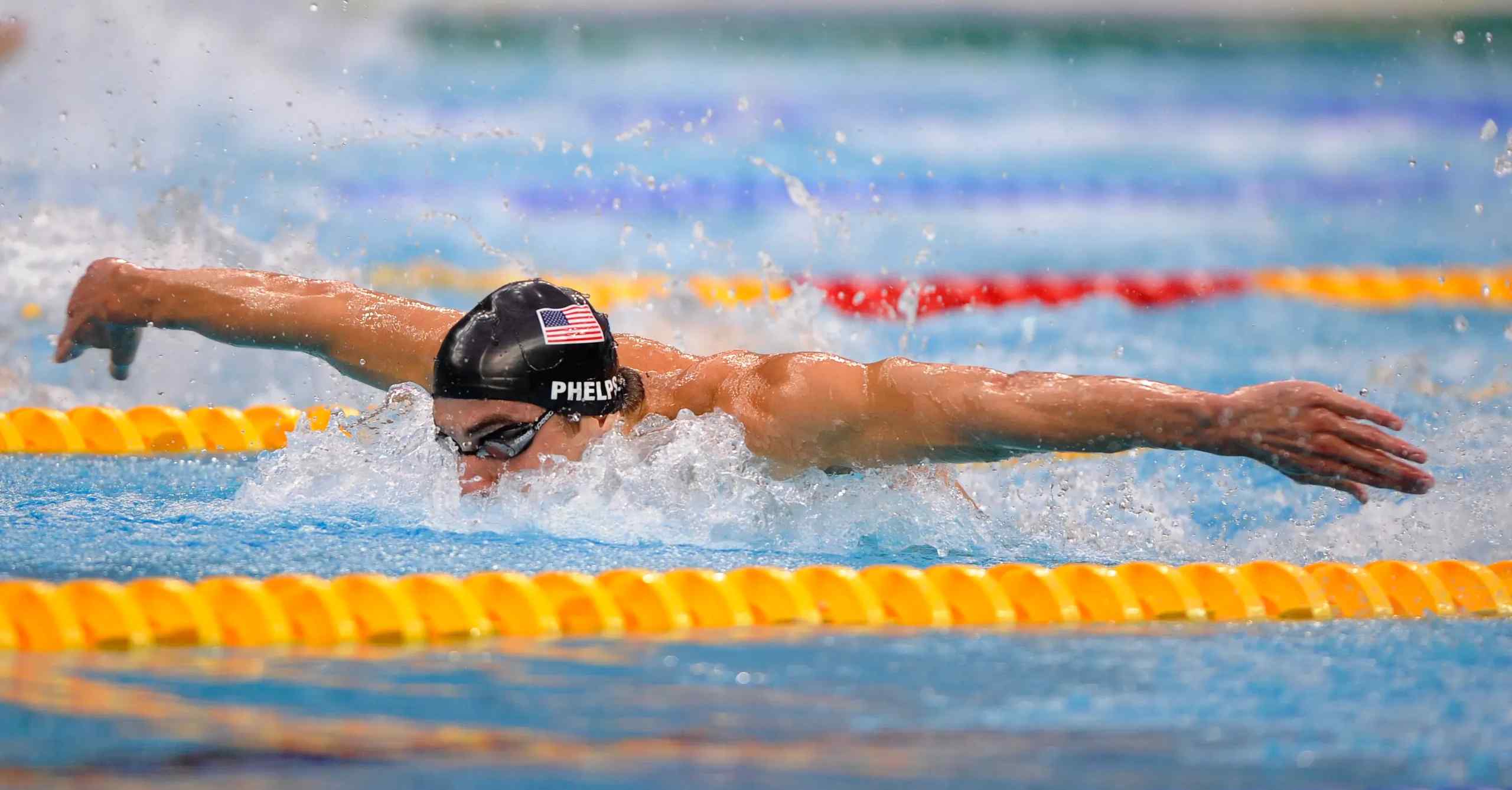
3. Michael Phelps
Michael Phelps had the rare advantage of competing in multiple events. He also turned that advantage into numbers no other Olympian has approached.
Phelps won 28 Olympic medals, including 23 golds. His 23 Olympic gold medals are more than double the total of any other Olympian.
At the 2008 Beijing Games, he won eight gold medals, breaking Mark Spitz’s record for most golds at one Olympics.
Swimming offers more medal opportunities than sports such as golf or tennis. But Phelps was not a specialist who found the right event. He won individual races and relays across strokes and distances, then returned to Rio at age 31 to add five more gold medals.
Olympic success is often a four-year snapshot. Phelps competed in five Olympic Games over 16 years. That gave him both the greatest Olympic peak and the longevity to sustain it.
2. Tiger Woods
Tiger Woods may have produced the most terrifying peak in modern sports.
From 1999 through 2008, Woods won 13 of 35 majors. He completed the Tiger Slam by winning the 2000 U.S. Open, Open Championship, and PGA Championship, then the 2001 Masters, the only player to hold all four professional majors at once.
The 2000 U.S. Open at Pebble Beach remains the clearest snapshot. Woods won by 15 shots, still the largest margin in major-championship history. He was the only player under par. In the 15 starts before that victory, Woods had won nine times and finished outside the top five once.
His career totals- 82 PGA Tour wins, tied for the most ever, and 15 majors- are immense. But at his peak, Tiger changed golf into a field of chasers.
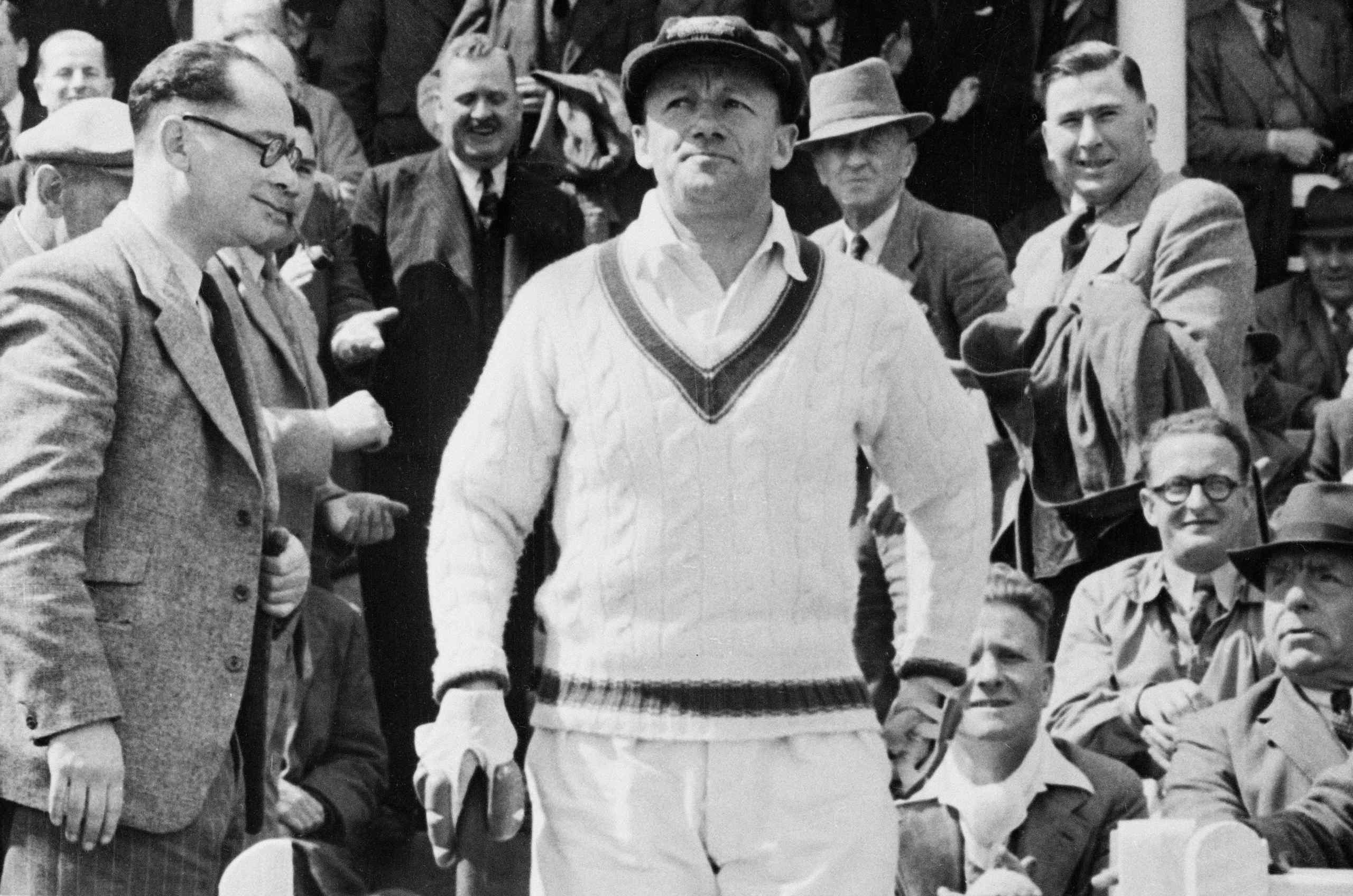
1. Don Bradman
Don Bradman’s Test batting average in cricket matches is 99.94. That number should end most of the debate.
For readers unfamiliar with cricket, a batting average measures runs scored per dismissal. Bradman scored 6,996 Test runs in 52 matches between 1928 and 1948, averaging just six-hundredths of a run short of 100. It remains unsurpassed.
The comparison is what makes it absurd. Statistical analysis has found Bradman’s career average to be roughly nine standard deviations above the average of the next-best 166 Test batsmen, whose mean was 45.3. In a sport with well over a century of elite history, nobody has created a gap remotely like it.
Bradman made 29 Test centuries in 80 innings. He averaged 201.50 against South Africa in 1931-32, then 178.75 against India in his final 1947-48 home series. He played in a far less global and less physically standardized sporting world than today’s athletes, so the era caveat is unavoidable.
Yet eras do not explain a number that remains nearly double what an all-time great Test batter is expected to produce. No athlete has placed more distance between himself and everyone else.
Most Dominant Athletes at a Glance
| Rank | Athlete | Sport | Dominant Era | Major Titles/Golds | Defining Record |
|---|---|---|---|---|---|
| 1 | Don Bradman | Cricket | 1928–48 | 29 Test centuries | 99.94 Test batting average |
| 2 | Tiger Woods | Golf | 1997–2008 | 14 majors in the period | 15-stroke U.S. Open win |
| 3 | Michael Phelps | Swimming | 2004–16 | 23 Olympic gold medals | 28 Olympic medals |
| 4 | Wayne Gretzky | Hockey | 1979–99 | 4 Stanley Cups | 2,857 career points |
| 5 | Serena Williams | Tennis | 1999–2017 | 23 Grand Slam singles titles | 23 Grand Slam singles titles |
The stated era reflects the athlete’s primary dominant period, not necessarily the full length of their career.
Peak dominance vs. longevity
Hall of Fame baseball pitcher Nolan Ryan is a useful contrast in peak versus longevity.
Ryan’s 5,714 strikeouts remain the MLB record, 839 ahead of Randy Johnson, and his seven no-hitters remain unmatched. He lasted 27 seasons, still overpowering hitters in his 40s.
That is extraordinary longevity. But Ryan was not the unquestioned best pitcher in baseball for a decade-long stretch in the way Woods was the best golfer. He never won a Cy Young Award and finished with a 324–292 record.
Rafael Nadal makes the opposite case. His career was long and brilliant, but his dominance at Roland-Garros was concentrated to an almost comical degree: 14 French Open titles and a 112–4 record at the event. Still, Nadal’s era overlapped with Novak Djokovic and Roger Federer, two players with legitimate claims as the greatest men’s tennis player ever. That three-way split makes it harder to call any one of them as thoroughly dominant as Serena was in her best stretches.
Other dominant athletes
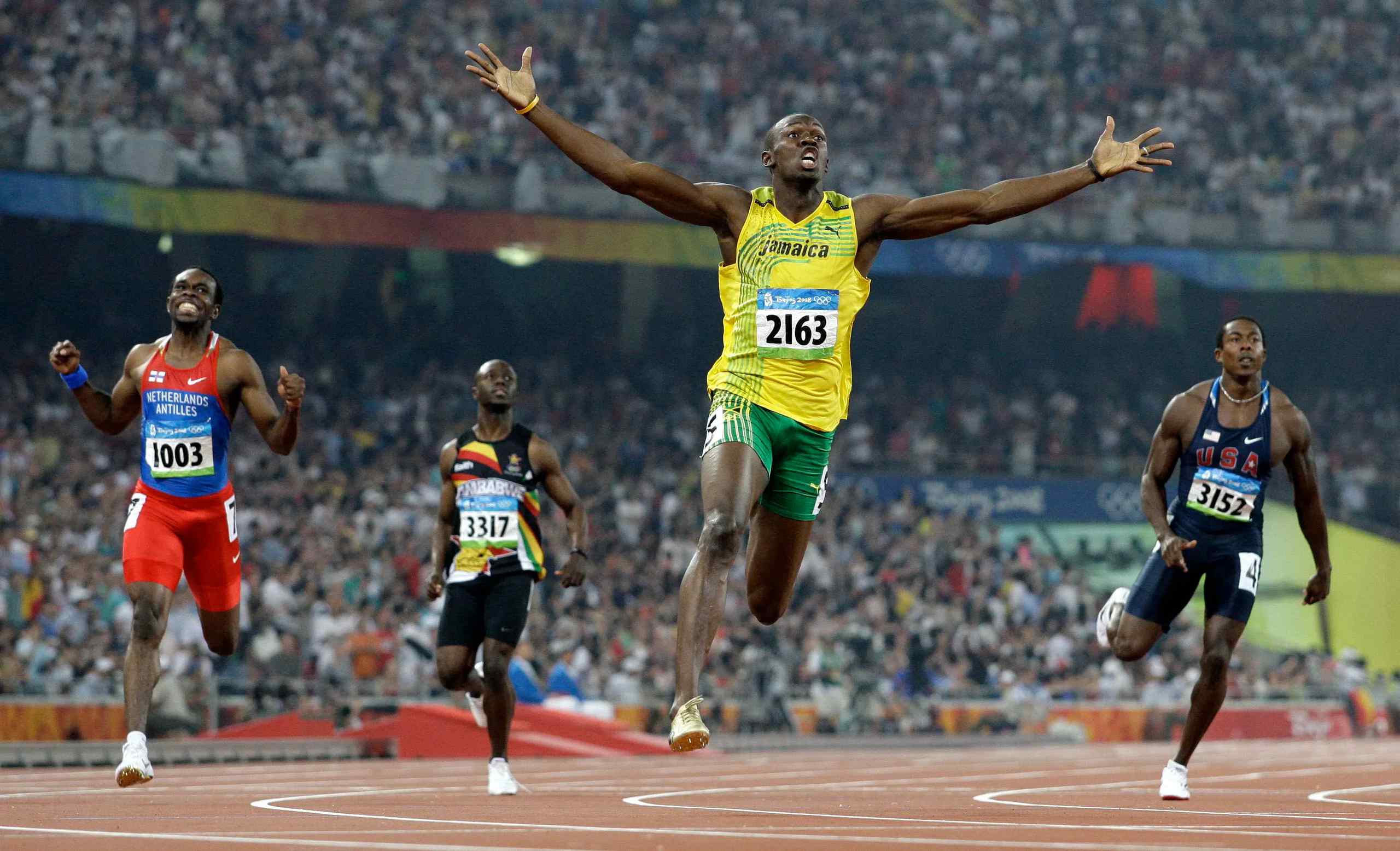
- Usain Bolt: Eight Olympic gold medals and world records in the 100 and 200 meters made him athletics’ ultimate big-stage performer.
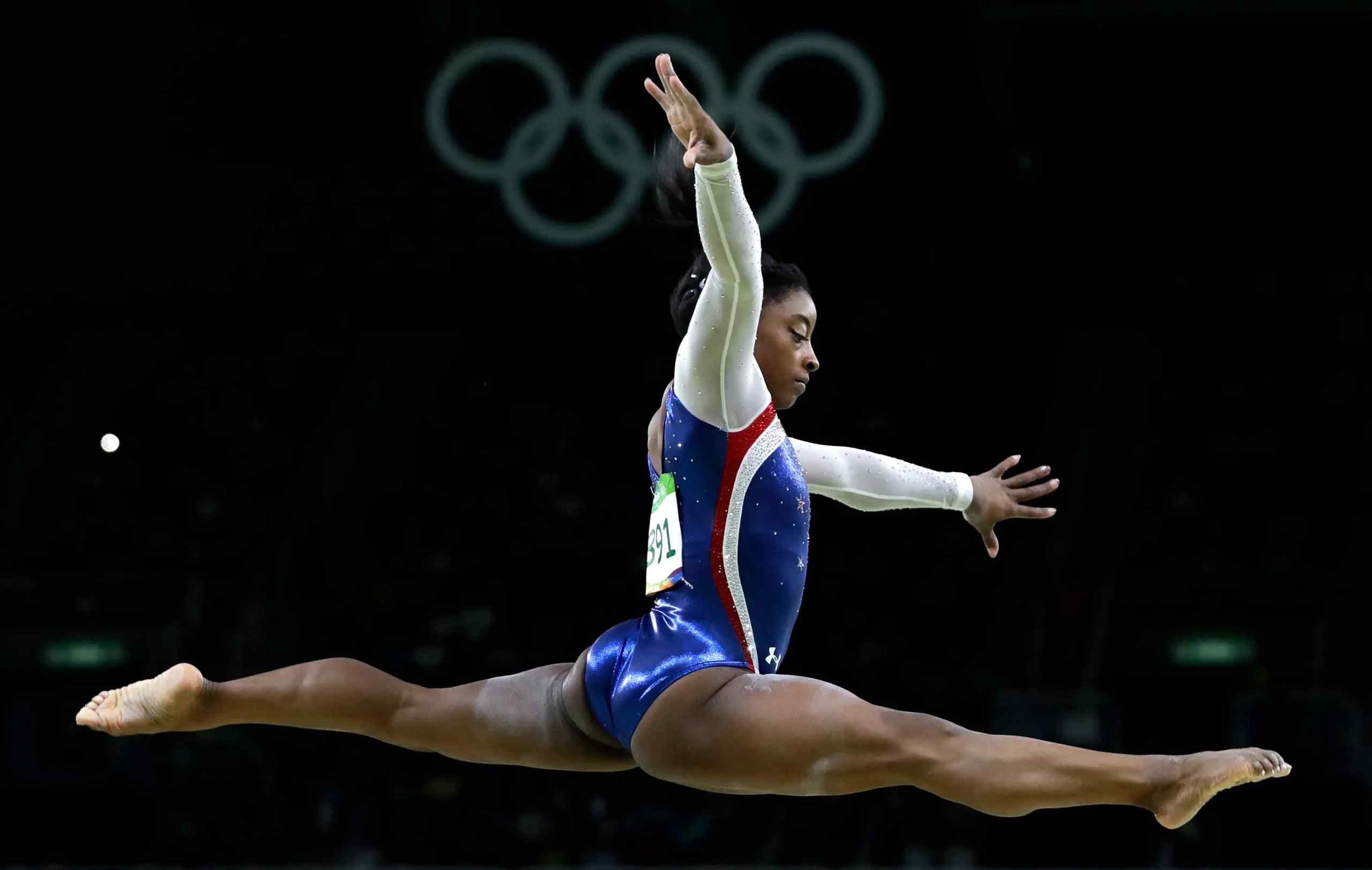
- Simone Biles: Gymnastics’ difficulty ceiling changed because of her; multiple skills now carry her name.
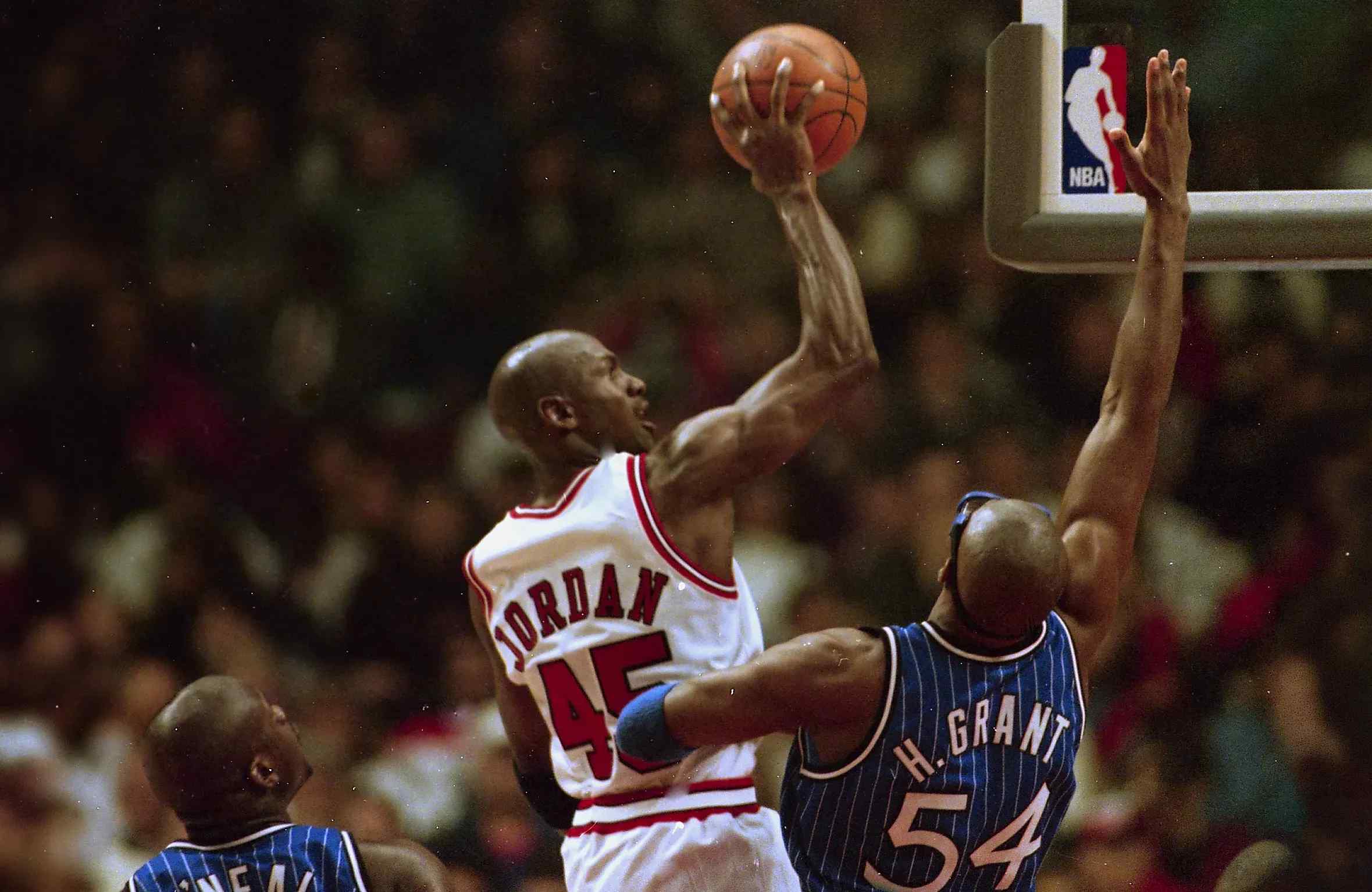
- Michael Jordan: Six NBA titles, six Finals MVPs and 10 scoring titles make a peak-dominance case, though team dependence complicates the comparison.
- Aleksandr Karelin: The Greco-Roman wrestling giant reportedly went 13 years without surrendering a point internationally.
Individual athletes have an advantage in these discussions. Phelps, Woods, and Serena directly control their results in a way Gretzky never could. That makes Gretzky’s inclusion more impressive, not less.
Cross-sport rankings will always be subjective. But Bradman has the best claim because he combines an untouchable statistical gap, sustained excellence, and success on cricket’s biggest stage. Plenty of athletes were great, but very few made greatness around them look average.
Pat Evans is a Grand Rapids-based journalist and editor covering the intersection of business, sports, lifestyle, and gambling regulation. With a background in business journalism and legislative reporting (LSR, iGamingBusiness), he brings an analytical, human-focused approach to stories about modern trends. His work has appeared in regional and national publications, and he is also the author of two books on beer history.
More Articles like this
NFL Fans Spend $900 to Watch Games. WWE Fans Pay Even More
Think watching every NFL game is expensive? WWE fans would argue otherwise.

By James Guill
How Bad Is It? Ranking the NHL's Original Six by Fan Misery
Nearly 60 years without a Stanley Cup is just the beginning. We rank the NHL's Original Six teams by how much misery their fans have endured.

By Bill Gelman
Why Does Everybody Hate Us? 10 Most Hated Sports Teams Ever
Some teams always win; others get caught breaking the rules. Either extreme is a surefire way to become universally hated, as these 10 sports teams can attest to.

By Stuart Hughes
5 Outrageous Sports Rules That Need to Die
From a missed signature disqualification to a two-minute penalty for a tucked-in jersey, find out about the top five dumbest rules in sport that leave common sense in the locker room.

By Stuart Hughes
The 10 Most Unforgettable Quotes in Sports History
From Jordan's hard truths to Healy's cheeseburger dig, these legendary greats uttered 10 iconic quotes that turned out to be as memorable as their sporting achievements.

By Stuart Hughes
Eight Years, Eight NBA Champions. Is Parity Here to Stay?
Eight different teams have won the NBA championship in eight years, the longest such streak in league history. Can the Knicks finally break the cycle, or will another contender claim the crown?
By Bill Gelman