

Celtics, Patriots, UConn: Which Dynasty Reigns Supreme?
From Bill Russell’s Celtics to Lewis Hamilton’s Mercedes era, these four dynasties combined championships, longevity and a dominance that reshaped their sports.

Winning one championship is hard, but winning repeatedly while every opponent is building specifically to knock you off is something else entirely.
That is why “dynasty” is one of sports’ most debated labels. Some teams win in a short, blinding burst. Others stay near the top long enough to outlive stars, coaches, and entire eras.
Comparing them across leagues is messy. An NBA team in the 1960s did not face the same structural hurdles as an NFL team in the salary-cap era, whereas a Formula 1 constructor competes as much on engineering as on roster construction.
Still, four organizations make the clearest case.
What makes a dynasty?
There is no perfect formula, but the best dynasties combine championships, sustained contention, and a level of dominance that changes how their sport is discussed.
Titles matter most, and consecutive titles matter even more. But context also matters.
What did the league’s competitive structure allow?
How long did the run last?
Did the dynasty survive roster turnover?
Did it beat the best available competition?
That is why this list includes an old NBA standard, the modern NFL’s best answer, women’s college basketball’s defining program, and Formula 1’s engineering machine.
Iconic Dynasties at a Glance
| Dynasty | Era | Championships | Seasons | Championship Rate | Defining Record |
|---|---|---|---|---|---|
| Boston Celtics | 1957–1969 | 11 NBA titles | 13 | 84.6% | Eight consecutive titles |
| New England Patriots | 2001–2018 | 6 Super Bowls | 18 | 33.3% | Nine Super Bowl appearances |
| UConn women’s basketball | 1995–2016 | 11 NCAA titles | 22 | 50.0% | Six undefeated seasons |
| Mercedes F1 | 2014–2021 | 8 constructors’ titles | 8 | 100% | Eight consecutive constructors’ titles |
Championship rate uses each dynasty’s stated era and its primary team championship.
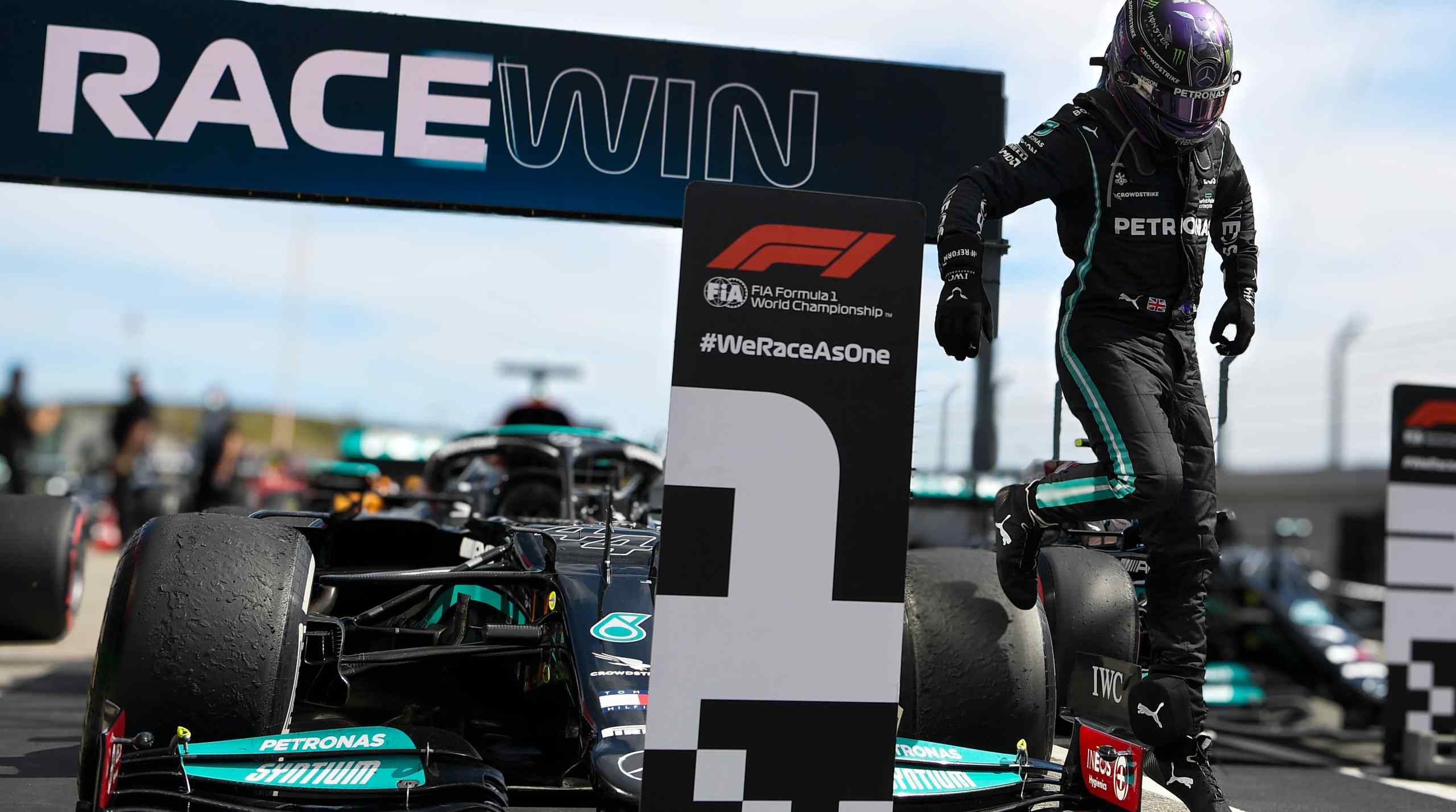
4. Mercedes Formula 1, 2014–2021
Mercedes offers a different kind of dynasty. It was not built around a single draft pick or a coach’s scheme. It was built around institutional excellence with an engine program, aerodynamic development, race strategy, and a team that mastered Formula 1’s hybrid-engine regulations before anyone else.
Mercedes won eight consecutive constructors’ championships from 2014 through 2021, an F1 record. And then it continued to challenge another dynasty of sorts, Red Bull, for several years afterward.
In the first season of the hybrid era, the team won 16 of 19 races and recorded 11 one-two finishes.
Lewis Hamilton was the face of the run. He won six of his seven world championships with Mercedes and became the sport’s defining driver of the era. But Nico Rosberg’s 2016 drivers’ title is a critical part of the dynasty argument. Rosberg beat Hamilton over a full season, proving Mercedes was not simply a one-driver operation. The car, engineers, strategy group, and production operation gave both sides of the garage a championship-level platform.
Mercedes had enormous manufacturer resources and was unusually well-positioned for the 2014 regulations. But that is not a reason to dismiss the run. Formula 1 is a constructor sport, and Mercedes found its edge, protected it, and turned it into eight straight titles.
3. UConn women’s basketball, 1995–2016
UConn belongs here because the Huskies did not have one dynasty. They had several.
Head coach Geno Auriemma’s program won 11 national championships between 1995 and 2016, including three straight from 2002–04 and four straight from 2013–16.
UConn also produced six undefeated seasons, a staggering number in a tournament sport where one poor shooting night can end a season.
The dynasty kept changing faces. Rebecca Lobo helped launch it in 1995. Diana Taurasi powered another peak. Maya Moore became the next standard-bearer. Breanna Stewart’s teams won four straight NCAA titles.
The fair criticism is that women’s college basketball has long had steep resource and recruiting gaps between teams.
But those advantages do not automatically guarantee perfection, nor do they explain why UConn remained elite across multiple generations of players. The Huskies turned recruiting power into a national championship machine.
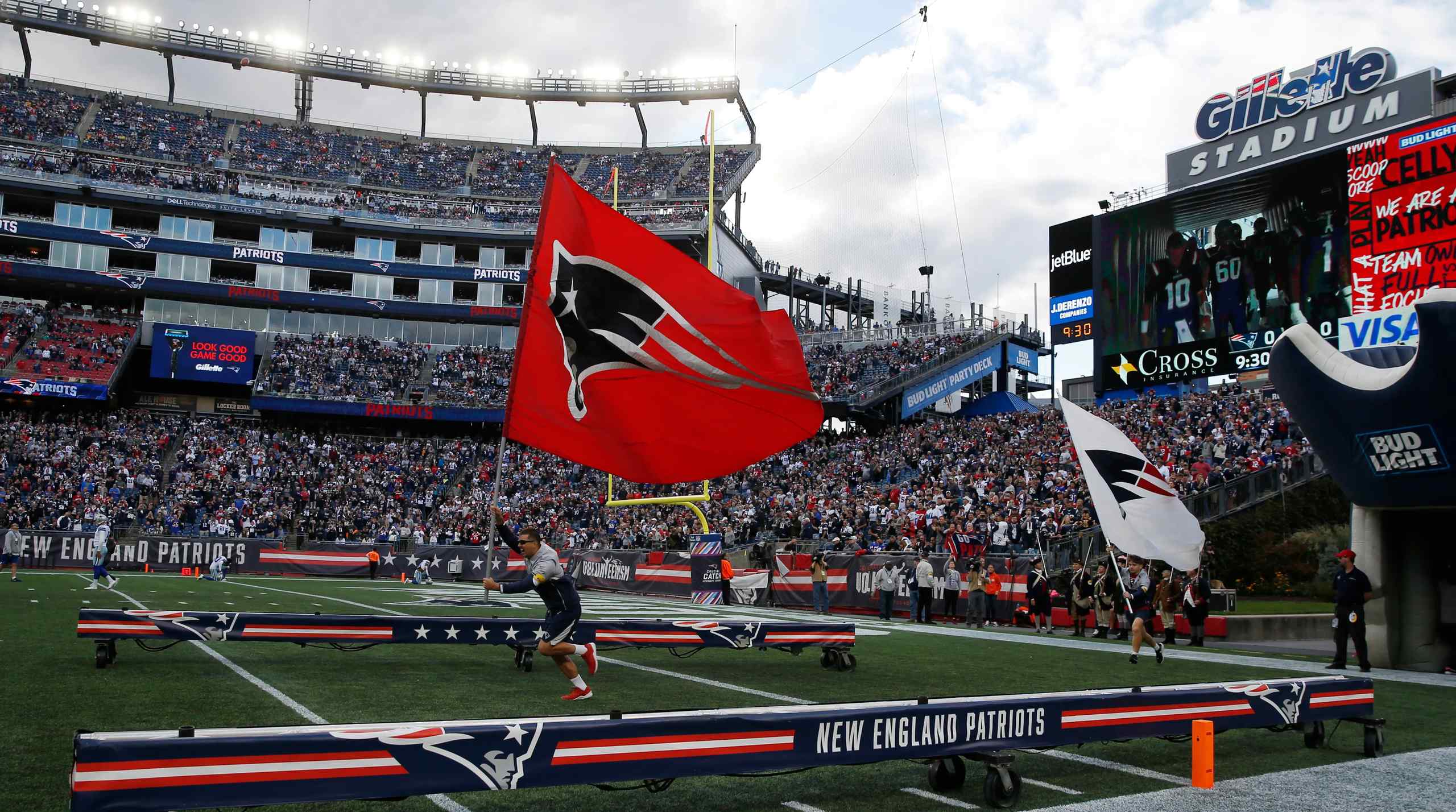
2. New England Patriots, 2001–2019
The Patriots are the most impressive modern North American dynasty because the NFL is built to stop dynasties.
A hard salary cap, free agency, draft order, injuries, and single-elimination playoffs all make sustained contention difficult. Yet head coach Bill Belichick and quarterback Tom Brady won six Super Bowls in an 18-season span, while reaching nine Super Bowls and collecting 17 division titles.
The Patriots’ greatness was not confined to one era. They won three titles in four years from 2001–04, went nearly a decade without another, then won three more between the 2014 and 2018 seasons. As the teams, offenses and defenses changed, Brady and Belichick adapted.
Their lack of a three-peat is the strongest argument against putting them No. 1. But no other NFL team has matched the combination of championship volume and longevity in an era designed for competitive balance.
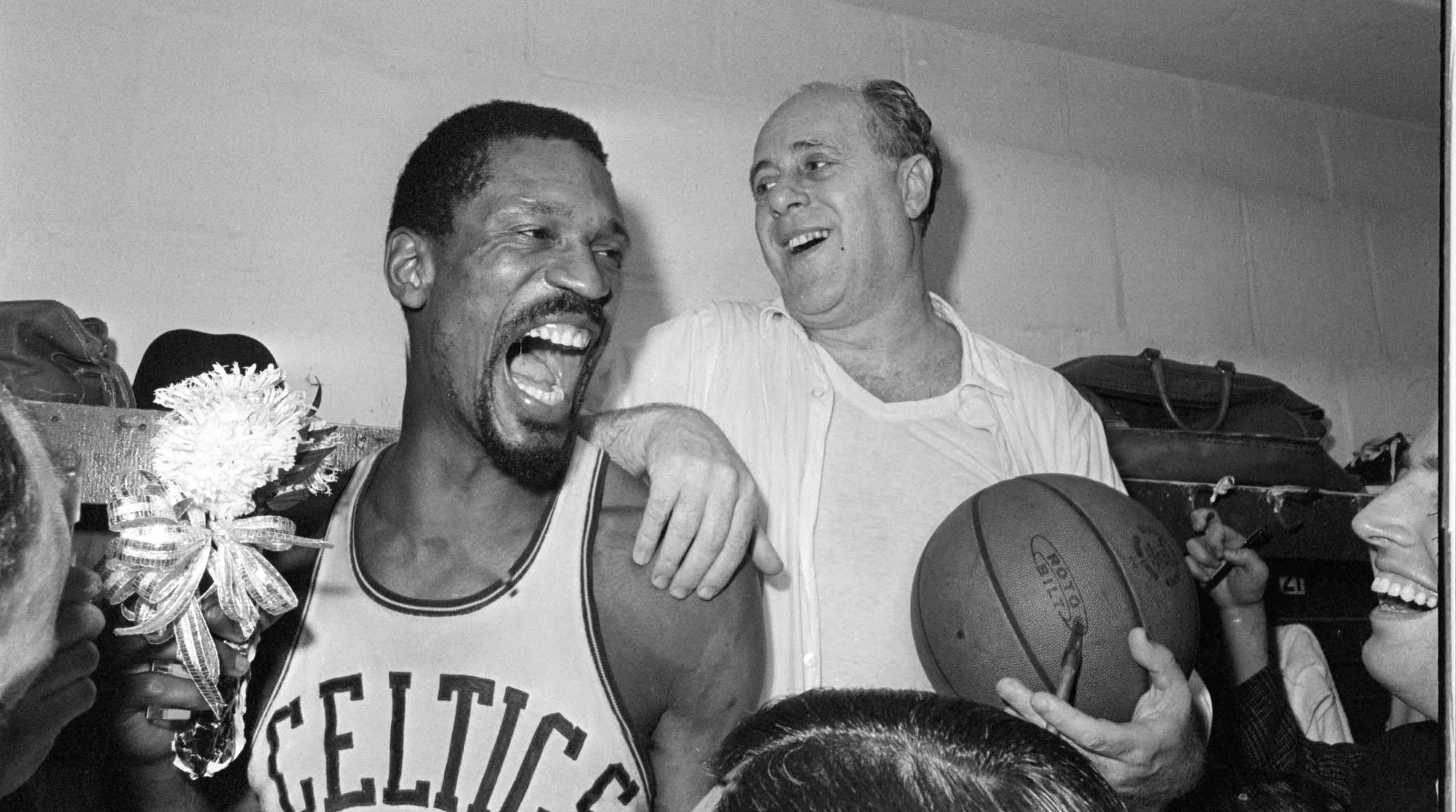
1. Boston Celtics, 1957–1969
The Celtics are still the standard.
Boston won 11 NBA championships in 13 seasons from 1957 through 1969, including eight consecutive titles from 1959–66. Bill Russell won all 11 titles with the franchise, first as its defensive anchor and eventually as player-coach.
The era qualifications are real. The NBA had fewer teams, less player movement, and a structure that looks nothing like today’s league. But historical context cannot make 11 titles in 13 years ordinary. The Celtics were not just excellent, but made championships feel preordained.
Russell’s teams also evolved. Bob Cousy’s early-era Celtics were not identical to the later groups built around John Havlicek, Sam Jones, and Russell’s leadership. Boston had to keep winning as its roster changed and as the Los Angeles Lakers became its defining rival.
Modern teams face more obstacles, but the Celtics hold the highest championship percentage in major team sports history. Until another franchise approaches an eight-title streak, they get the crown.
Team vs. individual dynasties
An individual can create a dynasty-like run, but it is not the same as building one.
A team dynasty requires an organization to sustain success through roster decisions, coaching, development, and, in Mercedes’ case, engineering. Individual dominance can be even more breathtaking, but it is more directly tied to one athlete’s singular excellence.
Tiger Woods is the clearest example. He owns 82 PGA Tour wins, tied for the record, and 15 major championships. At his peak, Woods did not just win tournaments. He changed sports betting boards, altered how opponents approached Sunday, and helped golf boom in popularity.
Rafael Nadal’s Roland-Garros reign may be even more concentrated. He won 14 French Open titles and went 112–4 at the event, an eye-popping 96.6% winning percentage. That is dynasty-level control over a single tournament, but it is not a team dynasty.
Nadal did not have to replace an aging roster or manage a salary cap.
Hamilton belongs in the Mercedes discussion because Formula 1 blurs that line. The driver matters enormously, but Rosberg’s 2016 title shows why Mercedes was an organization-wide force rather than simply Hamilton in an unbeatable car.
Teams that just missed
- New York Yankees, 1949–53: Five consecutive World Series titles remain MLB’s unmatched streak.
- Real Madrid, 1956–60: The only club to win five straight European Cups.
- Chicago Bulls, 1991–98: Six titles in eight seasons, split into two three-peats, with Michael Jordan at the center of a global basketball explosion.
- All Blacks: New Zealand has won three Rugby World Cups, including back-to-back titles in 2011 and 2015, and holds an intimidating 76% all-time test-match win rate.
- Montreal Canadiens, 1956-1960: The Habs won an unmatched five consecutive Stanley Cups.
The Celtics have the best claim because their dominance combines the two things a dynasty needs most: an absurd championship rate and longevity.
Dominance takes different forms. The Patriots survived the NFL’s parity machine, while UConn reloaded generations of stars. Mercedes turned technical advantage into an eight-year reign.
That is what separates a champion from a dynasty. Winning once is an achievement. Making winning feel inevitable is something else entirely.
Pat Evans is a Grand Rapids-based journalist and editor covering the intersection of business, sports, lifestyle, and gambling regulation. With a background in business journalism and legislative reporting (LSR, iGamingBusiness), he brings an analytical, human-focused approach to stories about modern trends. His work has appeared in regional and national publications, and he is also the author of two books on beer history.
More Articles like this
Do NHL Stars Lose Their Edge After Signing Huge Contracts?
Do NHL stars really take their foot off the gas after a big payday? We analyzed 29 major contracts to find out.

By Charlon Muscat
Five Iconic World Series Moments Since the Brewers' Appearance
The Brewers are back in the World Series after 44 years. From Bill Buckner's error to the Cubs ending their curse, plenty has happened since 1982.

By Bill Gelman
LeBron to Giannis: Ranking 5 NBA Offseason Stunners
LeBron to Philly, Giannis to Miami, and Wemby staying put. Which NBA offseason move will pay off the most?
By Bill Gelman
NFL Fans Spend $900 to Watch Games. WWE Fans Pay Even More
Think watching every NFL game is expensive? WWE fans would argue otherwise.

By James Guill
How Bad Is It? Ranking the NHL's Original Six by Fan Misery
Nearly 60 years without a Stanley Cup is just the beginning. We rank the NHL's Original Six teams by how much misery their fans have endured.
By Bill Gelman
Why Does Everybody Hate Us? 10 Most Hated Sports Teams Ever
Some teams always win; others get caught breaking the rules. Either extreme is a surefire way to become universally hated, as these 10 sports teams can attest to.
By Stuart Hughes