
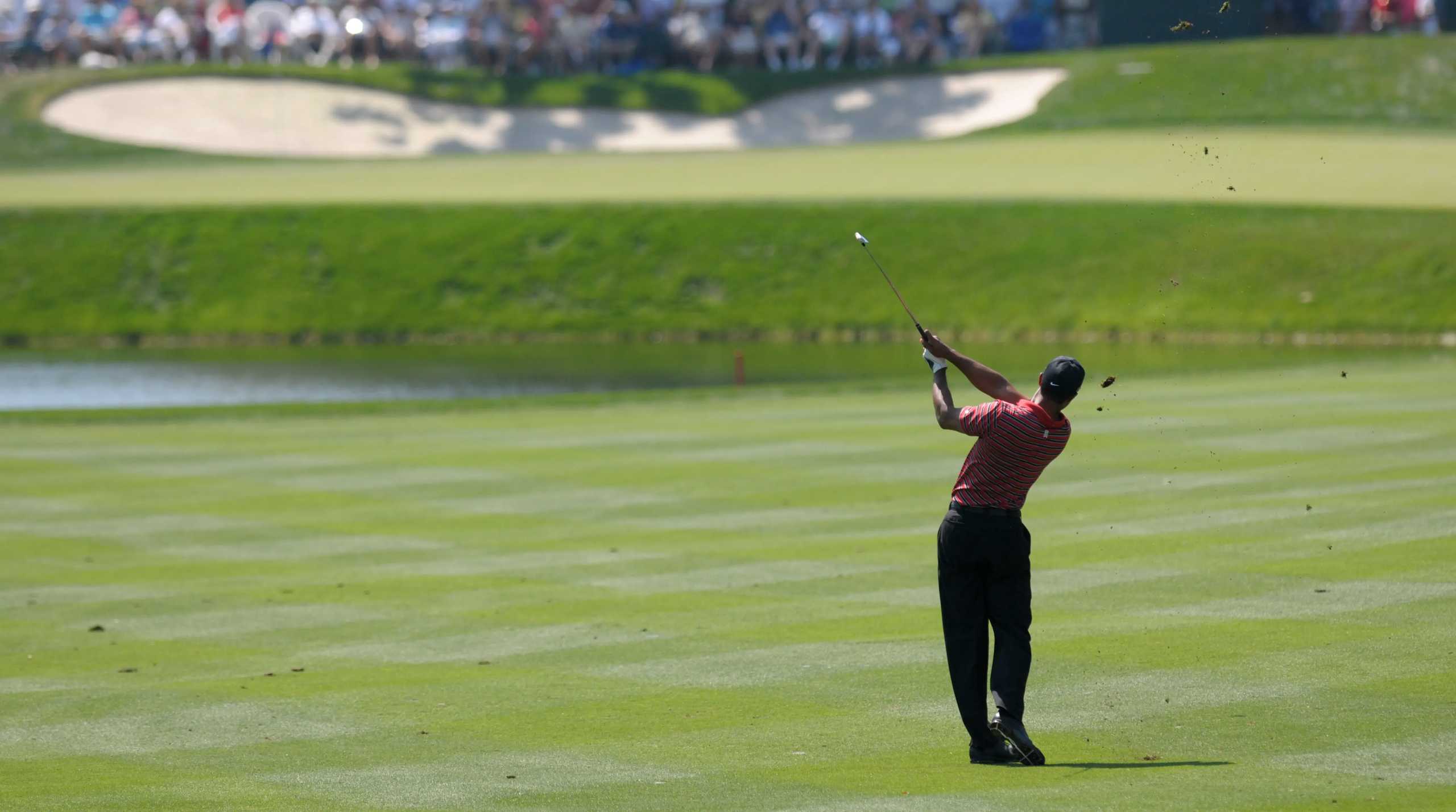
Golf's "Love to Hate" Hall of Fame
Every great sport needs a villain, and golf has assembled an all-star roster of players we just love to root against. From cheating scandals and club-throwing tantrums to sellout leagues and Twitter meltdowns, these are the guys who make Sunday afternoons infinitely more entertaining.
.webp)
One of the greatest pleasures of watching sports, golf especially, is having someone to root against. We don't actually hate these guys. Most of us have never met them. But watching a player you love to loathe chunk a chip into the water on Sunday is pure joy, and I’ll admit to thinking “knob head” on more than one occasion when someone steps on the green. It adds drama. It raises stakes. In a gentleman's game, villains stand out.
The Pantheon of Villainy
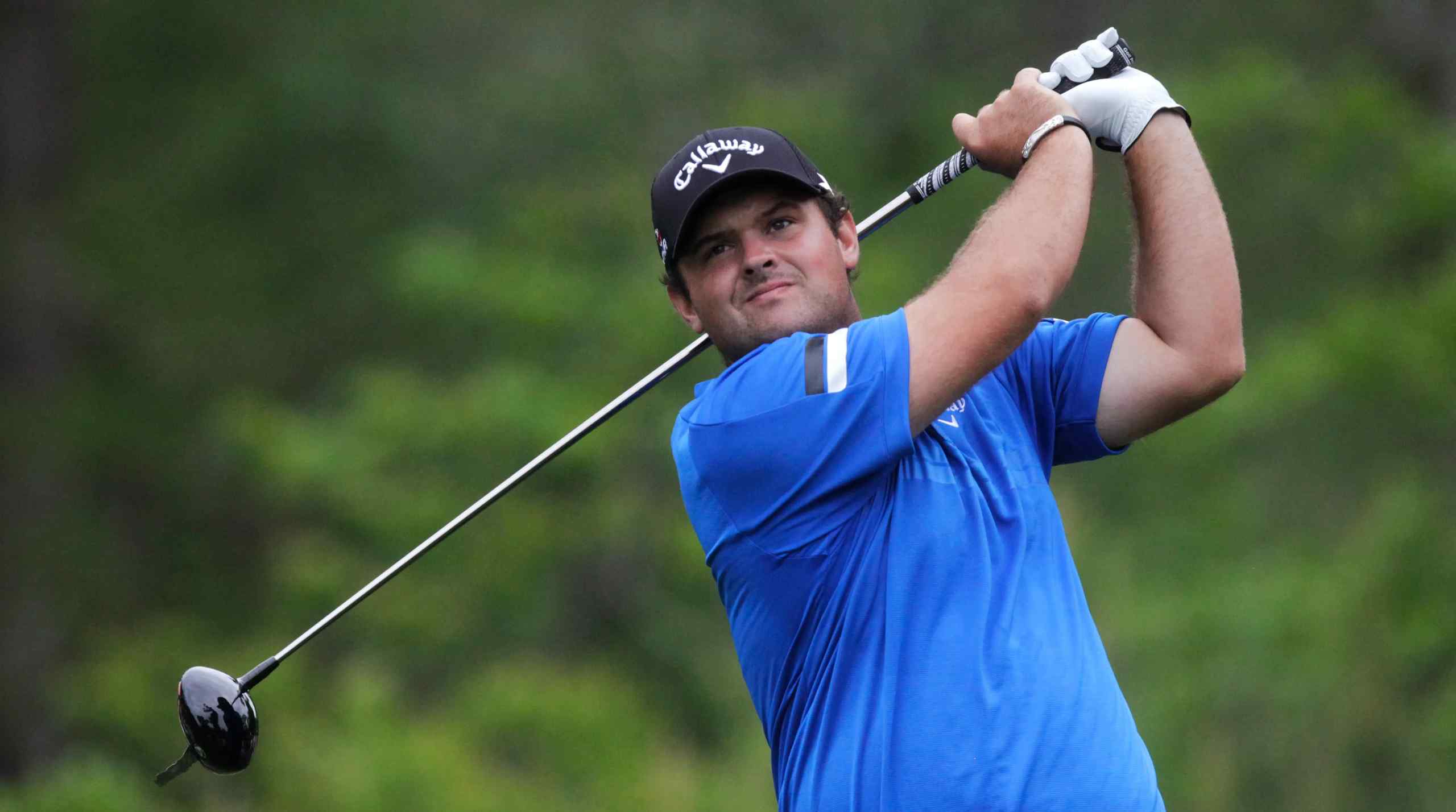
Patrick Reed
Patrick Reed tops most lists, and I remember writing an article about him myself a few years ago for Essential Golf. The cheating allegations followed him from college, where he was kicked off the Georgia team, to the pros. The 2019 Hero World Challenge bunker incident. The rules' controversies. The spats with fans. The defamation lawsuits.
Reed insists he is misunderstood. "Everyone I play pro-ams with... they're all like, 'Man, you're nothing like what the media portrays you as.'" Maybe. But the label stuck.
Sergio Garcia
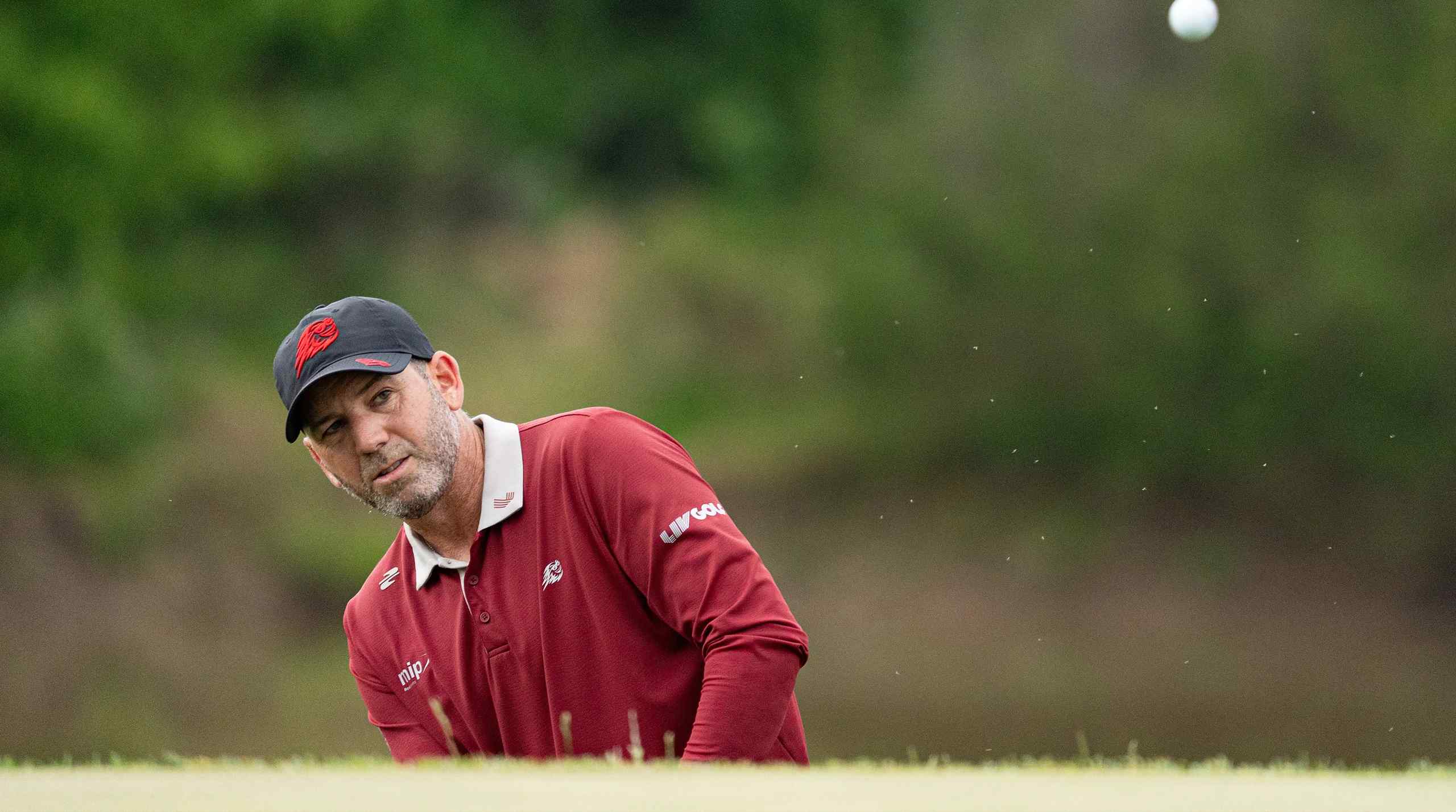
Sergio Garcia might be golf's most entertaining trainwreck. At the 2026 Masters, he smashed his driver into the tee box, took a chunk out of Augusta's turf, then snapped the club against a water cooler. Officials gave him a code of conduct warning, a first in 90 Masters Tournaments. His response: "Obviously not super proud of it."
The man spits into holes, hurls golf clubs, plays games with Tiger Woods’ "fried chicken" on the dinner menu, and purposely destroyed five greens while playing in Saudi Arabia. Spanish passion or a brat? You be the judge.
Bryson DeChambeau
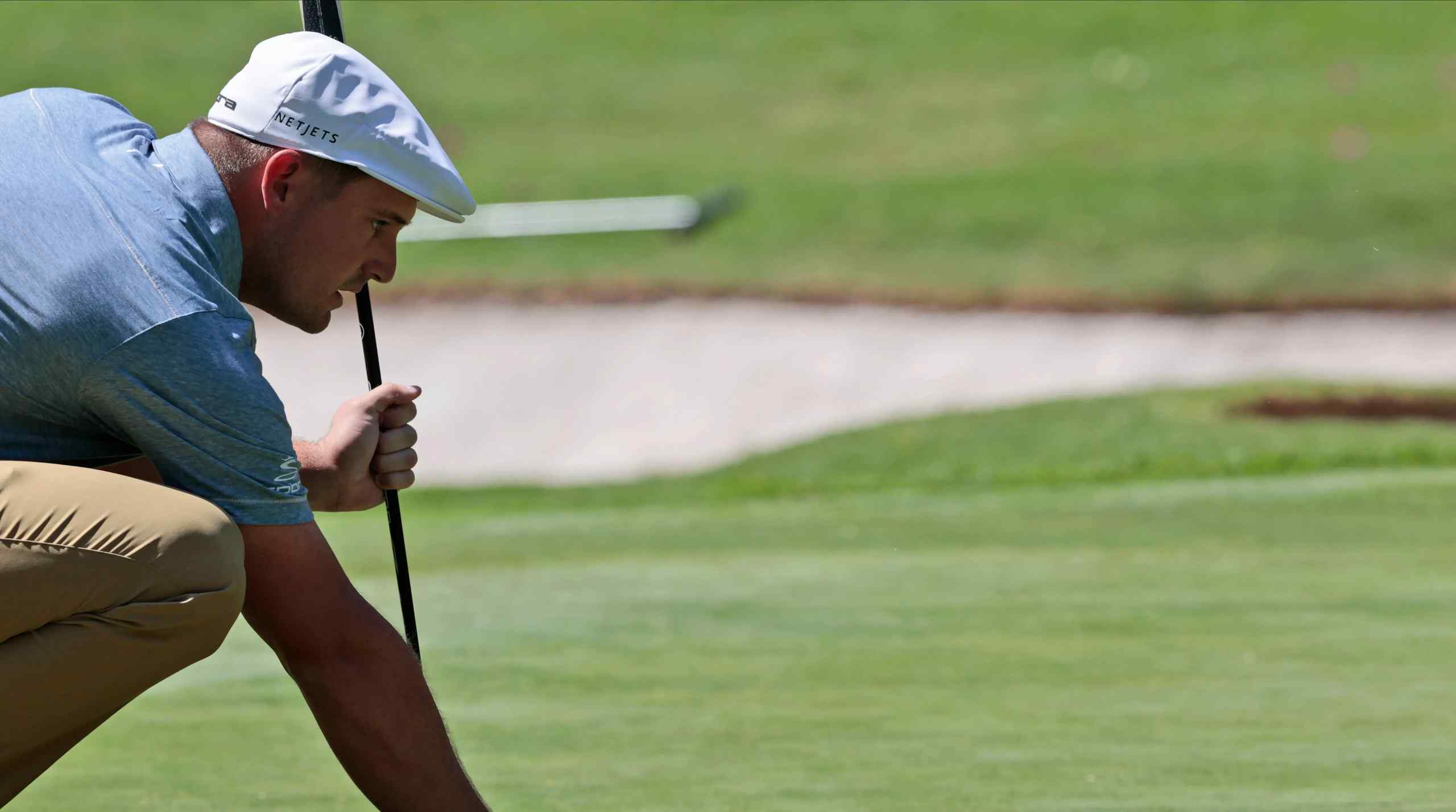
Bryson DeChambeau changed from being an antagonist to a hero. Fans early on disliked him because of his leisurely pace of play, analytical style of play, and hubris. When shown a "Par 67" sign at Augusta from Bryson, Justin Thomas referred to him as slow. As a result, the PGA Tour (allegedly) changed their pace-of-play rules due to Bryson's actions.
Bryson was embraced by almost everyone, including the often opposing Brandel Chamblee, who changed his take on Bryson by calling him "one of the most exciting golfers in the world." Sometimes, you just become a fan of someone that you have previously opposed!
Wyndham Clark
Wyndham Clark has had a rough history with some fans and was booed and heckled at the 2026 US Open by New York spectators when they cheered for his missed shots and screamed, "Don't choke!" A single spectator was thrown out for heckling him.
Clark owns it. "Some of it's self-deserved. I did some unfortunate things last year that I really regret." He destroyed a locker at Oakmont. Threw a club at the PGA. He is not a bad guy, just intense. Once fans decide you are the villain, they will find anything to hold against you.
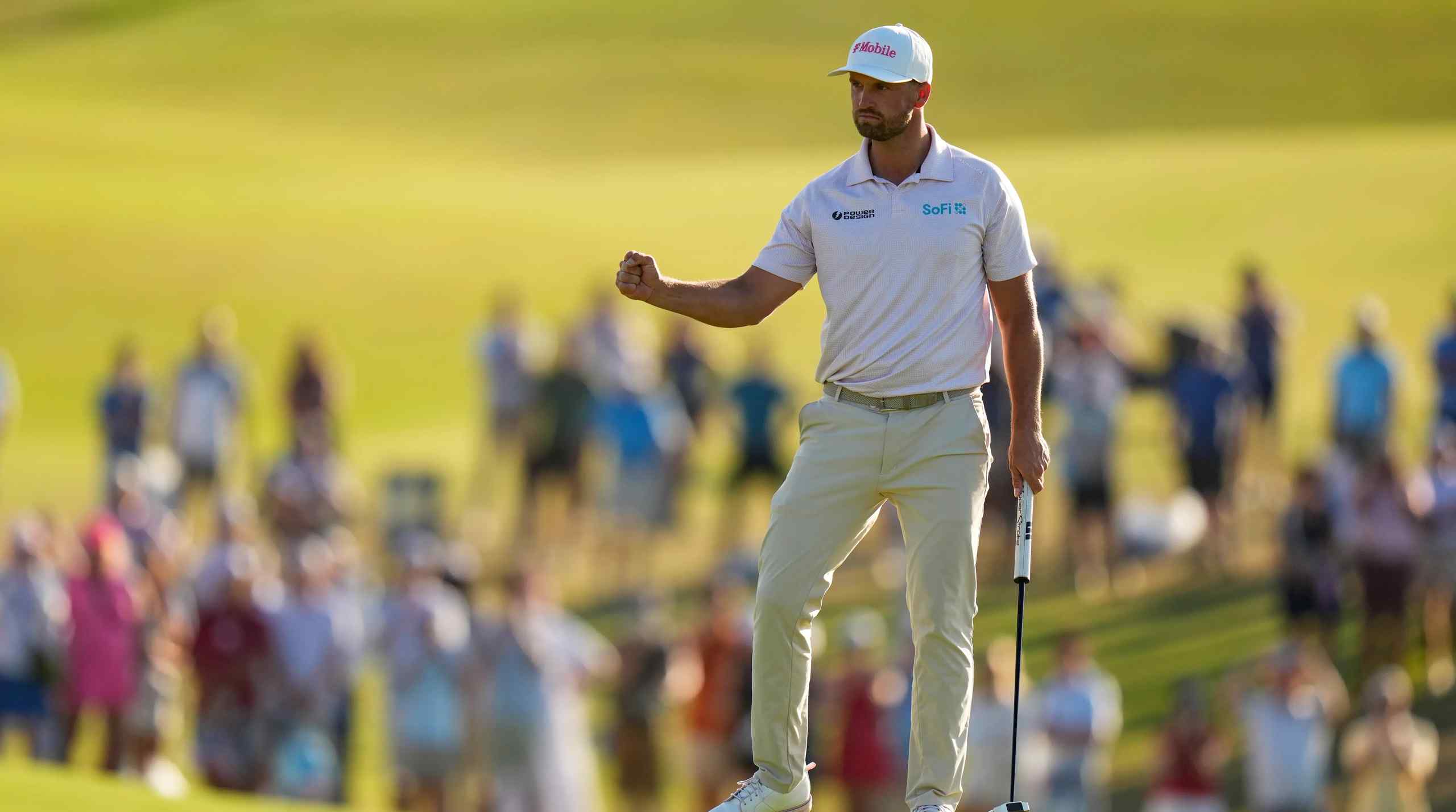
Rory Sabbatini
Rory Sabbatini had 25% of fellow pros name him their least favorite playing partner. His response: "I don't know 25 percent of the guys on Tour, and there are probably 25 percent I wouldn't want to play golf with."
That says it all. He played ahead of Ben Crane to protest slow play. Berated a teenage volunteer. Became a Slovakian citizen for Olympic qualification. Jordan Spieth, caught on a hot mic after hitting into Sabbatini: "God, I couldn't pick a worse person to hit into."
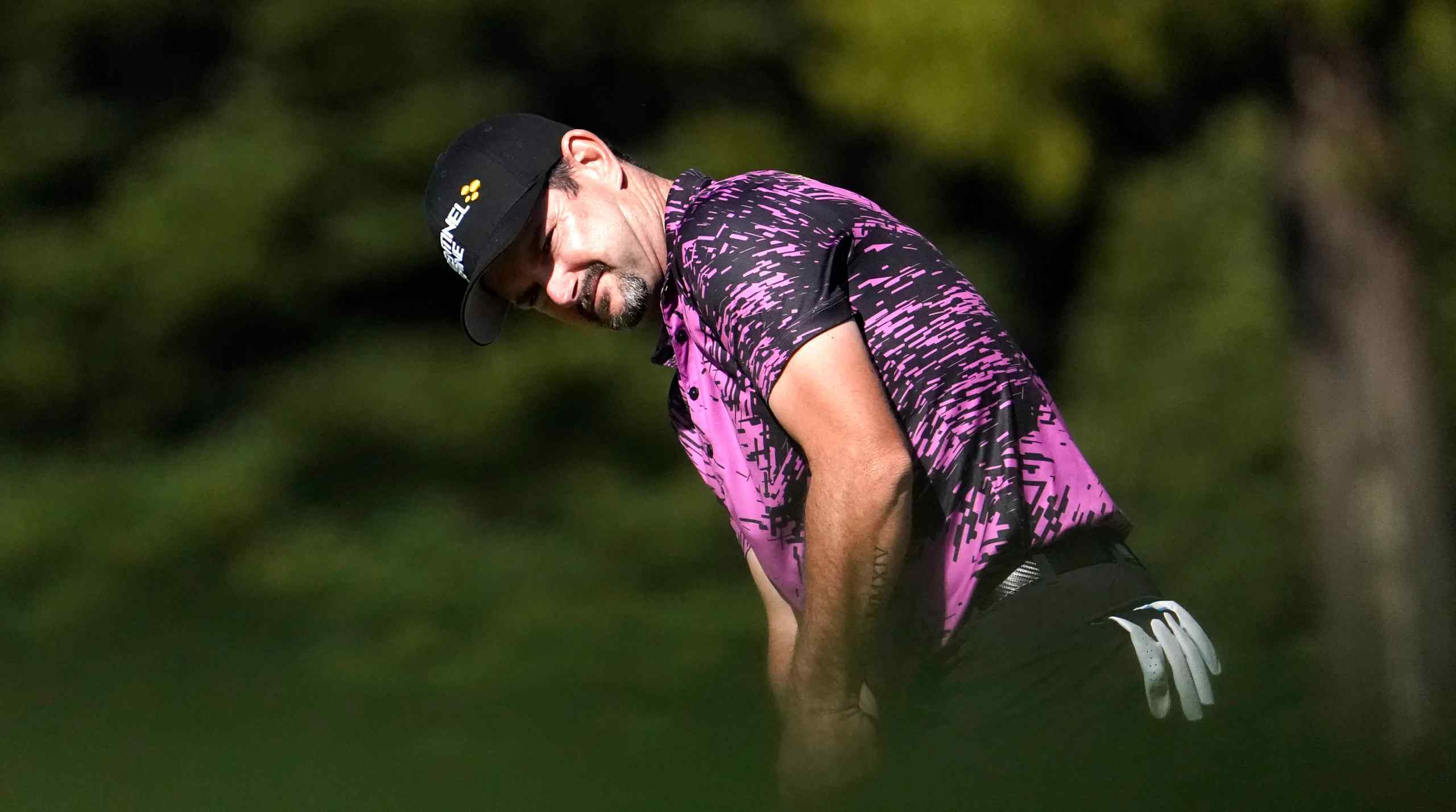
Colin Montgomerie
Colin Montgomerie was the Ryder Cup villain Americans loved to heckle. He called US crowds "not as knowledgeable." But he crossed lines, commenting on Brad Faxon's divorce before the Ryder Cup: "Mentally I don't think he will be with it." Fred Funk called him "the jerk of the world."

Tiger Woods
There's love and hate for Tiger Woods. The scandals involving cheating, DUIs & his entitled nature all contribute to people's views of him as either an imperfect idol or a man with physical gifts who used these gifts as an excuse to act however he wanted. He really is the most polarizing athlete in golf - some absolutely adore him, and others simply cannot stand him, me included!
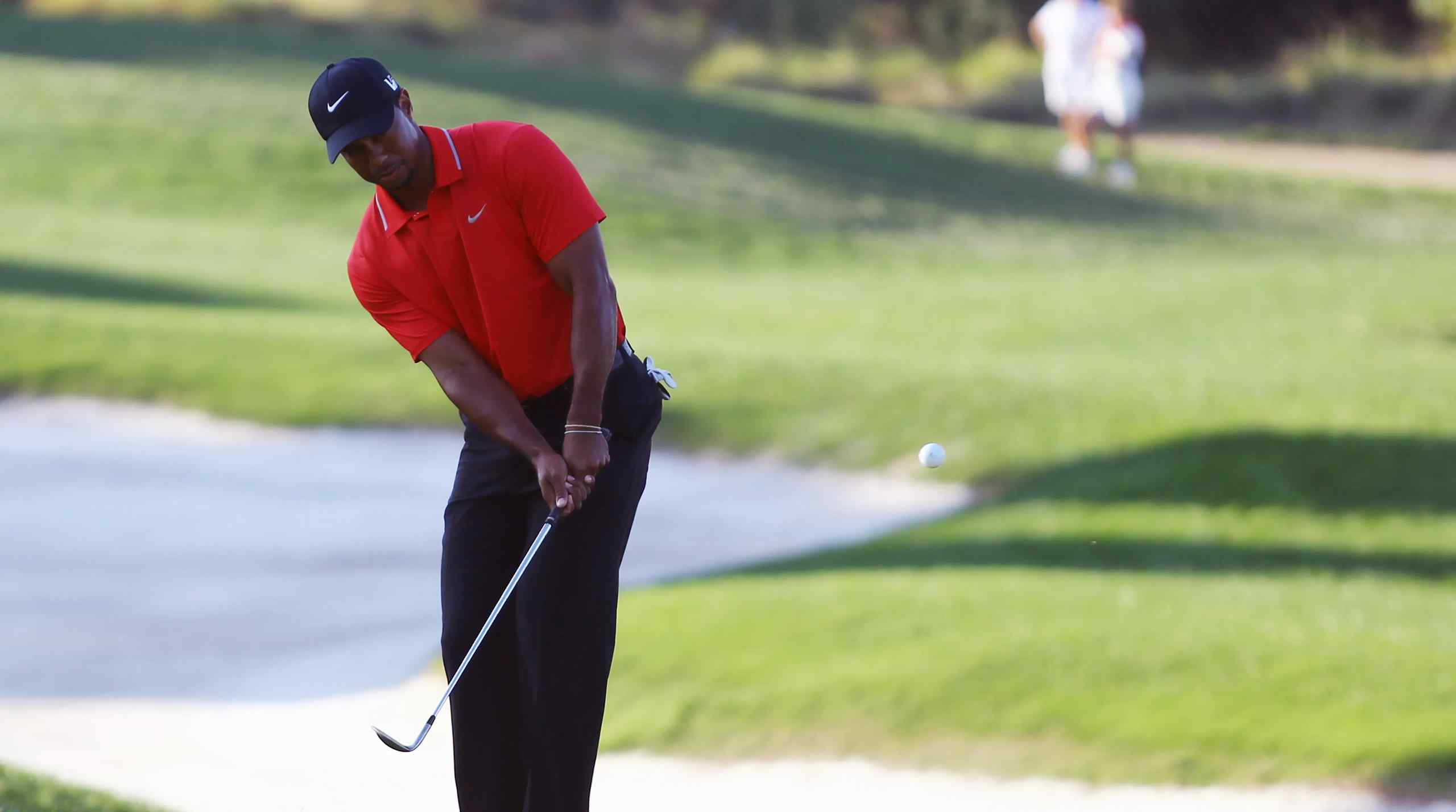
Vijay Singh
Vijay Singh earned his spot through prickliness. The 1985 cheating ban on the Asian Tour followed him forever. He admitted using deer antler spray with a banned substance. He hoped Annika Sorenstam would miss the Colonial cut because she "didn't properly qualify." When his Masters win turned 20, barely a word was said. That tells you everything.
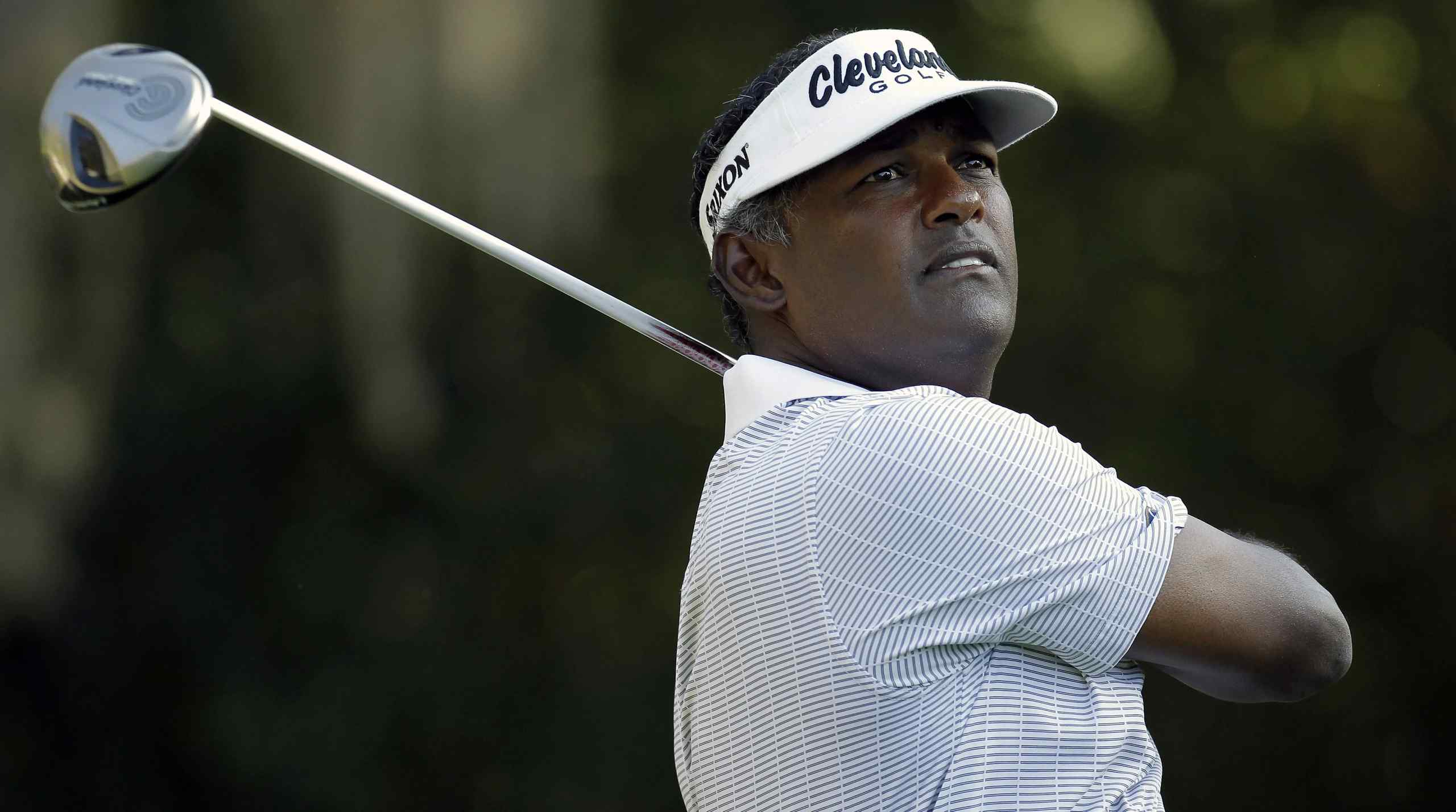
Phil Mickelson
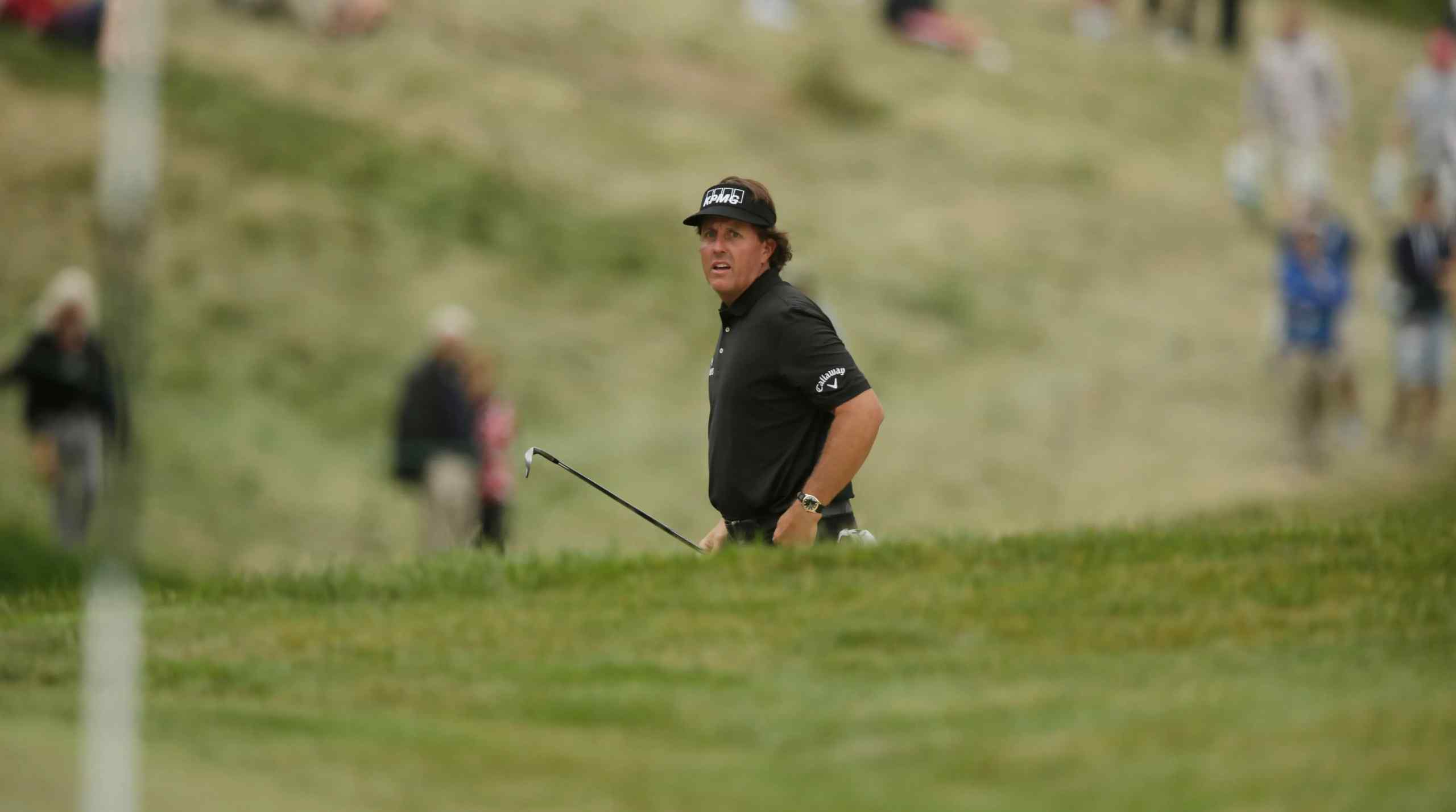
Phil Mickelson was once lovable; now he’s something else. His FIGJAM nickname was telling. Gambling issues. Insider trading allegations and, more recently, allegations of misconduct. But the LIV move torched his reputation. Now known more for Twitter nonsense than folk hero status. Still beloved by some, easily disliked by the rest.
Greg Norman
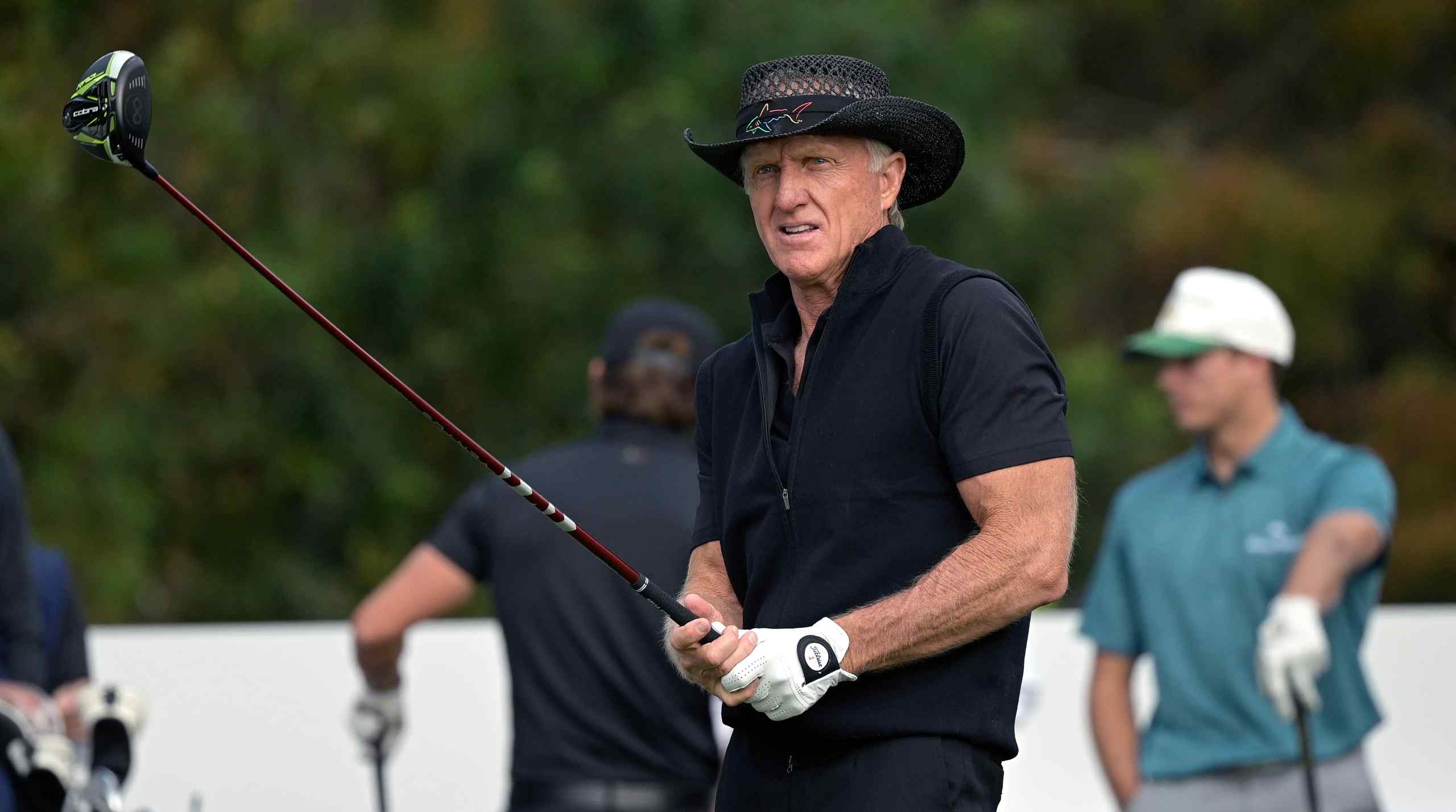
Greg Norman combined cockiness, a fragile ego, and relentless PGA Tour disruption. The night before blowing a six-shot lead at the 1996 Masters, he got bent out of shape when a commentator predicted collapse. His LIV frontman role made him public enemy number one. Few golfers carry a larger army of haters.
The economics of villainy
Being the villain is not bad for business. Reed has not struggled for sponsorship. DeChambeau is one of LIV's biggest draws precisely because people want to see what he will do next. Negative attention moves the needle. It sells tickets. Drives engagement. Drama is good for business.
The psychology of sports hate
Why love hating these guys? Sports are boring without conflict. A clear antagonist makes every shot matter more. Every missed putt is a small victory. It adds emotional investment that enriches the experience.
In golf's gentleman's game, villains stand out. Breaking unwritten codes, like slow play, club throwing, and arguing with officials, violates the sport's ethos entirely.
The flip side: most loved
You cannot have villains without heroes. Max Homa and Jordan Spieth are consistently the most fan-friendly. Homa's Twitter is legendary. Spieth signs autographs for hours. Scottie Scheffler might be the most universally liked player. His wholesome family image and dominance made him a folk hero.
The shift
LIV and the PIF changed "villain" entirely. It is no longer just about on-course behavior. Now it is about which league you joined, whose money you took, and whether you betrayed the PGA Tour. Politics are as polarizing as anything between the ropes.
The "love to hate" tradition endures. It is what makes sports worth watching. The next crop of villains is already warming up.
Lucie brings almost 20 years of iGaming experience, combining sports writing expertise with deep casino knowledge. Her work spans live sports coverage, slot mechanics, player-focused reviews, and strategic casino content. Known for her no-nonsense, first-hand approach, Lucie cuts through jargon to deliver clear, practical insights for both operators and players.
More Articles like this
Why Does Everybody Hate Us? 10 Most Hated Sports Teams Ever
Some teams always win; others get caught breaking the rules. Either extreme is a surefire way to become universally hated, as these 10 sports teams can attest to.
By Stuart Hughes
5 Outrageous Sports Rules That Need to Die
From a missed signature disqualification to a two-minute penalty for a tucked-in jersey, find out about the top five dumbest rules in sport that leave common sense in the locker room.
By Stuart Hughes
The 10 Most Unforgettable Quotes in Sports History
From Jordan's hard truths to Healy's cheeseburger dig, these legendary greats uttered 10 iconic quotes that turned out to be as memorable as their sporting achievements.
By Stuart Hughes
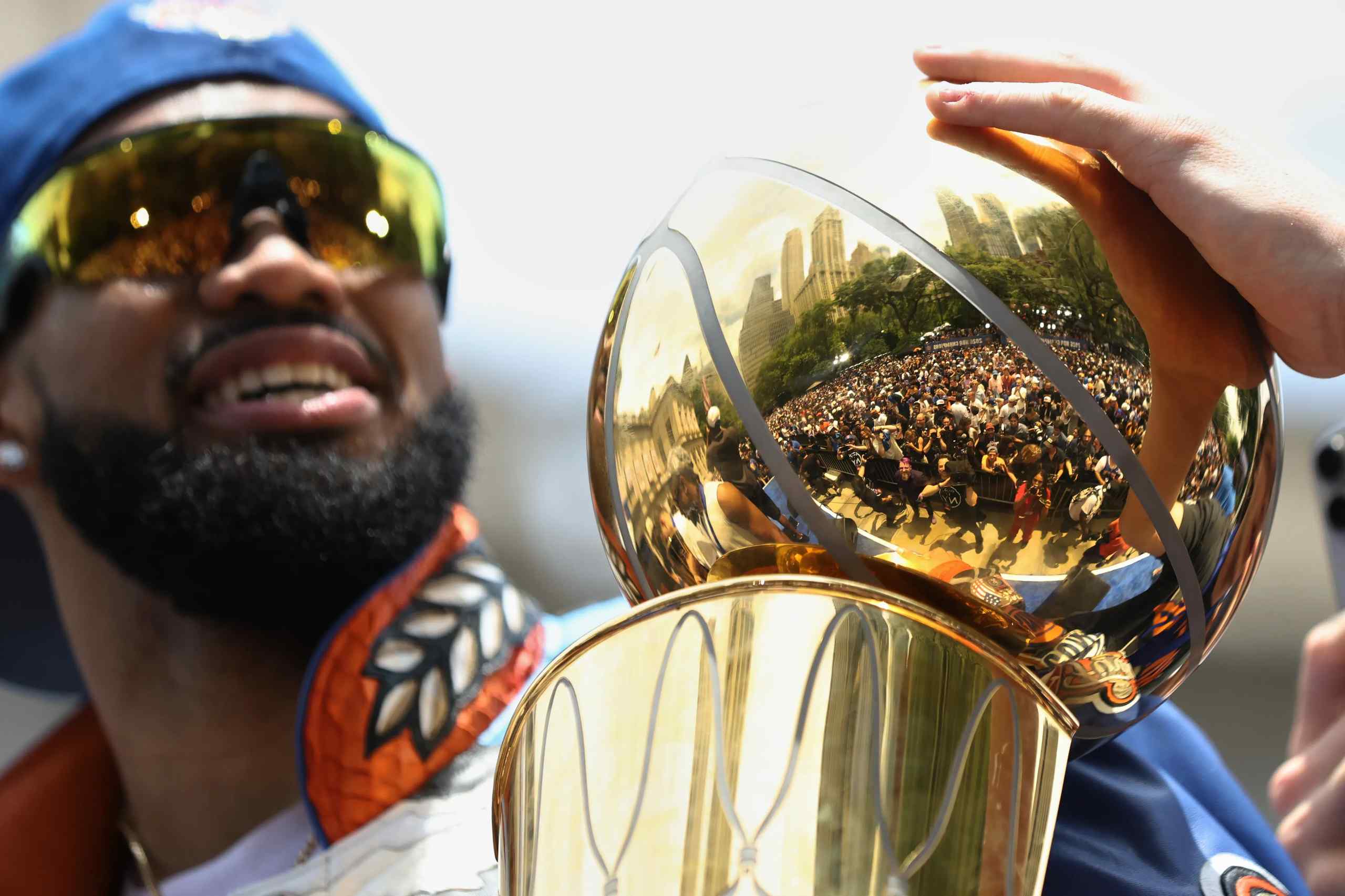
Eight Years, Eight NBA Champions. Is Parity Here to Stay?
Eight different teams have won the NBA championship in eight years, the longest such streak in league history. Can the Knicks finally break the cycle, or will another contender claim the crown?
By Bill Gelman
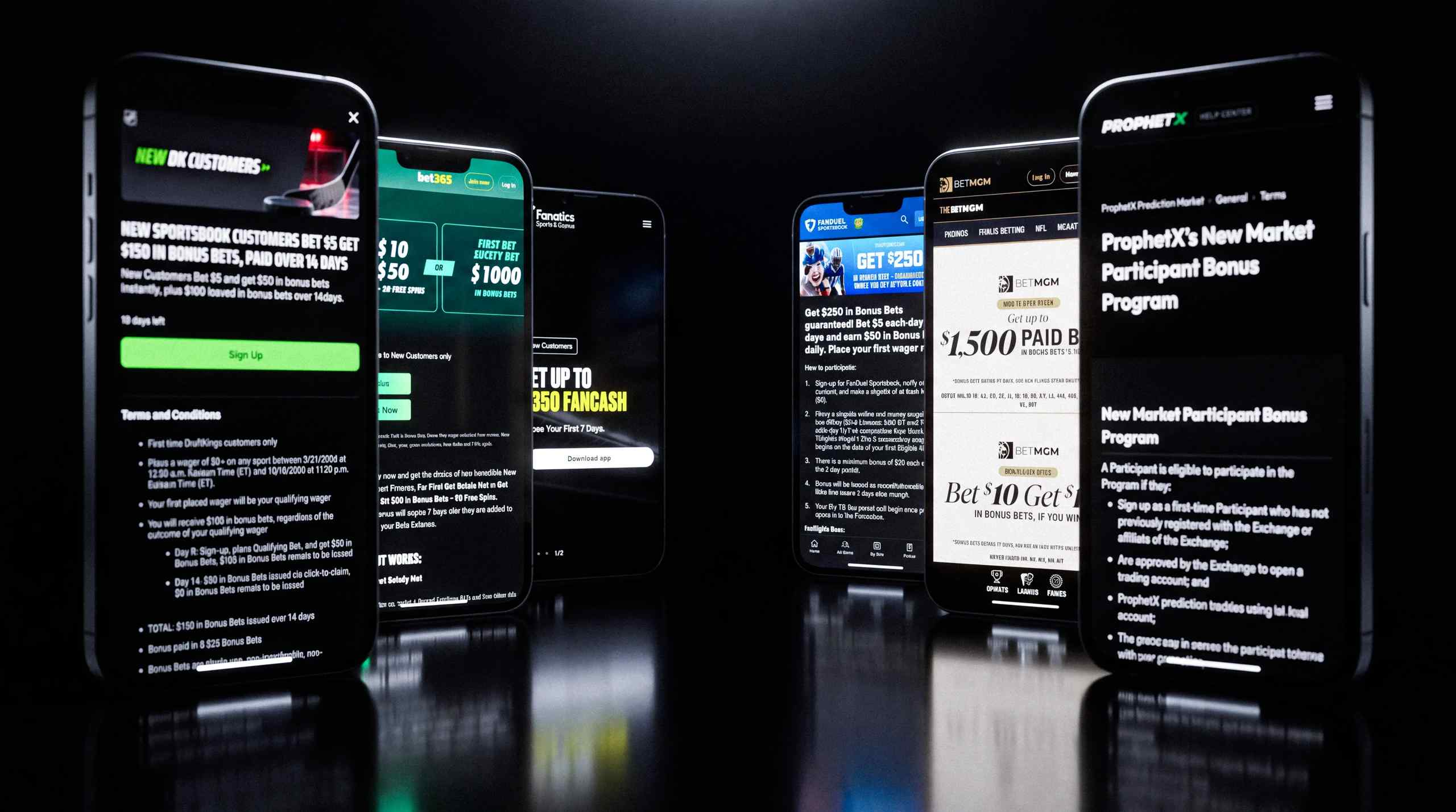
Is This the Biggest Acquisition Era in Sports Betting History?
Sportsbooks, prediction markets, and sweepstakes apps are fighting for the same customers. We compared 11 welcome offers to see who's offering the biggest incentives.
By Cole Rush
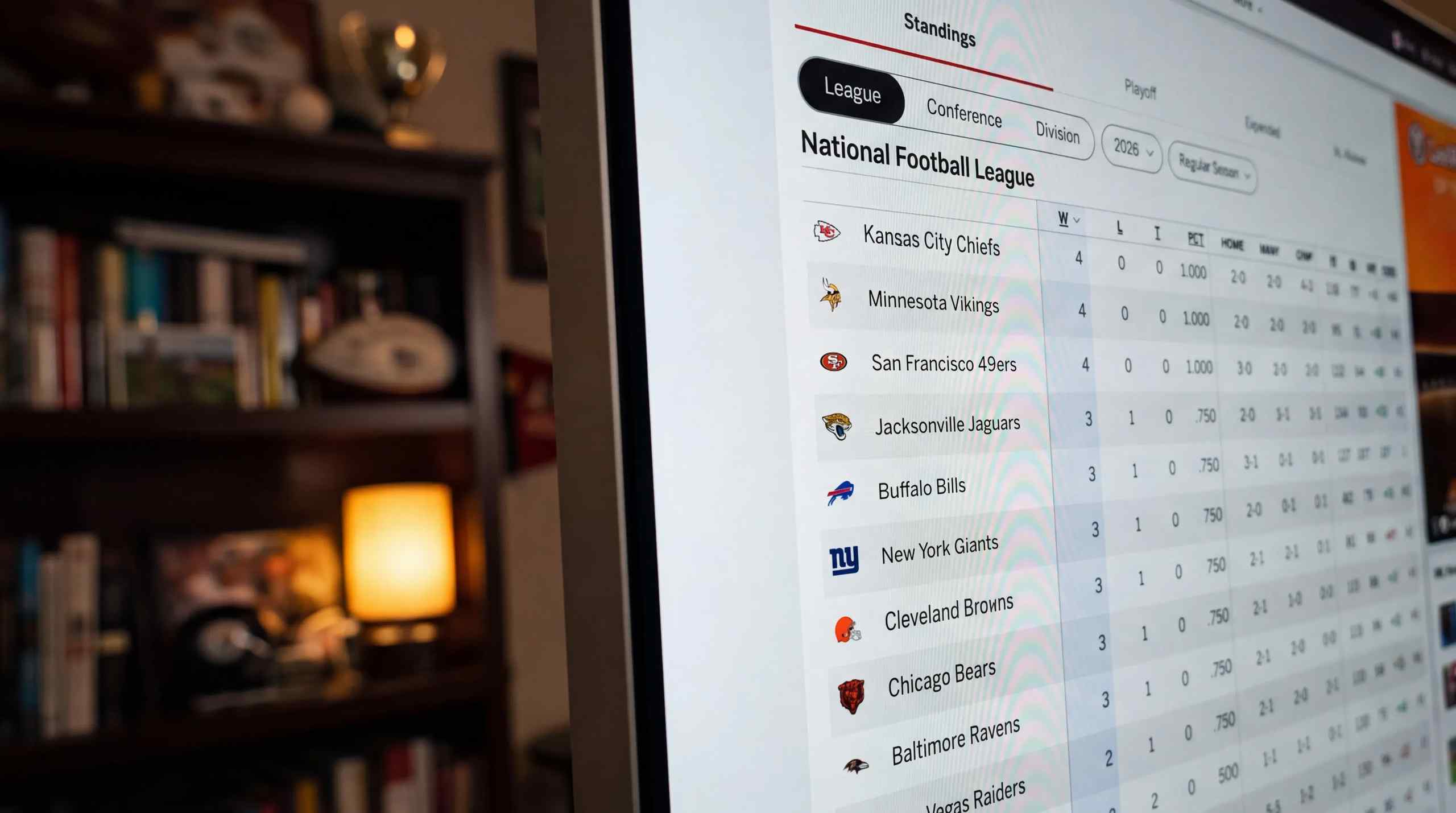
Does a 4-0 NFL Start Mean You're Playoff Bound?
A 4-0 start can put your team on the fast track to the playoffs, but history shows that even Super Bowl champions don't always start strong.
By Marcus Mosher