
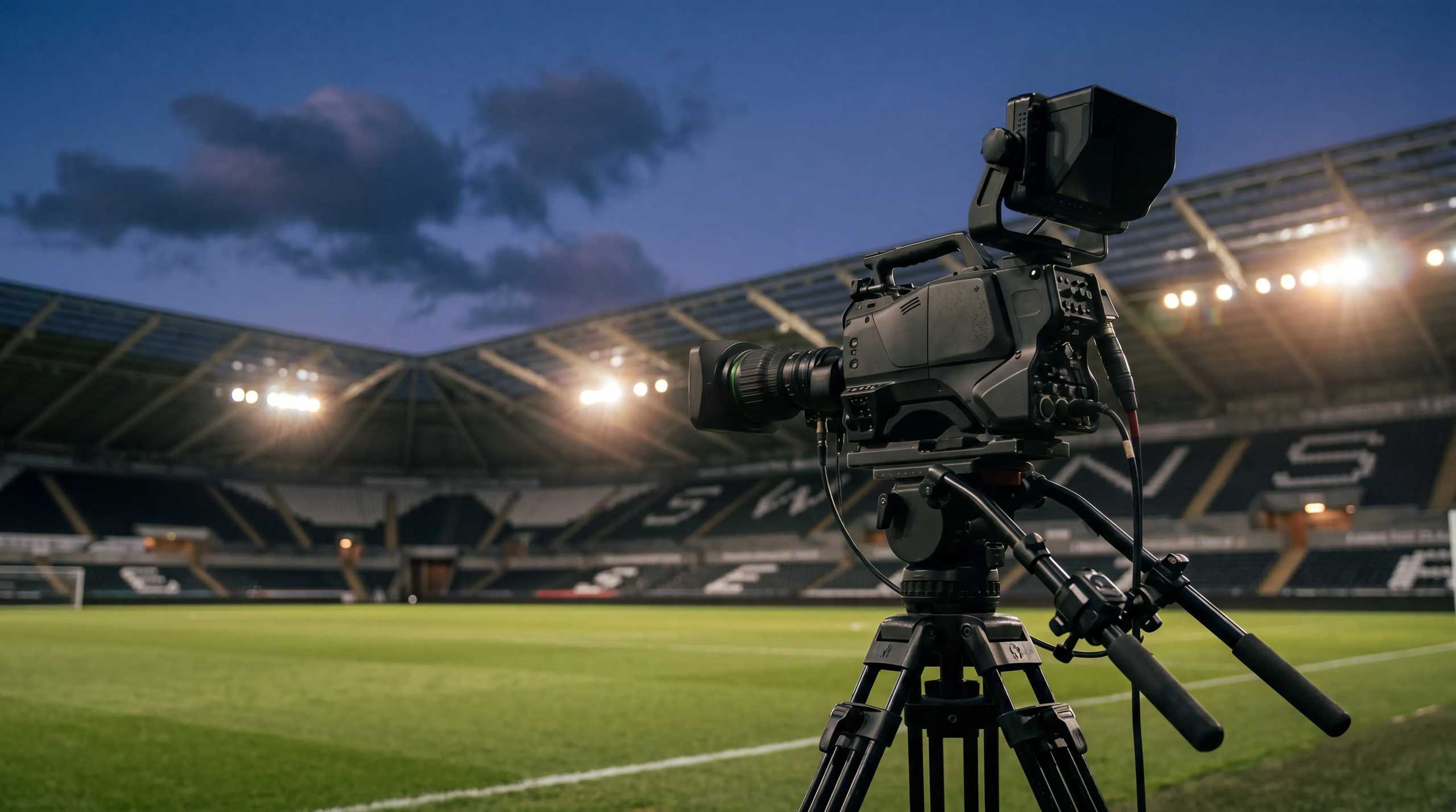
Welcome to Swansea? The Clubs Chasing Wrexham's Success Story
Celebrity owners and football results turned Wrexham into a global phenomenon. Now, a new wave of clubs is chasing that magic.

A few years ago, Wrexham was a struggling non-league football club known mostly to dedicated supporters.
Today, it is one of the most recognizable soccer brands in the world, and it did not get there by accident. Celebrity ownership, documentary storytelling, social media, and actual on-field investment and success turned a lower-league club into a global entertainment property.
That combination has become a blueprint, or at least a temptation, for other clubs seeking their own version of the same magic. The question now is whether the Wrexham model can be recreated, or whether it only works once.
The Wrexham Model
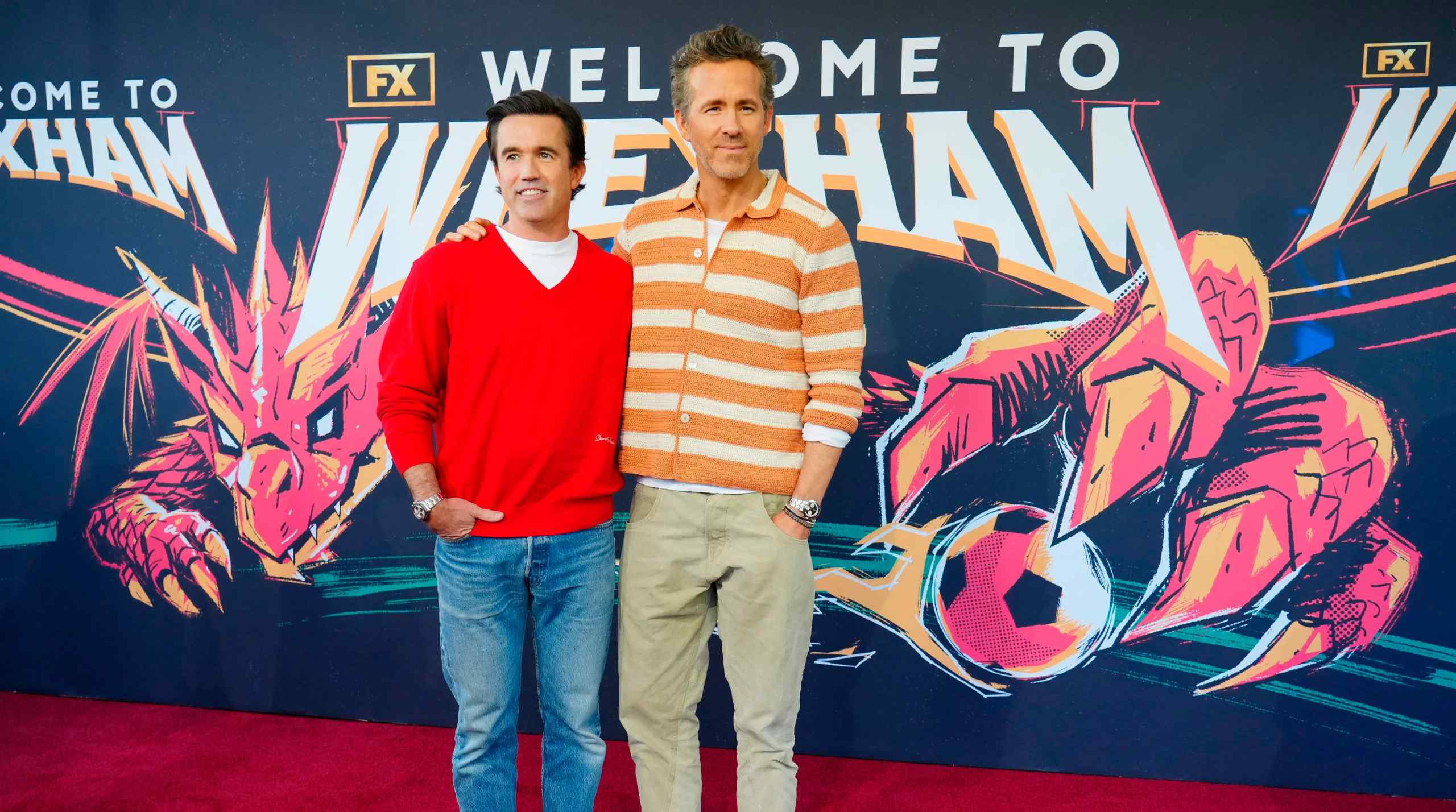
The Wrexham model is bigger than celebrity owners and red scarves. Sure, Hollywood stars Ryan Reynolds and Rob McElhenney help, but it is a recipe built on documentary storytelling, global audience-building, social media momentum, and meaningful investment in football operations.
The club was not just marketed to local fans. It was presented to a worldwide audience as a real underdog story with stakes, humor, and emotional payoff.
That is the key insight. Wrexham’s audience grew far faster than its place in the football pyramid. The club became a media brand before it became a football success story, and then the football followed.
Swansea and the New Attention
Swansea City is one of the latest names to get pulled into the Wrexham orbit, especially now that clubs see how far celebrity and investment can stretch a football brand.
Croatian soccer legend Luka Modrić’s investment in Swansea is a major push to take that club to the next level. Meanwhile, the broader attention from high-profile celebrity and athlete backers and U.S. investor groups shows how lower-profile clubs are being viewed differently than they were a decade ago.
Investors increasingly see football clubs as media assets, not just sports teams, and that changes the entire conversation around ownership. A club does not have to be a giant to matter anymore.
It just needs a story, a channel, and a way to travel beyond its local market. Swansea already has identity, history, and a decent-sized fan base, which makes it a plausible candidate for this newer, globalized version of club ownership.
Clubs Borrowing the Formula
Many clubs are already borrowing pieces of the Wrexham playbook, even if none are reproducing it exactly. Birmingham City, for example, has leaned heavily on celebrity attention through Tom Brady’s involvement, which instantly gave the club a higher global profile than most Championship sides could dream of.
Como 1907, which counts soccer stars Thierry Henry and Cesc Fábregas as minority owners, is another useful example because it combines smart branding, attractive aesthetics, and a broader lifestyle appeal that goes beyond the pitch.
Clubs like AFC Bournemouth and Leyton Orient have also been talked about in the context of documentary potential, digital growth, and international audience expansion.
The broader trend matters more than any one club. Football ownership is no longer just about buying results on the pitch. It is about buying relevance, content, and attention.
Some clubs will get there through celebrity, others through style, and others through smart distribution. But they are all trying to answer the same question: How do you become more than a team?
Why Wrexham Was Different
Wrexham worked because many things aligned at once. Reynolds and McElhenney brought star power, but they also brought an authenticity that audiences could trust. The owners were famous enough to attract attention, but not so detached that the project felt fake.
The timing mattered too. The series landed in an era when streaming audiences were hungry for feel-good sports storytelling, and Disney’s distribution gave the club massive reach.
Then the football itself cooperated. Wrexham kept winning, which meant the story never stalled.
A celebrity owner without results is just a vanity project. A good team without storytelling is still invisible. Wrexham hit the rare middle ground where both the football and the content kept feeding each other.
Football as a Media Asset
There is a real business opportunity behind lower-league football. And it is bigger than nostalgia. Compared to major American sports franchises, lower-league clubs can still be relatively cheap assets with upward potential.
That gives investors a different lens. Sponsorships, international merchandise, streaming rights, hospitality, and social reach can matter as much as league position.
A club does not have to be in the Premier League to be valuable if it can build a large enough audience and create a durable brand. That is why the Wrexham model is so seductive.
It suggests that football clubs can become long-term brand-building platforms, not just sporting investments.
The Problem With Everyone Copying It
The more clubs try to follow the Wrexham model, the harder it becomes to stand out. Documentary fatigue is real, and not every club can count on a pair of globally recognized owners to make the project instantly marketable.
The first few clubs benefit from novelty, but after that, the market gets crowded.
There is also the authenticity problem. Fans can tell when a club is being packaged too neatly for outsiders, and that can undercut the emotional connection that made Wrexham work in the first place.
Celebrity ownership may become normal, but normal is not the same as compelling.
Clubs and the Wrexham Blueprint
| Club | High-Profile Investor | League / Status | Wrexham-Style Angle |
|---|---|---|---|
| Wrexham | Ryan Reynolds, Rob McElhenney | Championship | The original blueprint of celebrity, story, content, and success. |
| Birmingham City | Tom Brady involvement | Championship | Celebrity attention and global brand lift. |
| Swansea City | Luka Modrić investment | Championship | International star power and brand expansion potential. |
| Como 1907 | High-profile ownership / fashion-friendly branding | Serie A | Lifestyle branding, social reach, and media appeal. |
The Bigger Picture
Wrexham did not just get lucky. It has the right mix of people, timing, story, and sporting success. That is why the model is so hard to duplicate.
Other clubs can borrow the ingredients, but they cannot always recreate the chemistry.
Still, the larger trend is unmistakable. Football clubs are increasingly being treated as media brands, not just athletic organizations. If Wrexham proved anything, it is that the right club can become much bigger than its league if the story is strong enough.
The challenge for those like Swansea City, Birmingham, Como, and everyone else is simple. They are not just trying to copy Wrexham’s ownership model.
They are trying to recreate a cultural moment that may already have happened.
Pat Evans is a Grand Rapids-based journalist and editor covering the intersection of business, sports, lifestyle, and gambling regulation. With a background in business journalism and legislative reporting (LSR, iGamingBusiness), he brings an analytical, human-focused approach to stories about modern trends. His work has appeared in regional and national publications, and he is also the author of two books on beer history.
More Articles like this
Why Does Everybody Hate Us? Top 10 Most Hated Sports Teams Ever
Some teams always win; others get caught breaking the rules. Either extreme is a surefire way to become universally hated, as these 10 sports teams can attest to.
By Stuart Hughes
5 Outrageous Sports Rules That Need to Die
From a missed signature disqualification to a two-minute penalty for a tucked-in jersey, find out about the top five dumbest rules in sport that leave common sense in the locker room.

By Stuart Hughes
The 10 Most Unforgettable Quotes in Sports History
From Jordan's hard truths to Healy's cheeseburger dig, these legendary greats uttered 10 iconic quotes that turned out to be as memorable as their sporting achievements.

By Stuart Hughes
Eight Years, Eight NBA Champions. Is Parity Here to Stay?
Eight different teams have won the NBA championship in eight years, the longest such streak in league history. Can the Knicks finally break the cycle, or will another contender claim the crown?
By Bill Gelman
Is This the Biggest Acquisition Era in Sports Betting History?
Sportsbooks, prediction markets, and sweepstakes apps are fighting for the same customers. We compared 11 welcome offers to see who's offering the biggest incentives.

By Cole Rush
Does a 4-0 NFL Start Mean You're Playoff Bound?
A 4-0 start can put your team on the fast track to the playoffs, but history shows that even Super Bowl champions don't always start strong.
By Marcus Mosher