
.webp)
Sports Are Thriving But Viewing Habits Are Changing
How casual, highlight‑driven viewing and second‑screen habits are reshaping what it means to watch sports.

Sports fandom is changing, becoming more passive, and most fans don’t even realize it.
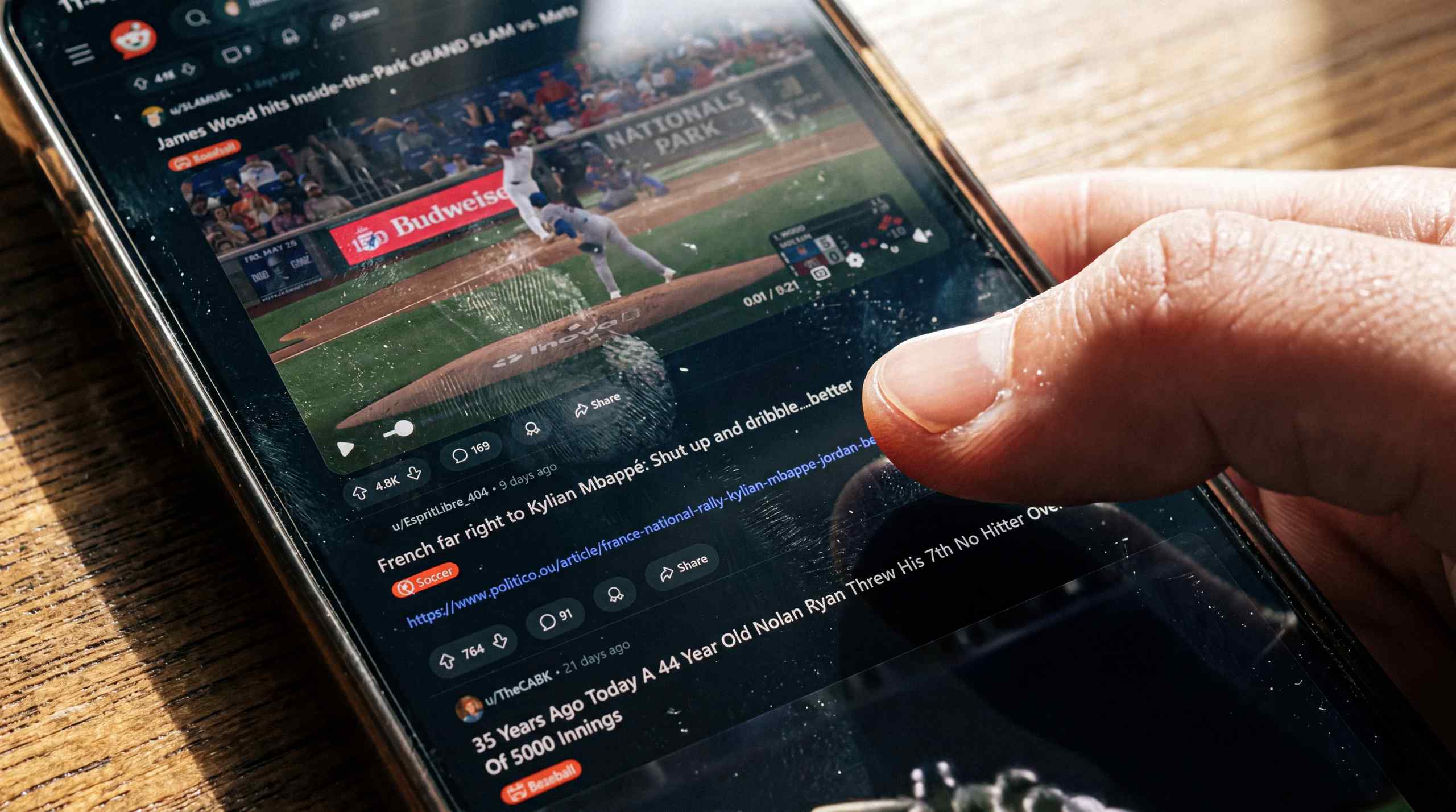
Fans don’t “watch” games so much as they follow them nowadays. It’s a highlight here, a betting update there, a fantasy score toss‑up in the background, or a meme‑wrapped moment blown up on TikTok or X.
Fans are still emotionally invested, arguing about draft picks, tracking their team, and reacting to game-breaking plays, but they rarely sit through the full broadcast start to finish. That’s the rise of passive sports fandom. Fans know the score, the highlights, and the aftermath, even if they never actually watched the game.
This shift is reshaping how younger fans experience sports, how leagues and media package content, and how advertisers try to reach them. By the time the final whistle sounds, fans experience the game both forward and backward, but they often never actually sit down and watch the full broadcast. This isn’t lapsed fandom. It’s the new default. Sports fandom is becoming increasingly passive, fragmented, and ambient, and the three‑hour full game is starting to feel like the sport’s longest endangered format.
What Passive Sports Fandom Actually Means
Passive sports fandom sounds like an insult, but it’s really just a description of how people actually live with sports now. Fans are still emotionally invested in their teams, jerseys, social arguments, fantasy lineups, and betting slips prove that. The difference is in how they interact with their favorite sports and teams.
Instead of watching full games start‑to‑finish, many fans now watch highlights, recap videos, and highlight‑package breakdowns. They follow betting lines, odds shifts, and prop markets more closely than the actual flow of the contest. They get narrated promos and reaction clips before they ever see the raw game.
The experience is multi‑screen and multi‑tasking. Now a game requires a phone, a TV, a chat window, and maybe a podcast in the background. The full game is less of an event and more of a source material for a never‑ending stream of moments.
Why Full‑Game Viewing Is Declining
Game viewing is still happening, but it’s shrinking relative to the alternatives. A mix of attention, technology, and culture drives the shift.
- Attention fragmentation -- Phones and second screens compete constantly, pulling focus away from full games.
- Infinite content competition -- Sports no longer dominate attention the way they once did. There’s always something else to watch.
- Highlight optimization -- Social platforms reward short, emotional moments, not slow‑build games.
- Betting and fantasy sports -- Fans track outcomes, stats, and props across multiple games at once, not one full broadcast.
- Time commitment -- Younger audiences often resist long‑form viewing habits and prefer snacks over marathons.
As it evolves, sports media have mostly adapted to the changes instead of pushing back.
RedZone, TikTok, and the “Moment Economy”
Today’s most popular sports products are built around the idea that moments are the unit of fandom. NFL RedZone doesn’t show full games, it shows every scoring drive, every red‑zone rep, every big play. It’s designed for fans who want to see the highlights of the entire slate without committing to any single broadcast.
The same philosophy lives on social media sites. Coaches barking, players improvising, or referees making questionable calls. All of it gets cut into tight, shareable clips with titles designed to trigger outrage, awe, or nostalgia. Fan accounts, meme pages, and reaction channels turn every major game into a live highlight reel.
In this economy, the most valuable sports content isn’t the deepest analysis or the most complete game film. It’s the fastest, cleanest, most emotionally efficient moment. That means the dunks, buzzer‑beaters, overturned calls, courtside exchanges, and the viral celebrations get the eyeballs.
Watching the full game, by contrast, starts to feel like a premium subscription to extra context.
What This Means for Sports Leagues and Broadcasters
The rise of passive fandom puts leagues and broadcasters in a tricky position. They still depend on long‑form live TV economics. Revenue from the ad breaks and broadcast rights fuels the sports.
But younger audiences are voting with their behavior. They want shorter, more frequent, and more interactive experiences.
To stay relevant, leagues are experimenting. They’re leaning into streaming and social media-friendly formats. Some teams release mini games or complex highlight edits. Broadcasters are baking betting lines, stats overlays, and multi‑screen experiences into their feeds.
There’s also a quiet acceptance that highlights might replace traditional appointment viewing for some fans. The question is whether the leagues can monetize that fragmentation as well as they monetize a three‑hour linear broadcast.
Shorter content, gambling integrations, and personalized viewing experiences are all part of the answer, but they’re also a bet on a future where the full game matters less.
.webp)
Is This Actually Bad for Sports?
The news isn’t all bleak. In some ways, passive fandom expands the audience. It lowers the barrier to entry. Fans don’t need three hours to feel fully invested. They can join a conversation, react to a clip, swap takes in a group chat, and still feel like a real fan.
Fantasy leagues, betting circles, and social media communities keep people engaged across full seasons and deep playoff runs. The ecosystem is more participatory, more talkative, and more emotionally amplified than ever.
The risk is a loss of patience. If a fan mostly consumes sports in 15‑second bursts, the slower, more strategic parts of the game, the drives, possessions, and half innings with adjustments and pacing can start to feel like filler.
Sports risk becoming pure content, rather than a sustained, evolving story.
People still care about sports. The difference is in how they watch. The future sports fan may never sit through an entire game from kickoff to final whistle, and yet still somehow know everything that happened in it, thanks to clips, betting, fantasy, and online conversations.
The full game isn’t dead, but it’s no longer the only way to be a fan. Sports fandom is evolving into something more ambient, more fragmented, and more integrated with the rest of the internet.
Pat Evans is a Grand Rapids-based journalist and editor covering the intersection of business, sports, lifestyle, and gambling regulation. With a background in business journalism and legislative reporting (LSR, iGamingBusiness), he brings an analytical, human-focused approach to stories about modern trends. His work has appeared in regional and national publications, and he is also the author of two books on beer history.
More Articles like this
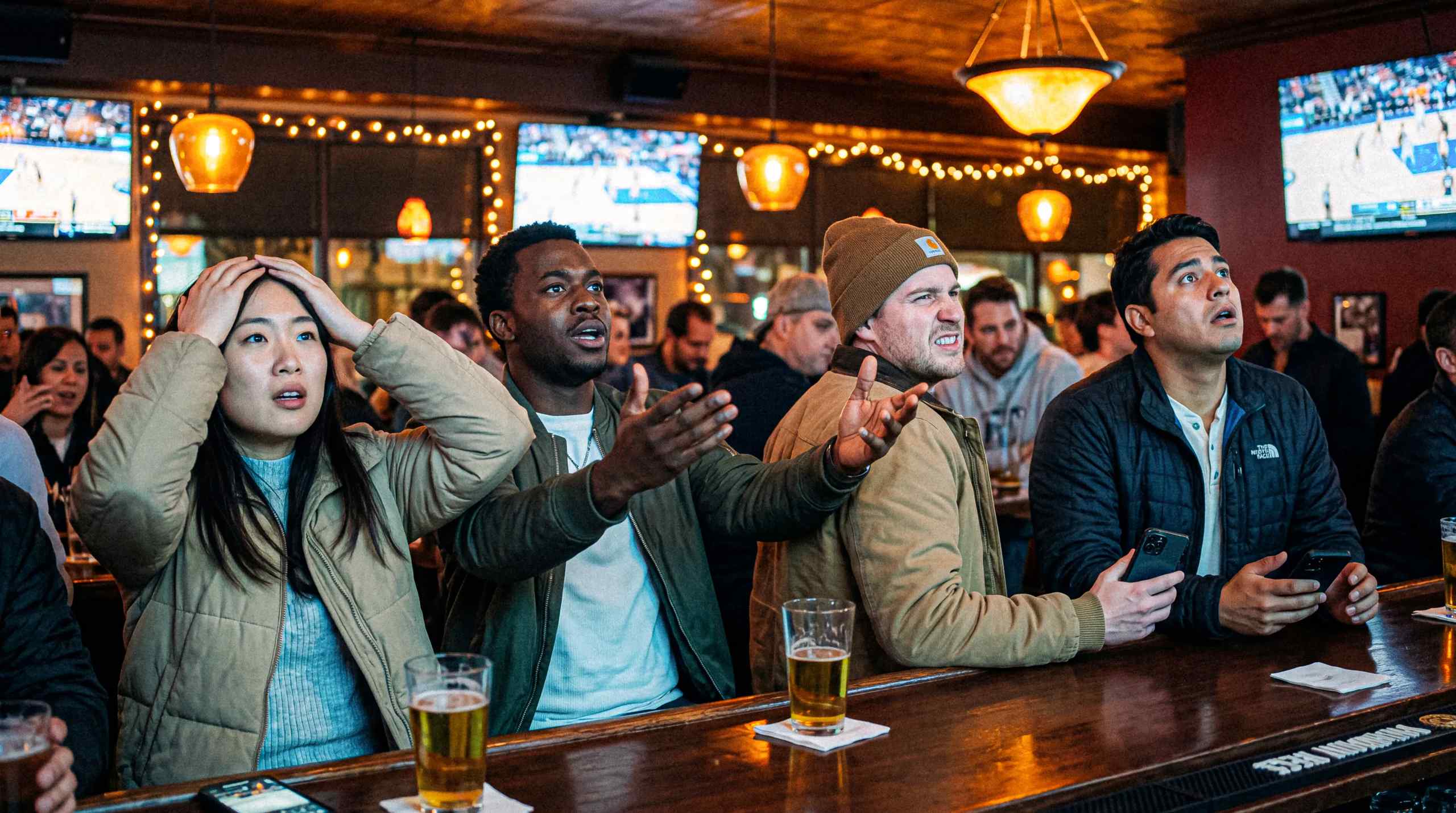
5 Outrageous Sports Rules That Need to Die
From a missed signature disqualification to a two-minute penalty for a tucked-in jersey, find out about the top five dumbest rules in sport that leave common sense in the locker room.
By Stuart Hughes
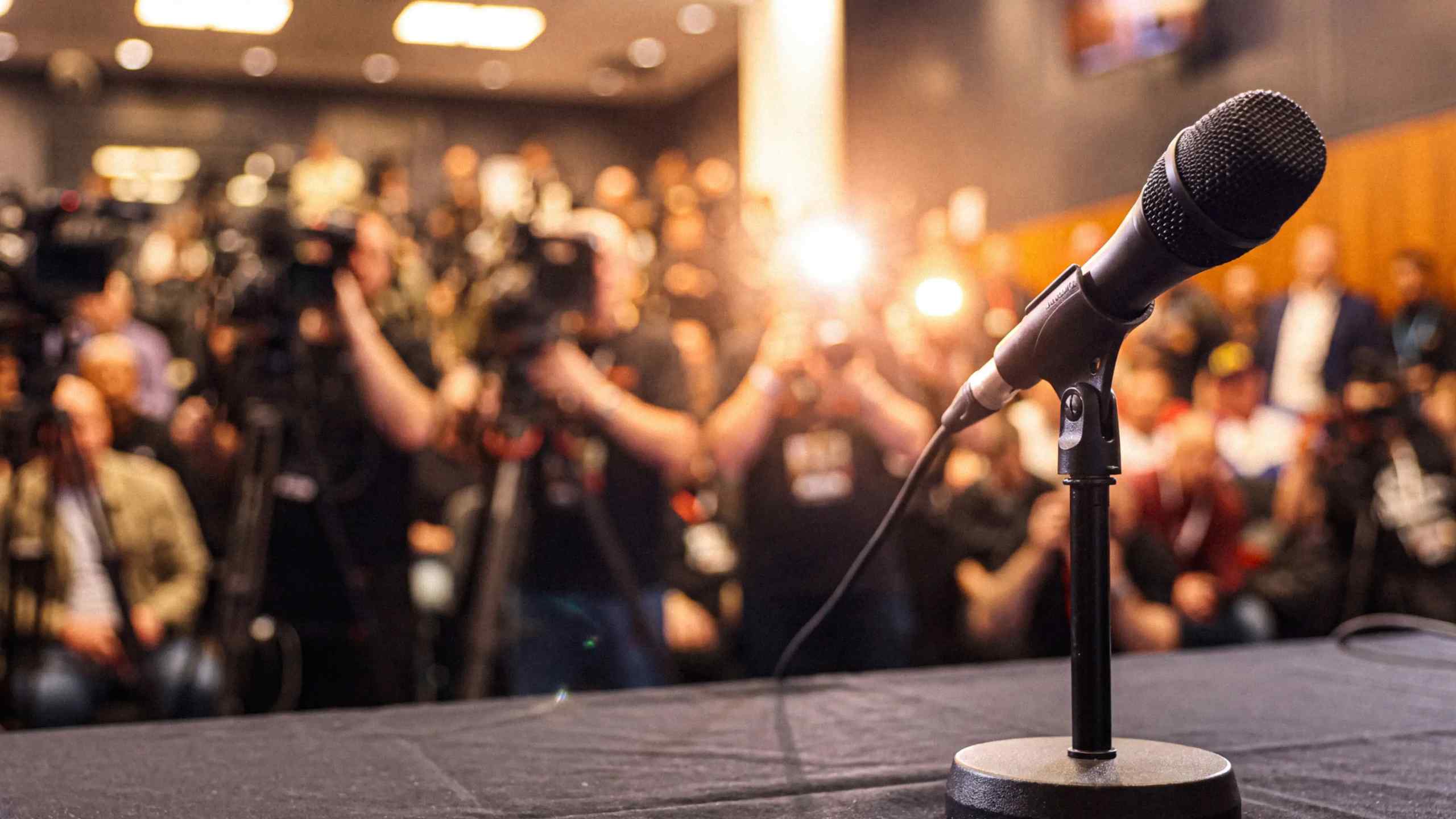
The 10 Most Unforgettable Quotes in Sports History
From Jordan's hard truths to Healy's cheeseburger dig, these legendary greats uttered 10 iconic quotes that turned out to be as memorable as their sporting achievements.
By Stuart Hughes
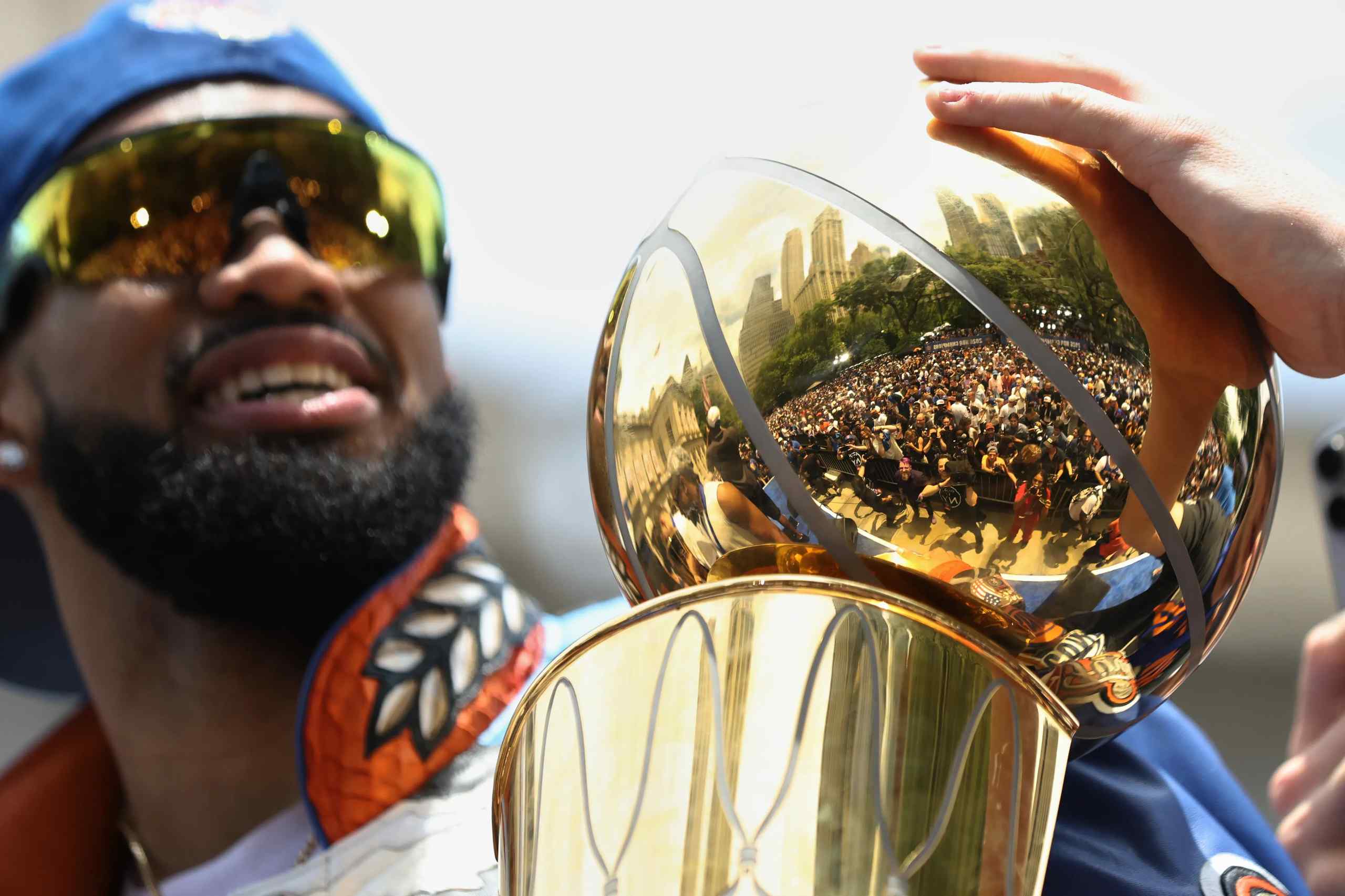
Eight Years, Eight NBA Champions. Is Parity Here to Stay?
Eight different teams have won the NBA championship in eight years, the longest such streak in league history. Can the Knicks finally break the cycle, or will another contender claim the crown?
By Bill Gelman
Is This the Biggest Acquisition Era in Sports Betting History?
Sportsbooks, prediction markets, and sweepstakes apps are fighting for the same customers. We compared 11 welcome offers to see who's offering the biggest incentives.

By Cole Rush
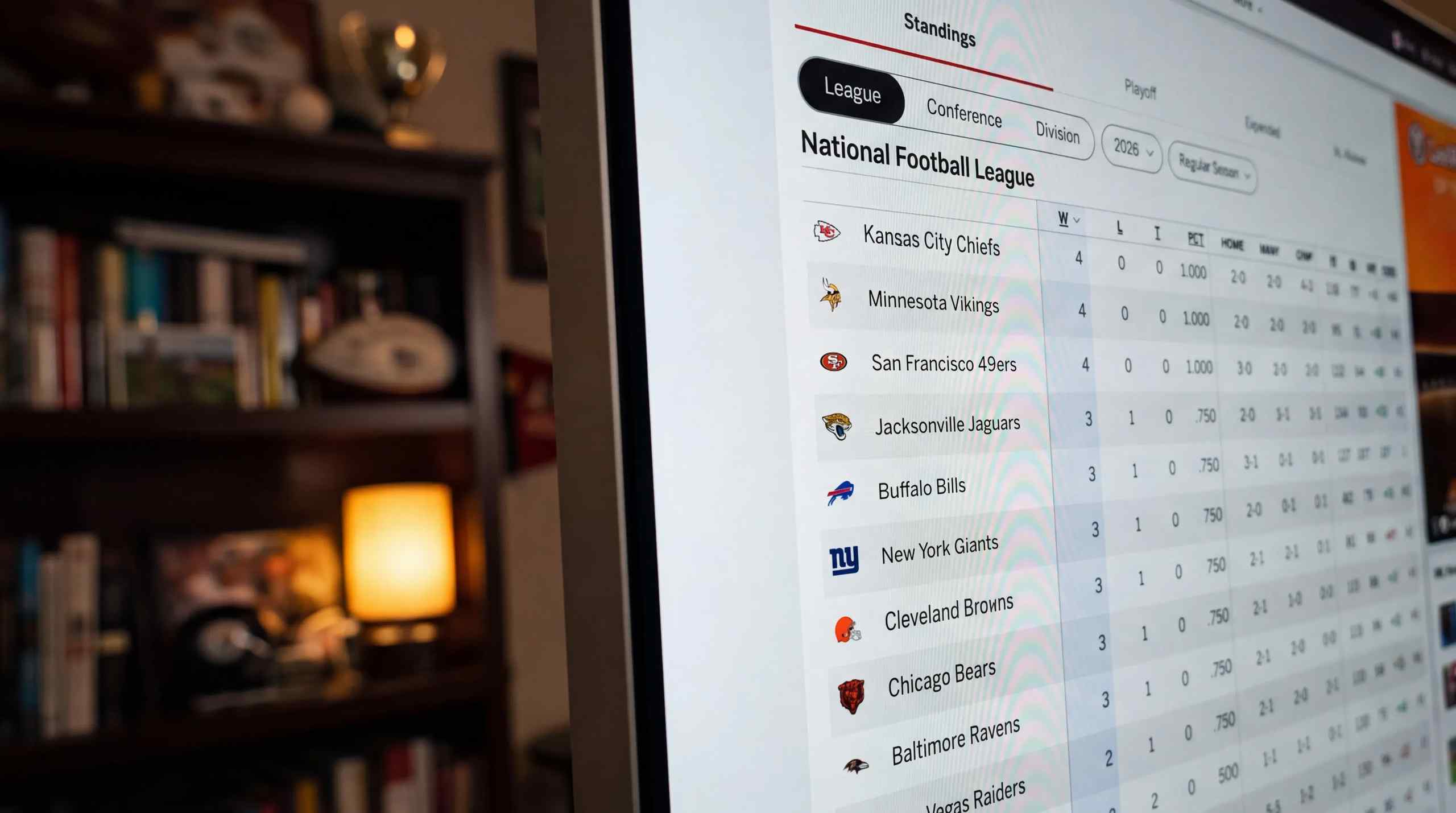
Does a 4-0 NFL Start Mean You're Playoff Bound?
A 4-0 start can put your team on the fast track to the playoffs, but history shows that even Super Bowl champions don't always start strong.
By Marcus Mosher
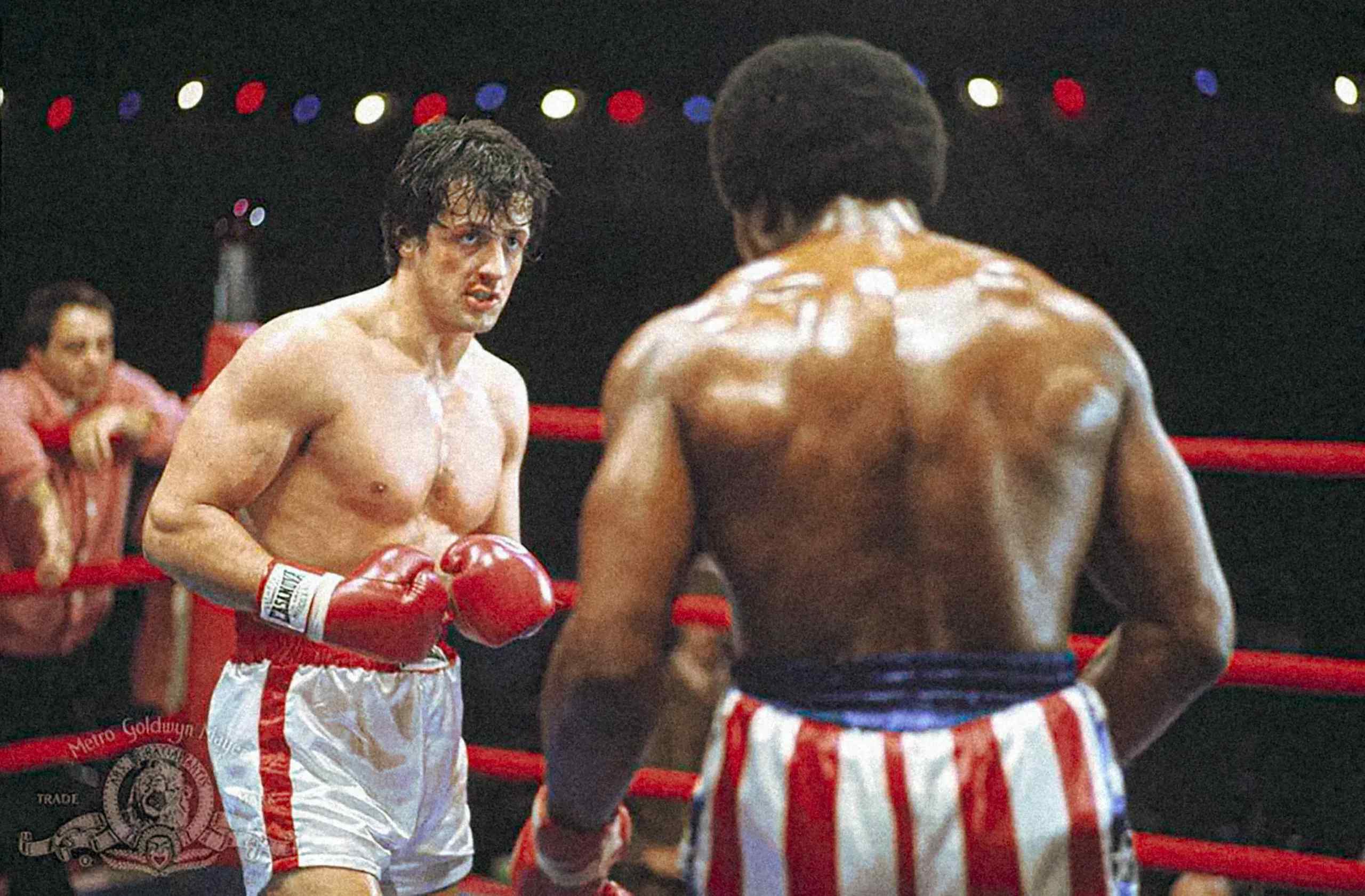
The 8 Greatest Sports Movies Ever Made, Ranked
Rocky isn't No. 1 by default. We ranked the eight greatest sports movies ever made, from a boxing warhorse to a table tennis fever dream, weighing critical scores against what actually stuck.
By Cole Rush