
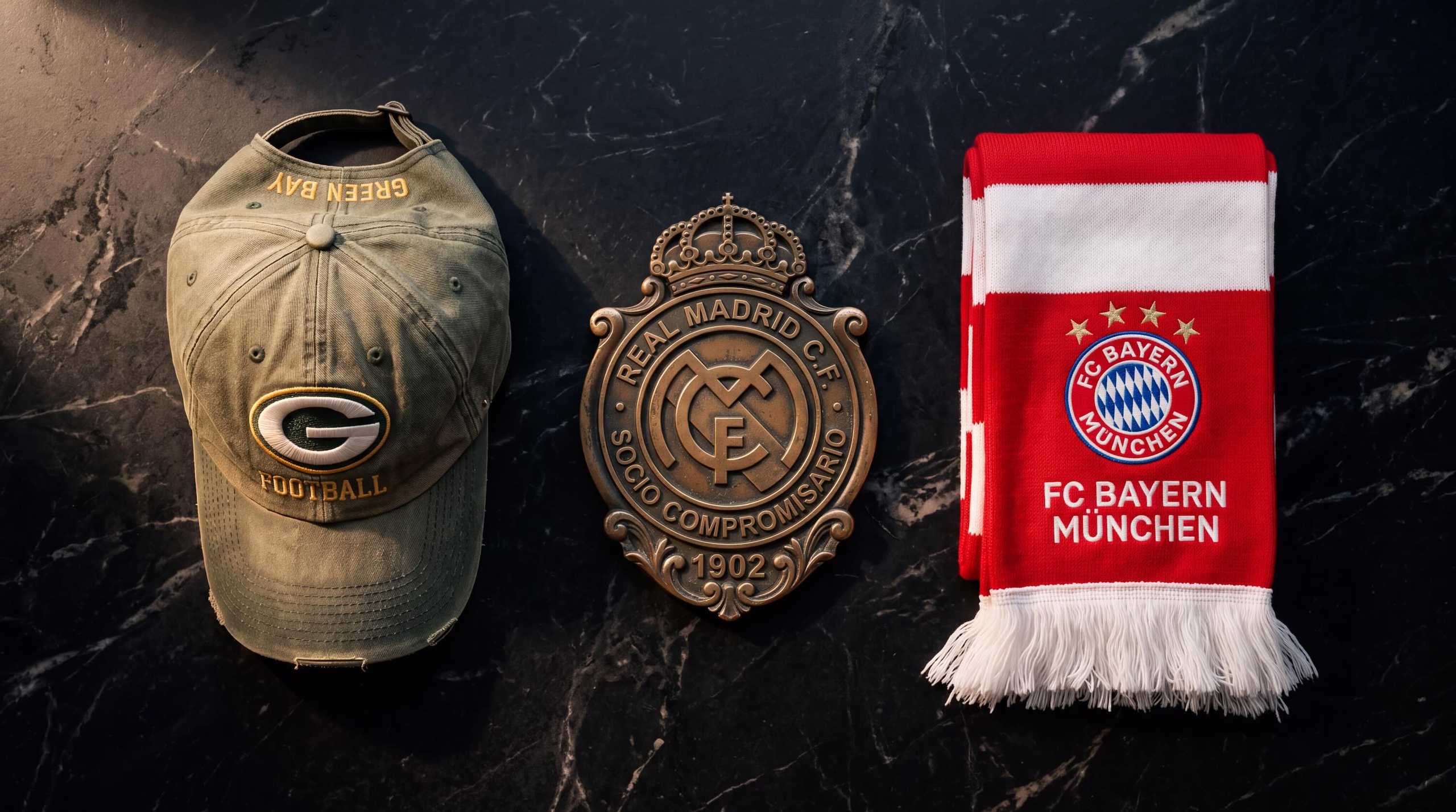
Billionaire Fatigue? Meet Real Madrid, Bayern and the Packers
They may be worth billions with countless championship titles to their names, but in the uber-competitive world of sports ruled by wealthy owners and corporate investors, why are fan-owned clubs still so dominant?

For all the controversy surrounding sports clubs being bought up by unsavory billionaire owners and soulless private equity firms in the hope of creating a sporting brand empire, the subtle truth is, some of the most successful teams in the world are still run by their fans.
From the NFL's Green Bay Packers to European juggernauts Real Madrid, Barcelona, and Bayern Munich, you won't find arrogant oligarchs or cold-eyed financiers at the helm, instead, it is their humble fans who ultimately control the direction of these legendary clubs. With so many examples and variations of fan-driven ownership, the question remains - can it continue to deliver success on the pitch, or will greed and corporate ambition eventually win out?

What Does "Nobody Owns It" Actually Mean?
In an era where sports teams have become the ultimate luxury investment, the concept that community-owned clubs can still pull one over on the Wall Street elite is a testament to how a passionate fanbase can supersede the lust for capital gains.
Not surprisingly, the formats do vary from league to league, but these collectively governed organizations were built on the foundation of spreading control across their members, supporters, and community shareholders alike, rather than an individual owner or clueless investment firms calling all the shots.
Variations of Fan-Based Ownership Models
| Model | Team | League | Format |
|---|---|---|---|
| Publicly Owned (Member Association / Socios) | Real Madrid | La Liga | Owned by its members (socios), fans get to elect the president and the club's board members every four years, meaning that no one person owns the club outright. |
| German 50+1 Model | Borussia Dortmund | Bundesliga | A fan-based membership structure that guarantees the club association retains a majority voting control but also allows for external investment to come in. |
| Community-Owned Club / Fan Ownership | Green Bay Packers | NFL | A public franchise ownership model that incorporates more than 500,000 shareholders who own stock in the team, although shares provide only limited voting influence and no financial returns. |
| Publicly Traded Club | Manchester United | Premier League | Traded on a stock exchange, fans can actively buy shares in their team, although they have little control over the running of the club because voting power is concentrated among its controlling owners. |
So while not every supporter-based model means that fans own a part of their beloved club, in the majority of instances they still have a stake in choosing the club's leadership and influence how the outfit is run. While some supporter-led endeavors like Bayern Munich and Barcelona have been in place since 1900, more recent examples stem from fan-led protest takeovers, such as when the Pompey Supporters Trust purchased Portsmouth FC in 2013.
Nevertheless, no matter which ownership model is followed, nor the timescales involved, the concept remains rooted in the belief that the fans will always have the club's best interests at heart.
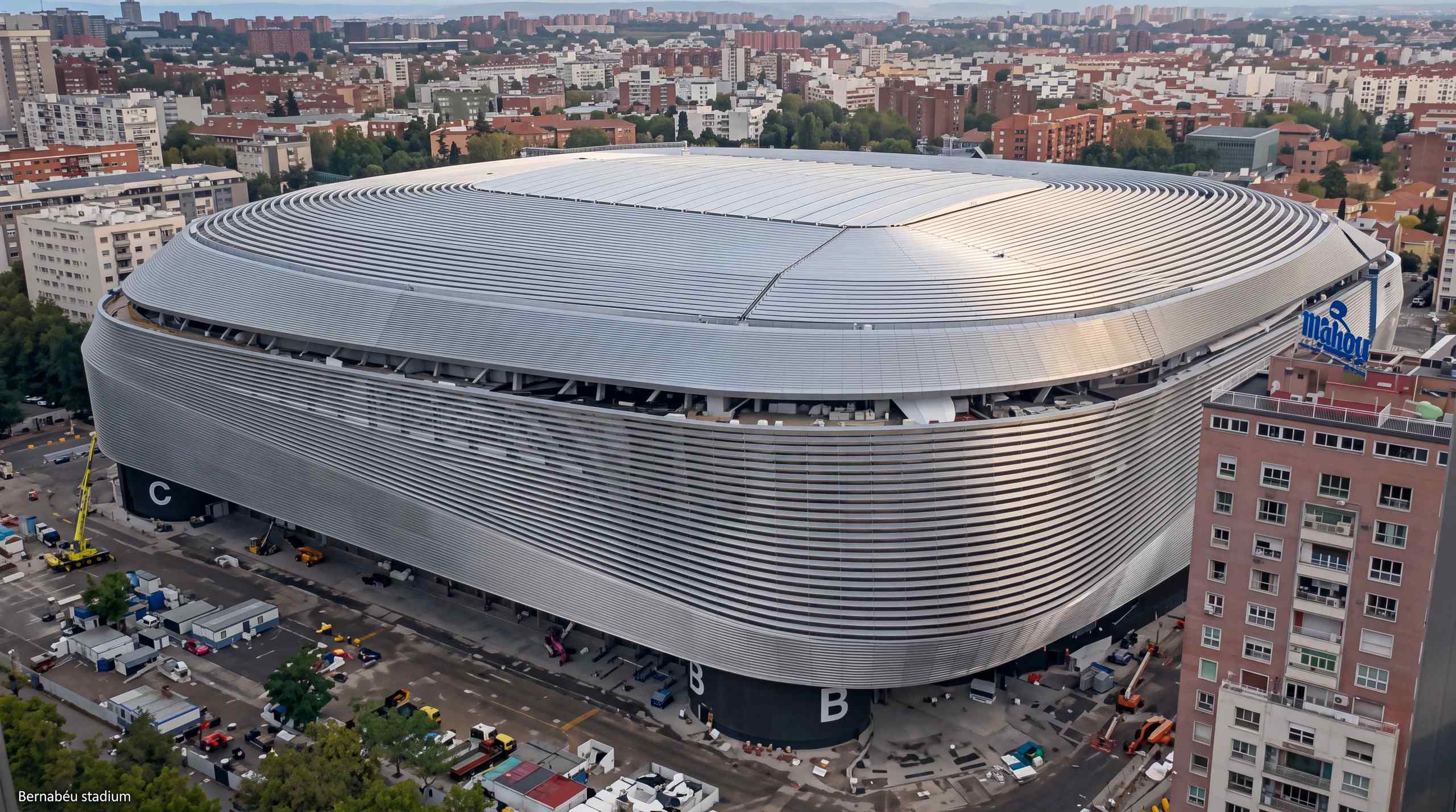
The Biggest Sporting Brands Without a Traditional Owner Format
Perhaps the most impressive collection of fan-powered organizations can be found in soccer, with member-led institutions that were set up more than 126 years ago remaining in place to this day.
Of these, European giants Real Madrid and Barcelona both allow the representative supporters’ organization to retain overall control, and in the case of Bayern Munich, doing so while embracing lucrative brand-oriented partnerships with firms including Adidas, Audi, and Allianz.
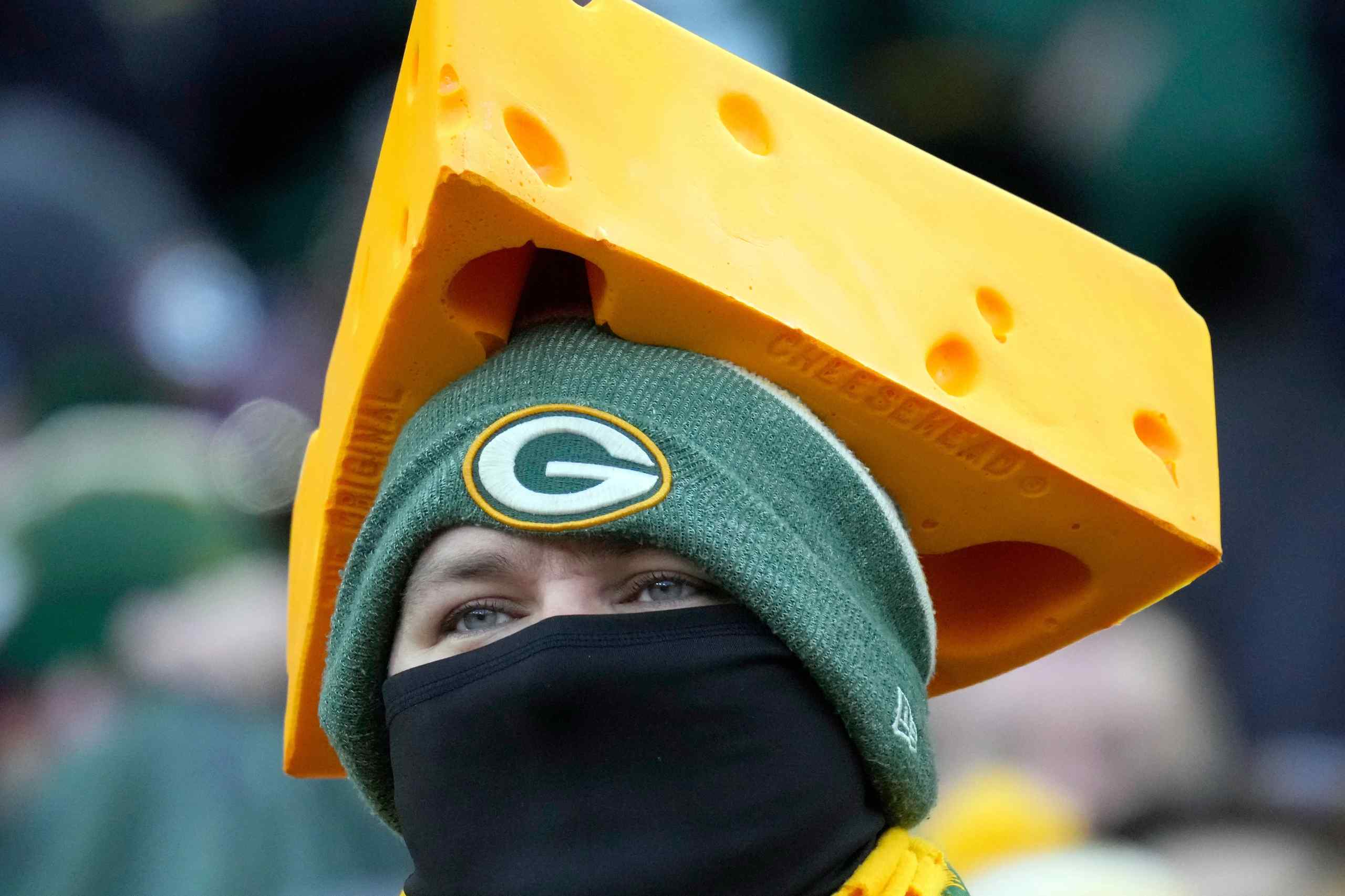
Notably, while member-led constructs are far more prevalent throughout Europe, in the US the practice is almost non-existent, barring one glaring example - the Green Bay Packers. A genuine ownership unicorn when it comes to the NFL, MLB, and NBA - leagues where owners like Jerry Jones, Steve Cohen, and Steve Ballmer often generate bigger headlines than the teams themselves - the Packers opted to flip the script to ensure the franchise’s structure remained tied to Green Bay’s football-loving locals.
Valuable Sports Organizations Without Traditional Owners
| Organization | Country | Ownership Model | Estimated Annual Revenue | Founded |
|---|---|---|---|---|
| Real Madrid | Spain | Member-owned association | $1,336M | 1902 |
| Barcelona | Spain | Member-owned association | $1,121.8M | 1899 |
| Bayern Munich | Germany | Member-owned association with commercial minority stakeholders | $990.3M | 1900 |
| Borussia Dortmund | Germany | Publicly traded company; member association-controlled (50+1) | $611.4M | 1909 |
| Green Bay Packers | USA | Community-owned cooperative | $453.2M | 1919 |
For All the Accolades, Why Doesn't Every Team Use This Model Then?
Sadly, the reality of owning a professional sports team is the alarming speed at which a club can quickly burn through its finances - particularly if the team fails to perform on the field.
Win Super Bowls, league titles and the Champions League and the broadcasting, streaming and sponsorship deals will come flooding in, not to mention bigger crowds driving up matchday revenues. Yet, miss out on the playoffs or see your side relegated, and the enormous player wages and day-to-day running costs can rapidly cripple a club’s finances.
While the likes of Green Bay and Real Madrid are stellar examples of fan-based clubs who have mastered the concept, in truth, supporter-governed enterprises often can’t compete with the blank-checkbook-waving billionaires, sovereign wealth funds, and global corporations all chasing the same trophies, talent, and global spotlight.
The Future of Sports Ownership: Could Fans Take Back Control?
Granted, you would be forgiven for assuming the obstacles that fan-powered clubs must contend with would be insurmountable, but that’s not always the case. In fact, there are a number of grassroots endeavors that are actively defying the odds - particularly in the UK.
Without a doubt, the most notable is AFC Wimbledon, a UK soccer team created from scratch by its supporters after the owners of their FA Cup-winning club abandoned its Wimbledon roots and moved the club to Milton Keynes. Six promotions in the club's first 13 seasons meant that AFC Wimbledon not only now play in the top tiers of the English league system, but they also boast a state-of-the-art stadium with every single member’s name proudly displayed as a permanent reminder that it is a club built by its supporters.
Another case in point is FC United of Manchester, a team formed by fans of the EPL’s Manchester United who became disillusioned by the prospect of American tycoon Malcolm Glazer’s takeover of the club and the resulting ticket price rises. In doing so, FC United became a fan-owned, not-for-profit club which has also defiantly climbed up the leagues, demonstrating the concept can succeed.

The Bottom Line
In a perfect world, passionate sports fans should always have some say in how their club is run and managed, and not just watching in from the sidelines. The problem is, aside from the spattering of successful enterprises, the billionaire takeover of sports shows little sign of slowing down, making supporter-led ownership a noble idea but a genuinely challenging reality.
However, there are occasionally exceptions, like in the case of Hollywood’s Ryan Reynolds and Rob McElhenney's investment in Wrexham, seemingly doing so for the good of the game. Still, the unfettered desires of those with the means to splash out on vanity sports club purchases will likely mean the concept of fan-owned teams may struggle to compete moving forward… but let's just hope that’s not the case.
Stuart Hughes is a London-based freelance journalist covering sports, travel, lifestyle, and technology. He’s worked with brands like Lenovo, Best Western, and Frontier Airlines, bringing a global perspective shaped by years of travel.
More Articles like this
Does a 4-0 NFL Start Mean You're Playoff Bound?
A 4-0 start can put your team on the fast track to the playoffs, but history shows that even Super Bowl champions don't always start strong.
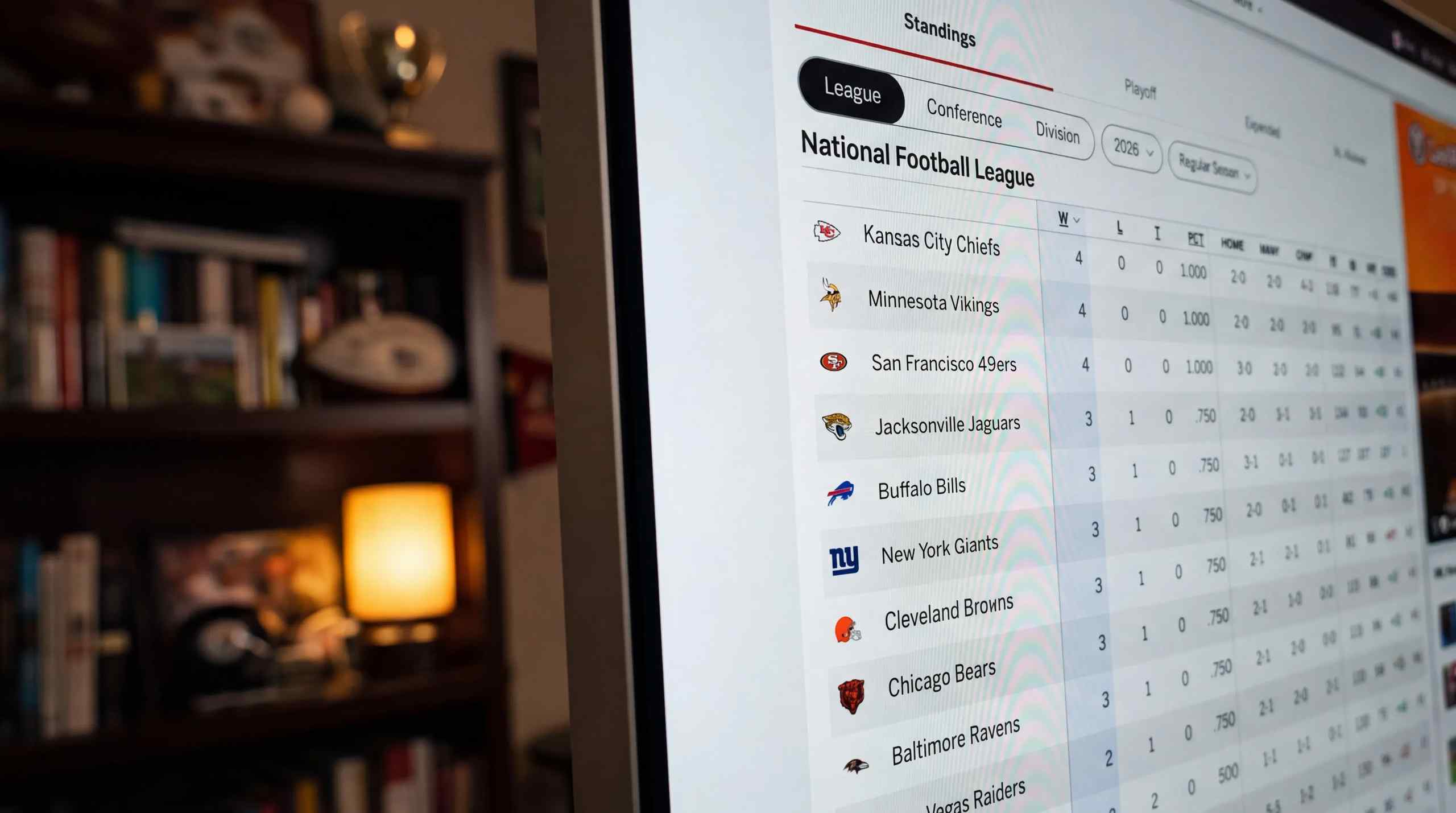
By Marcus Mosher
The 8 Greatest Sports Movies Ever Made, Ranked
Rocky isn't No. 1 by default. We ranked the eight greatest sports movies ever made, from a boxing warhorse to a table tennis fever dream, weighing critical scores against what actually stuck.
By Cole Rush
Which Sports Punish Losing Teams the Most?
From a punishing relegation to first draft pick optimism, discover which sporting leagues have the highest penalties for a losing season and those that feel comparatively lenient.
By Stuart Hughes
MLB Playoff Byes Aren't the Advantage You Might Think
Since baseball went to its current 12-team playoff format, the results show that bye teams only hold a slight Division Series advantage over Wild Card winners.

By Bill Gelman
McKenna, Martone Lead 5 NHL Rookies to Watch
Gavin McKenna and Porter Martone enter as the favorites, but a deep 2026-27 rookie class gives the Calder Trophy race plenty of potential challengers.

By Bill Gelman
Parlaymint Wants to Turn Parlays Into a Team Sport
Parlaymint turns the group parlay into a social sport, giving every bettor one pick, a share of the payout and potentially the entire bill if their leg is the only one that loses.
By Charlon Muscat