
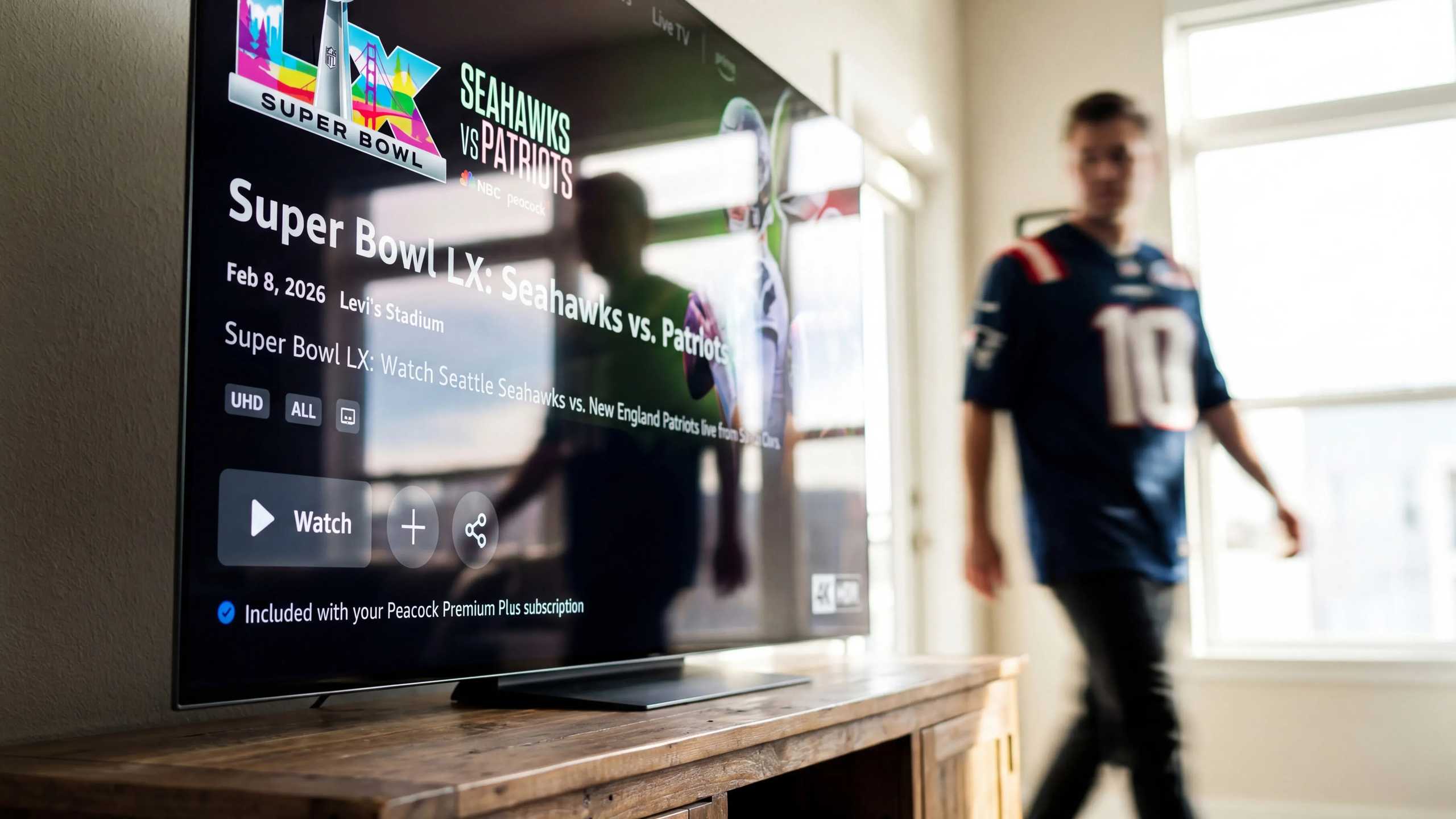
Why Sports Streaming Rights Are King in a Post‑Broadcast TV World
As traditional TV declines, live sports rights are becoming the most valuable asset in streaming. We break down why leagues, streamers, and advertisers all want live games, and what fans gain and lose in the shift.

Live sports may be the last product in media that still forces people to show up at the same time, in the same room, for the same event, making them ripe for bidding wars to control streaming rights.
In an era of pause buttons, binge‑marathons, and algorithmic recommendations, sports are stubbornly real‑time and culturally sticky. Their scarcity makes sports rights the crown jewel of the TV and streaming business, whether the platform is a legacy network, a national broadcaster, or a Silicon Valley tech‑backed streamer trying to keep subscribers from churning.
Traditional TV audiences are softening, and streaming is crowded, while live sports are one of the few things that reliably draw large and engaged real‑time audiences. That is why leagues can charge more than ever, and why companies like Amazon, Apple, Netflix, Peacock, ESPN, and Paramount are willing to spend billions to lock in long‑term contracts.
Sports rights are no longer just a programming line item. They are central to the economics of the entire media ecosystem.

Why live sports still matter
Sports remain one of the few cultural products people watch together in the moment, and with the same commercials. Because live games are hard to time‑shift or binge, they retain unusually strong ad value.
Advertisers pay for live audiences they cannot easily skip, mute, or delay, and that gives networks and streamers a pricing advantage they rarely get with scripted or reality television.
Fan loyalty is another part of the equation. A viewer may cancel a streaming service after finishing a show, but many will keep paying if that service carries a favorite team, league, or postseason they care about.
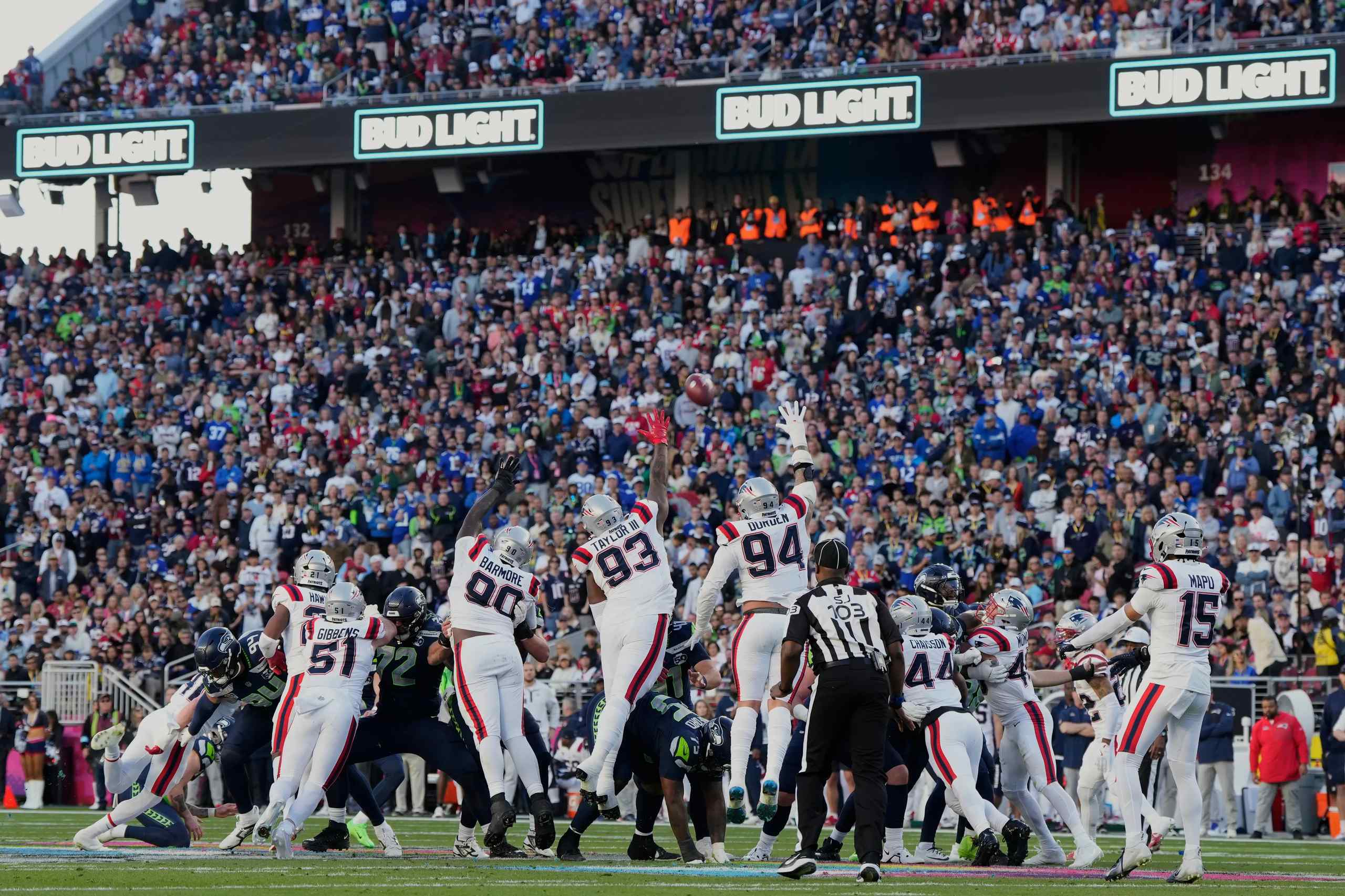
The Super Bowl remains the most extreme example. It’s a single event that can still pull in well over 100 million viewers, regularly setting records for U.S. television. In an age when even big streaming hits can be hard to track and easy to forget, the Super Bowl is proof that live sports still create the kind of mass audience unity that media companies covet most.
The streaming arms race
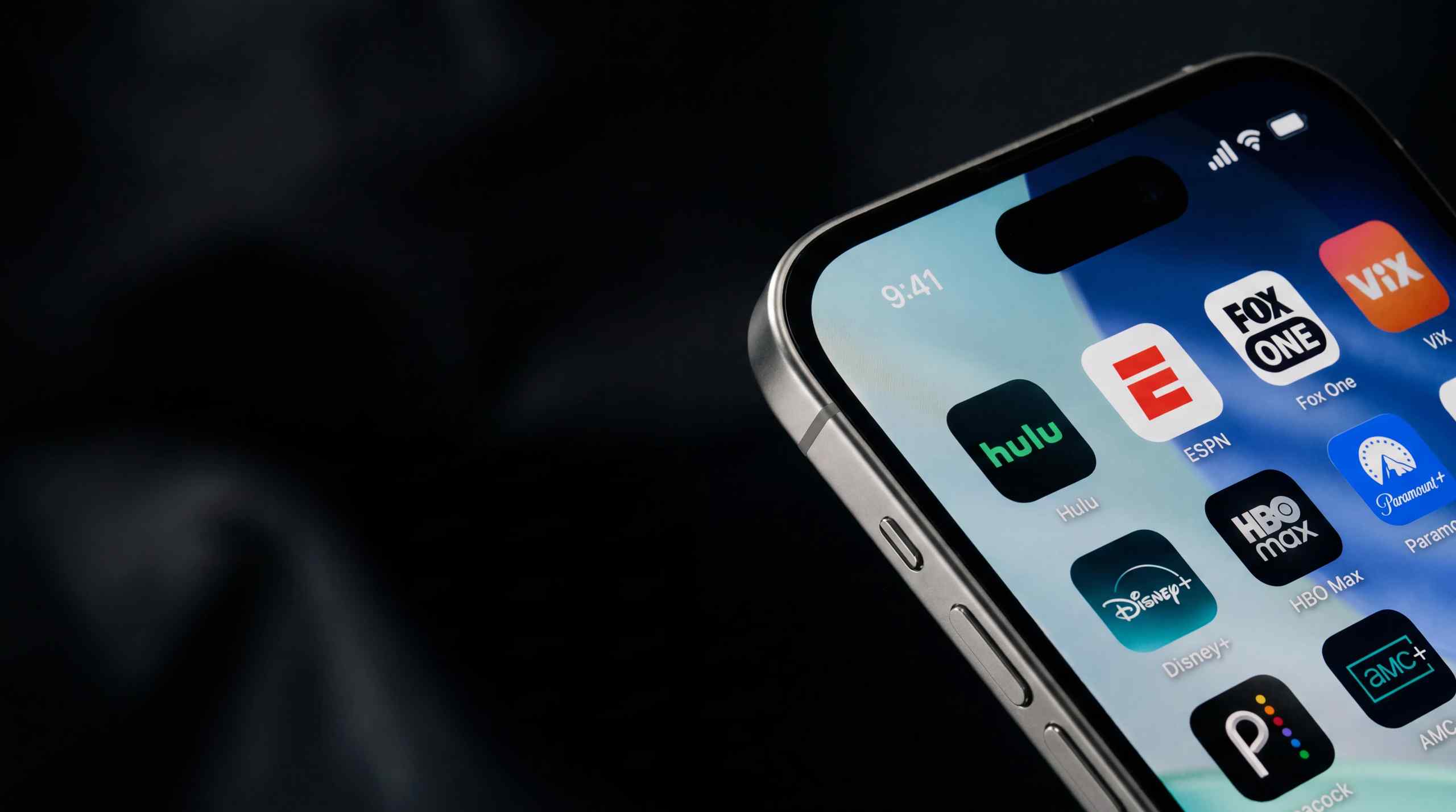
The modern sports rights market has turned into a streaming subscription war. Amazon uses Thursday Night Football, Apple leans on MLS and now Formula 1 rights, as Netflix is moving into live NFL games and WWE. Peacock is packaging exclusive Sunday Night Football games, while Paramount+ and ESPN are bundling sports into their core platforms. These companies are not just buying games, they are buying a reason for people to keep paying month after month.
The numbers are telling. U.S. sports rights spending has surged from roughly $13.8 billion in 2015 to $33 billion in 2025, a 122% increase over a decade.
Broadly, the U.S. sports rights market is projected to climb toward $37 billion by 2030, with global spending forecast to pass $78 billion by the end of the decade. That growth is fueled in large part by streamers entering bidding wars with legacy networks, all hoping that a live game can do what a hundred new series cannot: reduce churn, anchor a subscription, and create a must-have experience.
Why leagues hold the cards
Leagues now have more leverage than they did in the four-network era because there are far more buyers and more distribution models fighting over the same product.
In the old broadcast model, most national windows lived on three or four networks. Today, rights can be split across linear TV, subscription streaming, pay‑TV extensions, and direct‑to‑consumer products. That fragmentation gives leagues more places to sell their inventory, and more chances to set competing bidders against one another.
The NFL is the clearest example. Its current rights are spread across:
- Amazon
- Disney/ESPN
- Fox
- NBC/Peacock
- Netflix
- Paramount
- YouTube TV’s Sunday Ticket package
The NBA, MLB, NCAA, NASCAR, UFC, WWE, golf, and international soccer all now live in similarly complex, multichannel rights ecosystems. For leagues, the upside is clear. They see guaranteed long‑term revenue, rising media fees, and the ability to package rights in ways that maximize bidding tension.
The trade‑off, however, is that the more fragmented rights become, the more confusing it can be for fans trying to find where games are actually airing.
What fans lose (and what they gain)
For fans, the boom in sports rights is a double‑edged sword. The upside is more choice with more games, more platforms, and more ways to watch, including streaming‑only experiences and mobile‑focused products.
The downside is fragmentation, cost, and confusion. What once required a cable bundle plus a few networks now often demands multiple subscriptions, extra logins, and a lot of schedule checking.
A fan of one team may need traditional cable, one streaming service, and a second service just to follow the postseason, playoffs, or special event. That means more total money spent, more time spent figuring out where games are, and less of the old‑school simplicity of turning on the right channel at the right time. Sports are still easy to love. They are just getting harder to watch in the simplest and cheapest way.

What comes next for live sports rights
The next phase of the sports rights market is likely to bring even more exclusivity, more streaming‑only packages, and more global deals. Leagues are increasingly comfortable selling rights regionally, internationally, and on a market‑by‑market basis. That gives them more control over where and how fans consume their content.
Direct‑to‑consumer league‑branded platforms are also likely to grow, especially for international audiences and niche fan bases that are harder to reach through broad national deals.
Sports betting integration will loom larger, as live wagering makes sports more engaging for real‑time viewers and raises the value of each game to platforms trying to keep eyeballs glued to the screen. The future is not less live content; it is more fragmented ownership of that content, with more bidders, more platforms, and more complexity. For more, here's why the TikTok effect is taking over sports betting.
None of the parties is without risks, however.
The Sports Streaming Breakdown
| Stakeholder | Why sports rights matter | Trade‑off |
|---|---|---|
| Leagues | Massive guaranteed revenue, long‑term contracts, bidding wars | Risk of fan fragmentation and accessibility confusion |
| Streamers | Subscriber growth, retention, and “must‑have” content | Extremely high rights costs and pressure to recoup quickly |
| Advertisers | Large, real‑time audiences with limited skipping | Rising ad prices and competitive bidding for inventory |
| Fans | More ways to watch, more games, more convenience | Higher total cost, multiple logins, and schedule confusion |
Live sports may no longer dominate the cultural conversation as they did in the four-network era. However, sports still matter more than almost any other media product because they force people to show up, together and in real time.
As traditional TV continues to weaken, sports rights become even more valuable because they are one of the last reliable engines of attention in the changing world of broadcasting.
Pat Evans is a Grand Rapids-based journalist and editor covering the intersection of business, sports, lifestyle, and gambling regulation. With a background in business journalism and legislative reporting (LSR, iGamingBusiness), he brings an analytical, human-focused approach to stories about modern trends. His work has appeared in regional and national publications, and he is also the author of two books on beer history.
More Articles like this
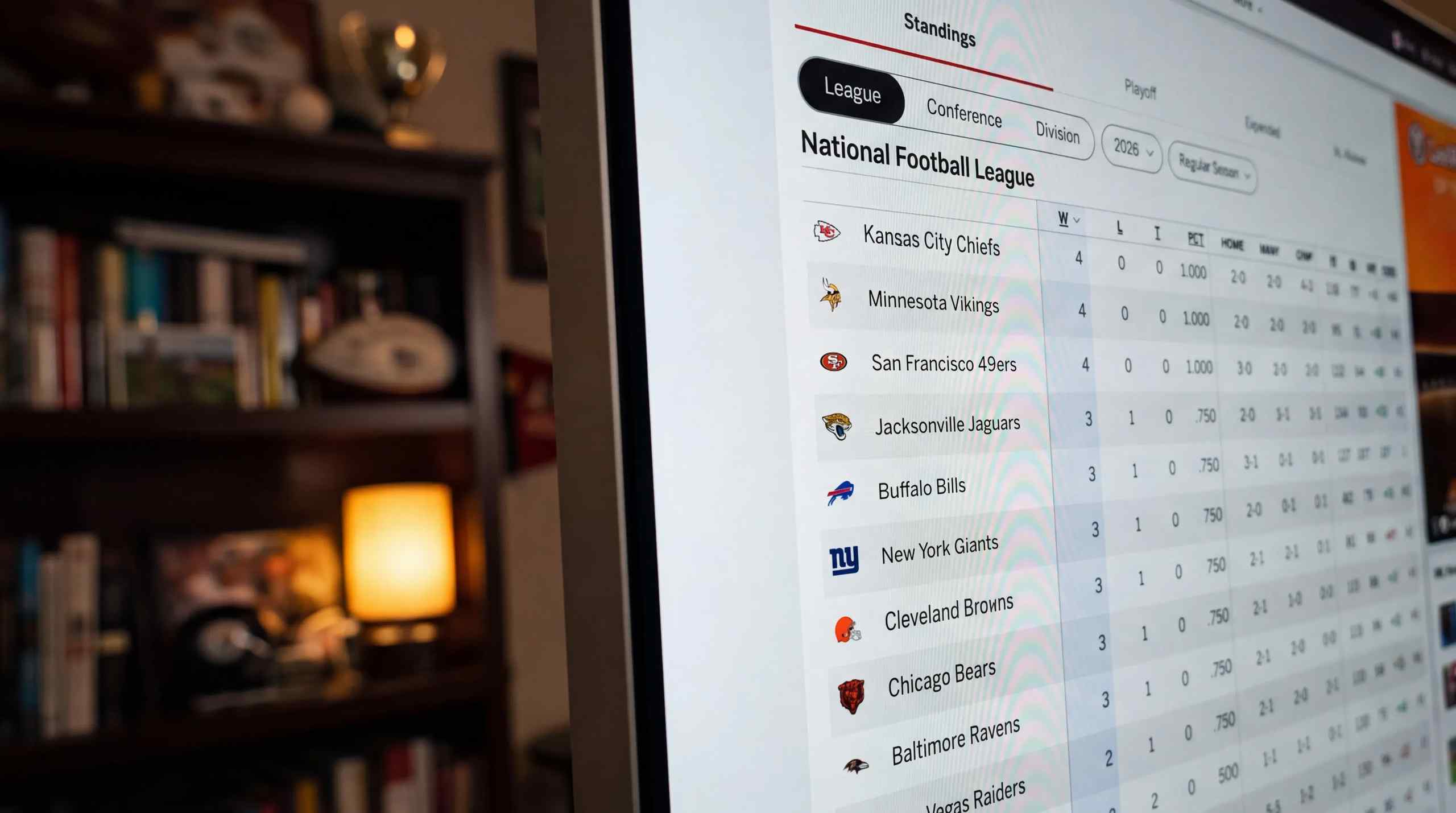
Does a 4-0 NFL Start Mean You're Playoff Bound?
A 4-0 start can put your team on the fast track to the playoffs, but history shows that even Super Bowl champions don't always start strong.
By Marcus Mosher
The 8 Greatest Sports Movies Ever Made, Ranked
Rocky isn't No. 1 by default. We ranked the eight greatest sports movies ever made, from a boxing warhorse to a table tennis fever dream, weighing critical scores against what actually stuck.
By Cole Rush
Which Sports Punish Losing Teams the Most?
From a punishing relegation to first draft pick optimism, discover which sporting leagues have the highest penalties for a losing season and those that feel comparatively lenient.

By Stuart Hughes
MLB Playoff Byes Aren't the Advantage You Might Think
Since baseball went to its current 12-team playoff format, the results show that bye teams only hold a slight Division Series advantage over Wild Card winners.

By Bill Gelman
McKenna, Martone Lead 5 NHL Rookies to Watch
Gavin McKenna and Porter Martone enter as the favorites, but a deep 2026-27 rookie class gives the Calder Trophy race plenty of potential challengers.

By Bill Gelman
Parlaymint Wants to Turn Parlays Into a Team Sport
Parlaymint turns the group parlay into a social sport, giving every bettor one pick, a share of the payout and potentially the entire bill if their leg is the only one that loses.

By Charlon Muscat