
Politics vs. Sport: Presidents, Power and a World Cup Scandal
For 120 years, presidents have meddled in sport. Some saved games from extinction. Others made fools of themselves. But in 2026, one phone call crossed a line.
.webp)
I had always figured that sport, football in particular, was, of all disciplines, the ultimate equalizer. The great ninety-minute neutral zone in which all boundaries are rendered impotent and the whistle cares little for your passport or your president. I was, of course, spectacularly mistaken.
The story of presidential interference in sport is a lengthy and messy one.
Some were gestures of preservation, some of naked ambition, and a few were displays of breathtaking ego.
When political influence helped
Teddy Roosevelt and saving football from itself
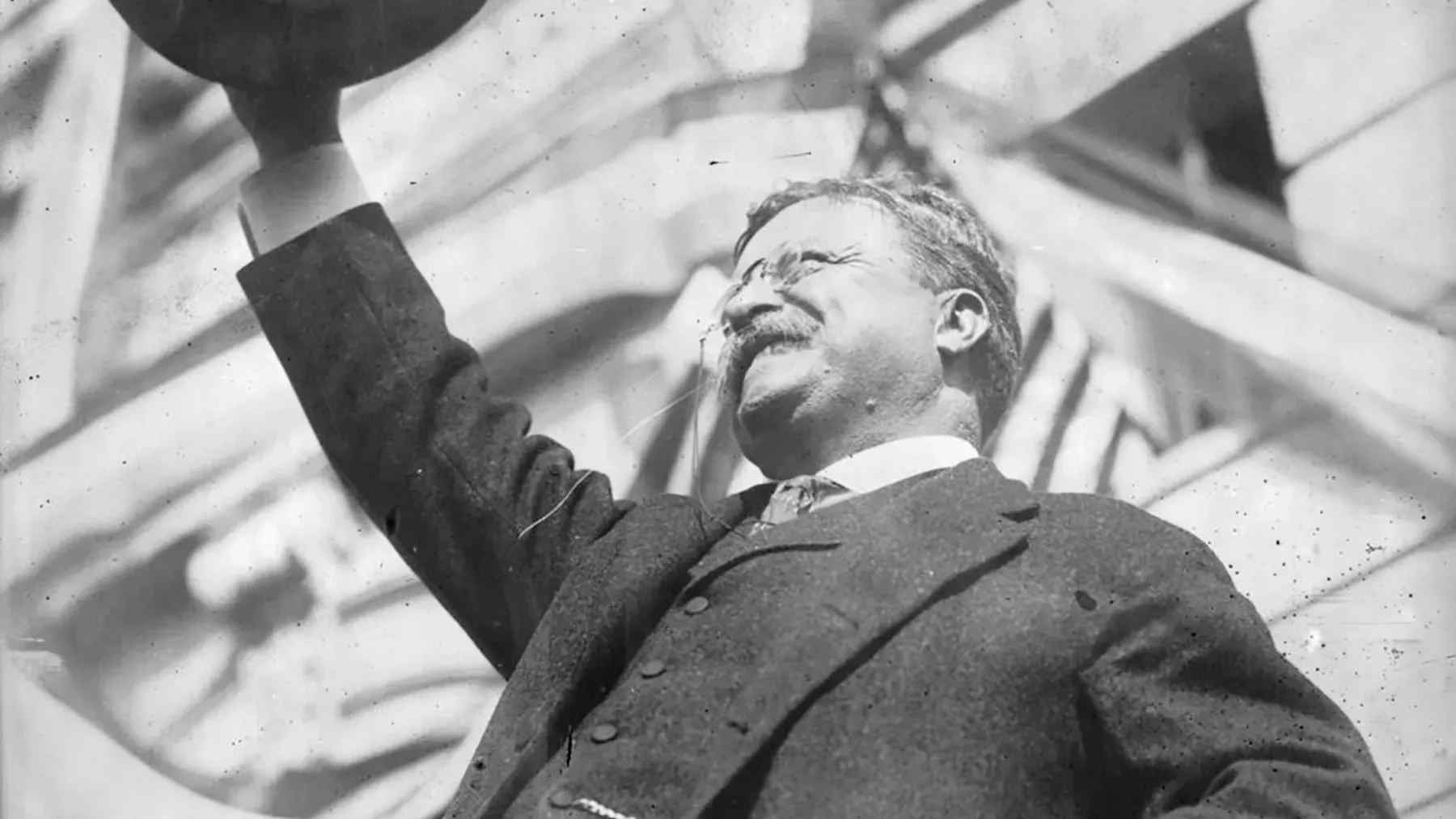
College football was a blood sport. That season alone, eighteen young men died. One hundred and fifty more suffered life-altering injuries. The sport was on the verge of being banned outright.
Roosevelt invited Harvard, Yale, and Princeton to the White House. "Football is on trial," he said. "Because I believe in the game, I want to do all I can to save it."
The forward pass was invented; mass formations were outlawed; the neutral zone was established; the NCAA was created.
What Roosevelt got right: Nudged instead of shoved. He respected the independence of sports and used the bully pulpit to convince people about the need for reform.
FDR and the green light letter
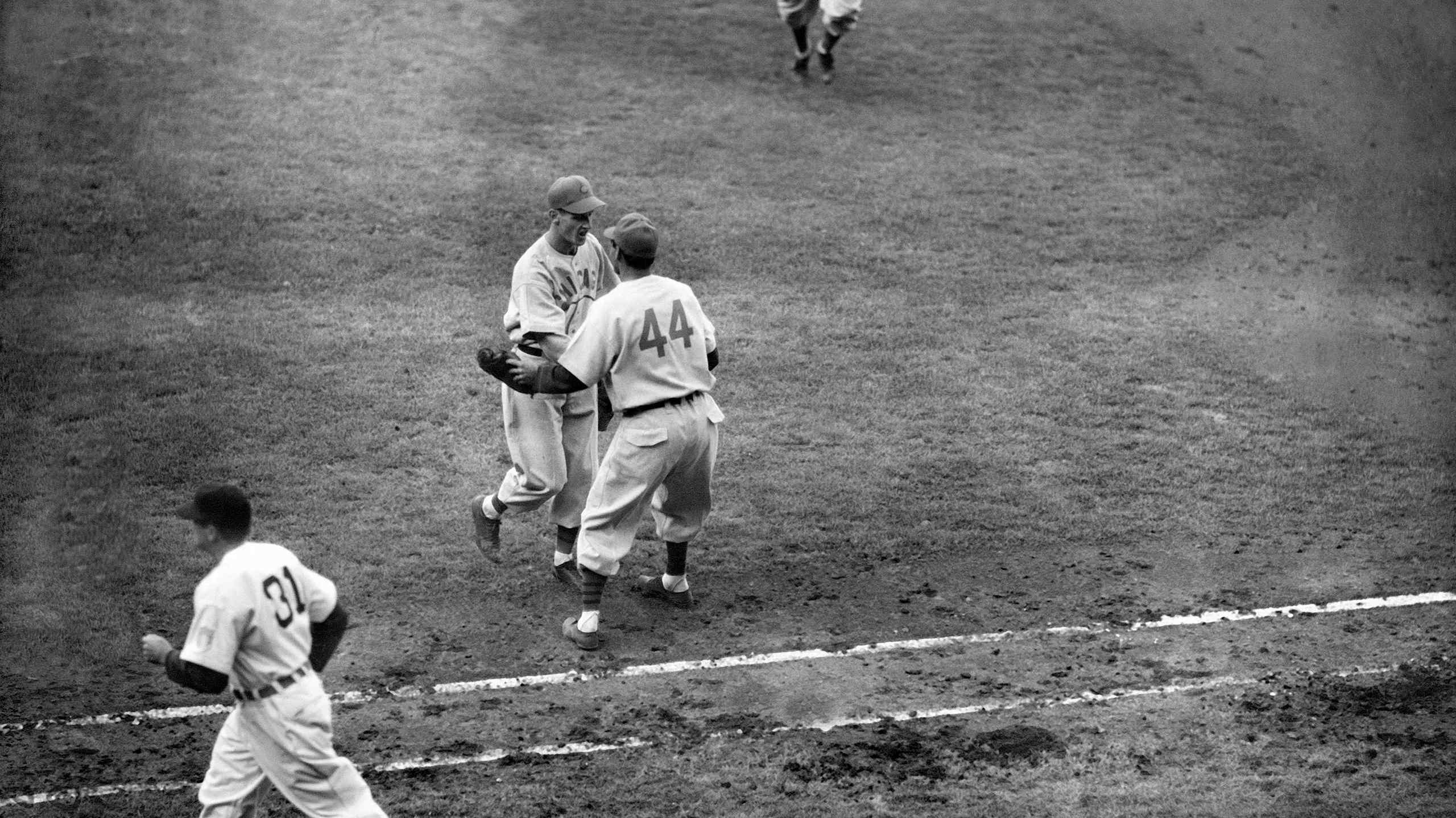
With World War II raging, baseball commissioner Kenesaw Mountain Landis wrote to Roosevelt asking whether the sport should continue.
Roosevelt's "Green Light Letter" recommended baseball play continue. "I honestly feel that it would be best for the country to keep baseball going," he wrote.
What FDR got right: He gave permission, not orders. He understood morale. He recognized that sport could help the war effort by providing distraction and normalcy.
Tony Blair and winning the Olympics
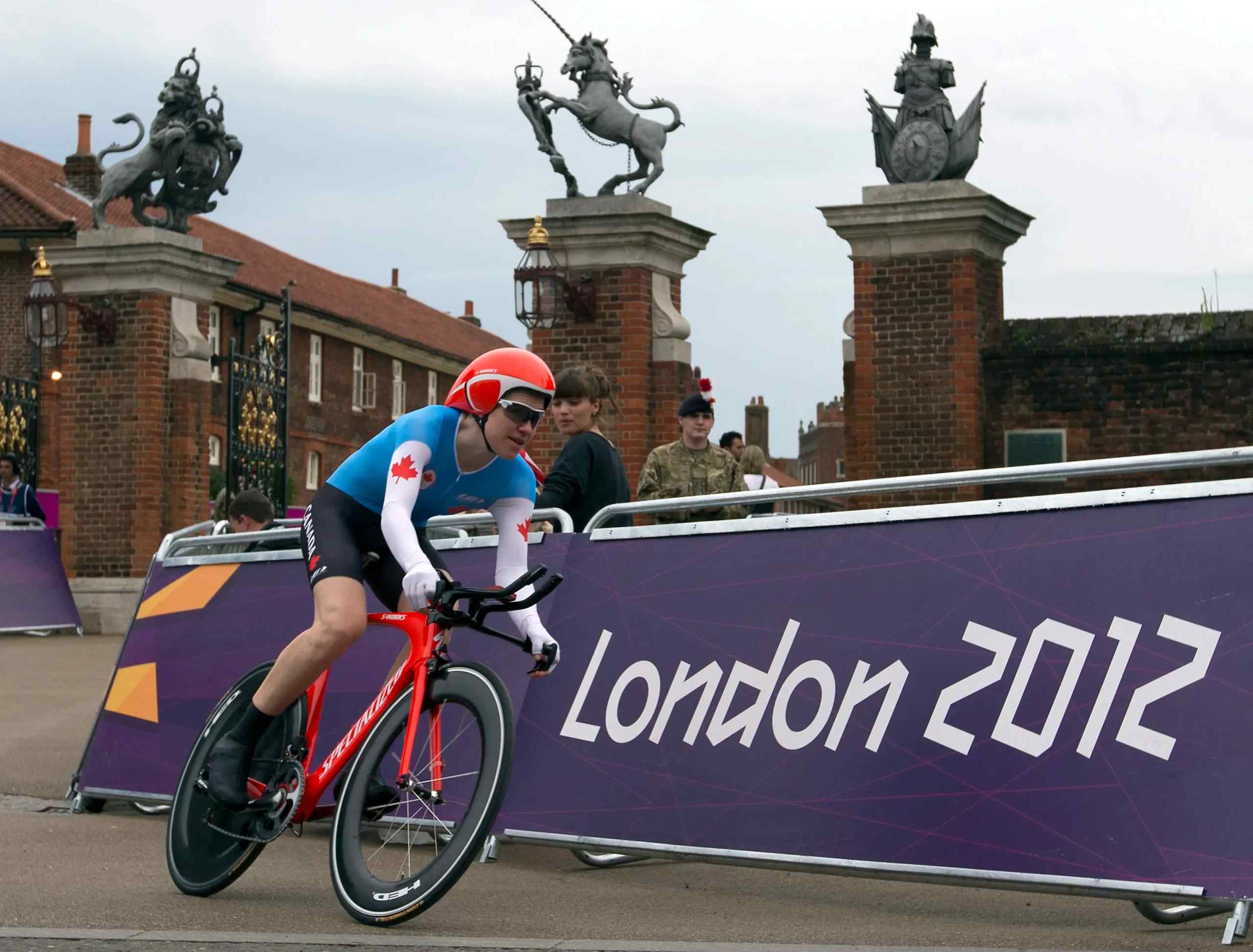
Blair flew to Singapore and engaged in non-stop meetings to secure London's 2012 Olympic bid. London won narrowly over Paris.
What Blair got right: His intervention was strategic, personal, and effective. The publicity chief for the London bid concluded that Blair's intervention provided the "extra push to get over the line."
Questionable interventions
Richard Nixon and the fake champion
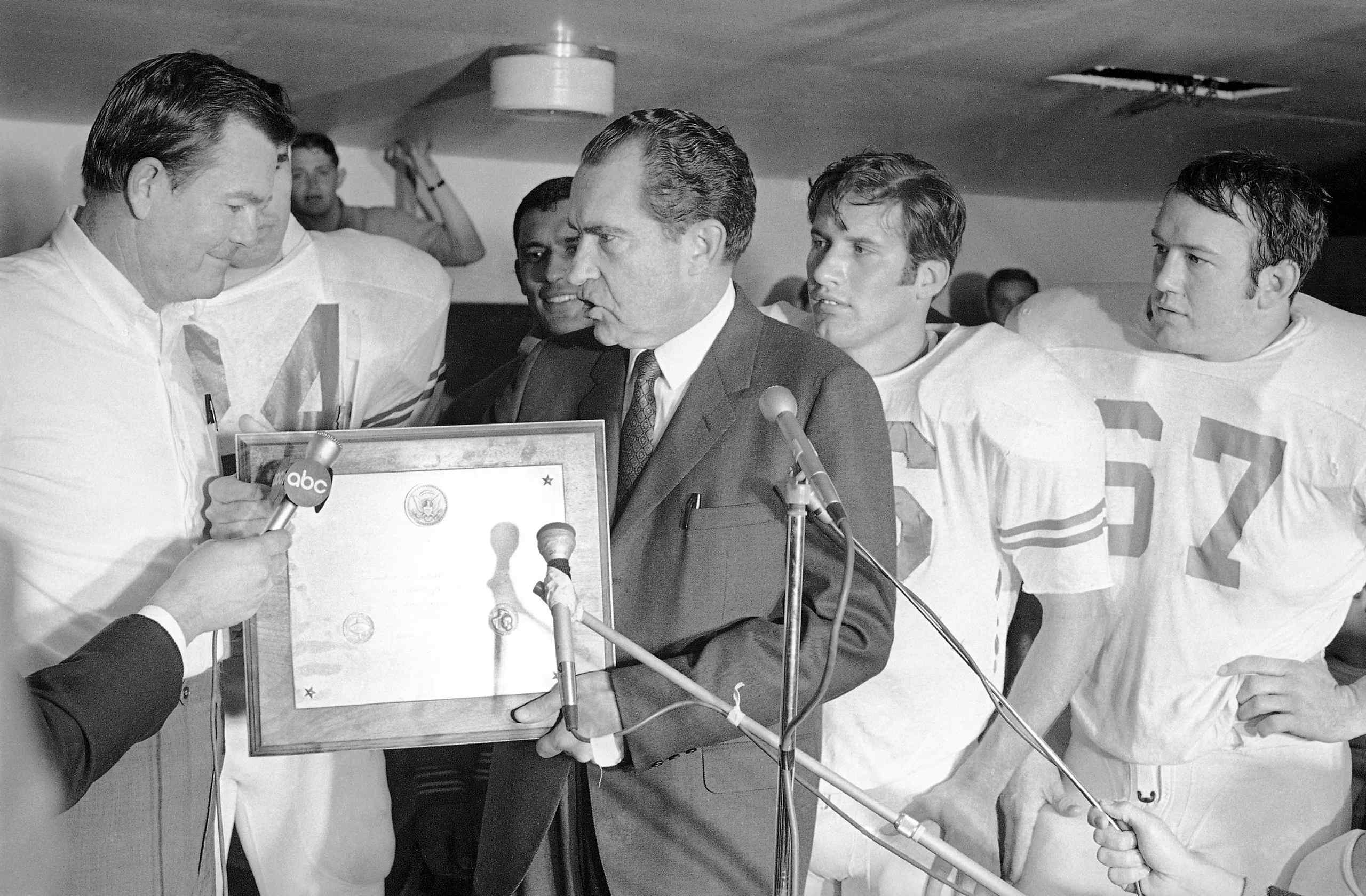
Nixon attended the Texas-Arkansas game and declared the winner the national champion. Texas won. The problem? Penn State finished 11-0 and got nothing.
Coach Joe Paterno delivered the perfect line: "I don't know how Richard Nixon could know so much about college football in 1969 and so little about Watergate in 1973."
What Nixon got wrong: He treated sport like a fiefdom. He thought he could crown champions on a whim.
Barack Obama and the playoff pipe dream
Obama promised he’d “throw his weight around” to create a college football playoff in a “60 Minutes” interview. But the BCS commissioners scoffed at him a few days later.
What Obama discovered: Even presidential pressure has limits when sports administrators control the structure.
Margaret Thatcher and the Moscow boycott
Thatcher pressured British athletes to boycott the Moscow Olympics after the Soviet invasion of Afghanistan. She came up against fierce resistance. A British team took part anyway.
What Thatcher got wrong: She tried to use sport as a retaliatory weapon. Athletes like Sebastian Coe opposed the curtailment of their Olympic ambitions.
The Balogun affair
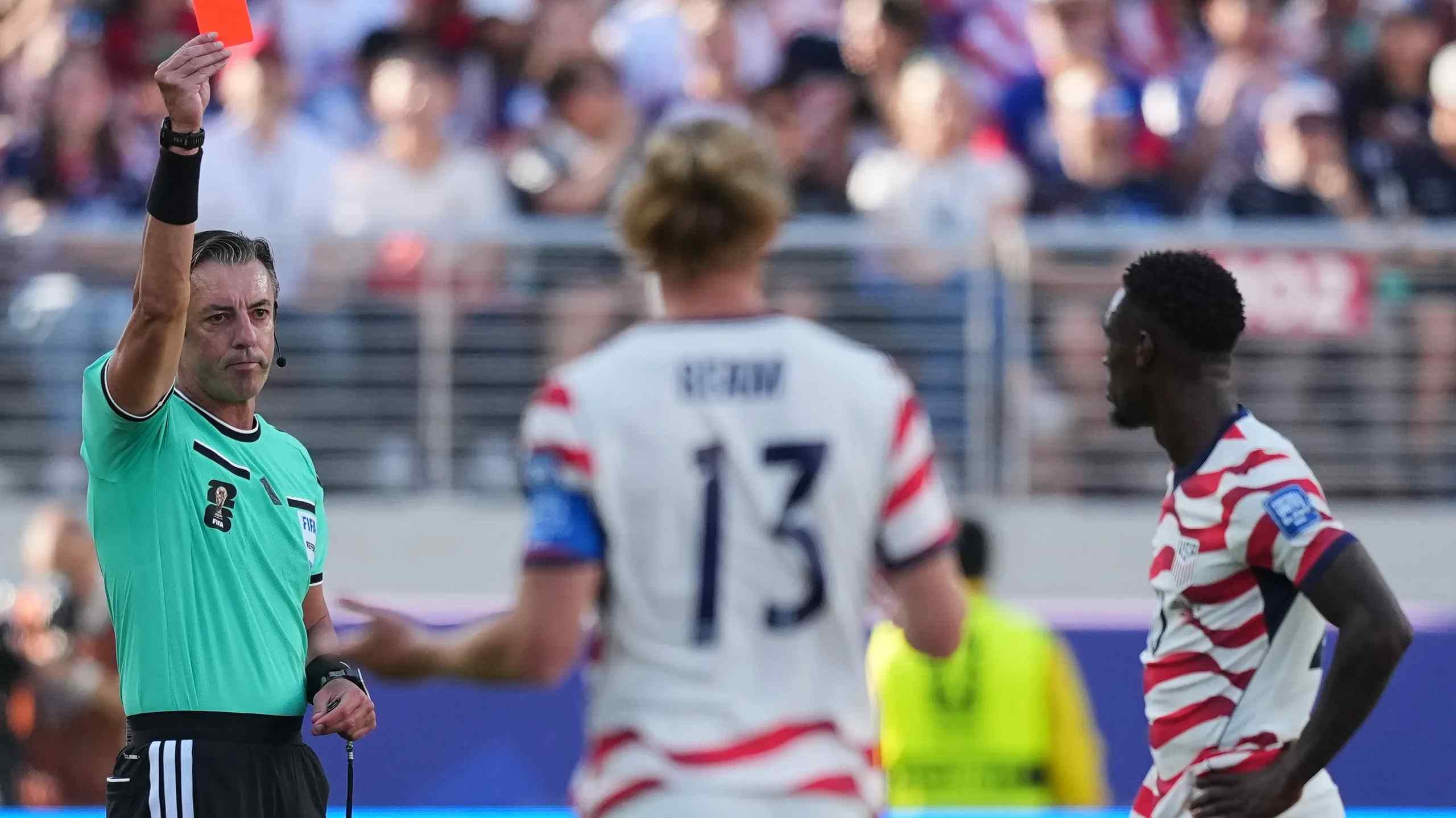
On June 28, 2026, the United States faced Bosnia-Herzegovina in the round of 32. US striker Folarin Balogun, who had already scored three goals in the tournament, battled for possession with Bosnian defender Tarik Muharemovic. His boot came down on Muharemovic's ankle, twisting the defender's leg unnaturally. Brazilian referee Raphael Claus reviewed the super slow-motion replay and brandished the red card. Balogun was sent off.
The red card resulted in a one-game suspension during the last-16 match against Belgium. Critics questioned the penalty, but the regulations were clear; there could be no objection to being punished.
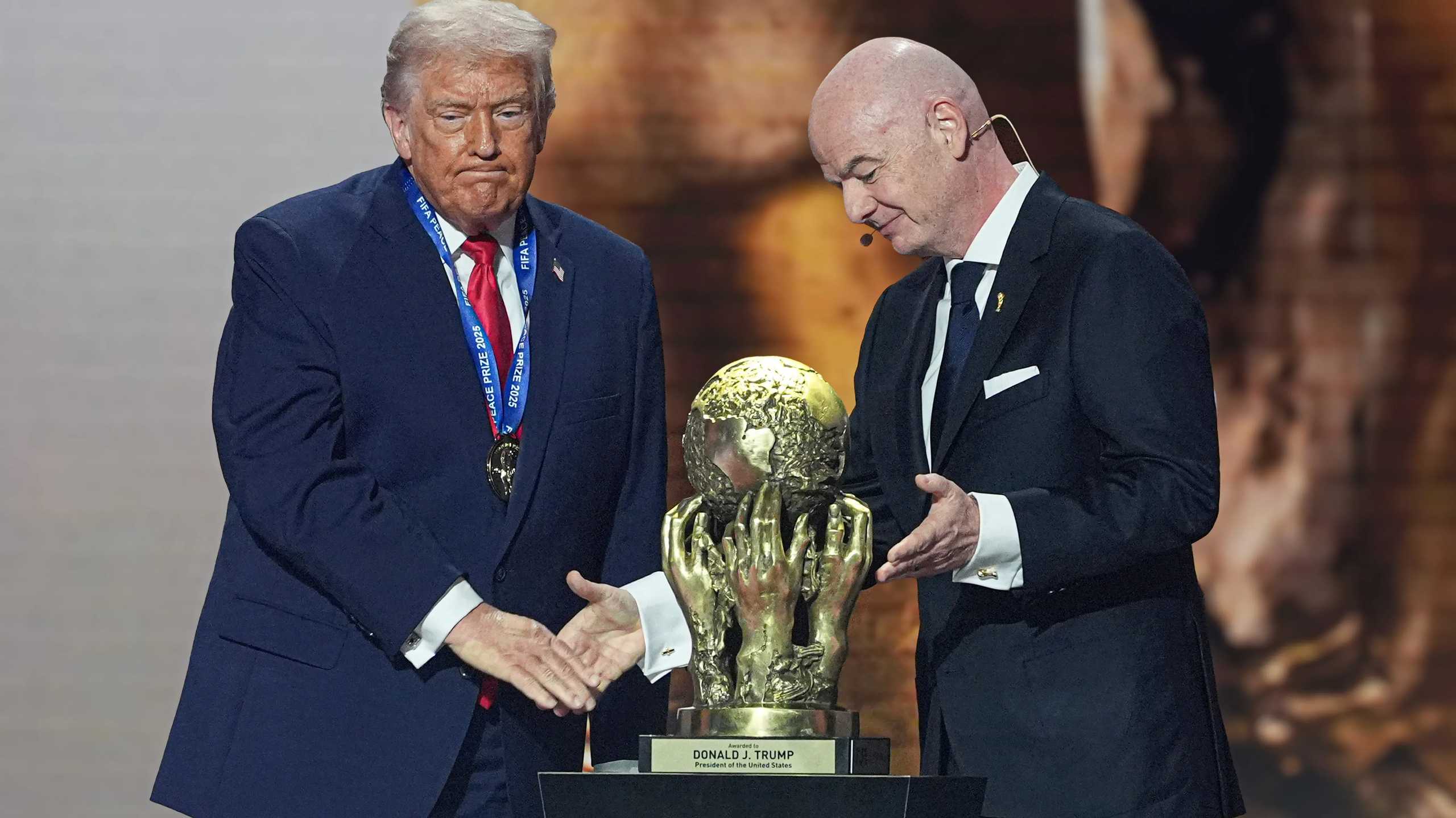
On July 2, President Donald Trump made a call to FIFA President Gianni Infantino asking for a reconsideration of Balogun’s suspension. Officials in the White House had contacted FIFA directly as well.
On July 5, FIFA declared the suspension of Balogun's one-match ban for a probationary period of a year. FIFA cited Article 27 of its disciplinary code, stating that it is allowed to "fully or partially suspend the implementation of punishment." No explanation was given for any of its actions.
On July 6, Balogun played against Belgium. The US lost 4-1.
What Trump got wrong: Trump intervened in a sport he knew little about, raised questions about the ethics involved, and arguably dealt the US team a psychological blow with the controversy he stirred up.
The key players
- Folarin Balogun: US striker, red-carded for a dangerous tackle
- Donald Trump: US President, made the call
- Gianni Infantino: FIFA President, took the call
- Raphael Claus: Brazilian referee who showed the red card
The fallout
UEFA called it "unprecedented, incomprehensible, and unjustifiable." Belgium's federation was "astonished" and explored legal options. Their foreign minister called it "a blatant violation of the most basic rules of football."
Jürgen Klopp summed up the mood: "This is our game, not theirs. If Trump and Infantino really worked this all out between themselves, that's crazy. It calls everything into question."
Thomas Tuchel asked, "Where does this start and where does this end?"
Even Sepp Blatter warned: "Football must never become a playground for political power." The EU's sports commissioner said influencing sporting decisions "would undermine the autonomy of sport."
The maddening irony
At the time of the red card, Donald Trump was absent from all the World Cup matches held in the US and co-hosted by Mexico and didn’t use social media to mention the event. He did engage in the discussion once he found an opportunity to appear in the center of the problem by acting as a savior.
Despite all the phone calls, pressure applied, and rule bending fought to help the cause, the US failed to win the World Cup. What was expected to be a success story turned into a scandal.
Trump didn't seem bothered by the incident and instead took the opportunity to share his thoughts about the referee's decisions. "He's a little bit suspect," he pointed out. Referring to star players, Trump declared, "They should be treated differently. Of course you want to see the best players play. What would you say if I pulled Messi out of the game?"
The arrogance of the comparison was astonishing. Lionel Messi is not a player from the U.S., so Trump has no power over him, nor over any player in the FIFA tournament. But he spoke as if he had.
The damage done
The Balogun case damaged confidence in the integrity of the World Cup. It created the perception that the rules were not being applied equally. It has also damaged the authority of FIFA. Now we know their rules are just suggestions. It has damaged the trust of fans. We watch sports because we believe in fairness. That belief has been shattered.
The Balogun case will serve as a precedent long into the future. When the successor of any president plans to interfere in the next sport, he will refer to the events of 2026 and say, "It's been done before."
The resilience of the beautiful game
And yet.
The beautiful game has survived worse. It survived Blatter's corruption. It survived Qatar's human rights abuses. It will survive this too.
Because football belongs to the fans. To the kids who kick balls against walls in favelas and suburbs. To us.
We won't let it die.
Lucie brings almost 20 years of iGaming experience, combining sports writing expertise with deep casino knowledge. Her work spans live sports coverage, slot mechanics, player-focused reviews, and strategic casino content. Known for her no-nonsense, first-hand approach, Lucie cuts through jargon to deliver clear, practical insights for both operators and players.
More Articles like this
Do NHL Stars Lose Their Edge After Signing Huge Contracts?
Do NHL stars really take their foot off the gas after a big payday? We analyzed 29 major contracts to find out.
By Charlon Muscat
Five Iconic World Series Moments Since the Brewers' Appearance
The Brewers are back in the World Series after 44 years. From Bill Buckner's error to the Cubs ending their curse, plenty has happened since 1982.
By Bill Gelman
LeBron to Giannis: Ranking 5 NBA Offseason Stunners
LeBron to Philly, Giannis to Miami, and Wemby staying put. Which NBA offseason move will pay off the most?
By Bill Gelman
NFL Fans Spend $900 to Watch Games. WWE Fans Pay Even More
Think watching every NFL game is expensive? WWE fans would argue otherwise.
By James Guill
How Bad Is It? Ranking the NHL's Original Six by Fan Misery
Nearly 60 years without a Stanley Cup is just the beginning. We rank the NHL's Original Six teams by how much misery their fans have endured.
By Bill Gelman
Why Does Everybody Hate Us? 10 Most Hated Sports Teams Ever
Some teams always win; others get caught breaking the rules. Either extreme is a surefire way to become universally hated, as these 10 sports teams can attest to.
By Stuart Hughes