
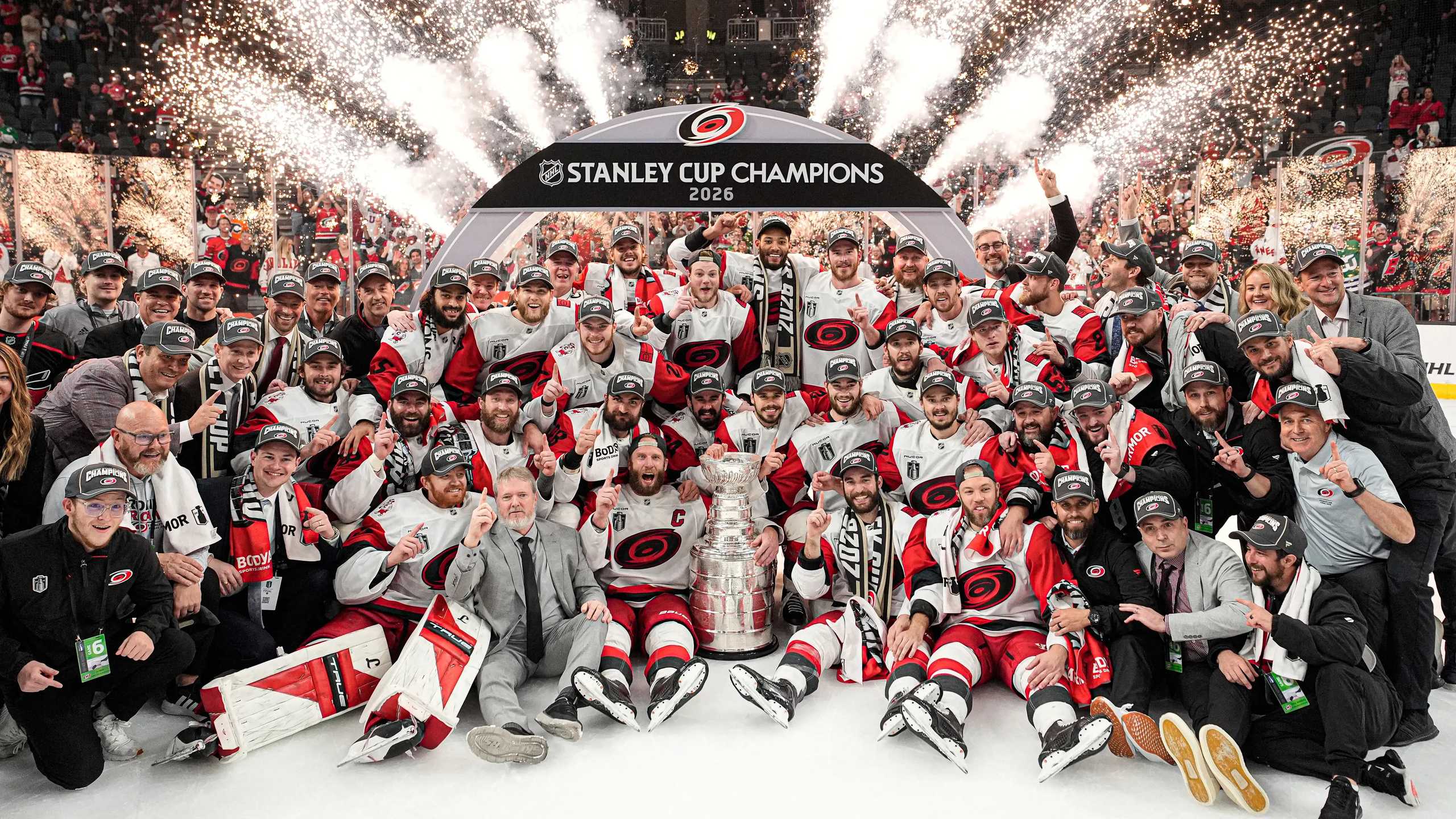
Are the Carolina Hurricanes the New Blueprint for NHL Teams?
Carolina didn't win with a superstar-heavy roster or an expensive goalie. It won with depth, discipline, and a relentless commitment to its system.
.webp)
Every Stanley Cup champion creates a wave of imitators. GMs, coaches, media, and the masses start looking for the magic formula.
The Carolina Hurricanes are a bit of an interesting case, however, as they didn’t win with a generational superstar, Vezina-level goaltending, or tanking for years to accumulate an army of high-end draft picks. Instead, the Canes overpowered the competition with depth, data, and counter-conventional NHL thinking.
The Defining Trait: Depth Over Star Power
That Hurricanes squad's most defining trait was depth. Real depth, not what every GM stated during July. There was no one line to carry the team's success, nor was there any one hot goalie carrying it on his back. Instead, all the players were interchangeable parts in a machine where every cog fit together.
Sebastian Aho's $9.75 million salary was the highest on the team and ranked him 19th overall in the NHL. The only other Hurricane above $8 million was Nikolaj Ehlers, with three others above $6.4 million. By contrast, the Vegas Golden Knights had their backup goaltender sitting on the bench at $6.25 million as Carter Hart struggled. Carolina's bottom-six forwards, anchored by Conn Smythe winner Jordan Staal and enhanced by Ehlers, were terrifying.
In total, Frederik Andersen and Brandon Bussi combined for a $3.5 million cap hit. Andersen posted an .874 save percentage in the regular season, yet never panicked because they trusted their system. Bussi stopped 22 shots in the Cup-clinching game.
How the Canes Were Built
| How Acquired | Players |
|---|---|
| Drafted by Carolina | Sebastian Aho (35th), Jaccob Slavin (120th), Andrei Svechnikov (2nd), Seth Jarvis (13th), Alexander Nikishin (69th), Jackson Blake (109) |
| Acquired via Trade | Jordan Staal, Jordan Martinook, Taylor Hall, Logan Stankoven, K'Andre Miller, Mark Jankowski |
| Signed as Free Agents | Frederik Andersen, Jalen Chatfield, William Carrier, Nikolaj Ehlers, Shayne Gostisbehere, Eric Robinson, Sean Walker |
| Claimed off Waivers | Brandon Bussi |
Eight of the 22 playoff contributors were free-agent signings, seven arrived via trade, six were drafted by Carolina, and one was claimed off waivers. Only Svechnikov was a top-five pick. The team was built on value, not tanking.
What Other Teams Would Try to Copy
Every champion in the NHL has an impact on the league as a whole; for example, the Florida Panthers' success in 2024/2025 encouraged teams to build bigger and stronger rosters, while the Carolina Hurricanes' championship run will compel teams toward analytics.
According to new Predator’s GM Chris MacFarland, he has already announced plans to increase the size of his analytics department and has told the Tennessean newspaper that the department will be used in “all aspects of our hockey operations (drafting, developing and scouting/re-signing pro players, and in scouting free agents),” which should encourage other GMs to do the same.
Carolina's man-to-man defensive system, aggressive forechecking, and use of small, fast defencemen will be analyzed by coaching staffs this summer; their success in these areas is evidenced by leading the playoffs in both offensive-zone time (45.5%) and 5-on-5 shot attempts (57.8%), with shot differential being nearly twice that of the second-best team (the Tampa Bay Lightning) in the same categories.
This is not due to luck; it is simply a result of applying their system successfully.
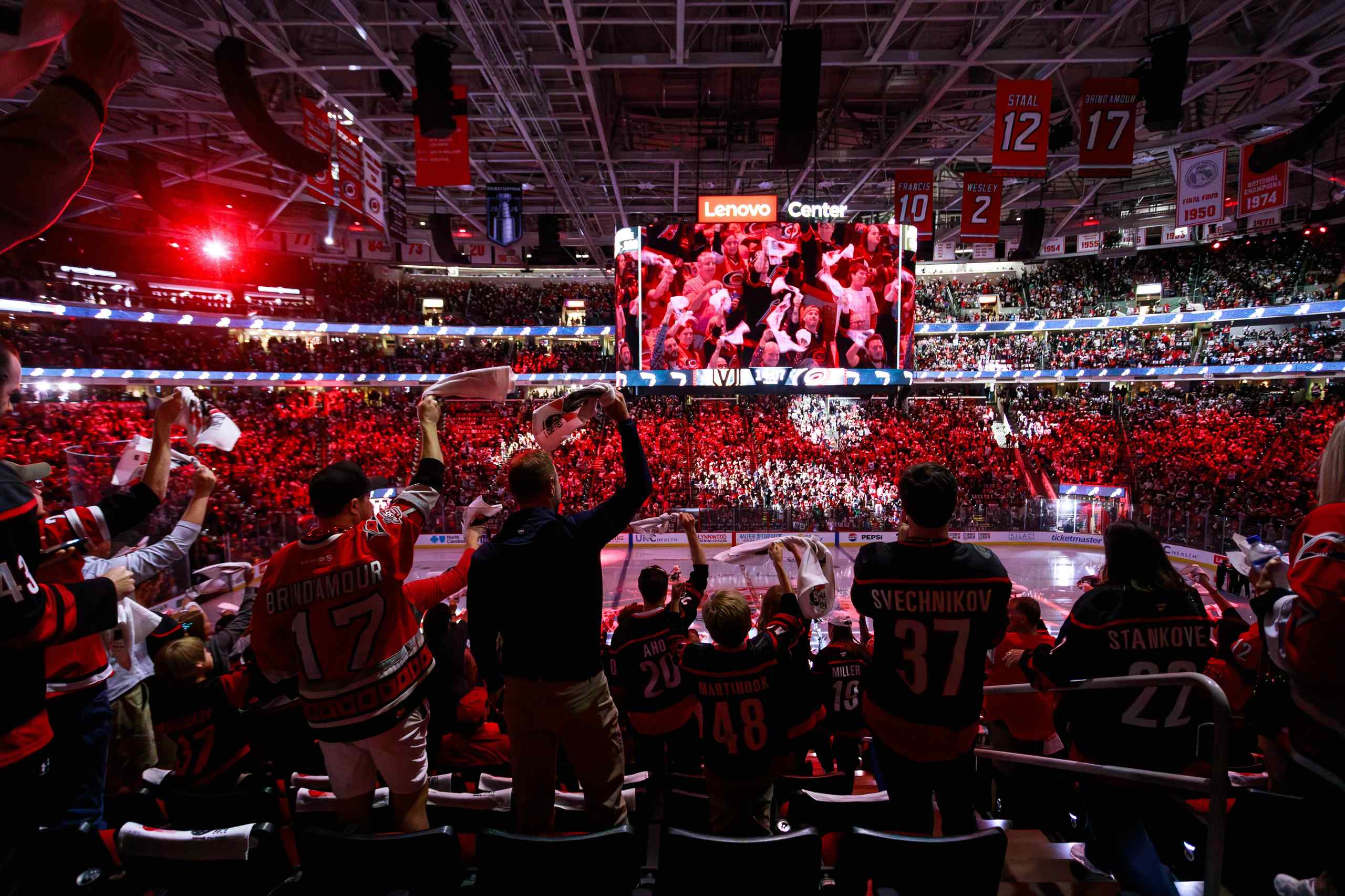
What Couldn't Be Replicated?
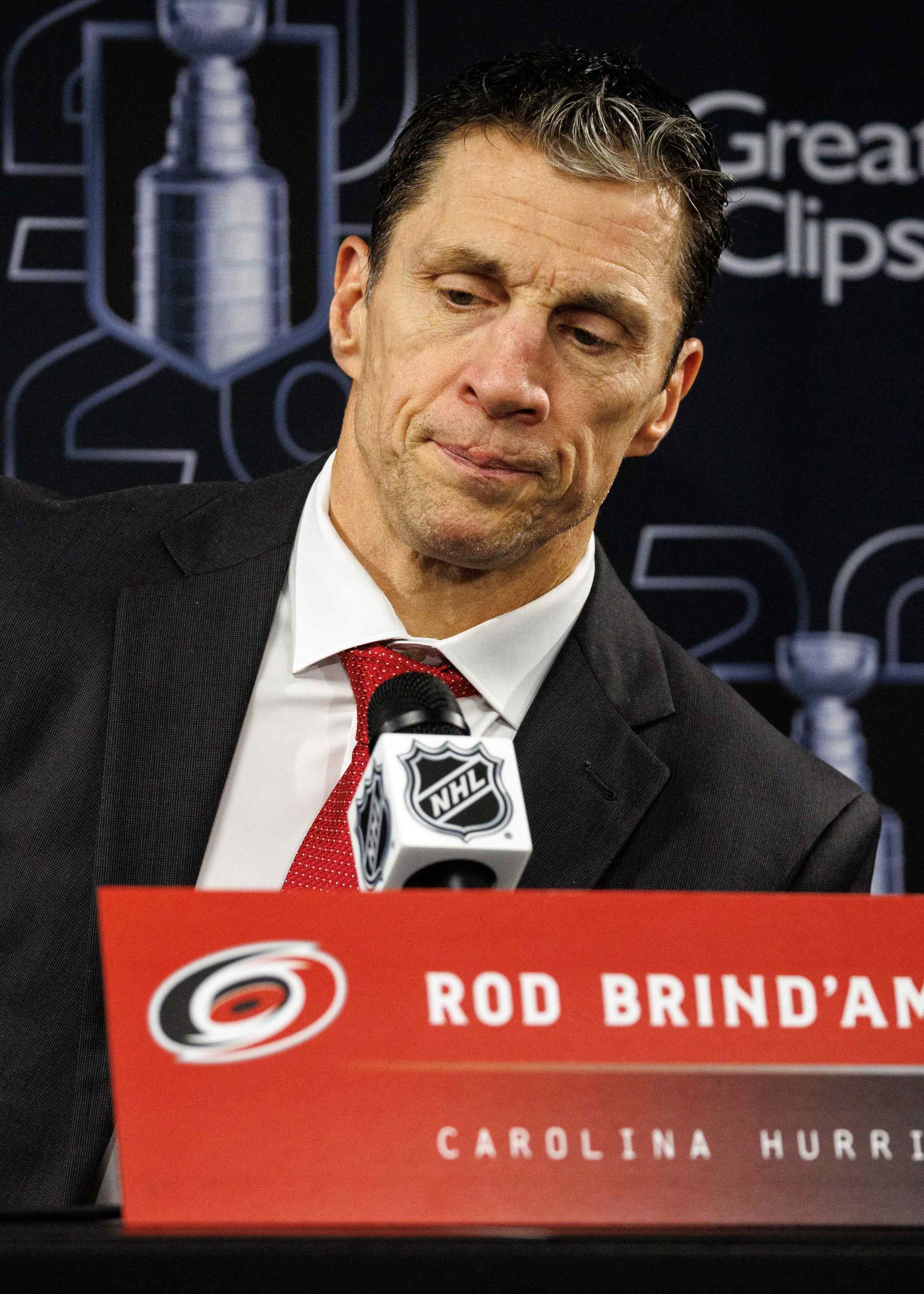
Some of what Carolina did couldn't be copied. Rod Brind'Amour was one of a kind. 26+ years with the organization, a Cup as a player (2006) and another as head coach (2026), making him the 4th player in NHL history to achieve both with the same franchise.
The front-office stability was equally rare: Eric Tulsky in year 12, Darren Yorke in year 17, and Mike Sundheim since 2006. While turnover was common, the Hurricanes retained their key people.
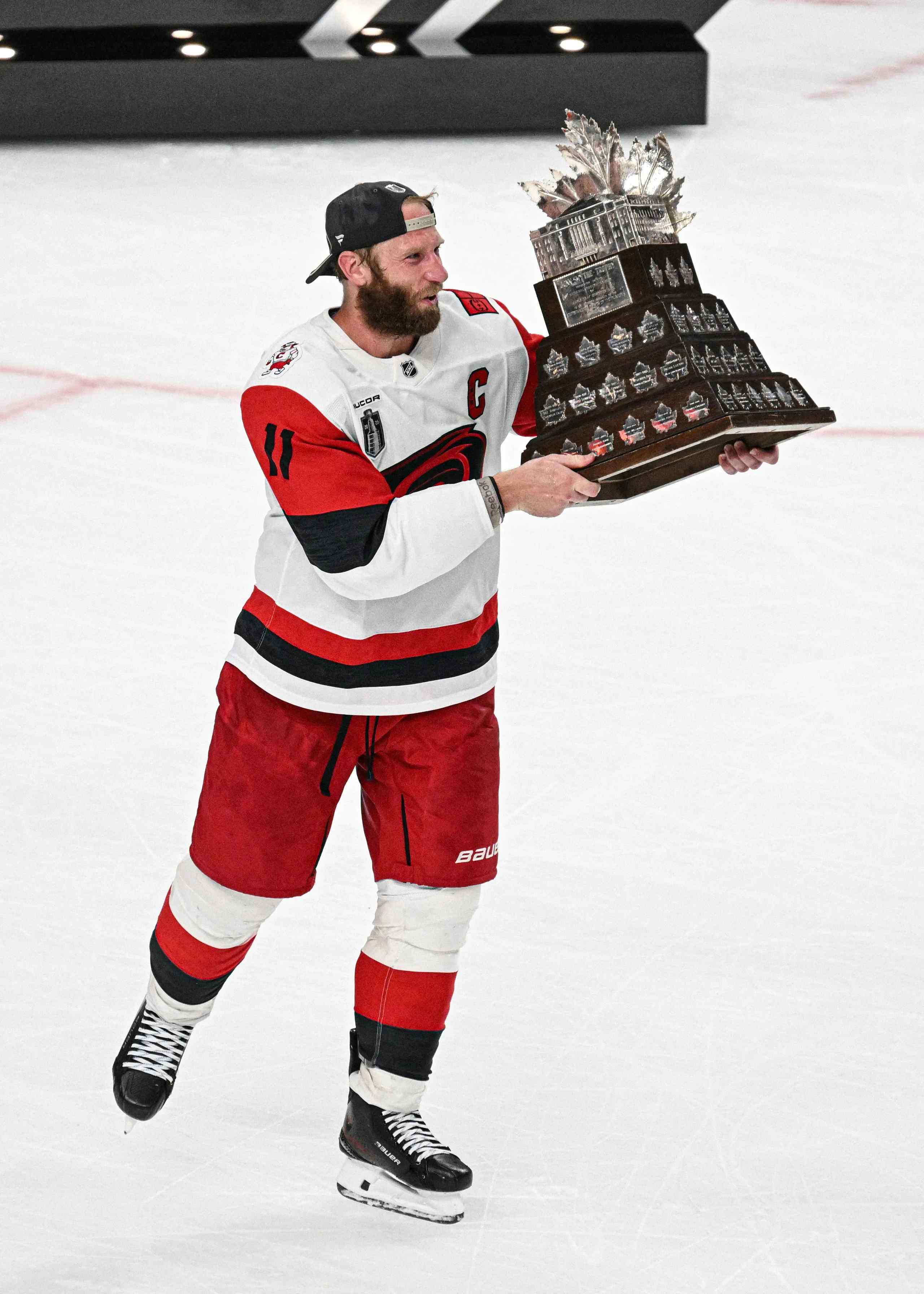
And you couldn't copy what Jordan Staal did - six SCF goals and the Conn Smythe at age 37.
Which Teams are Best Positioned to Follow?
New General Manager MacFarland has committed himself to analytics, and the Nashville Predators clearly fit the bill for a team that needs an overhaul based on data.
The New Jersey Devils have also just hired a GM in Sunny Mehta, who's committed to using analytics to drive his decision-making, so they'll be another candidate.
The Montreal Canadiens have a lot to offer with a young core and stability, making them a strong candidate as well.
Other teams that have plenty of cap space and are willing to do things differently - like Buffalo, Ottawa, and even Detroit - could have borrowed a page from this playbook.
Rather than copying the moves of other teams as much as they are adopting their philosophy (fit instead of fame; value instead of star power; how to produce instead of panic), those teams should focus on their own.
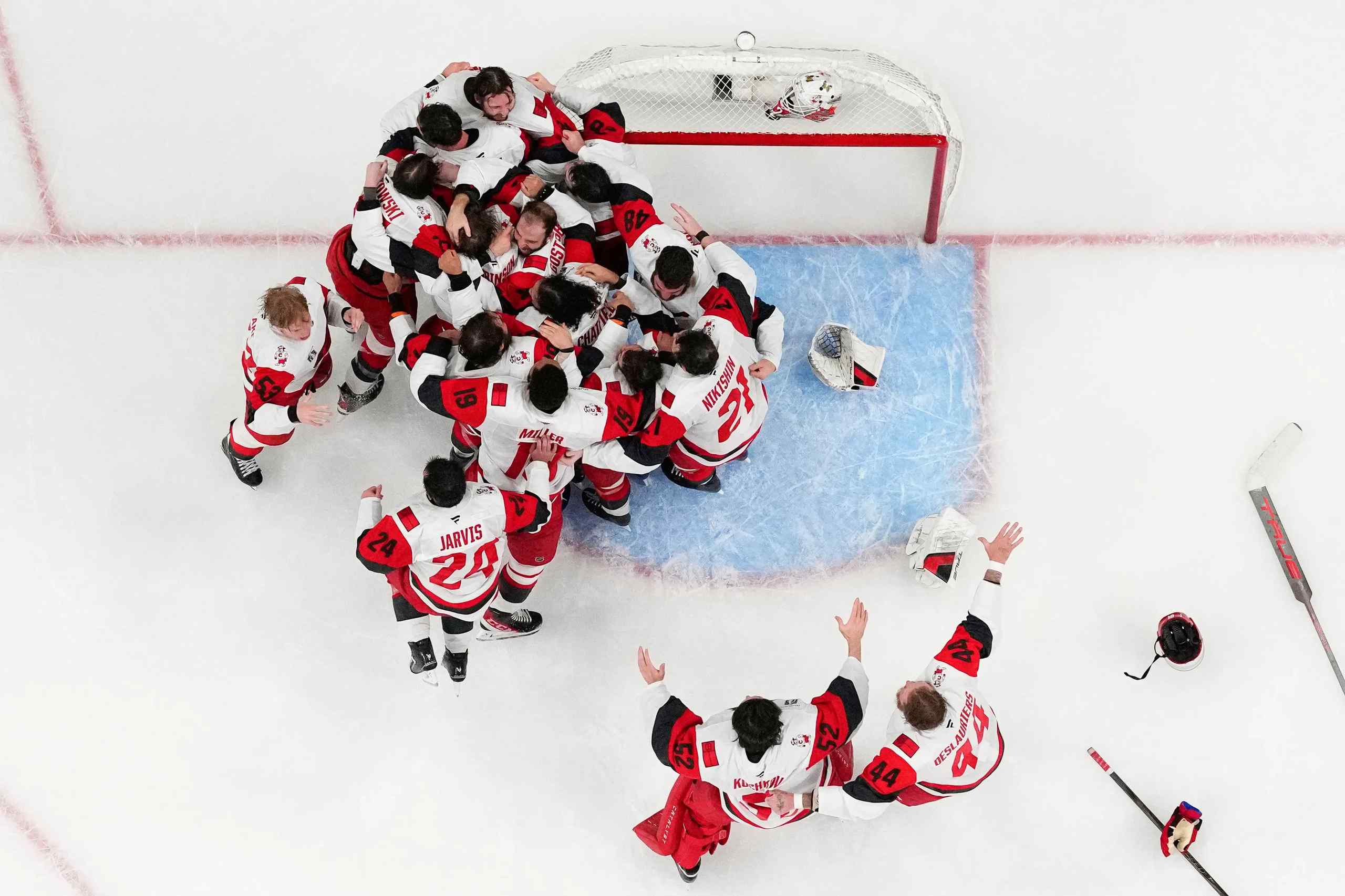
What This Championship Said About the Modern NHL
This headline gave us insight - this era of salary-capped teams is one of real parity! No longer do you need to spend years tanking or outspending everyone else to be a good team; instead, all you need is a good plan, to execute that plan, and then have the guts to make tough decisions.
Carolina's run to the playoffs (16-3) was the fewest games played in the postseason since the 1988 Oilers (18). They allowed an average of just 2.05 goals against per game. They were dominant in all aspects of their game; none of the players on their roster made more than $10 million.
It is the dawn of the Moneyball approach to hockey. The question now becomes: will other teams be able to effectively develop a similar approach, and do they have the patience and the data to achieve that goal?
The Bottom Line
The Hurricanes created their championship game through years of commitment and perseverance. Even when they were in the playoffs, they did not panic, and they did not lose hope when they lost their All-Stars.
Rather than allow themselves to give up on a player-centric system built on competition, they remained disciplined and committed to developing a team-first mentality.
Others tried to duplicate this formula; some were successful, while most did not replicate the same level of system, continuity, or trust, nor would they give themselves time to adapt to their systems.
As a result, one thing was for sure: the NHL changed permanently, and every other team had to catch up.
Lucie brings almost 20 years of iGaming experience, combining sports writing expertise with deep casino knowledge. Her work spans live sports coverage, slot mechanics, player-focused reviews, and strategic casino content. Known for her no-nonsense, first-hand approach, Lucie cuts through jargon to deliver clear, practical insights for both operators and players.
More Articles like this
LeBron to Giannis: Ranking 5 NBA Offseason Stunners
LeBron to Philly, Giannis to Miami, and Wemby staying put. Which NBA offseason move will pay off the most?
By Bill Gelman
NFL Fans Spend $900 to Watch Games. WWE Fans Pay Even More
Think watching every NFL game is expensive? WWE fans would argue otherwise.
By James Guill
How Bad Is It? Ranking the NHL's Original Six by Fan Misery
Nearly 60 years without a Stanley Cup is just the beginning. We rank the NHL's Original Six teams by how much misery their fans have endured.
By Bill Gelman
Why Does Everybody Hate Us? 10 Most Hated Sports Teams Ever
Some teams always win; others get caught breaking the rules. Either extreme is a surefire way to become universally hated, as these 10 sports teams can attest to.
By Stuart Hughes
5 Outrageous Sports Rules That Need to Die
From a missed signature disqualification to a two-minute penalty for a tucked-in jersey, find out about the top five dumbest rules in sport that leave common sense in the locker room.

By Stuart Hughes
The 10 Most Unforgettable Quotes in Sports History
From Jordan's hard truths to Healy's cheeseburger dig, these legendary greats uttered 10 iconic quotes that turned out to be as memorable as their sporting achievements.
By Stuart Hughes