
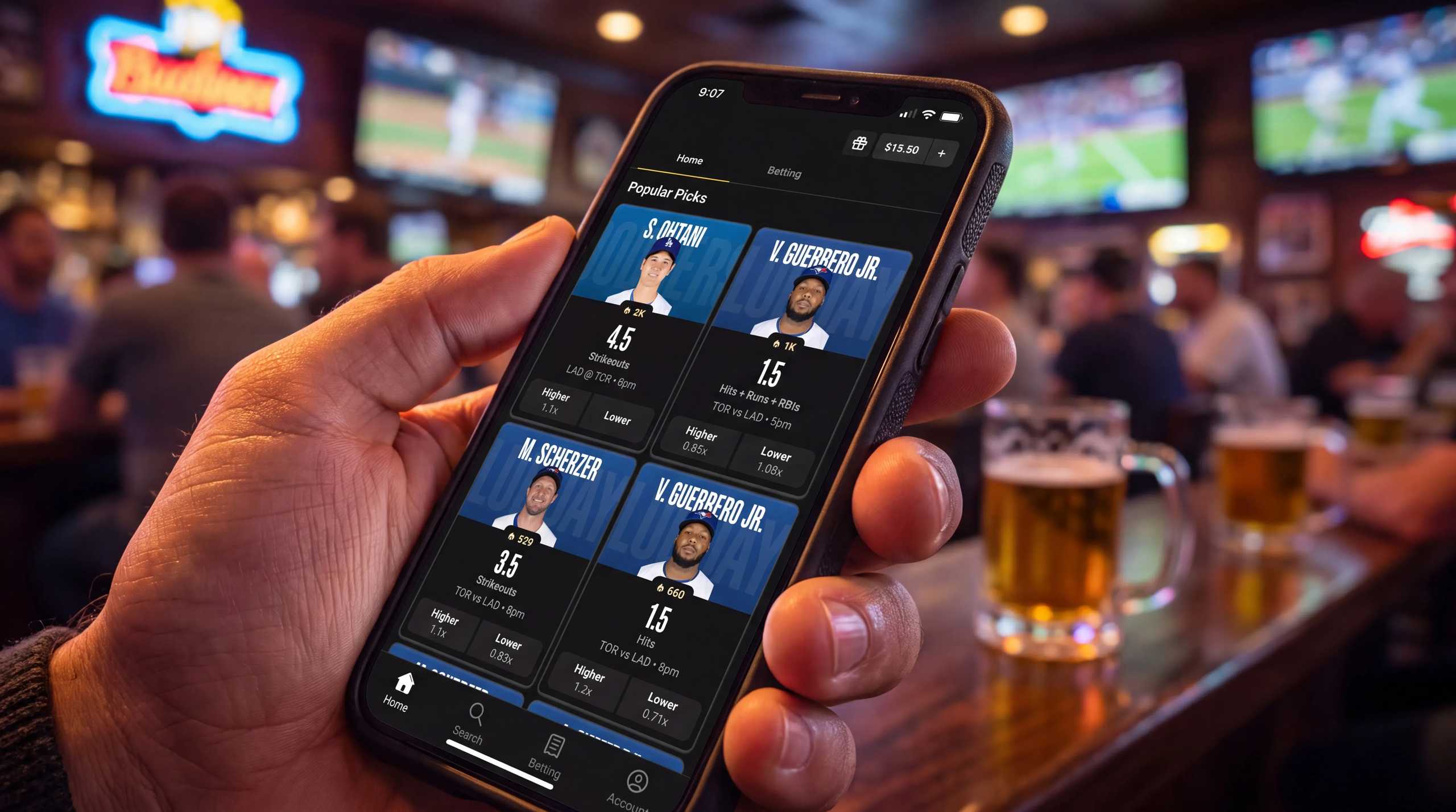
The MLBPA Wants Player Props Banned. Could It Happen?
The debate reveals how integrity concerns, athlete harassment, and micro-betting risks are forcing leagues to reconcile gambling partnerships with protecting competitive integrity.

Over the past decade, professional sports leagues have become some of sports betting's biggest commercial partners.
Professional leagues have all signed lucrative deals with sportsbooks, welcomed gambling sponsors onto their broadcasts, and integrated betting data into their official apps.
Now, Major League Baseball appears to be pushing in the opposite direction as athletes across sports, including Cincinnati Reds pitcher Emmanuel Clase, have been caught up in gambling scandals.
According to recent reporting from ESPN, the MLB Players Association proposed a sweeping ban on player prop bets during collective bargaining negotiations with the league. The union wants to outlaw wagers on individual player performance, on stats like home runs, strikeouts and pitch counts, at sportsbooks, daily fantasy sites, and prediction markets. MLB has confirmed it will respond to the proposal as talks advance.
What MLB Is Reportedly Proposing
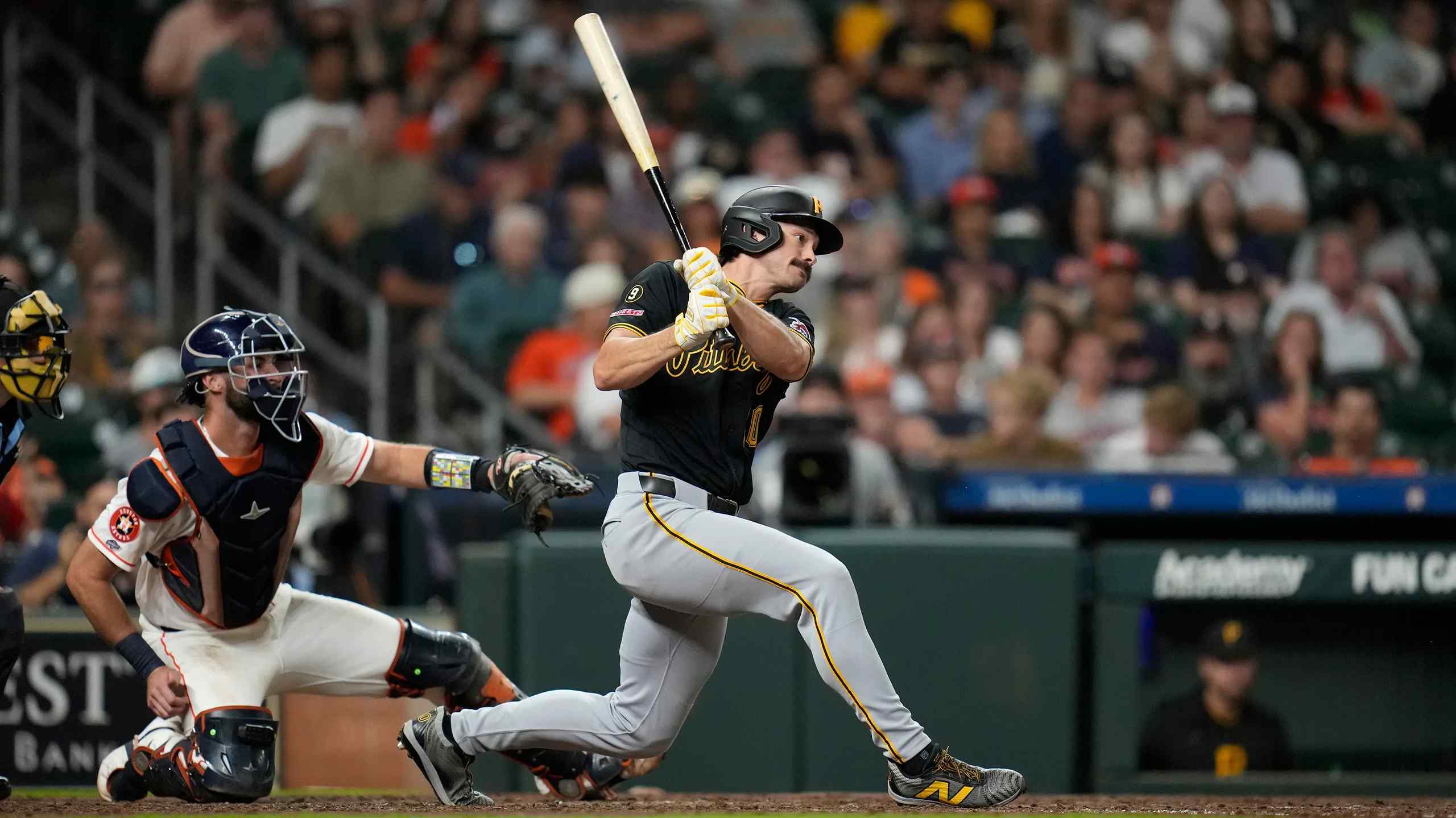
According to ESPN's David Purdum and Jeff Passan, the MLBPA submitted a proposal on June 26 to prohibit all individual player prop bets before or during games. Popular offerings such as home run odds, strikeout props, and at-bat results would be eliminated.
ESPN reported that the MLBPA believes the ban would alleviate social media abuse and protect players from bettors who have financial incentives tied to individual performance. The proposal also includes changes to how gambling investigations are handled, suggesting that players under investigation be placed on administrative leave and that those punished for violations could complete a 15-day unpaid rehabilitation assignment in the minors near the end of their suspension.
The MLBPA is jointly pushing MLB to lobby for a federal prohibition while also asking the league to clarify that players can still pursue endorsements with legal betting operators, even as prop markets are eliminated.
The current CBA expires December 1, 2026, and both sides are in the early stages of exchanging proposals.
Why Player Props Have Become So Controversial
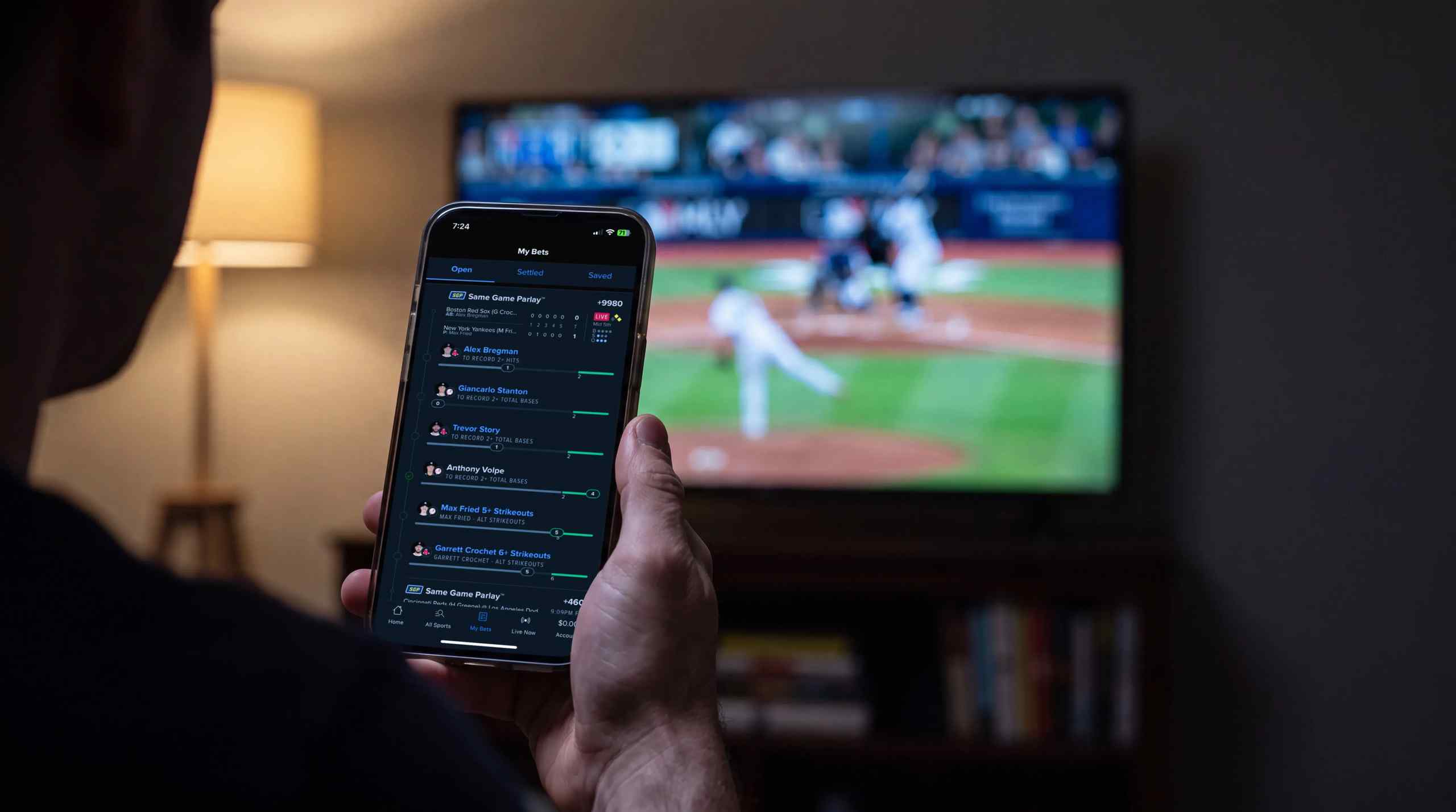
Unlike betting on game outcomes, many player props can hinge on the actions of a single athlete. That difference has made player props one of the fastest-growing and most debated areas of sports betting.
The controversy stems from three main concerns:
- Integrity risks: The prop bet essentially allows bad actors to manipulate performance without doing something much more difficult: fix the outcome of an entire game.
- Athlete harassment: The MLBPA's push comes amid growing concern inside the union about gamblers harassing players.
- Micro-betting and prediction markets: The fast-rising prediction markets, such as Kalshi and Polymarket, have become a focal point of concern.
How Other Leagues Have Responded
MLB is not the first organization to raise concerns, but it may be among the most proactive.
Other leagues have taken different approaches:
NFL: The NFL has been actively engaged with state lawmakers and betting partners to limit and potentially prohibit prop bets. In a November 2025 memo to team officials, the league outlined four prohibited wager categories: inherently objectionable, such as player injuries and fan misconduct; officiating-related, determinable by one person in one play, such as a quarterback's first pass attempt being incomplete; and predetermined. However, the NFL has said it will continue to allow bets on single players with cumulative stats—like whether a quarterback will pass for more than 300 yards in a game.
NBA: Following the Jontay Porter scandal and federal indictments involving Terry Rozier, the NBA worked with sportsbooks to remove easily manipulable offerings before the scandals even erupted. Adam Silver has been vocal about doing more to curb prop bets that can be manipulated.
NHL: The NHL has worked with betting companies to reduce the number of prop bets, though the league has not pushed for a comprehensive ban.
NCAA: The NCAA has maintained its longstanding opposition to prop bets.
League Comparison: Player Prop Betting Stance
| League | Sportsbook Partnerships | Position on Player Props |
|---|---|---|
| MLB | FanDuel, DraftKings, BetMGM | Union proposes full ban on individual player props |
| NFL | FanDuel, DraftKings, BetMGM | Limits prohibitions on single-play outcomes; cumulative stats allowed |
| NBA | FanDuel, DraftKings, BetMGM | Removed manipulable props; no "under" props on two-way players |
| NHL | FanDuel, DraftKings | Reduced prop bet offerings; no comprehensive ban |
| NCAA | Limited | Opposes sports betting; cautious on player props |
Sources: ESPN
The gambling landscape shifted further when the New York State Gaming Commission sent a letter to five professional leagues in February 2026 requesting feedback on how to protect sports betting, particularly around game-specific player prop markets and single-game multi-leg individual player parlays.
The commission said it could waive the 60-day regulatory timeframe if a league requests changes to prop markets. MLB responded by having sportsbooks pull all pitch-level markets.
The Business Contradiction
Following years of opposing sports betting, professional leagues have now spent years embracing betting partnerships while simultaneously trying to protect competitive integrity.
League partnerships have generated hundreds of millions of dollars, according to reports. The challenge is determining where promotion ends and regulation begins.
While leagues have worked with betting companies to reduce the number of prop bets, those limitations have applied to only a small percentage of prop bets for one simple reason: sportsbooks contend that more expansive limits would only cause the public that enjoys the bets to seek them out on the black market.
Yet leagues also maintain stringent integrity monitoring programs.
But that contradiction is at the heart of MLB's proposal. The union wants to ban player props while still allowing players to endorse betting operators. The league must balance its commercial interests with the integrity concerns raised by its players.
Could This Change Sports Betting?
If MLB succeeds in limiting certain prop markets, other leagues may eventually follow. The ripple effects could be significant. A ban on player props could eliminate up to 30% of a sportsbook’s game-day handle.
It could also push bettors who place prop bets to turn to illegal and unregulated operators.
MLB advocating for a ban could prompt state regulators to adjust their regulations on their own, just as some states have banned collegiate props after the NCAA began calling for a prohibition. It could also cause a ripple effect with other leagues following suit to further reduce or ban prop bets.
The outcome of MLB's CBA talks could determine whether player props remain a core part of the sports betting landscape or become a restricted category.
Conclusion
MLB's proposal reflects growing concerns about integrity risks, athlete harassment, and the potential for manipulation of micro-bets that hinge on single-player actions.
Other leagues have taken steps to limit manipulable props, but MLB's proposal is the most comprehensive. The outcome could reshape how sportsbooks offer player props, how bettors approach the market, and how regulators view game-specific wagering.
The contradiction remains: leagues have spent years promoting sports betting while simultaneously trying to protect competitive integrity. MLB must consider whether those goals can coexist when player props create direct financial incentives for bettors to harass or pressure individual athletes.
Pat Evans is a Grand Rapids-based journalist and editor covering the intersection of business, sports, lifestyle, and gambling regulation. With a background in business journalism and legislative reporting (LSR, iGamingBusiness), he brings an analytical, human-focused approach to stories about modern trends. His work has appeared in regional and national publications, and he is also the author of two books on beer history.
More Articles like this
Do NHL Stars Lose Their Edge After Signing Huge Contracts?
Do NHL stars really take their foot off the gas after a big payday? We analyzed 29 major contracts to find out.
By Charlon Muscat
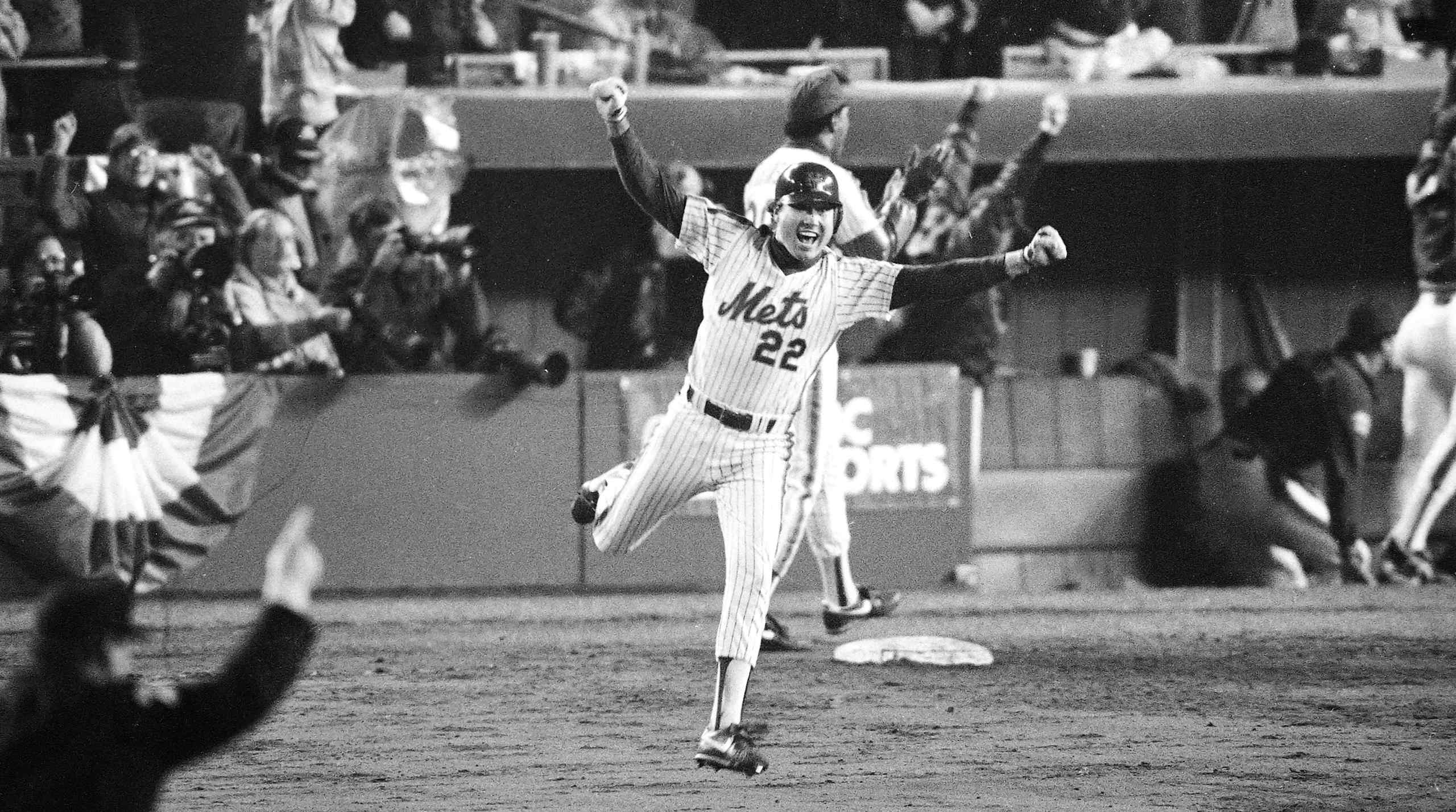
Five Iconic World Series Moments Since the Brewers' Appearance
The Brewers are back in the World Series after 44 years. From Bill Buckner's error to the Cubs ending their curse, plenty has happened since 1982.
By Bill Gelman
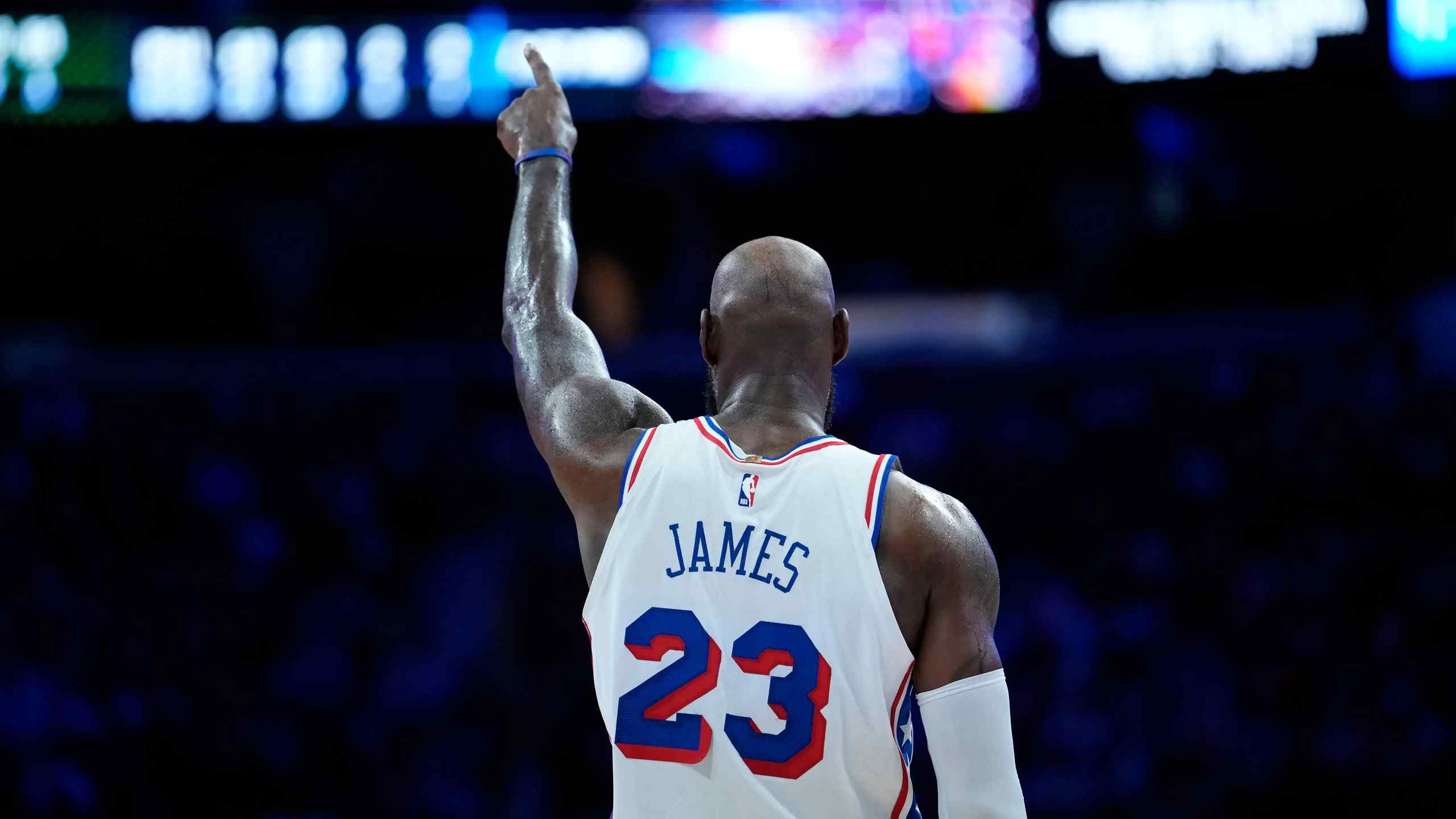
LeBron to Giannis: Ranking 5 NBA Offseason Stunners
LeBron to Philly, Giannis to Miami, and Wemby staying put. Which NBA offseason move will pay off the most?
By Bill Gelman
NFL Fans Spend $900 to Watch Games. WWE Fans Pay Even More
Think watching every NFL game is expensive? WWE fans would argue otherwise.

By James Guill
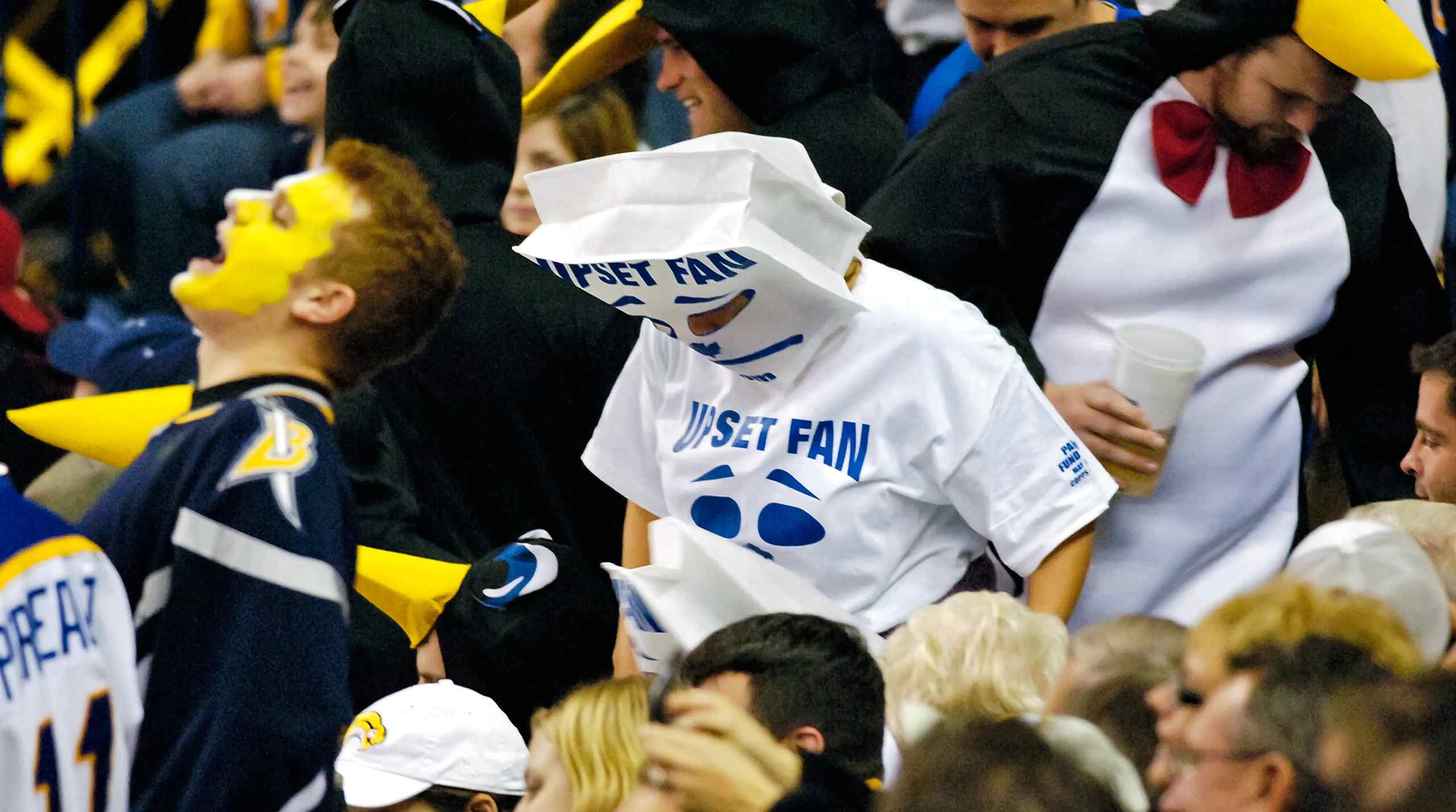
How Bad Is It? Ranking the NHL's Original Six by Fan Misery
Nearly 60 years without a Stanley Cup is just the beginning. We rank the NHL's Original Six teams by how much misery their fans have endured.
By Bill Gelman
Why Does Everybody Hate Us? 10 Most Hated Sports Teams Ever
Some teams always win; others get caught breaking the rules. Either extreme is a surefire way to become universally hated, as these 10 sports teams can attest to.
By Stuart Hughes