
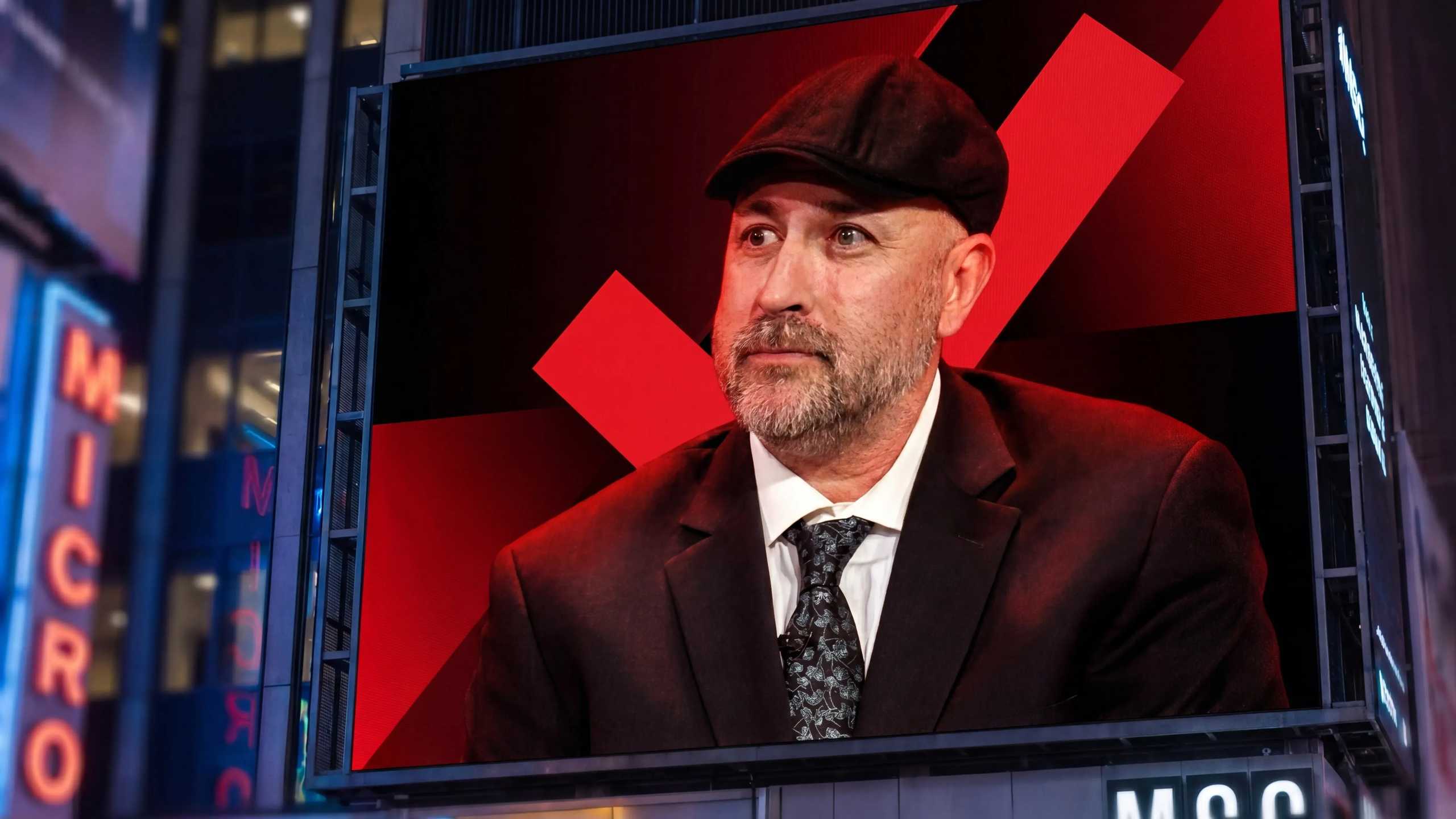
David Purdum: Prediction Market Success Hinges on Texas, California
From Vegas bookmakers to prediction markets, ESPN’s David Purdum was covering sports betting long before it became a multi-billion-dollar industry, which gives him a unique insight into where it’s all going. Purdum spoke with Bodog.com to share a few thoughts on his journey and the current state of sports betting.
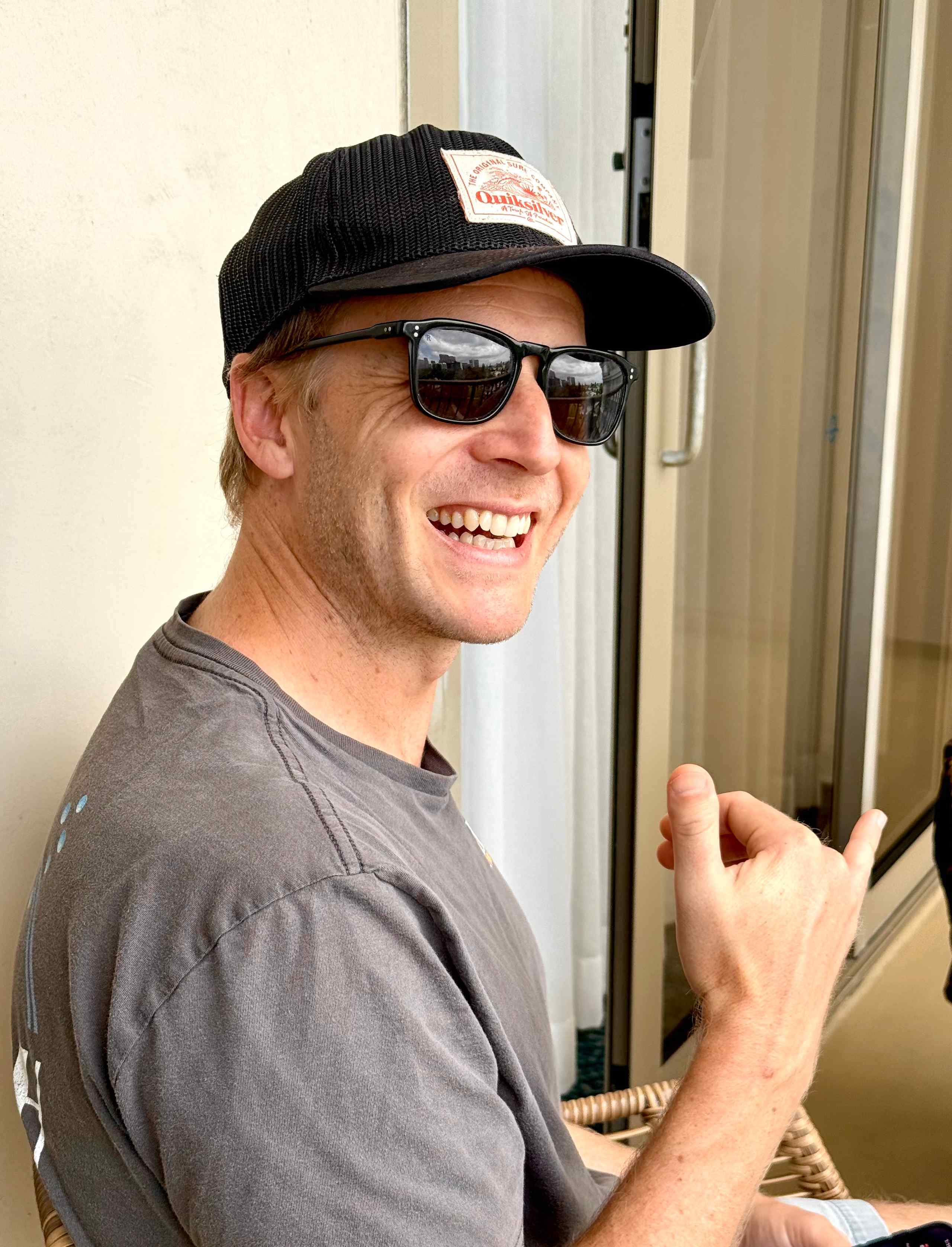
Journalist David Purdum gets asked for betting picks all the time. He has a simple response ready:
“I write about gambling,” he says. “I am not good at gambling.”
It’s a line he’s repeated for years, even adding it to his X bio to manage expectations. While Purdum may not be a sharp bettor, he’s made one of the smartest bets of all by going all-in on covering the sports betting industry before almost anyone else treated it as a legitimate beat.
Back in the late 2000s, when most gambling content revolved around picks and touts, Purdum saw something different. He saw a big-money business full of characters, controversies, and untold stories.
That instinct helped him carve out a lane that barely existed at the time. It eventually led him to ESPN, where he has now spent more than a decade chronicling the rise of legalized sports betting in the United States.
Today, there are few people in the industry with credibility across as many corners of the ecosystem. Bettors, bookmakers, regulators, executives, and reporters alike view Purdum as a trusted voice, someone who understands not just how the market works, but how it got here and where it is headed next.
Finding a Niche During a Bitter Downturn in Print Media
You might be surprised to learn that Purdum never had visions of turning sports betting into a career, at least not as a sharp.
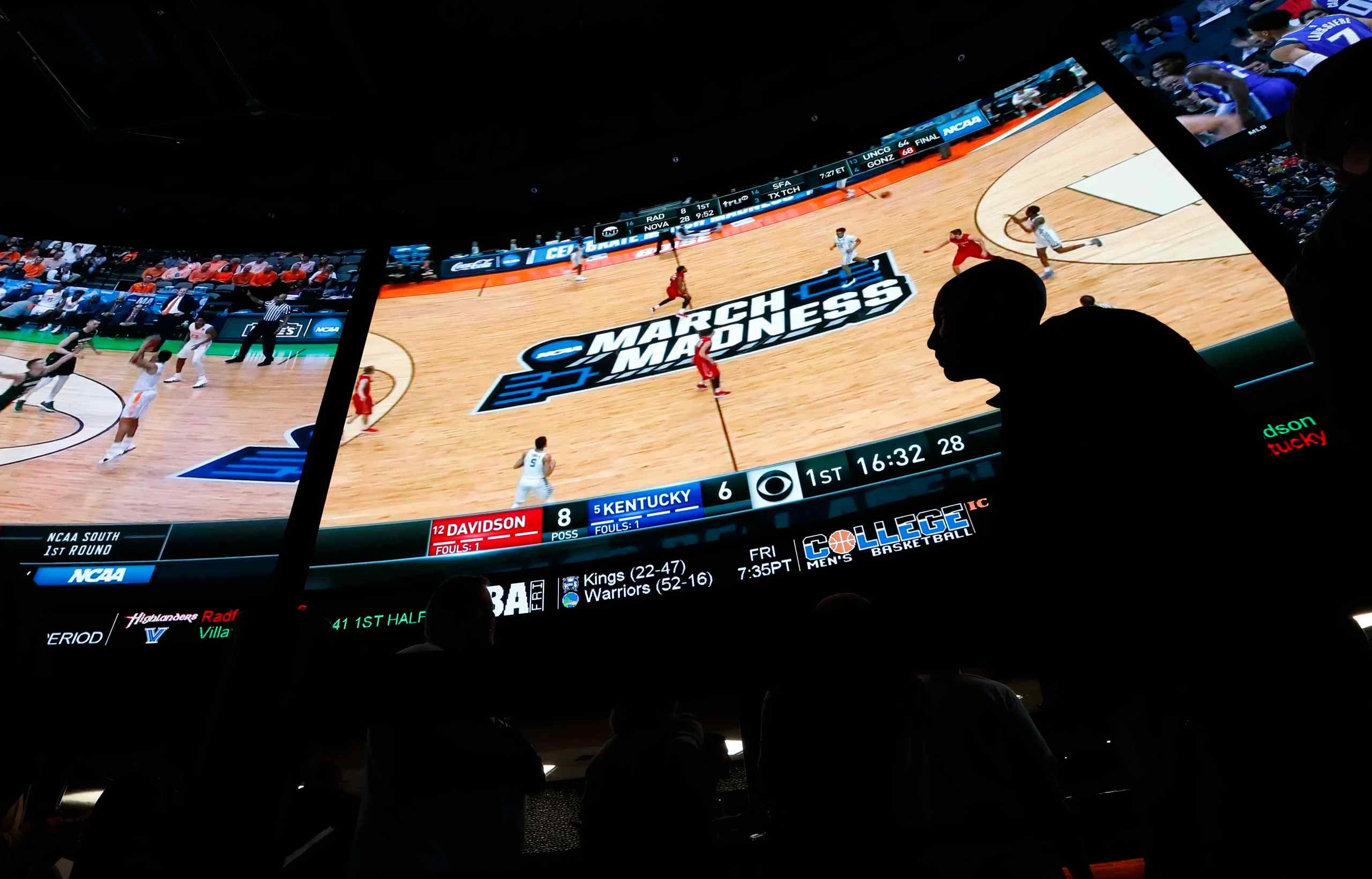
“I’ve never been a good better, but I started in college,” he said. “I always paid attention to point spreads when I was little, looking at the newspaper, NCAA tournament brackets, and the weekly college football.”
It helped that he grew up in Oklahoma, where college football reigns supreme. Eventually Purdum got involved in journalism working for the Atlanta Journal-Constitution in 2008.
The timing was less than ideal with print journalism on a collision course with Facebook, Buzzfeed, and the digital revolution.
“It seemed like there were layoffs every month and I started to wonder if I was next,” he said. “I was getting ready to have my daughter and thought I might try and freelance to look for some opportunities.”
Purdum stumbled across Covers.com and realized his skill set overlapped significantly.
“I started writing like $25 stories about odds to win the SEC or what pitchers are hot in baseball, things just like that,” he said.
“It kind of went from there. I started to think, ‘Gosh, there aren't a lot of people covering this industry from a journalistic perspective.’
Purdum got to meet with the bettors and the bookmakers and quickly found his niche.
“They had great stories,” he said. “As a writer you like to write about great stories and that’s what got me started.
Purdum wrote for Covers from 2008 to 2012 and regularly produced pieces that caught the eye of the national sports media.
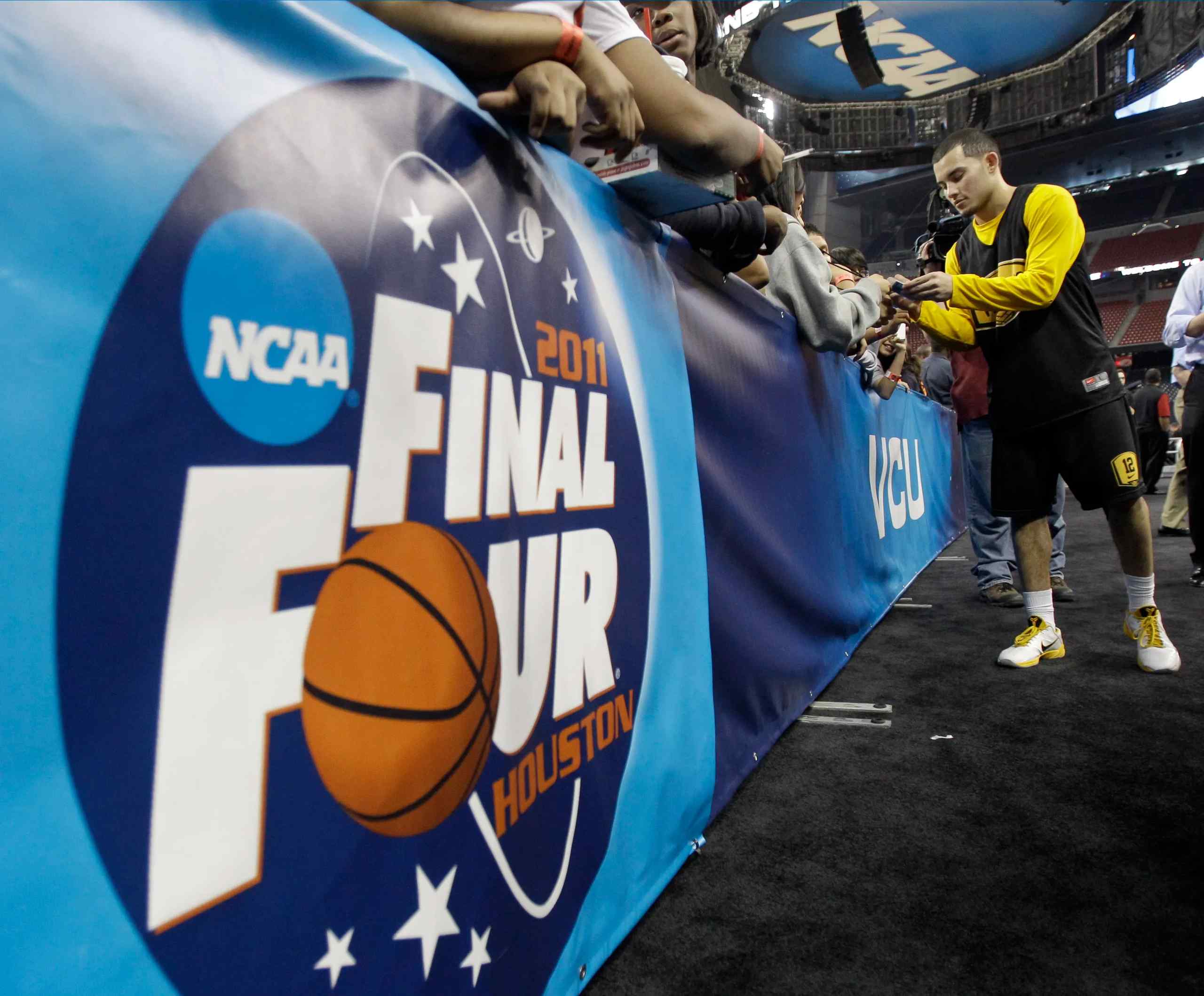
In 2011 one particular story showcased someone who made a $10 bet on Virginia Commonwealth University (a longshot entry to the NCAA Final Four). The bettor stood to earn $50,000 if VCU won it all. Both the sports world and mainstream media were buzzing about the scoop.
The bet ultimately failed to pay off but it was clear the national media was enthralled with the concept.
“It was a simple story, but I remember seeing it on CNN and I was like ‘Wow, the mainstream is more interested in this than me,’” he said.
VCU wasn’t the only story Purdum broke that picked up attention outside the betting world. That same year the St. Louis Cardinals were an average team in the dog days of the summer.
The Red Birds made a bit of a run in early September and they sat 4.5 games out of the NL Wild Card race, but their World Series odds were reading to a playoff longshot. One smart bettor saw this error and placed two $250 bets; one on St. Louis to win the National League and another to win the World Series. The odds were 9,999-1 – which paid off when St. Louis won the World Series – and once again the mainstream media was all over the story.
Purdum’s biggest get, however, was when renowned sharp bettor Billy Walters agreed to an interview.
Watters is a legendary professional sports bettor but also very reclusive. He did one 60 Minutes interview and that was pretty much it.
“He was like this ghost that everybody was checking and trying to get him to commit to an interview,” recalled Purdum. “I didn't like my chances.”
“I sent him an email. I remember mentioning his charity organization that he has in Las Vegas and it must have been weeks later—I didn't hear anything—and he called me back, ‘David, this is Billy Walters.’’
Purdum spoke to Walters and spoke to him for two hours. The interview helped launch Purdum to the big time and it’s a relationship that’s stood the test of time.
The interview caught the attention of ESPN and helped launch Purdum to another level. Even after all these years, Purdum and Walters still have a relationship.
“He was a good interview, too,” he said. “He really spoke candidly, but always kept a little bit of intrigue about him, right? Very, very interesting and fun interview for me.”
Joining ESPN and the Explosive Growth of Sports Betting in the US
The Billy Walters interview caught the attention of ESPN The Magazine Editor in Chief, Chad Millman. Within two years, Purdum was working at the World Wide Leader as a reporter for the newly launched Chalk section.
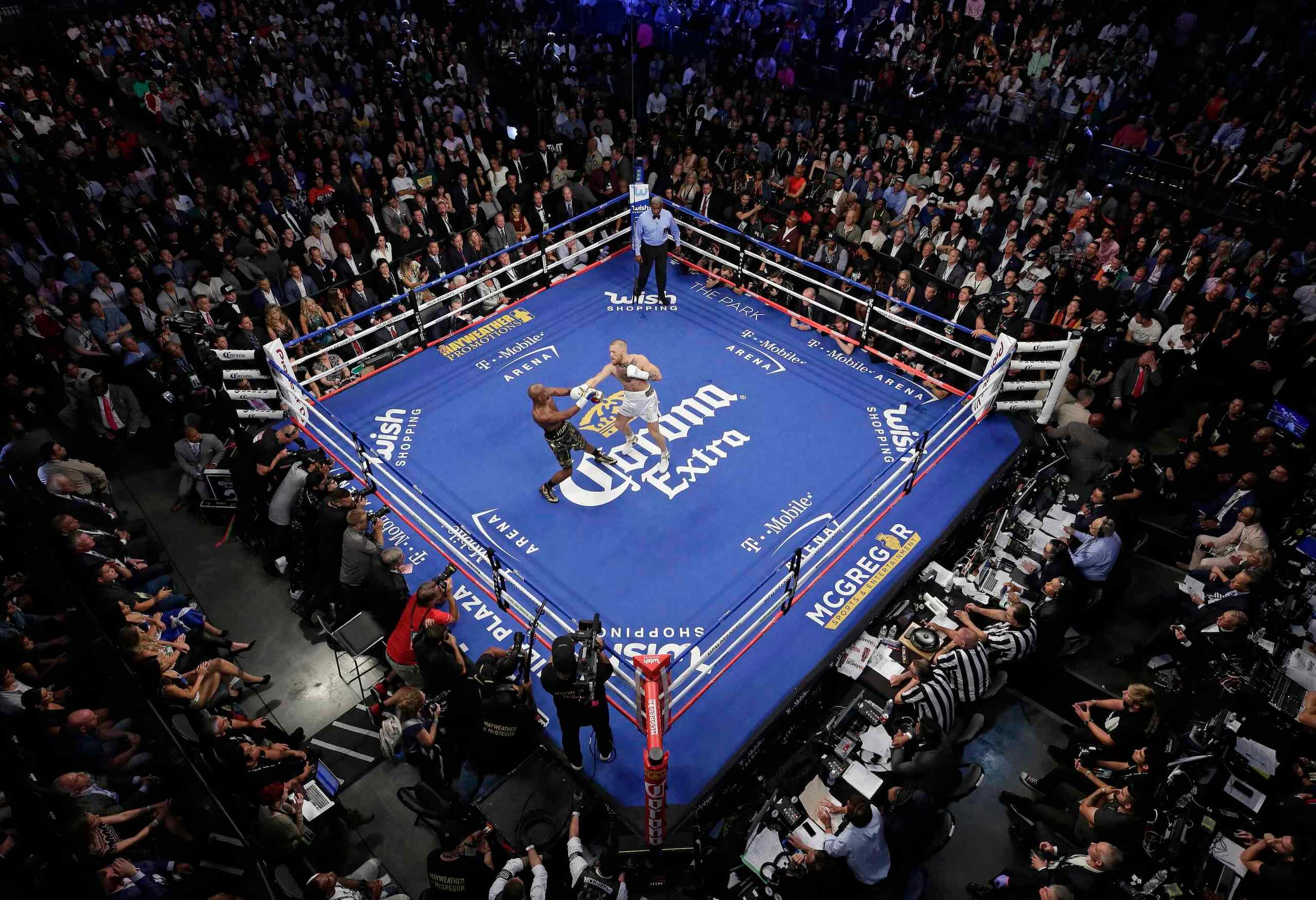
His editor at the time was Ben Fawkes, now of Yahoo Sports. Fawkes recalled the Floyd Mayweather Jr.-Conor McGregor fight and the big scoop Purdum had in the days leading up to the event.
“Mayweather had bet on himself,” Fawkes told Bodog in a phone interview. “David had this scoop. Mayweather had bet on himself at the M Resort.”
Mayweather had actually tried to bet on himself, but was denied, according to Purdum’s reporting.
That was in 2017 with sports betting still relegated to relative obscurity in Las Vegas and Atlantic City.
Purdum’s reporting was regular national news the following year when the Supreme Court struck down the Professional and Amateur Sports Protection Act in May 2018. Purdum says his workload tripled after the Supreme Court ruling. Suddenly, his job no longer focused on sports, but state-by-state legal challenges to approve betting.
“All of a sudden, I'm covering Supreme Court cases and that was a challenge,” he said. “But luckily I had surrounded myself with some good sources, some good people much smarter than me on the legislative process and they guided me through this.”
It went fast with Delaware and New Jersey jumping at the opportunity of legal sports betting and West Virginia wasn’t far behind.
“It went quickly,” he said.
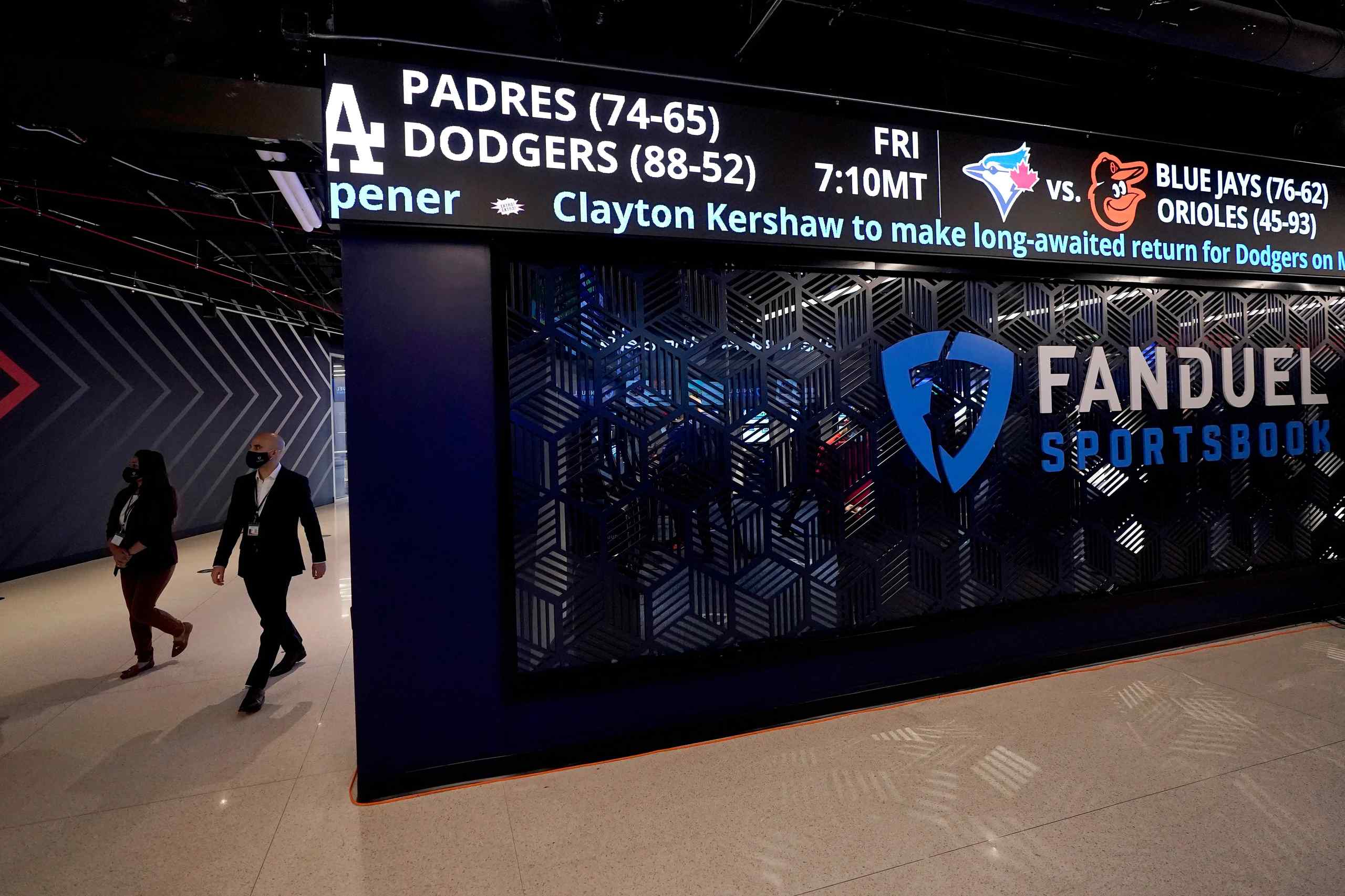
As more states opened regulated and legalized sports betting, reporting on the industry changed significantly from the old days of calling up bookies at Nevada sportsbooks. It was no longer a one-city or state discussion.
“The sportsbooks listed on the stock exchange are more challenging,” he said.
“They can't come out and say, ‘Gosh, we got crushed this weekend; we lost all this money,’ because it could impact their stock. And so they're very cautious of that kind of reporting. A lot of times I think that's what people want to know. I would say for the longest time the biggest question I got on social media would be, ‘Hey, how'd the books do this weekend?’”
It’s a far different market than the old smoke-filled rooms of Vegas and Atlantic City.
The rise of prop betting has also been a paradigm shift for the industry. What was once something normally reserved for Super Bowl betting is now common on every game, with millions of dollars being wagered. There’s huge potential for professional athletes to manipulate individual stats in games.
The most recent example is the alleged pitch-rigging scheme that involved Emmanuel Clase and Luis Ortiz of the Cleveland Guardians.
Purdum would like to see a cap on such prop bets, which are relatively easy to manipulate.
“If you're going to do that, the max that I think you should be allowed to take is $200, and do not allow these to be put in parlays so they can escalate the payouts,” he said.
“I completely advocate for that because you can offer whatever bet you want, but you cannot be taking 10 grand on it, where it basically incentivizes some type of attempt to manipulate it.”
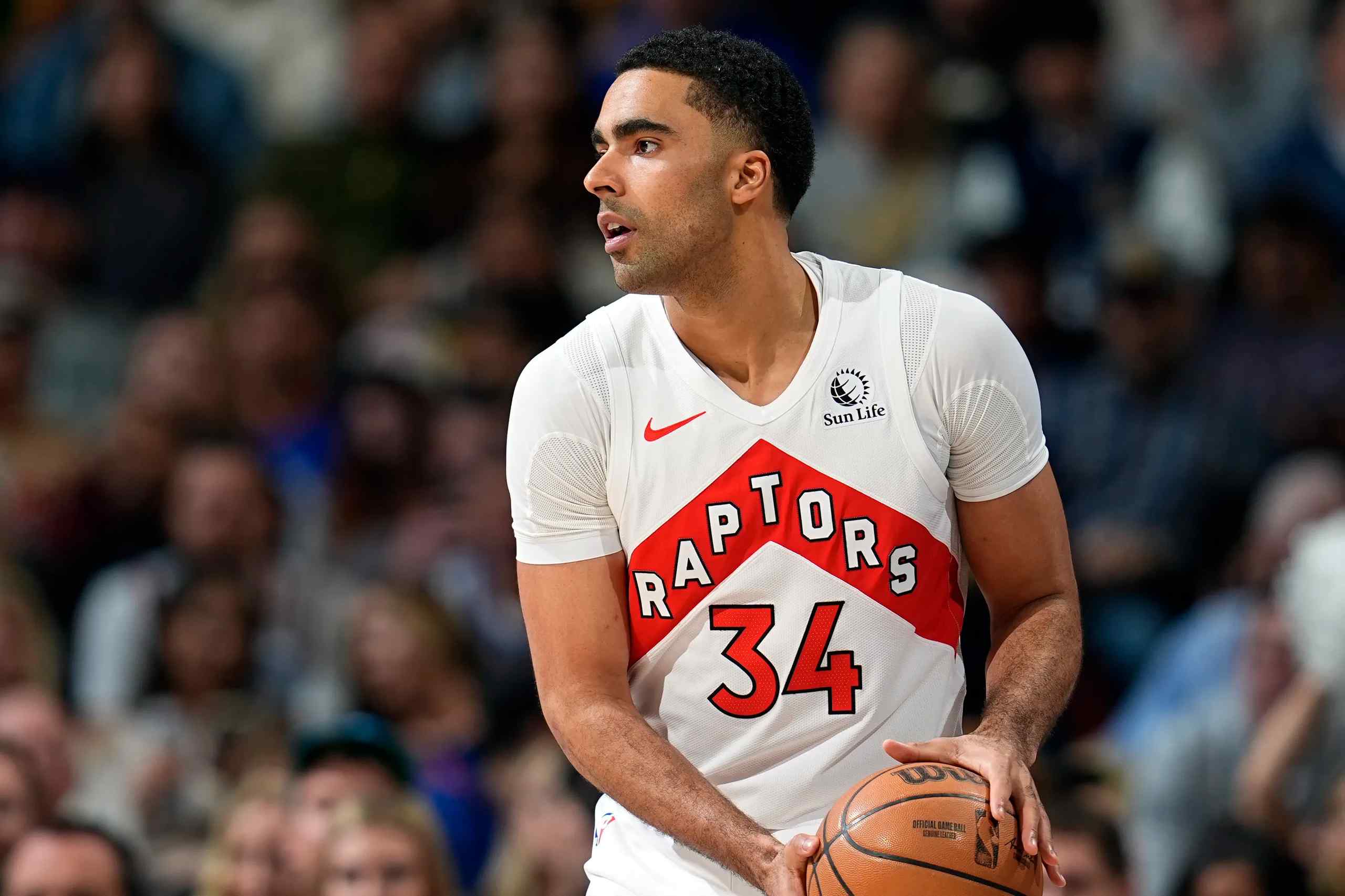
Purdum pointed to the Toronto Raptor’s Jontay Porter, who got entangled in a betting syndicate. Porter has already pled guilty to his role in the case.
“Basically, he removed himself from games that he let the betting syndicate know beforehand—’I have to take myself out quickly for whatever reason’—and had all the unders on my props,” Purdum explained.
“And there was a parlay bet that got placed for $10,000 on ‘under Jontay Porter rebounds,’ ‘under Jontay Porter assists,’ "under Jontay Porter three-pointers’—it would have paid like $1.2 million. Why would you ever offer that? You're asking for it, right?”
Purdum went on to call out low-level college games where people are betting $50,000 on small details of the game
“It’s just something I’ve been saying over and over: ‘You guys cannot be doing that,’” he said.

Don't Underestimate the Role Texas and California Play for Prediction Markets
Prop betting isn't the only thing threatening outcome integrity these days. Prediction market products don’t follow the same guidelines as regulated sports betting. That’s led to market manipulation for geo-political events and weather forecasting.
Apps like Kalshi and Polymarket allow users to trade on the outcome of events (including sports) by buying and selling contracts tied to specific results. They’ve surged in popularity in the US because they operate under a different regulatory framework. This gives them access to states where traditional sports betting is blocked.
There’s a legal battle now playing out in US courts between the prediction market brands and the individual US states. The battle is ongoing with both individual states and the prediction markets claiming victory in various cases.
“To me, it’s about two things: Texas and California. [Prediction markets] have access to those states—massive, massive states,” he said.
“If you have those two states, you are probably equal to close to the rest of the states combined in handle. As long as they have access to those states, they're going to have an advantage.”
The battle between traditional sportsbooks and prediction markets is perhaps the biggest story in all of gambling right now but Purdum believes customers will eventually return to traditional books.
What I think will eventually happen is that the consumer has shown overseas in the UK—where prediction markets have been a thing for a long time but they've been a small niche—the consumer showed they prefer the traditional sportsbook model,” he said.
“So if we follow that route, prediction markets are having their big day here, but if we get to full legalization, where California and Texas have traditional sportsbooks, I do believe the American consumer will prefer the sportsbook.”
Purdum still sees a viable market position for prediction markets, however. In the UK prediction markets provide a valuable platform for sharps who the sportsbooks have banned.
“It gives them a place to play, which I think is needed,” he said. “So I think you will always have betting exchanges in the future here. I don't think they will be larger than the traditional sportsbooks, but they're certainly competing right now.”
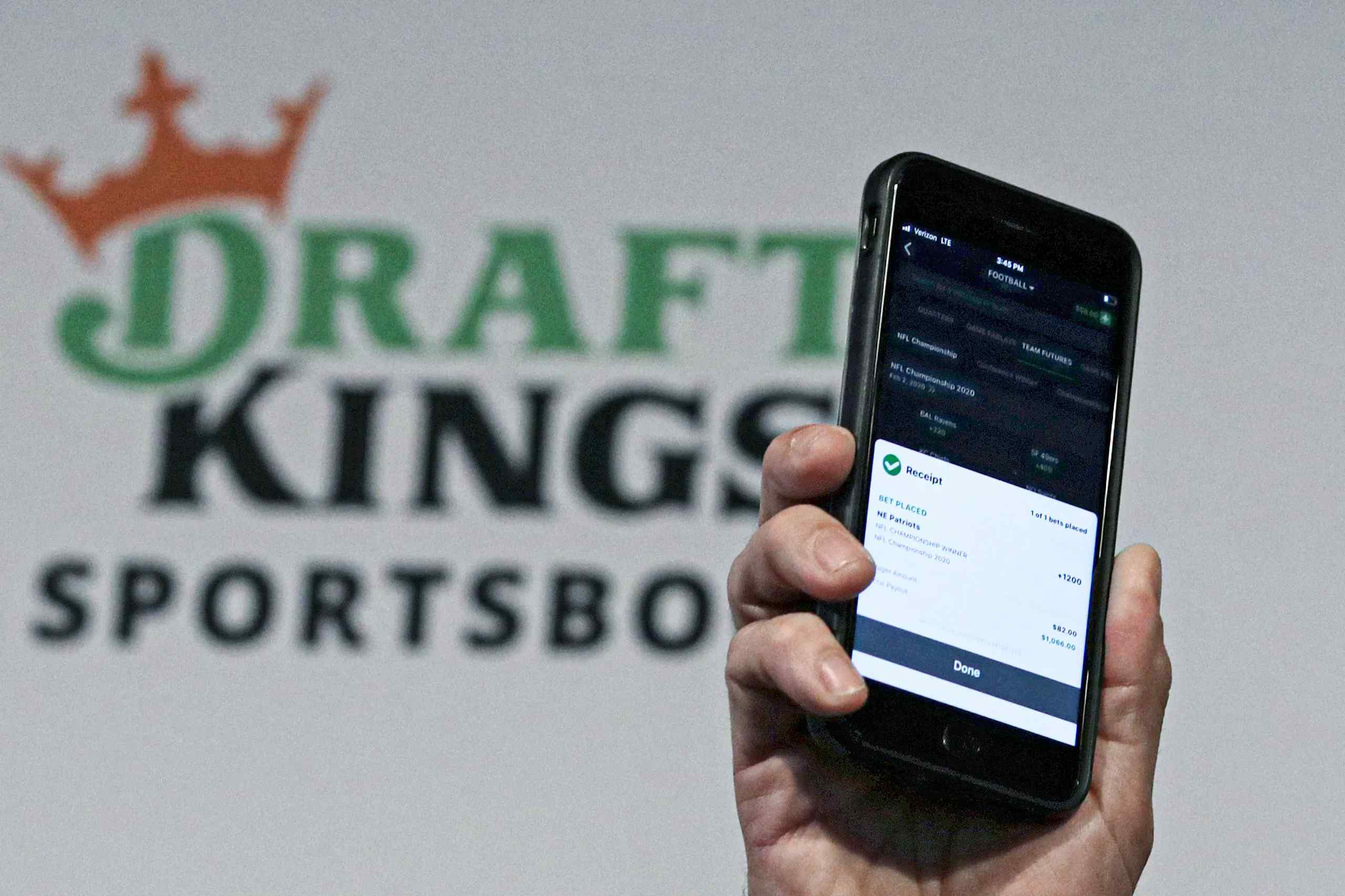
This puts betting operators in an awkward position. FanDuel, DraftKings, and Fanatics have all launched their own PM products over the last year. They’re trying to balance staying on the legal states’ good side while growing their customer base by entering unregulated states like California and Texas through their prediction market product.
What outcome are these brands hoping to see in the battle between the states and prediction markets?
“The dream outcome is always going to be to have the largest market share for the individual operators, whether that market share comes from your prediction market or your traditional sportsbook,” he said.
“So I think that's part of the calculus, right? They're thinking, 'What is the best for our market share?'"
Margins for the prediction markets are much smaller and – without access to giant markets – they would have a much more difficult time succeeding. Purdum pointed to Sporttrade in New Jersey, which essentially offers a betting exchange but it hasn’t really garnered much traction because it’s relegated to NJ.
So if they're going to have nationwide access, prediction markets have a chance; betting exchanges have a chance to survive,” he said.
“And I think they will, and I hope they will because of what I've said before: that gives everybody a place to play. I don't know how much they'll get involved if this gets to the Supreme Court.”
No matter what happens, it’s arguably the best time in history to be writing about sports betting and Purdum is, as he’s been for the last 10+ years, at the center of the conversation. Just don’t ask him for picks.
David Purdom reports on the sports betting industry for ESPN. You can follow him directly on X to learn more about his work.
Arthur Crowson got his start in traditional newspapers before making the jump to digital media, where he's spent the last ten years writing about poker, finance, crypto, gambling, and emerging tech. Over that time, he's developed a knack for spotting the moments when markets, technology, and gambling pull in the same direction. His work has appeared in publications like PokerListings, CryptoVantage, ValueWalk, and PokerScout.
More Articles like this
The 10 Most Unforgettable Quotes in Sports History
From Jordan's hard truths to Healy's cheeseburger dig, these legendary greats uttered 10 iconic quotes that turned out to be as memorable as their sporting achievements.
By Stuart Hughes
Eight Years, Eight NBA Champions. Is Parity Here to Stay?
Eight different teams have won the NBA championship in eight years, the longest such streak in league history. Can the Knicks finally break the cycle, or will another contender claim the crown?
By Bill Gelman
Is This the Biggest Acquisition Era in Sports Betting History?
Sportsbooks, prediction markets, and sweepstakes apps are fighting for the same customers. We compared 11 welcome offers to see who's offering the biggest incentives.

By Cole Rush
Does a 4-0 NFL Start Mean You're Playoff Bound?
A 4-0 start can put your team on the fast track to the playoffs, but history shows that even Super Bowl champions don't always start strong.
By Marcus Mosher
The 8 Greatest Sports Movies Ever Made, Ranked
Rocky isn't No. 1 by default. We ranked the eight greatest sports movies ever made, from a boxing warhorse to a table tennis fever dream, weighing critical scores against what actually stuck.
By Cole Rush
Which Sports Punish Losing Teams the Most?
From a punishing relegation to first draft pick optimism, discover which sporting leagues have the highest penalties for a losing season and those that feel comparatively lenient.
By Stuart Hughes