
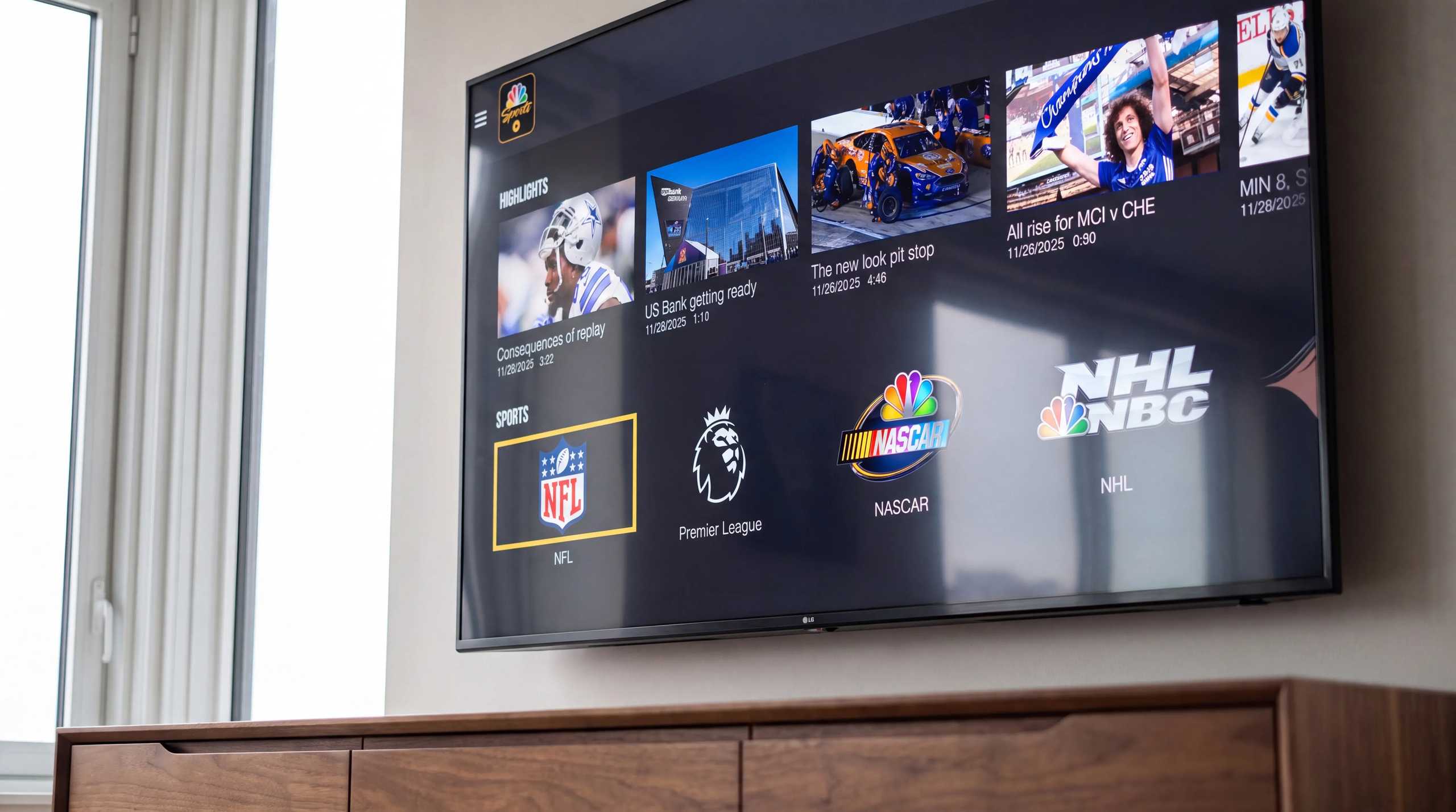
Live Sports vs. Scripted TV: Why Streamers Pay Billions
With scripted programming crashing down at an alarming rate while streaming giants pour billions into NFL and NBA rights, the television industry has made its biggest bet yet. Here’s the reason why live sports are the only remaining revenue source for networks and why your favorite TV show might not make it.
.webp)
Over the last decade, I have witnessed TV undergo a remarkable change. I attended upfront meetings and studied viewership ratings and cancellations of my favorite TV shows before they were able to complete their first season.
This change includes not only scripted programs but also live sports broadcasting. Big players in the industry like Netflix, Amazon, and Apple have started their investment in buying broadcast rights.
So, what is more important now than asking whether investing makes any sense? It is more interesting to ask why live sports have become the most valuable part of TV.
Why live sports are different
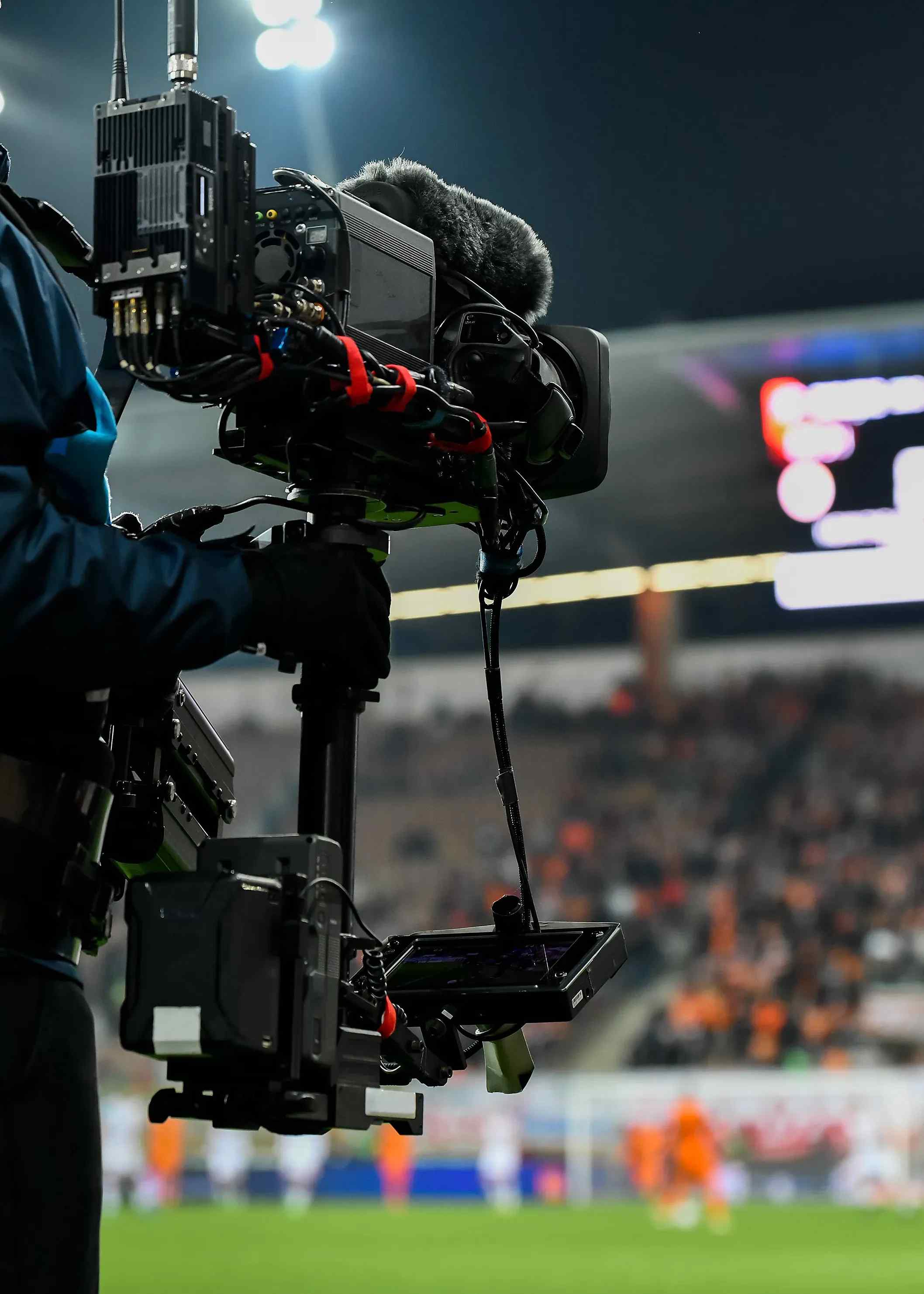
Sports are the final vestige of "appointment viewing" for one key reason: very few formats require that viewers watch them live, and that scarcity is truly priceless.
In the case of a drama, you can pause or binge-watch it later on. But when it comes to sports, missing that last play means hearing about it from others or reading about it on social media.
The time-sensitive quality of sports makes it immune to the "fast-forward" button. Advertisers know that during a live game, viewers are glued to the screen, commercials and all.
The battle for media rights
It’s no longer just a battle between traditional TV networks over media rights. Experts say that sports media spending across the globe has reached more than $70 billion and is still rising.
Biggest Sports Media Rights Deals
| Property | Broadcaster / Platform | Rights Value | Length |
|---|---|---|---|
| NFL | CBS, Fox, NBC, ESPN, Amazon | $111 billion (total) | 11 years |
| NBA | Disney, NBC, Amazon | $77 billion (total) | 11 years |
| MLS | Apple | $2.5 billion | 10 years |
| WWE (Raw) | Netflix | $5 billion | 10 years |
| Formula 1 | ESPN / Various | ~$90 million/year (U.S.) | Multi-year |
Sports vs. scripted television
It’s really rather fascinating, the money that actually supports live events versus TV dramas. A good TV serial may cost untold millions to produce just a few minutes, and there are no assurances anyone’s ever remotely interested. With a sporting event, though, you automatically get a huge built-in crowd desperate to witness it unfold.
Live Sports vs. Scripted TV
| Category | Live Sports | Scripted TV |
|---|---|---|
| Audience Behavior | Appointment viewing, real-time | On-demand, binge-watching |
| Advertising Value | "Unskippable," premium CPMs | Lower CPMs, susceptible to fast-forwarding |
| Subscriber Impact | High for acquisition and retention | Steady, less urgent for growth |
| Production Timeline | Consistent, predictable schedule | Long, expensive development cycles |
One show can bring profits over a long period, while the other is only a temporary hit. For instance, Suits was positioned as a popular show to help the platform make profits many years after its premiere. In contrast, the result of a live sports event is only two or three hours long, while it can take up to dozens of million views.
Statistics tell the truth. Sports advertising has noticeably increased, while the number of ads in the list of best TV shows has decreased.
Is paying billions worth it?
Is it wrong that media companies are pouring in millions in media rights instead of just producing their original content? The answer is no. This is a matter of survival of traditional broadcasters.
With the advent of technology, traditional channels are more dependent on sports for ratings and advertising. Sports are also the solution for streaming services to increase their subscriptions because, after the Tyson v. Paul fight, for instance, Netflix had added nearly 1.5 million subscribers, 80% of whom continued paying the subscription after one month.
It should be stressed that media companies purchase not only televised sports but also the concepts of exclusivity and branding. The money spent on sports makes sense, as sports programs have wider and more loyal audiences than any other type of programming.

The cancellation count keeps climbing
If you still doubt the dominance of sports over scripted television, look at the astounding number of cancellations. The list of shows canceled for the upcoming season is just tragic.
For the 2025-2026 season, there was a shocking decrease of 45% in scripted programming on the Big Four networks. Eight years ago there were 66 scripted shows; the current amount is now down to 36.
NBC has called off shows like Brilliant Minds, Stumble, and On Brand with Jimmy Fallon. Fox has decommissioned the show Going Dutch, while CBS discontinued both Watson and DMV. Peacock is shutting down Law & Order: Organized Crime and The Copenhagen Test while Prime Video is ending Gen V and The Runarounds, and AMC has stopped Anne Rice's show Talamasca.
The assessment of costs makes great sense. The audience rating data for the 2024-25 season displayed a fall in viewership by 13%, with adults of 414,228 watching some of the 97 programs aired during prime time.
Worse still, 88% of that viewership represented persons aged over 50 years. It goes without saying that people in this stratum are least desirable for any investor to finance.
What happens next?
The shift that television is currently undergoing can be significantly attributed to the influence of live sports on the industry. Exclusive live streaming is not the new trend anymore, as the ESPN app has proven that it can be implemented successfully.
The future will probably never look the same again, as we are going to witness the introduction of AI-based broadcasts, personalized viewing experiences, and extensive sports betting laws.
However, despite the fact that now viewers can enjoy access to many streaming services, people’s confusion and frustration about where they can watch their favorite teams is still quite real. But this problem will be solved probably sooner rather than later due to the fact that leagues have become the leading marketers today.
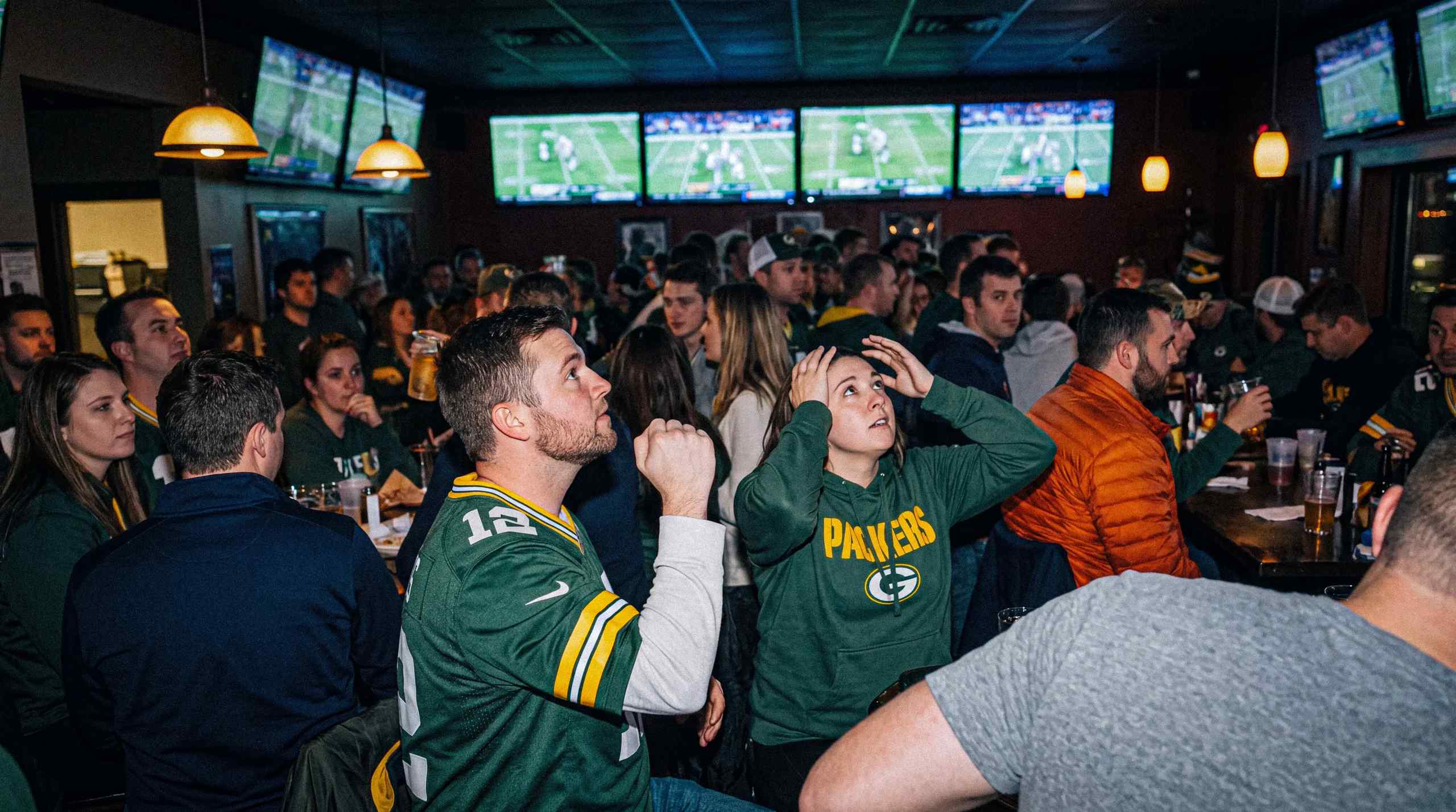
Live sports have always been a popular way to bring people together, which differentiates them from anything else available on television.
Lucie brings almost 20 years of iGaming experience, combining sports writing expertise with deep casino knowledge. Her work spans live sports coverage, slot mechanics, player-focused reviews, and strategic casino content. Known for her no-nonsense, first-hand approach, Lucie cuts through jargon to deliver clear, practical insights for both operators and players.
More Articles like this
Do NHL Stars Lose Their Edge After Signing Huge Contracts?
Do NHL stars really take their foot off the gas after a big payday? We analyzed 29 major contracts to find out.

By Charlon Muscat
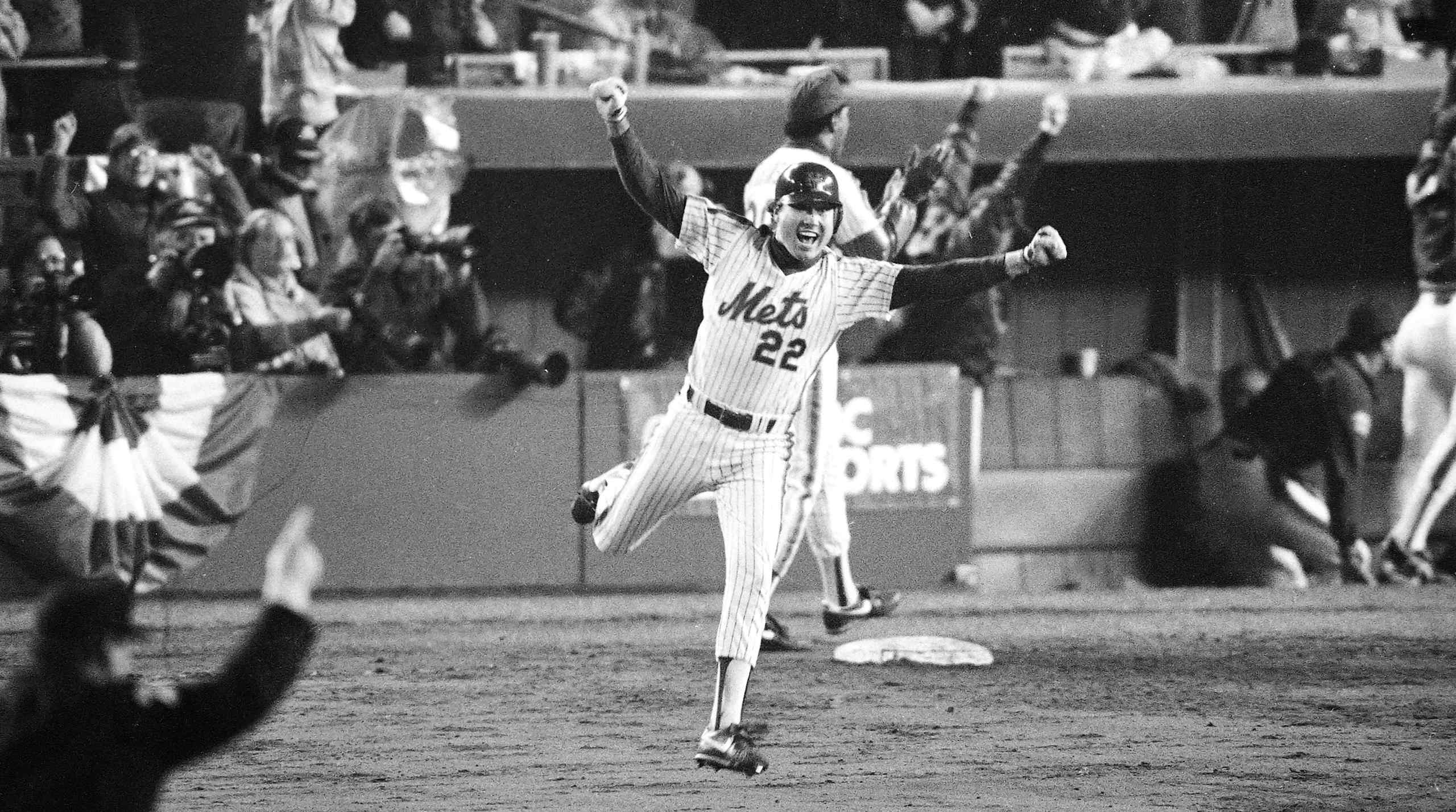
Five Iconic World Series Moments Since the Brewers' Appearance
The Brewers are back in the World Series after 44 years. From Bill Buckner's error to the Cubs ending their curse, plenty has happened since 1982.
By Bill Gelman
LeBron to Giannis: Ranking 5 NBA Offseason Stunners
LeBron to Philly, Giannis to Miami, and Wemby staying put. Which NBA offseason move will pay off the most?
By Bill Gelman
NFL Fans Spend $900 to Watch Games. WWE Fans Pay Even More
Think watching every NFL game is expensive? WWE fans would argue otherwise.
By James Guill
How Bad Is It? Ranking the NHL's Original Six by Fan Misery
Nearly 60 years without a Stanley Cup is just the beginning. We rank the NHL's Original Six teams by how much misery their fans have endured.
By Bill Gelman
Why Does Everybody Hate Us? 10 Most Hated Sports Teams Ever
Some teams always win; others get caught breaking the rules. Either extreme is a surefire way to become universally hated, as these 10 sports teams can attest to.
By Stuart Hughes