
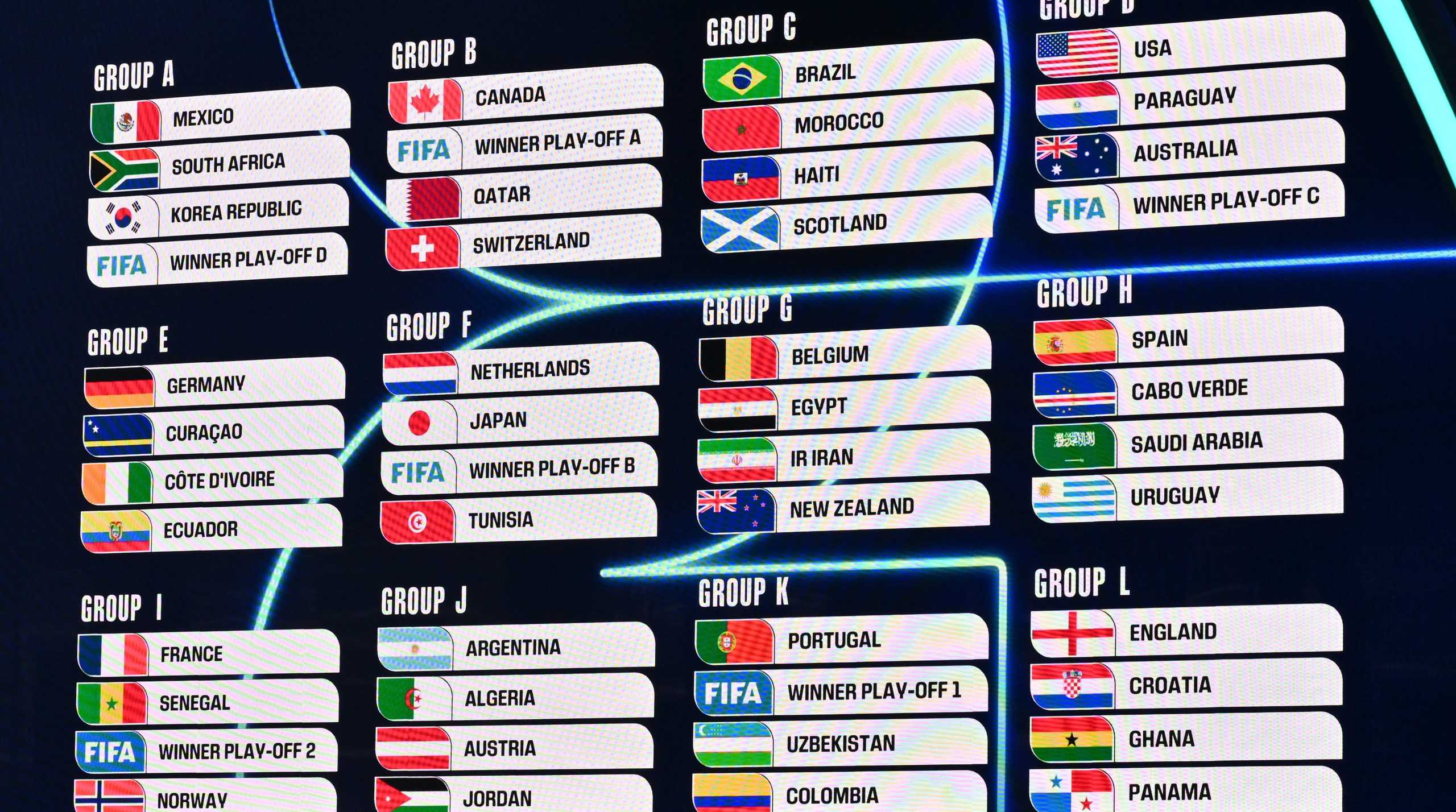
How the Massive 48-Team 2026 FIFA World Cup Changes Everything
More countries now believe they can realistically reach soccer’s biggest stage. Critics, meanwhile, still question whether the 48-team World Cup risks changing too much too quickly.

Going from 32 to 48 participating nations at the 2026 World Cup was always going to spark strong reactions across the game, which is understandable, given it represents the biggest structural overhaul in the tournament's history.
The event will also become the first World Cup jointly hosted by three countries, Canada, Mexico, and the United States, while introducing a new last-32 phase before the traditional Round of 16.
The new FIFA World Cup format explained
The 2026 USA, Canada, and Mexico World Cup will expand the field to 48 national teams, following previous expansions to 24 in 1982 and 32 in 1998. Early proposals pointed toward a structure built around 16 groups of three, though FIFA ultimately scrapped that model amid concerns over potential collusion scenarios in final group-stage fixtures.
Instead, the governing body moved forward with a revised system designed to guarantee every country at least three matches, while at the same time creating a more balanced turnaround period between games. As in previous editions, teams receive three points following a win, one after a draw, and none in defeat. Standard tiebreakers remain in place, including goal difference, goals scored, head-to-head record, and disciplinary criteria if required.
The expansion also dramatically changes the margin for survival in the group stage. Under the previous 32-team format:
- 16 countries advanced to the knockout stage — half the field was eliminated before the Round of 16
Under the new 48-team structure:
- 32 countries progress — two-thirds of the tournament survive the opening phase
Those 32 nations will comprise the top two finishers from each group, along with the eight best third-placed sides. From there, the tournament enters a newly added Round of 32 before continuing into the Round of 16, the stage where the previous World Cup format began its elimination phase.

Why did FIFA expand the World Cup to 48 teams?
FIFA presented the 48-team World Cup expansion as part of a wider push to further globalize the sport, arguing that too many nations, particularly across Africa, Asia, and Concacaf, faced limited realistic qualification pathways under the previous 32-team structure.
A lot of Reddit users, however, felt revenue was the bigger factor. During wider conversations surrounding the now-abandoned idea of a biennial World Cup, one supporter posted a comment that largely captured the tone of the debate:
“These are good points, but speak of how FIFA distributes the money. They already make billions. More with the 48-team expanded World Cup tournament. If FIFA wants to help the poorer countries more, there's nothing stopping them from doing so already, apart from their own greed.”
There was also a political angle surrounding the expansion that proved difficult to ignore. Back in 2017, Gianni Infantino required broad support from FIFA’s 211 member associations after taking office during the federation’s corruption crisis era. Many of those votes came not from Europe or South America’s traditional soccer powers, but from federations across Africa, Asia, Concacaf, Oceania, and the Middle East that rarely reach the World Cup. Expanding the tournament immediately improved qualification prospects for dozens of smaller nations. Likewise, it increased the likelihood of additional funding, exposure, and commercial visibility for their respective federations.
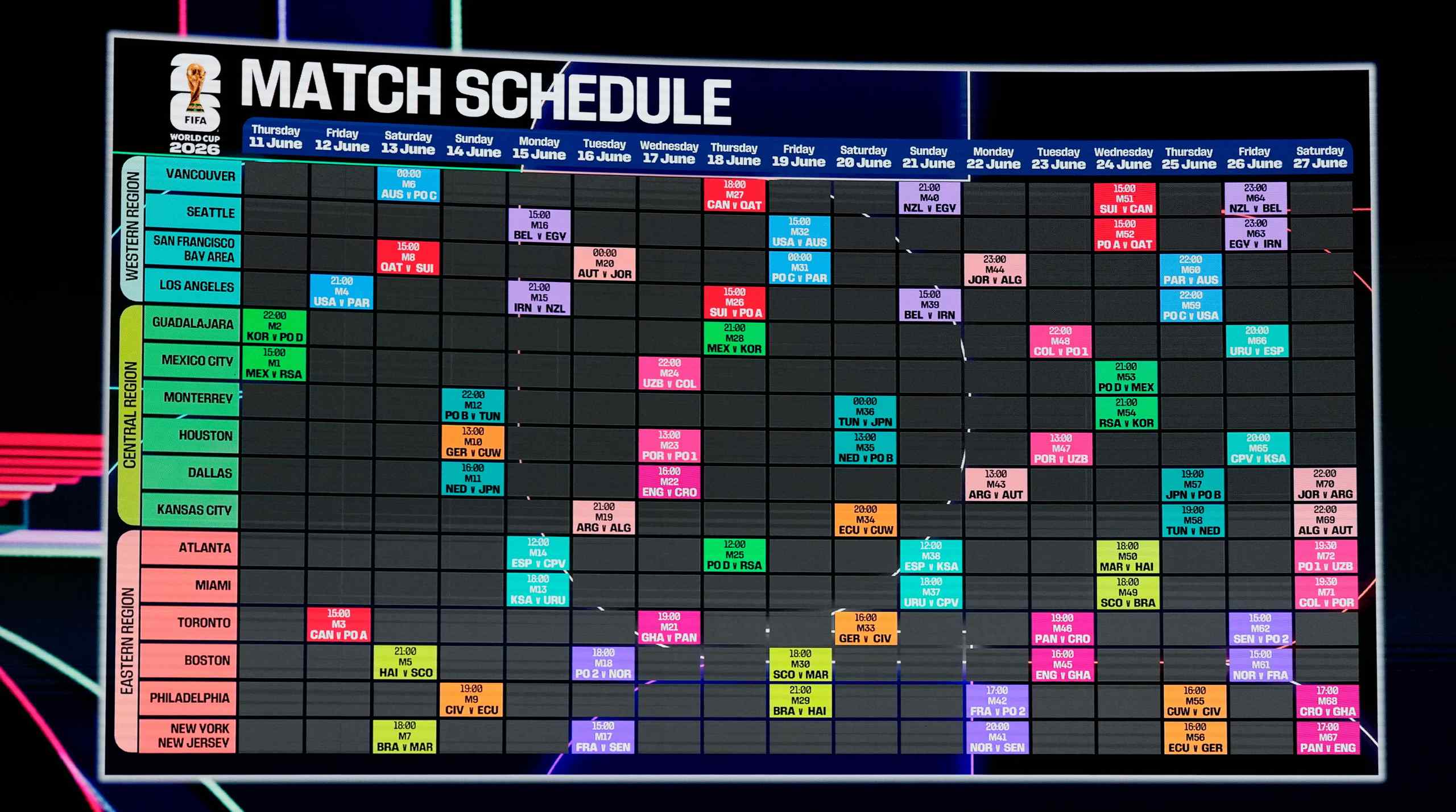
5 major effects of FIFA’s 48-team World Cup
Huge sums are expected to move through FIFA’s new 48-team World Cup structure, with the governing body projecting roughly $13 billion in tournament revenue alone. At the same time, the expansion is expected to leave a noticeable mark across the game itself, from qualification dynamics and competitive balance to club finances and scheduling. Below, we break down five major effects likely to emerge from the changes.
1. Third place suddenly counts
Perhaps the first major change that jumps off the page is just how valuable third place in the group stage suddenly becomes. Those 12 nations will effectively enter a table of their own, with the best eight advancing based on points, goal difference, goals scored, and the standard tiebreaking criteria.
One immediate consequence is that so-called “groups of death” now feel less unforgiving. A qualification pathway still exists for sides finishing outside the top two. At the same time, the expanded structure gives smaller nations a far more realistic route into the elimination rounds.
The change also alters the tactical approach to the group stage. Sides no longer need to chase victories at all costs following an early setback. Four points, and in some cases even three, backed by a strong goal difference, can potentially be enough to progress.
Another major shift is the increased likelihood of final-round group matches actually meaning something. At previous World Cup editions, fixtures such as Poland vs Japan and Panama vs Tunisia in 2018 often felt close to dead rubbers, given that elimination scenarios were already decided before kickoff.
2. More money flowing toward smaller clubs
Under FIFA’s Club Benefits Programme, a record USD 355 million will be distributed to domestic clubs for releasing squad members during the World Cup cycle, starting from the qualification stage. Naturally, the biggest sums flow toward those with players chosen to be at the final tournament itself, with reports suggesting an $11,000 compensation per day. Even when limited to the group stage alone, that figure can climb beyond $250,000.
| Scenario | Estimated Stay | Estimated Compensation |
|---|---|---|
| Group-stage exit | 23 days | $253,000 |
| Round of 32 exit | 29 days | $319,000 |
| Round of 16 exit | 32 days | $352,000 |
| Quarterfinal exit | 37 days | $407,000 |
| Semifinal exit | 40 days | $440,000 |
| Finalists | 43 days | $473,000 |
With the expanded 48-team format, smaller clubs from lower-tier soccer economies suddenly have a far greater chance of having players selected. We’re already seeing it through the likes of Tommy Smith (Braintree Town), Josué Duverger (FC Cosmos Koblenz), and Gervane Kastaneer (Terengganu FC). For clubs operating on limited budgets, six-figure payouts can make a substantial difference across wages, facilities, recruitment, and academy investment.
3. Betting markets behave differently
The new 48-team tournament format dramatically increases World Cup betting activity. Total fixtures rise by 62.5%, while the schedule extends to 39 days instead of the previous 29. All of this gives operators an additional 40 matches to price across outright, pre-match, and live markets. That’s without considering the additional space for sponsorship campaigns, prediction content, studio programming, and social-media partnerships around the tournament.
➡️ New to all this? Learn more about sports betting and the best gambling sites in the US
Even betting markets themselves will behave differently under the 48-team structure. Looking at group-stage pricing, these are likely to feature more pronounced mismatches on paper. Then there’s the fact that qualification odds now factor in third-place advancement rather than just two automatic spots.
A larger field also means fans across additional countries backing their own national teams at the window. That kind of patriotic money does not always follow form, data, or probability, which can sometimes move prices in a particular direction, especially within prediction markets.
4. Lower quality soccer… or not?
Now, this remains one of the biggest debates surrounding the 48-team World Cup, with the clearest answers likely only arriving once enough soccer has actually been played. However, concerns over a potential drop in overall quality surfaced almost immediately after FIFA first floated the idea. Among the more prominent voices was former Germany coach Joachim Löw, who said he had “absolute understanding” for smaller countries finally getting the opportunity to reach the sport’s biggest stage, while still arguing the move risked lowering the value of the competition itself. More aggressively, back in 2017, Javier Tebas publicly threatened legal action on behalf of La Liga, describing the decision as politically motivated and potentially damaging to both match quality and the wider soccer calendar.
Arsène Wenger, who now serves as FIFA’s Chief of Global Football Development, has consistently argued the overall standard will remain high because nations still need to qualify through their confederations rather than gaining automatic entry. He pointed to the latest FIFA U-17 World Cup, where organizers said they were ultimately “positively surprised” by the level on display. What does seem certain, at least for neutral supporters, is that there will be more room to latch onto underdogs and perhaps witness more major World Cup upsets unfold against the odds.
5. More people can get involved
Last but not least, increasing the field from 32 teams to 48 creates far more opportunities for people to become involved around the tournament itself, both directly and indirectly. Among those affected are:
- Players gaining World Cup exposure and scouting attention
- Coaches and technical staff joining expanded national-team setups
- Analysts handling opposition scouting and performance breakdowns
- Referees and VAR officials receiving tournament appointments
- Journalists, photographers, and broadcasters covering additional matches
- Stadium workers supporting logistics and matchday operations
- Security personnel managing larger crowds and travel movement
- Agents tracking transfer targets across lesser-known national teams
- Hospitality workers are benefiting from increased tourism demand
A very different 2026 World Cup awaits
For better or worse, the 48-team World Cup opens a completely new chapter for the tournament. Long before the opening match, nations previously viewed as outsiders suddenly enter qualification campaigns, believing a place on soccer’s biggest stage is genuinely attainable. At the finals, more countries survive the group stage, while millions of new supporters become directly invested in the competition. Critics will continue debating whether the overall standard improves or declines. Neutrals, however, look forward to the unpredictability and underdog stories; the possibility of witnessing World Cup moments that end up living on for generations.
Charlon Muscat is an established iGaming expert who entered the space in 2019 and went on to build a name across both casino and sportsbook content.
More Articles like this
Do NHL Stars Lose Their Edge After Signing Huge Contracts?
Do NHL stars really take their foot off the gas after a big payday? We analyzed 29 major contracts to find out.

By Charlon Muscat
Five Iconic World Series Moments Since the Brewers' Appearance
The Brewers are back in the World Series after 44 years. From Bill Buckner's error to the Cubs ending their curse, plenty has happened since 1982.

By Bill Gelman
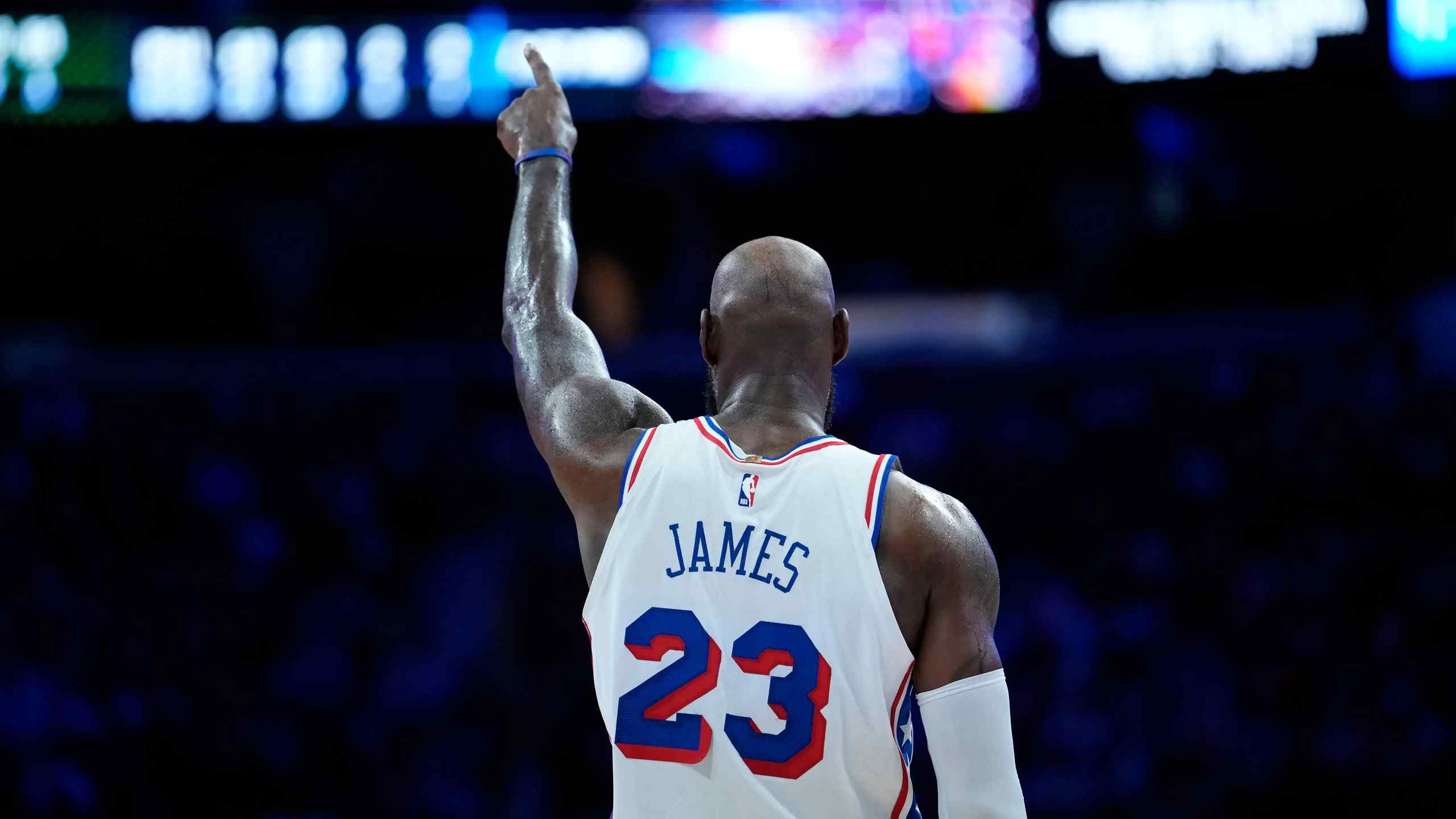
LeBron to Giannis: Ranking 5 NBA Offseason Stunners
LeBron to Philly, Giannis to Miami, and Wemby staying put. Which NBA offseason move will pay off the most?
By Bill Gelman
NFL Fans Spend $900 to Watch Games. WWE Fans Pay Even More
Think watching every NFL game is expensive? WWE fans would argue otherwise.

By James Guill
How Bad Is It? Ranking the NHL's Original Six by Fan Misery
Nearly 60 years without a Stanley Cup is just the beginning. We rank the NHL's Original Six teams by how much misery their fans have endured.

By Bill Gelman
Why Does Everybody Hate Us? 10 Most Hated Sports Teams Ever
Some teams always win; others get caught breaking the rules. Either extreme is a surefire way to become universally hated, as these 10 sports teams can attest to.
By Stuart Hughes