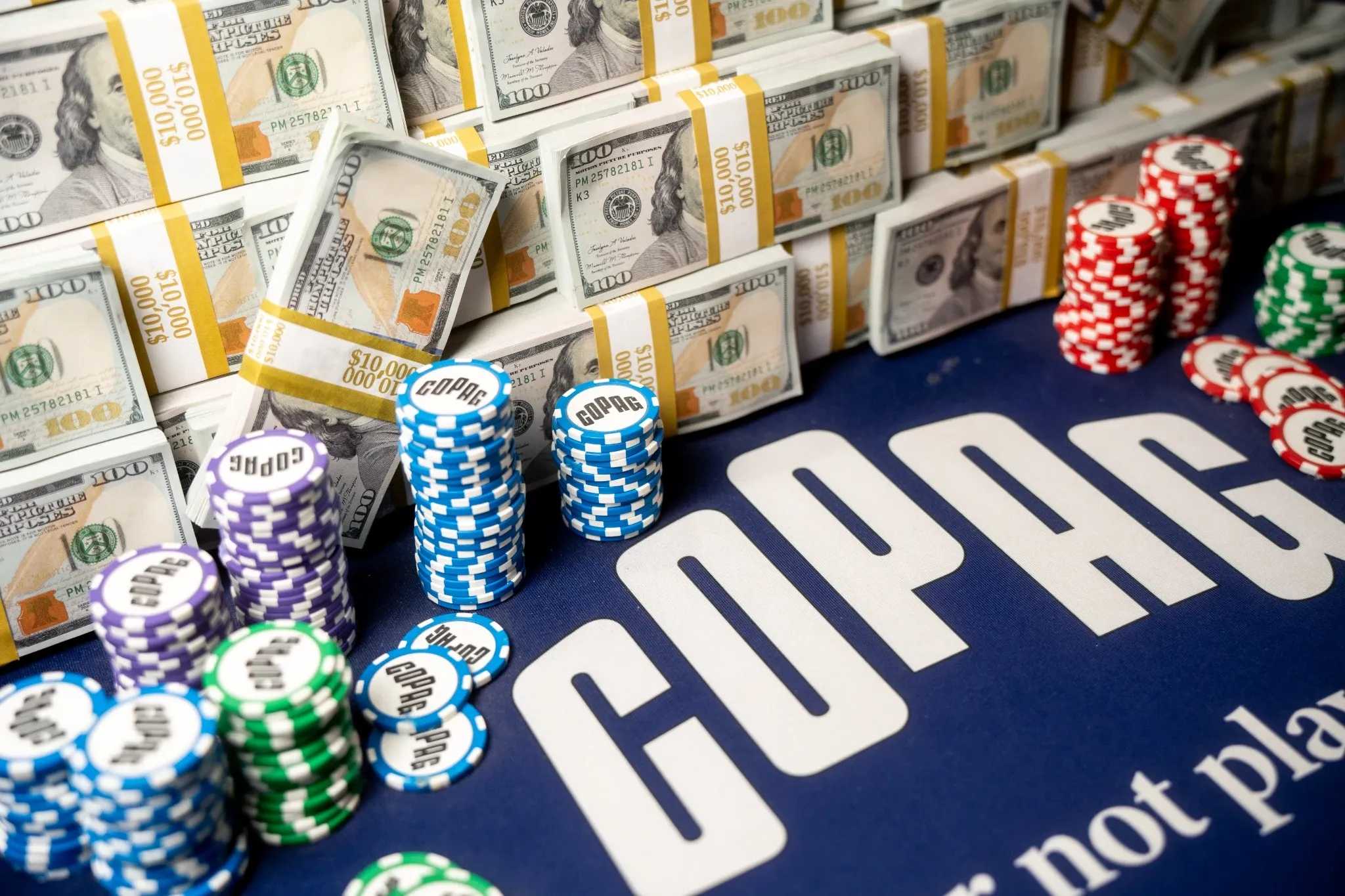
What Is a Poker Bankroll?
This article explains what a poker bankroll is, how much money players should set aside for cash games and tournaments, and how proper bankroll management protects players from going broke.

A poker bankroll is the specific amount of money a player sets aside exclusively for playing poker, separate from money used for bills, rent, or daily expenses. It determines which stakes a player can safely afford to play and acts as a financial buffer against poker's natural swings.
Key Takeaways
- A poker bankroll is money set aside solely for poker, kept separate from personal finances.
- Cash game players typically need 20 to 50 buy-ins, while tournament players need 100 buy-ins or more.
- Bankroll size should be based on game variance, not on how confident a player feels in the moment.
- Moving down in stakes after a losing stretch is a normal, disciplined part of bankroll management.
- Tracking results and separating funds are two of the simplest ways to protect a poker bankroll long term.
Quick Facts
| Details | Key Feature |
|---|---|
| Difficulty Level | Beginner-friendly concept, intermediate to apply consistently |
| Estimated Time to Learn | 10 to 15 minutes to understand the basics |
| Best Suited For | Cash game players, tournament grinders, and new online poker players |
| Related Topic | Bankroll management and stake selection strategy |
How Does Having a Poker Bankroll Help?
Understanding a poker bankroll matters because it directly determines whether a player can survive the game's natural losing streaks without going broke. Poker involves significant short-term variance, meaning even skilled players can lose money over long stretches despite making correct decisions. A properly sized bankroll absorbs those losses and keeps a player in action long enough for skill to outweigh luck. Without one, a single bad run can end a player's ability to play at all, regardless of how good their strategy is.
What Are the Recommended Poker Bankroll Sizes by Game Type?
| Game Format | Variance Level | Recommended Buy-Ins |
|---|---|---|
| Cash Games (No-Limit) | Low to moderate | 20 to 50 buy-ins |
| Sit and Go / Single-Table Tournaments | Moderate | 50 to 100 buy-ins |
| Multi-Table Tournaments (MTTs) | High | 100 to 200+ buy-ins |
| Pot-Limit Omaha (Cash) | High | 30 to 50 buy-ins |
How Many Buy-Ins Should a Poker Bankroll Have for Cash Games?
A poker bankroll for cash games should generally hold between 20 and 50 buy-ins at the stakes a player intends to play, since cash games carry lower variance than tournaments but can still produce painful downswings. A buy-in is typically 100 times the big blind, so a player who wants to sit at a table with $1/$2 poker blinds should have between $4,000 and $10,000 set aside before playing that stake. Conservative players lean toward the higher end of that range, while experienced grinders sometimes operate closer to 20 to 30 buy-ins because they trust their edge.
How Does a Poker Bankroll Change Between Cash Games and Tournaments?
A poker bankroll needs to be structured differently for tournaments than for cash games because tournament payout structures create far greater variance. In a tournament, a player either loses the entire buy-in or wins a multiple of it, which is a very different risk profile from a cash game where chips can be cashed out at any moment. This is why the distinction between cash games and tournaments matters so much when deciding how large a bankroll needs to be, with tournament players generally needing 100 or more buy-ins compared to the 20 to 50 typically used in cash play.
How Does Rake Affect the Size of a Poker Bankroll?
Rake reduces a player's win rate over time, which means a poker bankroll must be large enough to absorb both variance and the ongoing cost the house takes from every pot or tournament entry. The percentage collected as poker rake varies by stake and format, and higher rake environments generally call for a slightly larger bankroll cushion because the built-in cost eats into a player's edge before variance is even considered. Players who ignore this factor often underestimate how much money they actually need to play profitably at a given stake.
What Factors Determine the Right Poker Bankroll Size for an Individual Player?
The right poker bankroll size for an individual player depends on their win rate, risk tolerance, game format, and whether poker is a hobby or a primary income source. A player with a strong, proven win rate can operate with a smaller bankroll relative to stakes, while a break-even or marginal winner needs a larger buffer to survive extended losing stretches. Professional players who rely on poker income also tend to keep more buy-ins on hand than recreational players, since they cannot fall back on a separate paycheck during a downswing.
Examples of Poker Bankroll Management in Action
Example 1: The Cash Game Grinder. A player with a $5,000 poker bankroll decides to play $1/$2 No-Limit Hold'em, where the standard buy-in is $200. With 25 buy-ins in reserve, this player sits comfortably within the conservative 20 to 50 buy-in range recommended for cash games, giving them room to absorb a losing stretch without needing to move down in stakes.
Example 2: The Tournament Specialist. A player with a $3,000 bankroll wants to regularly enter $30 buy-in multi-table tournaments. Following the standard guideline of 100 buy-ins for MTTs, that bankroll supports exactly 100 entries, leaving no cushion for entering higher buy-in events. A player who wants to occasionally test a $100 bounty tournament would need to grow that bankroll first, since bounty formats add an extra layer of variance on top of standard multi-table variance.
What Are the Most Common Poker Bankroll Mistakes?
The most common poker bankroll mistakes involve playing stakes too high for the money available, mixing poker funds with personal finances, and ignoring the impact of variance until it is too late. Many players move up in stakes after a single good session rather than after a proven, statistically significant win rate, which leaves them overexposed the moment a downswing hits. Another frequent error is refusing to move down in stakes after a loss, treating it as a personal failure rather than a standard risk management adjustment. Players also underestimate how much cushion is needed for high-variance formats like multi-table tournaments and Pot-Limit Omaha, where swings are naturally larger than in standard cash games.
The Bodog Insight on Poker Bankrolls
A poker bankroll is the foundation that determines how long a player can compete, absorb variance, and eventually profit from skill over the long run. Players who separate poker funds from personal money, size their bankroll to the format they play, and adjust stakes based on real results consistently outlast those who chase action their bankroll cannot support. Bodog's take is simple: treat a poker bankroll like operating capital, not spending money, and the game will reward patience far more often than it punishes discipline.
Online Poker vs Live Poker FAQs
What counts as a poker bankroll?
A poker bankroll is any money specifically designated for playing poker and nothing else, kept separate from rent, bills, or savings.
How much money should a beginner keep in a poker bankroll?
A beginner should generally keep at least 30 to 50 buy-ins for the cash game stakes they intend to play, or 100 or more buy-ins if they primarily play tournaments.
What happens if a poker bankroll gets too small for the stakes being played?
A bankroll that is too small for the stakes being played increases the risk of going broke during a normal losing streak, even if the player has a genuine skill edge.
Do cash games or tournaments require a bigger poker bankroll?
Tournaments require a bigger poker bankroll relative to the buy-in than cash games, because tournament structures produce much higher variance and top-heavy payouts.
When should a player move down in stakes to protect their poker bankroll?
A player should move down in stakes when their bankroll falls below the minimum buy-in threshold recommended for their current stake, treating the move as a normal adjustment rather than a failure.
Can a small poker bankroll still be grown responsibly?
A small poker bankroll can be grown responsibly by starting at low stakes, playing formats with lower buy-ins, and reinvesting winnings gradually instead of jumping to higher stakes too quickly.
Continue Learning
- Poker glossary: a full reference of poker terminology, useful for understanding bankroll-related terms alongside other core concepts.
- Poker HUDs explained: a breakdown of how tracking software helps players monitor win rate and results, both essential inputs for sound bankroll decisions.
- Why poker keeps surviving: a look at the long-term staying power of the game, relevant context for players building a bankroll for sustained play.
Sources & Review
- PokerNews: Bankroll Definition, What Is a Bankroll in Poker?
- PokerNews: An Introduction to Bankroll Management
- GTO Wizard: Variance and Bankroll Management
- MasterClass: What Is Bankroll Management in Poker, Daniel Negreanu Explains the Concept
Last Reviewed: July 3, 2026
Reviewed By: Arthur Crowson
Arthur Crowson got his start in traditional newspapers before making the jump to digital media, where he's spent the last ten years writing about poker, finance, crypto, gambling, and emerging tech. Over that time, he's developed a knack for spotting the moments when markets, technology, and gambling pull in the same direction. His work has appeared in publications like PokerListings, CryptoVantage, ValueWalk, and PokerScout.
More Articles like this
Why Poker Keeps Surviving Every New Gambling Trend
New gambling trends come and go, but poker keeps finding a way to stay in the game.
By Lucie Turner
Lucas Jumalon Wins: The Highs and Lows of the 2026 WSOP Final Table
Lucas Jumalon led throughout the final table to capture the 2026 WSOP Main Event bracelet and $10 million. Here’s how the final table unfolded, plus the biggest broadcast highs and lows.
By James Guill
Who Will Win the 2026 WSOP Main Event?
Lucas Jumalon heads into the 2026 WSOP Main Event final table as the overwhelming chip leader. Is his chip lead truly overwhelming or will someone else rise to win?
By James Guill
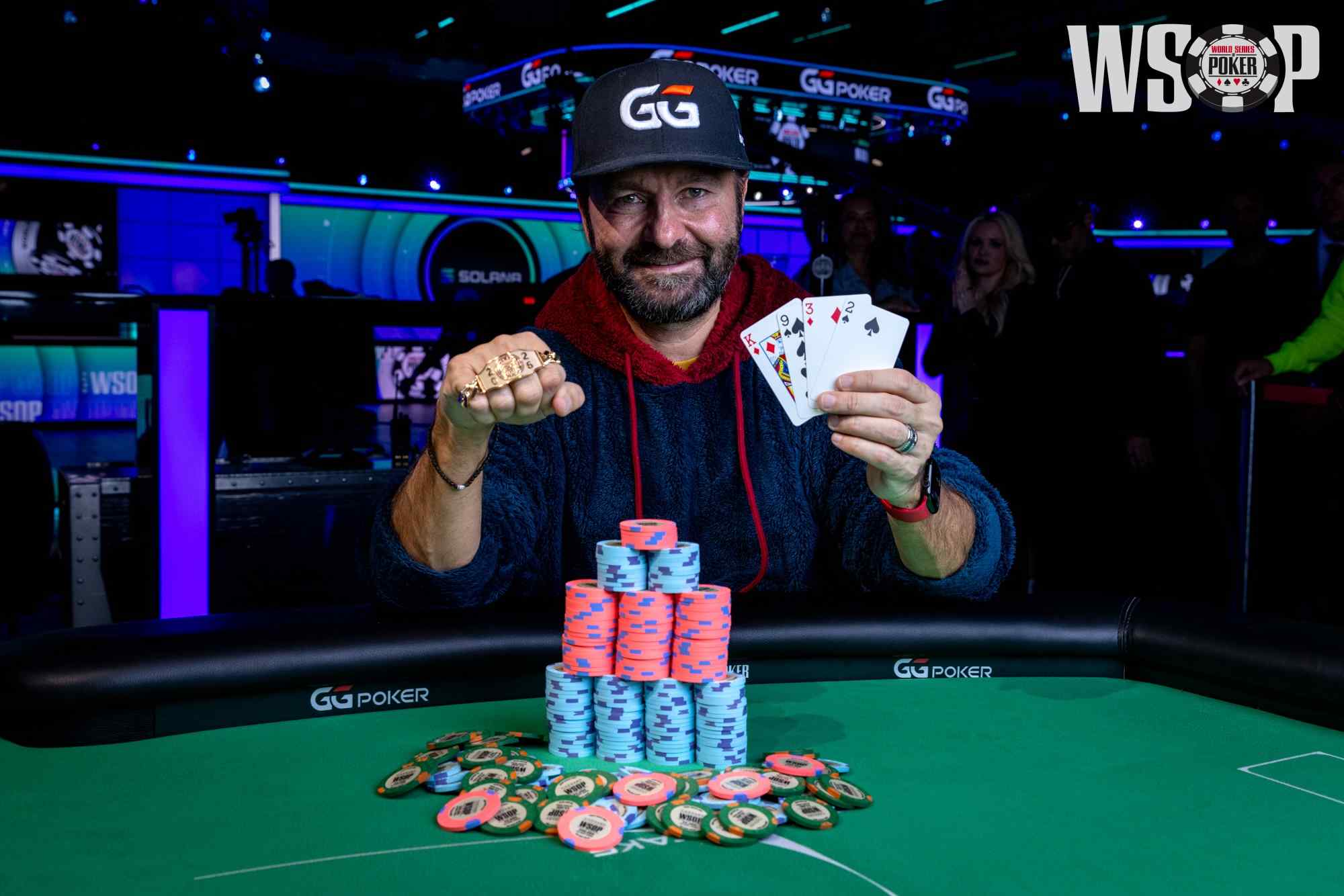
Ranking Daniel Negreanu's Eight WSOP Bracelet Wins
Daniel Negreanu's eighth WSOP bracelet adds another chapter to one of poker's greatest careers. We rank every bracelet win by prestige, competition, historical significance, and legacy.
By Lucie Turner
2026 WSOP Main Event Final Table Set. Who Wins $10 Million?
A $10 million first prize is on the line as nine players return in August to battle for poker's biggest championship. Meet the 2026 WSOP Main Event finalists.

By Arthur Crowson
What Is a Bad Beat in Poker?
Bodog explains what a bad beat is in poker, why it happens, how bad beat jackpots work, and how players can manage the emotional and strategic fallout of a tough loss.
By Arthur Crowson