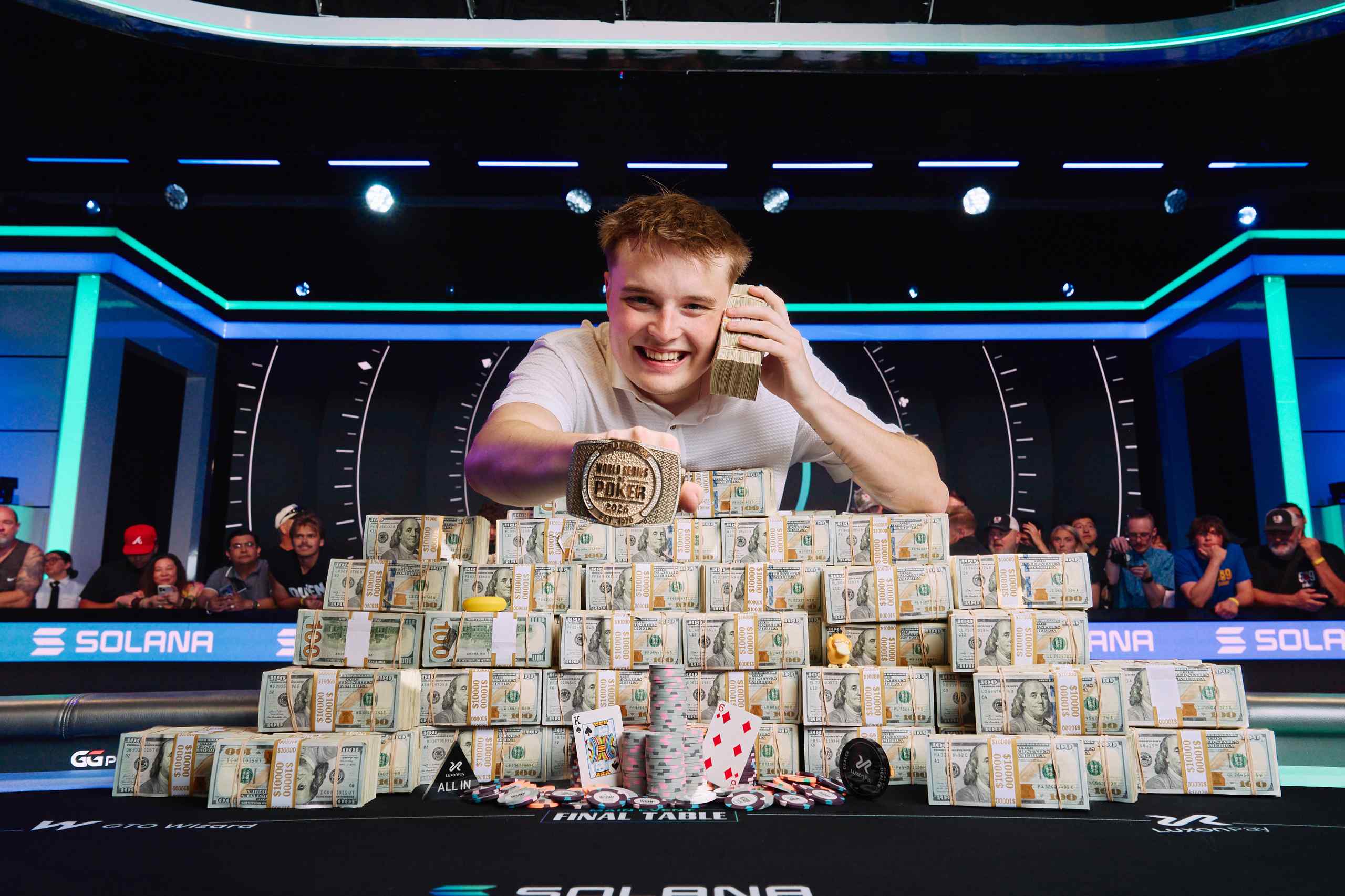
What If the Smartest Sponsorship in Sports Is a Poker Series?
The WSOP attracts a unique mix of wealth, influence, and risk-tolerant decision-makers. Solana's latest sponsorship suggests more brands may be starting to notice.
.webp)
You know the situation. It’s Monday after a massive NFL Sunday or a splashy F1 weekend, and your feed is blowing up. Another jersey patch deal. Another livery unveiling. Another marketing team that blew 8+ figures on sponsorship, they don’t know for sure will even make an impact.
The fact is, everybody’s scrabbling for attention. Billions in marketing dollars are all clamoring for the same few billions of pairs of eyeballs and fighting for that attention in an ever-smaller space.
There’s one niche, however, that very few sponsors are waking up to.
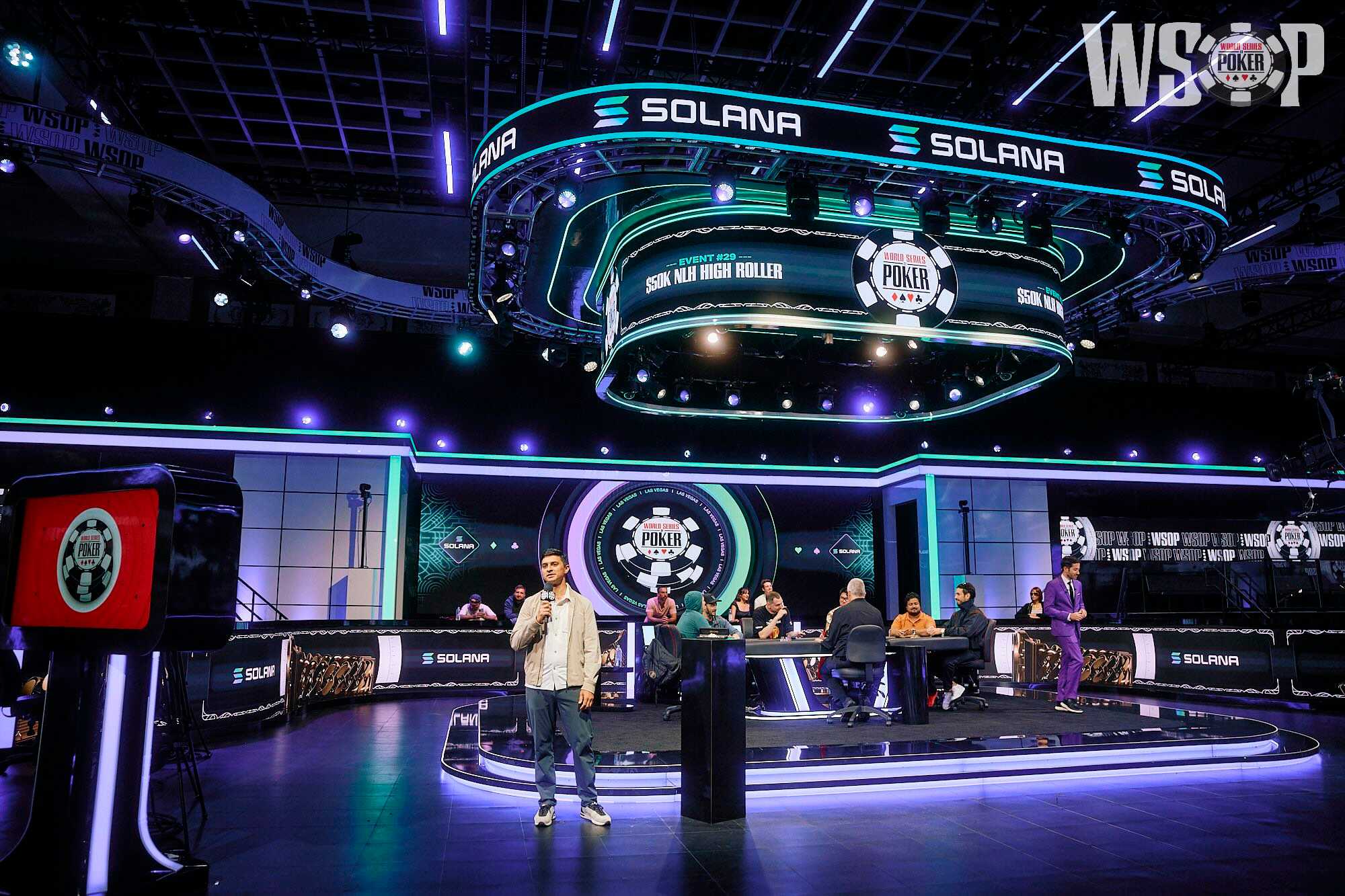
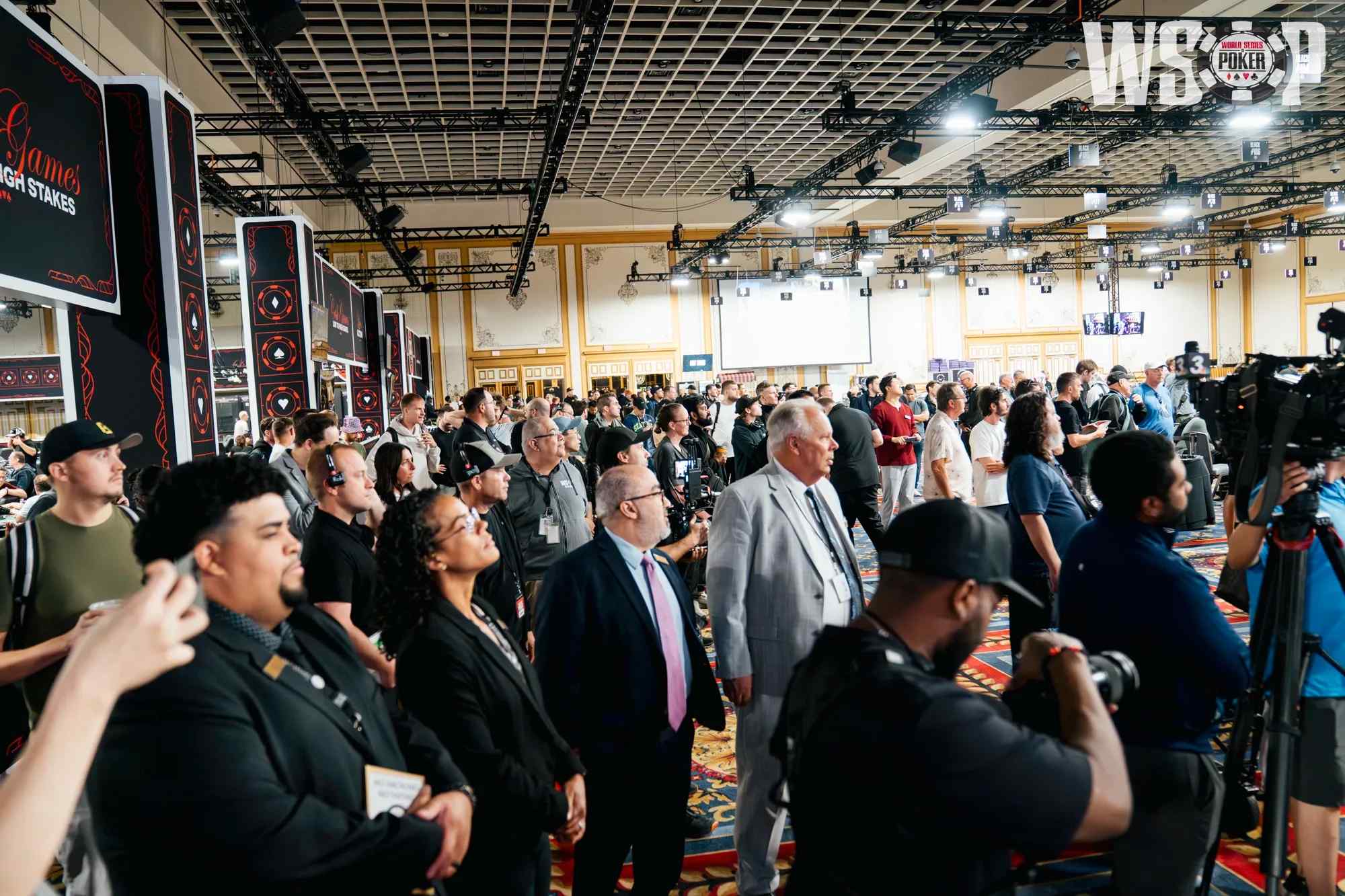
Once a summer, a utilitarian convention center in Las Vegas comes alive. The World Series of Poker converts a ballroom into arguably the single most dense gathering of wealth, influence, and power in the world. And Solana this year seemingly paid a lot of money for its branding.
Which raises the obvious question: Is the WSOP secretly the best marketing platform of all time in sports?
Why the Solana partnership matters
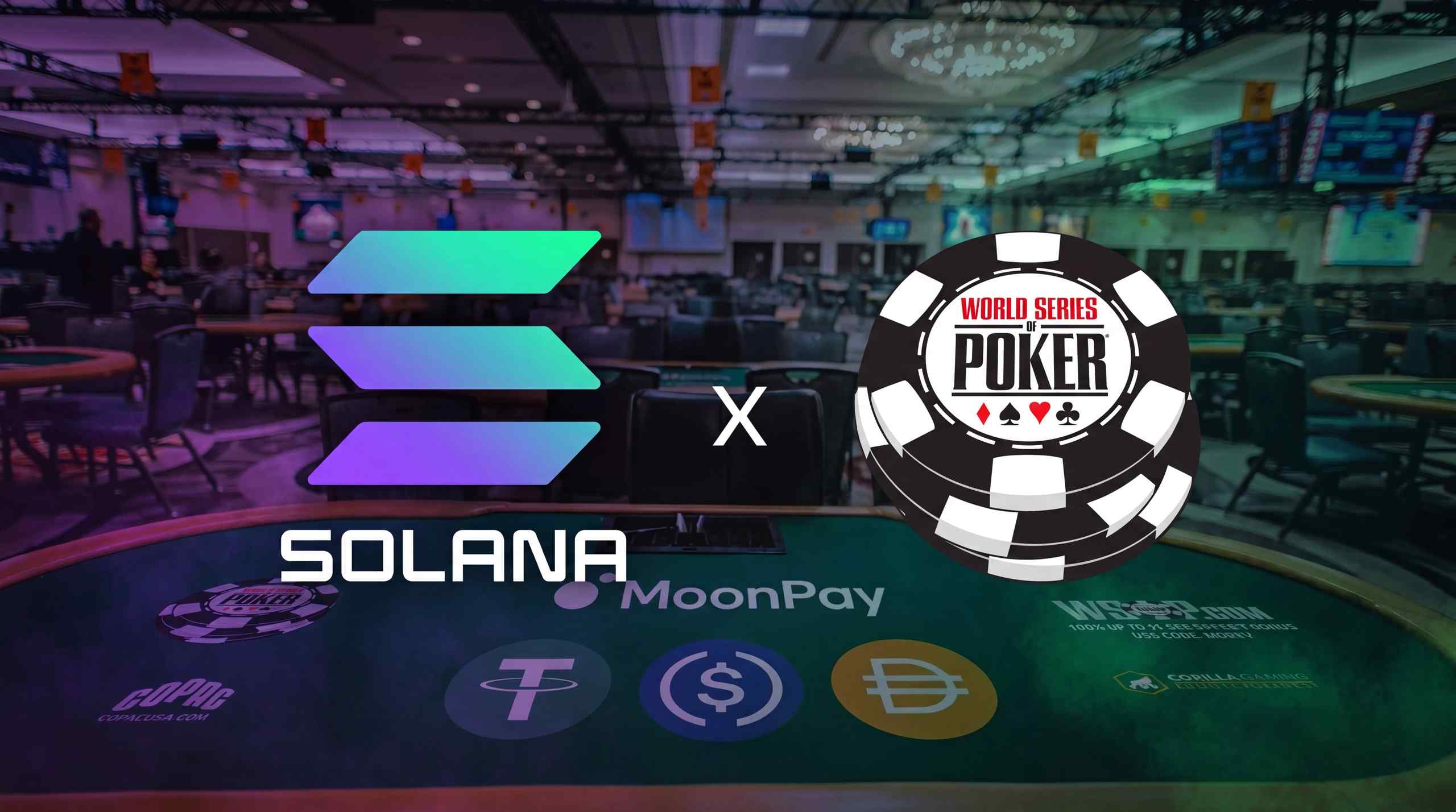
The WSOP has officially released groundbreaking news on June 10th, 2026, that they will partner with Solana Foundation, along with a few special incentives thrown in as part of the package: players attending the 57th annual summer series will have the option to use Solana to purchase buy-ins to tournaments using a payment infrastructure by MoonPay with no fee.
Their partnership continues in December with the first-ever WSOP Paradise, taking place in The Bahamas, where prize winners can receive winnings in stablecoins over Solana to eliminate the days-long wire transfers that international participants have dealt with for decades.
But the agreement was much larger than just handling payment processing. The Solana Foundation was also officially the presenting sponsor for both the 2026 WSOP and WSOP Paradise, an achievement that two other brands had obtained in the past in 59 years of tournament history.
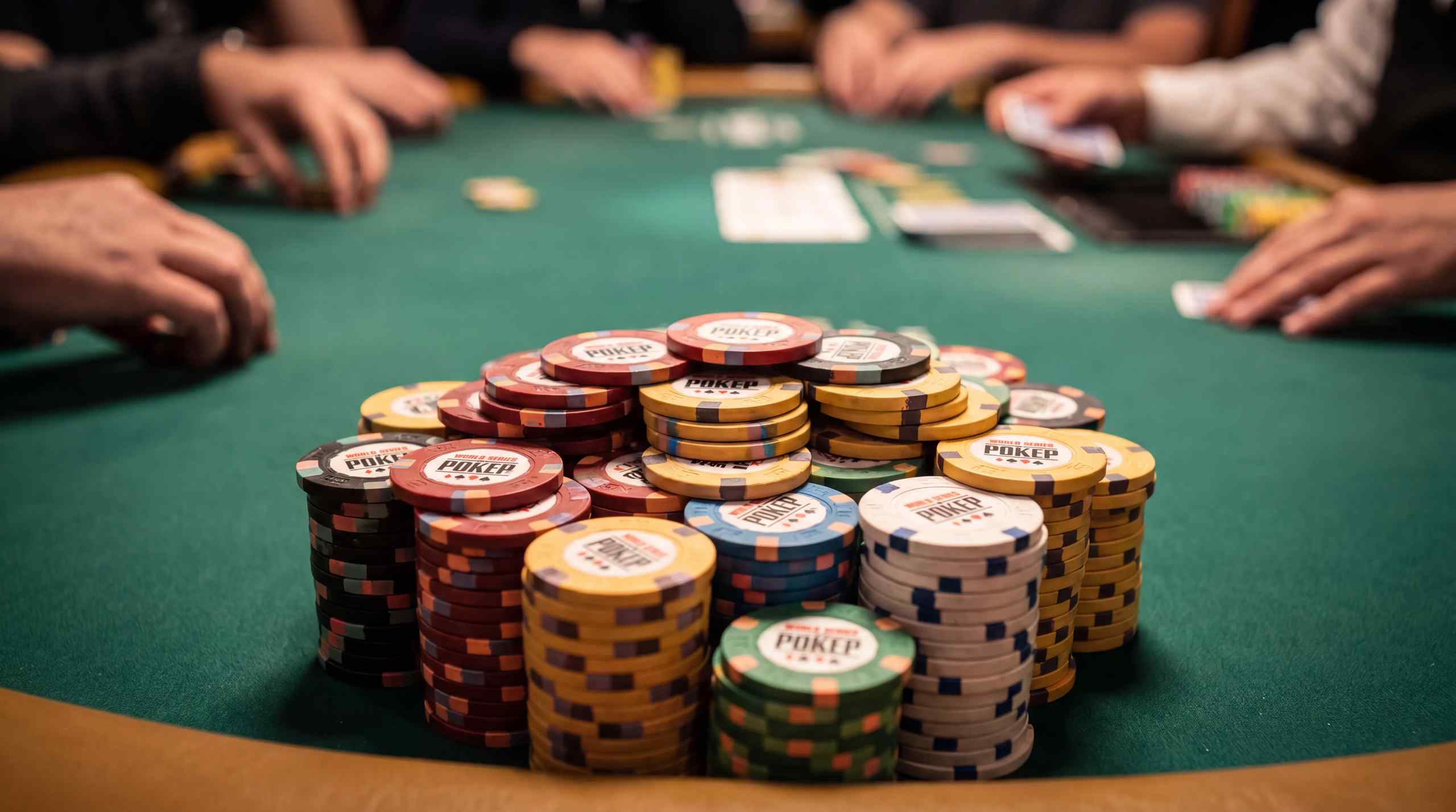
That's not a small bet. That's a statement.
But what on earth does a blockchain foundation spend that much on a poker tournament?
Poker players were early adopters of crypto and always will be the early adopters on the leading edge. They are statistically minded, and rapid to adapt, and the people most likely to be using the best tech available.
Crypto is the ideal vehicle.
This deal says much more about poker's player base than about Solana's marketing: the sponsor is not buying eyeballs. It is buying community access.
A history of brands using poker as a marketing platform
The WSOP has been the venue where interested industries meet about risk, competition, and finances for quite a while now. Looking at the past sponsorships, you can follow the story of how the event's sponsorships developed over time:
- 2006: Milwaukee's Best Light sponsored the largest deal in poker history at that time.
- 2007: Planters Nuts was signed on as an official sponsor, with samples handed out on site and logos on the table felt.
- 2007: Betfair became the presenting sponsor of WSOP Europe, and this lasted until 2011.
- 2011: GoDaddy.com took the premier sponsorship of the 42nd Annual WSOP.
- 2026: Solana Foundation is to be the presenting sponsor, the first crypto sponsorship in WSOP history, and the third presenting sponsor of all 59 years of the WSOP.
It goes beyond betting. Online poker companies, sports books, crypto, financial, and technology brands have all come to play at the WSOP.
The tournament has something almost no property does: a live, captivated audience actively thinking about money, odds, and risk in real-time.
Not a fan. An observer who's paying attention. And a brand that knows what it's purchasing realizes that concentration of attention is worth more than 100 million indifferent impressions.
Why poker might be more valuable than raw viewership suggests
Here's the thing about impressions. Not all of them are created equal.
The NFL reaches 100 million viewers every Sunday. How many of those people can, and will, pay attention to the sponsored logo in the background? How many of those viewers will be able to do something with what they have seen?
The WSOP offers more. The WSOP Main Event in 2026 will be shown for over 100 hours of full broadcast across ESPN channels. The finale will show the last three days of final table action live and premier. It will be broadcast to over 300 million homes across 130-plus nations via ESPN, TSN, Disney +, and global broadcasters.
Those numbers don't convey true worth. The viewer of a poker final table is viewing every card, every action, and every beat of drama; there is no scrolling during a commercial. Viewers are invested and will acknowledge that sponsorship of a felt, uniform, or hotel room is part of it.
Consider the comparison:
Property | Audience Size | Audience Type | Sponsorship Appeal |
WSOP | ~10,000 live participants, millions of viewers | Wealthy, risk-tolerant, globally distributed | High engagement, direct access, niche concentration |
Formula 1 | ~400,000 live attendees per race | Affluent, global, corporate | Premium association, hospitality access |
PGA Tour | ~200,000 live attendees per event | High-income, older demographic | Luxury alignment, corporate hospitality |
NFL | 70,000+ per game, massive TV audience | Broad, mass-market | Massive reach, low engagement per impression |
A smaller audience can sometimes be more valuable than a larger one. Formula 1 proved this. Golf proved this. The WSOP is making the same case.
Why some brands still avoid poker
Of course, it's not all green felt and champagne. The same qualities that make poker attractive to certain advertisers make it radioactive to others.
WSOP is gambling. No two ways around it. For many family businesses, consumer brands, or banks sensitive to reputation, it can be a non-starter. Instead of merely affiliating with the NFL or the Olympics, by partnering with WSOP, you're getting into the gambling world.
There are the responsible gaming issues, potential regulation, the Vegas image some might want to dodge… Yes, the audience is focused, and yes, the audience is somewhat exclusive, but if you want to reach 50 million people, you're not going to go to WSOP.
Crypto exchanges, sportsbooks, trading platforms, and fintech brands are all right at home and might even desire that association. All other brands, not so much. The problem with poker as a marketing platform is not that the audience isn't good enough; it's that brands don't want to put themselves where the audience is.
Is the WSOP one of sports' best-kept marketing secrets?
So where does that leave us?
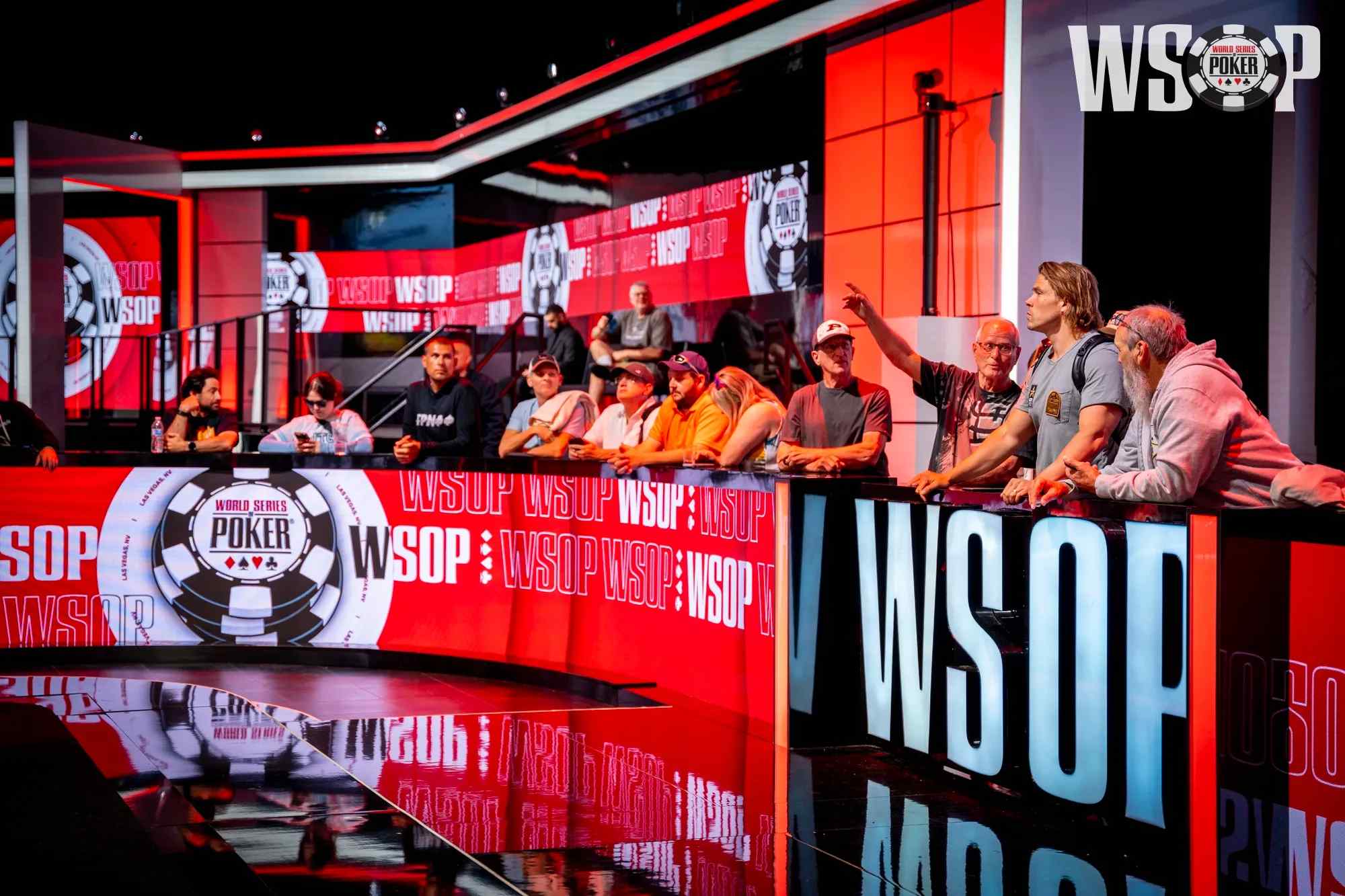
However, a sports property is not always about the largest audience but also about the 'right' audience. What WSOP has is not readily available - a live, participating, wealthy, and worldwide community thinking about risk, reward, and choices.
Solana's decision to become the presenting sponsor is not solely about the payment but also about the statement of intent. It states: 'we belong in the room where the 'important' decisions are being made'. For a blockchain with a throughput of thousands of transactions per second at less than 0.001 dollars a transaction, it does communicate precisely what's desired.
WSOP might not draw as large an audience as the Super Bowl, but for brands aware of what they are paying for, it could be a better buy. The poker table is a classroom in decision-making under uncertainty. And for the future that grows more uncertain by the minute, this classroom seems to be gaining significant value.
Ty Stewart, CEO of WSOP, put it best: "Solana's ecosystem, like the WSOP, constantly challenges conventions and remains laser-focused on the consumer experience". The same could be said of the WSOP itself. It's unconventional, it's misunderstood, and it might just be one of the smartest marketing buys in sports.
Lucie brings almost 20 years of iGaming experience, combining sports writing expertise with deep casino knowledge. Her work spans live sports coverage, slot mechanics, player-focused reviews, and strategic casino content. Known for her no-nonsense, first-hand approach, Lucie cuts through jargon to deliver clear, practical insights for both operators and players.
More Articles like this
Why Poker Keeps Surviving Every New Gambling Trend
New gambling trends come and go, but poker keeps finding a way to stay in the game.
By Lucie Turner
Lucas Jumalon Wins: The Highs and Lows of the 2026 WSOP Final Table
Lucas Jumalon led throughout the final table to capture the 2026 WSOP Main Event bracelet and $10 million. Here’s how the final table unfolded, plus the biggest broadcast highs and lows.
By James Guill
Who Will Win the 2026 WSOP Main Event?
Lucas Jumalon heads into the 2026 WSOP Main Event final table as the overwhelming chip leader. Is his chip lead truly overwhelming or will someone else rise to win?
By James Guill
Ranking Daniel Negreanu's Eight WSOP Bracelet Wins
Daniel Negreanu's eighth WSOP bracelet adds another chapter to one of poker's greatest careers. We rank every bracelet win by prestige, competition, historical significance, and legacy.
By Lucie Turner
2026 WSOP Main Event Final Table Set. Who Wins $10 Million?
A $10 million first prize is on the line as nine players return in August to battle for poker's biggest championship. Meet the 2026 WSOP Main Event finalists.
By Arthur Crowson
What Is a Bad Beat in Poker?
Bodog explains what a bad beat is in poker, why it happens, how bad beat jackpots work, and how players can manage the emotional and strategic fallout of a tough loss.
By Arthur Crowson