
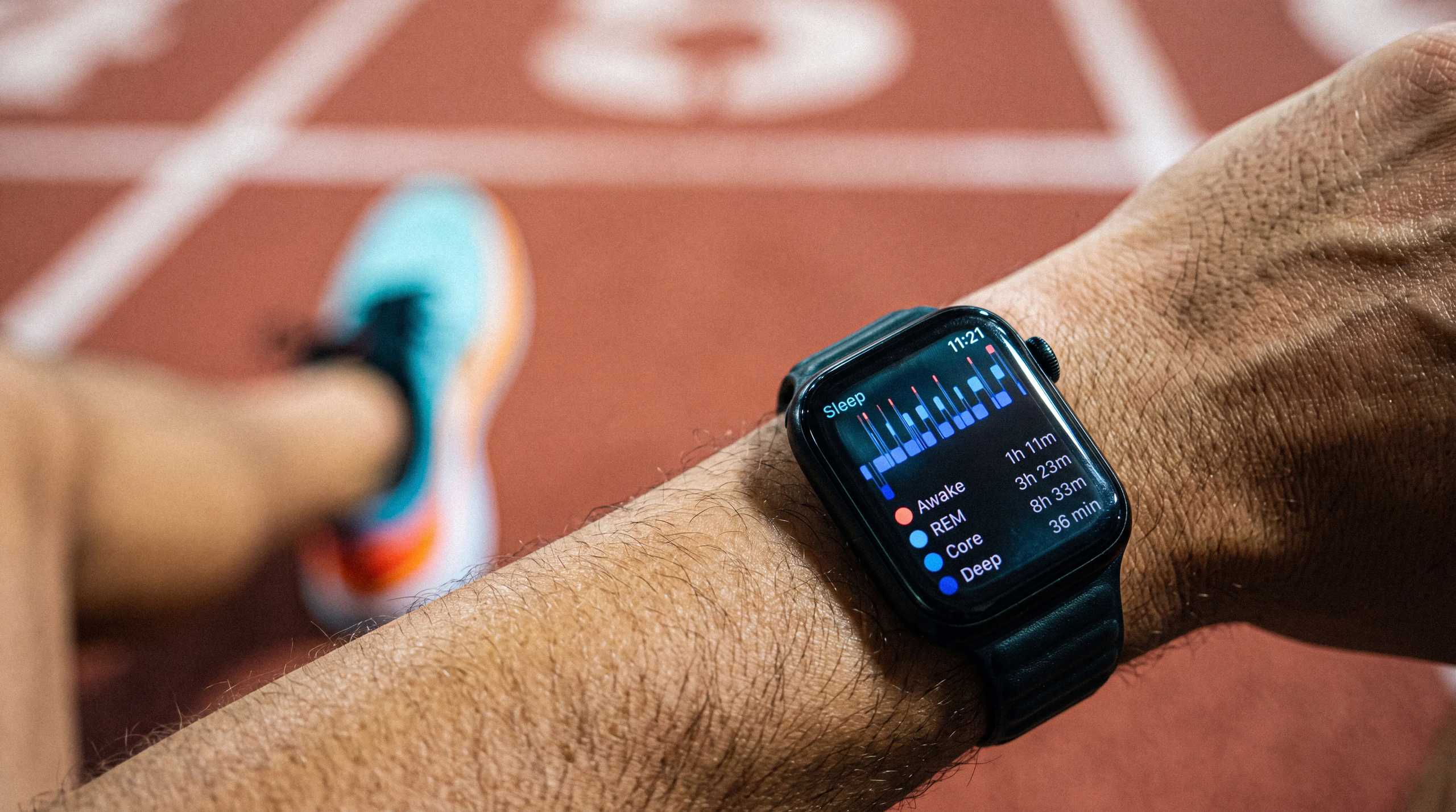
Why Elite Athletes Are Obsessed With Sleep
Inside the rise of sleep coaches, wearables, and recovery culture, and the simple habits normal people can actually use.

A decade ago, discussions about athletic performance focused primarily on training, nutrition, recovery, and conditioning.
Today, many elite athletes talk about sleep with the same seriousness they once reserved for workouts. From NBA stars to Olympic athletes, sleep has become one of the most discussed performance tools in sports.
LeBron James calls it the "most important" factor in recovery. The San Antonio Spurs, Golden State Warriors, and several NFL teams have hired sleep coaches.
However, the question is not just why sleep matters, but why it has suddenly become the cutting edge of athletic performance.
Why sleep became a competitive advantage
At the highest levels of sport, even small advantages can matter. For many teams, sleep represents one of the few remaining performance edges that has not been fully optimized.
Adequate sleep enhances muscle recovery and energy restoration, which are crucial for the strength and power needed in sprinting. Accuracy and reaction time also improve. One study found that tennis players who slept more exhibited improved accuracy and faster reaction times. Enhanced sleep boosts brain function by elevating cognitive processes such as focus, decision-making, and sensory perception.
Well-rested individuals also show better neuromuscular coordination, which is essential for rapid responses.
Speed, strength, and endurance improve with increased sleep. Cognitive skills and inhibitory control also benefit. Conversely, sleep deprivation can hinder cognitive capabilities, as evidenced by research involving NASA recruits. Pain tolerance increases with more sleep, which is crucial for quality of life and recovery following injuries or intense physical activity.
Athlete Sleep Tools vs. Everyday Alternatives
| Elite Athlete Tool | What It Does | Everyday Version |
|---|---|---|
| Sleep coach | Builds personalized sleep routines | Set a consistent bedtime and wake time |
| Wearable tracker | Measures sleep duration and recovery | Use phone sleep tracking or a simple sleep diary |
| Recovery room | Controls light, noise and temperature | Cool, dark bedroom with blackout curtains |
| Team travel planning | Reduces fatigue from schedule changes | Avoid major routine disruptions before important days |
The rise of sleep coaches, tracking, and recovery culture
Modern athletes increasingly measure sleep with the same precision they use to track workouts.
Teams, especially in the NBA, are hiring "sleep coaches" to help players. This follows research that good sleep can be as beneficial as performance-enhancing interventions. The trend reflects a broader shift toward recovery science and performance optimization.
Wearable technology and sleep tracking devices have become standard tools. Athletes use these devices to measure sleep quality, duration, and readiness.
Recovery rooms, team sleep consultants, and performance science programs now support elite athletes across the NBA, NFL, Olympic programs, and professional soccer.
The athletes leading the trend
Some of the world's best athletes openly credit sleep as a major part of their longevity. James has spent years prioritizing sleep, spending up to 12 hours a day resting or sleeping. His approach includes blackout curtains, cool rooms, and strict bedtime routines.
Steph Curry uses his signature "Night-Night" celebration to emphasize the importance of sleep. Curry has discussed his sleep techniques publicly, along with Kevin Durant and Paul George, as part of the NBA's broader recovery culture.
Roger Federer and Cristiano Ronaldo have also emphasized sleep as a critical component of their careers. These athletes demonstrate that sleep is not just a luxury. It is a tool for longevity.
Which habits actually translate to normal people?
Most people do not need the same elite recovery protocols as professional athletes. But some habits may be surprisingly accessible.
- Consistency and quantity: Establishing a regular sleep schedule is vital for optimal performance. Athletes should strive for eight to ten hours of sleep, not just the night before a major event but consistently throughout the competitive season.
- Environment: Creating a sleep-friendly environment that is dark, quiet, and cool is crucial for restful slumber. Blackout shades are a great investment.
- Pre-Sleep Routines: Engaging in relaxing activities such as reading, stretching, or meditation before bed can improve sleep quality.
- Screen Limits: Minimizing screen time before bedtime helps preserve natural sleep rhythms and supports melatonin production. Avoid screen time for at least 30 minutes before bed.
- Dietary Considerations: Avoiding caffeine, alcohol, and heavy meals before sleep promotes better rest.
- Strategic Napping: Short, well-timed naps can be a valuable resource for recovery and peak performance. Limit daytime naps to less than 90 minutes, or don't nap at all.
Useful Sleep Habits vs. Wellness Hype
| Worth Trying | Be Careful With |
|---|---|
| Consistent bedtime | Expensive gadgets promising perfect sleep |
| Blackout curtains | Over-optimizing every sleep score |
| Cool bedroom | Biohacking trends with weak evidence |
| Less screen time before bed | Recovery products with vague claims |
| Short, strategic naps | Treating sleep tracking as a stress source |
Conclusion
Elite athletes are treating sleep like training because it offers a genuine competitive advantage with better recovery, faster reaction time, lower injury risk, and sharper decision-making.
The rise of sleep coaches, tracking technology, and recovery culture shows that sleep is no longer a luxury. It is a performance tool. And for ordinary people, the most useful habits are surprisingly accessible and do not require expensive gadgets or biohacking protocols. They require discipline and consistency.
The athletes leading this trend demonstrate that sleep is a tool for longevity, not just performance. Sleep is not the secret to athletic performance. It is the foundation. And for everyone, not just athletes, it is the place to start.
Pat Evans is a Grand Rapids-based journalist and editor covering the intersection of business, sports, lifestyle, and gambling regulation. With a background in business journalism and legislative reporting (LSR, iGamingBusiness), he brings an analytical, human-focused approach to stories about modern trends. His work has appeared in regional and national publications, and he is also the author of two books on beer history.
More Articles like this
Is Sitting as Bad as Smoking? Not Even Close
We've all heard that sitting is the new smoking. But while spending too much time on the couch carries genuine health risks, the science behind this alarming comparison tells a very different story.
By Stuart Hughes
Seven Ways Your Brain Tricks You Into Taking Risks
From chasing losses to trusting AI predictions, science reveals seven mental traps that can make risky decisions feel surprisingly reasonable.

By Stuart Hughes
From Creatine to Collagen: Which Supplements Actually Work?
From bigger muscles and healthier skin to getting a better night's sleep, wellness supplement advertising promises the world, but is the marketing department spinning scientific facts?
By Stuart Hughes
The 5 Craziest Wellness Trends People Once Swore By
Beauty is pain, or so the saying goes. Throw in the promise of a shortcut, and people will listen. Some of the wellness trends that caught on, though, were wild even by the standards of their own time.
.webp)
By Charlon Muscat
Time to Wake Up: 8 Hours of Sleep Isn't a Magic Number
For years, eight hours has been drilled into us as the perfect night's kip. Turns out, the sleep doctors think there's more to getting a good night's sleep than just clocking up the hours.
By Stuart Hughes
Do You Really Need Eight Glasses of Water a Day?
Think you need eight glasses of water a day? The science never really said that. Here’s how one of wellness’s most persistent myths took hold.

By Charlon Muscat