

The White Lotus Effect: Is Luxury Travel the Biggest Gamble?
How luxury travel, from Monaco to Cannes, has started to feel less like an escape and more like a high-stakes performance.

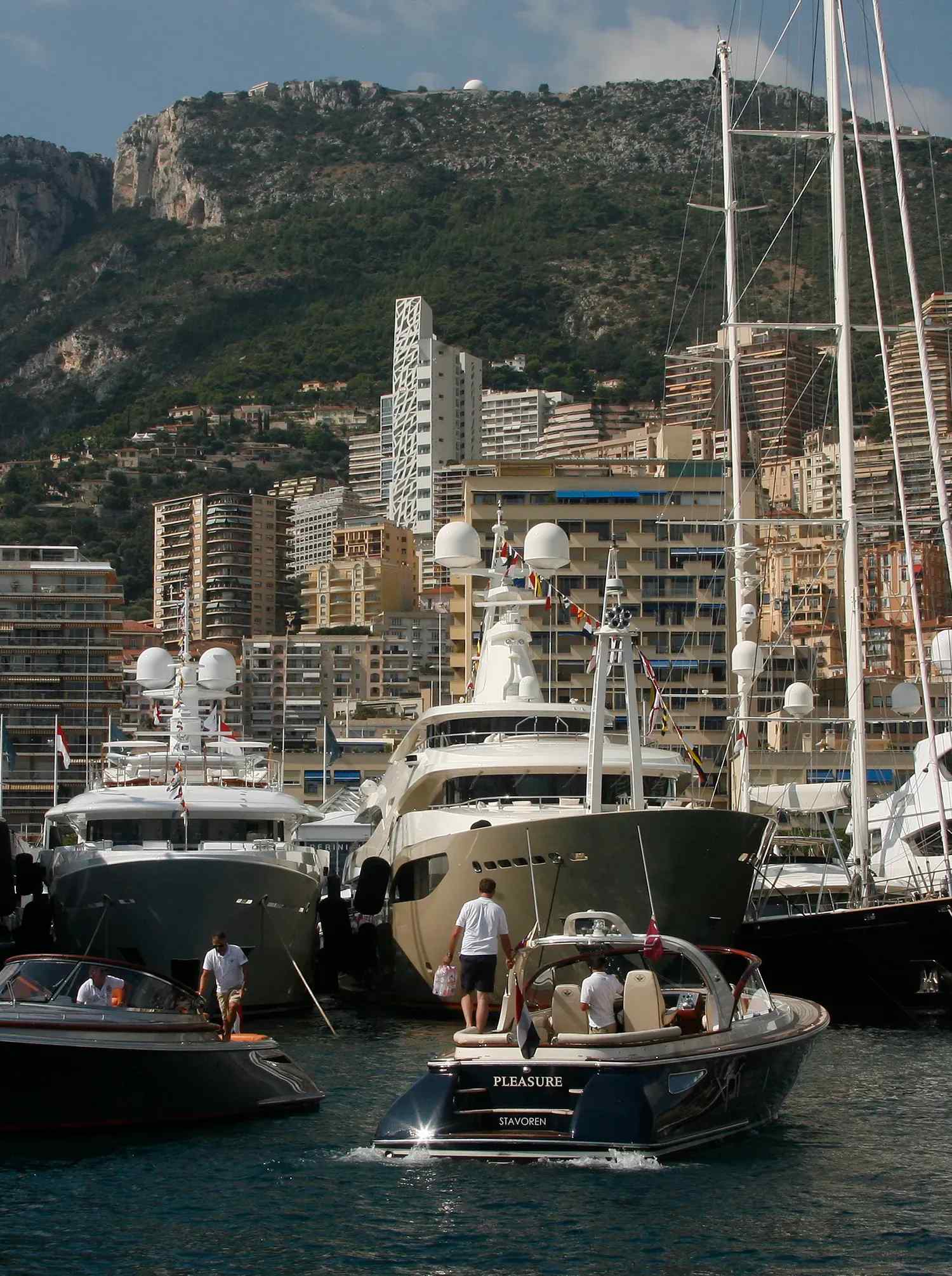
Looking out over the Monaco Grand Prix, luxury travel doesn’t feel serene so much as electric.
The yachts are lined up like private viewing boxes, the champagne is cold, and every balcony, terrace, and hotel suite seems to be part of the same silent contest of who arrived, who belongs, and who is just passing through.
From the circuit, the city below looks like a stage set. It’s polished, glittering, and carefully choreographed. The trip itself is the prize, and everyone is playing a very expensive game.
This is the new mood of luxury travel. It still sells escape, but it increasingly delivers adrenaline, status anxiety, and the feeling that you are not simply on vacation. No, you are performing a kind of high‑stakes bet.
The White Lotus Effect
The hit HBO series White Lotus doesn’t just happen to be set in resorts. It has helped reframe what those resorts mean. The show treats luxury travel as spectacle, not sanctuary.
The real narrative is not about relaxation. It’s about hierarchy, performance, and the way wealth looks better when somebody else is struggling beneath it. The cameras linger on the pool, the terrace, or the dinner table, not because they’re peaceful, but because they demonstrate social tension.
That’s the cultural imprint. Luxury travel is now less about rest and more about the story you can tell. The ideal trip feels transformative, even if it leaves you exhausted. The White Lotus‑style vacation is aspirational in the same way that gambling is aspirational. It promises a chance to feel dramatically different, however briefly it might be.
The goal is not to return calm, but to return feeling richer, wilder, and, ideally, more envied.
Why Luxury Travel Feels Like Gambling
At its core, the modern luxury trip runs on the same psychology that powers gambling: hope, risk, and social competition.
The appeal is not just the destination but the possibility of transformation. Will this trip make you feel like the main character, or like someone who just paid a lot to watch the main characters from the wrong side of the velvet rope?
The emotional arc of luxury travel is similar to that of a gambler, too. There’s the flutter of anticipation of booking the suite, planning the dinners, buying the tickets, and imagining the photos. Then there’s the spending. It’s the upgrades, the last‑minute VIP tables, the spontaneous excursions that quietly blow the budget.
Losing while traveling in luxury?
After comes the social media highs as the likes, comments, and DMs roll in, giving travelers external validation. Eventually, there can be a comedown. That quiet Sunday when the filter is gone, and real life feels duller than before.
The best trips feel like big wins. The worst feel like losses, even if everything technically went perfectly. It’s the same thing at the gambling table. The weather, the crowd, the service, the guest list, the Wi‑Fi, the dress code, and the person you were trying to impress could all go awry.
You can spend the same amount on two vacations and walk away from one feeling like you “won” and the other like you just wasted money. That’s the volatility of the game.
Cannes, Monaco, Vegas, and the Performance Economy
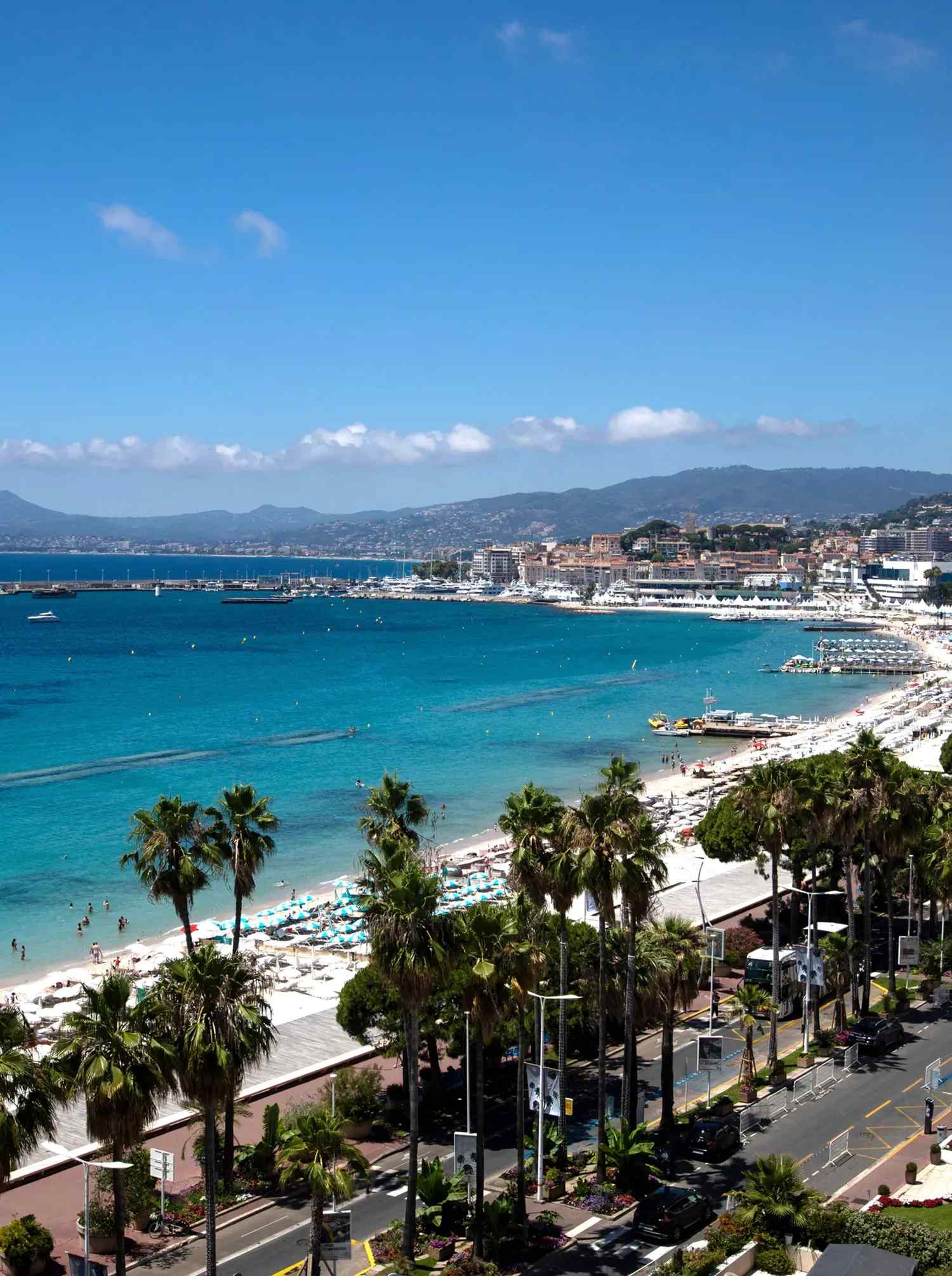
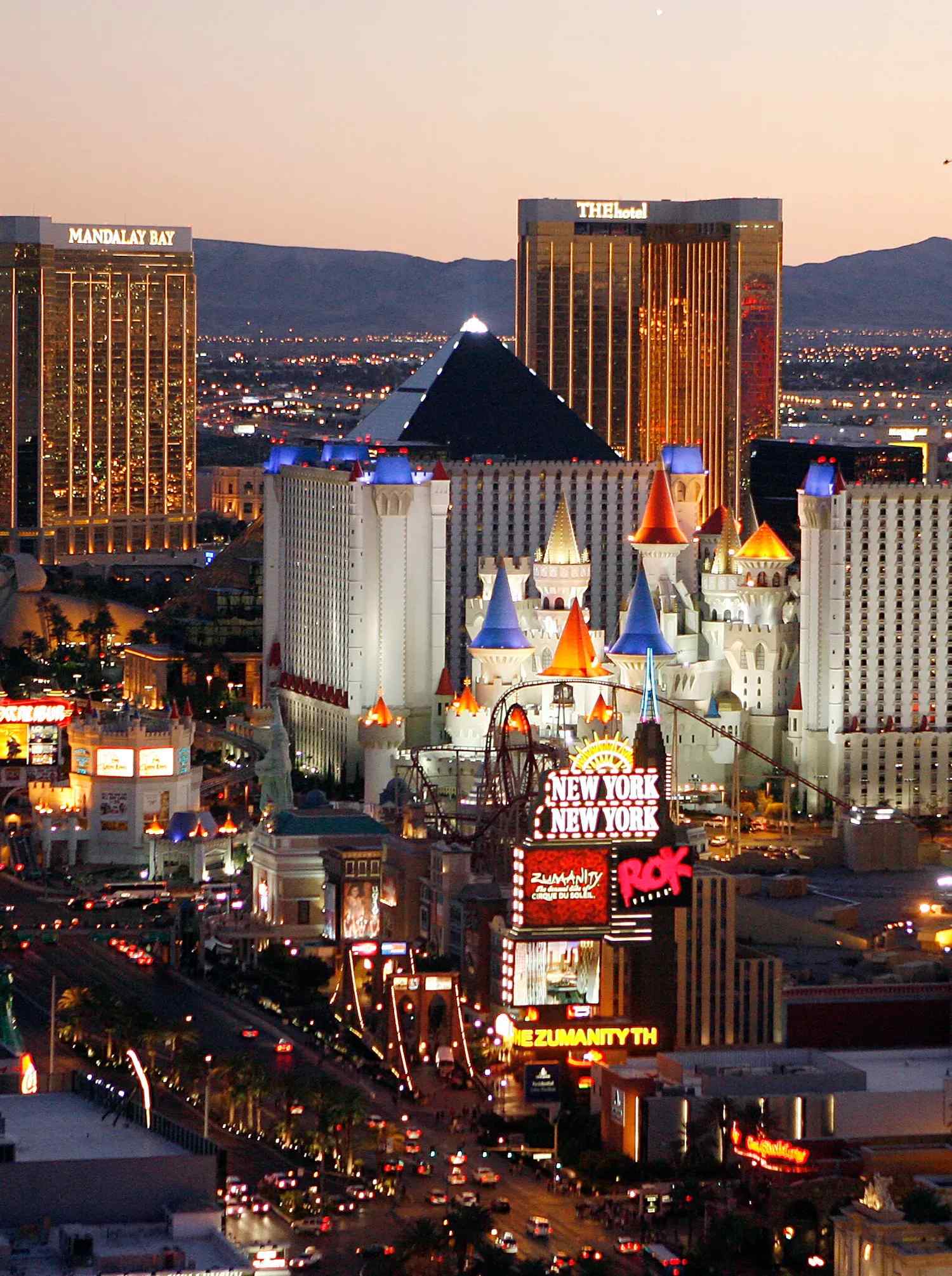
Cannes, Monaco, Las Vegas, Dubai, Saint‑Tropez. These are the live‑action versions of the gambling table. They don’t just host casinos, but offer everything from nightclubs to concierge desks to yacht-lined harbors.
These places are not designed to soothe. They are designed to amplify. The environment itself pushes travelers toward escalation. They push one more drink, one more reservation, one more selfie, one more upgrade request. The trip becomes a live‑action performance economy, where every choice is also a bet.
Social Media Changed Luxury Travel Completely
Luxury travel is no longer a private experience. It is a content stream. The destination is the stage, the audience is the feed, and the real product is the impression left behind.
Instagram aesthetics and TikTok travel culture have turned even the sleepiest villa or spa into a potential performance set. The loop is simple. Influencers show the ideal. The algorithm rewards the most visually striking, socially charged, and emotionally charged trips. They don’t reward the most restful ones.
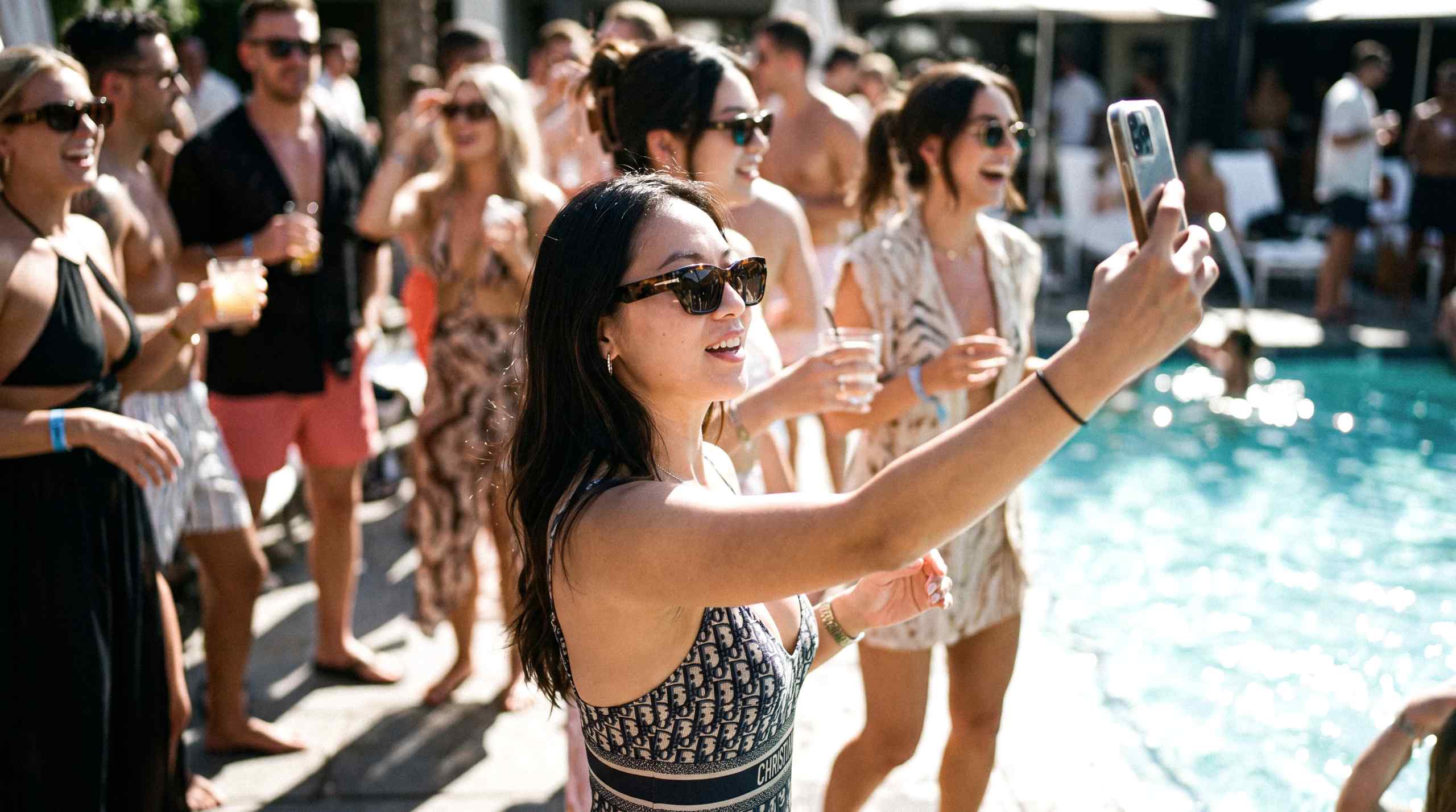
The result is that many travelers are now partially performing vacations. It’s not just drinking the cocktail. Travelers have to frame it and caption it while considering an audience reaction. A trip is no longer a sanctuary from the internet.
Why People Still Chase It
Despite the stress, the exhaustion, and the emotional whiplash, people keep chasing these trips. The hunger for luxury travel is not just about money or comfort. Travelers now hope for a different self. The fantasy is to escape reality and feel more powerful.
The gamble is implicit. Travelers pay the price in cash, time, and emotional bandwidth, hoping that the trip will pay off in feeling, not just in photos.
The best trips deliver that. Unfortunately, the bad ones leave travelers with receipts and a quiet sense of unease.
It’s the allure of that possible transformation. The sense that, if they play the right vacation right, they might come back as a slightly more interesting version of themselves.
A vacation may promise escape, but what many are chasing is the thrill of becoming someone else for a few days. The real question is not whether people still want luxury travel, but whether they are still chasing a place or a feeling that they might win the game.
Pat Evans is a Grand Rapids-based journalist and editor covering the intersection of business, sports, lifestyle, and gambling regulation. With a background in business journalism and legislative reporting (LSR, iGamingBusiness), he brings an analytical, human-focused approach to stories about modern trends. His work has appeared in regional and national publications, and he is also the author of two books on beer history.
More Articles like this
Is Fall Travel Still a Bargain? Not Everywhere
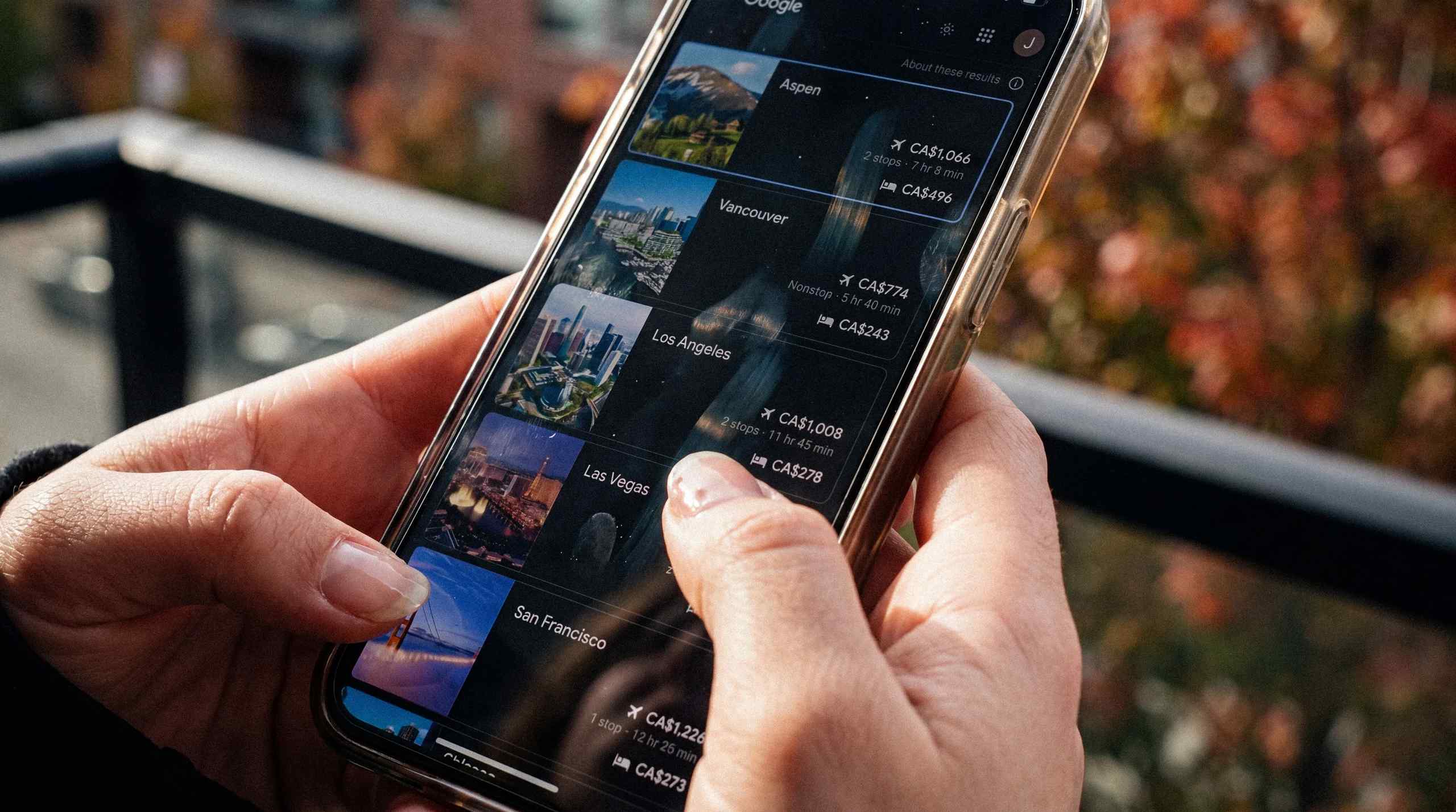
Fall used to mean cheaper flights and thinner crowds. In 2026, lodging in top U.S. cities runs 20% above summer. Here's where autumn still wins on price, weather, and crowds.
By Cole Rush
One Vegas Weekend, 10 Years Apart: An 82% Price Surge
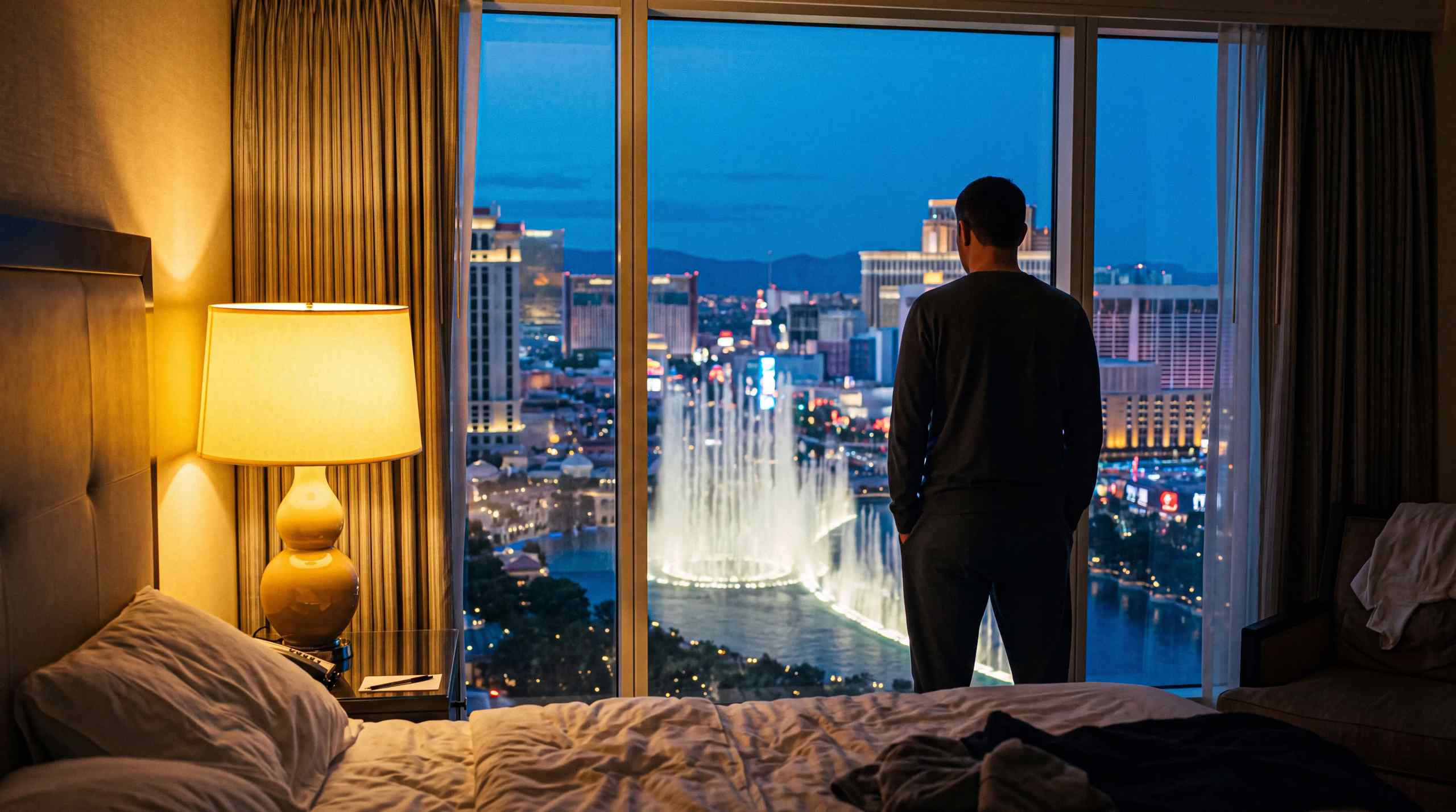
A weekend in Vegas costs a lot more than it did a decade ago. We priced the same hotels, meals, and entertainment in 2016 and 2026 to see just how much.
By Charlon Muscat
From NYC to Melbourne: Four Ultimate Sports Vacations
From New York to Melbourne, these four cities offer much more than a game ticket, combining iconic venues, major events, sightseeing, food, and nightlife into a bucket-list sports vacation.
By Bill Gelman
6 Luxury Vacation Destinations That Are Astonishingly Affordable
So, you thought you needed to be rich to vacation like a billionaire? Well, check out these glamorous destinations that famously deliver lavish getaways for far less than you think.

By Stuart Hughes
What to Do Before You Travel With Betting Apps
A little preparation can save you from blocked access and login errors. Knowing how sportsbooks track location helps you stay ahead of the most common problems.
By Charlon Muscat
Long Layover? Here’s When You Should Actually Leave the Airport
Flight delays and lengthy airport layovers are part and parcel of flying these days, so why not seize the chance to head off for a spontaneous adventure outside the airport instead?
By Stuart Hughes