
Ultimate Sports Trips: Monaco Grand Prix
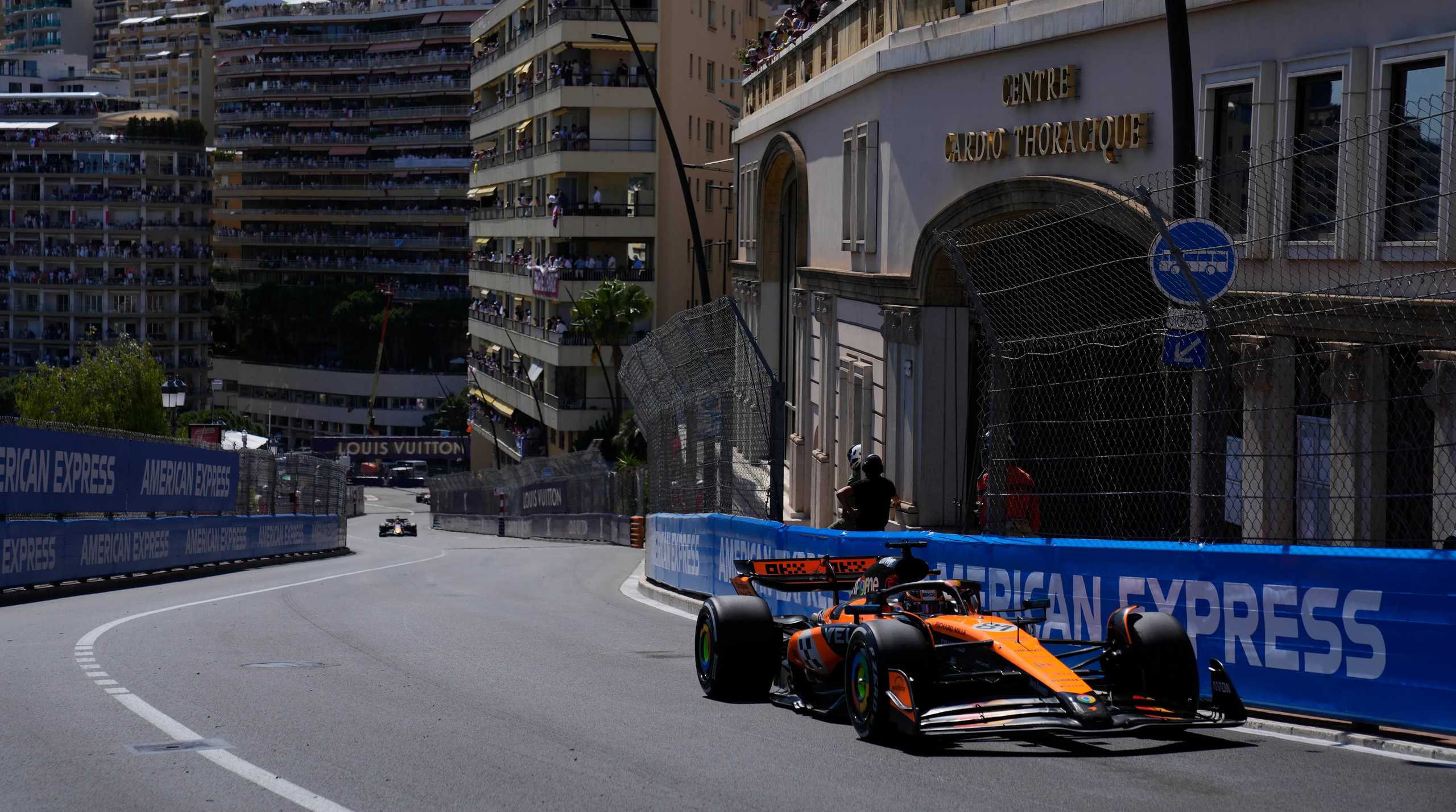
For four days each year, Monaco becomes the closest thing Formula 1 has to a real-life movie set. The parties, casinos, yachts, and crowds are almost as famous as the race itself.

On paper, the Monaco Grand Prix should not work anymore. Modern racing cars have outgrown the circuit, making overtaking notoriously difficult. Weekend grandstand passes average well over $1,000, and those four days squeeze hundreds of thousands of people into a country smaller than most major airports.
Yet despite everything, Monaco remains the one trip most motorsport fans dream about doing. This is because it has never been only about the racing itself. For a few days each year, Monte Carlo becomes a live Formula 1 fantasy, where racing, wealth, nightlife, and casino culture all collide almost entirely in the open.
Why is Monaco different than every other race?
Going to the Monaco Grand Prix feels nothing like a normal racing weekend. The event dates back to 1929, long before the modern setup existed. Monaco then joined the inaugural Formula 1 World Championship calendar in 1950. Nearly a century on, it continues drawing some of the heaviest traffic across F1 betting sites. Early stars like Louis Chiron and Tazio Nuvolari were already racing through the same areas now known as Casino Square, the famous hairpin, and the harbor, in settings still recognizable today.
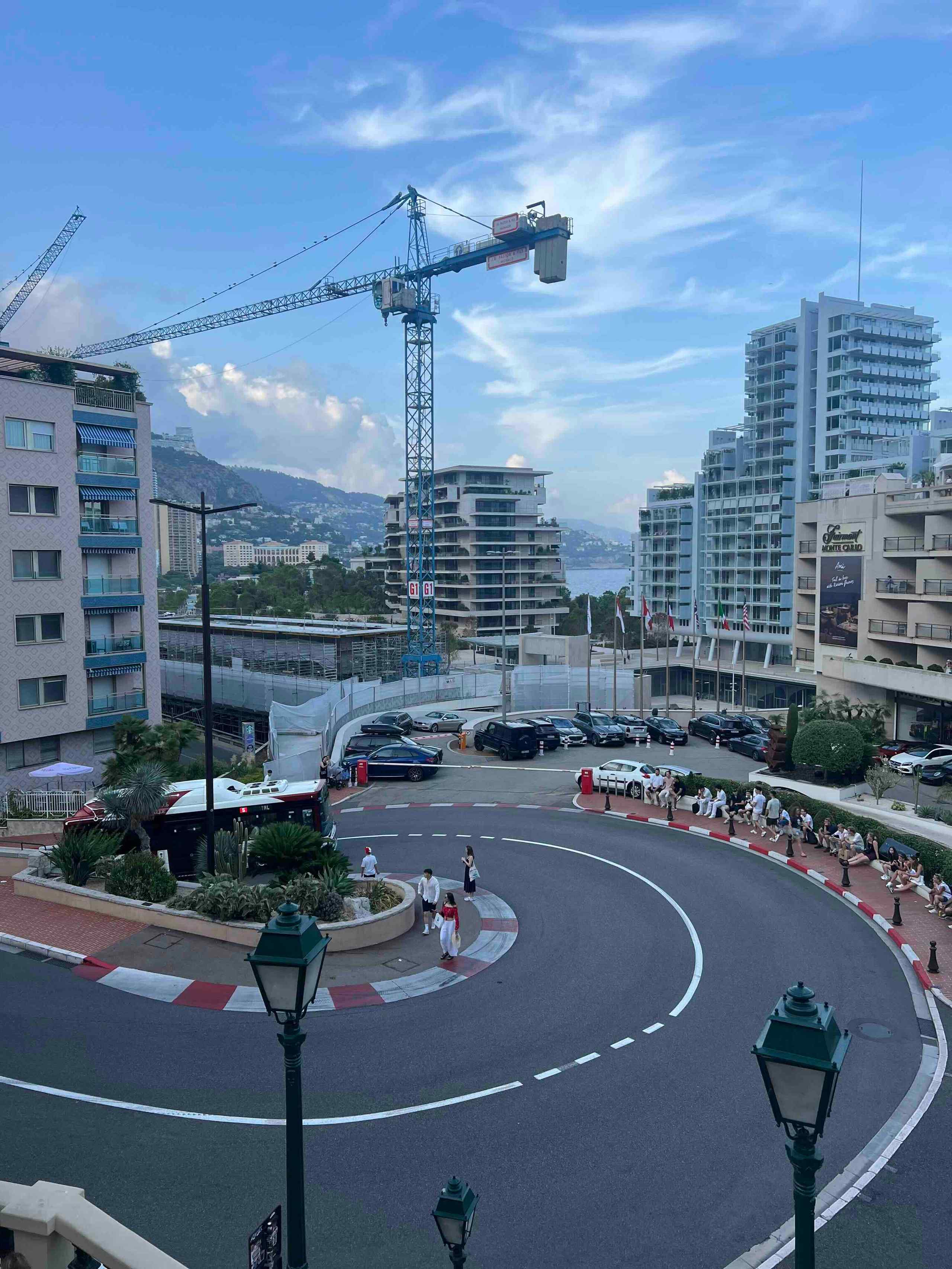
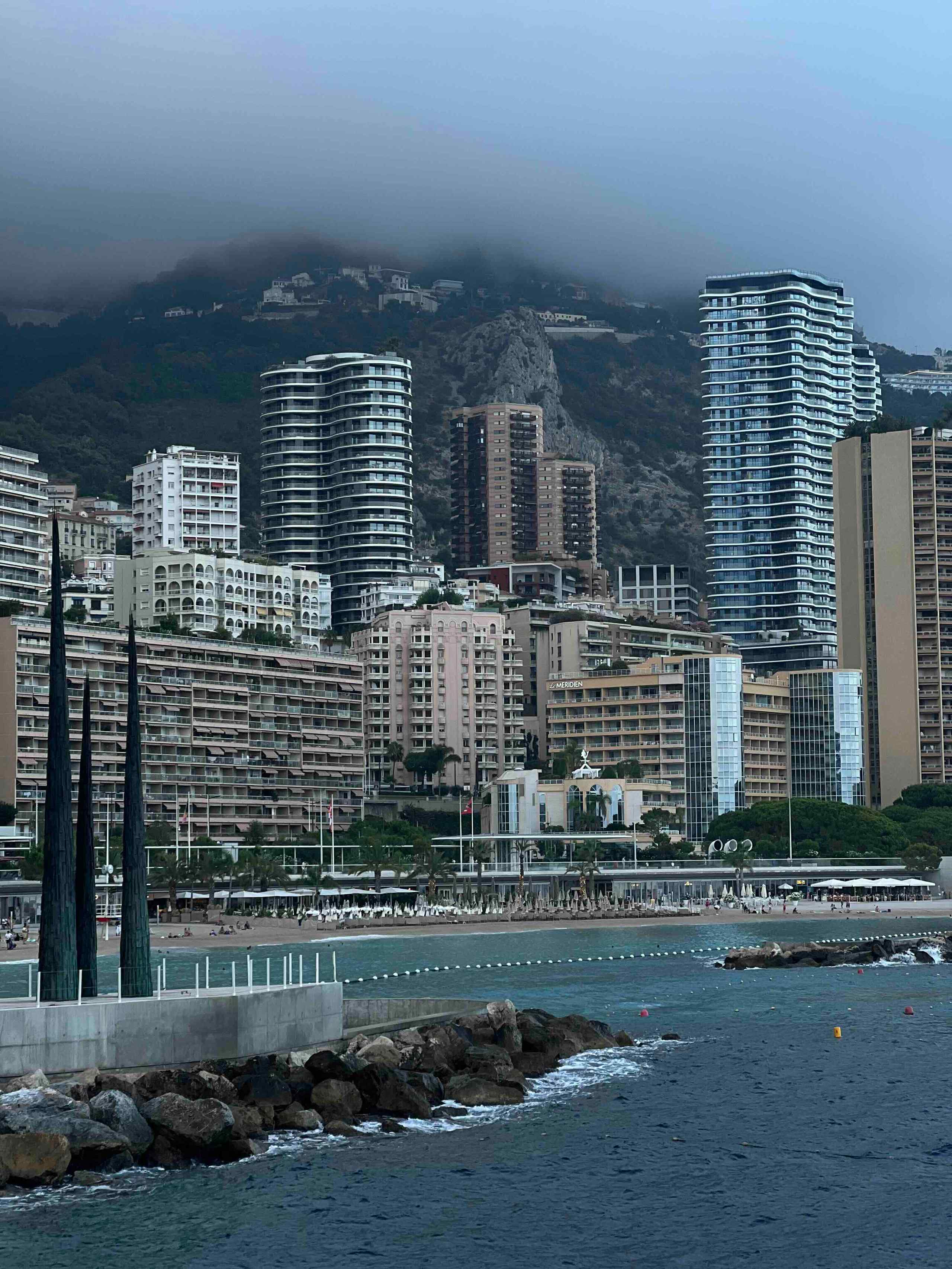
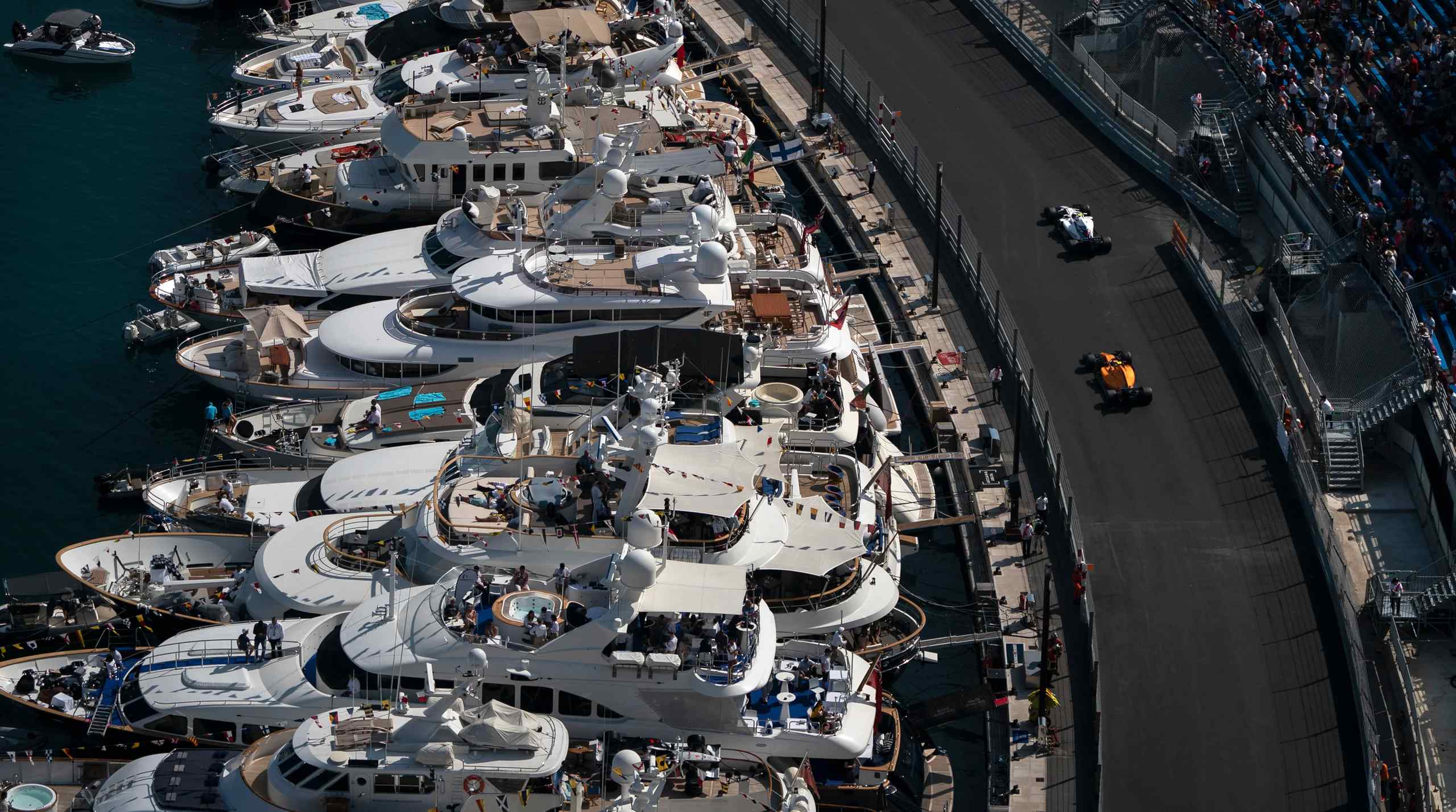
Then you’ve got the setting itself. Most Formula 1 circuits are built well outside major cities with enormous runoff zones and giant parking areas. All the infrastructure exists purely for racing. Monaco squeezes the whole thing into a country barely stretching 2.1 square kilometres. For perspective, the Indianapolis Speedway grounds take up roughly 2.3 square kilometres. In Monaco, the actual Monte Carlo roads become the circuit. I drove a Toyota through the Fairmont Hairpin myself back in late August, all while the curbs were still painted up from race week. Throughout the race, Armco barriers line up literally inches from the cars. Apartment balconies hang right over the corners. And superyachts along the harbor basically become floating grandstands.
2026 Monaco Grand Prix schedule
The 2026 Monaco Grand Prix is scheduled as follows between June 4 and June 7:
- Thursday, June 4: The Monaco program opens with Formula 3, Formula 2, and Porsche Supercup practice sessions across the Monte Carlo streets.
- Friday, June 5: Formula 1 cars hit the circuit for Practice 1 from 13:30 to 14:30 and Practice 2 from 17:00 to 18:00, while Formula 2 and Formula 3 qualifying sessions also take place throughout the afternoon.
- Saturday, June 6: Saturday centers around Formula 1 qualifying from 16:00 to 17:00, following final practice earlier in the day. Drivers treat this session as almost more important than the race itself due to the extreme difficulty of overtaking around Monaco.
- Sunday, June 7: Race day starts early with Formula 3, Formula 2, and Porsche Supercup feature races before the Formula 1 drivers’ parade at 13:00 and the Monaco Grand Prix itself beginning at 15:00 across 78 laps.
Full ticket information, hospitality packages, and complete support-race timetables are available through the official Monaco Grand Prix and Formula 1 portals.
The Monaco Grand Prix fantasy
If this were only about the racing, Monaco is probably not the best Formula 1 trip. As a fan, I would more likely pick the British Grand Prix at Silverstone or even the Hungarian Grand Prix. Both cost far less and usually deliver much better wheel-to-wheel action and drama.
People go to Monaco because the whole thing feels surreal. You are watching Formula 1 cars squeeze between barriers outside casinos, hotels, apartment blocks, and yacht decks in one of the richest places on earth. It's a world we typically only see through movies, Instagram clips, luxury travel content, and Formula 1 broadcasts. While elsewhere the expensive lifestyle stays hidden behind private gates or luxury resorts, Monaco puts the whole thing out in public. You can walk past $20 million yachts, suddenly spot Jeff Bezos or Sofía Vergara around the harbor, or be there when Patrick Dempsey waves the chequered flag over the circuit.
Another big part of the Monaco fantasy is seeing the best drivers in the world navigate the notoriously difficult course, also known as "performing Monaco".
Once the track sessions end, the crowds move toward rooftop bars, casino floors, harbor restaurants, yacht parties, and hotel terraces overlooking the circuit. That proximity is part of the appeal. Unlike most luxury destinations, very little stays out of public view.
➡️ Read more: 2026 FIFA World Cup Guide - Mexico Edition
The Reality of a Monaco Grand Prix bucket-list trip — Crowds, Cost, and Chaos
Before getting into the practical side, none of this is me saying you should not visit Monaco during Grand Prix week. I genuinely think the experience is something every Formula 1 fan should do at least once. But at the same time, it helps knowing the realities.
Here are five parts of Monaco race week that rarely make the viral social media clips:
- Monaco gets extremely crowded: The country itself has roughly 38,500 residents, yet reports last year suggested around 250,000 people poured into the Principality across the four-day Grand Prix schedule. Expect restaurants, pavements, train stations, viewing areas, and hotel lobbies to fill up quickly from early morning onward.
- Accommodation prices spike hard: Sports tourism has exploded over recent years, and Monaco was already one of the biggest Formula 1 bucket-list trips long before that. Most spectators do not stay inside Monaco itself. Many base themselves around Nice, Menton, or other Riviera towns instead, then take the TER train each morning.
- Even normal things become expensive: Simple drinks, taxis, hotel rooms, balcony access, and harbour restaurants all carry Monaco-level pricing during race week.
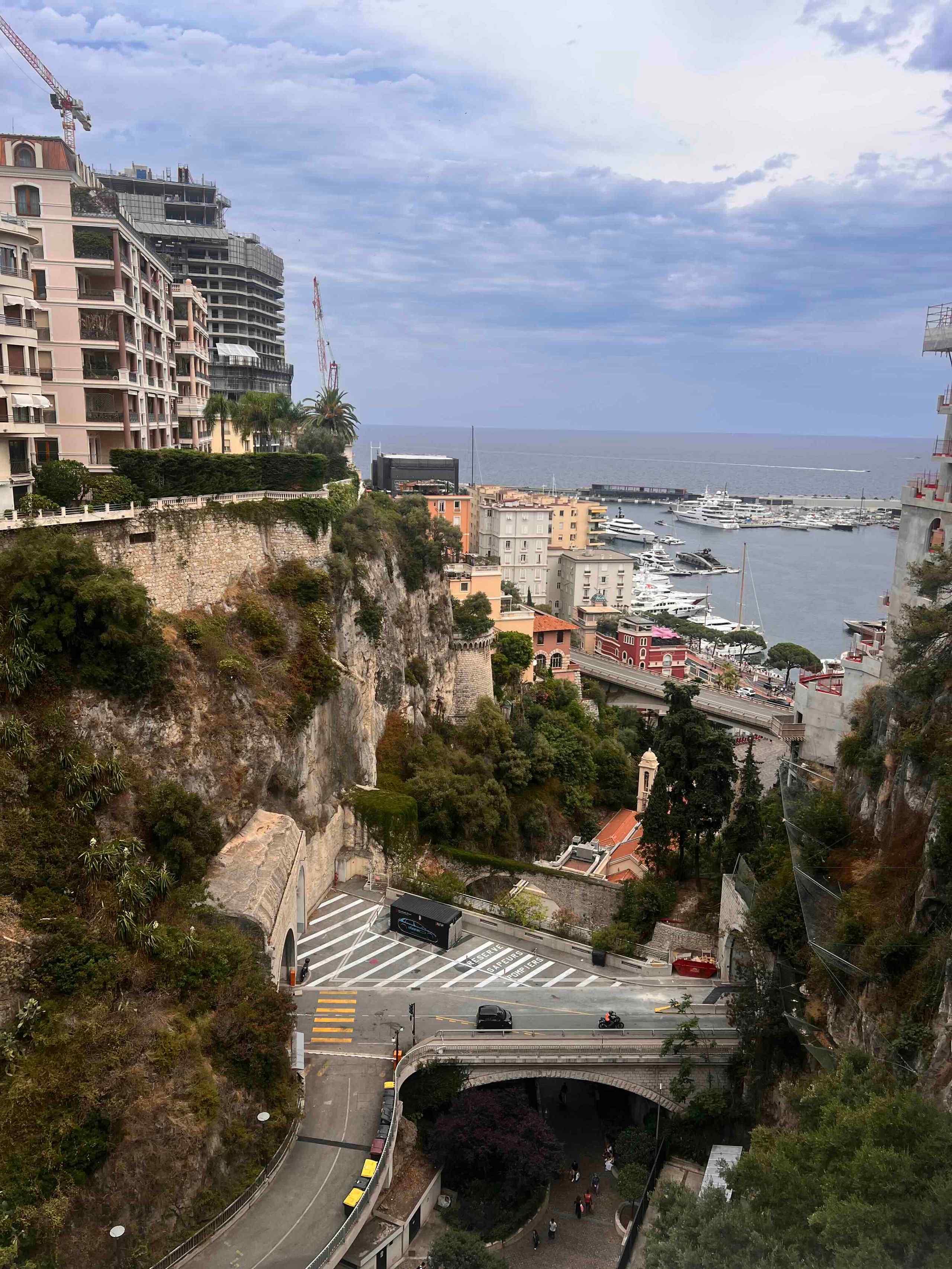
- Walking is unavoidable: Monaco race week involves constant staircases, escalators, tunnels, steep hills, pedestrian bridges, and long uphill routes between grandstands, casinos, terraces, and Port Hercule. Comfortable shoes are a lifesaver.
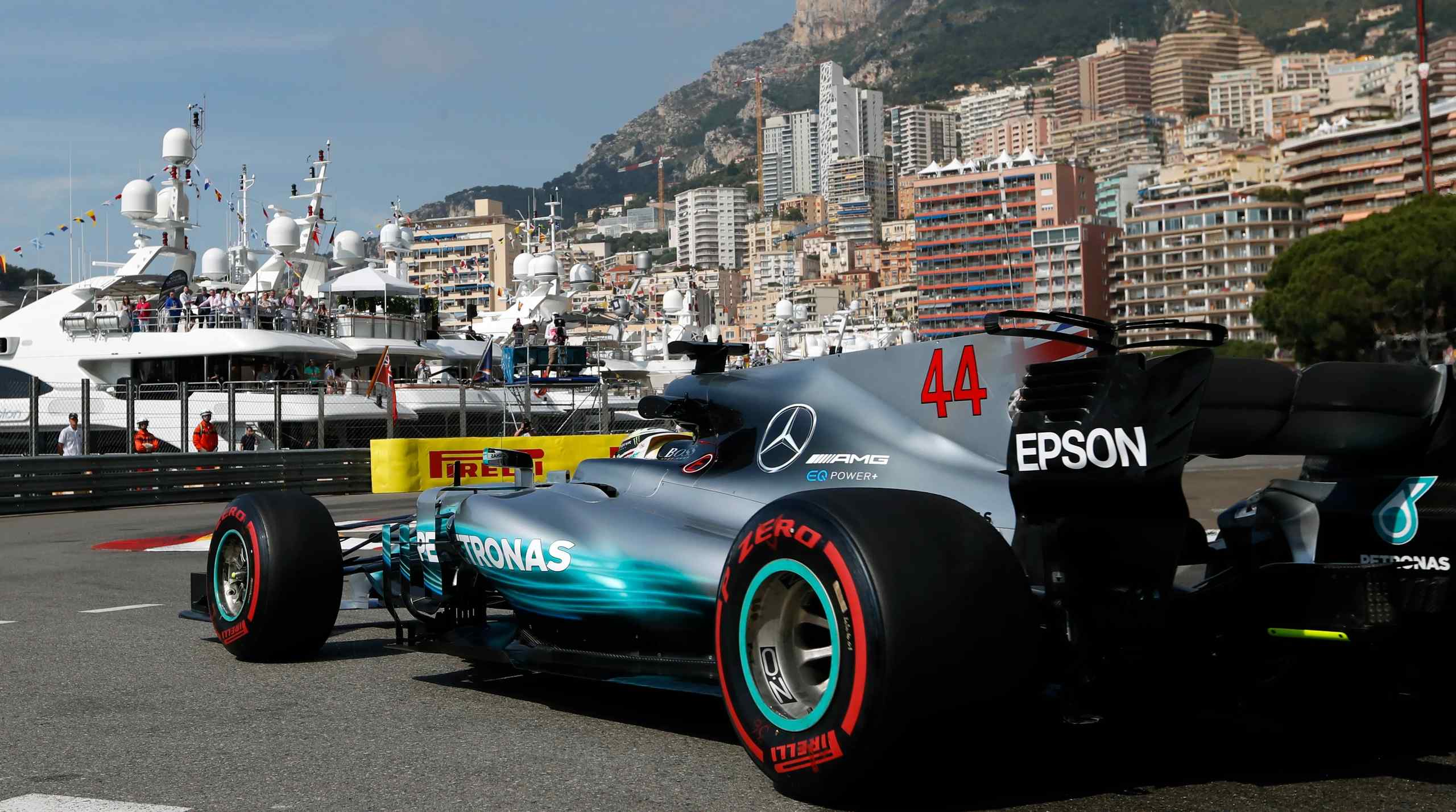
- Grandstand choice makes for a different experience: Grandstand K near the harbour is popular because spectators can follow multiple sections around the swimming pool area while also getting the postcard Monaco backdrop with yachts and harbour views. Casino Square grandstands feel more glamorous but show a smaller section of track.
How good is the racing at the Monaco Grand Prix?
Jonathan McEvoy of the Daily Mail ranks Monaco among Formula 1’s top tracks despite it being one of the weakest venues on the calendar for overtaking. The biggest problem is that modern Formula 1 cars have largely outgrown the streets themselves. Current machinery stretches beyond five metres long and close to two metres wide, leaving very few realistic passing opportunities.
The outlet Las Motorsport compiled the data below to compare Formula 1 car dimensions across eras:
Timeline of F1 Car Dimensions
| Era | Length (approx.) | Width (reg limit) | Weight (incl. driver) |
|---|---|---|---|
| Early 1980s (ground effect) | 4500–4600 mm | 2130–2150 mm | Under 600 kg (no minimum early on) |
| Late 1980s (turbo-ban era) | 4400–4500 mm | 2000 mm | 500–540 kg |
| 1990s (V10 peak) | 4400–4500 mm | 2000 mm | 595–600 kg |
| 2009 Aero Overhaul | 4600–4700 mm | 1800 mm | 605–620 kg |
| 2014 Hybrids Begin | 4800–4950 mm | 1800 mm | 691 kg |
| 2017 Wide-Body Era | 5000–5100 mm | 2000 mm | 728–740 kg |
| 2022 Ground-Effect Return | 5200–5400 mm | 2000 mm | 796–798 kg |
| 2024 Spec (trend) | ~5400 mm | 2000 mm | ~798 kg |
But that does not mean Monaco lacks quality as a sporting event. The pressure across qualifying is arguably unmatched anywhere in Formula 1. Drivers push centimetres from the barriers through Casino Square, the tunnel, the Swimming Pool section, and Sainte Dévote, knowing a tiny lock-up or traction loss can instantly destroy the lap. Saturday regularly produces more intensity than Sunday itself.
Monaco also regularly produces strategic “backing up,” where drivers deliberately slow the field and create pit-stop windows for teammates ahead. In an effort to spice things up, Formula 1 introduced a mandatory Monaco two-stop rule from last year onward. Drivers now must use at least three tire sets during the Grand Prix.
Should a trip to the Monaco Grand Prix be on your bucket list?
Yes, I do think the Monaco Grand Prix is one of Formula 1’s true bucket-list trips. Okay, some of it can be type 2 fun. You're dealing with huge crowds, packed trains, expensive hotels, steep walking routes, long days in the sun, limited personal space, confusing movement around barriers and pedestrian bridges, plus the general chaos of squeezing hundreds of thousands of people into a tiny country.
Afterwards, though, those same moments are usually what make Monaco hard to forget long after the trip finishes. This is probably the closest fans feel to the Formula 1 world, not only during the race itself but throughout the entire week.
Around Monte Carlo, you're walking the same streets as drivers, team personnel, sponsors, celebrities, and influencers, potentially ending up playing roulette in the same casino or drinking from the neighboring bar later that night. Yes, the racing is why we’re here in the first place. Monaco, however, also sells atmosphere and the feeling of stepping inside Formula 1’s most exclusive stop for a few days.
Charlon Muscat is an established iGaming expert who entered the space in 2019 and went on to build a name across both casino and sportsbook content.
More Articles like this
From NYC to Melbourne: Four Ultimate Sports Vacations
From New York to Melbourne, these four cities offer much more than a game ticket, combining iconic venues, major events, sightseeing, food, and nightlife into a bucket-list sports vacation.
By Bill Gelman
6 Luxury Vacation Destinations That Are Astonishingly Affordable
So, you thought you needed to be rich to vacation like a billionaire? Well, check out these glamorous destinations that famously deliver lavish getaways for far less than you think.
By Stuart Hughes
What to Do Before You Travel With Betting Apps
A little preparation can save you from blocked access and login errors. Knowing how sportsbooks track location helps you stay ahead of the most common problems.

By Charlon Muscat
Long Layover? Here’s When You Should Actually Leave the Airport
Flight delays and lengthy airport layovers are part and parcel of flying these days, so why not seize the chance to head off for a spontaneous adventure outside the airport instead?
By Stuart Hughes
Travel Destinations Where Grown-Ups Still Get To Feel Wonder
Wonder isn't just for kids at a theme park. These five U.S. destinations, from a surreal art maze to a 300-foot redwood grove, are built (or grown) to make grown-ups feel it too.
By Cole Rush
The Case for Taking the Train Instead of Flying
Amtrak just had its best year ever and rolled out a faster Acela. Airlines still win on raw speed. Here's an honest, numbers-first look at cost, comfort, reliability, and emissions, so you can pick the right mode for the right trip.
By Cole Rush