
The Five Biggest Questions Facing the 2030 World Cup
The hosts have been chosen, but much of the tournament remains in flux. FIFA still faces major decisions that could define the event, while questions over venues, format, and logistics continue to dominate the conversation.

One World Cup ended. The next immediately took over the conversation.
Marking the tournament's 100th anniversary, the 2030 FIFA World Cup will span three continents and six countries, the most geographically ambitious one ever staged. Now, talk of expanding the field again has only added another layer to the intrigue, alongside debates over logistics, qualifying, and the stars who will feature.
Here are five of the biggest questions surrounding the 2030 FIFA World Cup — and what we know so far.
How does a World Cup spread across six countries and three continents work?
At first glance, the logistical headaches exposed by the 2026 World Cup suddenly look downright modest next to a 2030 tournament stretched across six countries and three continents.
Back in December 2024, an extraordinary FIFA Congress formally awarded the tournament to Morocco, Portugal, and Spain. Under the current 104-game format—for however long that remains current—they will stage 101 of them. The opening three matches double as centenary celebrations in South America, one each in Uruguay, Argentina, and Paraguay, marking 100 years since the inaugural World Cup.
Now, I have a feeling we're going to hear "six countries, three continents" a lot over the next few years. It's a great hook. But reality isn't nearly as daunting. Only six teams ever play in South America, three of them the host nations themselves. By the time they cross the Atlantic, FIFA's provisional schedule leaves roughly 11 or 12 days before their second group game, plenty of time to travel, recover, and settle back into tournament mode.
From there, it gets even better. Morocco, Portugal, and Spain may span two continents, but they don't come close to matching the geographic sprawl of 2026. The longest possible trip between host cities at the last World Cup—from Vancouver to Miami—was about 2,800 miles. Northern Spain to the southern tip of Morocco barely cracks 1,000. Portugal doesn’t complicate the picture at all. Crossing the border into Spain is so routine that thousands of pilgrims do it on foot every year along the Camino routes.
For fans, following the tournament from the South American openers through to the European and North African stages may require a pretty healthy travel budget. Airfares, especially for transatlantic flights, are likely to climb. But being at one of those centenary games would be reason enough to make the trip. For those who want volume rather than symbolism, Spain, Portugal, and Morocco offer a much easier base for catching several games than North America did in 2026.
Will the 2030 World Cup expand to 64 teams?
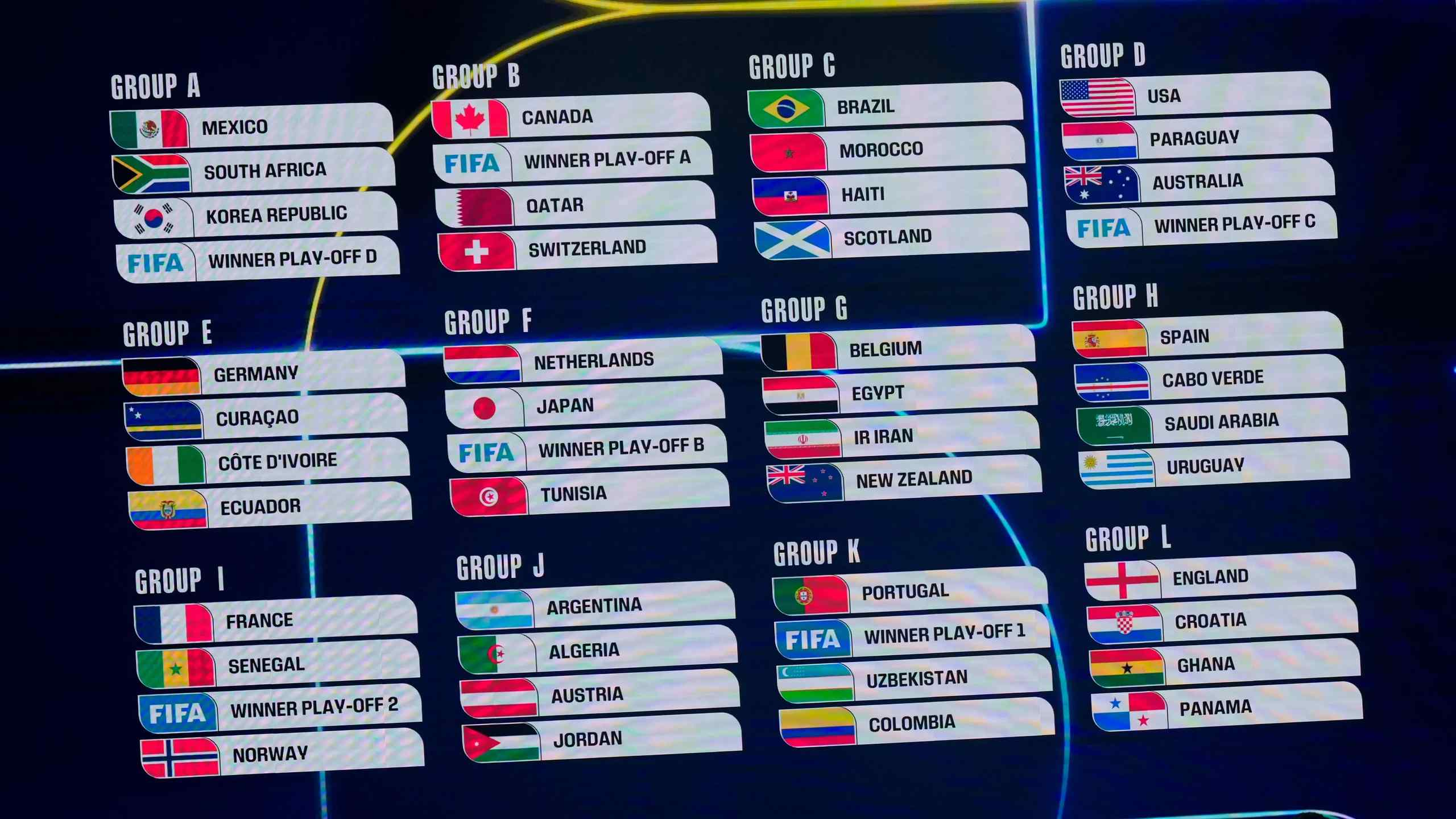
The World Cup’s expansion to 48 teams had far-reaching effects. Plenty questioned the move beforehand, but Cabo Verde’s run changed a lot of minds. Now, many former doubters are watching goalkeeper Vozinha closely, waiting to see what kind of contract he can land at 40.
For the record, as I'm writing this, the official plan still calls for the 2030 World Cup to use the same 48-team, 104-match format that debuted this year. Word about 64 teams first surfaced in March 2025 after CONMEBOL floated the idea as a one-time centenary celebration. FIFA initially described it as a proposal it had a "duty to analyse." With the 2026 World Cup now behind us, Gianni Infantino says the possibility of expanding to 64 teams will now be examined and discussed by the relevant committees.
What's changing in the European World Cup qualifying format?
European qualifying is getting its biggest overhaul in decades. UEFA president Aleksander Čeferin said the new structure will “improve competitive balance, reduce the number of dead matches, offer a more appealing and dynamic competition to fans, while ensuring a fair qualification chance for all teams, and without adding any additional dates in the international calendar.”
So, what’s happening? Beginning with the road to the 2030 World Cup, UEFA will scrap the traditional small qualifying groups in favor of a league-style system built around the Nations League rankings. The format borrows heavily from the Swiss-style league phase now used in the UEFA Champions League.
The top 36 European nations will make up League 1, split into three 12-team tables. Rather than going against everyone, they all play six qualifiers, three home and three away, against six different opponents drawn from three seeding pots. The remaining 18 countries, or 19 if Russia returns, will compete in League 2, divided into three groups of six, with one group expanding to seven if necessary.
There are still question marks surrounding the number of countries that qualify from each league, along with how many total berths UEFA gets if the tournament expands to 64 teams. What we know right now is that the best-ranked teams in each League 1 table move on automatically. The remaining places are decided through a playoff system that guarantees League 2 nations a path to the World Cup.
➡️ Related Article: The Five World Cup Upsets Sportsbooks Never Saw Coming
Who will carry football into the post-Messi and Ronaldo era?
Soccer's sweet spot in the US is young adults. Americans ages 25 to 34 make up the largest fan segment, accounting for 38% of followers, while another 18% are between 18 and 24. It's the same demographic most likely to bet on sports every day, according to Statista.
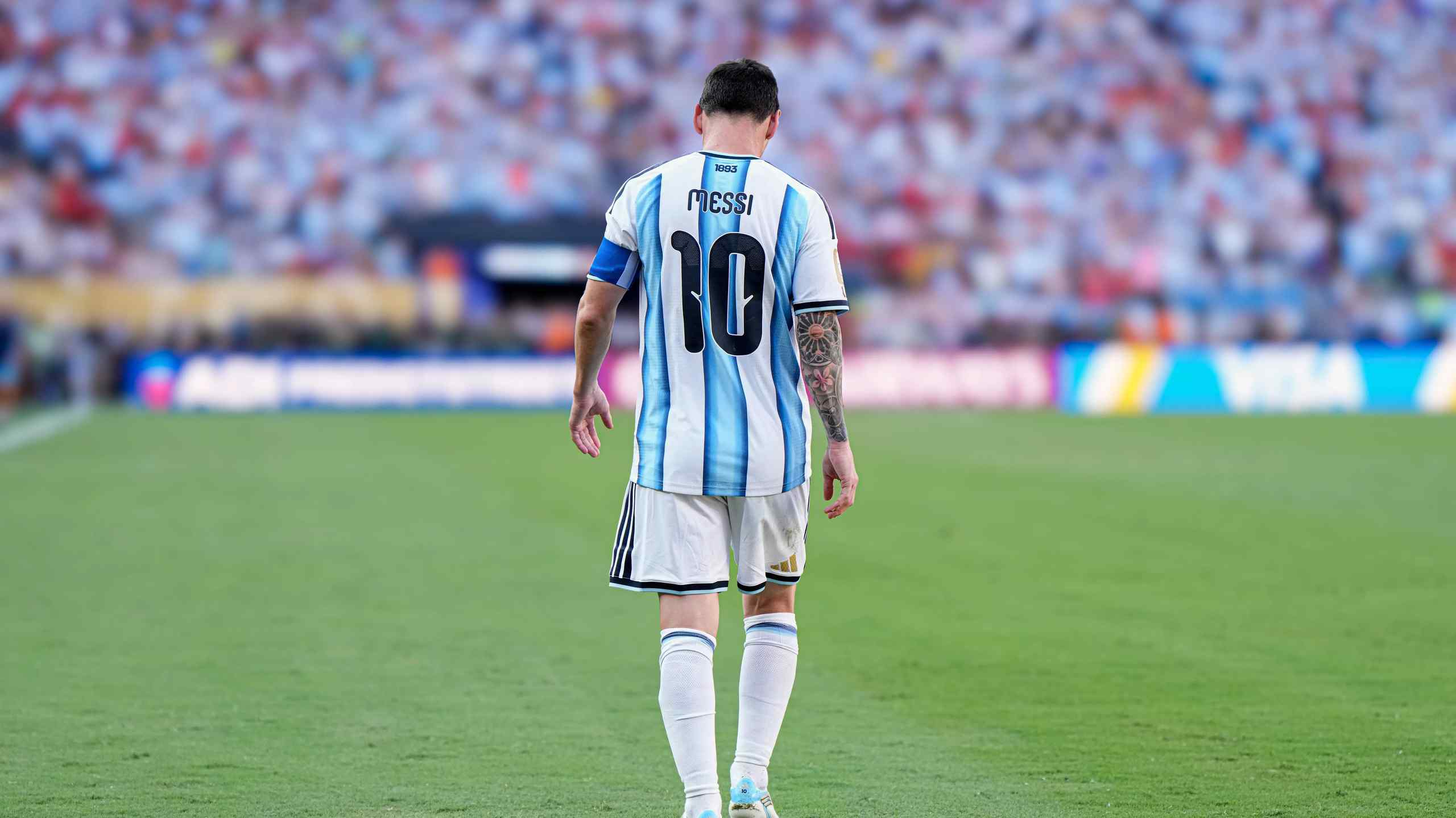
Many in this generation have watched the entire arc of Cristiano Ronaldo and Lionel Messi's careers unfold—from their breakout years at Manchester United and Barcelona, through a rivalry that defined world soccer, to Ronaldo leading the Saudi Pro League and Messi closing out his career in Miami. Younger fans barely know soccer without them. Reality is, though, that both are staring down the end of their playing days. Ronaldo himself has officially confirmed 2026 will be his final World Cup.
The next era of soccer won't be about replacing one global icon with another. My view is it'll belong to a wave of superstars sharing the spotlight. Lamine Yamal, Florian Wirtz, and Jamal Musiala have already announced themselves as the game's brightest young talents. The likes of Kylian Mbappé and Jude Bellingham have the star power and global reach, while Erling Haaland showed with Norway that he can deliver on the biggest stage without the all-star cast surrounding him at club level.
A broader group of marketable stars could also strengthen soccer's commercial appeal by spreading fan interest across clubs, leagues, countries, and commercial partners. It also makes the sport less vulnerable if one star is sidelined by injury, while creating room for the next generation to emerge as others step away.
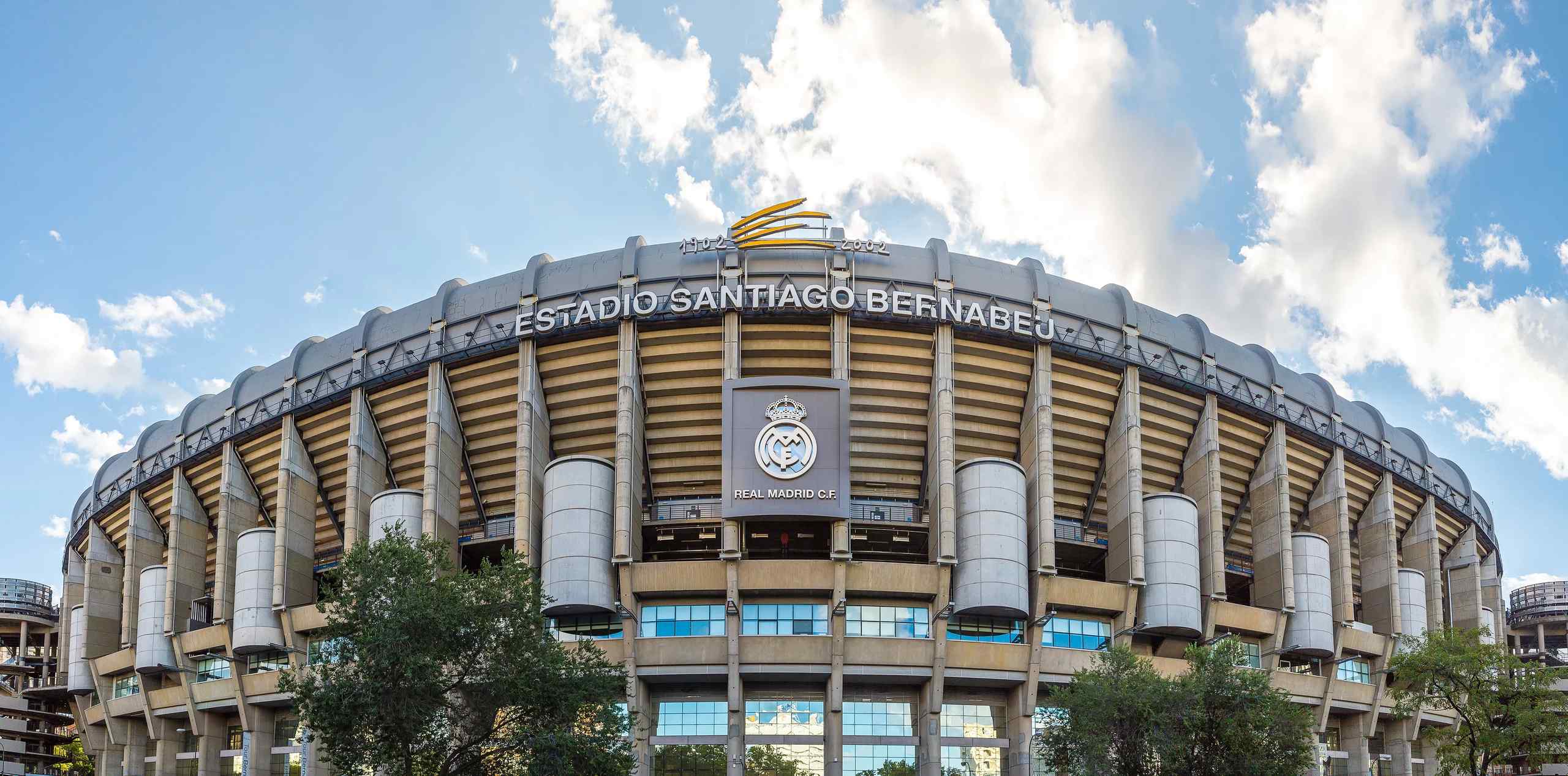
Proposed 2030 World Cup Stadiums
There are 20 different stadiums proposed to host World Cup events but it’s still undecided which one will host the 2030 World Cup Final. It’s all but guaranteed to be either Hassan II Stadium, Santiago Bernabéu or Campo Nou, however. Here’s a look at all the stadiums that are proposed for World Cup events:
| Country | City | Stadium | Capacity |
|---|---|---|---|
| Morocco | Agadir | Adrar Stadium | 46,000 |
| Morocco | Casablanca | Hassan II Stadium | 115,000 |
| Morocco | Fez | Fez Stadium | 55,800 |
| Morocco | Marrakesh | Marrakesh Stadium | 45,860 |
| Morocco | Rabat | Prince Moulay Abdellah Stadium | 69,500 |
| Morocco | Tangier | Ibn Batouta Stadium | 75,500 |
| Portugal | Lisbon | Estádio da Luz | 68,100 |
| Portugal | Lisbon | Estádio José Alvalade | 52,095 |
| Portugal | Porto | Estádio do Dragão | 50,033 |
| Spain | Barcelona | Camp Nou | 105,000 |
| Spain | Barcelona | RCDE Stadium | 40,500 |
| Spain | Bilbao | Estadio de San Mamés | 53,331 |
| Spain | Las Palmas | Estadio de Gran Canaria | 44,500 |
| Spain | Madrid | Bernabéu | 83,186 |
| Spain | Madrid | Estadio Metropolitano | 70,692 |
| Spain | San Sebastián | Estadio de Anoeta | 42,300 |
| Spain | Seville | Estadio de La Cartuja | 70,000 |
| Spain | Valencia | Nou Mestalla | 70,044 |
| Spain | Vigo | Estadio de Balaídos | 44,000 |
| Spain | Zaragoza | Estadio Nueva Romareda | 43,110 |
Morocco and Spain appear to be positioning themselves to host the final. At the very least, plenty of political jockeying is already underway behind the scenes.
Morocco is making a serious push with the new 115,000-seat Hassan II Stadium outside Casablanca. Scheduled for completion by the end of 2027 or early 2028, the $500 million venue would become the largest stadium in world soccer and give Africa only its second World Cup final after Johannesburg in 2010. The stadium is just part of a multi-billion-dollar investment into infrastructure in Morroco for the tournament.
Spain, meanwhile, believes the final belongs on home turf. RFEF president Rafael Louzán argued publicly that the country’s track record of hosting major events gives them the inside track. The renovated Santiago Bernabéu in Madrid, which staged the 1982 World Cup final, and the expanded Camp Nou in Barcelona are the country's two candidates.
So far, there’s no word on a decision date or what the timeline looks like. The choice is expected to be made through consultations between FIFA and the three host countries—Morocco, Spain, and Portugal.
Charlon Muscat is an established iGaming expert who entered the space in 2019 and went on to build a name across both casino and sportsbook content.
More Articles like this
Does a 4-0 NFL Start Mean You're Playoff Bound?
A 4-0 start can put your team on the fast track to the playoffs, but history shows that even Super Bowl champions don't always start strong.

By Marcus Mosher
The 8 Greatest Sports Movies Ever Made, Ranked
Rocky isn't No. 1 by default. We ranked the eight greatest sports movies ever made, from a boxing warhorse to a table tennis fever dream, weighing critical scores against what actually stuck.
By Cole Rush
Which Sports Punish Losing Teams the Most?
From a punishing relegation to first draft pick optimism, discover which sporting leagues have the highest penalties for a losing season and those that feel comparatively lenient.

By Stuart Hughes
MLB Playoff Byes Aren't the Advantage You Might Think
Since baseball went to its current 12-team playoff format, the results show that bye teams only hold a slight Division Series advantage over Wild Card winners.

By Bill Gelman
McKenna, Martone Lead 5 NHL Rookies to Watch
Gavin McKenna and Porter Martone enter as the favorites, but a deep 2026-27 rookie class gives the Calder Trophy race plenty of potential challengers.

By Bill Gelman
Parlaymint Wants to Turn Parlays Into a Team Sport
Parlaymint turns the group parlay into a social sport, giving every bettor one pick, a share of the payout and potentially the entire bill if their leg is the only one that loses.

By Charlon Muscat