
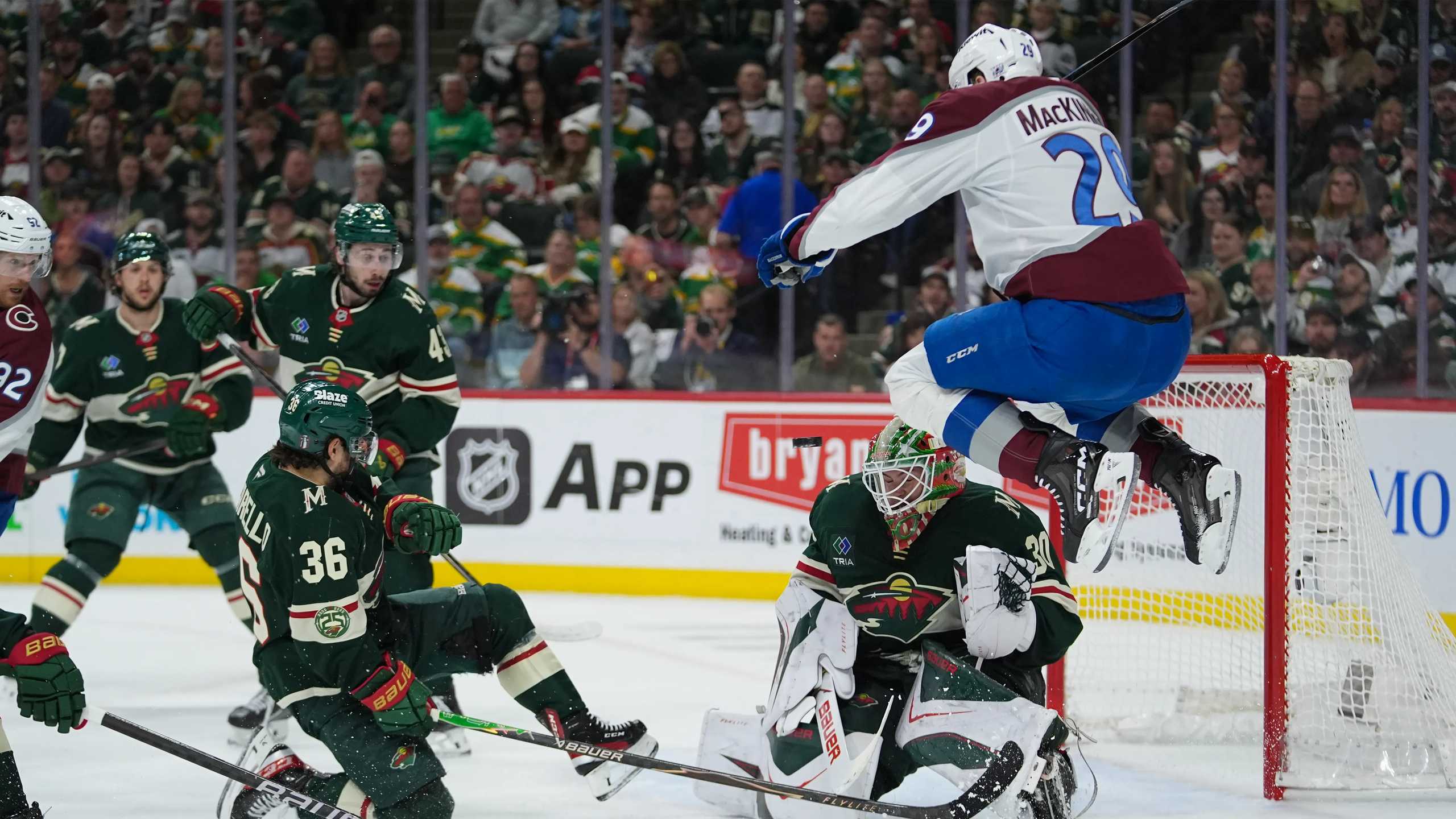
How Much Does Size Actually Matter in These NHL Playoffs?
Physicality still matters in the NHL playoffs, but the teams surviving deepest are the ones that can swing between bruising and lightning speed.

As the Stanley Cup Playoffs reach the conference finals, the old hockey cliché is back in the air: “You need size to win in the postseason.”
Every spring, commentators talk about “heavy hockey,” “grinding down the smaller teams,” and “who can wear the opponent down over seven games.”
It’s all about physicality, and that often means size. This year, the matchup slate makes the question feel fresh. However, the final four teams in the running are true blends of speed and force.
This year’s field, including the Vegas Golden Knights vs. Colorado Avalanche and Montreal Canadiens vs. Carolina Hurricanes, shows that size still matters in the Stanley Cup Playoffs. But it’s not in the simple, brute force way fans and the NHL betting world might think.
Playoff success now depends less on the biggest roster and more on the right balance. It takes enough size and net‑front presence to win puck battles. But it also requires enough speed and skill to punish slower, more predictable teams.
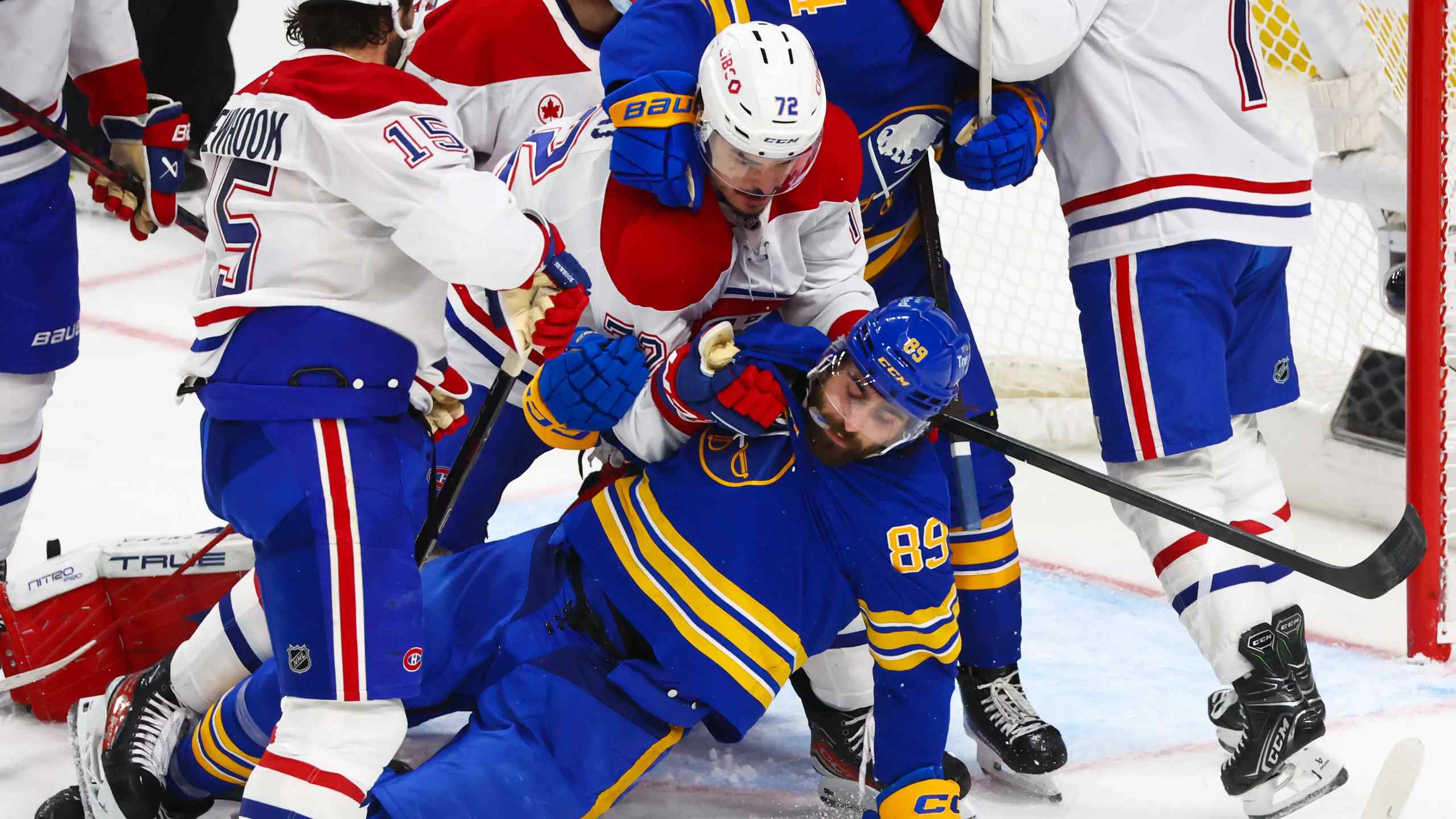
How Are The Current Playoff Teams Constructed?
Among the four conference finalists, the clearest heavy team is likely the Hurricanes. The Canes are a physical, tight‑structure group that leans on forechecking pressure, blocked shots, and net‑front presence.
Their roster is not just big. It’s built to win puck battles in the corners and force opponents into uncomfortable, low‑time‑to‑decide situations.
The Avalanche might be the most hybrid of the teams, built with speed but reliant on defensemen helping forecheck and creating pressure in the offensive zone.
By contrast, Montreal and Vegas tilt more toward speed and skill than pure bulk. The Canadiens blend speed through the neutral zone with a surprisingly deep, versatile forward group. The Golden Knights, while bigger in the back end, rely on explosive forwards and transition pace that can overwhelm more static teams in the playoffs.
What’s clear is that these teams aren’t small finesse or pure grinder squads anymore. Modern contenders are hybrids. They are teams that can play heavy when needed, but still keep the game at speed when the matchup demands it.

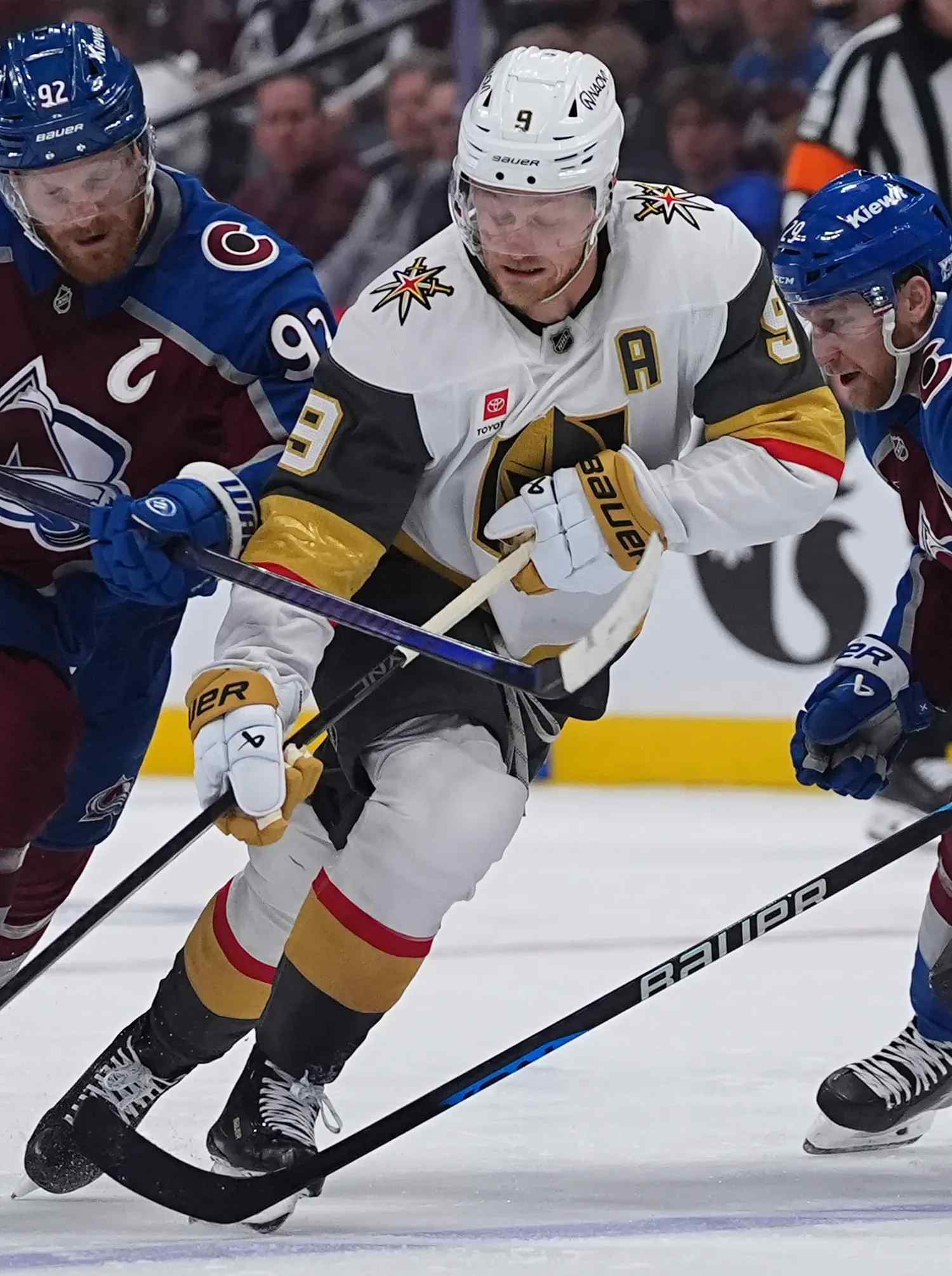

Is Physicality Actually Showing Up in Results?
If size were the decisive factor, we’d expect the most physical teams to dominate in board battles, net‑front work, and puck battle success. The evidence so far is mixed.
Analyses of recent playoff years show that teams that lead in hits and penalty minutes don’t consistently win series. Over the last decade, teams with more hits than their opponents in the playoffs have won less than 50% of the time. That suggests the sheer volume of physicality is not a reliable edge.
What is showing up is controlled physicality. That means teams that win puck battles under forechecking pressure, hold the puck in the cycle, and win net front scrambles.
Carolina’s run through the East, for example, has been built on defensive structure, puck recovery, and shot suppression. It wasn’t just on crushing checks. Meanwhile, Vegas is using speed and high‑danger pressure to dominate shot volume and scoring chances, proving that aggressive puck‑pressure doesn’t require the biggest frames.
The real takeaway is that physicality matters, but in winning the puck in contact, not just throwing bodies around.
The Goaltending and Speed Counterargument
Even when a team adds size and grit, modern playoff hockey still comes down to goaltending and transition. Hot goaltending can neutralize the gains from a physical forecheck, turning net‑front pressure into wasted shots. And speed can punish teams that lean too heavily on size at the expense of mobility.
Montreal’s survival through tough matchups comes from speed through the neutral zone and rapid transition offense.
Colorado, for all its size and depth, still needs its goaltenders to stay sharp and its speedy top‑end talent to create space rather than just grinding.
The teams in the conference finals are the ones that can turn the dial and lean into physicality when the opponent is small or slow, but flip to speed and puck movement when the matchup demands it.
What Bettors Get Wrong About Heavy Hockey
In media and betting circles, there’s a strong tendency to overvalue heavy teams once the playoffs arrive.
The problem is that size and hits are easy to see and hard to quantify. A big hit makes highlight reels, but a clean puck winner in the corner doesn’t. Bettors and pundits often latch onto the visible, emotive moments like brawls, big checks, or post‑game commentary about wearing the opponent down. Those are then treated as evidence that the bigger team is destined to win.
In reality, playoff success still depends more on matchups, depth, goaltending, and defensive structure than on raw size. That can make physical teams overpriced in the market.
Modern NHL Dominance is Evolving
The 2026 conference finals are pointing toward a further evolution into the hybrid era of the NHL. The league has moved away from the binary team structures, and the deepest teams are the ones that can handle multiple styles.
Pure finesse teams still struggle when they’re outmuscled in the physical stakes. Pure heavyweight teams still get exposed when they’re forced to chase high‑speed transition games.
The survivors, Carolina, Montreal, Vegas and Colorado, are the teams that blend enough size to win puck battles with enough speed and skill to keep the game moving.
Physicality still matters in these playoffs in winning board battles, net‑front work, and the ability to win puck‑battle sequences. The franchises that survived to the conference finals aren’t necessarily the biggest. They’re the ones built to handle every version of playoff hockey, whether that’s in the corners or on open ice.
Pat Evans is a Grand Rapids-based journalist and editor covering the intersection of business, sports, lifestyle, and gambling regulation. With a background in business journalism and legislative reporting (LSR, iGamingBusiness), he brings an analytical, human-focused approach to stories about modern trends. His work has appeared in regional and national publications, and he is also the author of two books on beer history.
More Articles like this
Does a 4-0 NFL Start Mean You're Playoff Bound?
A 4-0 start can put your team on the fast track to the playoffs, but history shows that even Super Bowl champions don't always start strong.

By Marcus Mosher
The 8 Greatest Sports Movies Ever Made, Ranked
Rocky isn't No. 1 by default. We ranked the eight greatest sports movies ever made, from a boxing warhorse to a table tennis fever dream, weighing critical scores against what actually stuck.
By Cole Rush
Which Sports Punish Losing Teams the Most?
From a punishing relegation to first draft pick optimism, discover which sporting leagues have the highest penalties for a losing season and those that feel comparatively lenient.

By Stuart Hughes
MLB Playoff Byes Aren't the Advantage You Might Think
Since baseball went to its current 12-team playoff format, the results show that bye teams only hold a slight Division Series advantage over Wild Card winners.

By Bill Gelman
McKenna, Martone Lead 5 NHL Rookies to Watch
Gavin McKenna and Porter Martone enter as the favorites, but a deep 2026-27 rookie class gives the Calder Trophy race plenty of potential challengers.

By Bill Gelman
Parlaymint Wants to Turn Parlays Into a Team Sport
Parlaymint turns the group parlay into a social sport, giving every bettor one pick, a share of the payout and potentially the entire bill if their leg is the only one that loses.

By Charlon Muscat