
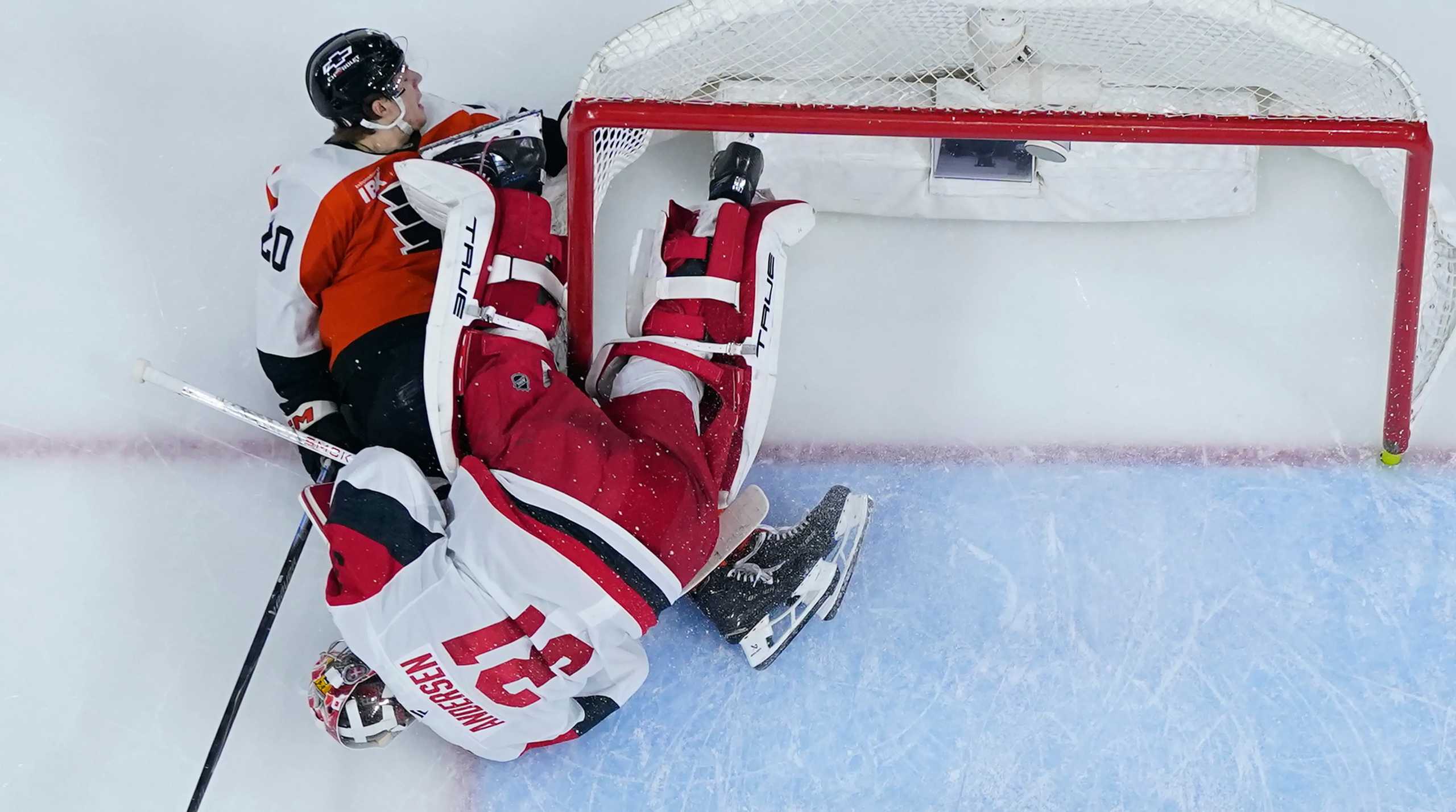
NHL Playoff Betting: Beware of Overpriced Favorites
NHL favorites still win more often than not, but the real risk is the price bettors are paying, not the team on paper.

Every spring follows the same script for the NHL playoffs, but rarely does the chaos let it play out perfectly.
There is a clear‑cut favorite, heavy NHL betting lines and loud TV narratives. But all it takes to derail those storylines is a fluky goal, a hot goalie or a bad bounce that flips the game. The market tells bettors “back the better team,” but the scoreboards often say otherwise.
The reality is that NHL playoff favorites aren’t necessarily wrong. They’re just frequently overpriced.
Hockey’s low‑scoring, turnover‑driven structure amplifies randomness, and the intensity of the playoffs magnifies that volatility. The result is a sports betting market where the public keeps paying up for favorites, and the sportsbooks are happy to oblige. If you want to win over the long run, the edge isn’t just picking winners. It’s understanding how fragile the games really are.
Why hockey is so volatile
Hockey’s DNA is low‑scoring, physical and high‑variance. That creates a different kind of chaos than other major sports. Games are often decided by a single goal, and the frequency of one‑goal and overtime contests skews the math.
That means a slightly better team can be the correct favorite yet still lose often enough to punish bettors who chase them relentlessly.
Each game also has fewer discrete scoring events, so random bounces, blocked shots that ricochet into the net, and defenders getting caught in the crease have an outsized impact. Quick sequences, not necessarily a full-game effort, regularly decide slates. All that noise makes outcomes less predictable than the standings or the highlight reels suggest.
How Often NHL Playoff Games End in One-Goal Differences
Stats taken from the 2021 to 2025 (source HockeyDB.com)
| Year | One-Goal Games | Total Playoff Games | Share |
|---|---|---|---|
| 2021 | 43 | 84 | 51.2% |
| 2022 | 27 | 89 | 30.3% |
| 2023 | 38 | 88 | 43.2% |
| 2024 | 45 | 88 | 51.1% |
| 2025 | 27 | 86 | 31.4% |
| 5-Year Total | 180 | 435 | 41.1% |
The Goalie Factor
In hockey, one player can shift the shape of an entire series. A hot goalie can turn a matchup‑weak underdog into a dangerous opponent for weeks, while a cold starter can sabotage a heavy‑favorite team even if the skaters dominate possession.
That’s not just theory. Recent playoff trends show road teams and underdogs thriving more often than you’d expect, largely because goaltending is the ultimate X‑factor.
Bettors looking at a great team model often miss a goalie’s game‑to‑game volatility. A franchise‑quality starter can be translucent for a couple of playoff games, then shut things down completely. Breakout players in one series might become ghosts in the next.
That makes relying on team‑level metrics alone a risky strategy as the price of a favorite that’s based on roster talent is usually worse than the underlying risk justifies.
The favorite pricing problem
The market for favorites in the NHL playoffs tends to be a self‑reinforcing loop. The media and the public fall in love with narratives about the best team or a Stanley Cup‑favorite, then the action pours in.
Sportsbooks respond by dropping the juice on the moneyline and inflating the puck line, front loading the risk for bettors.
While favorites often win more than half the time, it’s not enough to consistently cover the prices being offered. Recent data shows favorites going about 55% to 60% in the NHL, which is strong enough for a profitable model in theory, yet still bad enough for many bettors because the low‑odds payout and the vig eat into edges.
That’s the core problem. The favorite is the right side on paper, but the price is wrong.
Where bettors get into trouble
The three most common mistakes with favorites in the playoffs are:
- Overpaying on heavy moneylines: Laying too much juice on a favorite that’s likely to win but not by much, especially when the market is skewed by public money.
- Chasing puck line favorites: The standard NHL puck line at -1.5 is a death trap in the playoffs, where one‑goal games are the default. Many favorites win but fail to cover, while underdogs +1.5 cash consistently.
Over‑reacting to one game: After a star starter implodes or a favorite underperforms, the market shifts hard. Bettors then either chase the turnaround underdog or double‑down on the favorite’s bounce back. Series‑wide data shows that zig‑zag and contrarian‑loss‑angels often outperform simply backing the same side over and over.
Smarter Ways to Approach NHL Playoff Side Betting
A more disciplined approach focuses on matchup‑specific edges rather than team branding.
| Situation | What to Look For | Why It Matters |
|---|---|---|
| Tight Playoff Matchups | Underdogs +1.5 | Markets often misprice close series, especially when public money leans heavily on the favorite. |
| Evaluating Team Strength | Strong defensive structure and a reliable or hot goaltender | System stability and goaltending often beat high‑scoring teams with shaky net‑minding, even if they’re better. |
| Early Series (Games 1–2) | Market overreactions after surprising results | Odds over‑correct, and sharper plays often come from waiting for a more reasonable line. |
| Betting Favorites | Price vs. implied probability (e.g., -130 vs. -190) | Value lives in the gap between true probability and price, not just who’s the stronger team. |
How to think about favorites
NHL playoffs reward disciplined, price‑sensitive bettors, not the ones who blindly chase the chalk. Favorites still win more often than not, but the chaos built into the sport, and the tendencies of the betting market mean that the correct side is often the wrong bet at the odds on offer.
The real edge is understanding that in hockey, the difference between a comfortable win and a bad beat often comes down to a single bounce, a hot streak or a tired goalie.
If you’re betting on the NHL playoffs, treat every favorite like a fragile lead: respect it, but don’t overpay for it.
Pat Evans is a Grand Rapids-based journalist and editor covering the intersection of business, sports, lifestyle, and gambling regulation. With a background in business journalism and legislative reporting (LSR, iGamingBusiness), he brings an analytical, human-focused approach to stories about modern trends. His work has appeared in regional and national publications, and he is also the author of two books on beer history.
More Articles like this
Why Does Everybody Hate Us? 10 Most Hated Sports Teams Ever
Some teams always win; others get caught breaking the rules. Either extreme is a surefire way to become universally hated, as these 10 sports teams can attest to.
By Stuart Hughes
5 Outrageous Sports Rules That Need to Die
From a missed signature disqualification to a two-minute penalty for a tucked-in jersey, find out about the top five dumbest rules in sport that leave common sense in the locker room.

By Stuart Hughes
The 10 Most Unforgettable Quotes in Sports History
From Jordan's hard truths to Healy's cheeseburger dig, these legendary greats uttered 10 iconic quotes that turned out to be as memorable as their sporting achievements.

By Stuart Hughes
Eight Years, Eight NBA Champions. Is Parity Here to Stay?
Eight different teams have won the NBA championship in eight years, the longest such streak in league history. Can the Knicks finally break the cycle, or will another contender claim the crown?
By Bill Gelman
Is This the Biggest Acquisition Era in Sports Betting History?
Sportsbooks, prediction markets, and sweepstakes apps are fighting for the same customers. We compared 11 welcome offers to see who's offering the biggest incentives.

By Cole Rush
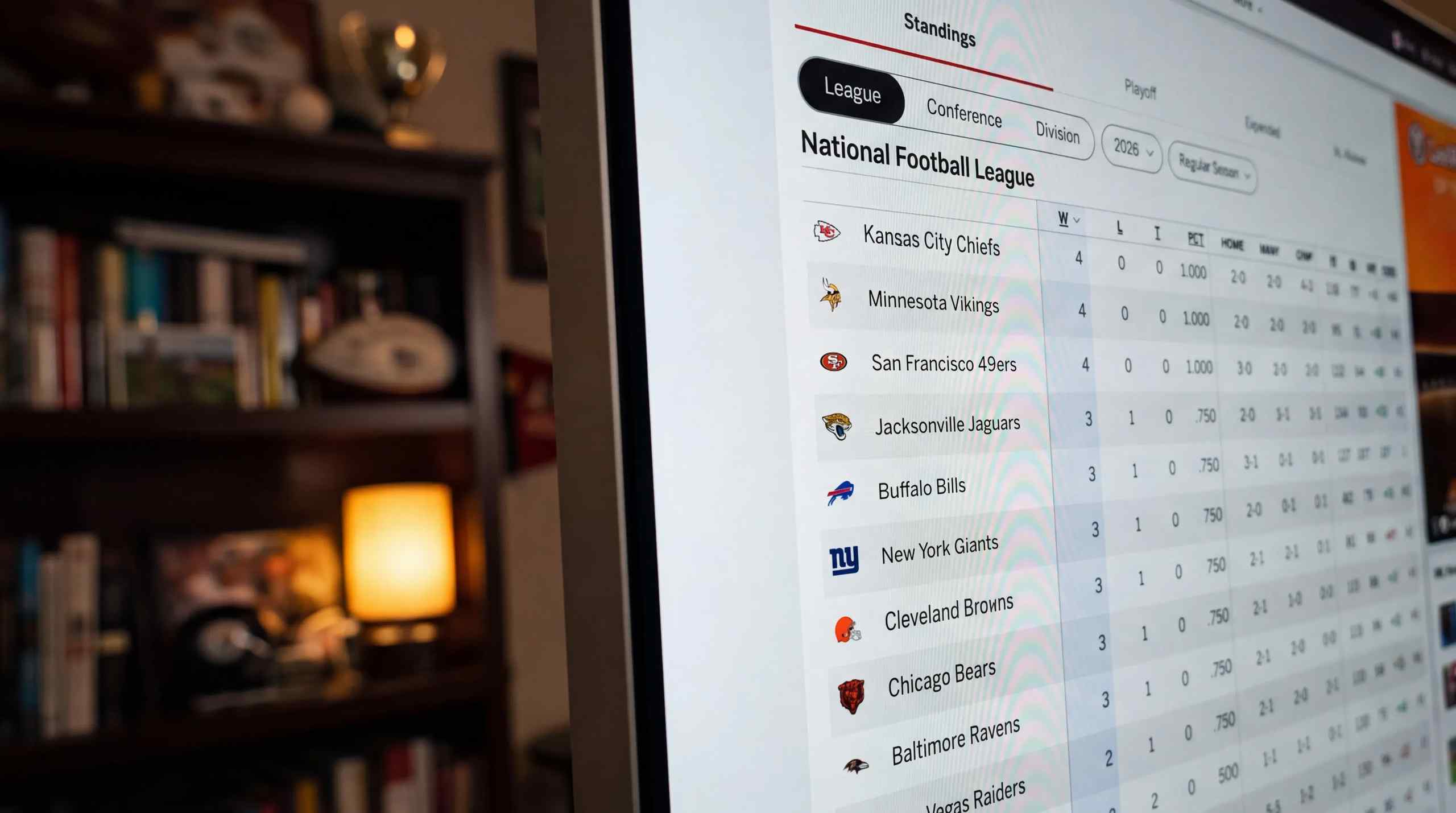
Does a 4-0 NFL Start Mean You're Playoff Bound?
A 4-0 start can put your team on the fast track to the playoffs, but history shows that even Super Bowl champions don't always start strong.
By Marcus Mosher