
eSports Was Supposed to Be the Next NFL. What Went Wrong?
The Overwatch League promised city-based teams, packed arenas and dependable profits. Instead, its collapse exposed the flaws in esports’ franchise experiment.
.webp)
Ten years ago, eSports was seen as the next big thing in the realm of viewership. Traditional owners bought teams, companies opened franchises around cities, and investors overpaid for companies that produced little or no profit.
None had the same ambition as the Overwatch League, which had teams based in cities and had owners involved in the NFL and NBA. By the end of 2023, this version of the league was done. Activision Blizzard announced it would be "transitioning" out after two-thirds of the franchises voted to leave the league, taking a combined $114 million buyout.
So did eSports fail? Not exactly. The better question is why the heavily funded attempt to turn eSports into a mainstream version of pro sports fell flat on its face.
How big was the esports promise?
The proposal was alluring because of a young global viewer base and online broadcast at low cost, as well as the inevitable comparison to well-known leagues.
Robert Kraft, owner of the New England Patriots; Stan Kroenke, owner of the LA Rams; and Andy Miller, co-owner of the Sacramento Kings, were all attracted to the idea of the Overwatch League and invested $20 million each in the first season.
As per Deloitte, investments into eSports teams by private equity skyrocketed from less than $1 million in 2016 to $193 million by 2018.
Investors recognized that many people watched gaming content but assumed those viewers were looking for organized competition similar to that of the NFL or NBA, meaning they wanted to follow the action, exhibit loyalty to their city, and track standings throughout a season.
The Overwatch league was built like a traditional sport
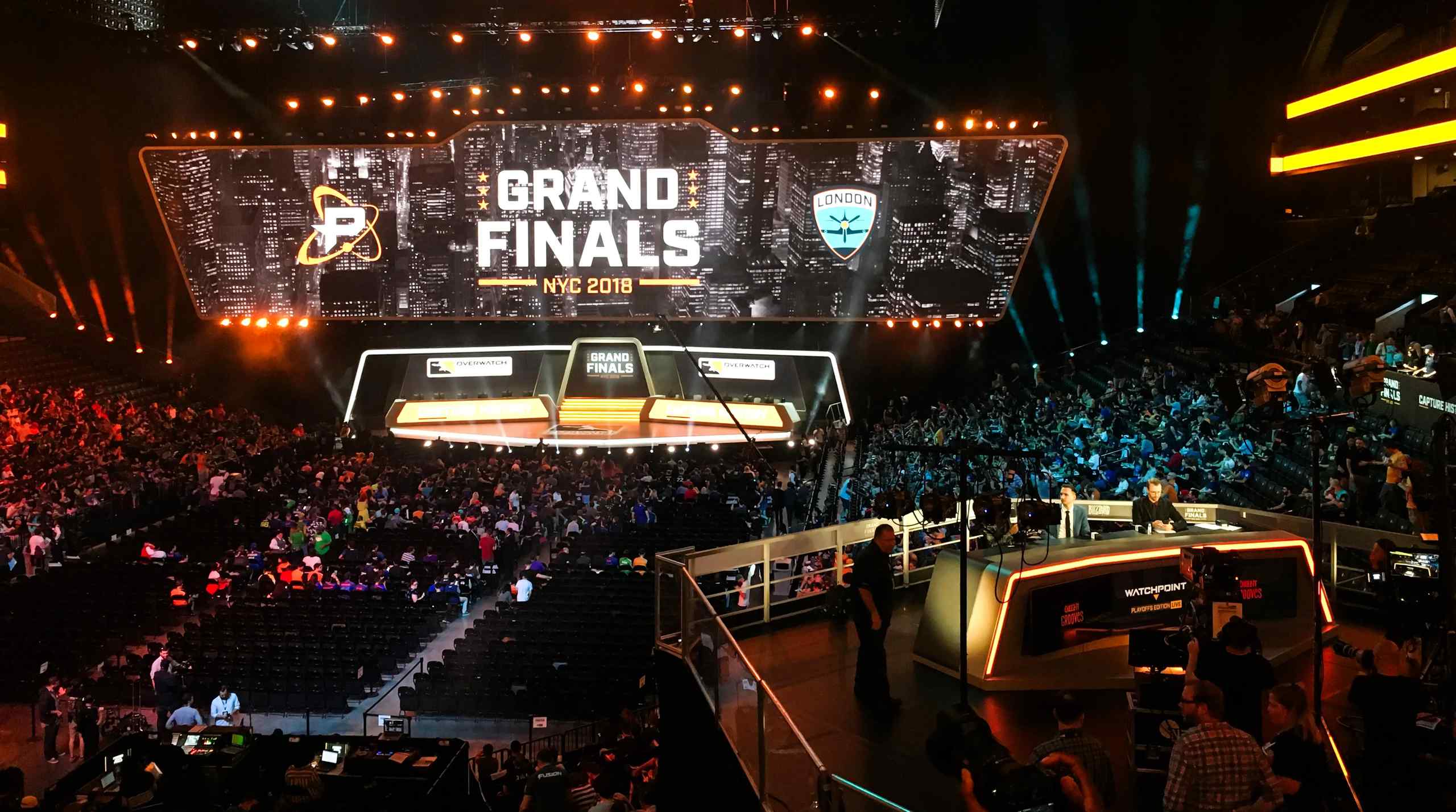
The concept wasn't bad in principle: 12 teams based in different cities, a regular season with playoffs, and minimum pay and profit-sharing schemes for players. It seemed all set to succeed at the start, especially after the Grand Final in Brooklyn's Barclays Center in 2018 attracted 10.8 million viewers worldwide.
However, the weakness was obvious from the very beginning: the management of the league applied the economic model of an established sport to a new sport where changes happen much faster than anybody could have thought.
Why did the Overwatch League fail?
There wasn't one overriding issue that led to the collapse of the Overwatch League. Instead, it was a collection of problems that finally led to the collapse of the multi-million-dollar giant. These were the most prominent:
Excessive costs
The $20 million founding fee was just the start; expansion slots later ran $30–60 million, with revenue sharing not guaranteed until 2021, and only if Blizzard hit undisclosed targets.
Dependence on one publisher
Activision Blizzard owned the game, its rules, and all its commercial rights. Teams had invested millions for playing the game in which another party held all the cards.
Problems with the product
The 2022 gameplay changes in Overwatch 2 diminished an already declining player base, as the game is extremely difficult for casual players to follow.
Distribution and disruption
In 2020, the move from Twitch to YouTube partially led to a fall in viewership by more than 60% in the League's finals. While the pandemic destroyed the teams' venue-based strategies, the controversies led to the loss of sponsors as well.
The Overwatch and Call of Duty leagues together generated less than 1% of Activision Blizzard’s consolidated net revenue. This phenomenon can be attributed to COVID; however, the pandemic is not the sole reason for it.
Overwatch was not the only warning
Overwatch was arguably the most ambitious investment in eSports, but it wasn't the only video game to attempt to take cues from traditional sports and fail miserably.
Here's a look at some of the other misfires that occurred concurrent to the Overwatch League:
League of Legends Championship Series
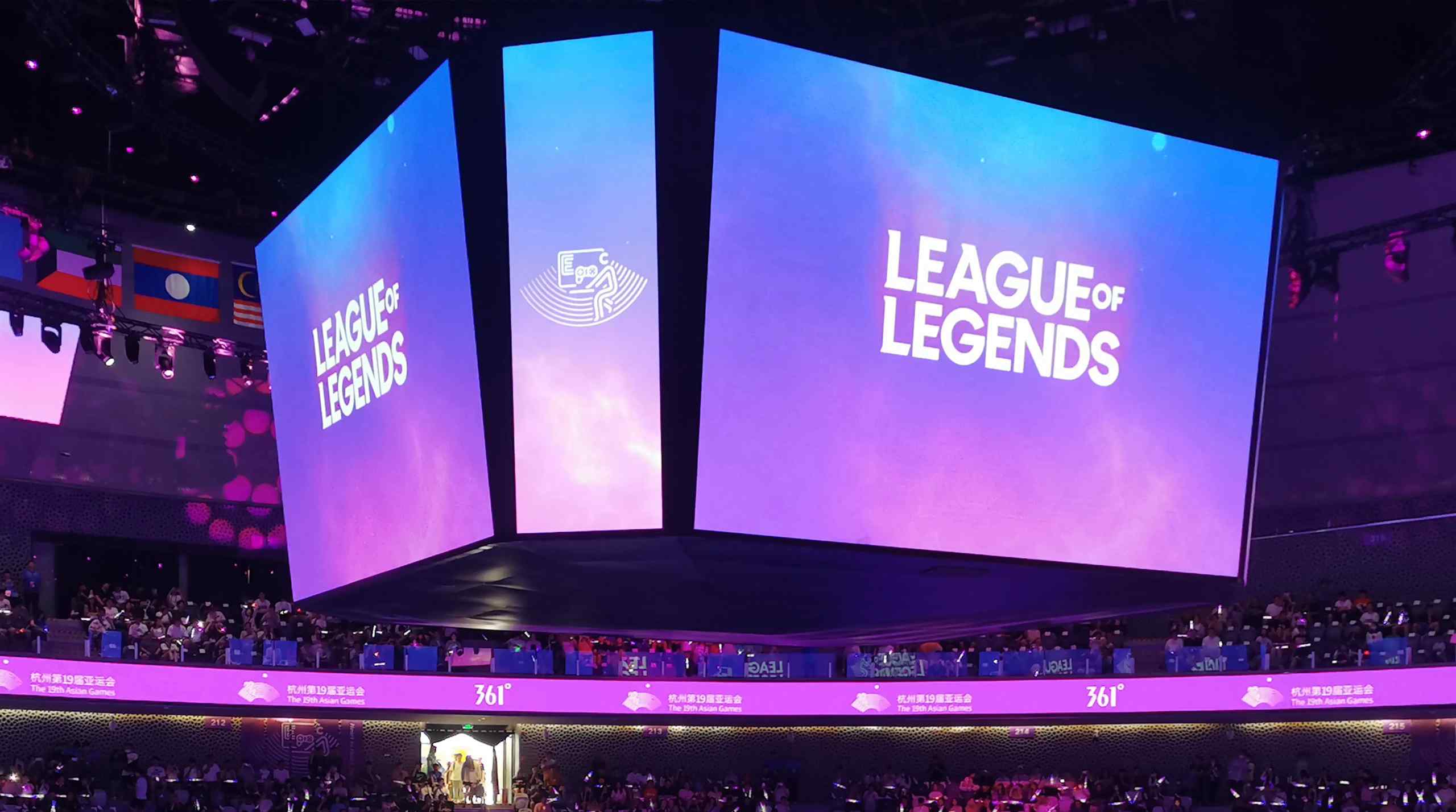
Franchising seemed like a sound idea. LCS was selling slots for $10 million each without relegation, ensuring a position in the league. However, they hit the lowest viewership of around 223,000 during the summer finals of 2023. Teams dropped from ten to eight. Riot attempted to merge the LCS into a new Americas League in a one-year trial, but it didn't work, and by 2026, they had already reversed it.
Overwatch was constantly criticized for having issues while League of Legends stood the test of time. League of Legends remains the leading eSport internationally, and Worlds attracts massive audiences each year. If franchises failed to work even here, it shows that the problem lies with the idea of franchising itself. That's the part that should give anyone pause.
In 2025, Riot combined the LCS with a new Americas championship, which only lasted one season. The LCS then returned to its separate LCS and CBLOL branding in 2026. Overwatch's failure can be cited as the fault of a dying game, but the LCS problem is more of a criticism of franchising.
Call of Duty League
Established in 2020 with an estimated $25 million entry fee, the CDL dodged failure but had to restructure its finances on two occasions, first by abolishing entry fees as well as repaying fees collected in 2024 and then by cutting its $500,000 annual revenue guarantee in 2026.
NBA 2k League
While the $750,000 franchise fee represented only a small fraction compared to other leagues, it had the advantage of being associated with the NBA.
However, it could not manage to convert basketball fans into viewers, and by 2024 the league was forced to suspend its operations completely while relaunching as a brand new digital venture. It finally relaunched in 2025 as 2KL with a new entertainment and competition model, albeit with a much smaller scope.
These are two separate stories, but the root of the problem is the same. Leagues sold owners a model of owning a sports franchise before people were convinced that there was a demand for the idea.
Why did esports struggle to reach mainstream audiences?
Several structural obstacles are evident here. Audiences often need to have played a game to follow the competition, unlike in football. The viewers are divided among dozens of titles. Games might become obsolete overnight due to a patch or sequel.
Unlike traditional franchises, eSports teams do not develop geographical loyalty over decades, and many younger viewers simply prefer individual streamers to organized leagues. It's also worth challenging an assumption: not everyone who plays a game wants to watch professionals play it.
The esports winter
This correction is usually referred to as "eSports winter." Since 2021, more eSports companies either permanently closed down or had to lay off many employees.
The period between 2021 and 2022 saw the number of gaming jobs drop significantly.
Many businesses also suspended their sponsorship contracts. Because of the increase in interest rates, investors stopped being interested in growth and started looking for profits.
What still works in esports?
eSports are thriving but not with city-based leagues. LoL Worlds breaks its record once again as the 2024 finals are said to have hit 6.94 million viewers and around 50 million worldwide, including Chinese platforms.
The same can be said for Counter-Strike, with the 2025 Austin Major being the most viewed Counter-Strike tournament with 76.1 million hours of viewer time. The image is completed with Valorant Champions, EVO, and creator-led events rounding out a healthy picture.
What differentiates these two is the structural element: individual tent poles rather than expensive permanent franchises. Basic initiatives supporting a few key moments every year and more and more foreign funding, mainly the Public Investment Fund from Saudi Arabia, whose eSports World Cup has become one of the major sources of prize money that doesn't require immediate profitability.
Did eSports Fail?
No, but the specific, NFL-style endeavor that attracted billions of dollars from investors has certainly floundered. eSports as a popular entertainment sector is flourishing. eSports as a mainstream spectator activity on par with the NFL is still not realized. eSports as self-sustaining businesses are yet to be clarified. Competitive gaming communities at the grassroots level are still thriving.
Despite the misconceptions, the eSports industry has not disappeared but instead has shed the enormous expectations created years ago by the investors. Its evolution has turned into a process during which the eSports market transformed into something that it always had been, a medium for organizing big events around passionate communities, and not into something that would operate at a massive scale like the NFL.
Major eSports Leagues by the Numbers
| Competition | Launch Year | Peak Teams | Reported Entry Fee | Peak Viewership | Final / Current Season | Current Status |
|---|---|---|---|---|---|---|
| Overwatch League | 2018 | 20 | $20M founding; $30–60M expansion | 10.8M cumulative global viewers, 2018 Grand Final | 2023 | Ended |
| Call of Duty League | 2020 | 12 | $25M (now eliminated) | 331,558 peak concurrent viewers, 2020 Finals | Ongoing | Restructured. Entry fees removed 2024; revenue guarantee ending 2026 |
| LCS (Franchised Era) | 2018 | 10 | $10M | ~223,000 peak concurrent viewers, 2023 Summer Finals (lowest point on record) | 2026 | LCS returned as an independent league in 2026 |
| NBA 2K League | 2018 | 25 (2023) | $750,000 | 617,000+ unique viewers (Twitch), 2023 Finals | 2024 | Paused / revamping into new digital brand |
Figures mix peak concurrent viewers and unique-viewer counts as reported by eSports Charts, ESPN, and league sources; they are not directly comparable across leagues due to differing measurement methods and platforms.
Lucie brings almost 20 years of iGaming experience, combining sports writing expertise with deep casino knowledge. Her work spans live sports coverage, slot mechanics, player-focused reviews, and strategic casino content. Known for her no-nonsense, first-hand approach, Lucie cuts through jargon to deliver clear, practical insights for both operators and players.
More Articles like this
Why Does Everybody Hate Us? 10 Most Hated Sports Teams Ever
Some teams always win; others get caught breaking the rules. Either extreme is a surefire way to become universally hated, as these 10 sports teams can attest to.
By Stuart Hughes
5 Outrageous Sports Rules That Need to Die
From a missed signature disqualification to a two-minute penalty for a tucked-in jersey, find out about the top five dumbest rules in sport that leave common sense in the locker room.
By Stuart Hughes
The 10 Most Unforgettable Quotes in Sports History
From Jordan's hard truths to Healy's cheeseburger dig, these legendary greats uttered 10 iconic quotes that turned out to be as memorable as their sporting achievements.

By Stuart Hughes
Eight Years, Eight NBA Champions. Is Parity Here to Stay?
Eight different teams have won the NBA championship in eight years, the longest such streak in league history. Can the Knicks finally break the cycle, or will another contender claim the crown?
By Bill Gelman
Is This the Biggest Acquisition Era in Sports Betting History?
Sportsbooks, prediction markets, and sweepstakes apps are fighting for the same customers. We compared 11 welcome offers to see who's offering the biggest incentives.

By Cole Rush
Does a 4-0 NFL Start Mean You're Playoff Bound?
A 4-0 start can put your team on the fast track to the playoffs, but history shows that even Super Bowl champions don't always start strong.
By Marcus Mosher