
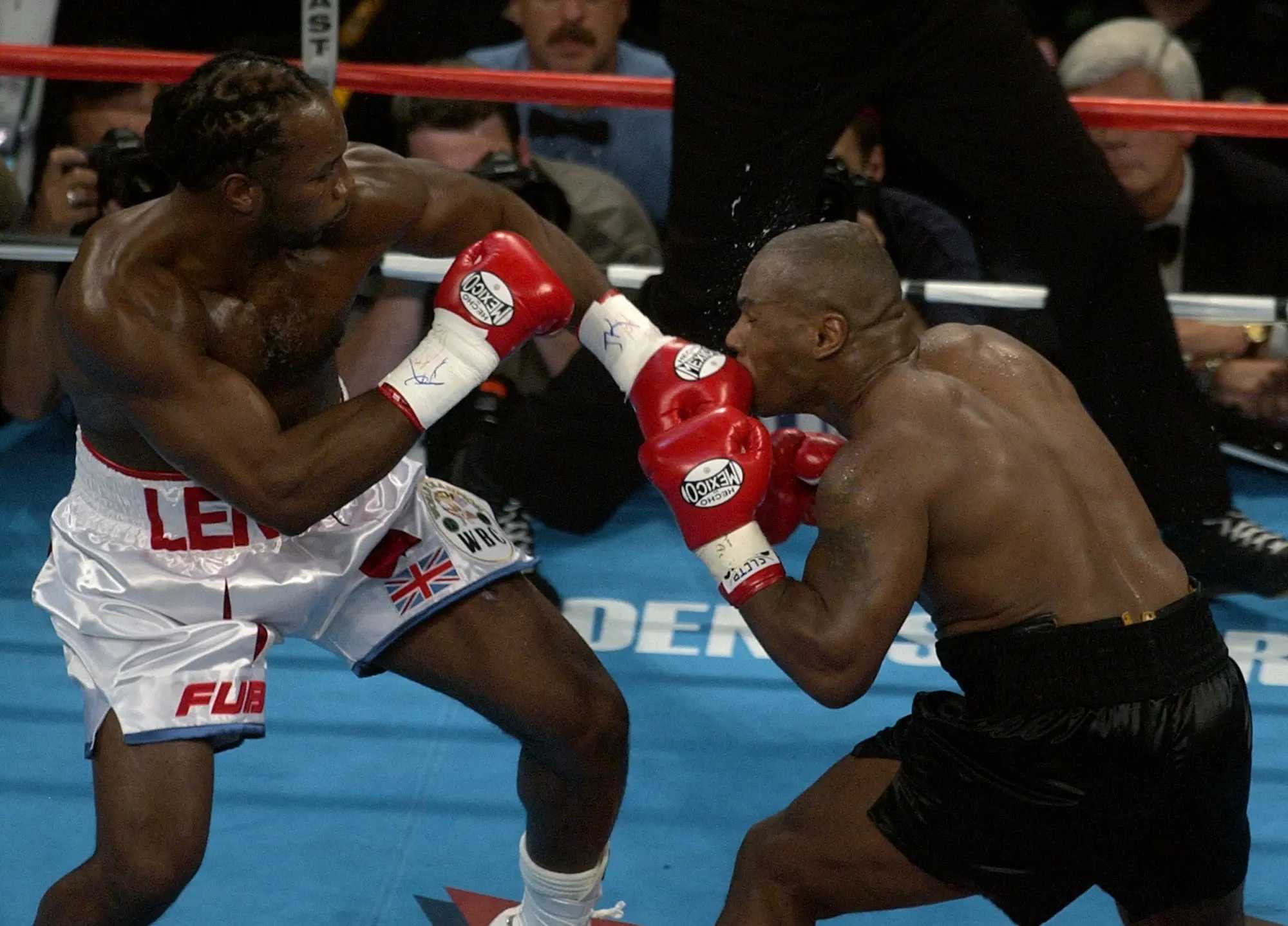
5 Best Canadian Boxers Of All Time
Canada doesn't dominate boxing headlines, but the fighters who did left a mark on the sport's history. From Nova Scotia to the Olympic podium, these are the five best to ever come out of the country.

Canada has never been a dominant boxing nation, with the major heavyweight belts largely controlled by American, British, and Eastern European fighters. But the names this country has produced are worth knowing. For Canadian sports fans and bettors, boxing has always offered some of the most compelling lines on the board, and knowing the history helps. From a Nova Scotia puncher who never got his title shot to the last man to hold the undisputed heavyweight crown, these five fighters represent the best Canada has ever put in a ring.
Canada's Greatest Boxers
How Canada's greatest fighters stack up
| Bodog Ranking | Fighter | Era | Weight class | Record | Titles |
|---|---|---|---|---|---|
| 1 | Lennox Lewis | 1989–2004 | Heavyweight | 41–2–1 | WBC, WBA, IBF (Undisputed) |
| 2 | Samuel Langford | 1902–1926 | Middleweight–Heavyweight | 211–59–43 | None; denied the opportunity |
| 3 | Jimmy McLarnin | 1923–1936 | Welterweight | 62–11–3 | World Welterweight (×2) |
| 4 | Tommy Burns | 1900–1920 | Heavyweight | 46–5–9 | World Heavyweight Champion |
| 5 | Arturo Gatti | 1991–2007 | Super Lightweight | 40–9 | IBF Jr. Lightweight, WBC Super Lightweight |
5. Arturo Gatti (1972–2009)
Born in Italy and raised in Canada, Gatti held the IBF Junior Lightweight Title from 1995–1998 and the WBC Super Lightweight Title in 2004–2005. His record stood at 40-9 when he retired in 2007.
Nobody showed up to watch Gatti win on points. He was a brawler who bled, swung, and kept coming, and fans loved him for exactly that. The craft was secondary to the war.
He died in 2009 at 37. His wife was initially accused of homicide; an autopsy later ruled it a suicide.
4. Tommy Burns (1900–1920): The Heavyweight Nobody Wanted to Count
Born in Normanby Township, Ontario, Burns became the only Canadian-born boxer ever to hold the World Heavyweight title, winning it from Marvin Hart in 1906 as a 2-1 underdog despite standing just 5'7" and weighing 175 lbs.
His more significant legacy is this: in an era of rigid racial segregation, Burns was the first white heavyweight champion willing to fight Black challengers. His reasoning was simple: the best fighter in the world has to beat everyone. He eventually lost his title to Jack Johnson in 1908.
The Stock Market Crash of 1929 wiped out his earnings. He spent his later years as an insurance salesman and security guard, dying of a heart attack in 1955.
3. Jimmy McLarnin (1923–1936): The Right Hand Behind the Baby Face
Born in Ireland and raised in Canada from age three, McLarnin was a two-time welterweight world champion whose youthful appearance earned him the nickname "Baby-faced Assassin." The right hand told a different story.
His shot at the Lightweight title in 1928 ended in a loss to Sammy Mandell, but McLarnin beat him twice in the two years that followed. In 1933, he took the Welterweight title from Young Corbett III in 2 minutes and 37 seconds.
2. Samuel Langford (1902–1926): The Title That Was Never His to Win
Langford is the most haunting name on this list. From Weymouth Falls, Nova Scotia, he fought 313 bouts, won 211, and finished 126 by KO. At 5'6½" and 185 lbs, he hit with the kind of power fighters twice his size couldn't match. Comparisons to Mike Tyson came decades after the fact, when the boxing world finally got around to looking back.
He never won a world title. World Heavyweight Champion Jack Johnson refused a rematch after their first fight, a decision widely read as Johnson knowing he'd lose. Langford spent much of his career fighting opponents beneath his level because the best fighters at the top weight classes simply wouldn't face him.
He's called "The Greatest Fighter Nobody Knows," though that's less a tribute than an indictment.
1. Lennox Lewis (1989–2004): Still the Last Man Standing
Lewis is the last heavyweight to hold the undisputed title. That record has now stood for over two decades, which says as much about the fractured state of modern heavyweight boxing as it does about the scale of his achievement.
Born in London and raised in Canada from age 12, Lewis turned professional in 1989 after winning Olympic gold for Canada in the Super Heavyweight division at the 1988 Seoul Games. Oliver McCall knocked him out in 1994, the one real interruption to an otherwise dominant run. Lewis came back, reclaimed the WBC title from McCall in 1997, and retired in 2004 as a three-time world heavyweight champion and two-time lineal champion.
His combination of size, technical discipline, and punching accuracy made him genuinely difficult to beat when he was locked in. He has worked as a boxing analyst and commentator since retiring, but the undisputed title remains his alone.
Final Thoughts
Canada has never produced boxing talent in bulk, but the fighters it has sent into the ring have tended to matter. Lewis remains the last man to hold all the heavyweight belts simultaneously, a record that has stood for over two decades. Langford never got the title shot he deserved, denied by a system that had nothing to do with ability. Burns won a title nobody expected him to win. McLarnin and Gatti gave fans exactly what they came to see. The names are few, but the cases are strong. Any list that includes the last undisputed heavyweight champion and the most robbed fighter in boxing history is worth taking seriously.
James Guill is an experienced iGaming journalist with a diverse background spanning IT, poker, and online gambling media. With over 20 years in the industry, he’s covered a wide range of gaming topics and has been featured in outlets like USA Today and G4 TV.
More Articles like this
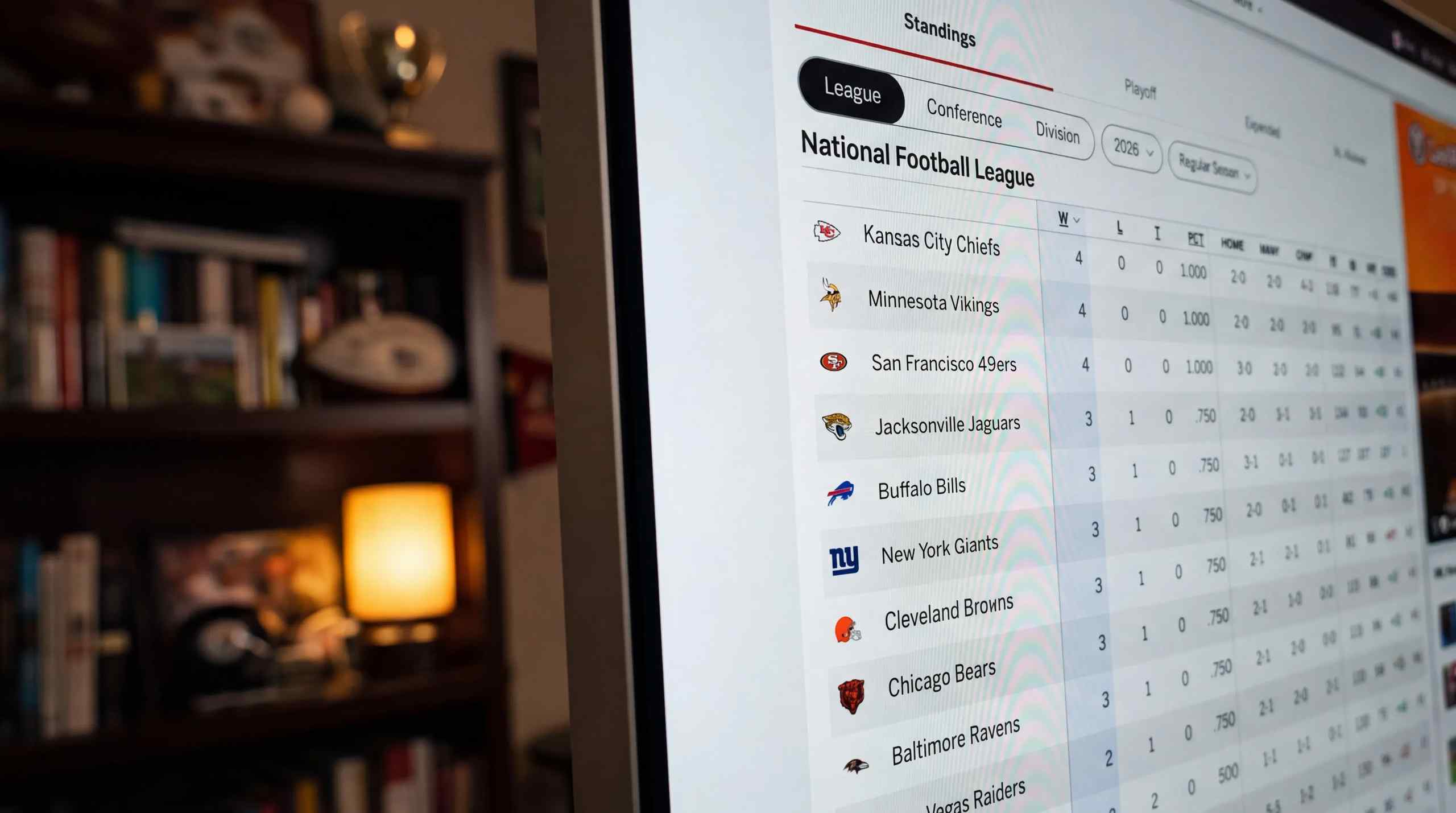
Does a 4-0 NFL Start Mean You're Playoff Bound?
A 4-0 start can put your team on the fast track to the playoffs, but history shows that even Super Bowl champions don't always start strong.
By Marcus Mosher
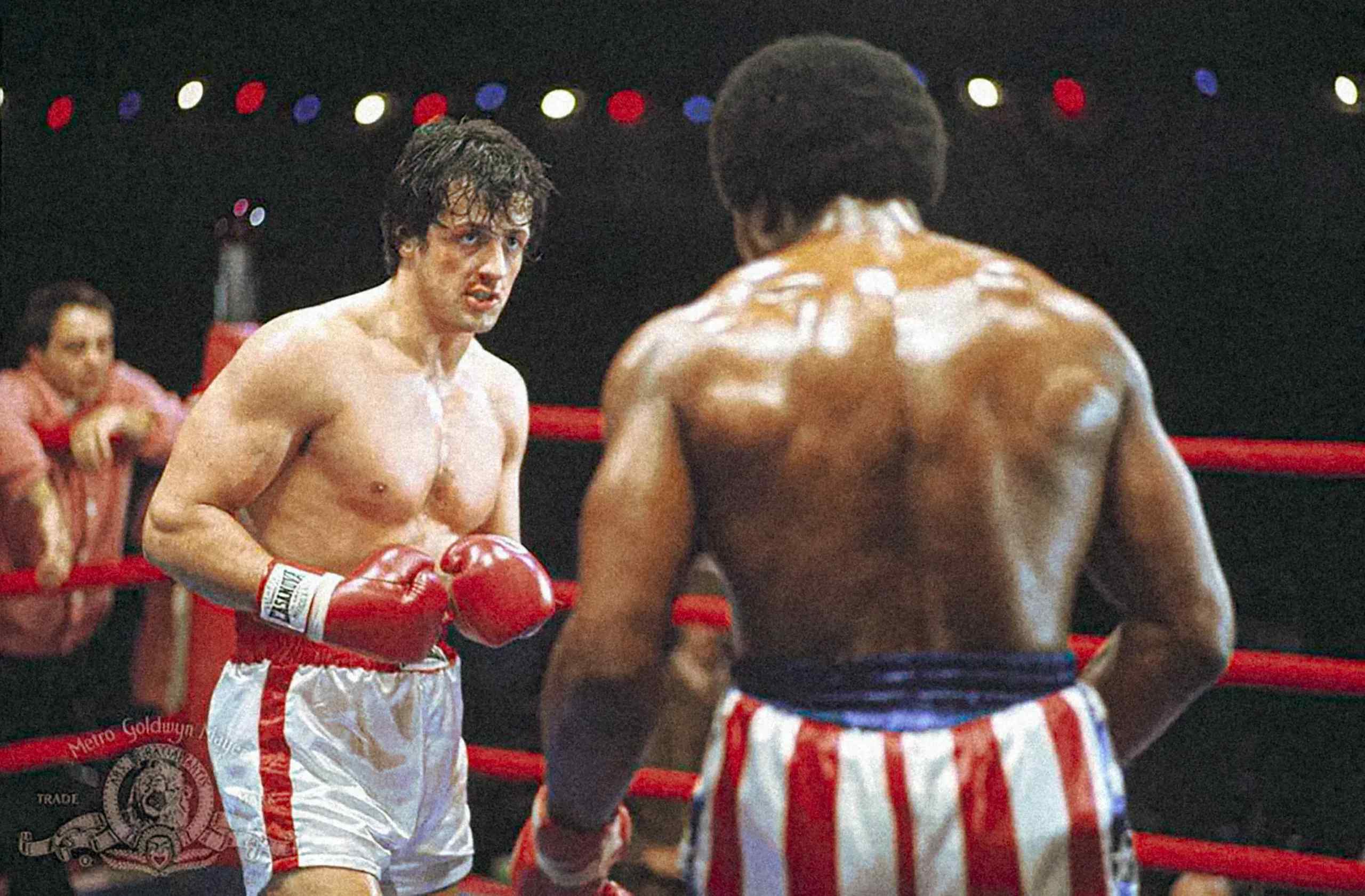
The 8 Greatest Sports Movies Ever Made, Ranked
Rocky isn't No. 1 by default. We ranked the eight greatest sports movies ever made, from a boxing warhorse to a table tennis fever dream, weighing critical scores against what actually stuck.
By Cole Rush
Which Sports Punish Losing Teams the Most?
From a punishing relegation to first draft pick optimism, discover which sporting leagues have the highest penalties for a losing season and those that feel comparatively lenient.
By Stuart Hughes
MLB Playoff Byes Aren't the Advantage You Might Think
Since baseball went to its current 12-team playoff format, the results show that bye teams only hold a slight Division Series advantage over Wild Card winners.
By Bill Gelman
McKenna, Martone Lead 5 NHL Rookies to Watch
Gavin McKenna and Porter Martone enter as the favorites, but a deep 2026-27 rookie class gives the Calder Trophy race plenty of potential challengers.

By Bill Gelman
Parlaymint Wants to Turn Parlays Into a Team Sport
Parlaymint turns the group parlay into a social sport, giving every bettor one pick, a share of the payout and potentially the entire bill if their leg is the only one that loses.
By Charlon Muscat