
AI’s Best Bets: Keep Firing on the Yankees?
Last week’s same-game parlay delivered, but missed singles showed where AI falls short. The edge comes from combining model insight with real-time judgment.

Last week, our AI oddsmaker model, via Perplexity, delivered a crisp win on a clean, same‑game parlay, but it also reminded me why algorithmic signals never get the final say when making our best bets of the week.
One thing about this project, it will be a wild ride. This week was not nearly as profitable as Master’s week.
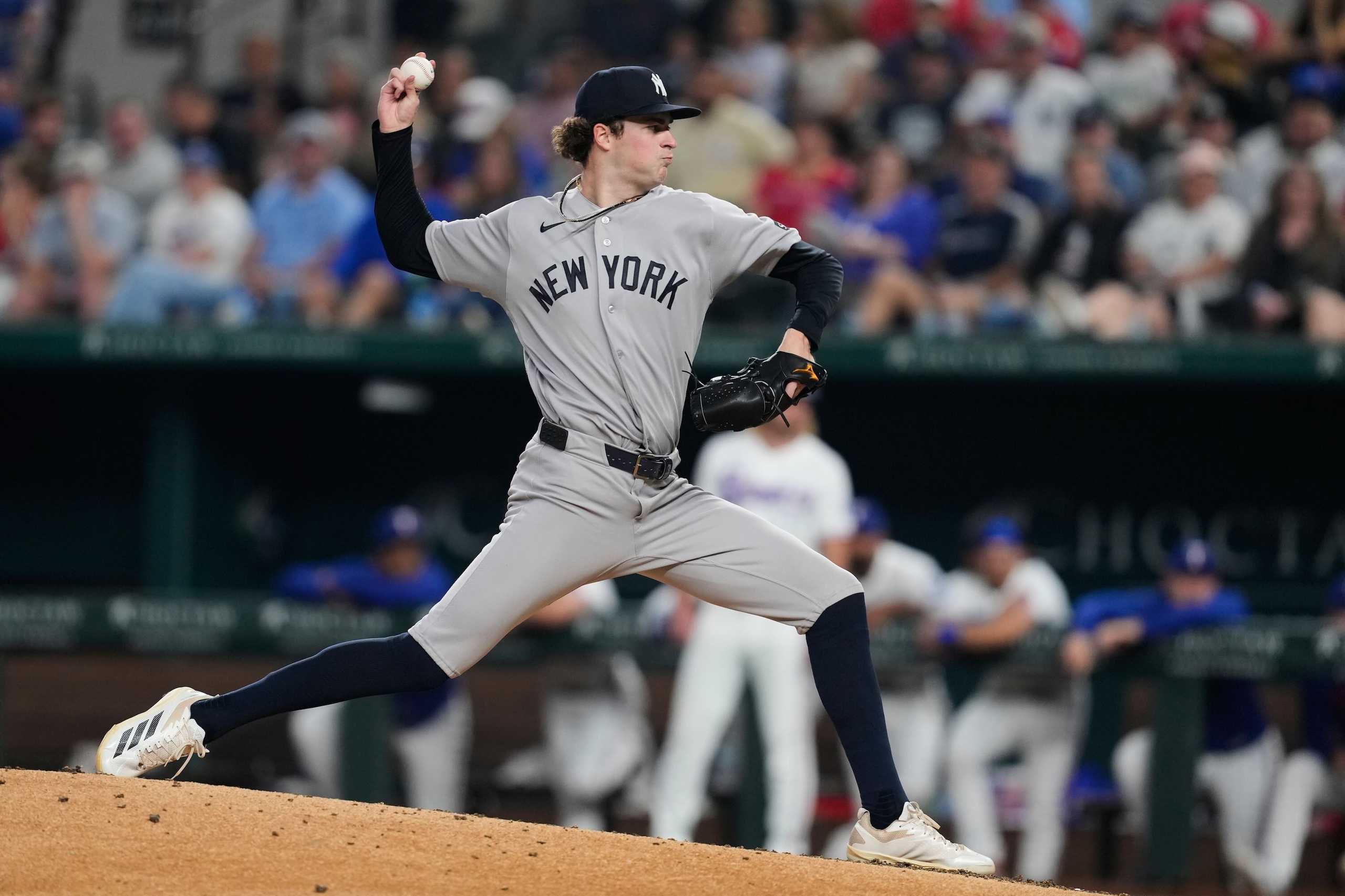
The star of the week was a same‑game 2‑pick on April 22: Yankees ML and game under 7.5 runs.
The script played out almost exactly as the matchup breakdown suggested, with a tight, low-scoring game where Yankees pitcher Max Fried threw 8 shutout innings, and his lineup backing him with few runs, ensuring the total stayed under a modest line.
That parlay, even at a modest price, was enough to push the week into the black.
Where AI didn’t work for the best bets
On the other side, the model picked up a few plays that didn’t cash. The Blue Jays ML at -115 looked like a solid single as Toronto’s lineup and rotation have been trending up, and the price on the moneyline was fair but not insultingly thin.
Instead, the game slipped into a tighter, more chaotic frame, and the Jays didn’t land the clean, one‑off win the model projected.
Then there was a Detroit Pistons bet I took in the NBA playoffs, where the AI saw value in the Pistons at home against a slightly over‑hyped opponent. The market’s line wasn’t wild, but the model’s projection leaned toward a double‑digit Pistons margin. The Magic ultimately pulled off the win, destroying that bet.
Real oddsmakers righted themselves before the bet
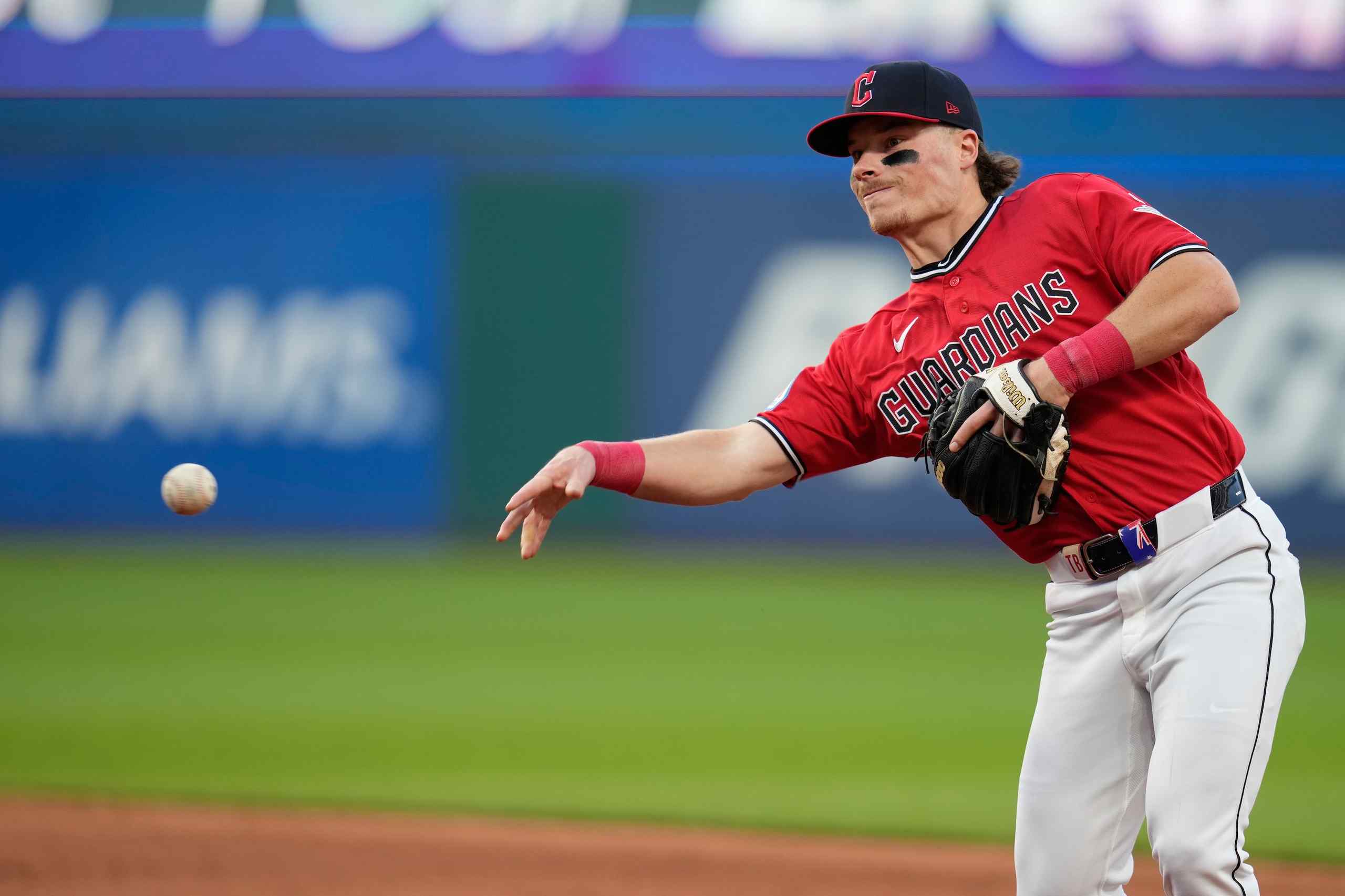
There was one quiet “win” that never even became a bet. The Cleveland Guardians single against the Houston Astros. The model liked Cleveland at a short price, and I was ready to pounce until the line started shifting. It didn’t take sportsbooks long to tighten the price, and the edge disappeared. That’s the part of the AI–betting loop that matters most: The model can spot a mispricing, but the market is fast, and sometimes the smartest move is not to follow the signal all the way into a coin flip.
The takeaways of bets of the week
Taken together, last week showed that the AI oddsmaker is a powerful research tool, not a full‑time handicapper. It’s good at pattern‑finding, lineup‑based projections, and matchup‑driven edges, but it’s still a half‑step behind the live human bookmaker loop.
The market moves quickly, and liquidity, news, and sentiment can erase a soft edge in minutes. The profitable weeks, at least for now, are the ones where the model is used as a starting point, and the bettor is willing to step in with judgment, timing, and line‑shopping.
Best Bet of the Week: April 27–May 3
For this week, the goal is to keep the same approach:
One tight same‑game parlay, a couple of clean singles, and a little more variety in teams and leagues.
The model is telling us the Yankees are still a solid angle. But they’re not the only story, so we had to add another prompt so as not to turn this project into a love letter to the Bronx Bombers.
Bet Breakdown
| Bet / Date | Type | Sport | Reasoning in a Phrase |
|---|---|---|---|
| Yankees ML + under 7.5 | Same‑game 2‑leg parlay | MLB | Efficient, low‑run Yankee win in a tight pitching matchup. |
| Thunder to cover vs. Suns | Spread single | NBA | Strong home‑court edge, deeper rotation, and better matchup profile. |
| Under in a 7.5–8.5 total game with two high‑K starters | Single under | MLB | Model spots a grind game, but the market still leans toward the over. |
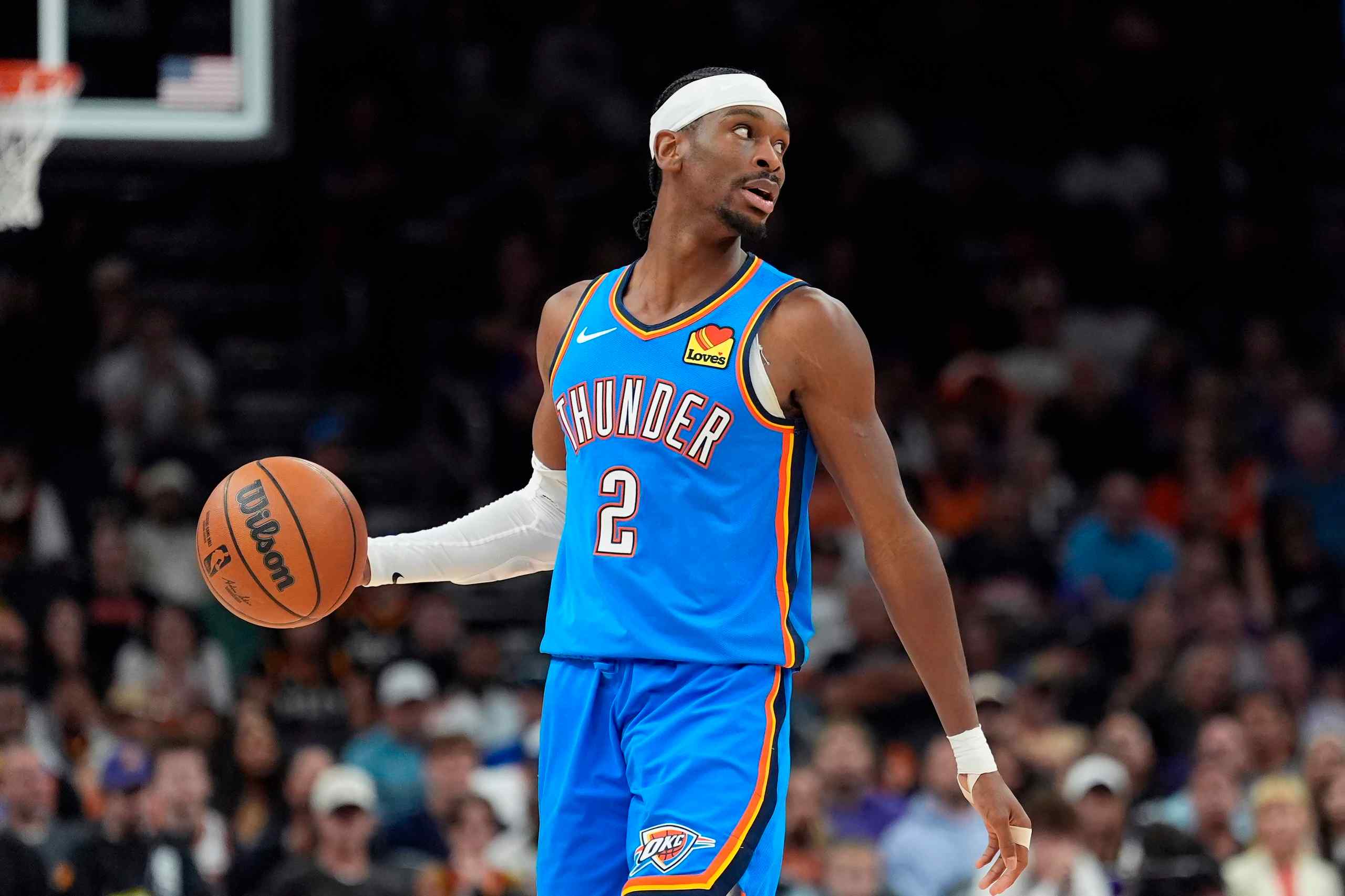
Single: NBA Playoffs, Thunder to cover vs. Suns
The Thunder are a big home favorite with a deep rotation, strong defense, and consistent second‑unit scoring. The Suns, meanwhile, still ask a lot of their starters, and the model’s projection leans toward a multi‑point Thunder win despite the 10.5–point spread.
What the AI oddsmaker said: The book is pricing this as a true home‑court edge, but the underlying matchup, switchable defense, offensive discipline, and energy difference tilt slightly more toward the Thunder blowing the game open than letting the Suns hang around. That’s where the value hides.
Use one unit on the Thunder spread, not the moneyline, to keep variance in check.
Single: MLB under in a low‑total pitching matchup
Look for a game where the total is in the 7.5–8.5 range, and both starters fit the “strikeout heavy, control‑oriented” profile. The AI model is good at spotting these games, where the over is priced for a back‑and‑forth slugfest, but the underlying matchup is more grind‑y than explosive. I would look toward the Tigers' Ace Tarik Skubal or the Pirates’ Paul Skenes as an anchor in this bet.
What the AI oddsmaker said: Books hang totals that look appealing to the public, where the over signals action, the under signals a “boring” bet. That creates a small but meaningful gap when the actual game script is more likely to feature stranded runners and low‑run innings.
Use one unit on the under, but if you’re feeling extra careful, you can bump it to 1.5 only if the line stays exactly where it opens.
How to think about the AI model moving forward
The AI model is still a long way from being a full‑time sharp bettor, and that’s a good thing. It’s a solid research partner, but not Biff Tannen reading a sports almanac from the future.
The real edge this week comes from using the model’s picks as a starting point, then layering in your own read on the market, the timing, and the line movement.
Pat Evans is a Grand Rapids-based journalist and editor covering the intersection of business, sports, lifestyle, and gambling regulation. With a background in business journalism and legislative reporting (LSR, iGamingBusiness), he brings an analytical, human-focused approach to stories about modern trends. His work has appeared in regional and national publications, and he is also the author of two books on beer history.
More Articles like this
Does a 4-0 NFL Start Mean You're Playoff Bound?
A 4-0 start can put your team on the fast track to the playoffs, but history shows that even Super Bowl champions don't always start strong.
By Marcus Mosher
The 8 Greatest Sports Movies Ever Made, Ranked
Rocky isn't No. 1 by default. We ranked the eight greatest sports movies ever made, from a boxing warhorse to a table tennis fever dream, weighing critical scores against what actually stuck.
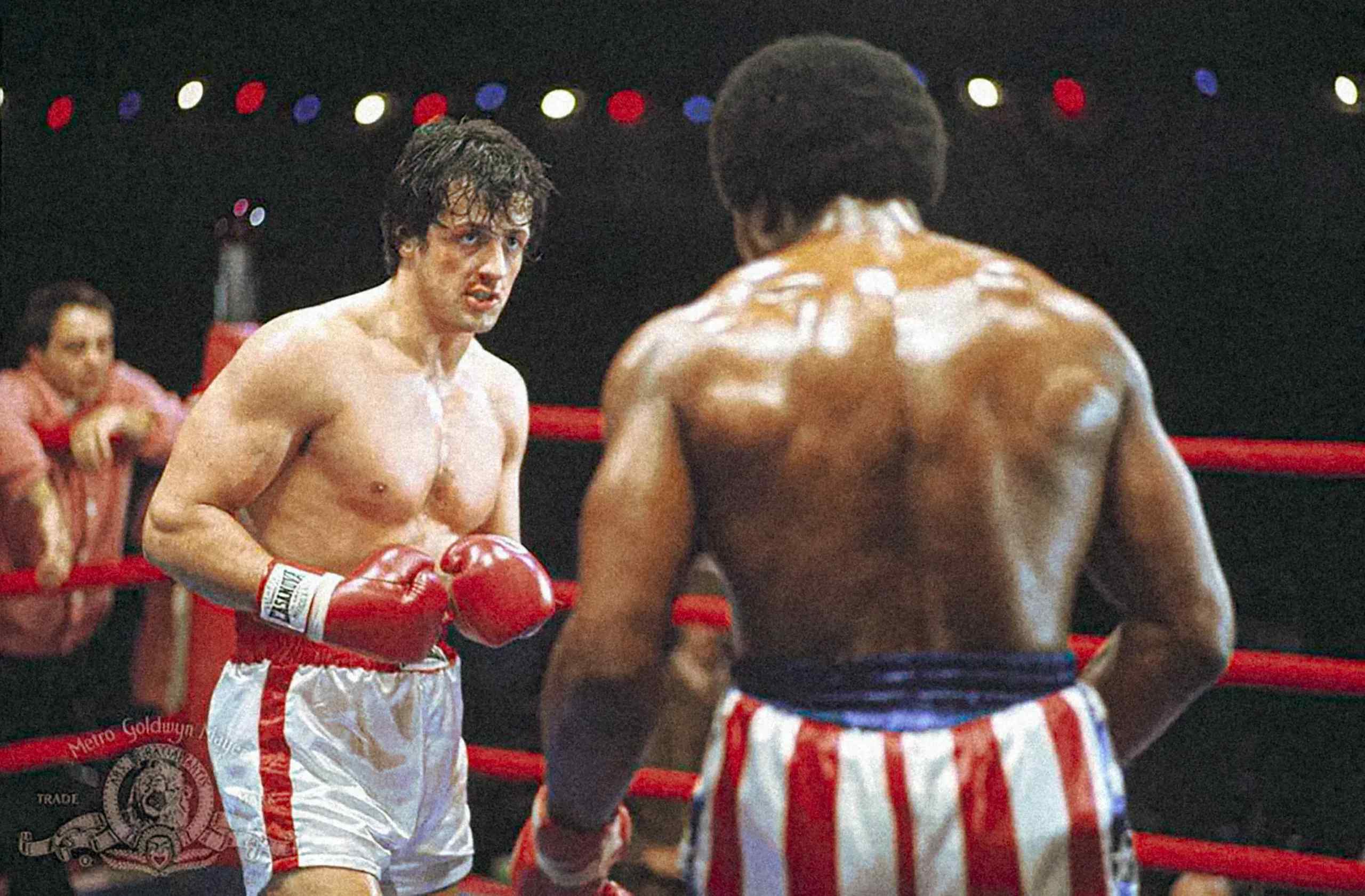
By Cole Rush
Which Sports Punish Losing Teams the Most?
From a punishing relegation to first draft pick optimism, discover which sporting leagues have the highest penalties for a losing season and those that feel comparatively lenient.
By Stuart Hughes
MLB Playoff Byes Aren't the Advantage You Might Think
Since baseball went to its current 12-team playoff format, the results show that bye teams only hold a slight Division Series advantage over Wild Card winners.

By Bill Gelman
McKenna, Martone Lead 5 NHL Rookies to Watch
Gavin McKenna and Porter Martone enter as the favorites, but a deep 2026-27 rookie class gives the Calder Trophy race plenty of potential challengers.

By Bill Gelman
Parlaymint Wants to Turn Parlays Into a Team Sport
Parlaymint turns the group parlay into a social sport, giving every bettor one pick, a share of the payout and potentially the entire bill if their leg is the only one that loses.

By Charlon Muscat