

Minnesota Just Banned Prediction Markets. Will Other States Follow?
Minnesota is the first state to ban prediction markets. Is this just the beginning of a flood of state-level bans, or will the CFTC be able to assert its authority?

Update: Minnesota became the first US state to pass a law banning prediction markets, with an August 1, 2026 effective date. But the ban did not take effect against CFTC-registered exchanges as planned. On July 27, a federal judge issued a preliminary injunction blocking Minnesota from enforcing the law against those exchanges while lawsuits brought by the CFTC, Kalshi, and Polymarket proceed. The ruling is temporary; the court has not made a final decision on the law.
Last Updated: September 24, 2026
Prediction markets have become the most contested form of gambling online. Presently, over a dozen states are in litigation with the federal government over prediction markets, and a coalition of state attorneys general is pressuring the government to relinquish its authority over sports-related contracts.
Minnesota took things a step further by becoming the first state to officially ban prediction markets. This resulted in lawsuits from Kalshi and Polymarkets, as well as one from the CFTC seeking to block the ban. An injunction hearing in July blocked Minnesota from enforcing the ban temporarily.
Coalition of Attorneys General Paints a Broader Picture of Regulator Sentiment
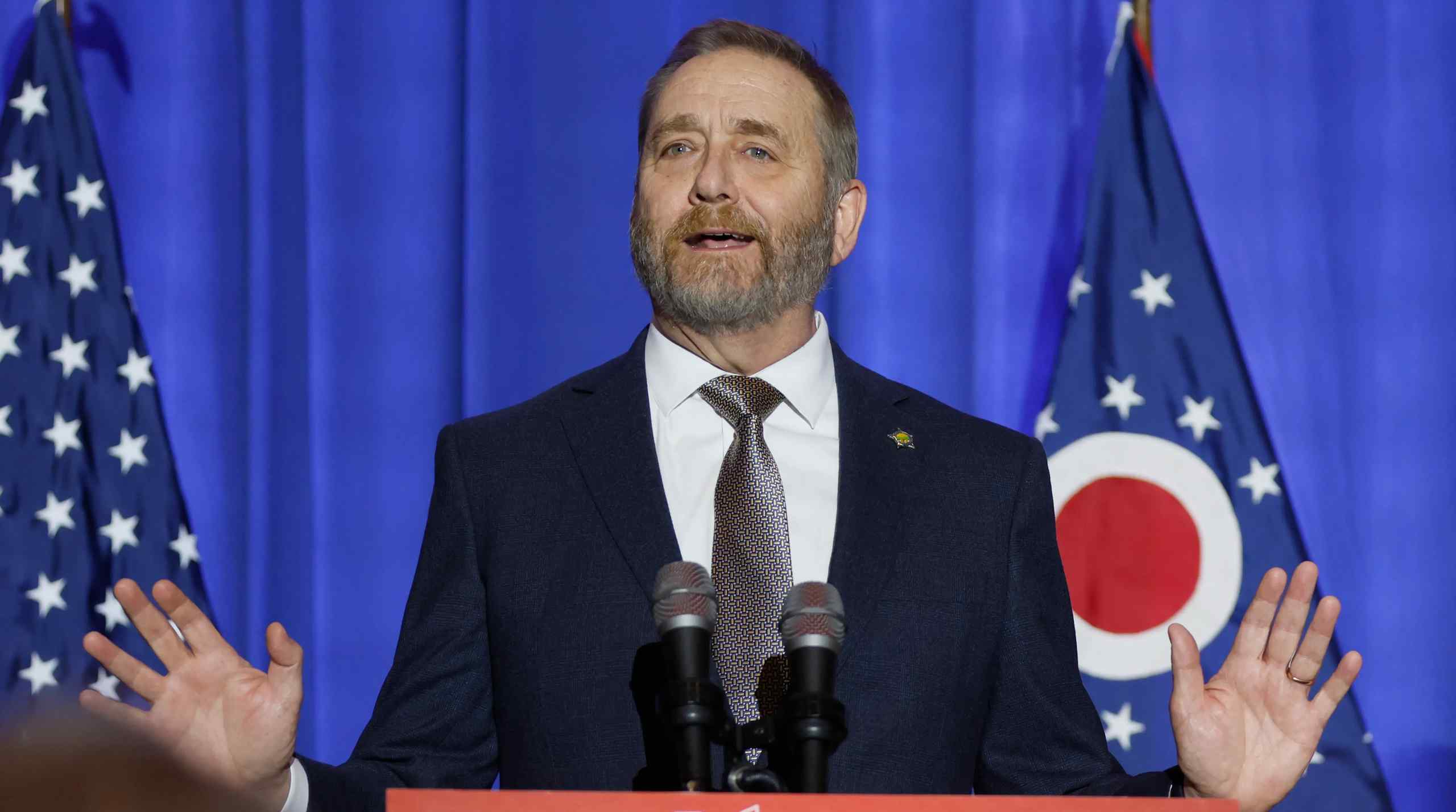
A coalition of 41 state attorneys general, led by Ohio AG Dave Yost, is actively advocating for state regulatory authority over prediction markets. The coalition argues that sports-related contracts are simply illegal gambling under another name.
They argue that states should have the exclusive authority to regulate sports-related prediction contracts. The coalition views Kalshi, Polymarket, and other providers as unregulated sportsbooks and should not be subject to federal oversight.
While the coalition currently acts only as a lobbying group, it signals the general sentiment of states. This coalition represents over 80% of states, underscoring the overwhelming opposition to sport-related contracts. However, if government officials ignore the group’s demands, additional state-level legislation could follow, as seen recently in Minnesota.
Will the Minnesota Ban Open the Door for Similar Action from Other States?
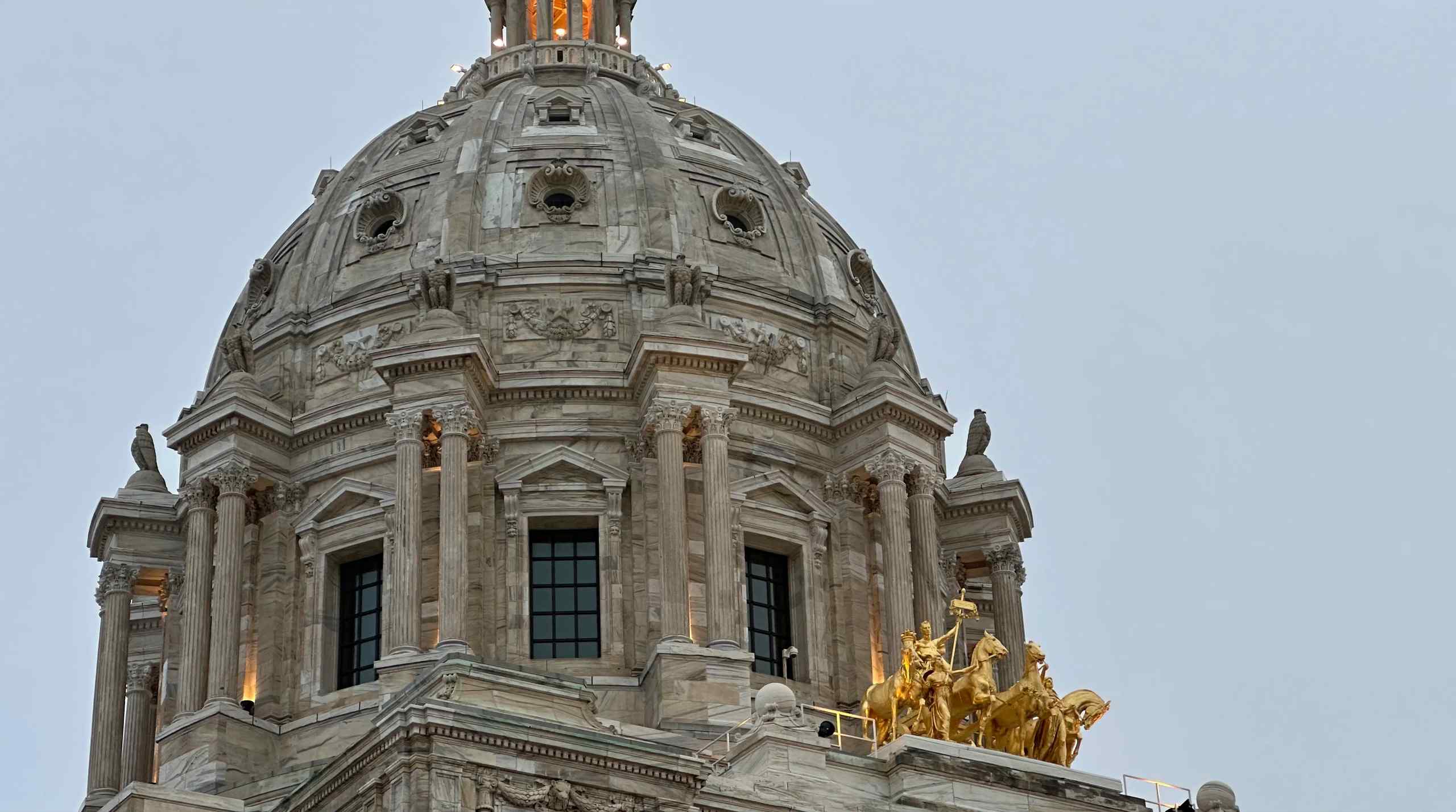
In case you missed it, Minnesota became the first US state to officially ban prediction markets last month. This law imposes a blanket ban on all markets, not just sport-related contracts. It prohibits all contract markets and advertising for prediction platforms, and imposes felony charges on violators.
A preliminary injunction hearing was scheduled for July 1st, and a judge temporarily blocked the state from enforcing the ban. If the state is eventually successful in enforcing its ban, this could mark a major turning point for the industry. Remember when Montana became the first state to ban sweepstakes casinos? Believe it or not, that just happened 13 months ago.
Since then, nine states have passed legislation banning sweepstakes platforms, and at least a dozen more have explored similar measures. In the next year, another four to six states may successfully ban these platforms.
If Minnesota is allowed to proceed with its ban, other states may feel emboldened to pursue similar measures. Given the number of states that support state-level regulation of prediction markets, this outcome appears almost certain.

Should the CFTC Relinquish Regulatory Control of Sports-Related Contract
One potential way to address the regulatory issues surrounding sweepstakes casinos involves the CFTC relinquishing its authority to regulate sports-related contracts. Sports contracts closely resemble traditional sports betting, and some platforms even offer odds comparable to those of betting platforms.
While some will argue about the “trading” aspect of sports contracts, their similarity to sports betting will remain a continual sticking point. The CFTC could relinquish regulatory control over sports-related contracts and allow states to regulate them as sports betting. The CFTC would still oversee other contracts, which may provide a better regulatory approach.
Given the controversial nature of some prediction markets, especially those focused on world events like the war in Iran, the CFTC may benefit from moving away from sports contracts. If this happens, most platforms would either withdraw from regulated markets or pursue licensing, resulting in a major shift in focus.
Will 2027 Be the Year of Widespread Prediction Market Bans?
The next six months could prove instrumental to the future of prediction markets.
We may also see numerous other challenges addressed and potentially resolved by year’s end. The results of the Minnesota ban could prompt judges to clarify the industry's legality.
The best outcome for prediction markets would occur if courts rule that the CFTC has exclusive authority over prediction markets and block state attempts to regulate those contracts. Although that ruling would spark a new round of legal challenges, it would help keep platforms in operation.
Personally, I would like to see a compromise on sports-related contracts. If states regulate sports contracts, the controversy surrounding that type of sports wagering could end, and federal regulators could focus on enacting safeguards for real-world contracts. Regardless of the outcome, the next six months could prove to be the most influential for the fledgling prediction market industry.
James Guill is an experienced iGaming journalist with a diverse background spanning IT, poker, and online gambling media. With over 20 years in the industry, he’s covered a wide range of gaming topics and has been featured in outlets like USA Today and G4 TV.
More Articles like this
NBA Targets Risky Bets. Will Kalshi, Polymarket Play Ball?
The NBA is banning several easily manipulated bets at sportsbooks. But will Kalshi and Polymarket follow suit?

By Stuart Hughes
Kalshi Wants Margin Trading. What Could Go Wrong?
Kalshi’s proposed margin system would let eligible traders put up less than the full value of some positions, freeing capital for other trades while also introducing a new layer of leverage and risk.

By Charlon Muscat
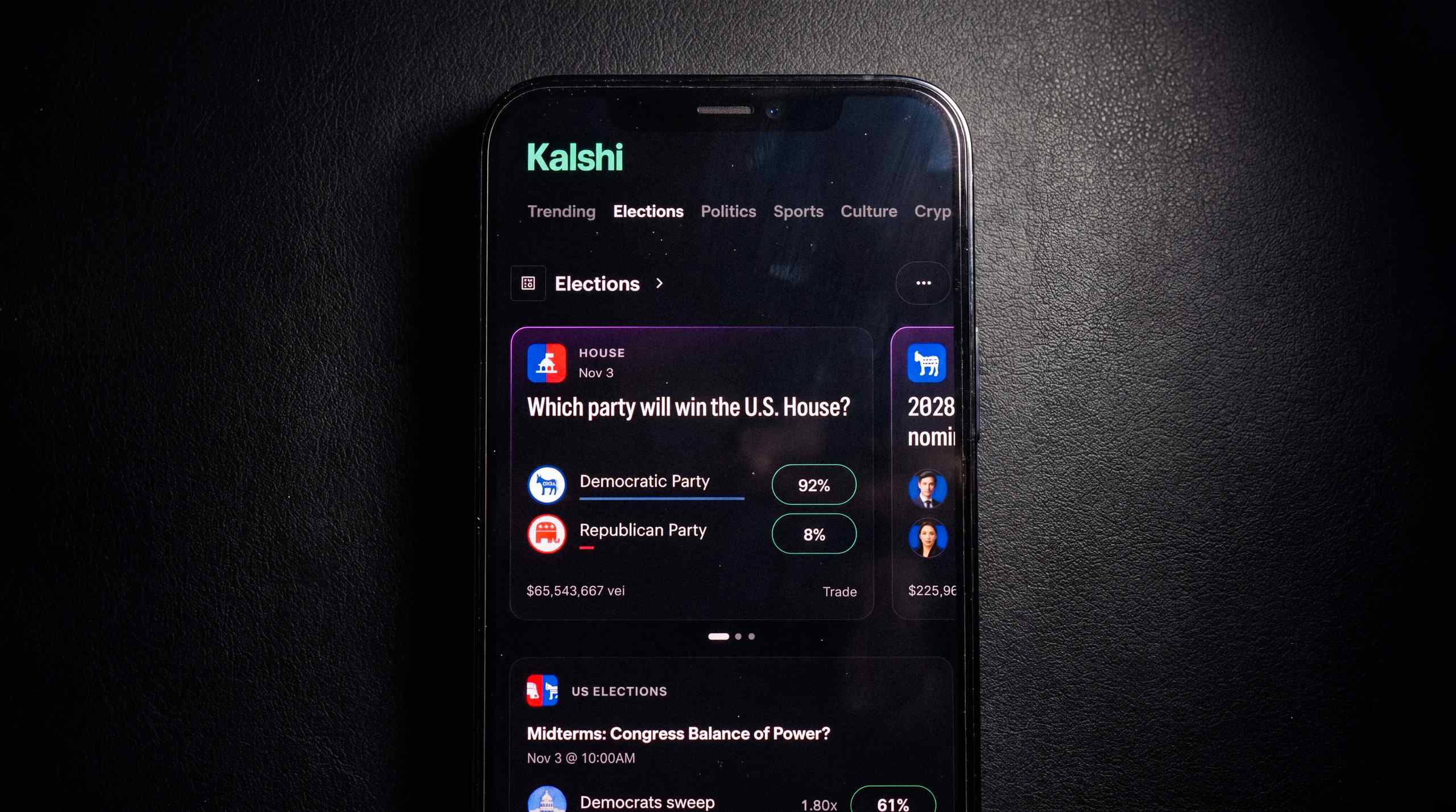
Kalshi, Polymarket Starting to Price the Midterms as Blowout
With just over five weeks to go, Kalshi and Polymarket now heavily favor Democrats for the House and give them the edge in the Senate.
By Stuart Hughes
Kalshi’s NFL Volume Is Exploding. Should Sportsbooks Be Worried?
The NFL season is barely underway, but prediction markets have already handled multiple billions in football trading volume. Is that enough to make sportsbooks nervous?

By Charlon Muscat
Best Prediction Market Apps of 2026
Compare the best prediction market apps and platforms for sports, politics and other events, ranked by market selection, fees, liquidity, user experience and availability.

By James Guill
Prediction Markets vs Sports Betting: Key Differences
Prediction markets vs sports books: odds, vig, trading vs fixed bets, legality by state, combos vs parlays. Which is better for sports bettors?

By Arthur Crowson