

What Sci-Fi and Fantasy Can Teach Us About Gambling
From The Hunger Games to Red Rising, some of the best speculative fiction uses contests, wagers, and rigged systems to explore power.
%20(1).webp)
I love when worlds collide. And, yeah, I mean, when two worlds physically collide in a sci-fi novel, and our intrepid heroes need to save their societies from disaster. But also, I love when my interests intersect. I’ve written for the gambling and online betting industries for 10+ years in many forms now, and I’ve been reading sci-fi and fantasy for as long as I can remember. I even review SFF books for The Quill To Live with a few close friends.
As both of these interests swirl in my brain, they occasionally create a delightful idea: what happens when they overlap? Recently, I’ve been drawn to books that feel like the high-stakes world of gambling has met with the whimsy and epic sagas in the SFF pantheon. What new narrative frontiers can books discover when they put a character’s fate in the midst of a high-octane, often life-or-death game? The results are a ton of fun.

The Player of Games by Iain M. Banks
The Player of Games is set in Iain M. Banks’ expansive Culture series, but it works completely fine as a standalone read (that’s how I read it). It’s the most overt of my three case studies here, in that it literally puts its main character into an incredible game with super high stakes.
Jernau Morat Gurgeh is sent to the Empire of Azad to compete as an exhibition player in the Empire’s game. Gurgeh is one of the Culture’s best game-players, so he’s the natural choice as an ambassador to learn more about Azad. The game he’s playing, though, is like every casino game mixed into one and blended with a healthy dose of alien culture. Winning the tournament determines the hierarchy and political offices within the Empire.
The larger theme at play is starkly relevant to our world. The game is effectively rigged at a civilizational level to help the authoritarian regime stay in power. The house always wins…or does it?
Political intrigue and societal systems are front and center in The Player of Games. The game itself is vague in how it’s presented, so don’t expect a deep dive into the rules. Still, it’s well worth a read.

The Hunger Games by Suzanne Collins
The Hunger Games is among the most influential young adult series in, well, forever. Unlike my previous entry, it's a game that says the quiet part out loud and pits literal children against each other in a death match under the vague umbrella goal of keeping the districts they represent in line. It’s tyranny with a sharp, gamified edge, and it takes the advantage of the house in casino games and busts it onto the macro scale.
Tributes in the titular Hunger Games are led to believe they can win thanks to their skill, charisma, or training. In reality, there are game makers behind the scenes doing their level best to rig the result in their favor. If an underdog like Katniss threatens their control, they might release some terrifying dog monsters in her vicinity while other Tributes rest elsewhere in relative peace.
Remember, this is all streamed to millions of Panem citizens for “entertainment” too. The game is part of a literal empire and a media empire. There are comparisons to be drawn to prediction markets and their “Death markets” in recent months. Turns out The Hunger Games was remarkably prescient.
The Night Circus by Erin Morgenstern
Let's take a turn into the more whimsical side of games and contests (though this one still has a dark edge). Erin Morgenstern’s The Night Circus is billed as a contest between two magicians—Celia and Marco being used as pieces in a magical chess game by their mentors. The actual book is not nearly so much about the “game” as its descriptions might have you think. Instead, it’s an atmospheric and highly whimsical tale about those two magicians and how they exist in the world of the Cirque Des Reves.
The competition is less “magical battle” and more “fantasy art contest” in which the two protagonists use their sorcerous talents to outdo each other with various exhibits at a mysterious traveling circus.
Darkness lurks beyond the competition, though, as each magician’s mentor has a stake in their respective ward, and their motives aren’t exactly altruistic.
Shelf-Reflection: Books That Play With Fate
Here’s a quick list of the books above, plus a few others that fit this particular niche.
| Novel | Author | What is “wagered?” | Who controls it? (The “House”) |
|---|---|---|---|
| The Player of Games | Iain M. Banks | Political status and social rank | The Emperor of Azad |
| The Hunger Games | Suzanne Collins | District compliance, human survival | President Snow, the Game Makers |
| The Night Circus | Erin Morgenstern | Human life and well-being, magical life-force | The mentors |
| The Player | K.J. Parker | Class status, survival | Wealthy elite |
| Red Rising | Pierce Brown | Political power | The ArchGovernor and The Proctors |
| Ready Player One | Ernest Cline | Infinite digital wealth | James Halliday/IOI Corporation |
| Ender’s Game | Orson Scott Card | The fate of humanity | The International Fleet High Command |
| The Long Walk | Stephen King | Human life | Totalitarian Military |
Why Readers Love Games of Fate Sci-Fi and Fantasy
Personally, I’m always looking for that “can’t stop, must turn page” reading experience. Games of fate with a despotic or evil “house” aren’t always a shortcut to that feeling, but they can certainly help.
For those of us who read for escapism, these books can feel like a window into a new place where we can relish the action and the magic they offer. For those of us who want starkly relevant themes of capitalist or authoritarian or corrupt rule (and those who oppose it), there’s plenty to enjoy. Many books straddle that line, too, giving us a bit of each and satisfying two cravings at once.
Conclusion
Fantasy and sci-fi can take real-world concepts and reimagine them in ways that both entertain us and engage our minds. Take the mechanics of a casino or a gambling site and blow them out of proportion into a galactic game of fate or a quiet, magical competition, and you can explore modern themes through a new lens. You might also just have a blast along the way.
Cole Rush is a freelance writer, crossword constructor, and creative tinkerer with more than 10 years of experience writing about anything and everything. Cole’s primary area of expertise is the gambling industry, covering the expansion of sportsbooks and online casinos alongside emerging spaces like sweepstakes casinos and prediction markets.
More Articles like this
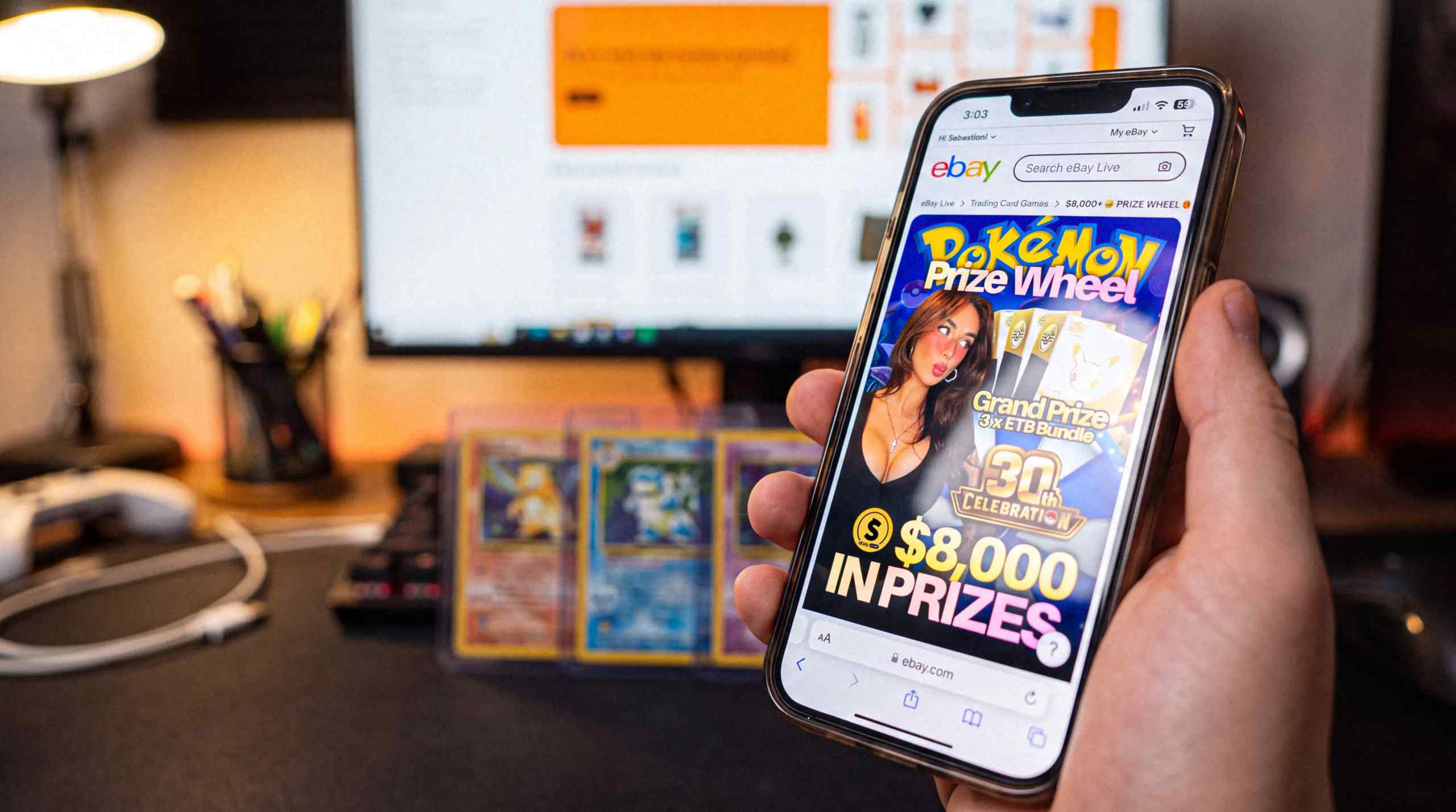
Are eBay's "Spin the Wheel" Listings Just Gambling?
A corner of eBay Live auctions off wheel spins instead of actual items. Bid starts at $1, the price climbs, and the winner finds out what they bought only after the wheel stops. Here's why that's not really shopping.
By Cole Rush
Casino Carpets Are Ugly. But Not for the Reason You Think
Casino carpets have long been accused of keeping gamblers disoriented and glued to the games. The truth is considerably more practical, though just as strange.

By Cole Rush
The Strange Gambling Laws Behind Cruise Ship Casinos
Cruise ship casinos only open once a ship clears territorial waters, and the odds, oversight, and rules that follow are nothing like a Vegas floor. Here's what actually changes at sea.

By Cole Rush
Six Reasons Bettors Are Starting to Ditch Credit Cards
States are increasingly questioning whether borrowed money has any place in gambling. From instant interest to damaged credit, the risks can extend far beyond the bet itself.

By Charlon Muscat
How Subscriptions Use Gambling Psychology to Hook You
Streaming services, apps, and subscription boxes may look nothing like a casino, but many tap into the same psychological forces that make gambling so hard to walk away from.

By Cole Rush
The Best Gambling Songs Ever Written, Ranked
From Kenny Rogers to Sting, these seven songs go beyond casino clichés to capture the risk, psychology and obsession behind gambling.

By Cole Rush