

The Simple 10-Spin Test That Can Save Your Slot Session
Most players lose before they even hit spin - they just don't know it yet. The 10-Spin Test gives you ten chances to find out if you're wasting your money or about to have some real fun.
.webp)
Let's get one thing straight. I'm not selling you a "system" that beats the house.
At the end of the day, no matter what you do, math is always king. You don't get that 96% RTP just for your 3-hour playing session. You can never change the odds. But here’s something I have learned: you can’t use those odds to beat the slot, but you can definitely learn how to control your interaction with the slot game.
The goal of this test isn’t to try to beat the games but rather to extend your bankroll and leave the table with your head high. That’s where the 10-spin test fits in!

The deception of modern slot games
I want to share an eye-opening fact that annoys me before we head in for the test. The good old days of just putting in a nickel are over. Today's slots are designed to take your money, all while tricking you into thinking you're winning.
The truth is, you're sitting down at a "penny slot," assuming you're betting just a single penny, when in reality, most slots have 45 paylines, and to get bonus features, you have to play all 45 of them. So now your "penny" bet has actually turned into a 45c bet.
After getting your "win" of 20c, the game goes crazy, making chimes like you hit the jackpot (and it feels like it) when you have actually lost 25c on that spin.
That psychological trick keeps you feeding it your bankroll. You spend dollars and walk away with pennies.
This is precisely why I developed my hard-and-fast rule.
Hit frequency vs. payout size
To appreciate a slot’s personality, you have to know two numbers. Hit frequency and payout size.
The friend who constantly pats you lightly on the back and with a very high hit frequency (greater than 35%) would be considered low volatility, while the friend who you don’t see for long periods of time but when you do see them gives you a hundred dollars would be considered high volatility, due to the low hit frequency (less than 20%).
Most players just sit down at a slot game without knowing what level of volatility it has.
As a result, they become frustrated with their play and increase their wager to an extreme level, usually resulting in losing all of their bankroll in less than 10 minutes. The 10 Spin Test was developed to prevent this from happening.

The green-yellow-red system
If I have a budget of $100, I will be playing on this slot game with a $1 or $2 per spin maximum. Once I reach ten total spins, I will no longer chase those ten spins; I will only count them.
I track two things during my session: the number of wins and the amount of each win.
- Green Light: If I can win four or more times out of my ten spins (a hit frequency of 40% or better) and most of those wins are worth at least half of my total bet, then I will continue to play. The slot game is regularly providing me with good wins as the terms of my flat bet have been intact, and I can enjoy this experience.
- Yellow Light: Be Cautious About Continuing. Typically, I will receive several minor wins with an occasional larger win (a medium win can be five or ten times my original wager). Just like gambling, I may be receiving erroneous signals, so I choose to give the game an additional ten spins and monitor for a potential pattern. The critical aspect here is not to allow the medium-winning spin to "lead" me into increasing my wagers.
- Red Light: Change Games. I'm very likely to lose my entire bankroll if I receive no wins or only small or minimal wins. If I have not received multiple small wins and do not have enough money to cover my next wager, then I consider my results a "hard red light" and consider it a "hard" red light regardless of how great the graphics are. Therefore, it is in my best interest to take what little remaining funds I may have and move on. This all comes down to simply respecting the data!
Handling the big win
What if something really worked out for you? For example, what if you had been playing six times and received a bonus that increased your original money tenfold?
In this situation, I suggest playing through your next four times and then adding another five. Because of your winning combination, you may be on a slot game that will experience a winning streak. Cashing out right after winning may mean missing out on a great deal of money.
The five additional spins will show you whether the slot is actually a winning game or whether you simply got lucky. If you have not improved after the five additional spins, it may be a good time to leave. If you continue to improve, you will have to make a choice based on data and not desperation.

The danger of small wins
Small winning hands can be really misleading. For example, if you play a 45c spin and after ten spins you have five 20c wins, at this point you actually have a small profit. The temptation is to say, "I'm making money - let's keep playing!" However, if you keep going, it won't be long before those small profits turn into losses as the slot takes its toll on you. In addition to losing all of your winnings, the slot will likely also take away some more.
I often use a boost to my current balance to play an extra ten spins, usually on another slot after the first ten spins. For example, if I start with $20 and finish with $25 after the first ten spins, I can now afford to spend an additional $4.50 ($10 x $0.45) for an additional ten spins. Even if I lost every one of those spins, I'd still have $20.50 remaining. The point isn't the exact amount — it's maintaining perspective on your overall session rather than chasing every result.

The bottom line
The design of slot games makes them extremely alluring, which is why the 10-spin challenge provides a means for exercising self-discipline within a place designed to elicit emotional feelings.
By looking at slots as session management instead of as lottery tickets, you can keep having fun and keep money in your pocket.
Keep an eye out for a slot that matches your preferred volatility and bankroll goals, then play 10 spins on that slot, and if it’s not producing, don’t hesitate to leave and go somewhere else.
Lucie brings almost 20 years of iGaming experience, combining sports writing expertise with deep casino knowledge. Her work spans live sports coverage, slot mechanics, player-focused reviews, and strategic casino content. Known for her no-nonsense, first-hand approach, Lucie cuts through jargon to deliver clear, practical insights for both operators and players.
More Articles like this
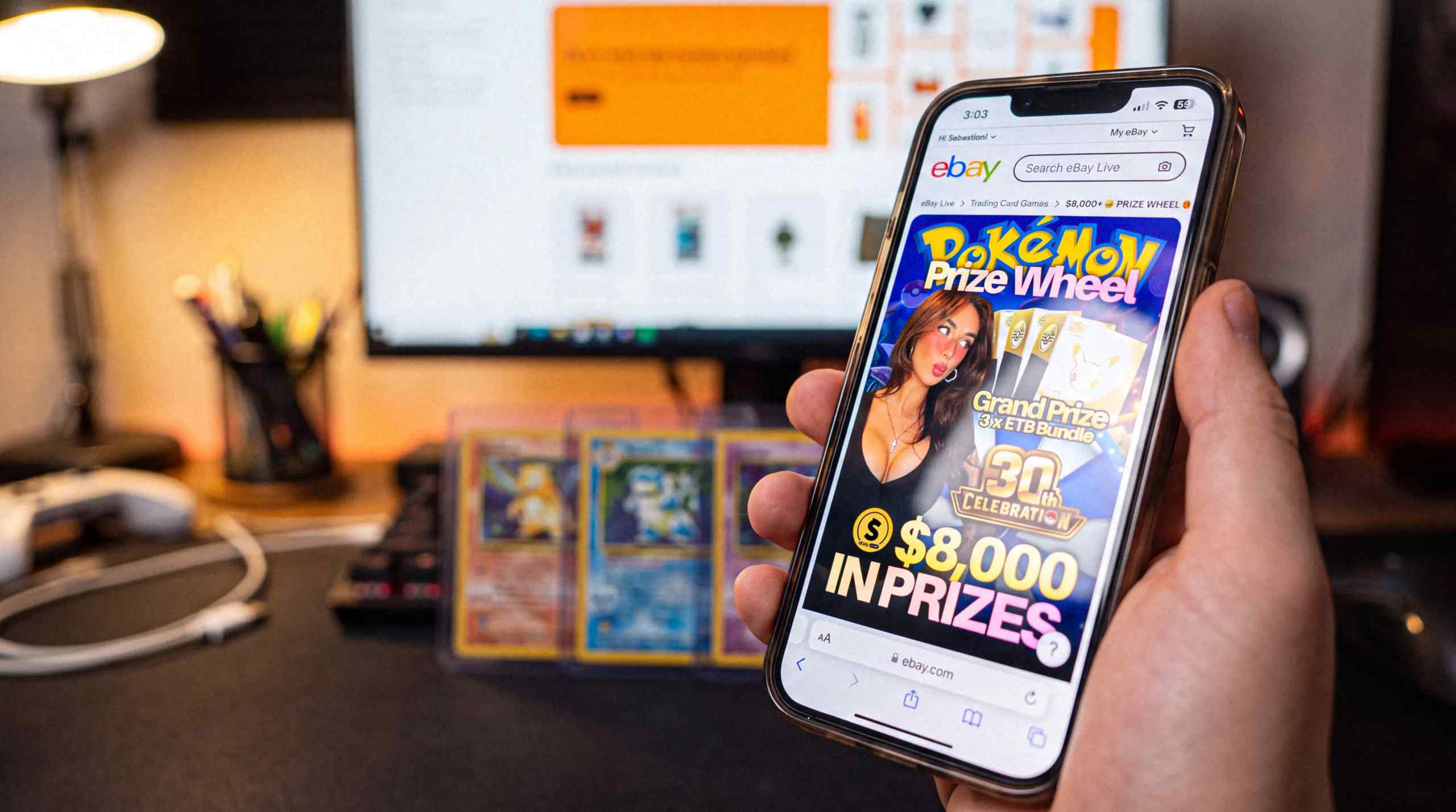
Are eBay's "Spin the Wheel" Listings Just Gambling?
A corner of eBay Live auctions off wheel spins instead of actual items. Bid starts at $1, the price climbs, and the winner finds out what they bought only after the wheel stops. Here's why that's not really shopping.
By Cole Rush
Casino Carpets Are Ugly. But Not for the Reason You Think
Casino carpets have long been accused of keeping gamblers disoriented and glued to the games. The truth is considerably more practical, though just as strange.

By Cole Rush
The Strange Gambling Laws Behind Cruise Ship Casinos
Cruise ship casinos only open once a ship clears territorial waters, and the odds, oversight, and rules that follow are nothing like a Vegas floor. Here's what actually changes at sea.

By Cole Rush
Six Reasons Bettors Are Starting to Ditch Credit Cards
States are increasingly questioning whether borrowed money has any place in gambling. From instant interest to damaged credit, the risks can extend far beyond the bet itself.

By Charlon Muscat
How Subscriptions Use Gambling Psychology to Hook You
Streaming services, apps, and subscription boxes may look nothing like a casino, but many tap into the same psychological forces that make gambling so hard to walk away from.

By Cole Rush
The Best Gambling Songs Ever Written, Ranked
From Kenny Rogers to Sting, these seven songs go beyond casino clichés to capture the risk, psychology and obsession behind gambling.

By Cole Rush