
Biggest Stadiums in Canada: What Are They By Capacity?
Discover the biggest stadiums in Canada, their history, and key features in this comprehensive guide. Plus learn about the largest stadium in Canada, period.

Biggest Stadiums in Canada: What Are They By Capacity?
The 1970s were the peak stadium decade in Canada. The CFL was as popular as it would ever be, the Summer Olympics came to Montreal, the Toronto Blue Jays were born, it was a great time to be a sports fan in the Great White North, and we had the tall new buildings to prove it. Stadiums and sports have always played a significant role in shaping the identity and unity of the country, reflecting Canada's dedication to sports infrastructure and national pride.
For sports fans, these stadiums are destinations in their own right, the kind of places that make travel to cities like Edmonton, Vancouver, or Montreal worth planning a whole trip around.
Those buildings are starting to show their age. While the NFL and other sports leagues expand down south, attendance has dropped in the CFL, the Summer Games have yet to return, and the Montreal Expos are no longer with us. New arenas are still popping up across Canada; new stadiums, not so much. Stadium tourism is one of the more durable travel trends of the past decade, with fans increasingly building entire itineraries around a single marquee sporting event rather than treating it as an afterthought.
There are exceptions. The first two entries on our list of the top seven biggest stadiums in Canada were built during the 2010s. And while the top five stadiums are getting old, recent facelifts have helped most of them hold on to that youthful spirit.
.svg)
Biggest Stadiums in Canada: Quick Facts
| Stadium | Location | Seated Capacity | Year Opened | Notable Events & Features |
|---|---|---|---|---|
| Commonwealth Stadium | Edmonton, Alberta | 56,302 | 1978 | Largest stadium in Canada; hosted 2015 FIFA Women's World Cup, multiple Grey Cups, and major soccer matches. |
| Olympic Stadium | Montreal, Quebec | 56,040 | 1976 | Known as "Big O" and "Big Owe"; site of 1976 Summer Olympics; expandable seating; architectural landmark. |
| BC Place | Vancouver, BC | 54,400 | 1983 | Hosted 2010 Winter Olympics; annual Canada Sevens rugby event; world's largest air-supported dome originally. |
| Rogers Centre | Toronto, Ontario | 53,506 | 1989 | First with retractable roof; hosted 2015 Pan American Games ceremonies; concerts and multiple sports events. |
| McMahon Stadium | Calgary, Alberta | 35,400 | 1960 | Hosted 1988 Winter Olympics ceremonies; outdoor hockey Heritage Classic; multiple expansions and renovations. |
| Princess Auto Stadium | Winnipeg, Manitoba | 33,500 | 2013 | Faced drainage issues; hosts CFL games and NHL heritage classic renamed in 2024. |
| Mosaic Stadium | Regina, Saskatchewan | 33,350 | 2017 | Modern design; hosts CFL games and NHL Heritage Classic; built by designers of major U.S. stadiums. |
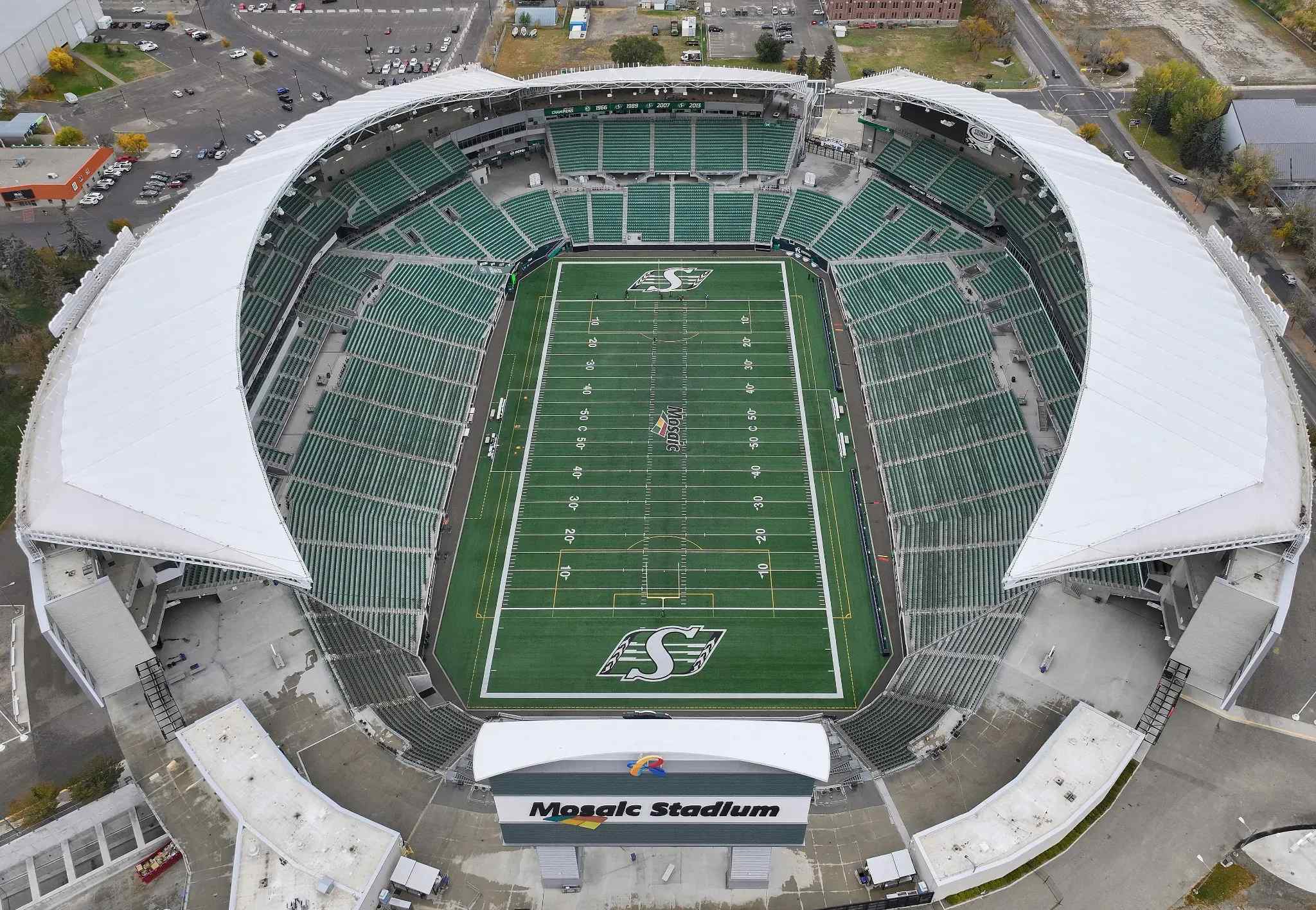
7. Mosaic Stadium, Regina
(Capacity: 33,350)
Our other new entry opened in 2017, replacing Taylor Field as the home of the Saskatchewan Roughriders and U. of Regina Rams. Mosaic Stadium was built by the same people who designed AT&T Stadium in Arlington and Lucas Oil Stadium in Indianapolis; it definitely has that “new stadium” feel, at a cost of roughly $278 million. The city, which owns the stadium, chipped in $73 million, while the province threw in an $80-million grant and $100-million loan.
There’s no question that Saskatchewan is the heart of Canadian football. But fans in Regina finally got their first taste of regular-season NHL hockey when the Heritage Classic was played there in 2019, with the Winnipeg Jets “hosting” the Calgary Flames. Valencia CF and New York Cosmos also played a notable friendly there in 2017, although Mosaic Stadium was sadly left off the list of host venues for the 2026 FIFA World Cup.
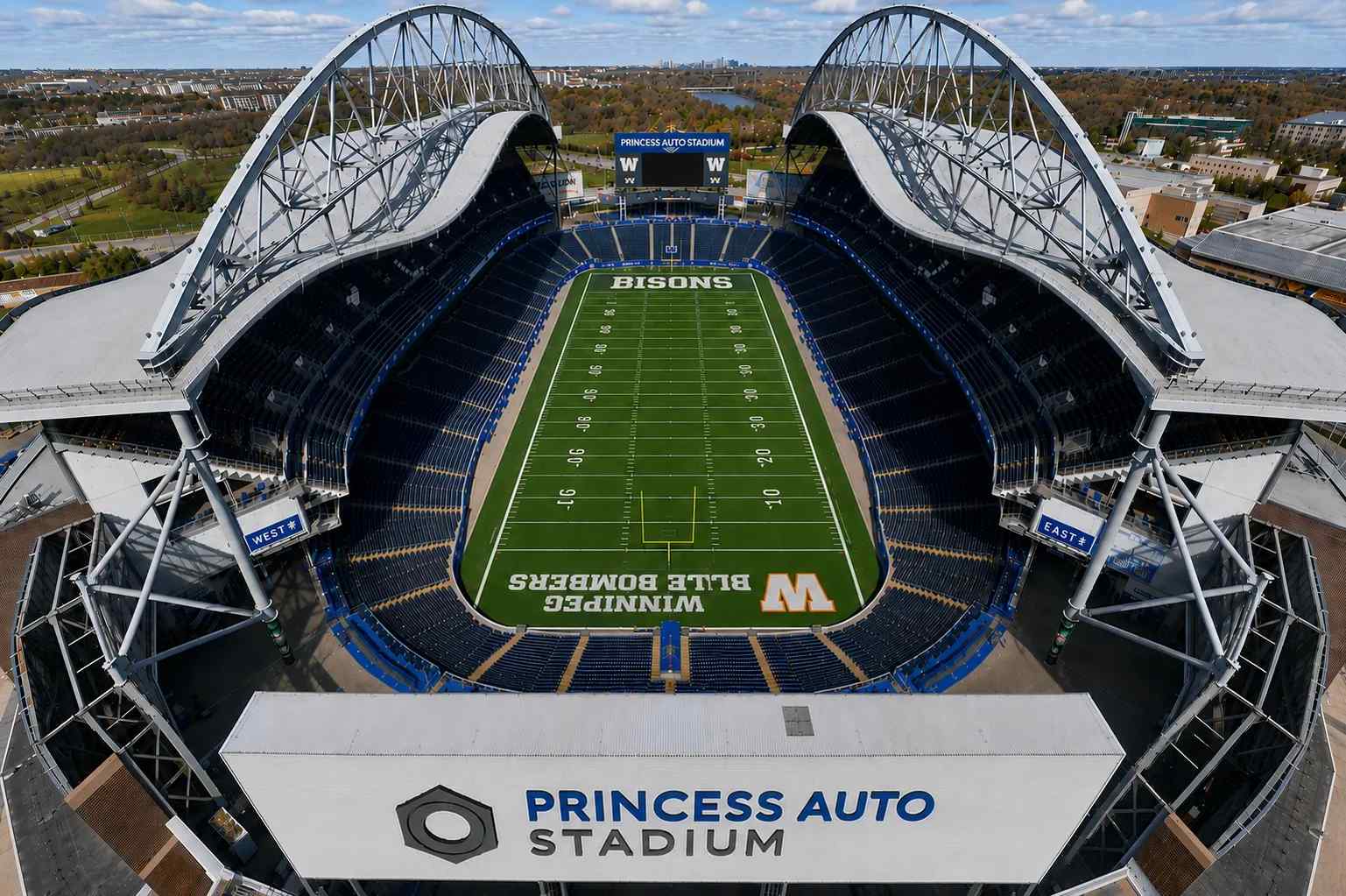
6. Princess Auto Stadium (Formerly the IG Field), Winnipeg
(Capacity: 33,500)
We begin our list of the biggest stadiums in Canada with the relatively new home of the Winnipeg Blue Bombers and the U. of Manitoba Bisons, among others. Princess Auto Stadium, formerly known as IG Field after opening in 2013 as Investors Group Field, is located on the University of Manitoba campus and was built for $210 million. The stadium was renamed in 2024 after Winnipeg-based retailer Princess Auto secured the naming rights, ending a decade-long association with Investors Group (now IG Wealth Management). The Blue Bombers footed $85 million of the bill, with the provincial and local governments absorbing the rest.
Speaking of absorption, it turns out they botched several key elements of this stadium, including the drainage. The Bombers ended up suing the architect and the building company; their defence was that the province knew about the structural deficiencies, but insisted they plowed ahead regardless.
This boondoggle forced Premier Greg Selinger to put up a $35-million loan guarantee in 2015 for the leaky stadium to get fixed. That loan was finally issued in 2019, then they threw another $10 million at it in 2021. As part of these repairs, the stadium has seen the addition of new features and improvements to enhance its facilities. While they wait for further repairs, Manitoba sport fans in Winnipeg continue to pack Princess Auto Stadium and cheer for the True Blue, and they also came out in droves to watch both the NHL Heritage Classic in 2016 and NFL exhibition play in 2019. Taylor Swift even gave the stadium’s first-ever concert (on The Red Tour), with Ed Sheeran among the opening acts.
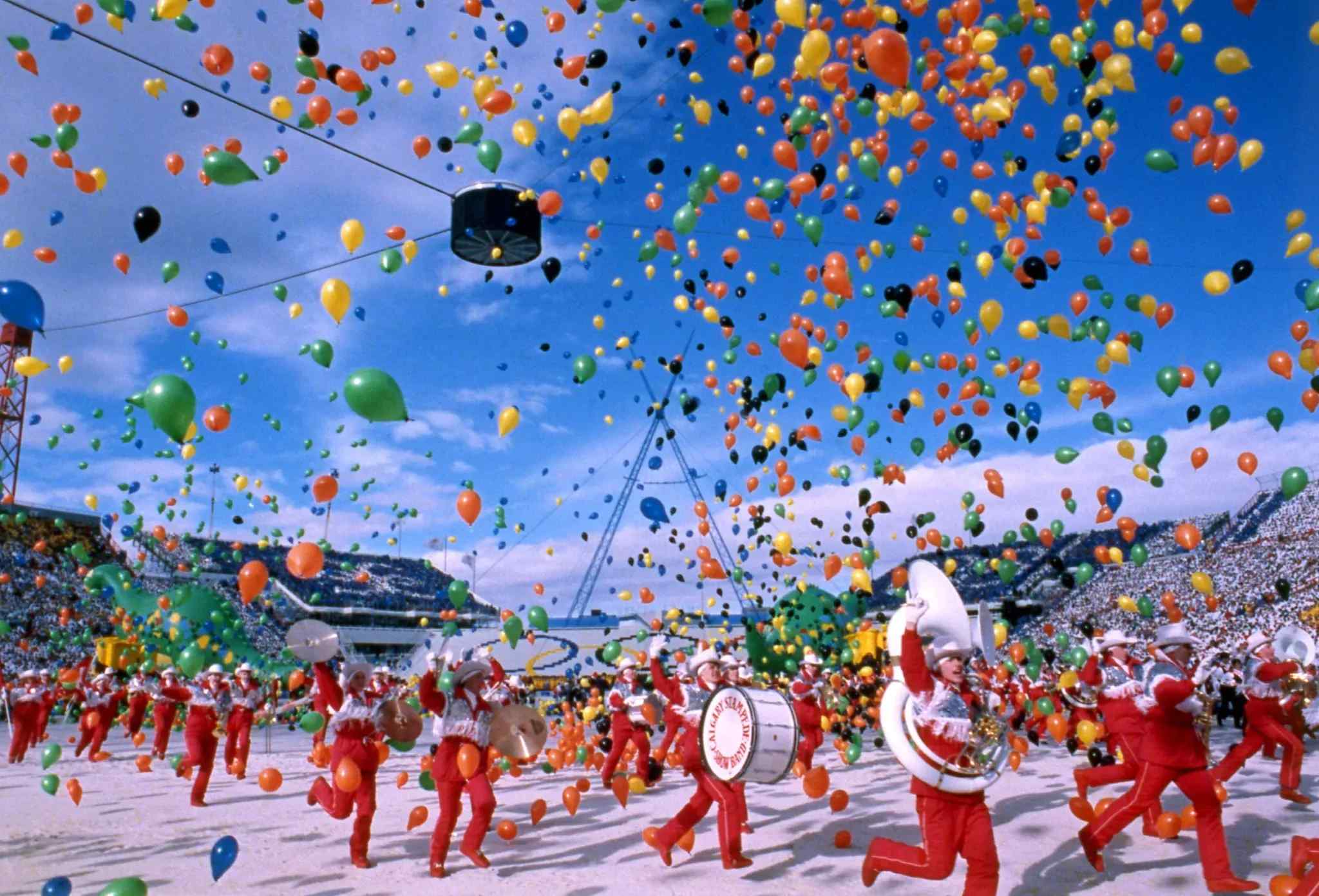
5. McMahon Stadium, Calgary
(Capacity: 35,400)
This is the oldest stadium on our list, although not the oldest in the CFL, that would be Ottawa’s TD Place Stadium (1908). McMahon Stadium, located in Calgary, opened in 1960 at a bargain price of $1.05 million, or roughly $10 million in today’s money. It’s been expanded and renovated six times since; McMahon Stadium is owned by the University of Calgary and run as a non-profit with input from city officials.
The “McMahon” in this case refers to both Frank and George McMahon, the oil baron brothers who funded the stadium’s construction. This venue was a big step up for the Calgary Stampeders, who had been playing at tiny Mewata Stadium (cap. 10,000) since their official founding in 1945. The University of Calgary Dinos make very good use of their property, and once upon a time, McMahon Stadium was home to the Calgary Boomers of the NASL.
While the Summer Olympics haven’t been back to Canada in nearly 50 years, the Winter Games were here twice; a record 60,000 people were in Calgary for the opening ceremony of the 1988 Winter Olympics. And what would a stadium be without an outdoor hockey game? The Heritage Classic was played at McMahon in 2011.
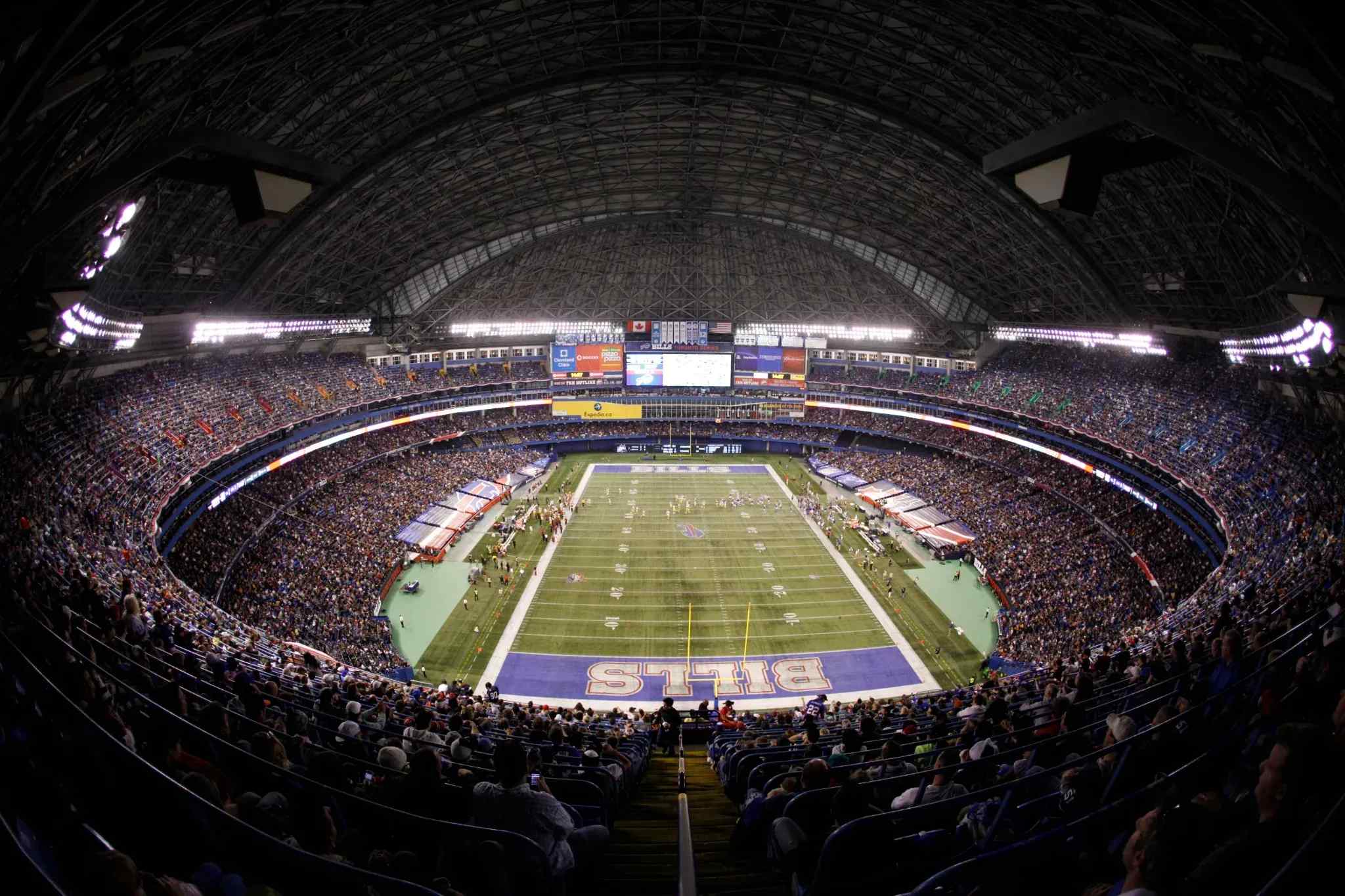
4. Rogers Centre, Toronto
(Capactity: 41,500)
Surprise: This country’s marquee stadium isn’t No. 1 on our list. The former SkyDome, now known as Rogers Centre, used to seat well over 50,000, and you can still pack in that many for a big event like the Grey Cup, but now that the Toronto Argonauts play at BMO Field (cap. 25,000), the Blue Jays are the main tenants at Rogers Centre, and they “only” seat up to 41,500 for baseball after their latest wave of renovations. Rogers Centre is also the only stadium in Canada currently used for Major League Baseball (MLB).
Hopefully, those renovations will quiet the talk that Rogers Centre has turned into a white elephant. This stadium opened with great fanfare in 1989, and was a technological marvel of its time, with its iconic dome, a retractable roof and the world’s largest JumboTron in right field. That would be just another TV screen today if it hadn’t been replaced in 2005.
The Blue Jays winning the World Series here in 1993 was pretty special. The Toronto Raptors also played their home basketball games at the SkyDome from 1995 until the Air Canada Centre (now Scotiabank Arena) was ready in 1999. And fight fans have warm memories of UFC 129, featuring Georges St-Pierre in the main event, as well as WrestleMania VI and WrestleMania X8, with Hulk Hogan drawing record crowds of over 67,000 for each. The stadium is also known for its high-profile sponsorships and advertising, with products like cars frequently promoted during major events. But don't confuse Rogers Centre with Rogers Stadium like many people did in 2025 after it opened.
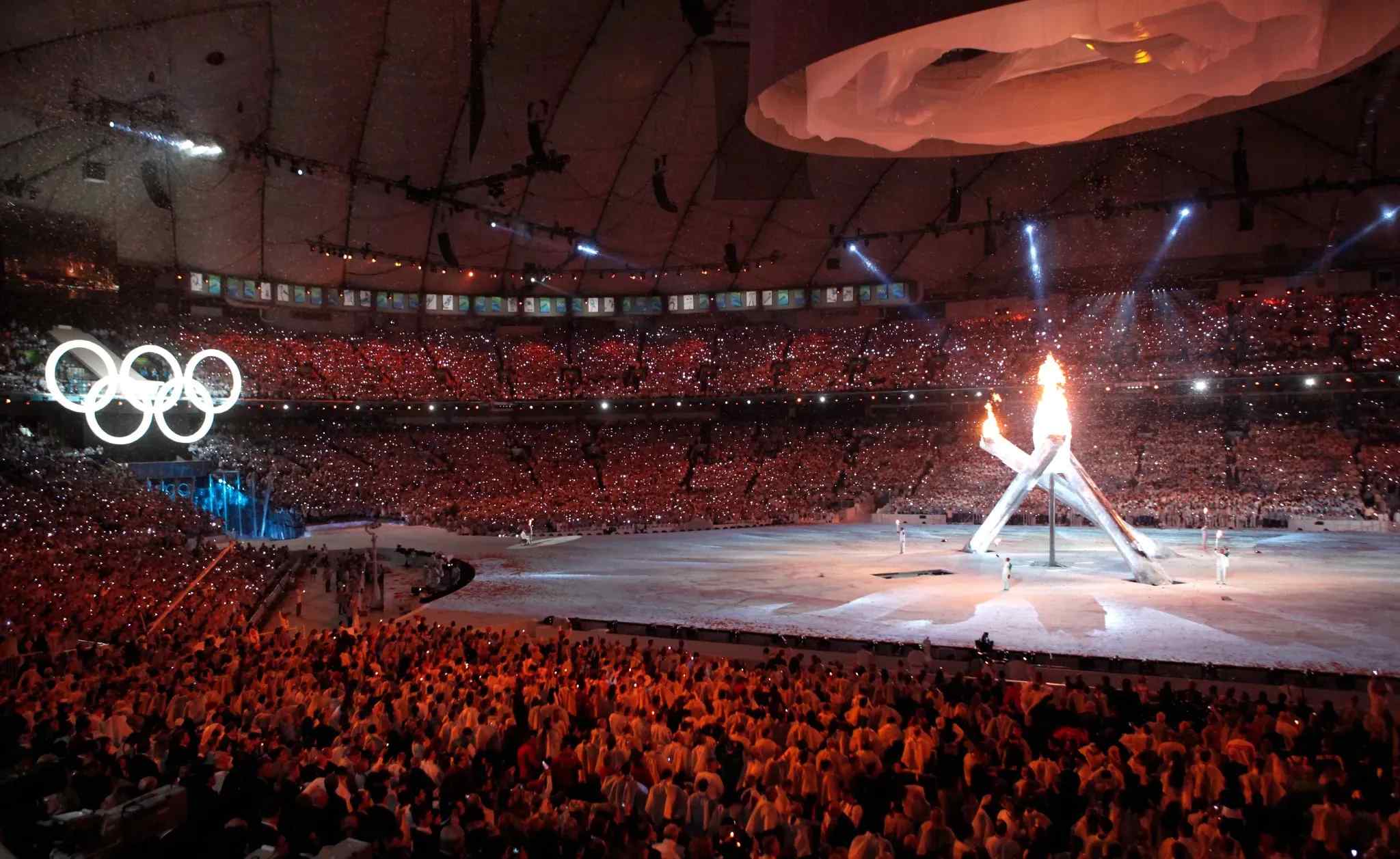
3. BC Place, Vancouver
(Capacity: 54,500)
BC Place in Vancouver has a seating capacity of 54,320, making it the third-largest stadium in Canada. Opened in 1983, it was considered a marvel of its age, featuring the world’s largest air-supported roof at the time. BC Place served as the main venue and site for the 2010 Winter Olympics, highlighting its significance in Canadian sports history and its role as a premier location for major international events.
Everybody cheered when the Metrodome was finally torn down in 2014. BC Place avoided the same fate because it’s owned by the province, and because the 2010 Winter Olympics were held in Vancouver. A major addition to the stadium was the new retractable roof (which cost over $500 million, or $200 million more than the original stadium itself), though it wasn’t ready until 2011.
The BC Lions still play here, of course, and the Vancouver Whitecaps were NASL tenants before coming back as an MLS franchise. BC Place regularly hosts major events, including international sports competitions and concerts. But the record attendance for BC Place wasn’t for any of these teams, or the Olympics for that matter, it was the 65,061 who came to watch Ed Sheeran perform this past September.
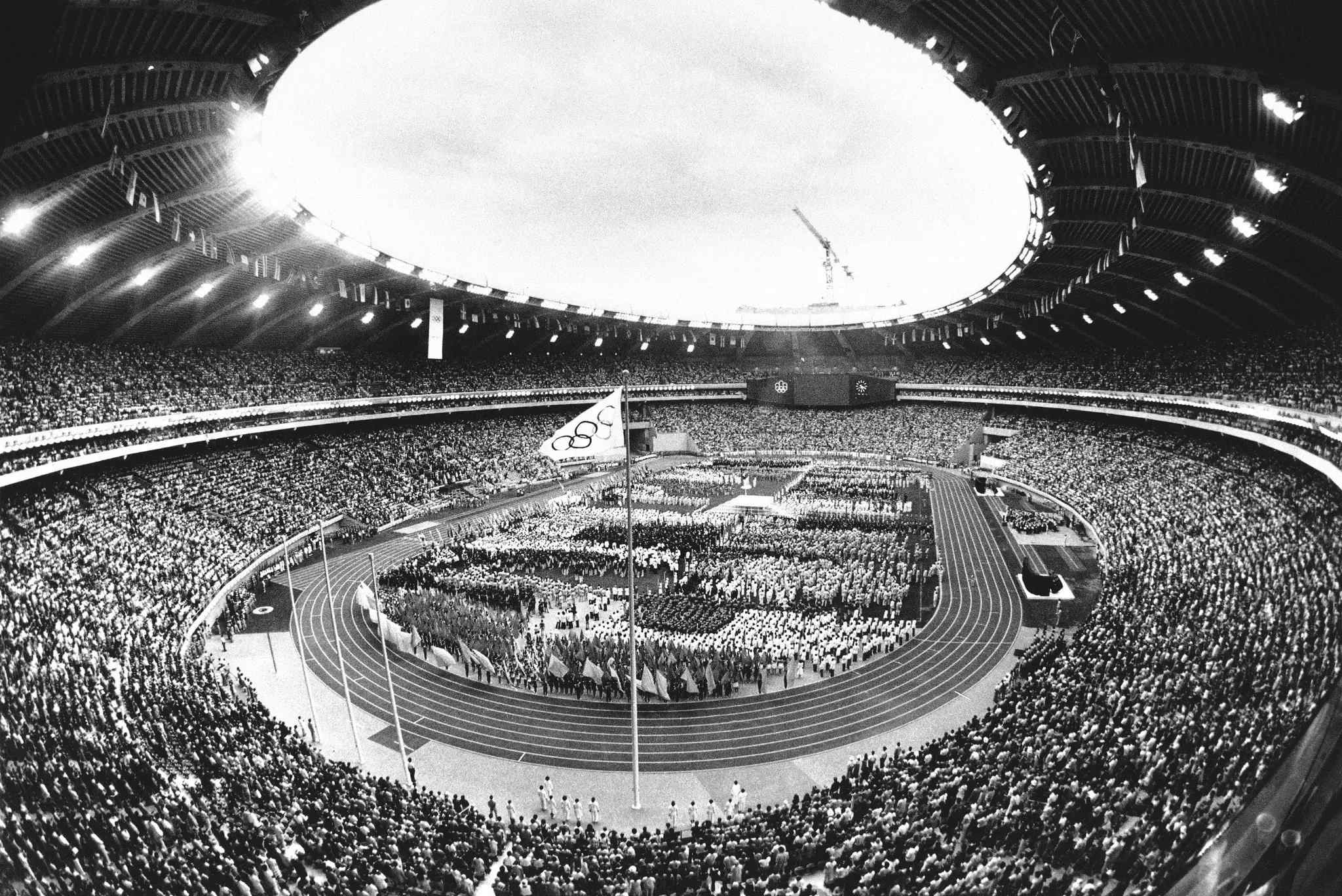
2. Olympic Stadium, Montreal
(Capacity: 56,040)
No stadium in Canadian history has been as reviled as Montreal’s Olympic Stadium, officially named Olympic Stadium and also known as the 'Big O'. Built as the site for the 1976 Summer Olympics, it has a permanent seating capacity of 56,040, but this can be expanded with the addition of temporary seating for large events, making it one of the largest stadiums in Canada. The city went $1 billion in the hole because of the Olympics; this was just before the Games abandoned any pretense of being an amateur competition. And the retractable roof never did work properly.
Olympic Stadium served as the site for both the opening and closing ceremonies of the 1976 Summer Olympics, further cementing its place in Canadian sports history. This stadium is still an architectural wonder. It’s a shame the Expos moved to Miami, and the Montreal Alouettes bolted for Molson Stadium at McGill (cap. 20,025) in 1998, having found the venue more to their liking when they were forced to play there in 1997 while U2 was booked at Olympic Stadium. Before every Sunday home game, the Alouettes play “Sunday Bloody Sunday” over the PA in honour of U2 saving the team.
Olympic Stadium has also seen its share of big-ticket events, including the famous Roberto Duran-Sugar Ray Leonard boxing match in 1980. But this being Montreal, the biggest crowds ever were for Pink Floyd (att. 78,322) and Emerson, Lake and Palmer (att. 73,898) in 1977. Prog rock will never die as long as Montreal is standing.
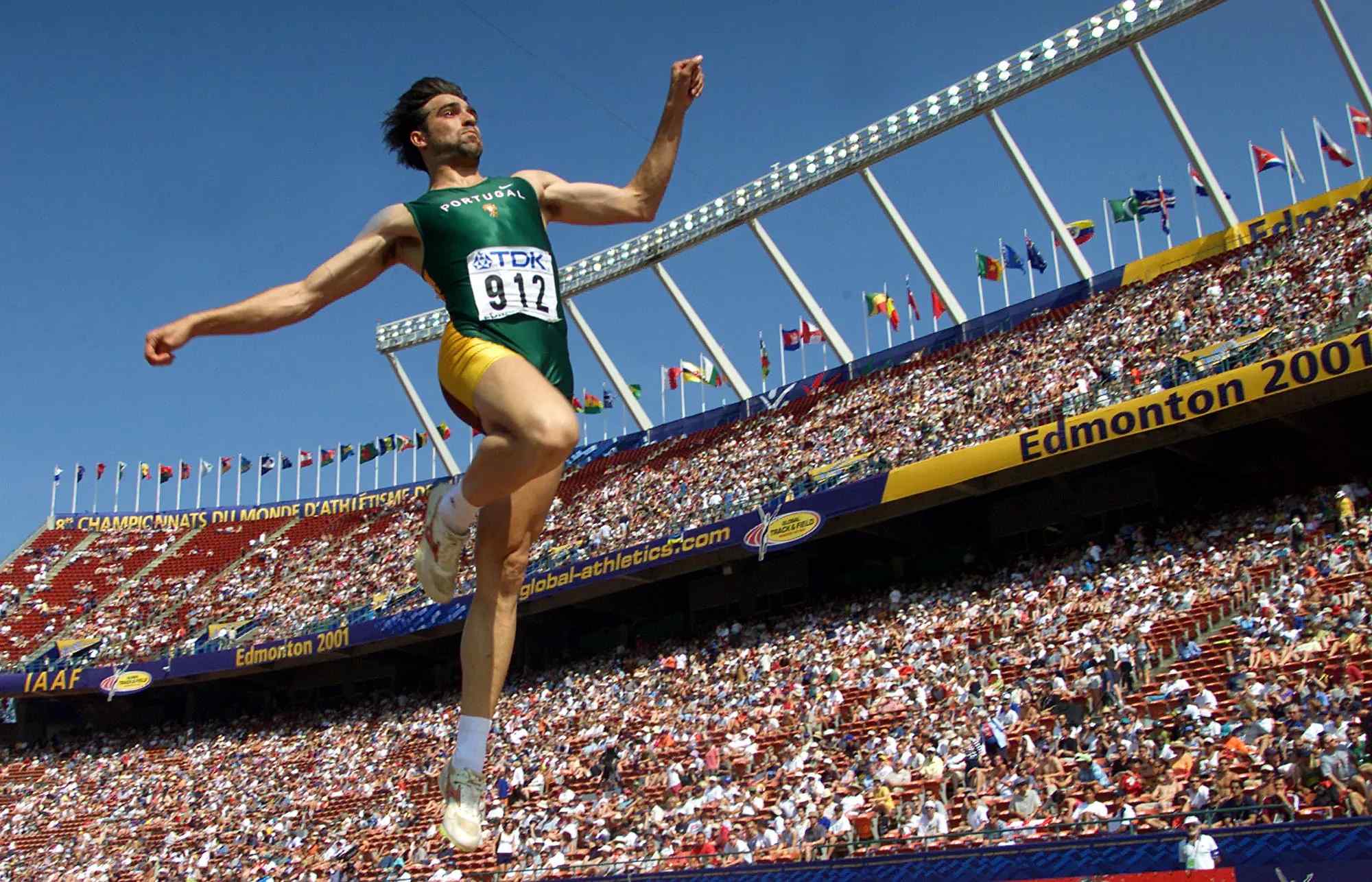
1. Commonwealth Stadium, Edmonton, the Largest Stadium in Canada
(Capacity: 56,302)
Our tour ends in Edmonton, home to Commonwealth Stadium, the largest stadium in Canada with a capacity of 56,302, and often referred to as The Brick Field at Commonwealth Stadium. Commonwealth Stadium was constructed in 1975 and officially opened in June 1978, having been selected as the site for the Commonwealth Games, which were a major international event at the time and left a lasting legacy in Canadian sports architecture alongside Olympic Stadium.
The stadium’s creation not only replaced Clarke Stadium (cap. 20,000, opened in 1938-39), but also served as a new home for the Edmonton Eskimos, the original name of the CFL team now called the Elks. Commonwealth Stadium has served as the site for many Grey Cups and major sporting events, making it a central part of Edmonton’s sports culture.
Beyond Canadian football, Commonwealth Stadium is a key venue for soccer, having hosted numerous significant events, including nine FIFA World Cup qualification matches, the 2015 FIFA Women's World Cup, and international fixtures involving teams like Mexico, which have drawn large crowds and showcased the stadium’s versatility. The Edmonton Drillers (NASL) also played here briefly, and rugby matches are regularly held. Notably, U2 set the official attendance record of 66,835 in 2011.
Attending a Grey Cup or a Heritage Classic in person is a bucket-list experience, and the usual travel tips about booking early and knowing the local transit options apply doubly when 50,000-plus fans are all heading to the same place.
The Most Significant Upgrades to Canada's Biggest Stadiums
Several of Canada’s largest sports stadiums have undergone significant upgrades over the years to enhance the fan experience and maintain their status as premier venues. BC Place in Vancouver, managed by the BC Pavilion Corporation, is a prime example. Originally opened in 1983 with the world’s largest air-supported dome, it underwent a major renovation after the 2010 Winter Olympics. This included replacing the inflatable roof with a state-of-the-art retractable roof, making it the largest of its kind globally and greatly improving comfort and versatility for stadium hosts and visitors.
Rogers Centre in Toronto, near the shores of Lake Ontario, has also seen multiple renovations since its 1989 opening. Known for its retractable motorized roof, the stadium hosts several events, including baseball games for the Toronto Blue Jays and several concerts. Renovations have improved seating configurations, technology, and amenities, ensuring it remains a top-tier venue for both sports and entertainment.
BMO Field in Toronto, home ground to Toronto FC and the Canadian national soccer teams, has been temporarily expanded to a capacity of 40,000 in preparation for the FIFA World Cup 2026. This upgrade includes enhanced seating, improved facilities, and better accessibility, reflecting the growing popularity of soccer in Canada.
McMahon Stadium in Calgary, built in 1960, has undergone six expansions and renovations, increasing its capacity to over 46,000 for special events. These upgrades have modernized the stadium while preserving its historic significance, allowing fans to enjoy a blend of tradition and contemporary amenities.
These upgrades demonstrate the commitment of stadium hosts and local authorities to maintaining Canada’s largest stadiums as vibrant, multi-use facilities capable of hosting several events annually, including major sports competitions, concerts, and cultural gatherings.
Largest Stadium in Canada: Final Thoughts
Canada’s biggest stadiums reflect the country’s rich sports culture and history, from the massive open-air Commonwealth Stadium in Edmonton to the iconic Olympic Stadium in Montreal. Each venue offers unique features and serves diverse sports like Canadian football, soccer, rugby union, and athletics. Whether you’re a fan of the Canadian Football League, Major League Soccer, or international events, these stadiums stand as proud symbols of Canada’s passion for sports and entertainment.
Largest Stadium in Canada FAQs
What is the biggest stadium in Canada?
Commonwealth Stadium in Edmonton, Alberta, is the largest stadium in Canada with a seating capacity of 56,302.
Which stadium is home to the Vancouver Whitecaps FC?
BC Place in Vancouver serves as the home ground for the Vancouver Whitecaps FC.
Are there any stadiums with retractable roofs in Canada?
Yes, BC Place and Rogers Centre both feature retractable roofs, allowing for indoor or open-air events.
What major sports are played in Canada's biggest stadiums?
Canadian football, soccer (including American football in some cases), rugby, and athletics are commonly played in these stadiums.
Has Canada hosted any major international sporting events in these stadiums?
Yes, stadiums like Olympic Stadium in Montreal and Commonwealth Stadium in Edmonton have hosted events such as the Summer Olympics, FIFA World Cup matches, and the Commonwealth Games.
The Bodog editorial team is comprised of experts in the iGaming, Sportsbetting, Lifestyle, Travel Wellness and Casino space.
More Articles like this
From NYC to Melbourne: Four Ultimate Sports Vacations
From New York to Melbourne, these four cities offer much more than a game ticket, combining iconic venues, major events, sightseeing, food, and nightlife into a bucket-list sports vacation.
By Bill Gelman
6 Luxury Vacation Destinations That Are Astonishingly Affordable
So, you thought you needed to be rich to vacation like a billionaire? Well, check out these glamorous destinations that famously deliver lavish getaways for far less than you think.
By Stuart Hughes
What to Do Before You Travel With Betting Apps
A little preparation can save you from blocked access and login errors. Knowing how sportsbooks track location helps you stay ahead of the most common problems.

By Charlon Muscat
Long Layover? Here’s When You Should Actually Leave the Airport
Flight delays and lengthy airport layovers are part and parcel of flying these days, so why not seize the chance to head off for a spontaneous adventure outside the airport instead?
By Stuart Hughes
Travel Destinations Where Grown-Ups Still Get To Feel Wonder
Wonder isn't just for kids at a theme park. These five U.S. destinations, from a surreal art maze to a 300-foot redwood grove, are built (or grown) to make grown-ups feel it too.
By Cole Rush
The Case for Taking the Train Instead of Flying
Amtrak just had its best year ever and rolled out a faster Acela. Airlines still win on raw speed. Here's an honest, numbers-first look at cost, comfort, reliability, and emissions, so you can pick the right mode for the right trip.
By Cole Rush