
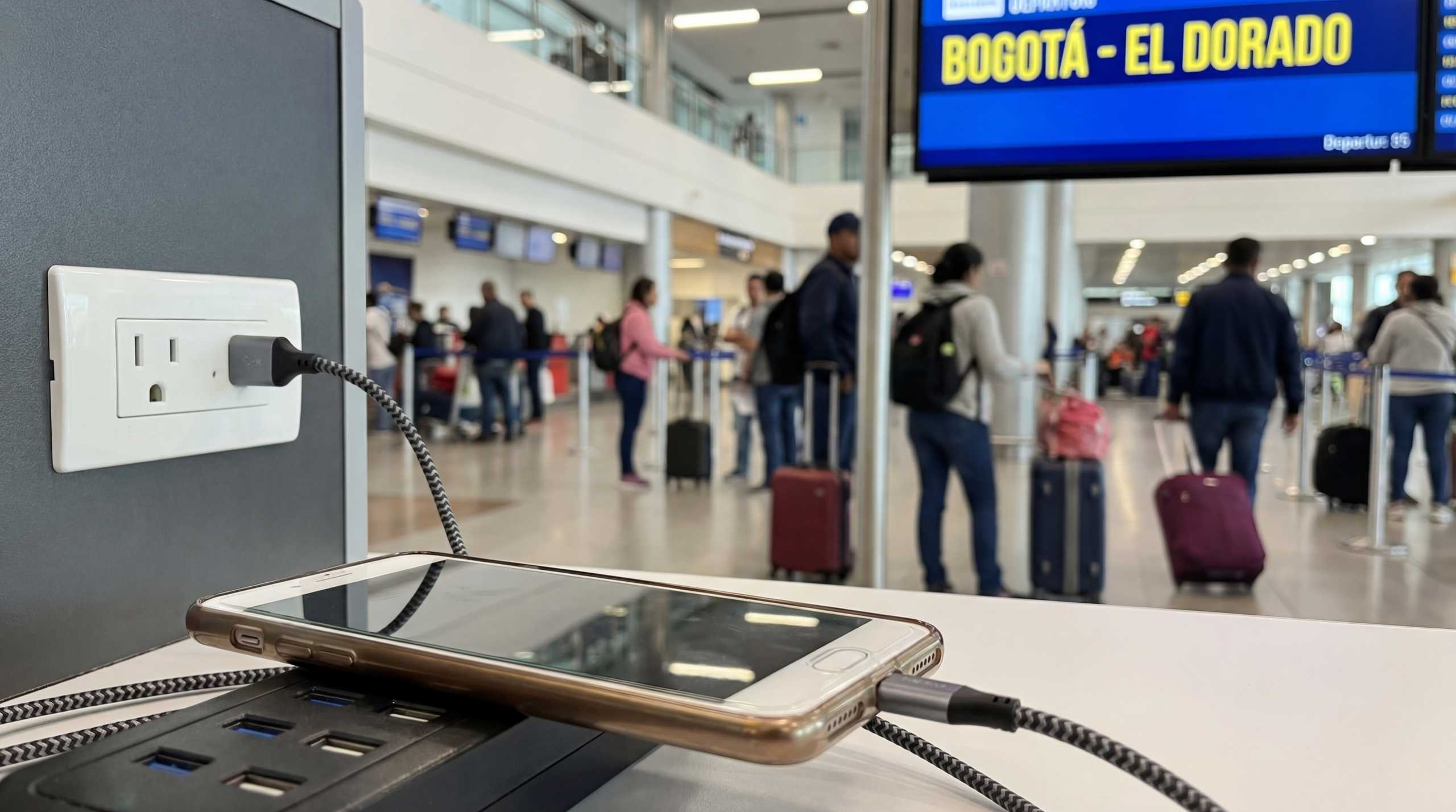
The forces shaping travel trends have fundamentally shifted. Tourism boards didn't make Medellín cool. A TikTok clip did. A Champions League fixture didn't just fill stadiums; it filled hotels three cities over. The real power brokers now are algorithms, fan communities, and WhatsApp threads moving faster than any marketing campaign ever could.
Here's how it actually works: a 15-second video goes viral, group chats reach instant consensus, and suddenly flights to that destination spike before the tourism authority has even updated its website. Airlines and booking platforms aren't setting demand; they're chasing it.
Two myths worth killing immediately:
- Destinations don't "emerge" — they get algorithmically selected. Virality isn't organic discovery; it's pattern recognition at scale.
- Marketing doesn't start trends; it chases them. By the time a city appears in a glossy campaign, the early adopters have already moved on.
The New Travel Trends: Power Brokers Popular Sports, Social Feeds, and Group Chats (Not Tourism Boards)
Sports tournaments, nightlife economies, digital nomad clusters, and global events now dictate where the world moves next, and understanding those mechanics is far more useful than reading a listicle from a legacy travel magazine.
This shift reflects broader annual travel trends where travelers increasingly seek experiences driven by entertainment, personal growth, and authentic connection rather than traditional marketing. As a result, the range of destinations gaining popularity now includes those discovered through social feeds, local events, and community-driven networks, reshaping the global travel landscape.
In this evolving context, travelers expect more than just a holiday; they look for meaningful moments that combine adventure, culture, and connection, often facilitated by new technology and digital platforms. Whether it's following a football tournament, exploring a new resort, or joining a tennis event in the UK or Italy, the modern traveler is empowered by real-time information, community insights, and a desire to play an active role in shaping their journey.
Tourism for Sports Fans: When Tournaments Turn Normal Neighbourhoods Into Temporary Capitals
Few forces reshape a city faster than a major sporting event. Sports tourism is one of the most powerful, and underanalyzed, travel trends operating today. When a Champions League final, World Cup group stage, or UFC Fight Week lands in a city, something remarkable happens: the place temporarily becomes something else entirely.
Hotels reprice overnight. Neighborhoods absorb fan zones that didn't exist 72 hours earlier. Local bars stream matches to crowds who don't speak the same language but somehow share the same chants. The cultural export is real: jerseys, songs, and rituals crossing borders alongside the fans wearing them.
Why do fans travel for sport? It's rarely just about the game. It's about identity, belonging, and the social proof economy, the unbeatable currency of "I was there." Copa América crowds in Miami, NBA Global Games in Paris, Euros fans flooding host cities: each event creates a temporary population that transforms hospitality, transport, nightlife, and local business in ways that linger long after the final whistle.
For anyone reading fan migration as a cultural signal, these event windows reveal exactly where global attention, and spending, concentrates next.
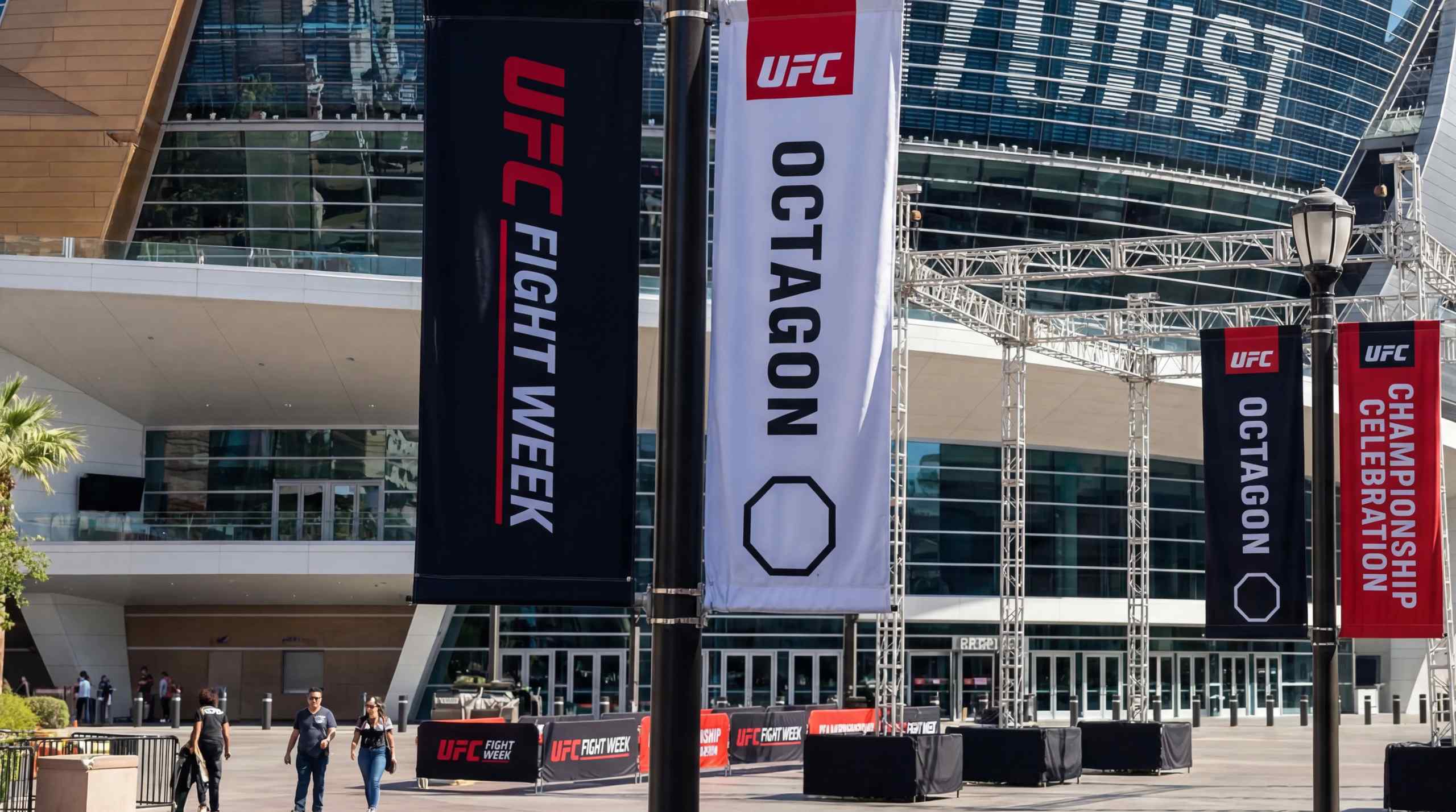
Digital Nomad Trends: Remote Work Moves Economies
Remote work didn't just free people from offices; it quietly rewired global migration patterns. Cities aren't competing for tourists filling their leisure time anymore. They're competing for laptop-toting residents who pay rent, fill co-working spaces, and relocate their lives to discover a new city for six months instead of six days.
The mechanics driving this shift are less romantic than the Instagram reels suggest. Visa policies matter: countries like Portugal, Georgia, and Indonesia rolled out digital nomad visas specifically to capture this spending class. Cost-of-living arbitrage does the rest: a developer earning a San Francisco salary in Medellín or Tbilisi isn't just traveling, they're economically restructuring a neighborhood.
Then there's community gravity, arguably the most underrated force in modern travel. People don't follow brochures. They follow Slack communities, Discord servers, and the friend who posted a reel from a rooftop coworking space in Chiang Mai. Crypto nomads take this further: entire subcultures of blockchain-adjacent workers cluster around specific cities based on regulatory friendliness and peer networks, not tourism boards.
The city didn't reinvent itself. It got discovered by a well-timed thread and a favorable exchange rate.
Nightlife-Led Travel Modes: The Party Economy That Quietly Runs the Itinerary
Nobody books a flight to Medellín purely for the architecture. Nightlife-driven travel is one of the most underanalyzed forces shaping modern tourism, a pattern where the afterparty is the destination, and everything else is logistics. From Ibiza's closing parties to Mexico City's Latin electronic scene, music ecosystems, permissive closing hours, and surprising affordability consistently pull global crowds toward the same coordinates.
The mechanics are predictable once you see them: a promoter network seeds a scene, international DJs and artists follow, social media amplifies the moment, sports fans get excited for a tournament, and suddenly a city that was off the radar is fielding weekend migrations, short, intense trips engineered around a single night or festival. The "watch party → afterparty → next-day flight" loop, common in UFC and major sports culture, runs on the same logic.
The economics cut both ways. Nightlife tourism injects serious revenue into local bars, hotels, and transport. It also drives rent spikes, noise friction, access issues, and overcrowding, tensions cities like Lisbon and Barcelona are actively managing. The cultural energy is real; so is the pressure it creates on the communities hosting it.
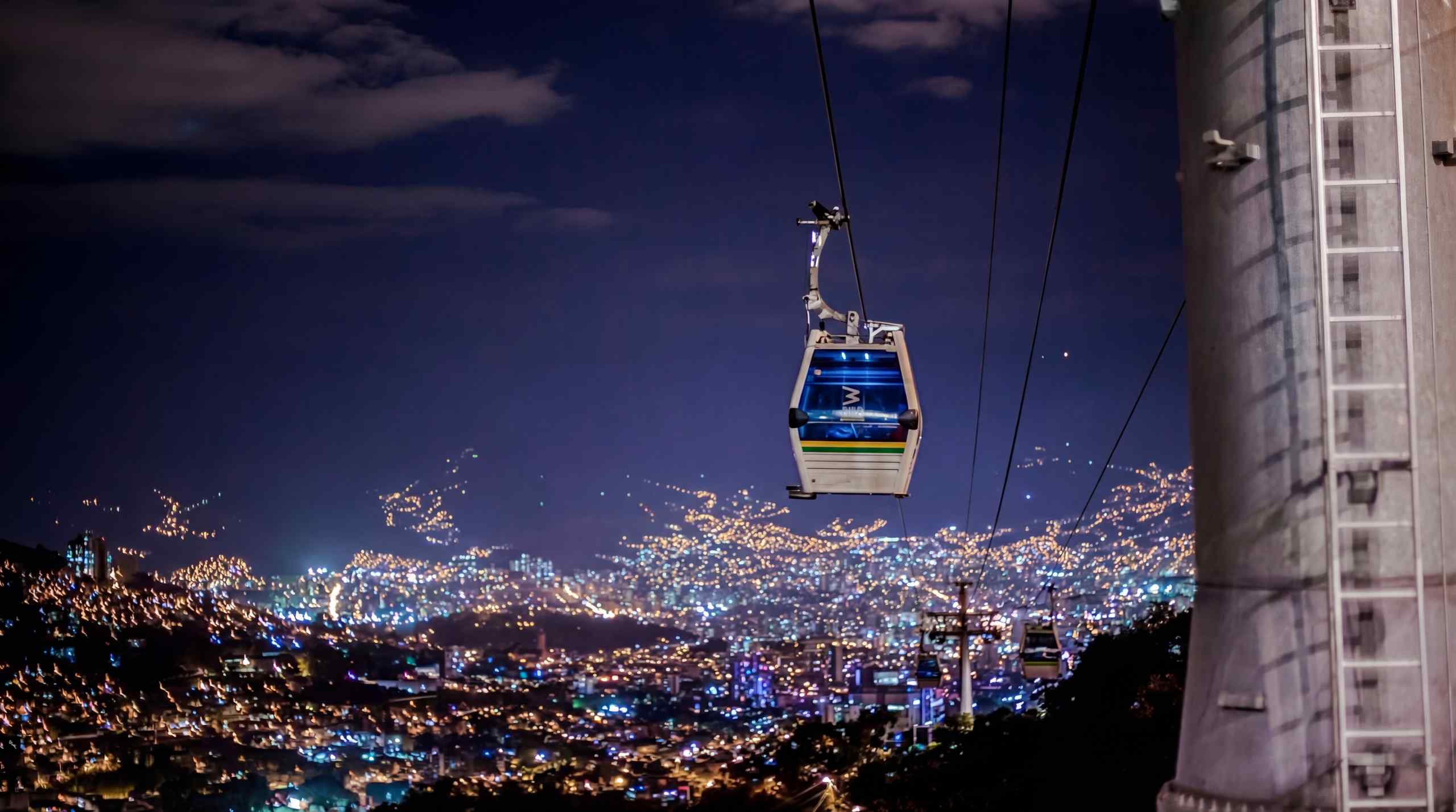
Why Destinations Go Viral: The Travel News Lifecycle
Some cities earn their reputation over decades. Others wake up one morning trending on three platforms simultaneously, with flight prices already climbing. Understanding how travel movements accelerate, and collapse, reveals more about modern culture than any tourism board ever will.
The lifecycle follows a predictable arc, even when the destination doesn't see it coming:
- Discovery: Niche creators post; search spikes quietly in the background
- Amplification: Algorithms surface the content; repost culture does the rest
- Mainstreaming: Brand partnerships arrive; hotel inventory tightens; prices follow
- Backlash: Crowding fatigue sets in; the original audience loudly exits
- Reinvention: A new neighborhood or underground scene absorbs what's left
The signals are readable before the crowds arrive. Flight route additions, popular remote jobs, event calendar density, creator volume surges, and the moment a destination gets meme-ified, these are the real indicators that a city is shifting from cultural curiosity to tourist commodity.
The "hidden gem" is just a phase before the hidden bill. The more interesting question is what gets built in the ruins of the hype.
Stay Ahead of the Game with Bodog's Travel Trend Coverage
The forces reshaping global travel have very little to do with what a tourism board decides to put on a billboard. They come from a tournament bracket that sends 80,000 fans scrambling for flights, a thirty-second clip that makes a neighborhood look unmissable, a Slack message that tells remote workers a city just got fast Wi-Fi and cheap rent, and a nightlife economy that quietly becomes the main event. When these forces converge, a city doesn't gradually rise; it flips almost overnight.
That's the pattern worth understanding. Not the glossy destination guides, but the cultural signals hiding in your timeline, your group chat, and the next major sporting calendar. The next "it" destination is already building momentum somewhere, you just have to know what you're looking at.
If you want to keep reading into the cultural forces driving where people go and why, explore the Travel Hub for more destination coverage. Already understand the why and ready for the how? Head over to Travel Tips for the practical side of the equation.

The Bodog editorial team is comprised of experts in the iGaming, Sportsbetting, Lifestyle, Travel Wellness and Casino space.
More Articles like this
Are Airport Lounges a Waste of Money in 2026?
Crowded rooms, tighter access rules, and rising fees have changed the lounge math. Our break-even calculation shows which travelers should still pay for access.
By Cole Rush
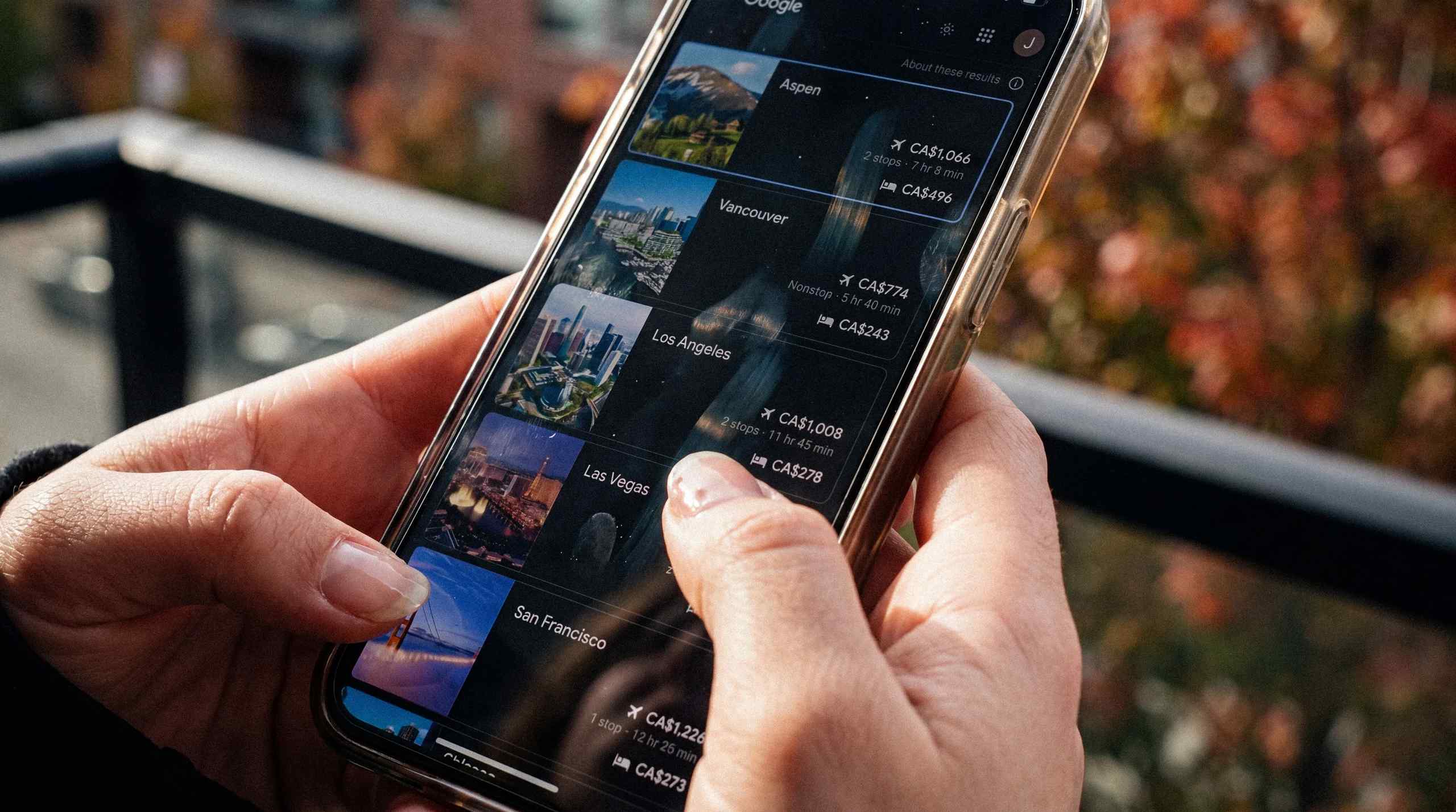
Is Fall Travel Still a Bargain? Not Everywhere
Fall used to mean cheaper flights and thinner crowds. In 2026, lodging in top U.S. cities runs 20% above summer. Here's where autumn still wins on price, weather, and crowds.
By Cole Rush
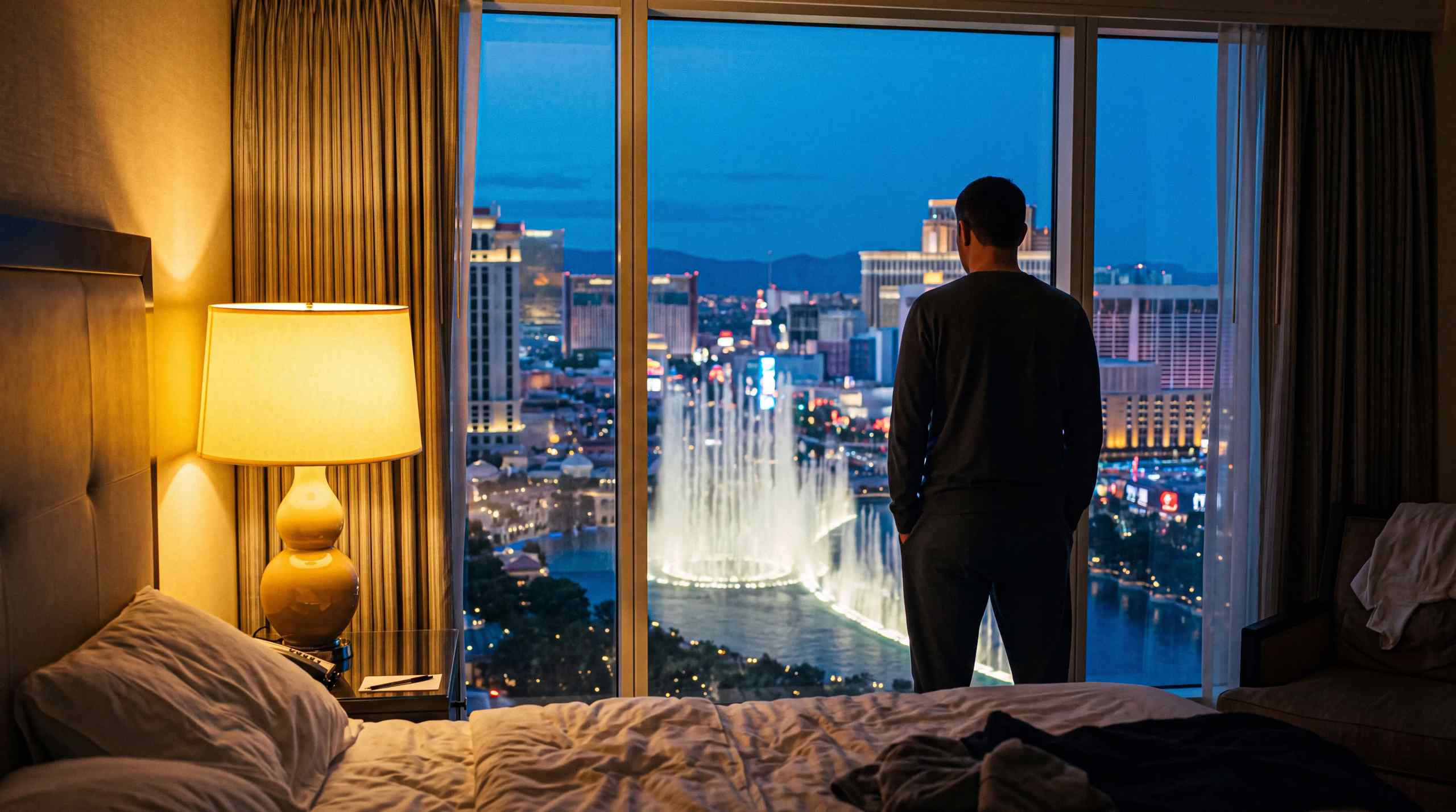
One Vegas Weekend, 10 Years Apart: An 82% Price Surge
A weekend in Vegas costs a lot more than it did a decade ago. We priced the same hotels, meals, and entertainment in 2016 and 2026 to see just how much.
By Charlon Muscat
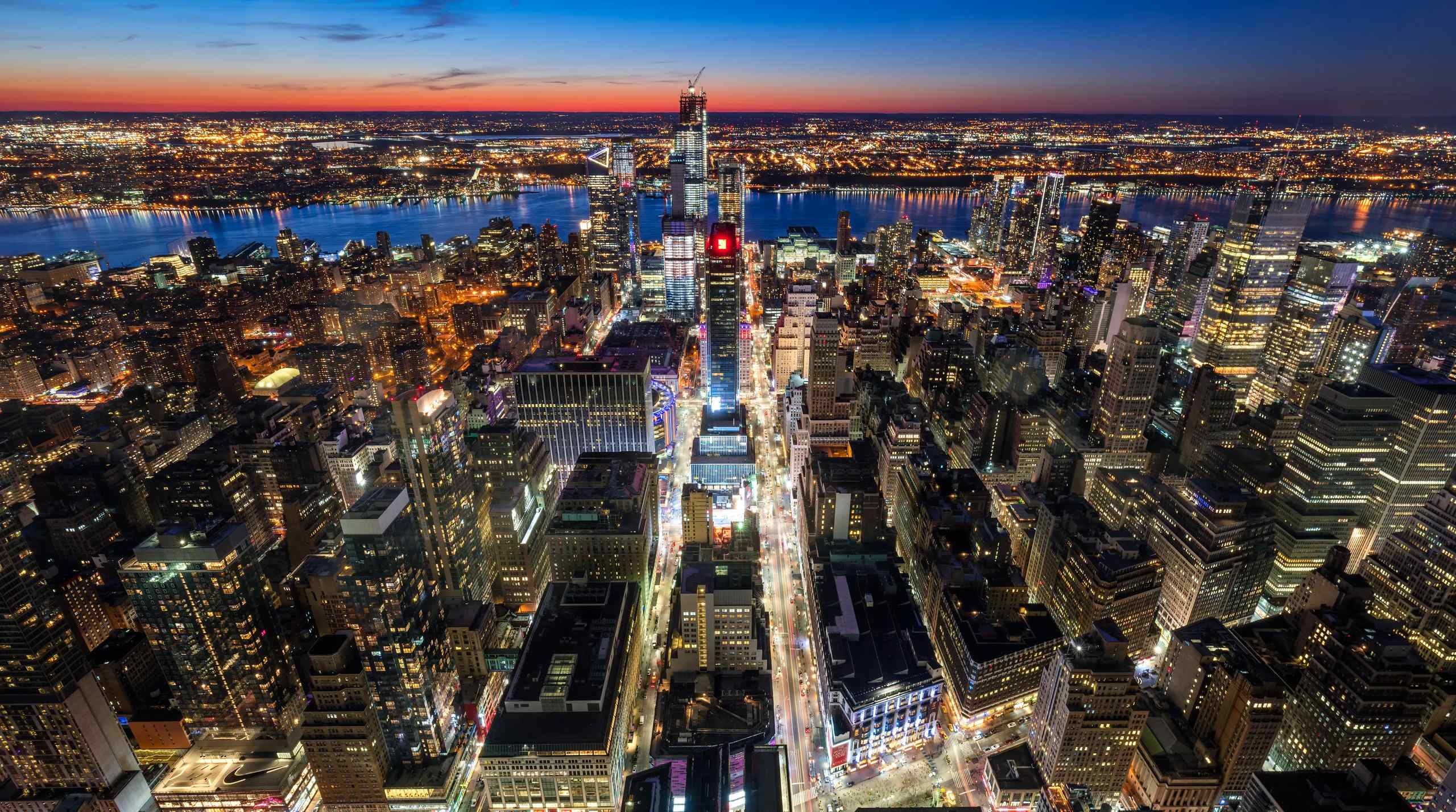
From NYC to Melbourne: Four Ultimate Sports Vacations
From New York to Melbourne, these four cities offer much more than a game ticket, combining iconic venues, major events, sightseeing, food, and nightlife into a bucket-list sports vacation.
By Bill Gelman
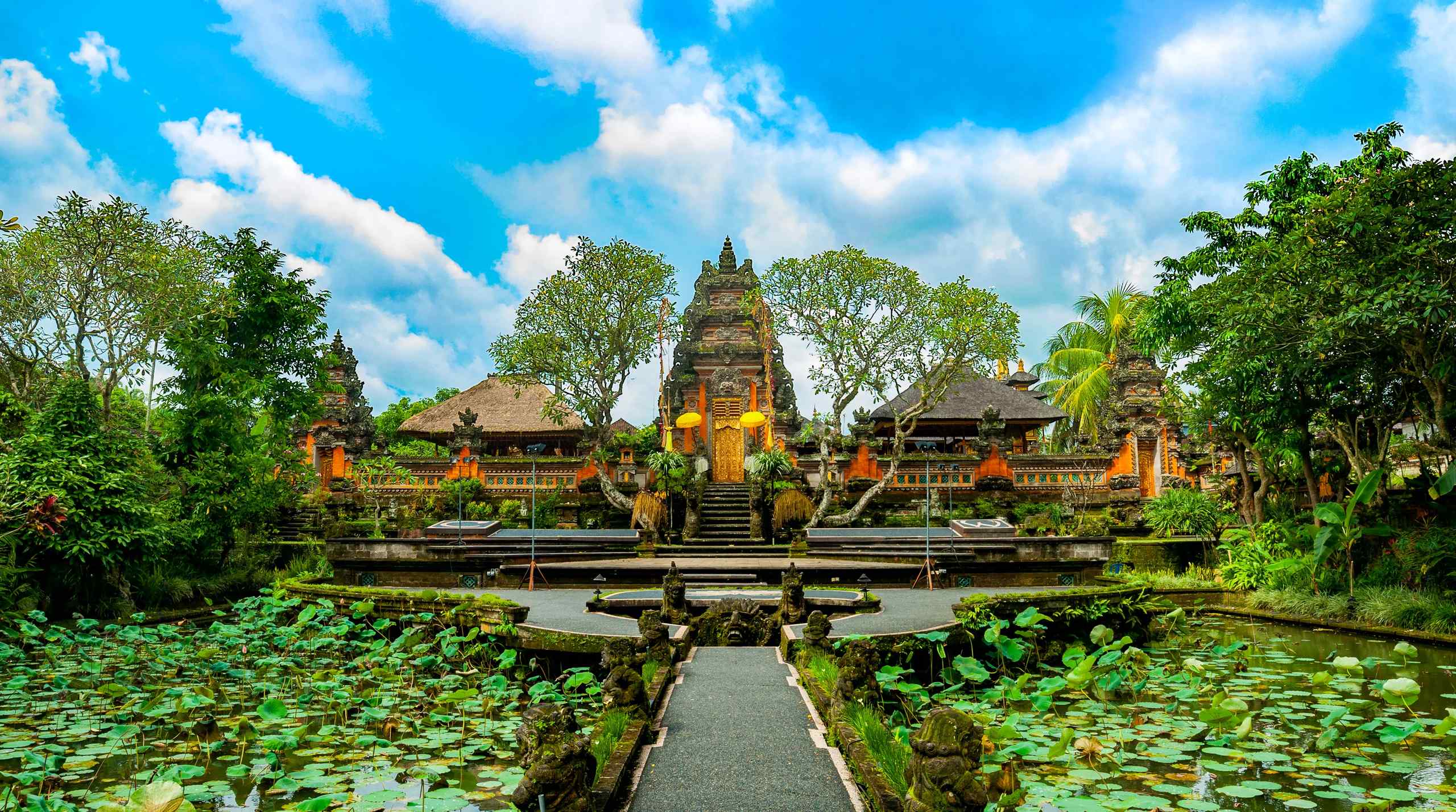
6 Luxury Vacation Destinations That Are Astonishingly Affordable
So, you thought you needed to be rich to vacation like a billionaire? Well, check out these glamorous destinations that famously deliver lavish getaways for far less than you think.
By Stuart Hughes
What to Do Before You Travel With Betting Apps
A little preparation can save you from blocked access and login errors. Knowing how sportsbooks track location helps you stay ahead of the most common problems.
By Charlon Muscat