
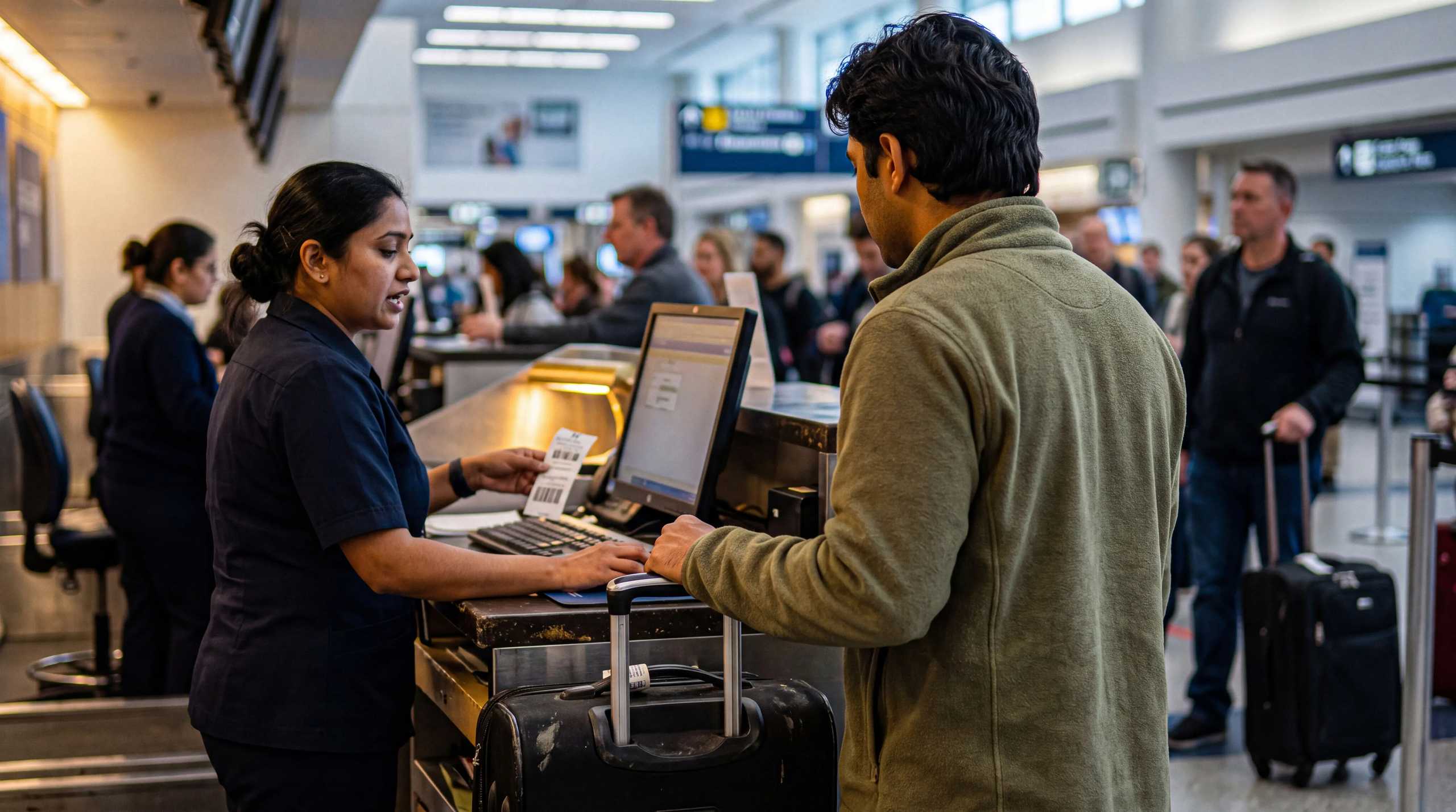
Beware Increased Bag Fees When Booking "Cheap" Flights
Passenger bag fees are rising as airline operating costs go up, but there are ways to avoid them.

While some airfares may look cheap at first glance, the real price of a spring weekend trip has climbed fast once you add rising airline bag fees, seat selection, and other extras.
Recent airline fee hikes have pushed first checked bags to roughly $40 to $50 each way on many major U.S. carriers, which means the advertised fare is often only the opening number, not the final bill.
Then you add the fact that airlines are increasingly à la carte rather than all-inclusive, adding up things like seat selection and taxes, can send the bill skyrocketing. Across the broader world of travel, the shift toward unbundled pricing has become one of the defining frustrations of the modern flying experience.
What’s pushing prices up
According to the New York Times, airline executives are blaming rising operating costs on the war in Iran. And rather than hiking ticket prices and discouraging travelers, airlines have already been shifting more of their revenue from base fares into add-ons for years, and 2026 has made that trend more obvious. The airlines are aiming to increase their revenues without obviously hiking ticket prices.
US airlines collected $7.3 billion in bag fees in 2024, according to the Bureau of Transportation Statistics. Bag fee hikes are part of a broader set of travel trends that have been reshaping the economics of flying for budget-conscious passengers over the past several years.
Checked bag fees rose again this spring, with several airlines adding about $10 per bag, and some now charging even more depending on when and how you pay, according to USA Today. Even Southwest Airlines, which once allowed two free checked bags, has instituted bag fees. For travelers planning trips around major sporting events, whether that means flying to see the biggest stadiums in Canada or catching a game stateside, bag fees and add-on costs can quietly inflate what looks like a reasonable travel budget.
Basic economy fares also keep travelers on a tighter leash, with restrictions that can limit or eliminate a standard carry-on on some routes and airlines. Seat selection, priority boarding, and last-minute baggage purchases are all part of the same move: The airline shows you a low fare, then fills in the real price later.
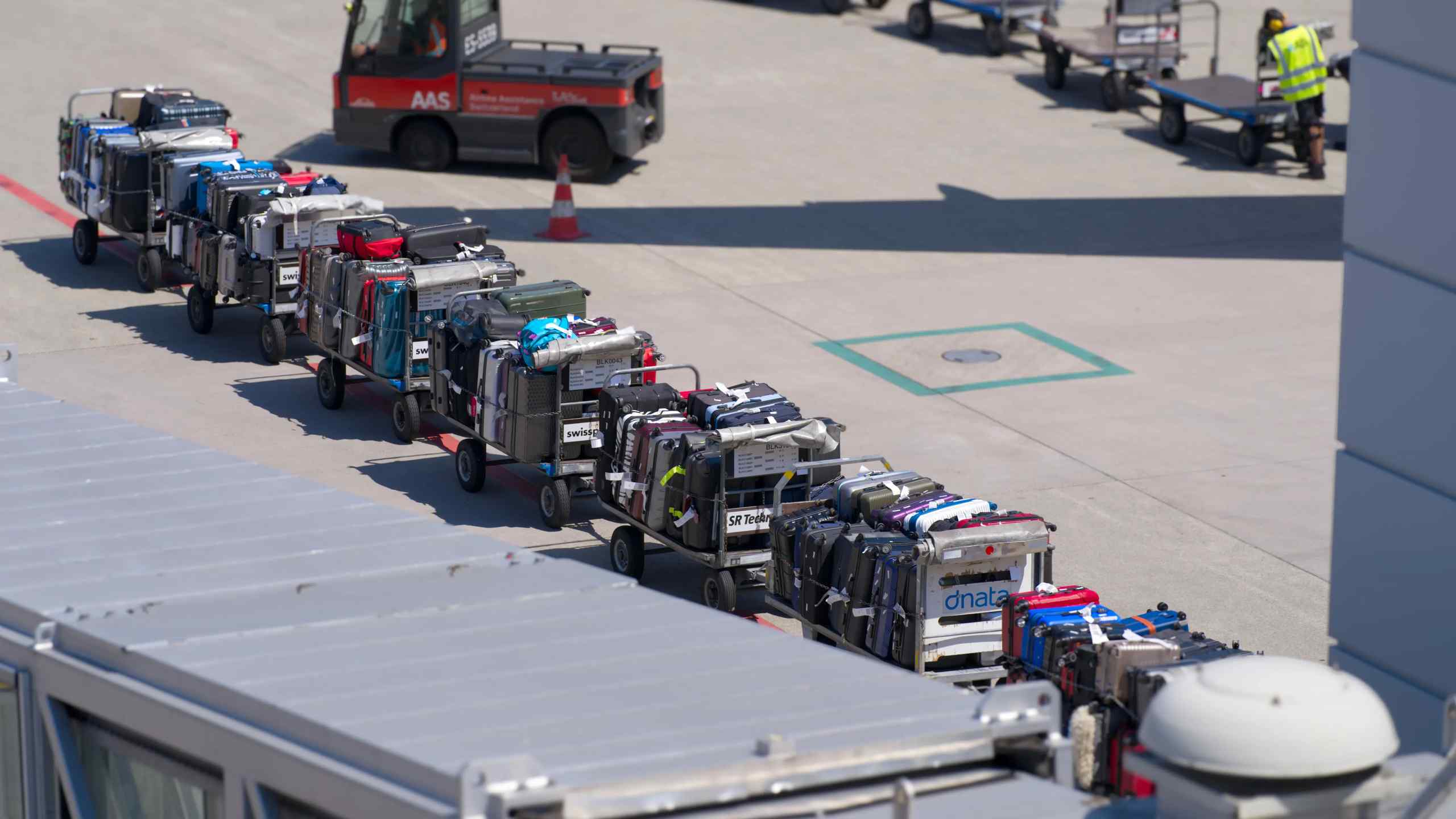
What a weekend trip really costs
A realistic short trip is not just the plane ticket. For a typical round-trip domestic weekend getaway, the cost of a base fare plus one checked bag, a standard seat, and taxes can quickly move well beyond the headline fare.
In other words, a “cheap” flight can turn into a fairly expensive weekend before you even book a hotel or car rental.
Hidden Airline Costs
| Base airfare | Cost (Estimated) |
|---|---|
| Base airfare | $200 |
| Checked bag (round trip) | $80-$100 |
| Seat selection | $25-$45 |
| Taxes/fees | $40 |
| Total | ~$345-$380 |
Where travelers get caught
The biggest mistake is assuming bags are included just because the fare looks normal.
Another common trap is forgetting that bag fees are often charged each way, so a $40 bag can really mean $80 round trip.
Travelers also get burned when they book the cheapest fare first and read the restrictions later, especially on basic economy tickets with tighter baggage rules.
Paying for extras late at the airport is usually the most expensive option, since prepaying online is often cheaper. The NYT said airlines are increasingly charging another $5 for a checked bag, paid for less than 24 hours ahead of departure.
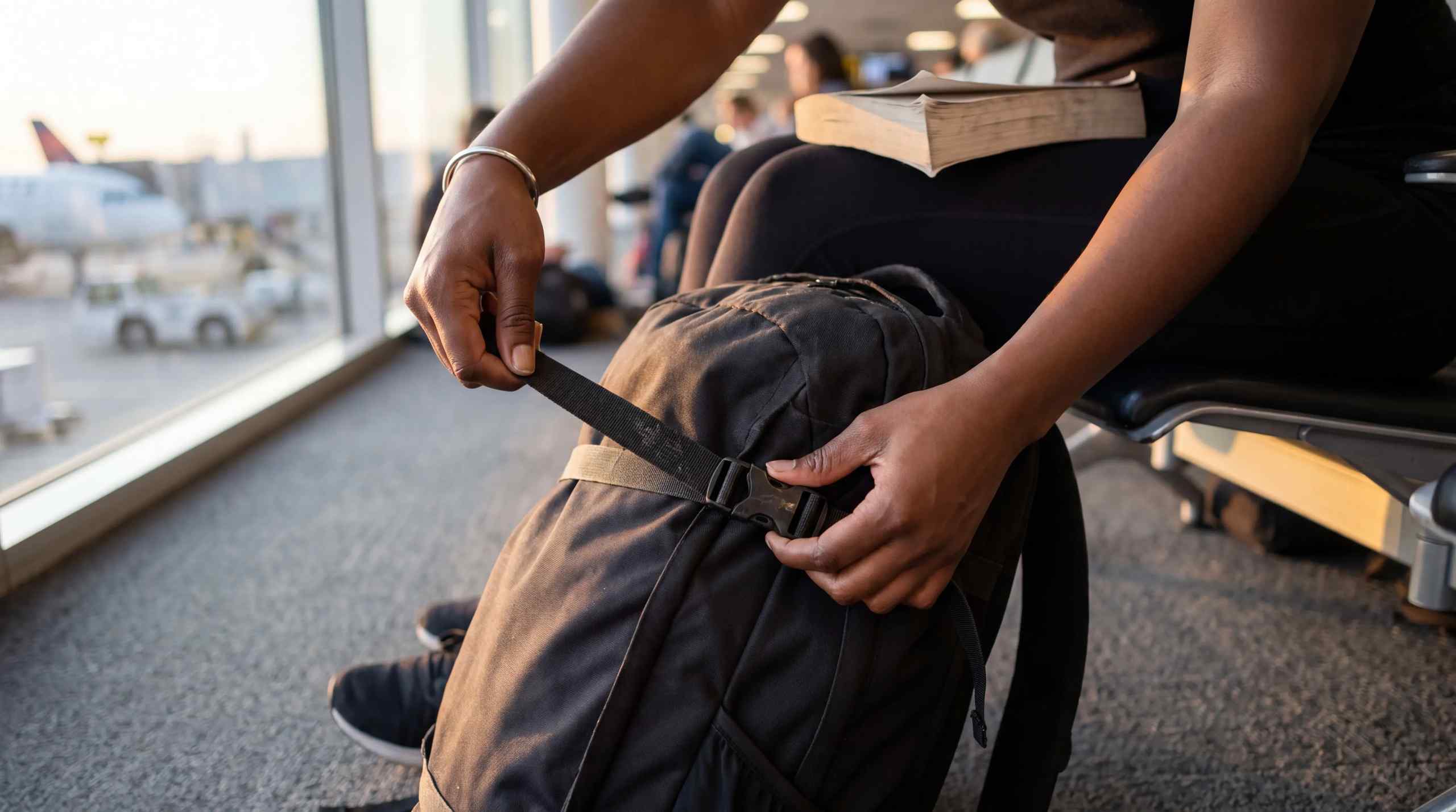
How to avoid extra fees
The easiest money-saver is to travel with a personal item only when possible. Otherwise, a small carry-on that fits in even cramped overhead compartments is key.
If you need a bigger bag, compare the full trip cost, not just the base fare, because a premium airline with a slightly higher ticket price than a budget airline might still be cheaper once baggage is included.
Grinding for travel points can also add up, and bags can be purchased with those.
Airline credit cards that include a free checked bag can also pay for themselves quickly if you fly even a few times a year. And if a fare says “basic economy,” read the rules carefully before you click buy, since carry-on and seat choices may be limited.
Fee Breakdown by Airline (2026)
Costs are adding up for air travel
| Airline | Baggage Fee | Premium Fares | Loyalty Program | Credit Card |
|---|---|---|---|---|
| American Airlines | $45 for the first bag and $55 for the second | First and Business Class receive two free bags | AAdvantage - free bags escalate with status | Citi AAdvantage Platinum Select and Citi AAdvantage Executive World Elite Mastercard - one free bag |
| Delta | $45 for the first bag and $55 for the second | Delta One and Delta First receive three bags. | Delta SkyMiles - free bags escalate with status | Delta SkyMiles Amex cards - one free bag |
| United Airlines | $45 for the first bag and $55 for the second | Premium cabins receive three free bags. | Mileage Plus - free bags escalate with status | United Explorer card - one free bag; United Quest and United Club - two free bags |
| JetBlue | Pricing changes based on peak times, starting at $39 | Business Class and Blue Plus cabins receive one free bag. | Certain tiers of TrueBlue rewards members also receive free bags. | JetBlue Plus and JetBlue Premier - one free bag |
| Southwest Airlines | $45 for the first bag and $55 for the second | Choice Extra receives two free bags. | Rapid Rewards A-List members get one free bag. A-List Preferred get two free bags. | Rapid Rewards Plus, Rapid Rewards Premier, and Rapid Rewards Priority - one free bag. |
| Alaska Airlines | $45 for the first bag and $55 for the second | Business and First Class receive two free bags. | Atmos Rewards - free bags escalate with status | Atmos Rewards Ascent Visa Signature and Atmos Rewards Summit Visa Infinite - one free bag |
The bigger pricing shift
Airlines are leaning even harder into unbundled pricing, where the ticket is just the starting point and the true cost comes from add-ons. Base fares are increasingly used as marketing tools, not as full-trip prices.
That means more travelers will keep seeing cheap ads and paying much more at checkout unless they read the fine print carefully.
The advertised fare is only part of the story. With baggage fees, seat charges, and basic economy restrictions, a short trip now costs more than many travelers expect, and those extras can make up a meaningful share of the total.
Smart planning matters more than ever: Compare the full price, know what is included, and never assume the cheapest fare is the cheapest trip.
Pat Evans is a Grand Rapids-based journalist and editor covering the intersection of business, sports, lifestyle, and gambling regulation. With a background in business journalism and legislative reporting (LSR, iGamingBusiness), he brings an analytical, human-focused approach to stories about modern trends. His work has appeared in regional and national publications, and he is also the author of two books on beer history.
More Articles like this
Are Airport Lounges a Waste of Money in 2026?
Crowded rooms, tighter access rules, and rising fees have changed the lounge math. Our break-even calculation shows which travelers should still pay for access.
By Cole Rush
Is Fall Travel Still a Bargain? Not Everywhere
Fall used to mean cheaper flights and thinner crowds. In 2026, lodging in top U.S. cities runs 20% above summer. Here's where autumn still wins on price, weather, and crowds.

By Cole Rush
One Vegas Weekend, 10 Years Apart: An 82% Price Surge
A weekend in Vegas costs a lot more than it did a decade ago. We priced the same hotels, meals, and entertainment in 2016 and 2026 to see just how much.

By Charlon Muscat
From NYC to Melbourne: Four Ultimate Sports Vacations
From New York to Melbourne, these four cities offer much more than a game ticket, combining iconic venues, major events, sightseeing, food, and nightlife into a bucket-list sports vacation.

By Bill Gelman
6 Luxury Vacation Destinations That Are Astonishingly Affordable
So, you thought you needed to be rich to vacation like a billionaire? Well, check out these glamorous destinations that famously deliver lavish getaways for far less than you think.

By Stuart Hughes
What to Do Before You Travel With Betting Apps
A little preparation can save you from blocked access and login errors. Knowing how sportsbooks track location helps you stay ahead of the most common problems.
By Charlon Muscat